 YardMate

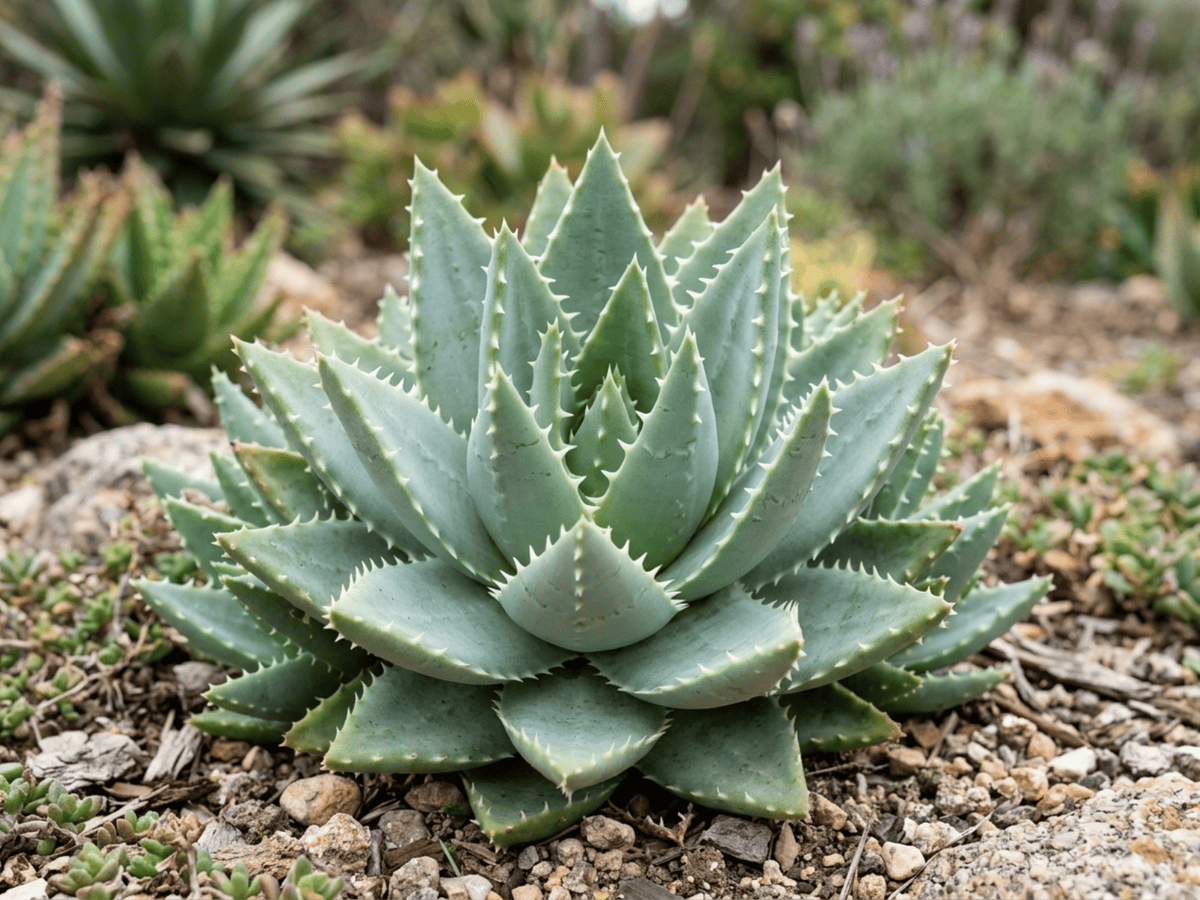


Short-Leaved Aloe
Aloe brevifolia
Easy · Beginner friendlyAbout Short-Leaved Aloe
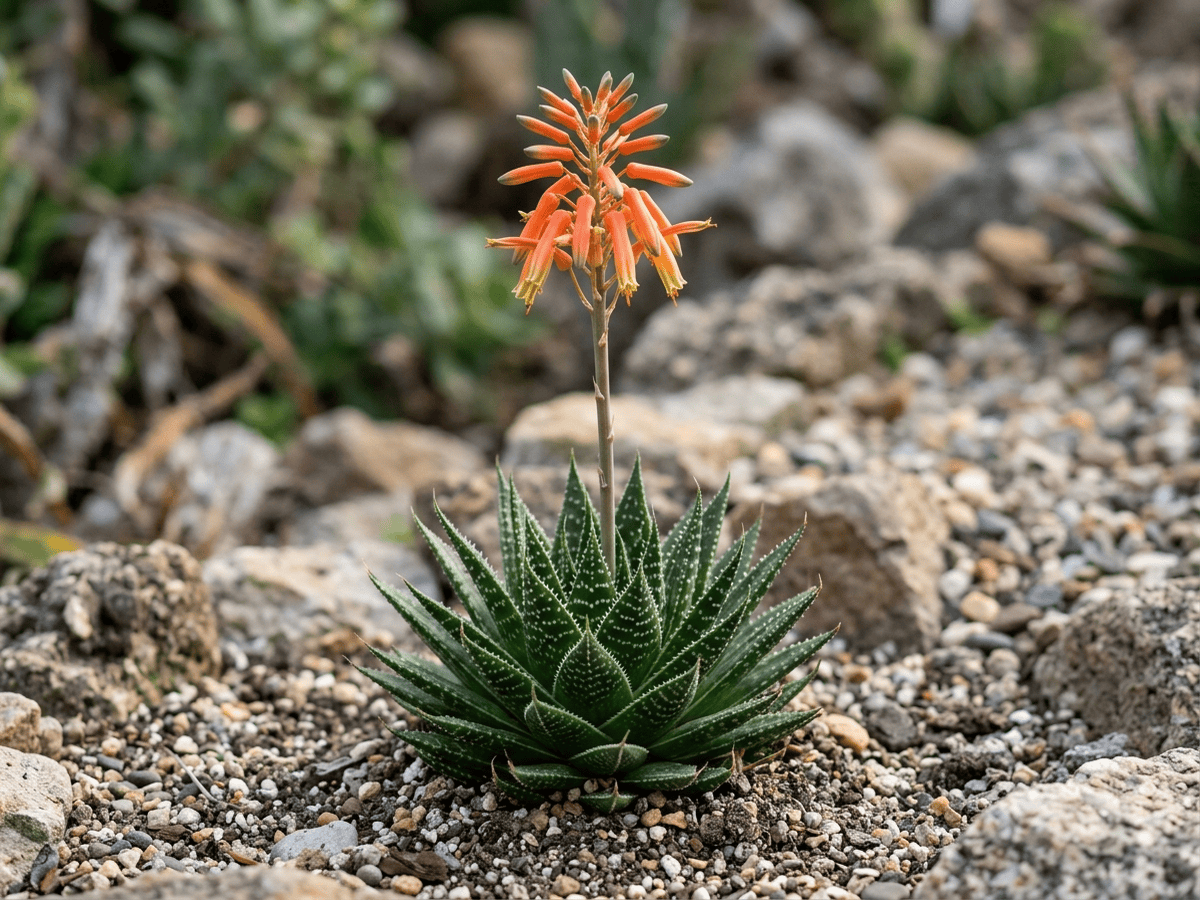
Aloe brevifolia, the short-leaved aloe, is a compact clustering succulent from the Western Cape of South Africa. Each rosette stays small, often only 10 cm across, but offsets build into tight mats of triangular blue-green leaves edged with neat white teeth. Strong sun and dry conditions can tint the foliage rose, bronze, or coral, giving the plant a seasonal blush. In late spring, slender stalks carry tubular orange-red flowers that attract nectar-feeding birds and hummingbirds where they occur. It is a forgiving aloe for rock gardens, troughs, and containers, happy with sharp drainage, bright light, and restrained watering. Unlike Aloe vera, it is grown for structure and color, not for household gel use.
- Low-maintenance
- Drought-tolerant
- Compact
How to care for Short-Leaved Aloe
Watering
- Springevery 10 days
- Summerevery 7 days
- Fallevery 14 days
- Winterevery 21 days
Soil · Fast-draining
- Main mixSand + pumice + soil 1:1:150%
- DrainagePumice / gravel50%
Keep grit at half the mix or more — this soil is meant to dry out fast.
FERTILIZER
Balanced Feed 14-14-14
An even feed covers all three needs at once, keeping leaves, roots and blooms moving together with nothing pushed out of balance.
- Nitrogen · Leaves
- Phosphorus · Roots + Blooms
- Potassium · Strength
- Springevery 30 days
- Summerevery 45 days
- Fallevery 60 days
At a Glance
- NativeAfrica
- Height0.5–1 ft (0.2–0.3 m)
- Spread1–2 ft (0.3–0.6 m)
- Flower colorRed, Orange
- Foliage colorBlue-green, Red, Bronze
- SoilSandy, Well-drained
- LocationsYard · Indoor
Bloom time
BLOOM CYCLE
Peak bloom
Mar–May
Orange-red tubular flowers on slender stalks in late spring
Fragrance
NO FRAGRANCE
No notable fragrance.
Toxicity
Humans Slight · Pets Moderate
anthraquinone glycosides
Slight
- Sap
- Ingestion
EXPOSURE Eating sap.
EFFECT Latex purgative.
NOTE Documented concern for humans: Latex purgative.
Moderate
- All
- Ingestion
EXPOSURE Eating any part of the plant.
EFFECT Vomiting, diarrhea, lethargy.
NOTE ASPCA lists Aloe as toxic to dogs, cats.
Moderate
- All
- Ingestion
EXPOSURE Eating any part of the plant.
EFFECT Vomiting, diarrhea, lethargy.
NOTE ASPCA lists Aloe as toxic to dogs, cats.
Educational information, not medical or veterinary advice. If exposure is suspected, contact a doctor or veterinarian.
DISTRIBUTION


- Native
- Introduced
- Africa
History
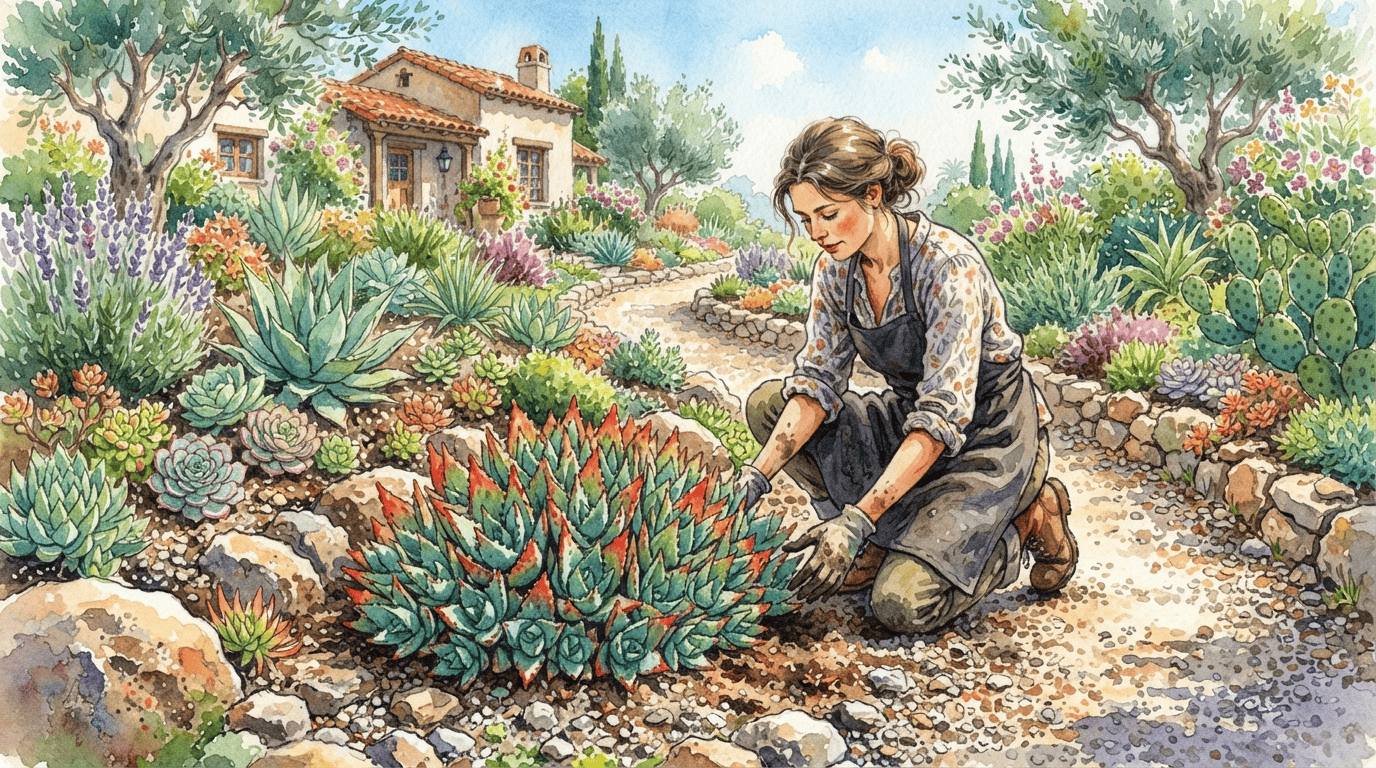
Aloe brevifolia is native to the Western Cape of South Africa, particularly the southern coastal plains from Caledon to Albertinia. Described by Philip Miller in 1768, it is one of the dwarf rosette-forming aloes, rarely exceeding 15 centimeters in rosette diameter but readily clumping into large mounded colonies. Its wild habitat has been severely reduced by agricultural conversion of the Cape Renosterveld, and the species is listed as Vulnerable by the South African Red List, though it is widely secure in cultivation.
The leaves turn vivid red-orange in winter sun and drought — a desirable trait that anchors it in drought-tolerant design palettes. It has been a feature of California, Arizona, and Mediterranean succulent gardens since the mid-20th century, promoted by succulent pioneer Charles Glass and designers including Jeff Moore and Debra Lee Baldwin. Aloe brevifolia was one of the first South African aloes to reach Europe, arriving in the Netherlands by the mid-1600s during the Dutch colonial era.
The species is endemic to the Western Cape fynbos region, one of the world's biodiversity hotspots. In its native habitat, it grows in clay soils on rocky outcrops alongside other fynbos succulents. Despite urbanization reducing some wild populations, it remains common in cultivation and is considered one of the best aloes for small-space gardening.
Symbolism & meaning
What It Symbolizes
Short-Leaved Aloe suggests contentment, its compact rosettes self-sufficient and unbothered by hardship, finding joy in simplicity. It freely produces offsets around its base, a quiet symbol of community and the generous sharing that comes from inner abundance. It reminds us that those who need little often have the most to give, gathering family close without ever asking for more.
- Contentment — its compact, self-sufficient nature represents finding joy in simplicity
- Community — freely produces offsets, symbolizing generous sharing and togetherness
Where the Name Comes From
'Aloe' from Arabic 'alloeh' meaning bitter. 'Brevifolia' from Latin 'brevis' (short) and 'folium' (leaf), describing its characteristically stubby, compact leaves.
Uses & Fun Facts
- Tight blue-green rosettes form dense low succulent mats
- Compact clustering aloe for shallow pots and dishes
Related plants
More Aloe plants
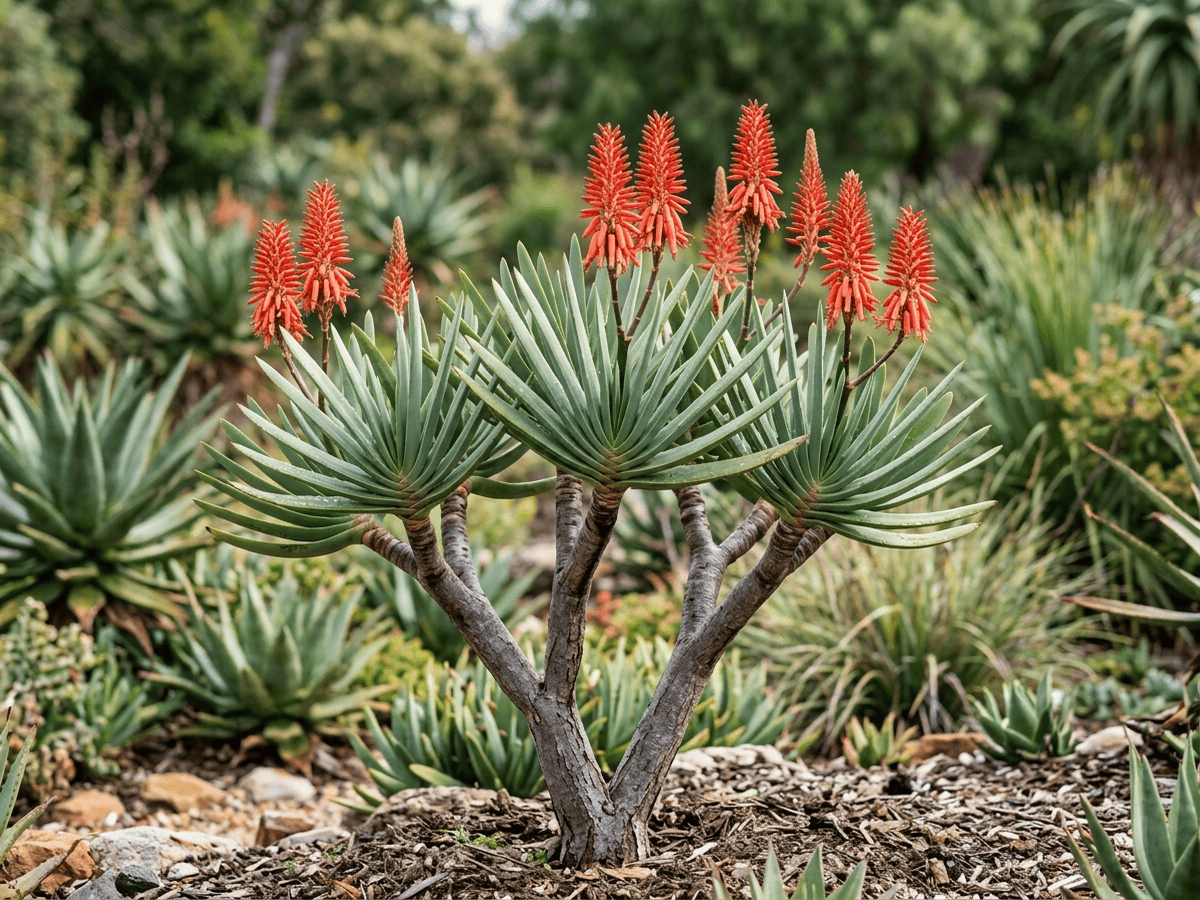
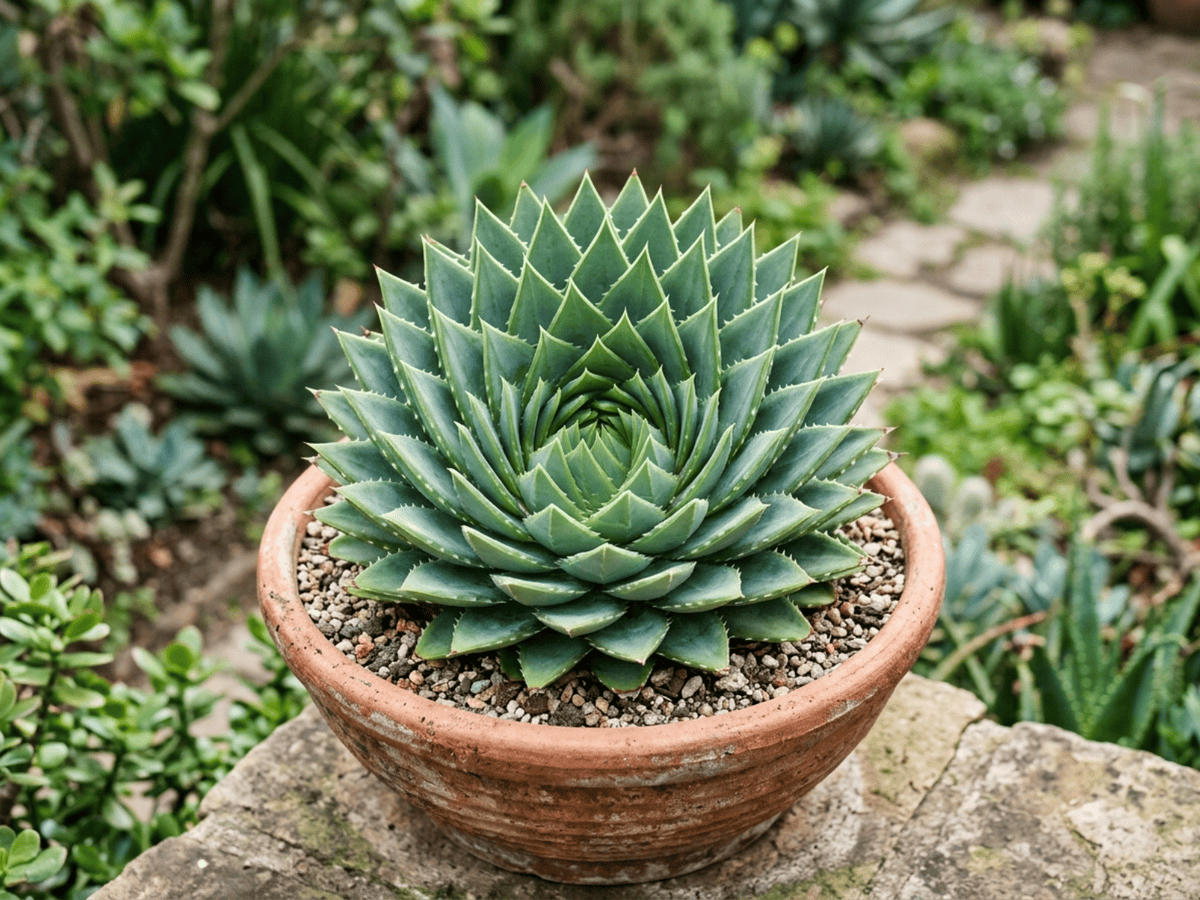
Plants with similar care
 Chinese AbeliaAbelia chinensis
 Fragrant AbeliaAbelia mosanensis
 Large-Flowered AbeliaAbelia uniflora
 Glossy AbeliaAbelia x grandiflora
Frequently asked questions
How often should I water Short-Leaved Aloe?
In summer, water about every 7 days; in winter, about every 21 days. Adjust for heat, pot size and drainage.
How much light does Short-Leaved Aloe need?
Full sun: 6+ hrs direct. Watch the leaves — scorching or stretching means the light needs adjusting.
Is Short-Leaved Aloe toxic to cats or dogs?
Pets Moderate (Dogs Moderate · Cats Moderate) Educational information, not medical or veterinary advice. If exposure is suspected, contact a doctor or veterinarian.
Is Short-Leaved Aloe easy to grow?
Yes — it is considered an easy, beginner-friendly plant.
Can Short-Leaved Aloe be grown indoors?
Yes, it adapts well to indoor growing given the right light.
When does Short-Leaved Aloe bloom?
It typically blooms Mar–May in the Northern Hemisphere.
YardMate
Identify any plant in seconds
Snap a photo — YardMate names the plant, diagnoses problems, and reminds you when to water.
Download on the App Store