 YardMate


Sweet Wormwood
Artemisia annua
Easy · Beginner friendlyAbout Sweet Wormwood
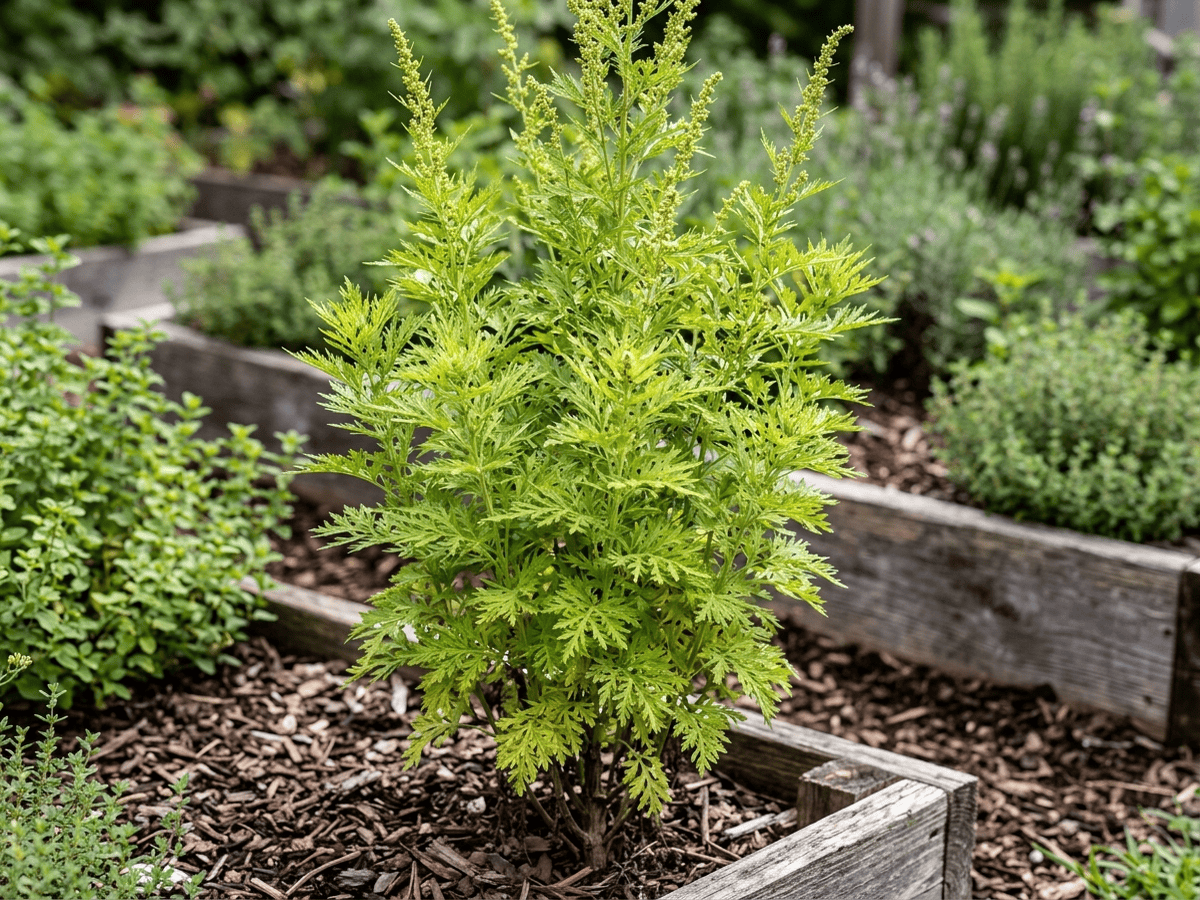
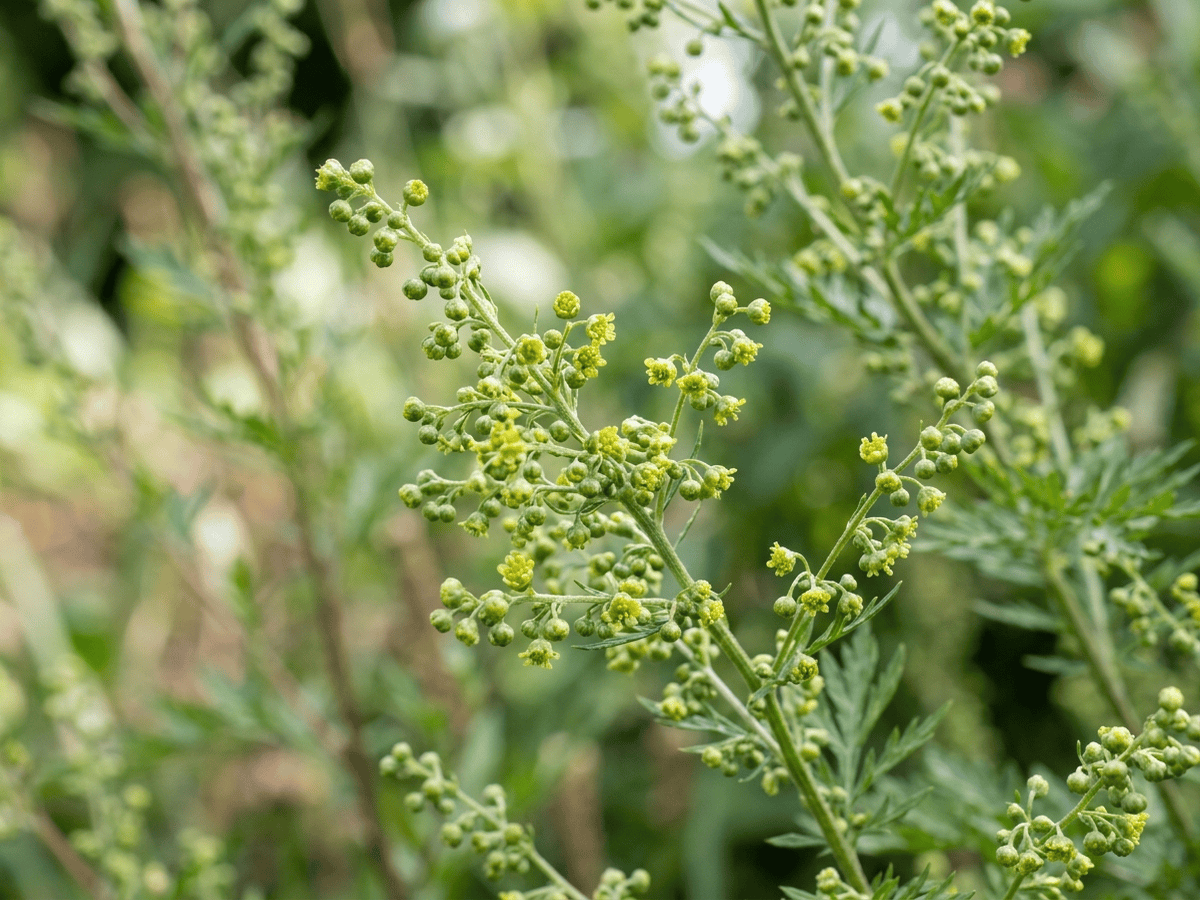
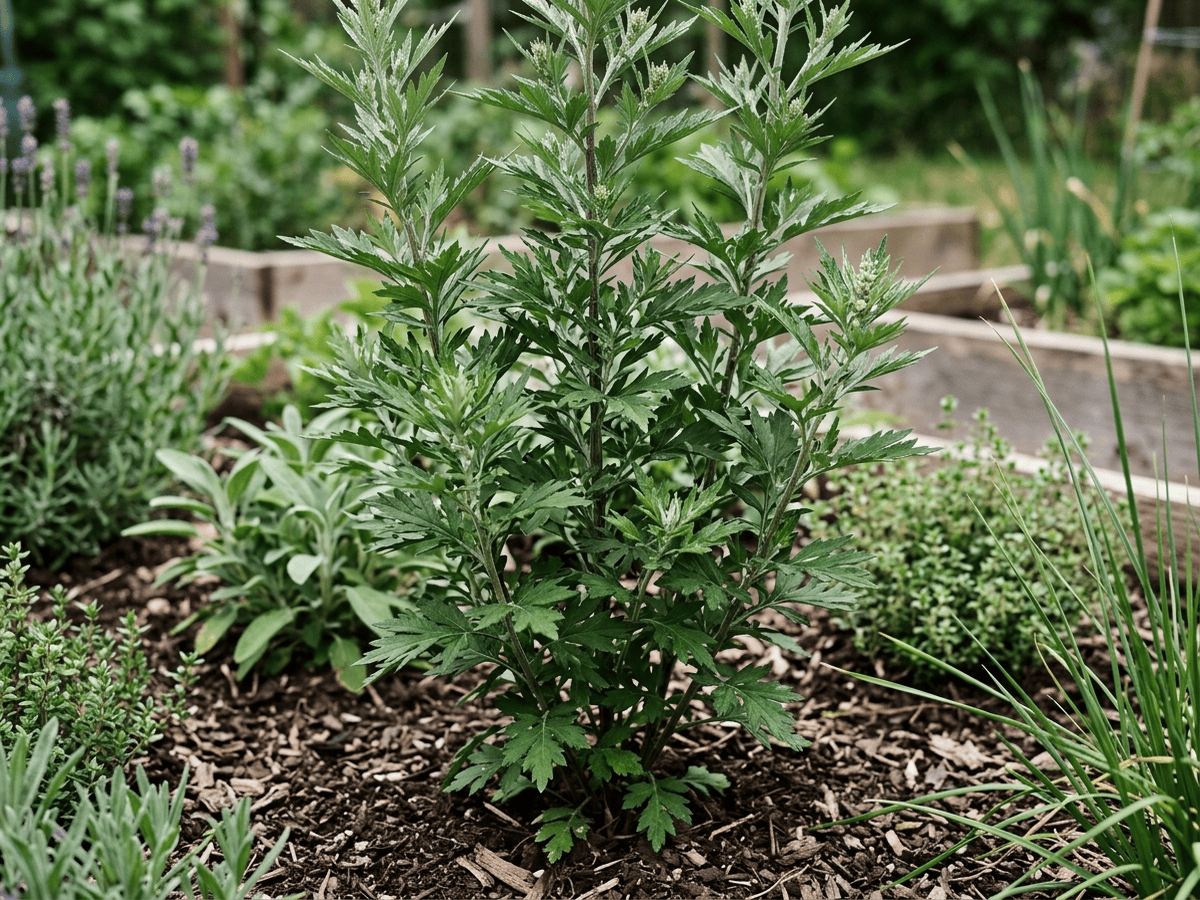
Artemisia annua, sweet wormwood or sweet Annie, is an annual herb of temperate Asia with finely cut, feathery green foliage and a strong sweet-camphor fragrance when brushed. It grows quickly to 1-2 meters and carries tiny yellow flowers in late summer, making it useful as a scented filler in sunny, well-drained gardens. Its larger story reaches far beyond the border: the plant is the botanical source of artemisinin, the compound that transformed modern malaria treatment after Tu Youyou's 1970s research. In Chinese herbal tradition it is known as qinghao, often translated as blue-green herb, and was long associated with fever formulas. Today it is grown commercially in Asia and Africa for pharmaceutical extraction, while gardeners still value the plant for its airy texture and clean herbal scent.
- Medicinal
- Fragrant
- Fast-growing
How to care for Sweet Wormwood
Watering
- Springevery 5 days
- Summerevery 3 days
- Fallevery 7 days
- Winterpause watering
Soil · Well-draining
- Top dressingPine bark mulch10%
- Main mixPotting soil + perlite 2:170%
- DrainageLECA / gravel20%
Never skip the drainage layer — standing water is the top cause of root rot.
FERTILIZER
This plant needs little to no feeding.
At a Glance
- NativeEast Asia
- Height3–7 ft (0.9–2.1 m)
- Spread1–3 ft (0.3–0.9 m)
- Flower colorYellow
- Foliage colorGreen
- SoilLoamy, Well-drained
- LocationsYard
Bloom time
BLOOM CYCLE
Peak bloom
Jun–Sep
Tiny yellow flowers appear in late summer; harvested before peak bloom for maximum artemisinin.
Fragrance
STRONG FRAGRANCE
Strong sweet camphorous aroma from crushed foliage.
Toxicity
Humans Slight · Pets Slight
artemisinin and thujone (trace)
Slight
- Leaf
- Ingestion
EXPOSURE Eating leaves.
EFFECT Can cause liver stress in large doses and avoid during pregnancy.
NOTE Medicinal when properly dosed; high doses can affect liver. Pregnancy contraindicated.
Slight
- Leaf
- Ingestion
EXPOSURE Eating leaves.
EFFECT Mild GI upset.
NOTE Medicinal when properly dosed; high doses can affect liver. Pregnancy contraindicated.
Slight
- Leaf
- Ingestion
EXPOSURE Eating leaves.
EFFECT Mild GI upset.
NOTE Medicinal when properly dosed; high doses can affect liver. Pregnancy contraindicated.
Educational information, not medical or veterinary advice. If exposure is suspected, contact a doctor or veterinarian.
DISTRIBUTION

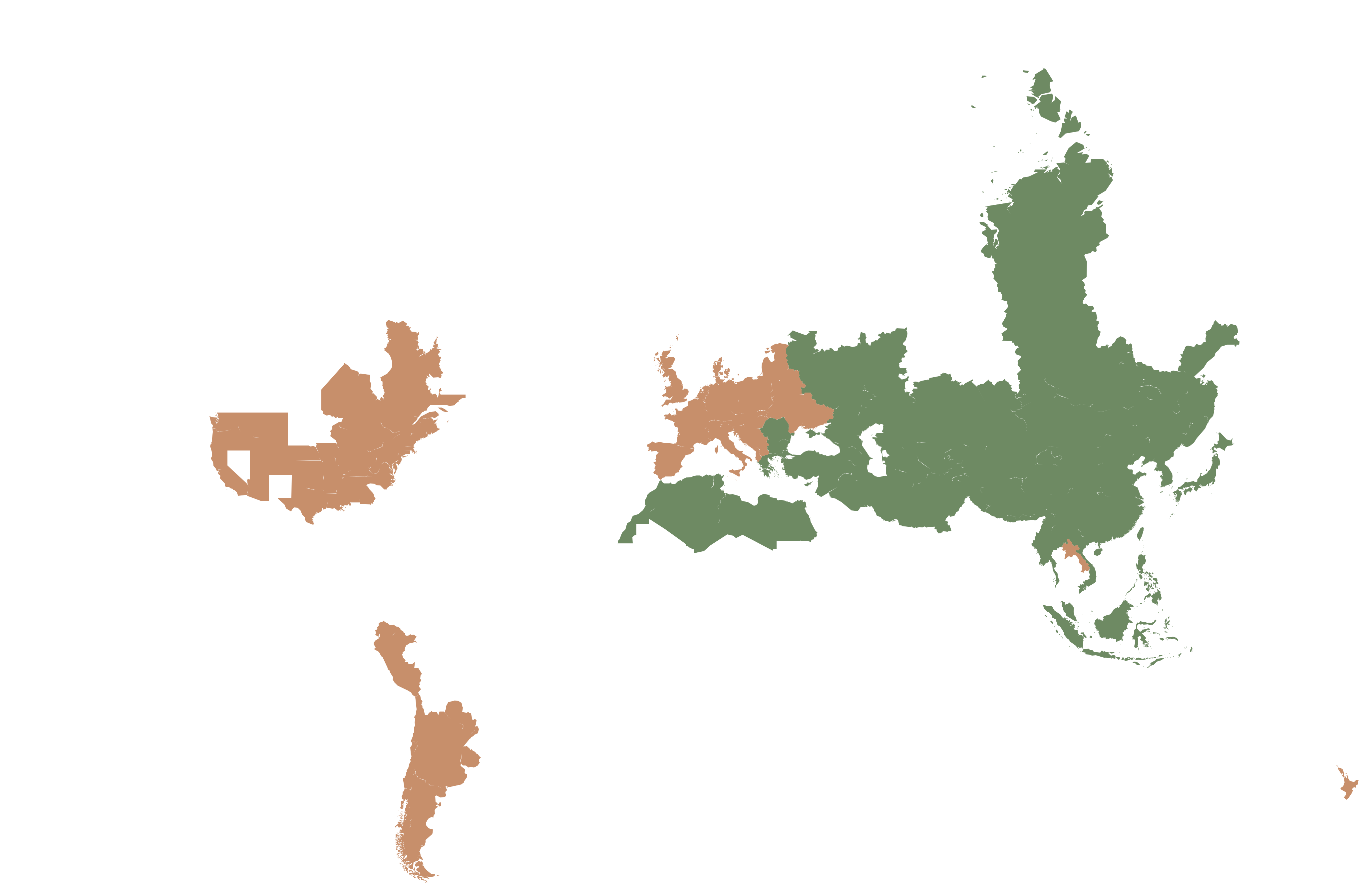
- Native
- Introduced
- East Asia
History

Artemisia annua, sweet wormwood, is native to temperate Asia and has been recorded in Chinese medicine for more than 2,000 years under the name qinghao, or blue-green herb. A 4th-century medical text by Ge Hong described soaking the plant in cold water for intermittent fever. That detail mattered in 1967, when China launched Project 523, a secret program to find treatments for chloroquine-resistant malaria.
Pharmacologist Tu Youyou revisited the old texts, realized heat was damaging the active compound, and used cold extraction to isolate artemisinin in 1972. Artemisinin-based combination therapy became the World Health Organization's first-line malaria treatment in 2006 and is credited with saving millions of lives.
Tu received the 2015 Nobel Prize in Physiology or Medicine. The plant remains a modest garden annual with feathered foliage and a sweet camphor scent, but its medical story is one of the great rediscoveries of ancient knowledge through modern science.
Symbolism & meaning
What It Symbolizes
Sweet Wormwood is one of the rare plants whose quiet leaves changed world history. Known in China as qinghao, it linked ancient fever traditions with Tu Youyou's modern research on artemisinin. Its symbolism is hidden consequence: a feathery annual that looks modest in the border yet carries a story of science, memory, and human persistence.
- Healing — Represents traditional medicine transformed into global health impact
- Discovery — Tu Youyou's work bridged ancient herbalism and modern pharmacology
Where the Name Comes From
The name Sweet Wormwood describes its sweet scent or flavor. Artemisia honors Artemis, Greek goddess of the hunt and herbalism; 'annua' means annual.
Uses & Fun Facts
- Source of artemisinin used in modern antimalarial drug therapy
- Finely cut foliage releases sweet camphor-citrus aroma when crushed
Related plants
More Artemisia plants
 Absinthe WormwoodArtemisia absinthium
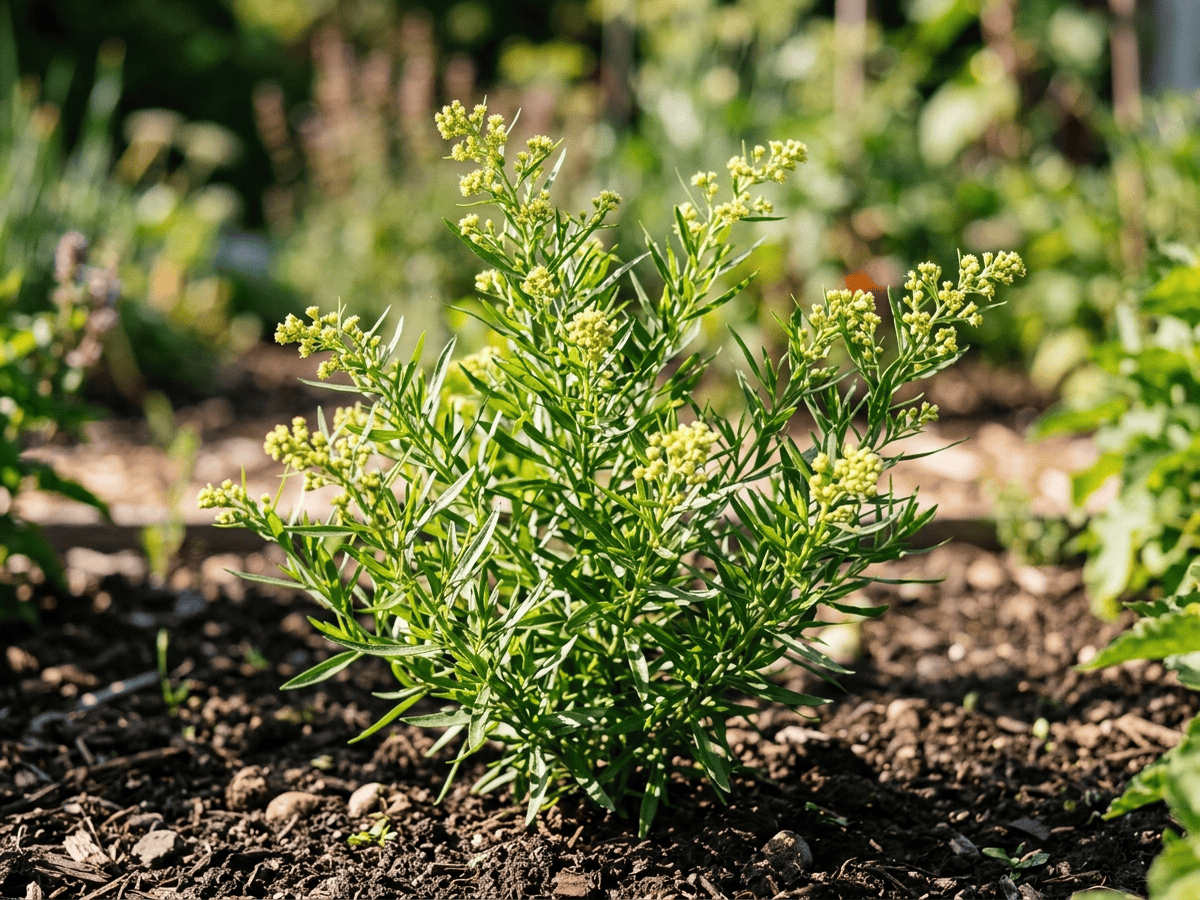 TarragonArtemisia dracunculus
 Silver WormwoodArtemisia ludoviciana
 Common MugwortArtemisia vulgaris
Plants with similar care
 Chinese AbeliaAbelia chinensis
 Fragrant AbeliaAbelia mosanensis
 Large-Flowered AbeliaAbelia uniflora
 Glossy AbeliaAbelia x grandiflora
Frequently asked questions
How often should I water Sweet Wormwood?
Water about every 5 days during the growing season, and always let excess water drain away.
How much light does Sweet Wormwood need?
Full sun: 6+ hrs direct. Watch the leaves — scorching or stretching means the light needs adjusting.
Is Sweet Wormwood toxic to cats or dogs?
Pets Slight (Dogs Slight · Cats Slight) Educational information, not medical or veterinary advice. If exposure is suspected, contact a doctor or veterinarian.
Is Sweet Wormwood easy to grow?
Yes — it is considered an easy, beginner-friendly plant.
When does Sweet Wormwood bloom?
It typically blooms Jun–Sep in the Northern Hemisphere.
YardMate
Identify any plant in seconds
Snap a photo — YardMate names the plant, diagnoses problems, and reminds you when to water.
Download on the App Store