 YardMate


Tarragon
Artemisia dracunculus
Medium · Some experienceAbout Tarragon
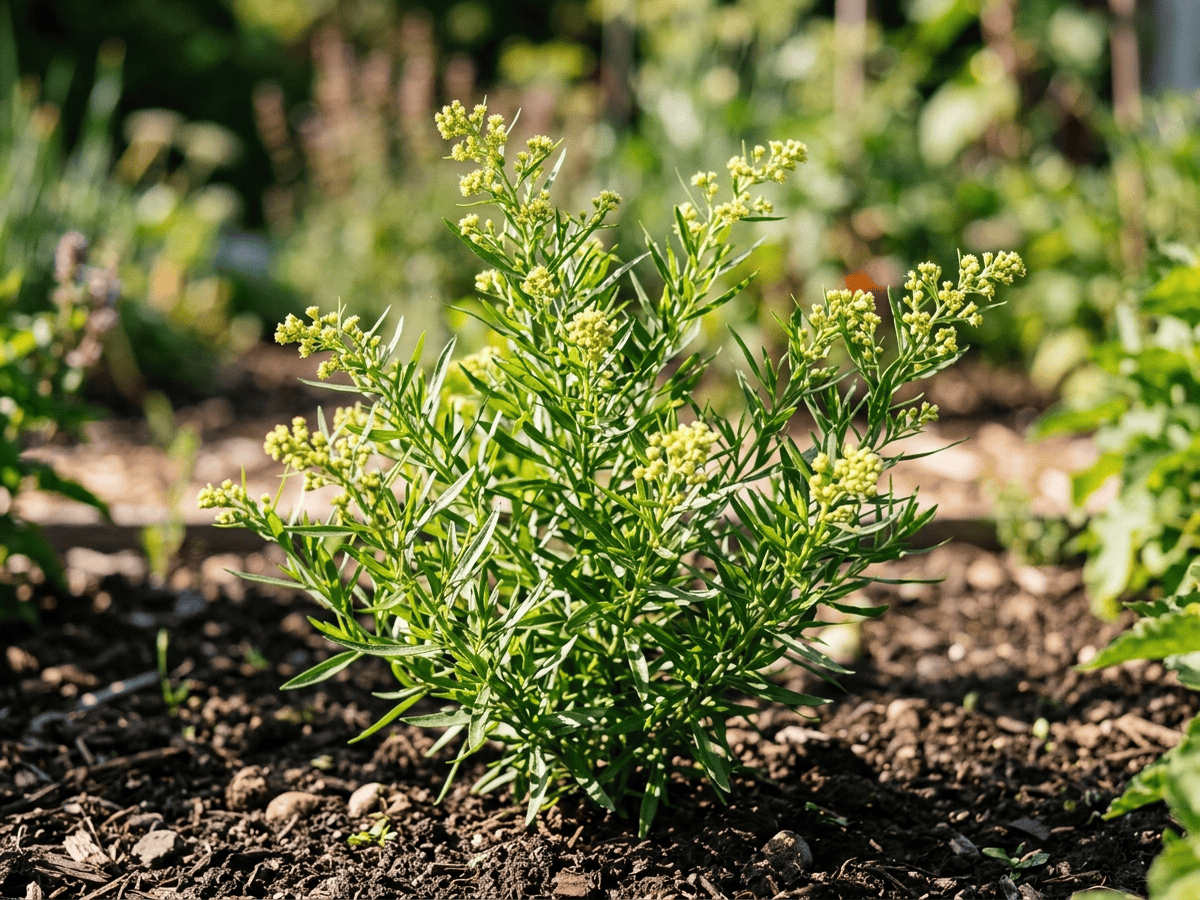
Artemisia dracunculus, tarragon, is an essential French culinary herb with slender, lance-shaped leaves that have a unique anise-licorice flavor. French tarragon (the culinary form) does not set seed and must be propagated by division or cuttings. Russian tarragon (seed-grown) has inferior flavor. Growing 60–90 cm tall, it forms a bushy clump. One of the 'fines herbes' of French cuisine, it is essential for béarnaise sauce, chicken tarragon, and tarragon vinegar. Native to Central Asia, it requires well-drained soil and full sun.
- Edible
- Fragrant
How to care for Tarragon
Watering
- Springevery 4 days
- Summerevery 3 days
- Fallevery 5 days
- Winterevery 10 days
Soil · Rich & well-draining
- Top dressingCompost10%
- Main mixPotting soil + compost 3:180%
- DrainageGravel10%
Top up the compost layer each season.
FERTILIZER
Balanced Feed 14-14-14
An even feed covers all three needs at once, keeping leaves, roots and blooms moving together with nothing pushed out of balance.
- Nitrogen · Leaves
- Phosphorus · Roots + Blooms
- Potassium · Strength
- Springevery 30 days
- Summerevery 30 days
- Fallevery 45 days
At a Glance
- NativeEast Asia, North America
- Height2–3 ft (0.6–0.9 m)
- Spread1–2 ft (0.3–0.6 m)
- Flower colorYellow, Green
- Foliage colorGreen
- SoilSandy, Well-drained, Neutral
- LocationsYard · Balcony
Bloom time
BLOOM CYCLE
Peak bloom
Jun–Aug
Insignificant flowers; French tarragon rarely blooms; harvest leaves regularly
Fragrance
STRONG FRAGRANCE
Distinctive anise-liquorice aroma from estragole.
Toxicity
Pets Slight
estragole (methyl chavicol) and methyleugenol
Not reported
EXPOSURE No exposure route is reported.
EFFECT Culinary herb and essential oil contains methyleugenol with theoretical carcinogenic concern in concentrated form.
NOTE No toxicity is reported for humans in this catalog; this is not evidence that the plant is edible or harmless.
Slight
- All
- Ingestion
EXPOSURE Eating any part of the plant.
EFFECT Mild GI upset possible.
NOTE Safe in culinary amounts; avoid concentrated essential oil long-term.
Slight
- All
- Ingestion
EXPOSURE Eating any part of the plant.
EFFECT Mild GI upset possible.
NOTE Safe in culinary amounts; avoid concentrated essential oil long-term.
Educational information, not medical or veterinary advice. If exposure is suspected, contact a doctor or veterinarian.
DISTRIBUTION

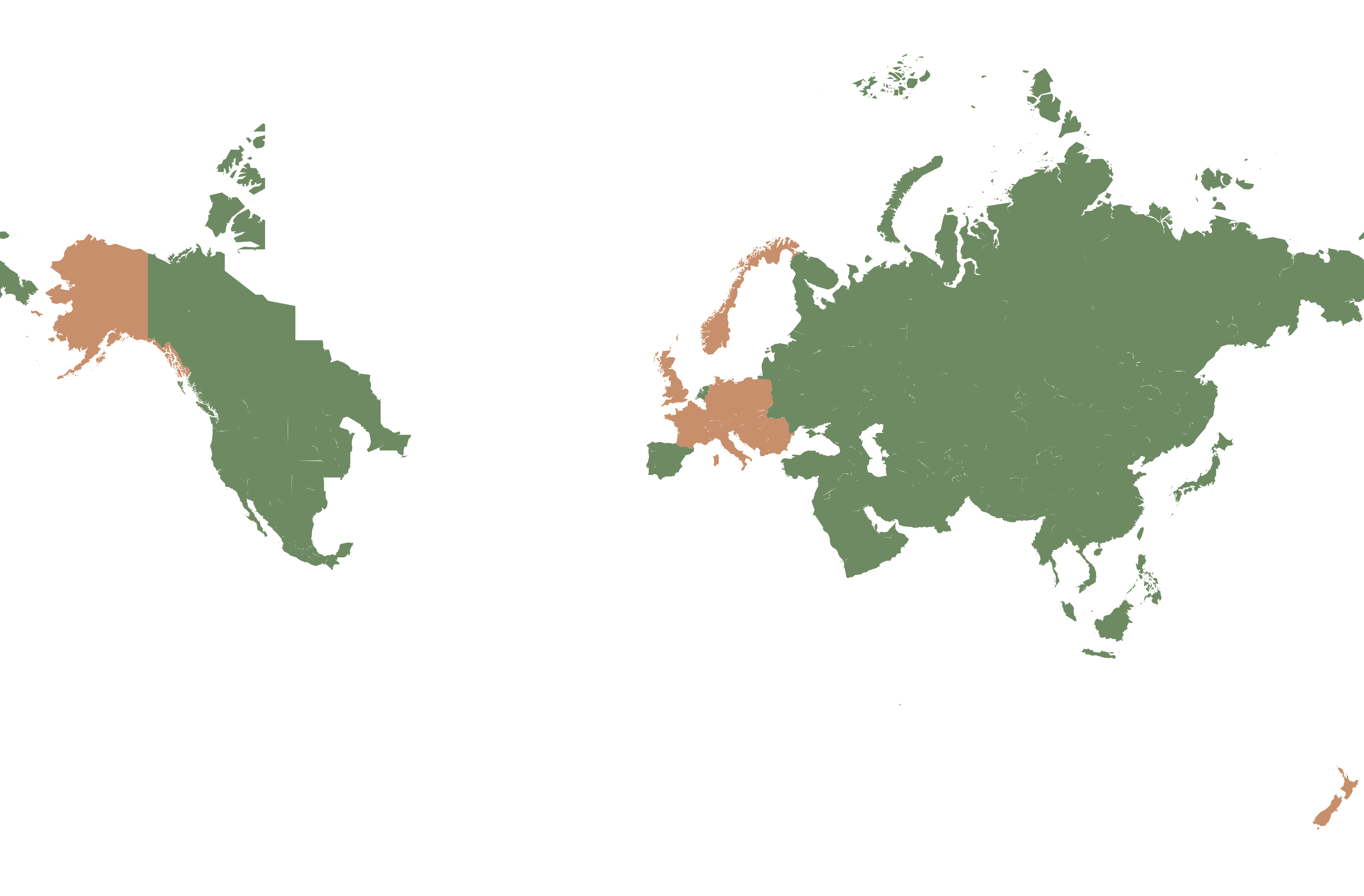
- Native
- Introduced
- East Asia
- North America
History
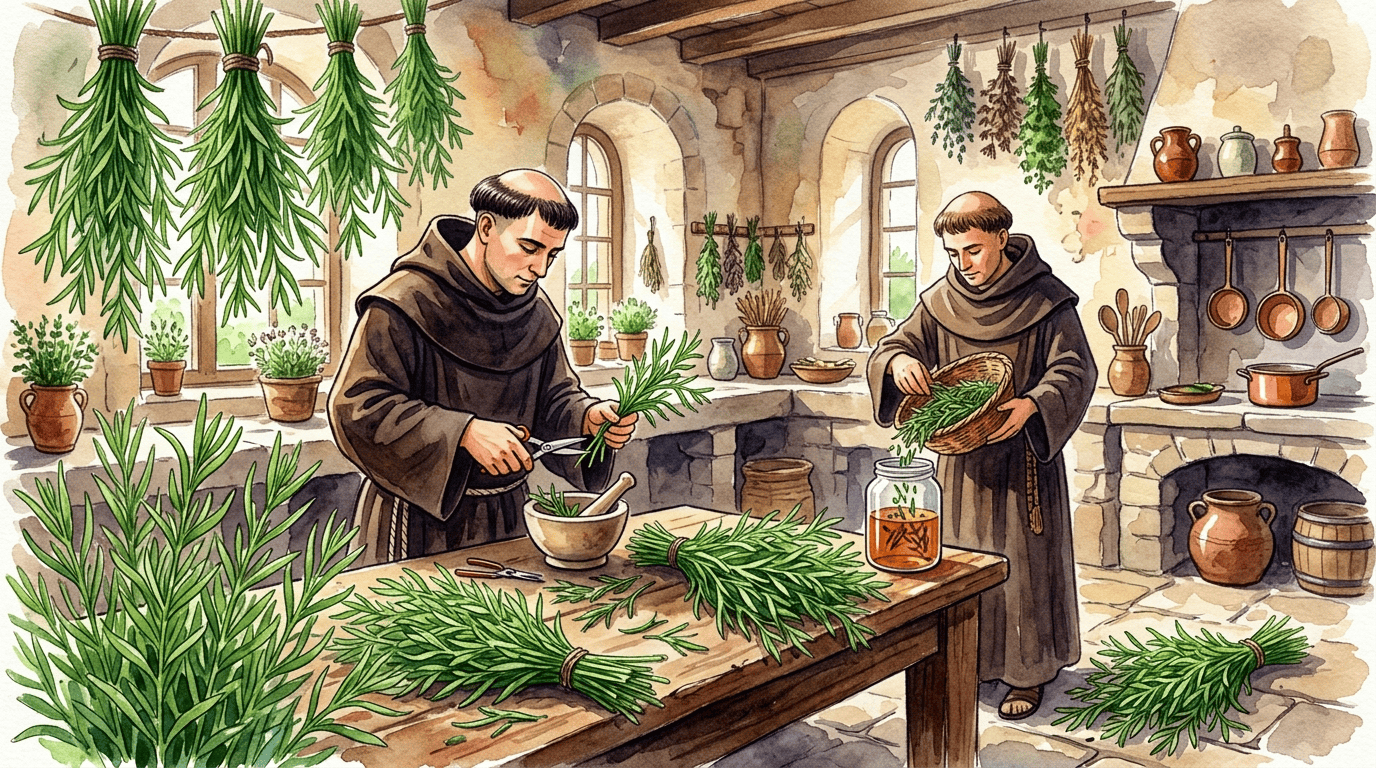
Artemisia dracunculus is native to a broad band across temperate Eurasia and western North America. Cultivated tarragon exists in two distinct forms with very different culinary value: "French tarragon" (var. sativa) is sterile and propagated only by cuttings or division, producing the intensely anise-flavored herb essential to French cuisine — béarnaise sauce, fines herbes, tarragon vinegar, sauce gribiche; "Russian tarragon" is fertile and seed-grown but has a weaker, coarser flavor and is sometimes considered nearly worthless as a seasoning. The species name "dracunculus" (little dragon) reflects the shape of the coiled roots, which reminded medieval herbalists of a dragon's tail, and the plant's reputed ability to heal snake bites.
French tarragon was probably selected during the Middle Ages in Mediterranean monasteries. The genus Artemisia honors the Greek goddess Artemis (Roman Diana).
The herb reached Europe from Mongolia via the Moors in Spain. Auguste Escoffier, the father of modern French cooking, considered tarragon essential — his béarnaise sauce (tarragon + egg + butter) remains one of the five French mother sauces. French tarragon's inability to produce viable seed means every plant is a clone, propagated vegetatively for centuries — a living link to the original cultivated plants.
Symbolism & meaning
What It Symbolizes
Tarragon signals devotion, the kind that demands hands-on care and steadfast commitment. True French tarragon cannot be grown from seed — it must be propagated by cutting or division, passed from gardener to gardener in an unbroken green chain. To cultivate it is to enter a quiet pact: this herb gives it anise-bright flavor only to those willing to tend it personally, year after year.
- Devotion — Requiring vegetative propagation and personal care, it represents dedicated cultivation
Where the Name Comes From
Artemisia honors Artemis, Greek goddess of the hunt. Dracunculus means 'little dragon,' for the coiled roots.
Uses & Fun Facts
- Fresh tarragon leaves season sauces, vinegars, chicken, and eggs
- Anise-scented leaves season sauces, vinegars, and herb butters
- Fine green foliage gives herb beds a neat aromatic edge
Related plants
More Artemisia plants
 Absinthe WormwoodArtemisia absinthium
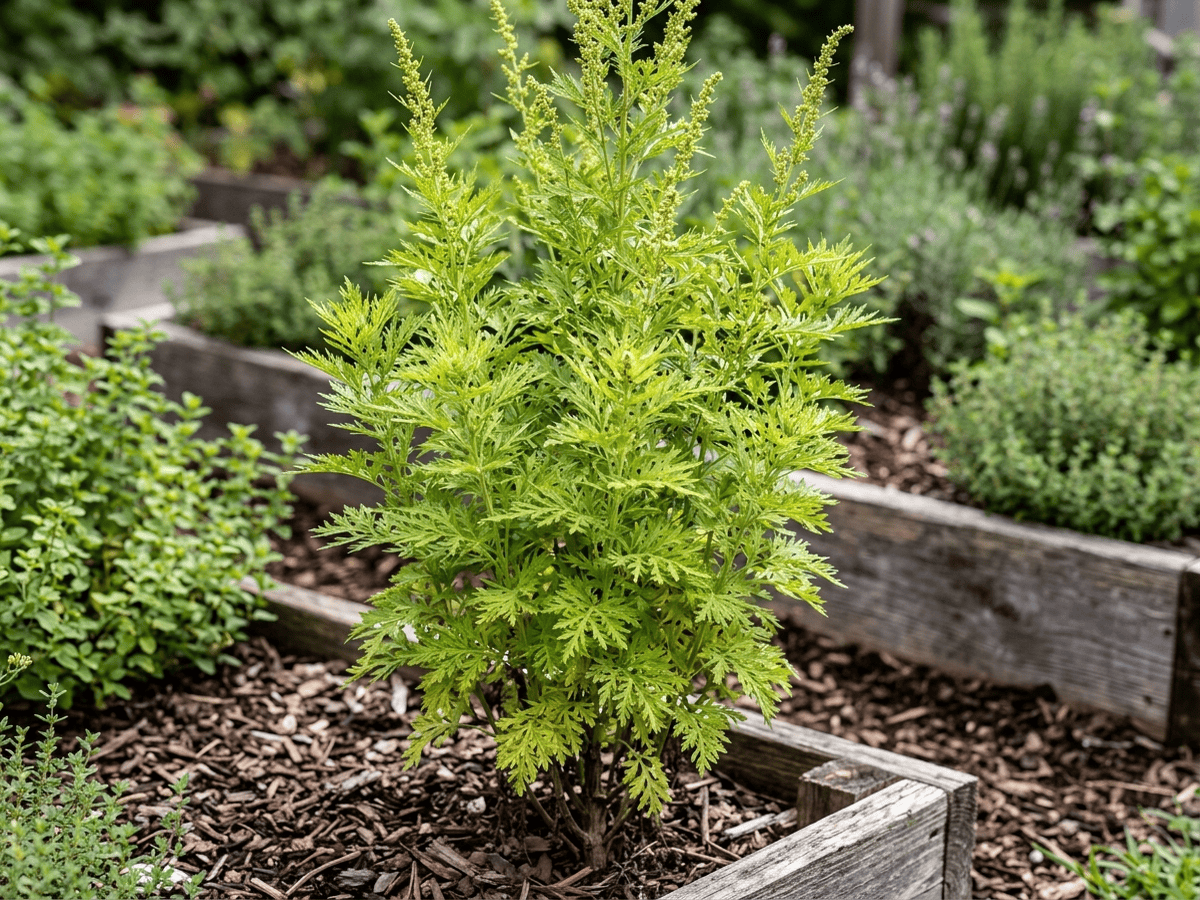 Sweet WormwoodArtemisia annua
 Silver WormwoodArtemisia ludoviciana
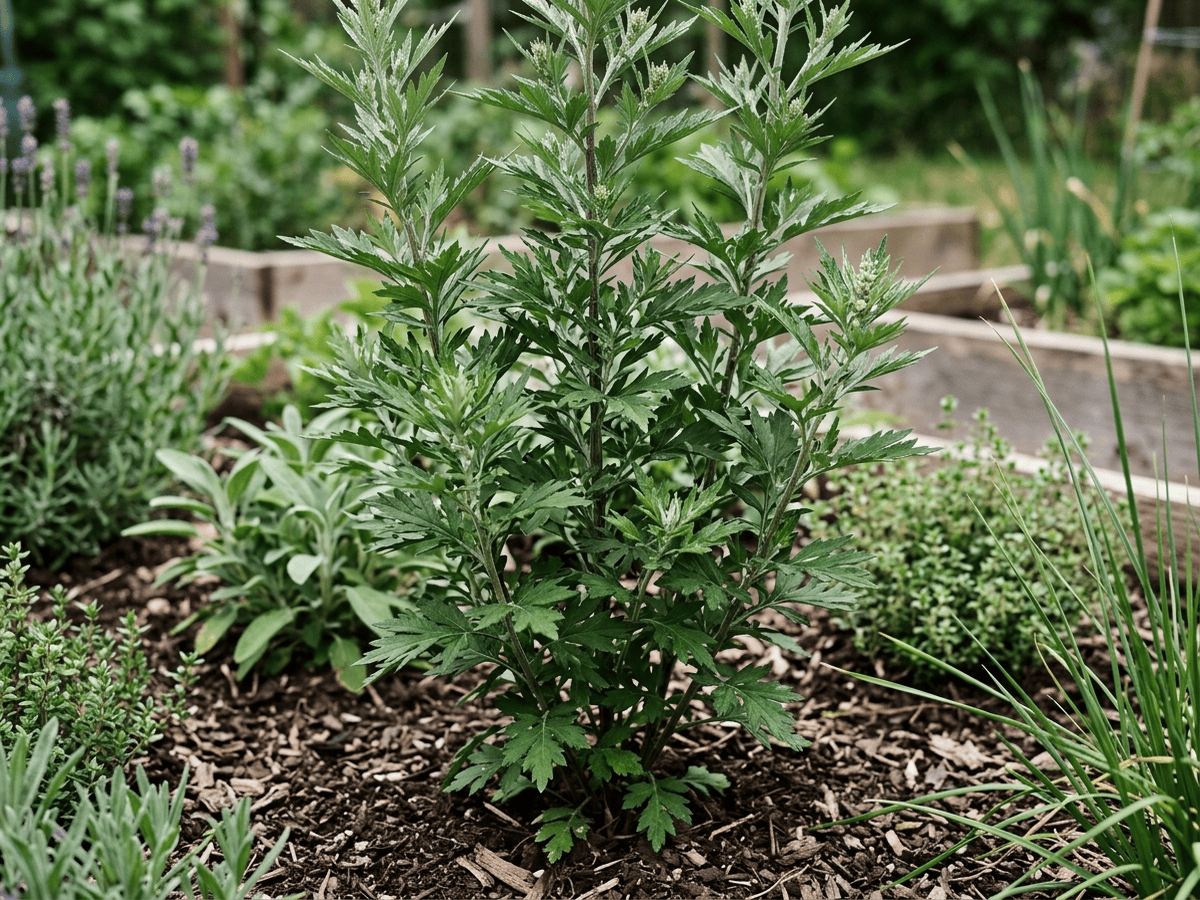 Common MugwortArtemisia vulgaris
Plants with similar care
 Mexican AbeliaAbelia floribunda
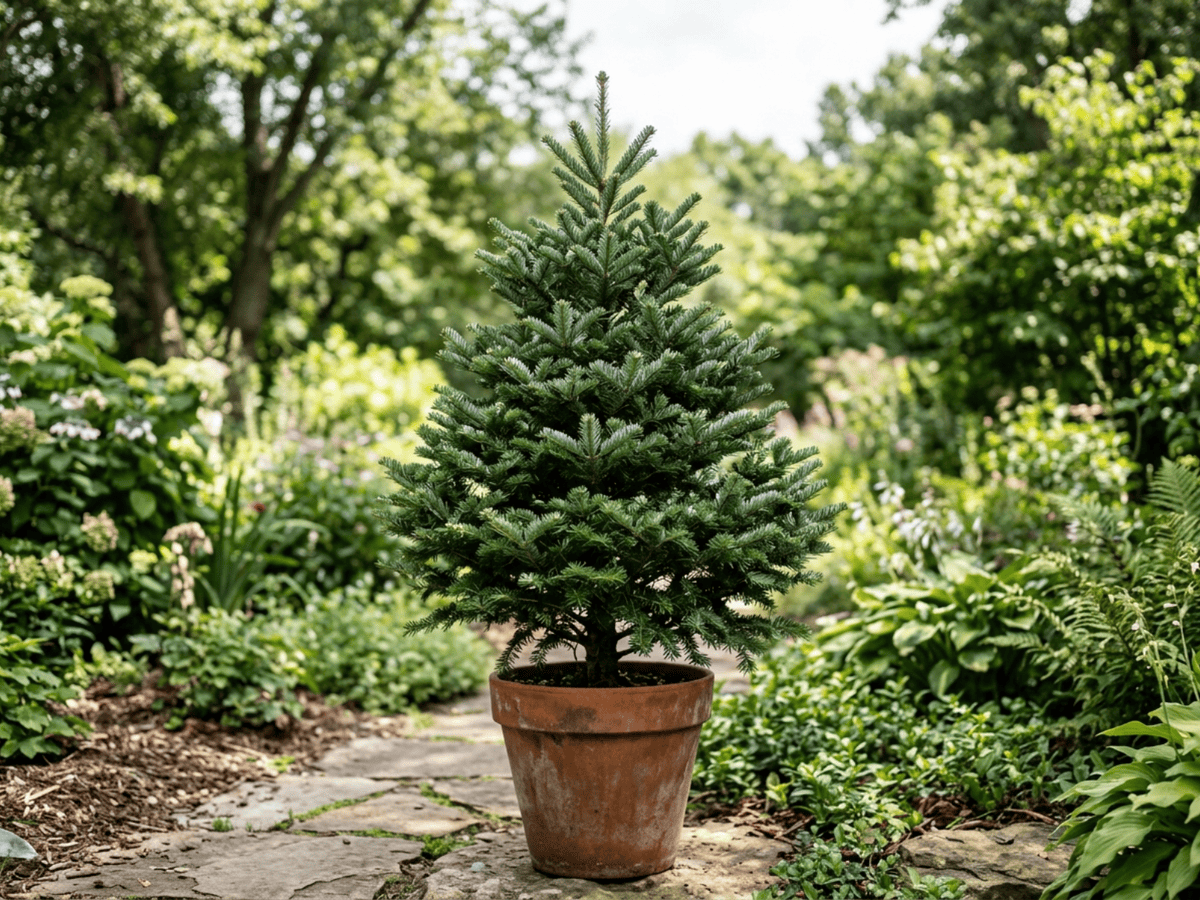 Fraser FirAbies fraseri
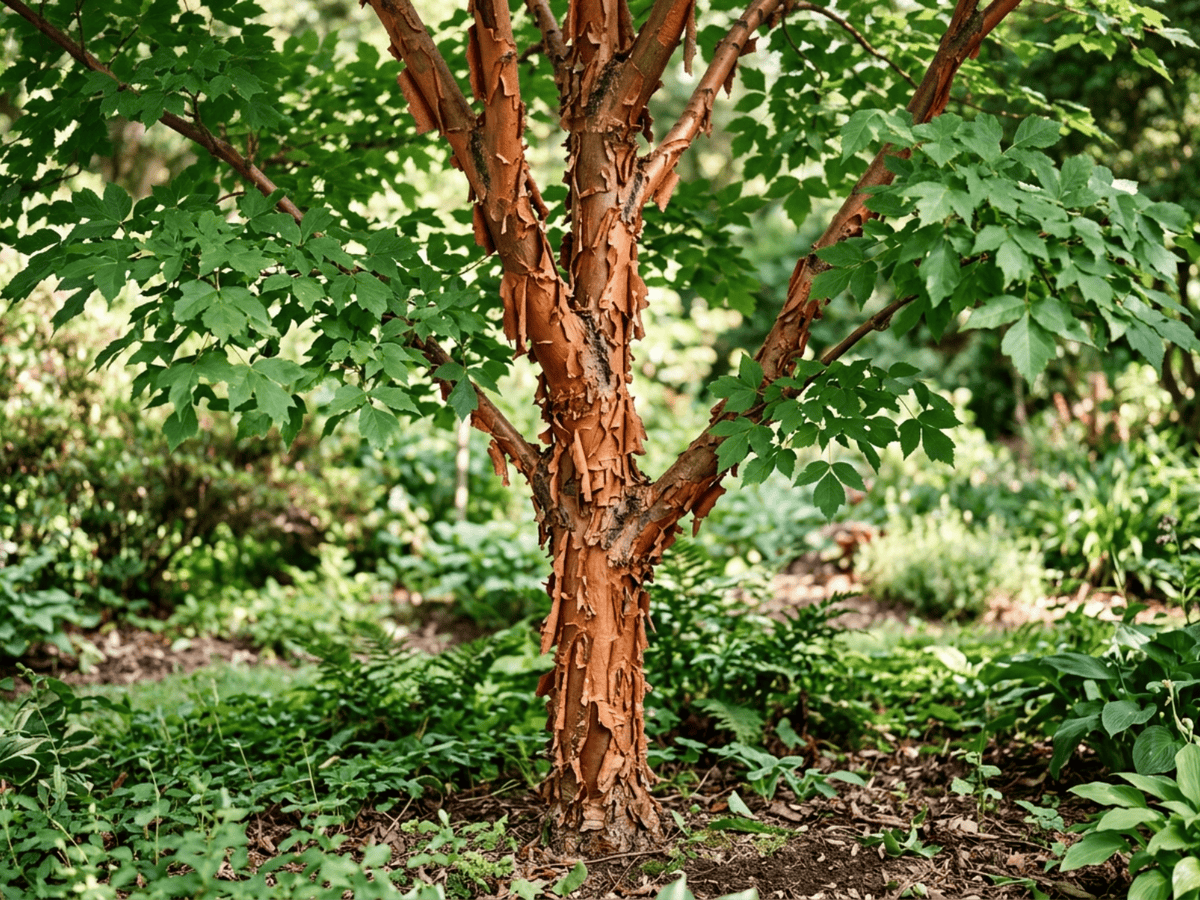 Paperbark MapleAcer griseum
 Sugar MapleAcer saccharum
Frequently asked questions
How often should I water Tarragon?
In summer, water about every 3 days; in winter, about every 10 days. Adjust for heat, pot size and drainage.
How much light does Tarragon need?
Full sun: 6+ hrs direct. Watch the leaves — scorching or stretching means the light needs adjusting.
Is Tarragon toxic to cats or dogs?
Pets Slight (Dogs Slight · Cats Slight) Educational information, not medical or veterinary advice. If exposure is suspected, contact a doctor or veterinarian.
Is Tarragon easy to grow?
It is moderately demanding: a good choice once you have a little experience.
When does Tarragon bloom?
It typically blooms Jun–Aug in the Northern Hemisphere.
YardMate
Identify any plant in seconds
Snap a photo — YardMate names the plant, diagnoses problems, and reminds you when to water.
Download on the App Store