 YardMate


Absinthe Wormwood
Artemisia absinthium
Easy · Beginner friendlyAbout Absinthe Wormwood
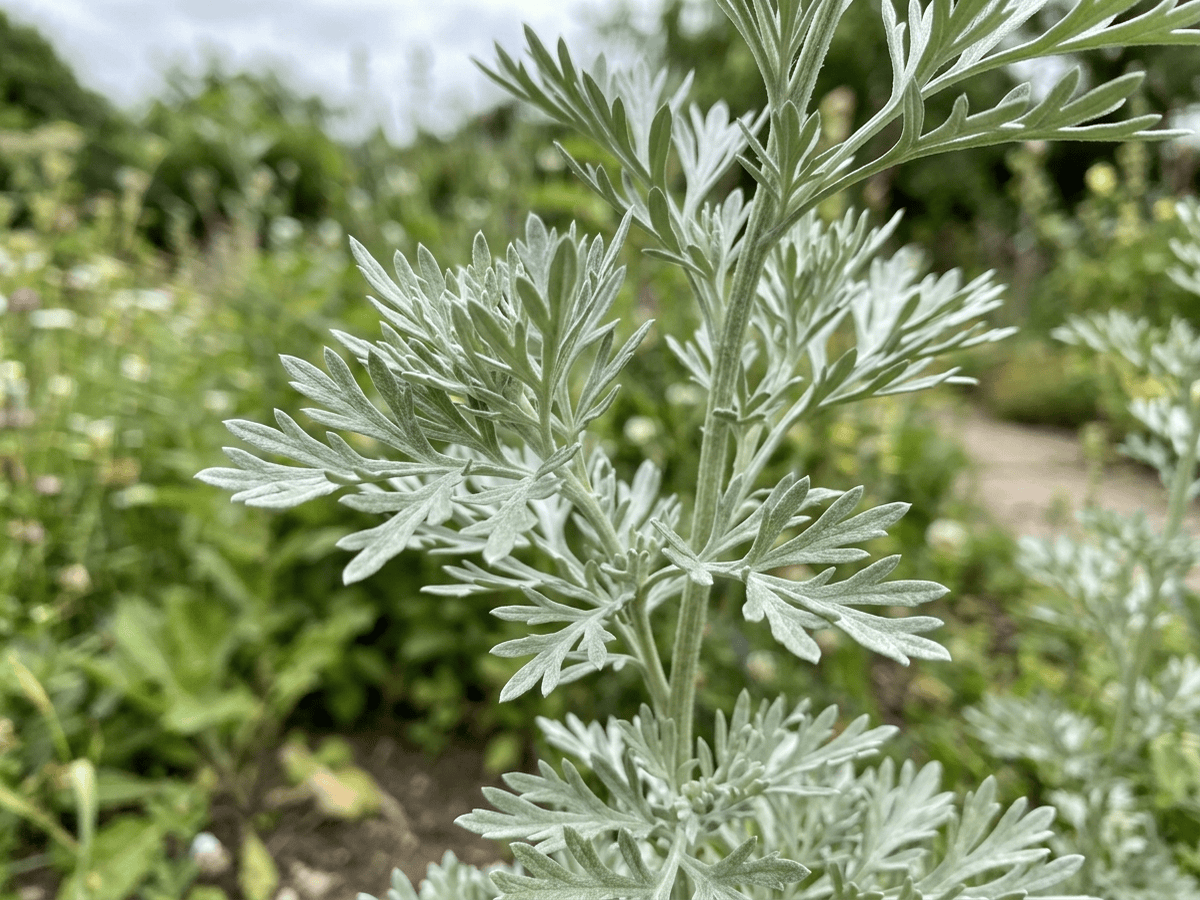
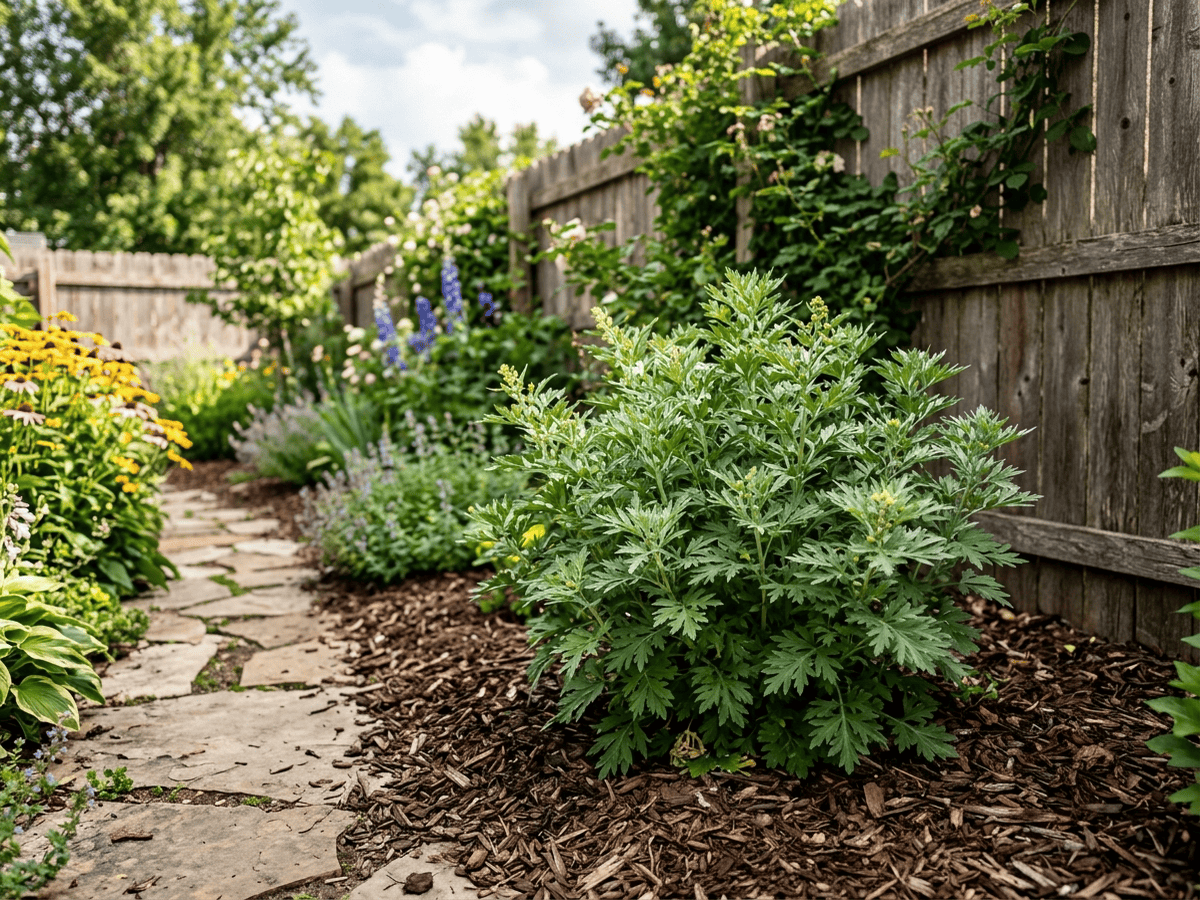
Artemisia absinthium, absinthe wormwood, is a silvery Eurasian perennial with deeply cut aromatic foliage and small yellow summer flowers. The leaves are intensely bitter, a quality that made the plant important in vermouth, bitters, and the famously controversial spirit absinthe. Its 19th-century reputation mixed chemistry, art, moral panic, and myth, from Paris cafes to the paintings of Degas and Manet. In gardens, wormwood is less scandalous and more practical: a drought-tolerant silver accent for herb gardens, dry borders, and Mediterranean-style plantings. Give it full sun and lean, well-drained soil; rich wet conditions make the stems floppy and short-lived. The foliage scent is strong, resinous, and unmistakably old-world.
- Medicinal
- Fragrant
- Drought-tolerant
How to care for Absinthe Wormwood
Watering
- Springevery 14 days
- Summerevery 21 days
- Fallevery 21 days
- Winterevery 45 days
Soil · Rich & well-draining
- Top dressingCompost10%
- Main mixPotting soil + compost 3:180%
- DrainageGravel10%
Top up the compost layer each season.
FERTILIZER
This plant needs little to no feeding.
At a Glance
- NativeEast Asia, Africa
- Height2–4 ft (0.6–1.2 m)
- Spread2–3 ft (0.6–0.9 m)
- Flower colorYellow
- Foliage colorSilver
- SoilSandy, Well-drained
- LocationsYard
Bloom time
BLOOM CYCLE
Peak bloom
Jun–Aug
Small inconspicuous yellow flower clusters in summer
Fragrance
STRONG FRAGRANCE
The foliage has an intensely bitter-aromatic sage-like scent.
Toxicity
Humans Moderate · Pets Moderate
thujone (α and β) and absinthin
Moderate
- Leaf
- Essential oil
- Ingestion
EXPOSURE Eating leaves and essential oil.
EFFECT Seizures and kidney damage (oil overdose).
NOTE Documented concern for humans: Seizures and kidney damage (oil overdose).
Moderate
- Leaf
- Ingestion
EXPOSURE Eating leaves.
EFFECT Vomiting, ataxia, and seizures.
NOTE ASPCA lists wormwood as toxic to pets. Essential oil neurotoxic in overdose.
Moderate
- Leaf
- Ingestion
EXPOSURE Eating leaves.
EFFECT Vomiting, ataxia, and seizures.
NOTE ASPCA lists wormwood as toxic to pets. Essential oil neurotoxic in overdose.
Educational information, not medical or veterinary advice. If exposure is suspected, contact a doctor or veterinarian.
DISTRIBUTION


- Native
- Introduced
- East Asia
- Africa
History

Artemisia absinthium, commonly called wormwood, grand wormwood, or absinth wormwood, is a strongly aromatic woody-based perennial in the aster family (Asteraceae) native to temperate Eurasia and northern Africa, naturalized widely in North America. Carl Linnaeus described it in Species Plantarum in 1753. The name Artemisia honors the Greek goddess Artemis; absinthium derives via Latin from Greek apsinthion.
Plants grow 60-120 cm tall with silky silver-gray deeply tripinnate leaves and small yellow globose flower heads in late summer. The species has an extraordinarily long recorded history: used medicinally in Ancient Egypt (Ebers Papyrus ~1550 BCE), Ancient Greece (Hippocrates), and through medieval Europe for treating intestinal parasites (hence 'wormwood'). Its most famous role was as the principal flavoring of absinthe, the iconic emerald French/Swiss spirit popular in 19th-century European bohemian culture, which was banned across much of Europe and the US from 1915 due to unsubstantiated claims that thujone caused psychosis—most modern toxicological research finds absinthe at traditional strengths no more harmful than high-proof spirits.
Contains neurotoxic thujone in significant concentration. Native to temperate Eurasia and North Africa. The principal botanical of absinthe—the legendary 19th-century 'green fairy' liqueur banned in many countries until the early 21st century.
Symbolism & meaning
What It Symbolizes
Absinthe Wormwood is bitterness turned into legend. Its silver leaves shaped vermouth, absinthe, and the green mythology of nineteenth-century cafes, while its scent still feels sharp, old-world, and uncompromising. In symbolism it belongs to clarity after glamour: beautiful foliage with a warning edge.
- Bitterness — the most famously bitter of all herbs
- Mystery — associated with the bohemian green fairy of absinthe lore
Where the Name Comes From
'Artemisia' honors the Greek goddess Artemis; 'absinthium' from Greek 'apsinthion' meaning bitter.
Uses & Fun Facts
- Bitter leaves flavor absinthe and vermouth liqueurs
- Historical wormwood remedy for digestive complaints
- Silver foliage releases sharp camphor scent
- Silvery filigree foliage softens cottage borders
Related plants
More Artemisia plants
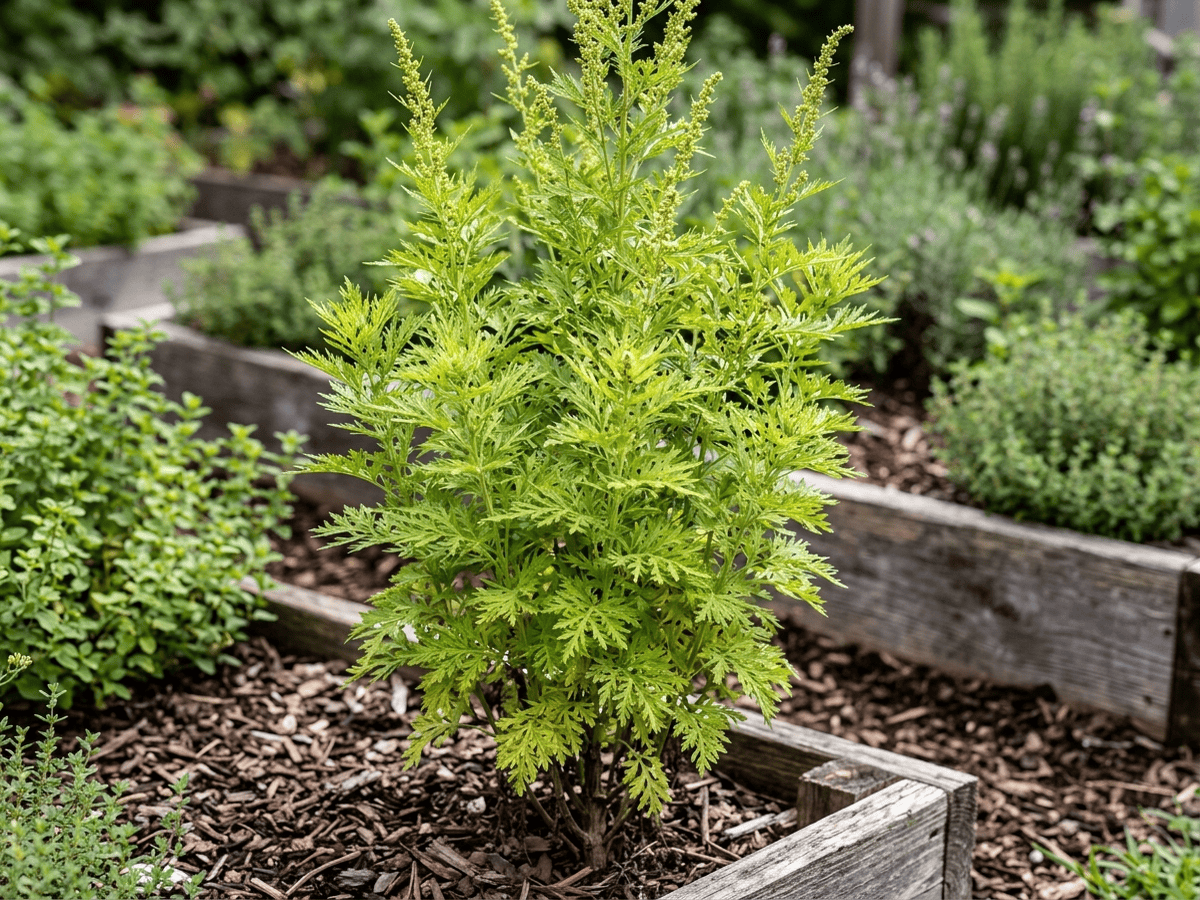 Sweet WormwoodArtemisia annua
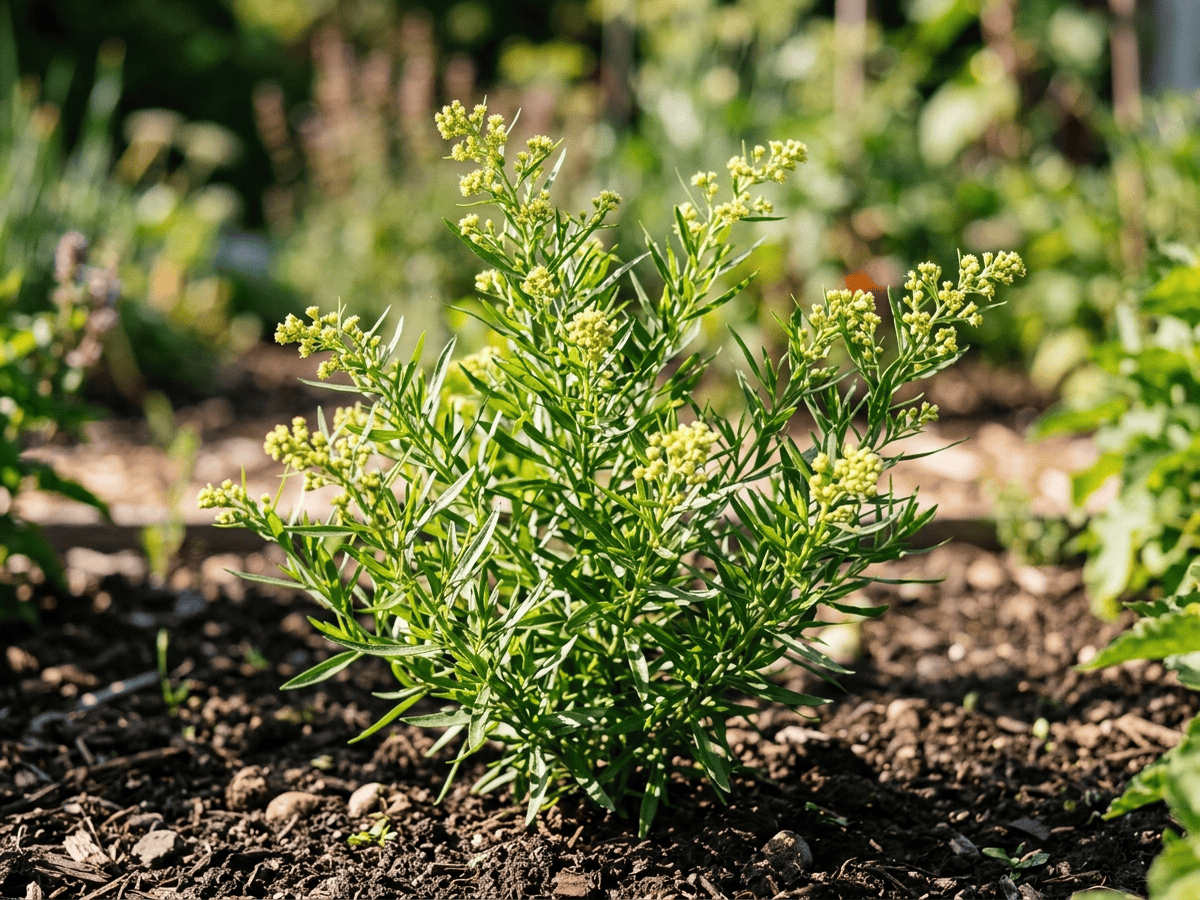 TarragonArtemisia dracunculus
 Silver WormwoodArtemisia ludoviciana
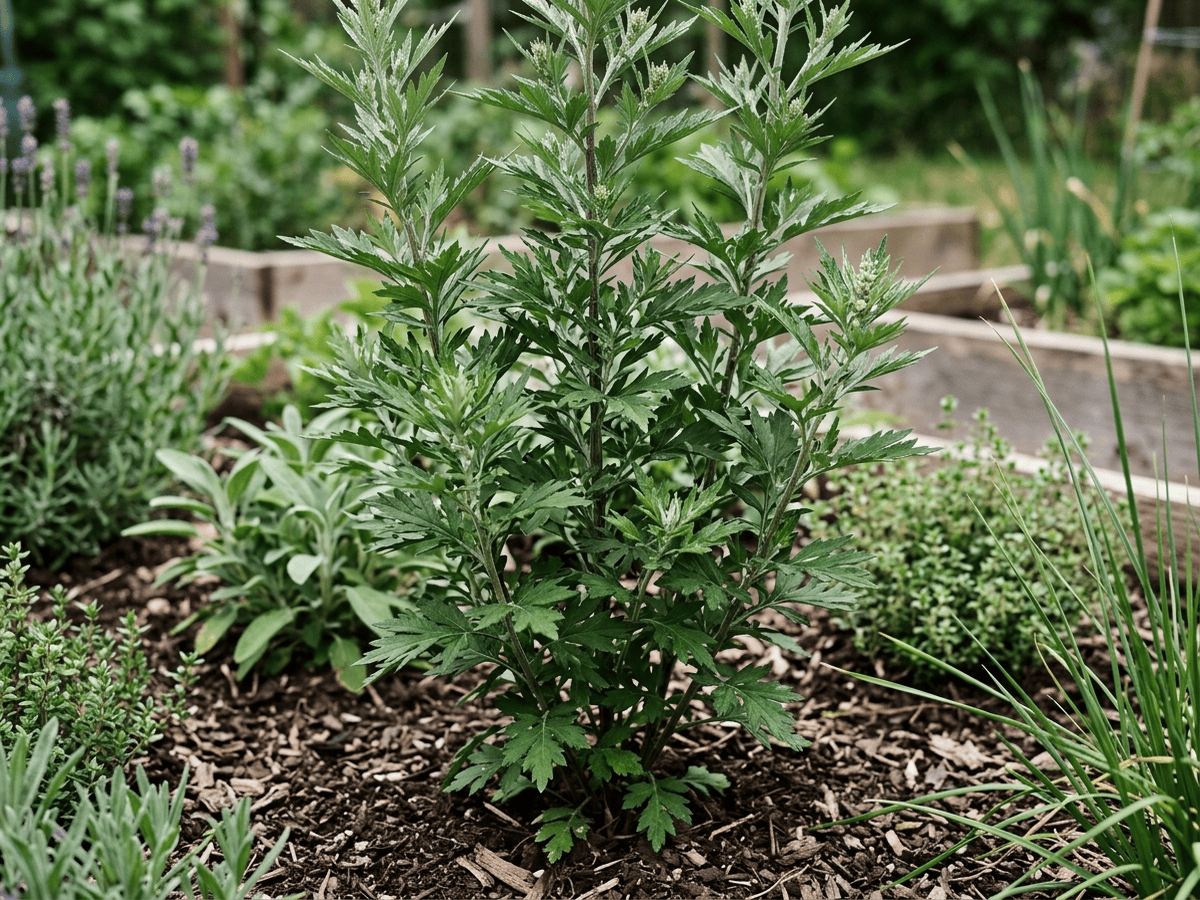 Common MugwortArtemisia vulgaris
Plants with similar care
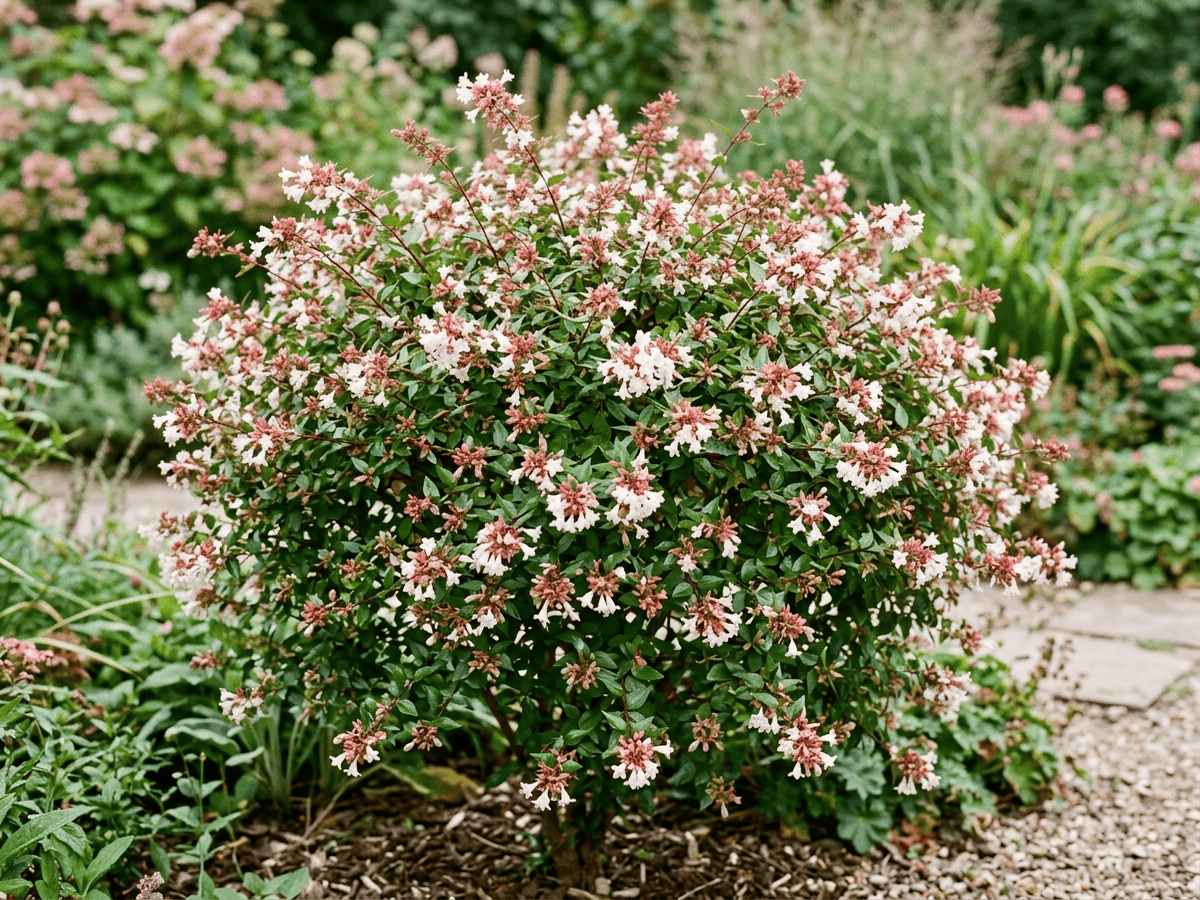 Chinese AbeliaAbelia chinensis
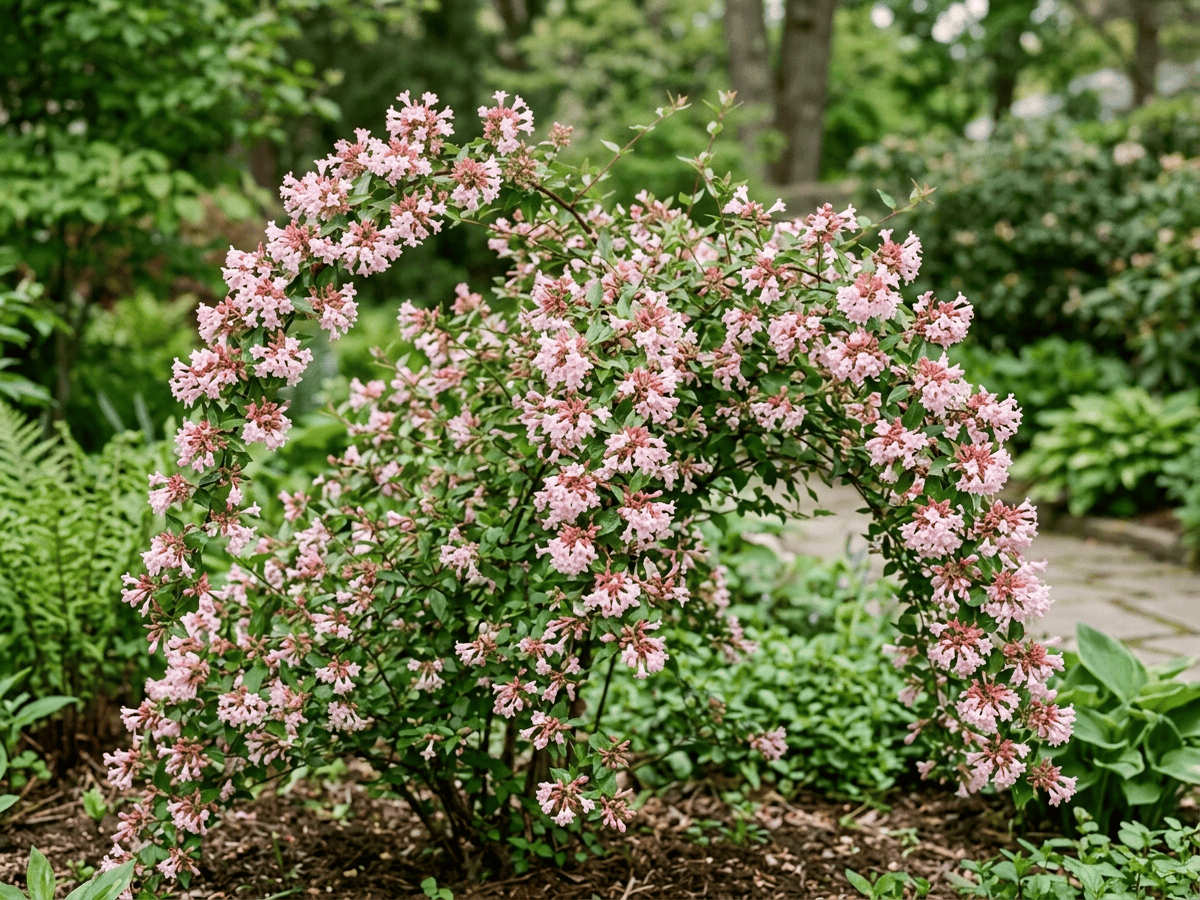 Fragrant AbeliaAbelia mosanensis
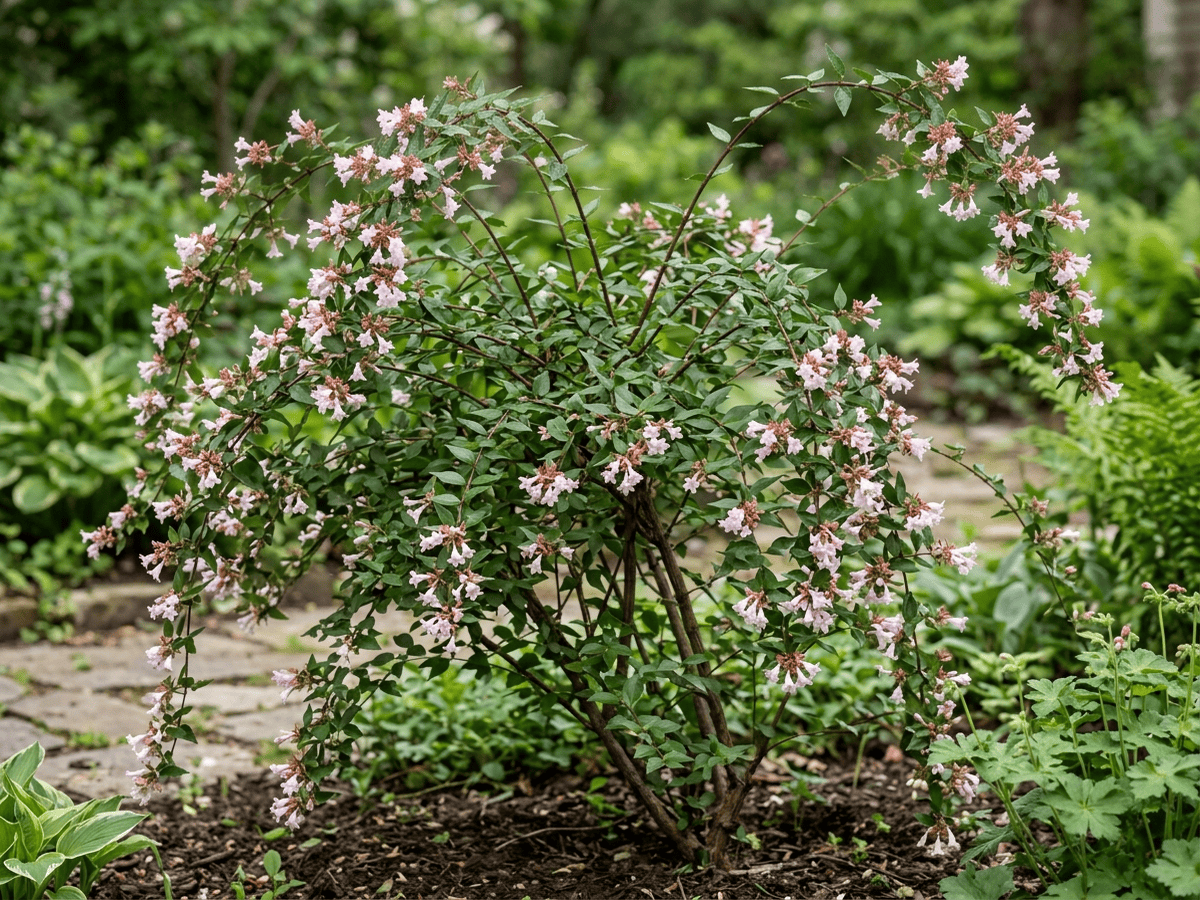 Large-Flowered AbeliaAbelia uniflora
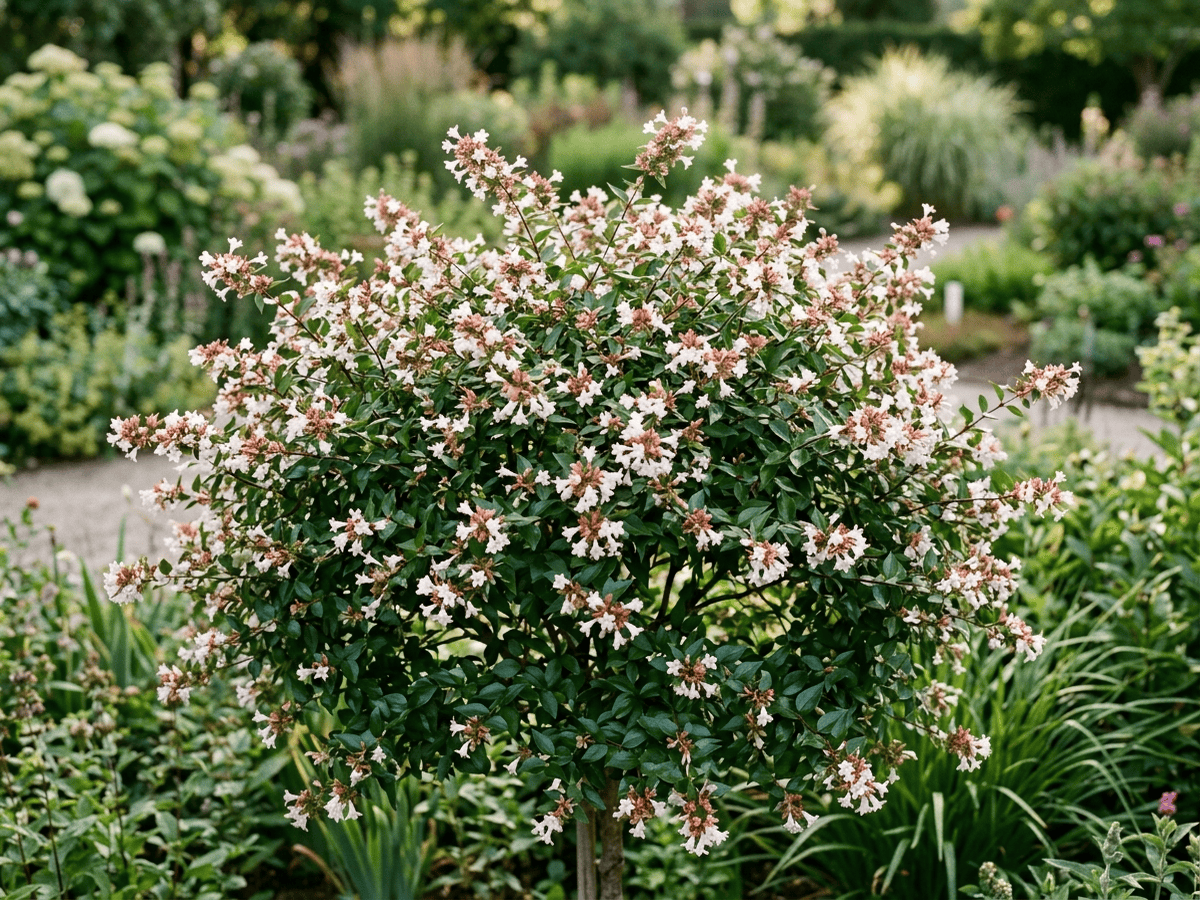 Glossy AbeliaAbelia x grandiflora
Frequently asked questions
How often should I water Absinthe Wormwood?
In summer, water about every 21 days; in winter, about every 45 days. Adjust for heat, pot size and drainage.
How much light does Absinthe Wormwood need?
Full sun: 6+ hrs direct. Watch the leaves — scorching or stretching means the light needs adjusting.
Is Absinthe Wormwood toxic to cats or dogs?
Pets Moderate (Dogs Moderate · Cats Moderate) Educational information, not medical or veterinary advice. If exposure is suspected, contact a doctor or veterinarian.
Is Absinthe Wormwood easy to grow?
Yes — it is considered an easy, beginner-friendly plant.
When does Absinthe Wormwood bloom?
It typically blooms Jun–Aug in the Northern Hemisphere.
YardMate
Identify any plant in seconds
Snap a photo — YardMate names the plant, diagnoses problems, and reminds you when to water.
Download on the App Store