 YardMate



Silver Wormwood
Artemisia ludoviciana
Easy · Beginner friendlyAbout Silver Wormwood
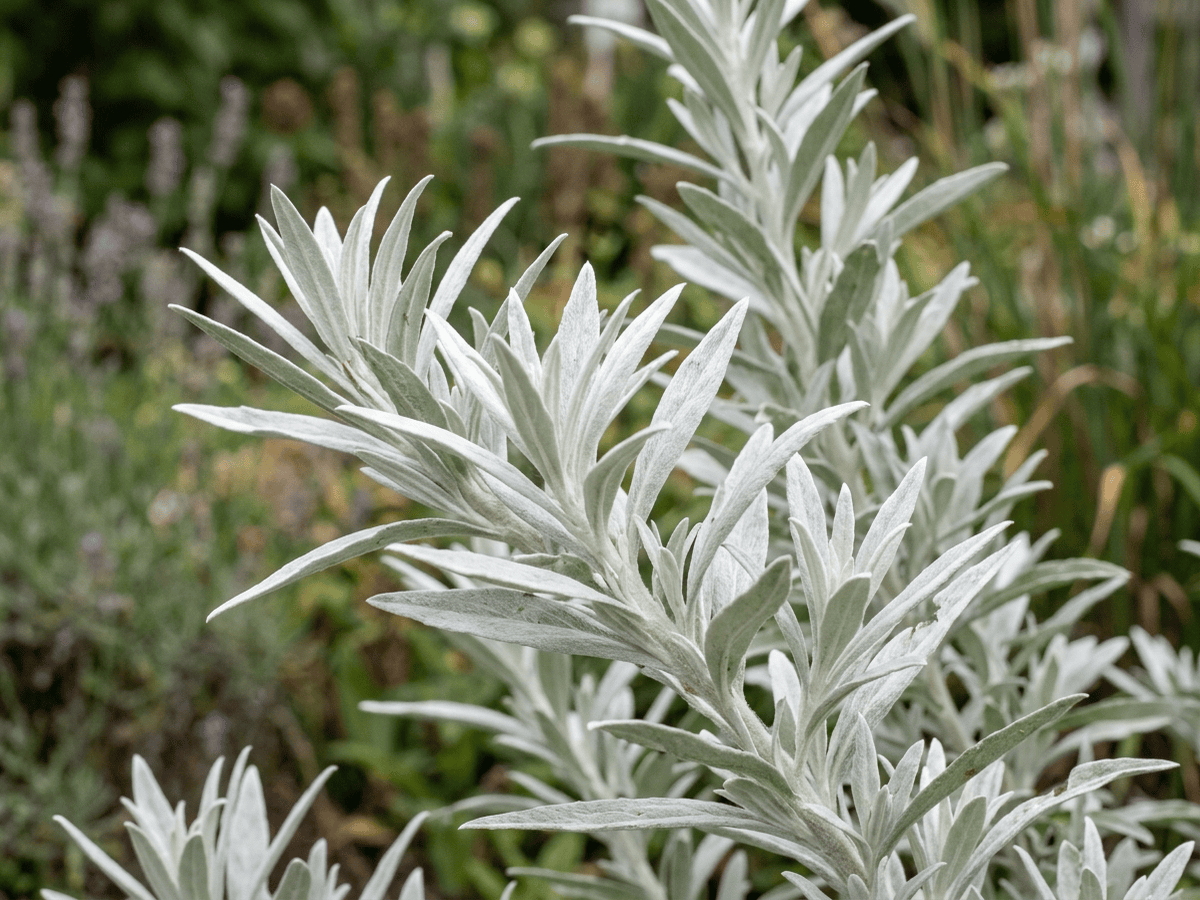
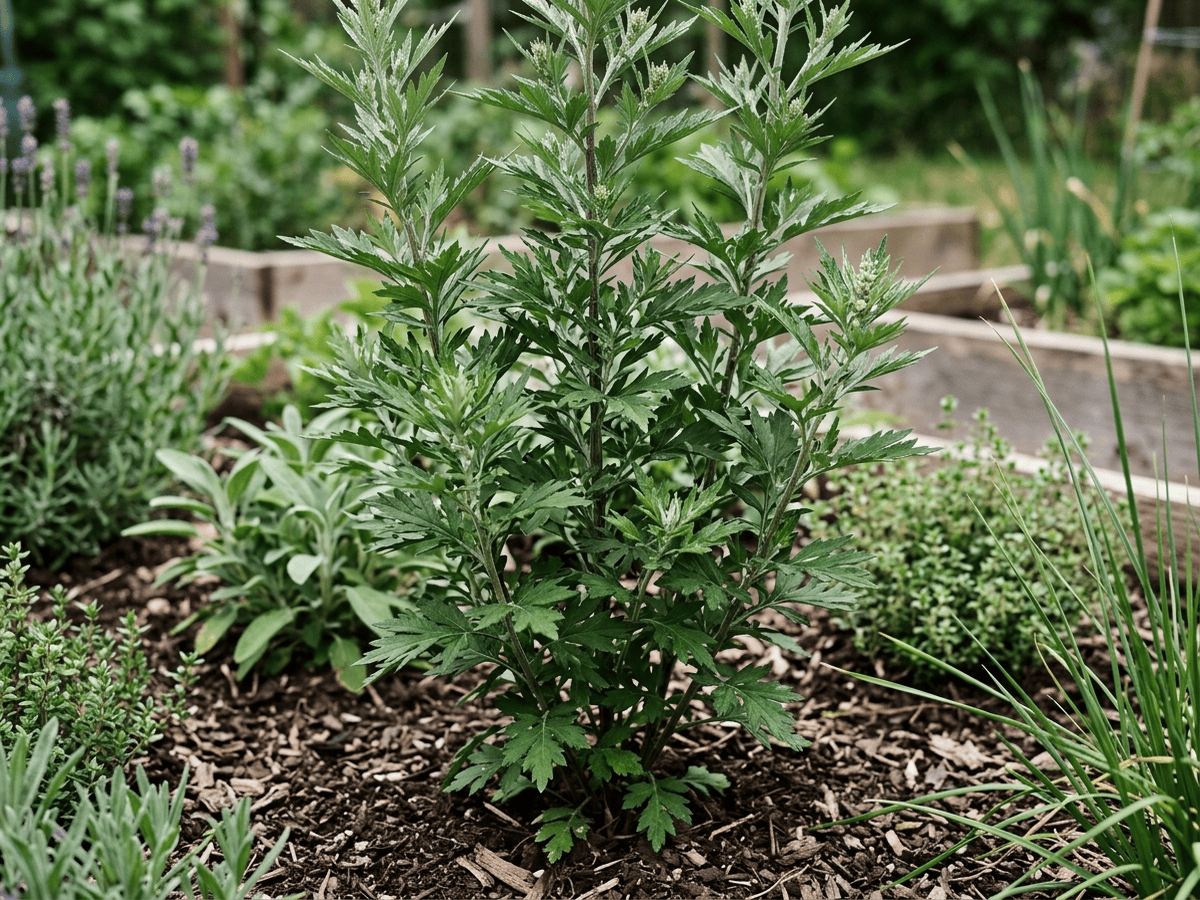
Western Mugwort or White Sage (not to be confused with Salvia apiana) is a North American native perennial herb reaching 2-3 feet tall, forming spreading colonies of strikingly silver-white aromatic foliage. Native from the Great Plains to the Pacific, it has been used by Indigenous peoples for ceremony, smudging, and medicine for thousands of years. The cultivar 'Silver King' is among the most popular silver-foliage perennials in American gardens.
- Fragrant
- Drought-tolerant
- Native
How to care for Silver Wormwood
Watering
- Springevery 14 days
- Summerevery 21 days
- Fallevery 21 days
- Winterevery 45 days
Soil · Well-draining
- Top dressingPine bark mulch10%
- Main mixPotting soil + perlite 2:170%
- DrainageLECA / gravel20%
Never skip the drainage layer — standing water is the top cause of root rot.
FERTILIZER
This plant needs little to no feeding.
At a Glance
- NativeNorth America
- Height2–3 ft (0.6–0.9 m)
- Spread2–3 ft (0.6–0.9 m)
- Flower colorYellow, Cream
- Foliage colorSilver
- SoilSandy, Well-drained
- LocationsYard
Bloom time
BLOOM CYCLE
Peak bloom
Jun–Sep
Small inconspicuous yellow flower clusters in late summer
Fragrance
STRONG FRAGRANCE
The foliage has a sage-camphor aroma.
Toxicity
Humans Slight · Pets Moderate
thujone, camphor, and cineole
Slight
- Leaf
- Contact
EXPOSURE Touching leaves.
EFFECT Contact dermatitis (sensitive individuals).
NOTE Documented concern for humans: Contact dermatitis (sensitive individuals).
Moderate
- Leaf
- Ingestion
EXPOSURE Eating leaves.
EFFECT Vomiting and ataxia.
NOTE ASPCA lists Artemisia as toxic to pets.
Moderate
- Leaf
- Ingestion
EXPOSURE Eating leaves.
EFFECT Vomiting and ataxia.
NOTE ASPCA lists Artemisia as toxic to pets.
Educational information, not medical or veterinary advice. If exposure is suspected, contact a doctor or veterinarian.
DISTRIBUTION


- Native
- Introduced
- North America
History
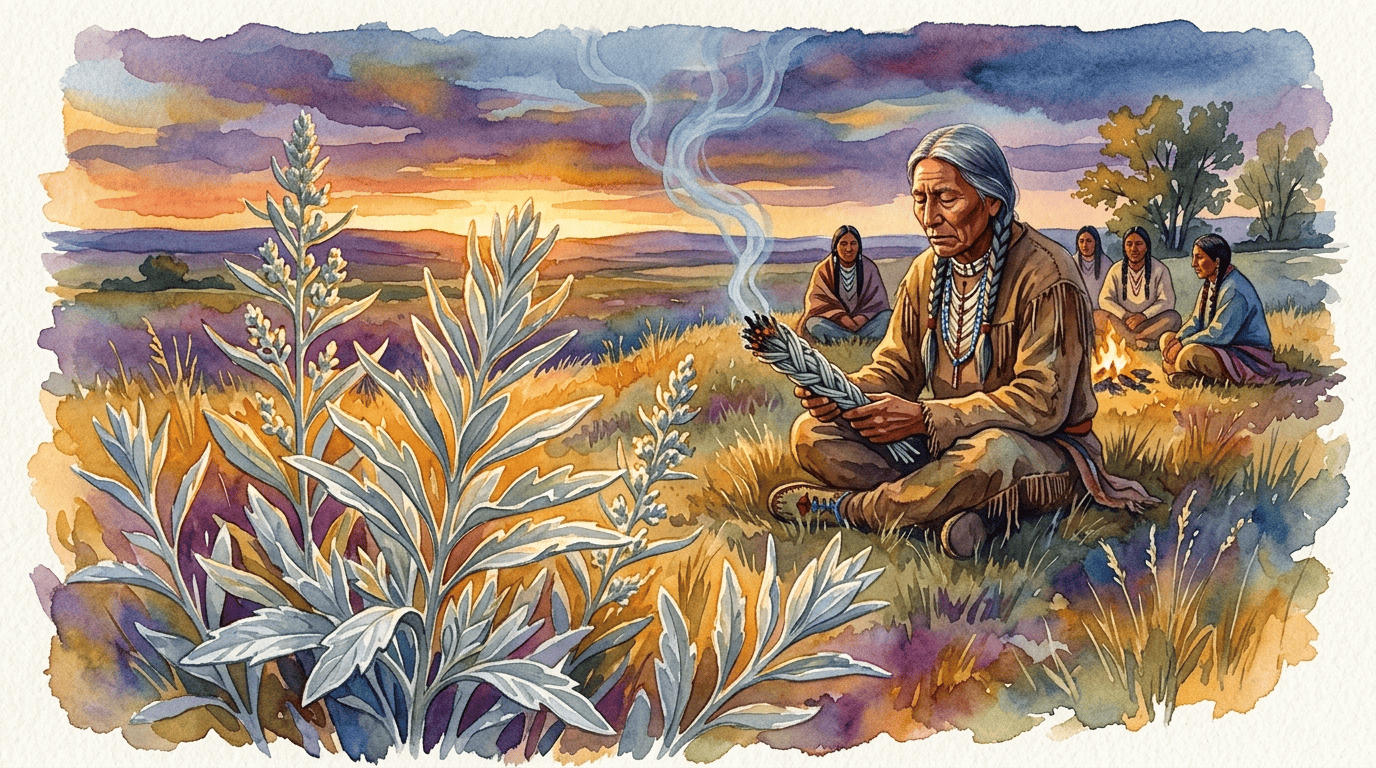
Artemisia ludoviciana, commonly called white sage, western mugwort, silver wormwood, or prairie sage, is a rhizomatous perennial in the aster family (Asteraceae) native to open prairies, dry slopes, and sagebrush habitats across most of western and central North America from British Columbia south through Mexico. American botanist Thomas Nuttall described it in 1818 based on Louisiana Territory collections (hence epithet ludoviciana, from Latin name for Louisiana). The species has profound cultural importance to many Indigenous peoples of the Great Plains and Southwest—leaves are dried and burned as ceremonial smudge smoke for purification and prayer, and the plant is used medicinally in Lakota, Cheyenne, Navajo, and other traditions (though distinct from the true white sage of California ceremonies, Salvia apiana).
Plants grow 45-90 cm tall with aromatic silver-white wooly lanceolate leaves that are striking in garden settings. Small inconspicuous yellowish flower heads appear in late summer.
The cultivars 'Silver King', 'Silver Queen', 'Valerie Finnis' (selected at Waterperry Gardens, UK), and 'Parfum d'Ethiopia' are popular ornamentals for silver foliage effect.
Symbolism & meaning
What It Symbolizes
Silver Wormwood is a plant of purification, one of the sacred smudging herbs of many Indigenous traditions of the Americas. Its silver leaves carry millennia of ceremonial heritage — burned in bundles to cleanse spaces and gather prayer. To grow it respectfully is to honor that long ceremonial lineage, recognizing the plant's role as far older than any garden border.
- Purification — sacred smudging herb of Indigenous traditions
- Heritage — thousands of years of Indigenous ceremonial use
Where the Name Comes From
The common name highlights its silver coloring. 'Ludoviciana' refers to Louisiana (the Louisiana Purchase territory where it was first described scientifically).
Uses & Fun Facts
- Silver foliage releases sage-like scent prized in dried smudge bundles
- Sacred white sage used in Plains tribes' ceremonial smudging
- Silver-white foliage cools hot color schemes in dry borders
Related plants
More Artemisia plants
 Absinthe WormwoodArtemisia absinthium
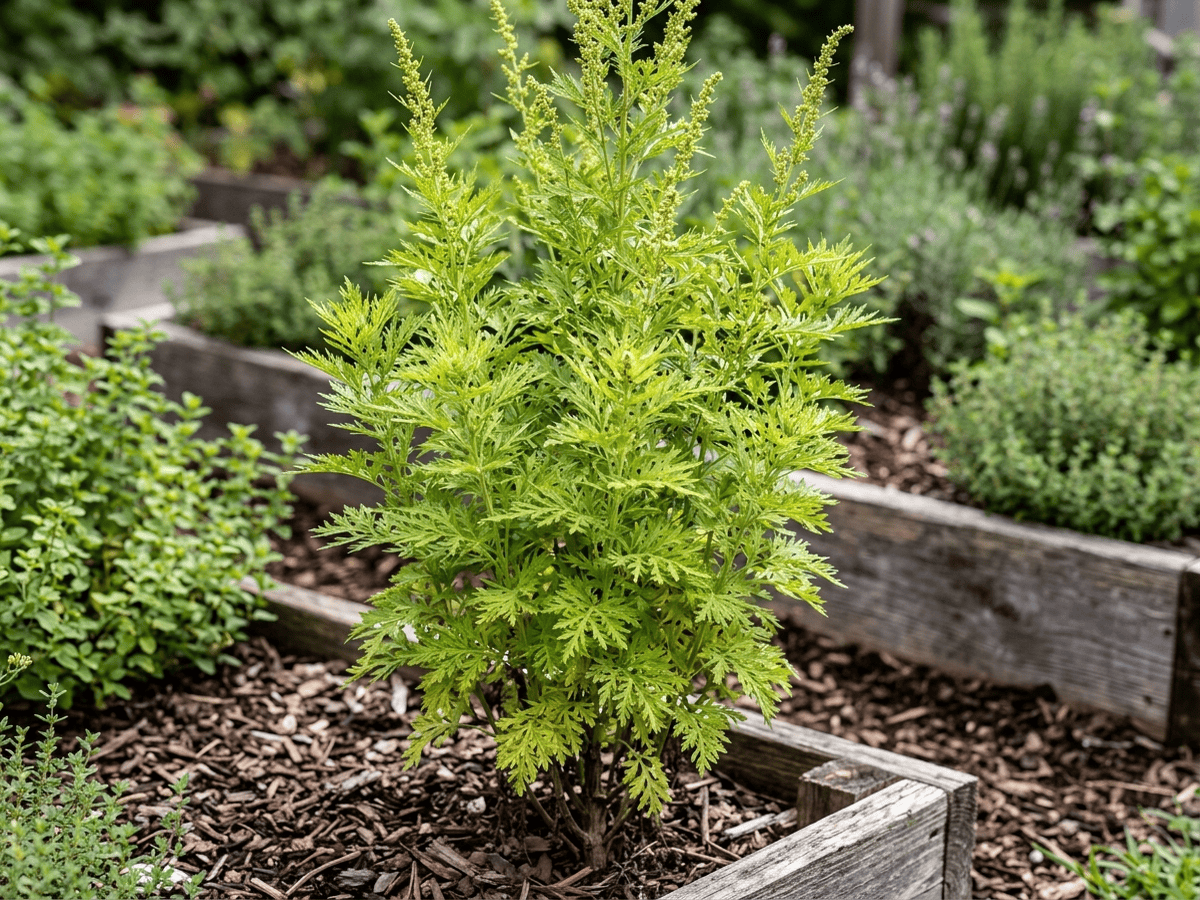 Sweet WormwoodArtemisia annua
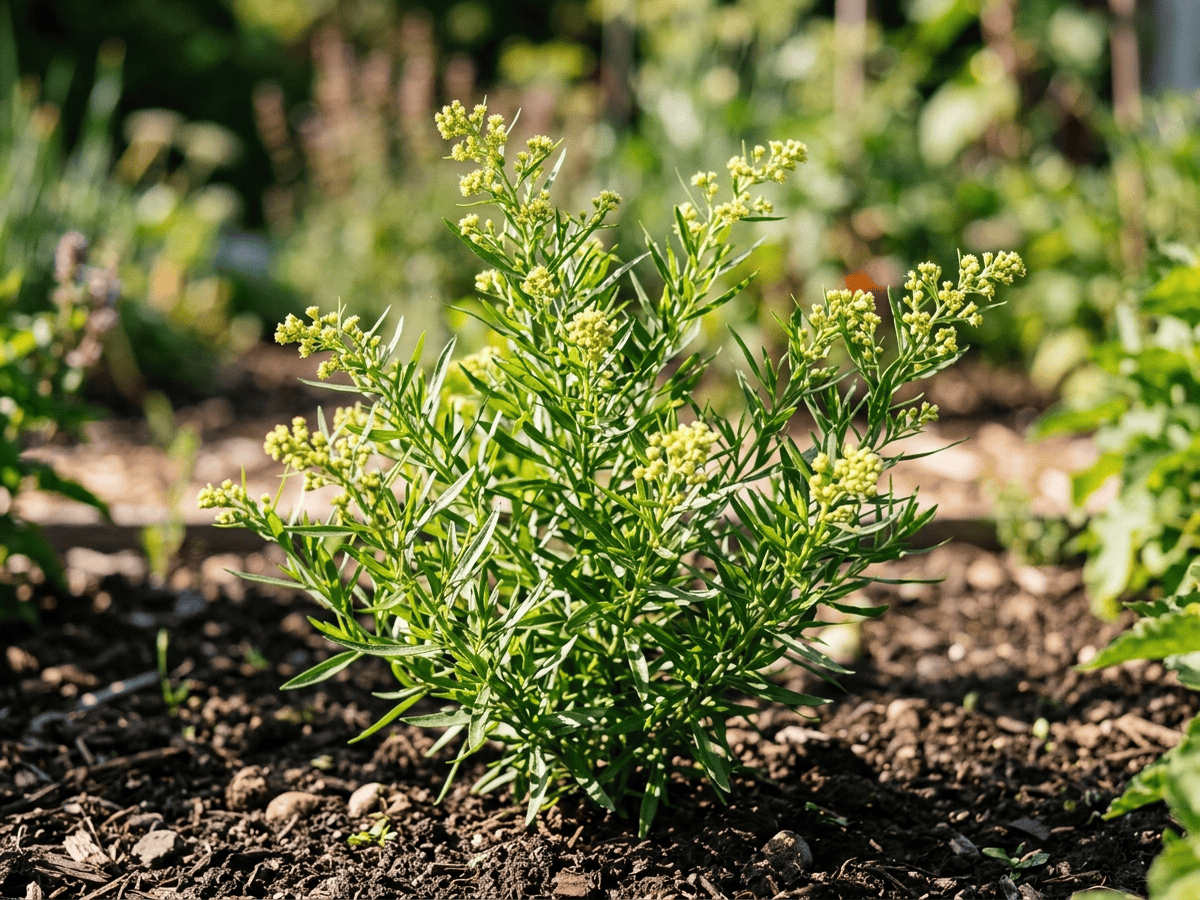 TarragonArtemisia dracunculus
 Common MugwortArtemisia vulgaris
Plants with similar care
 Chinese AbeliaAbelia chinensis
 Fragrant AbeliaAbelia mosanensis
 Large-Flowered AbeliaAbelia uniflora
 Glossy AbeliaAbelia x grandiflora
Frequently asked questions
How often should I water Silver Wormwood?
In summer, water about every 21 days; in winter, about every 45 days. Adjust for heat, pot size and drainage.
How much light does Silver Wormwood need?
Full sun: 6+ hrs direct. Watch the leaves — scorching or stretching means the light needs adjusting.
Is Silver Wormwood toxic to cats or dogs?
Pets Moderate (Dogs Moderate · Cats Moderate) Educational information, not medical or veterinary advice. If exposure is suspected, contact a doctor or veterinarian.
Is Silver Wormwood easy to grow?
Yes — it is considered an easy, beginner-friendly plant.
When does Silver Wormwood bloom?
It typically blooms Jun–Sep in the Northern Hemisphere.
YardMate
Identify any plant in seconds
Snap a photo — YardMate names the plant, diagnoses problems, and reminds you when to water.
Download on the App Store