 YardMate

Common Mugwort
Artemisia vulgaris
Easy · Beginner friendlyAbout Common Mugwort
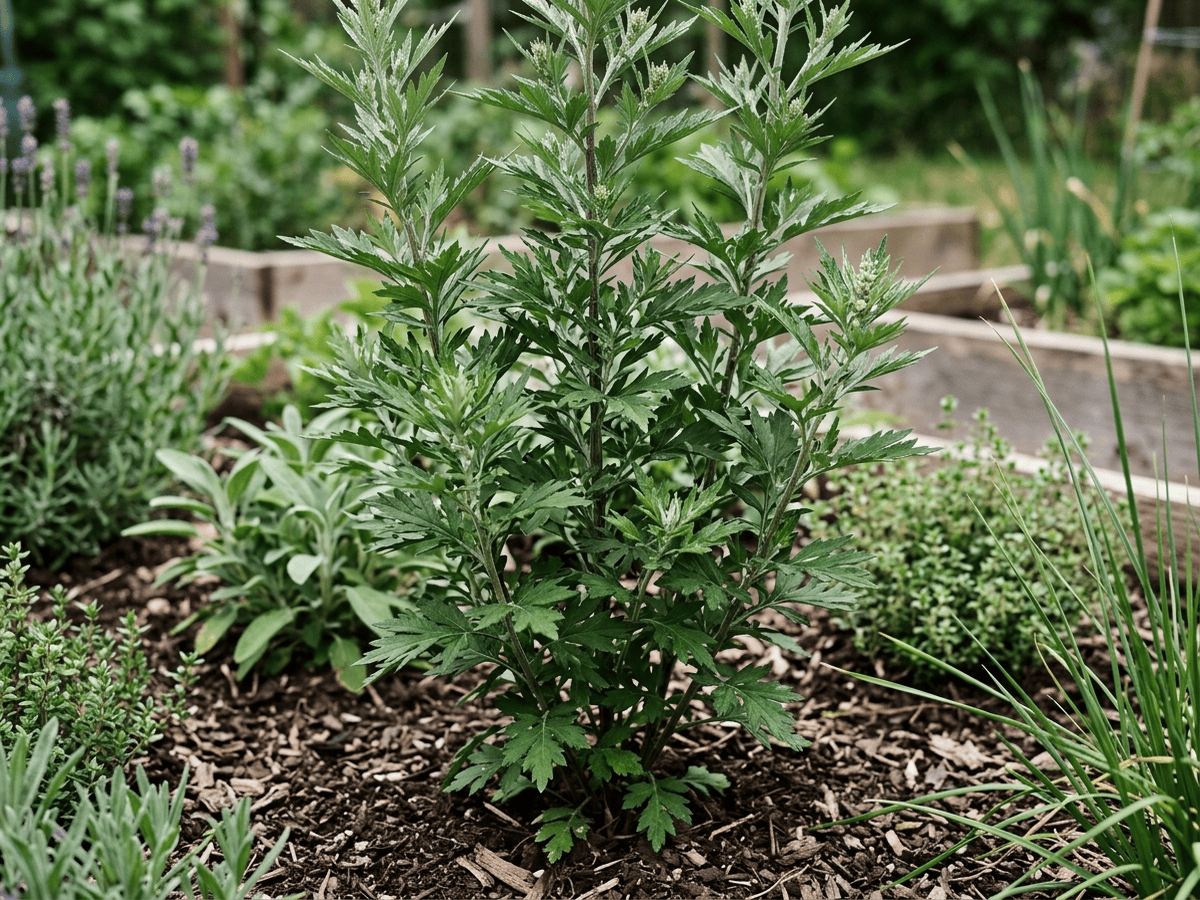
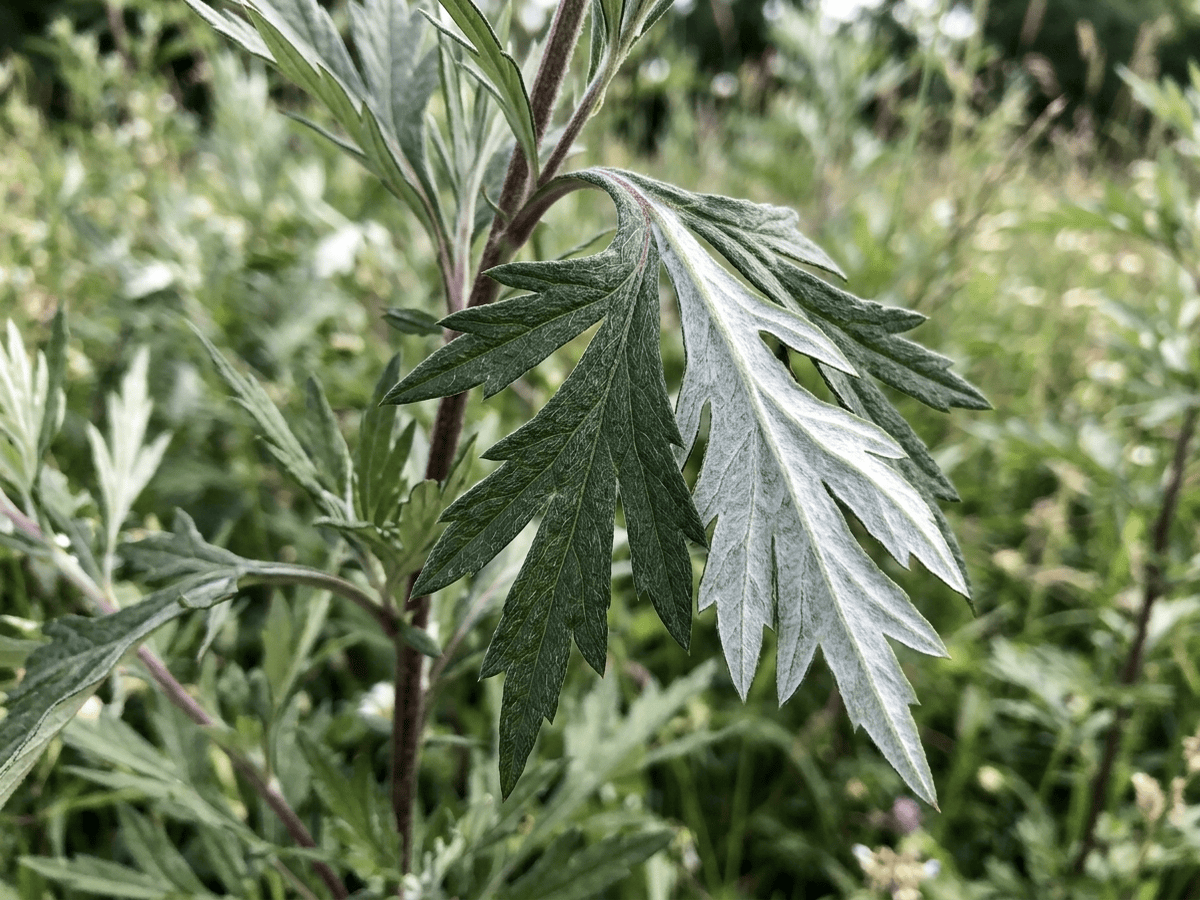
Artemisia vulgaris, common mugwort, is a tall aromatic perennial of Eurasian origin, now naturalized and often weedy across much of North America. It grows 1-2 meters high with dark green lobed leaves and pale felted undersides, releasing a sharp sage-like scent when crushed. Mugwort has traveled with people for centuries: in Europe it belonged to midsummer rituals and protective folklore; in East Asia the dried leaves became central to moxibustion and seasonal foods. That cultural depth comes with a practical warning. The plant spreads aggressively by rhizomes and seed, especially in disturbed soil. Grow it only where its wandering habit can be contained, or admire it as a plant of roadsides and old settlements.
- Medicinal
- Fragrant
How to care for Common Mugwort
Watering
- Springevery 14 days
- Summerevery 21 days
- Fallevery 21 days
- Winterevery 45 days
Soil · Well-draining
- Top dressingPine bark mulch10%
- Main mixPotting soil + perlite 2:170%
- DrainageLECA / gravel20%
Never skip the drainage layer — standing water is the top cause of root rot.
FERTILIZER
This plant needs little to no feeding.
At a Glance
- NativeEast Asia
- Height3–5 ft (0.9–1.5 m)
- Spread2–3 ft (0.6–0.9 m)
- Flower colorRed, Burgundy
- Foliage colorDark-green, Silver
- SoilLoamy, Well-drained
- LocationsYard
Bloom time
BLOOM CYCLE
Peak bloom
Jun–Sep
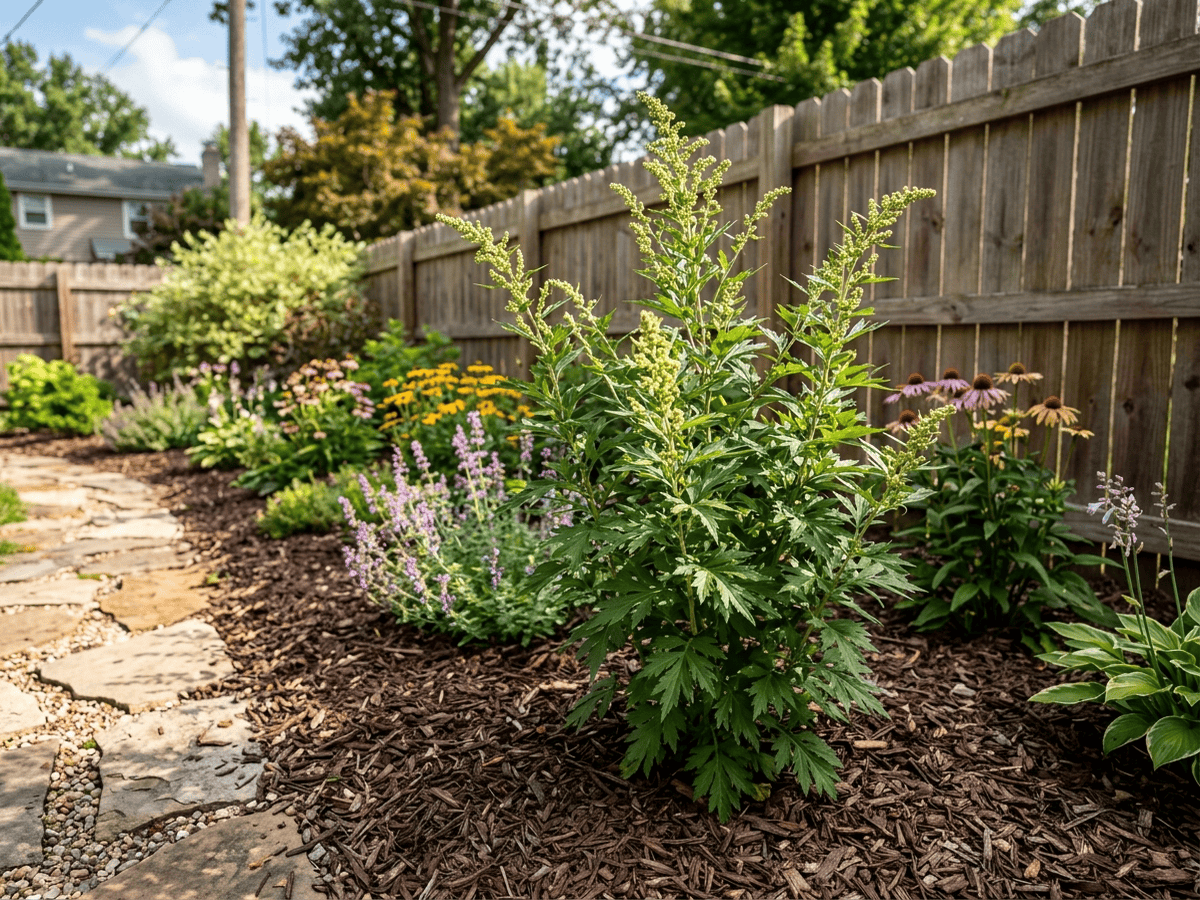
Small reddish-brown flower clusters in late summer
Fragrance
MODERATE FRAGRANCE
The foliage has a distinctive sage-chamomile aroma.
Toxicity
Humans Moderate · Pets Moderate
thujone, cineole, and camphor
Moderate
- Leaf
- Pollen
- Contact
- Inhalation
- Ingestion
EXPOSURE Touching leaves and pollen. Inhaling leaves and pollen. Eating leaves and pollen.
EFFECT Contact dermatitis, allergic rhinitis, and abortifacient (large amounts).
NOTE Documented concern for humans: Contact dermatitis, allergic rhinitis, and abortifacient (large amounts).
Moderate
- Leaf
- Ingestion
EXPOSURE Eating leaves.
EFFECT Vomiting and ataxia.
NOTE ASPCA lists Artemisia as toxic to pets. Major pollen allergen. Traditional abortifacient.
Moderate
- Leaf
- Ingestion
EXPOSURE Eating leaves.
EFFECT Vomiting and ataxia.
NOTE ASPCA lists Artemisia as toxic to pets. Major pollen allergen. Traditional abortifacient.
Educational information, not medical or veterinary advice. If exposure is suspected, contact a doctor or veterinarian.
DISTRIBUTION

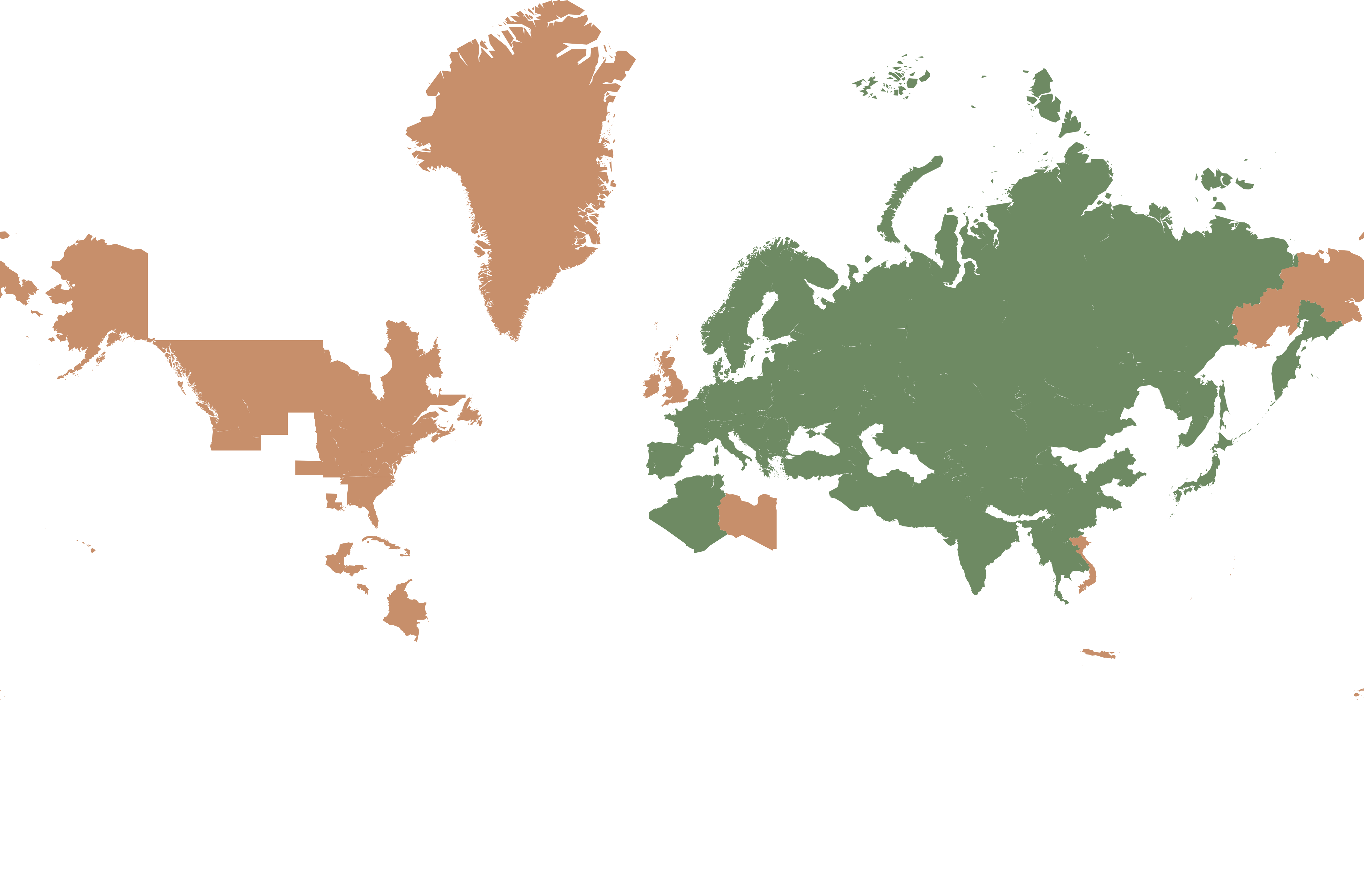
- Native
- Introduced
- East Asia
History
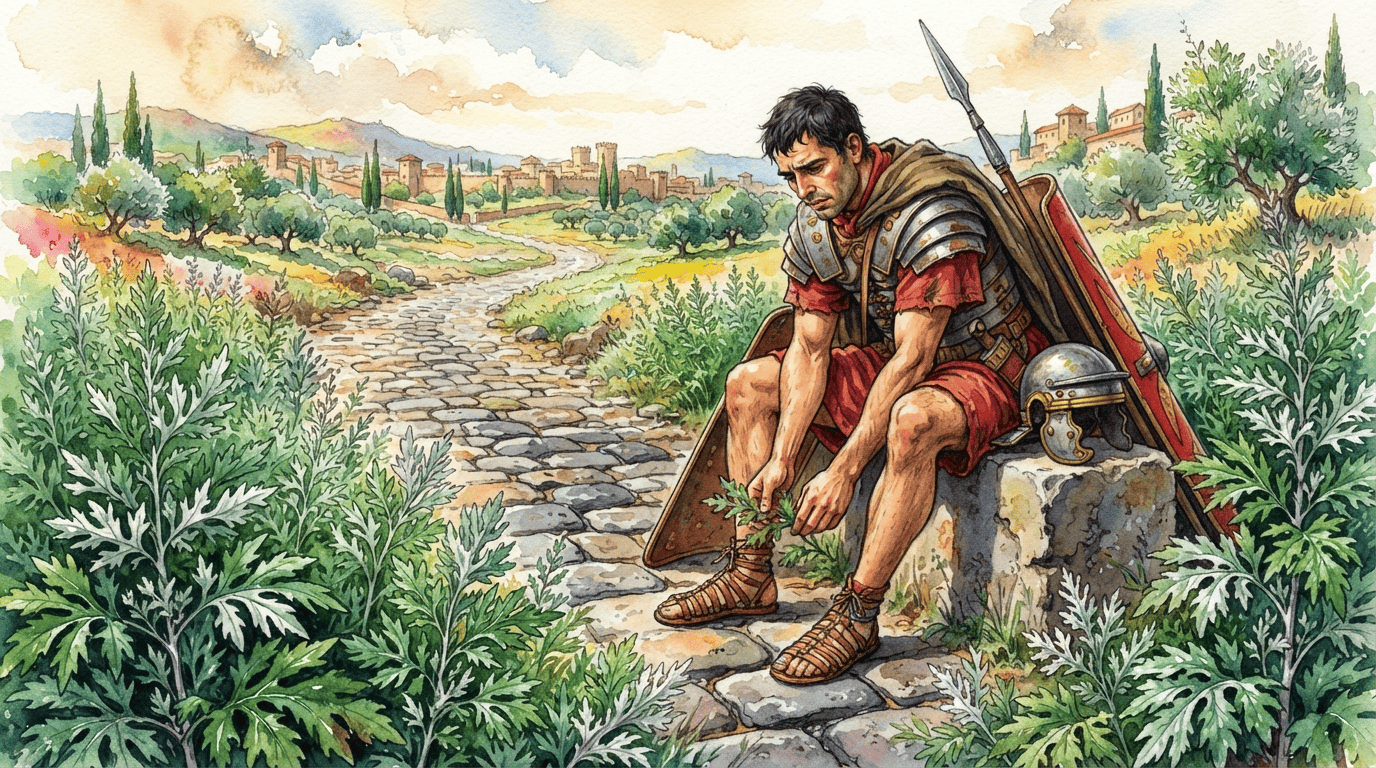
Artemisia vulgaris, commonly called common mugwort or simply mugwort, is a tall rhizomatous perennial in the aster family (Asteraceae) native to temperate Eurasia and widely naturalized across North America, where it is often considered a weedy invasive. Carl Linnaeus described it in Species Plantarum in 1753. The species has exceptionally deep historical importance: used in Ancient Greek and Roman medicine, carried by Roman soldiers in sandals to ward off foot fatigue, central to Anglo-Saxon herbal tradition (one of the nine sacred herbs in the Nine Herbs Charm of the Lacnunga manuscript), and across East Asia, where dried leaves (mogusa in Japanese, ài in Chinese) are burned on acupuncture points in the technique of moxibustion.
Plants grow 1-2 meters tall with dark green deeply lobed leaves that are conspicuously silver-white wooly beneath, producing panicles of inconspicuous small yellowish flower heads in late summer. Pollen is a significant allergen, triggering late-summer hay fever in many. Contains thujone at lower levels than A. absinthium.
In Asia used in rice cakes (yomogi mochi) and herbal teas. Sacred in many traditions—Chinese moxibustion, Korean ssuk-tteok rice cakes, Japanese yomogi mochi, European Walpurgis Night protective herb. Naturalized widely in North America since colonial times and now classed as an invasive weed in much of the eastern United States.
Symbolism & meaning
What It Symbolizes
Common Mugwort is a threshold herb, gathered for midsummer rites, smoke traditions, and old household protections from Europe to East Asia. Its silvery-backed leaves seem made for moonlight and ritual. Yet it spreads with a will of its own, so its symbolism is double: sacred atmosphere paired with the discipline needed to contain it.
- Tranquility — burned in moxibustion for healing meditation
- Heritage — sacred herb across European and Asian traditions
Where the Name Comes From
'Vulgaris' from Latin meaning common.
Uses & Fun Facts
- Central to Chinese moxibustion and Western women's herbalism
- Burned ceremonially across Eurasian folk traditions
- Pungent silver-backed leaves scent dried herb bundles
Related plants
More Artemisia plants
 Absinthe WormwoodArtemisia absinthium
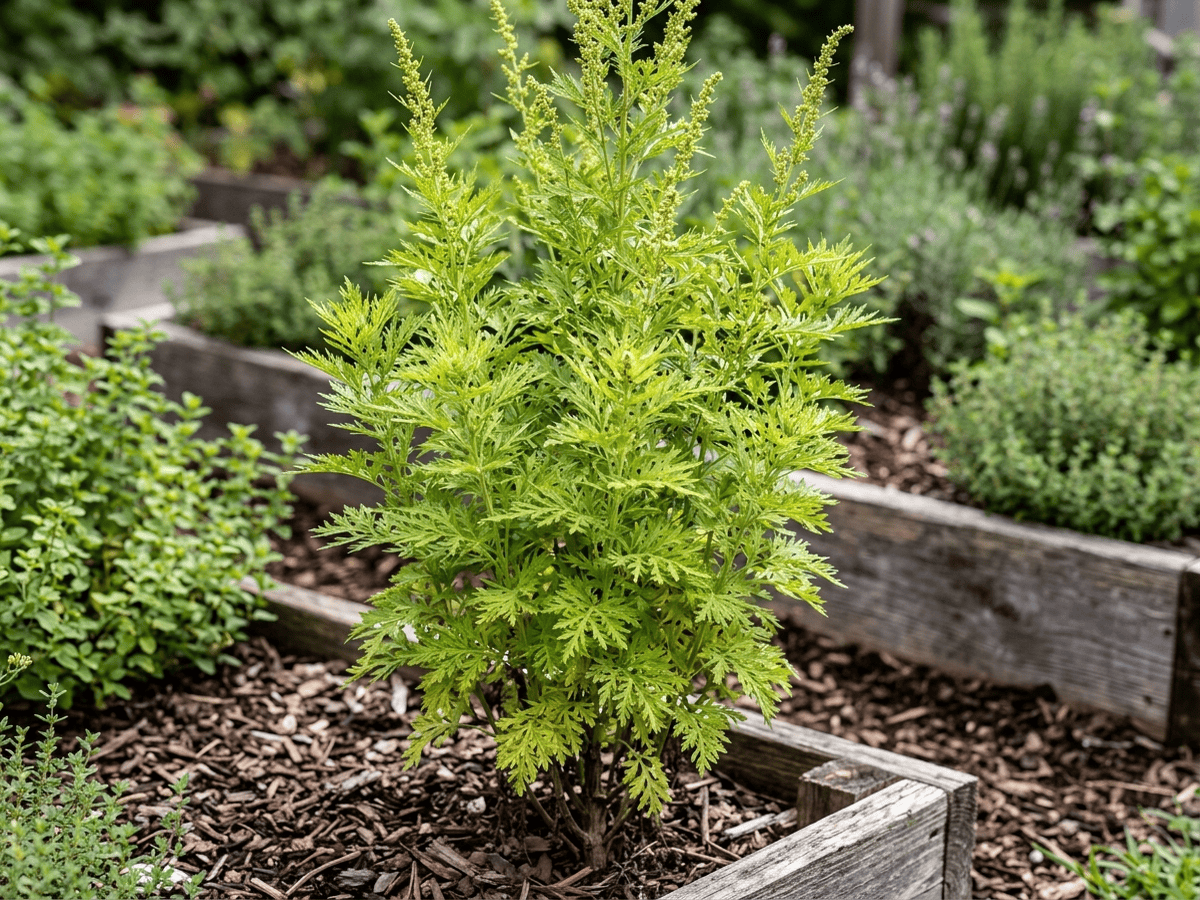 Sweet WormwoodArtemisia annua
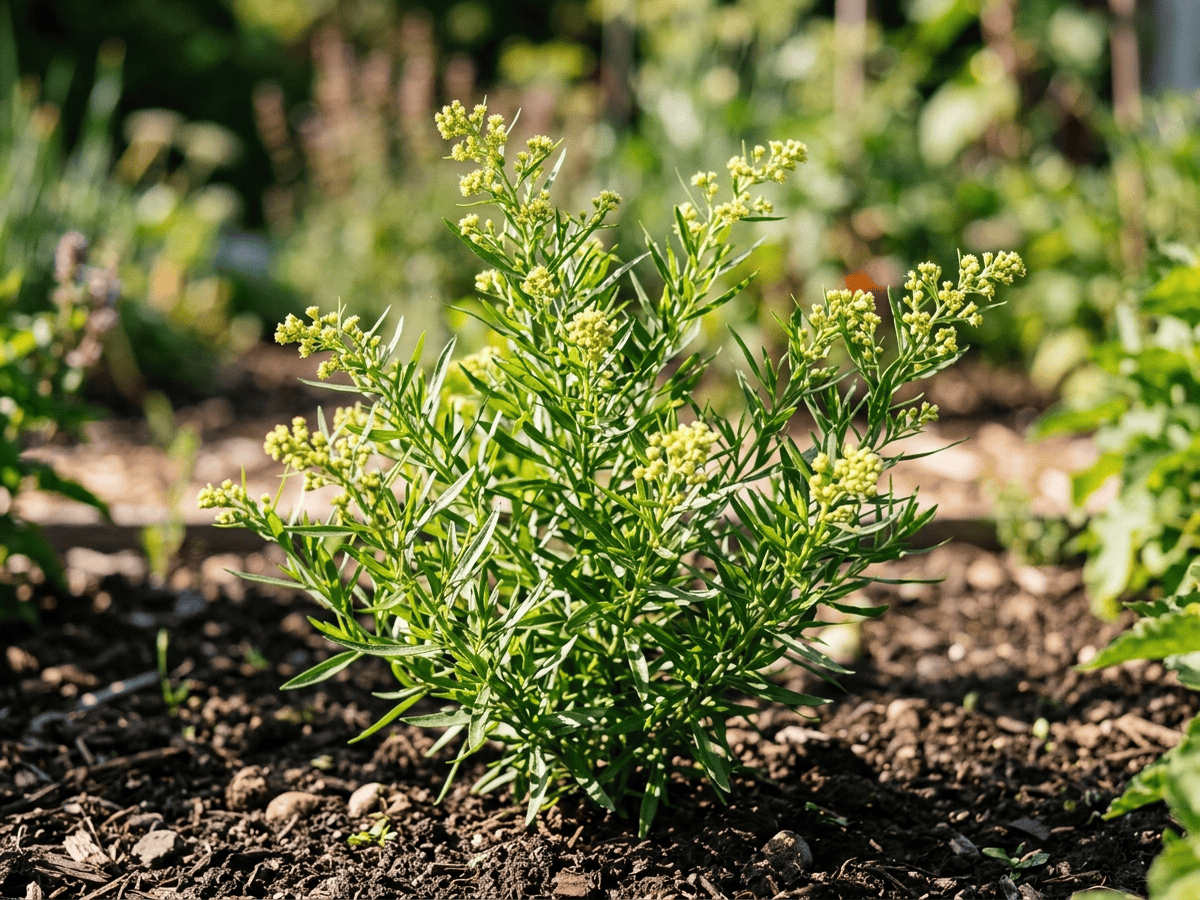 TarragonArtemisia dracunculus
 Silver WormwoodArtemisia ludoviciana
Plants with similar care
 Chinese AbeliaAbelia chinensis
 Fragrant AbeliaAbelia mosanensis
 Large-Flowered AbeliaAbelia uniflora
 Glossy AbeliaAbelia x grandiflora
Frequently asked questions
How often should I water Common Mugwort?
In summer, water about every 21 days; in winter, about every 45 days. Adjust for heat, pot size and drainage.
How much light does Common Mugwort need?
Full sun: 6+ hrs direct. Watch the leaves — scorching or stretching means the light needs adjusting.
Is Common Mugwort toxic to cats or dogs?
Pets Moderate (Dogs Moderate · Cats Moderate) Educational information, not medical or veterinary advice. If exposure is suspected, contact a doctor or veterinarian.
Is Common Mugwort easy to grow?
Yes — it is considered an easy, beginner-friendly plant.
When does Common Mugwort bloom?
It typically blooms Jun–Sep in the Northern Hemisphere.
YardMate
Identify any plant in seconds
Snap a photo — YardMate names the plant, diagnoses problems, and reminds you when to water.
Download on the App Store