 YardMate

Alpine Aster
Aster alpinus
Easy · Beginner friendlyAbout Alpine Aster
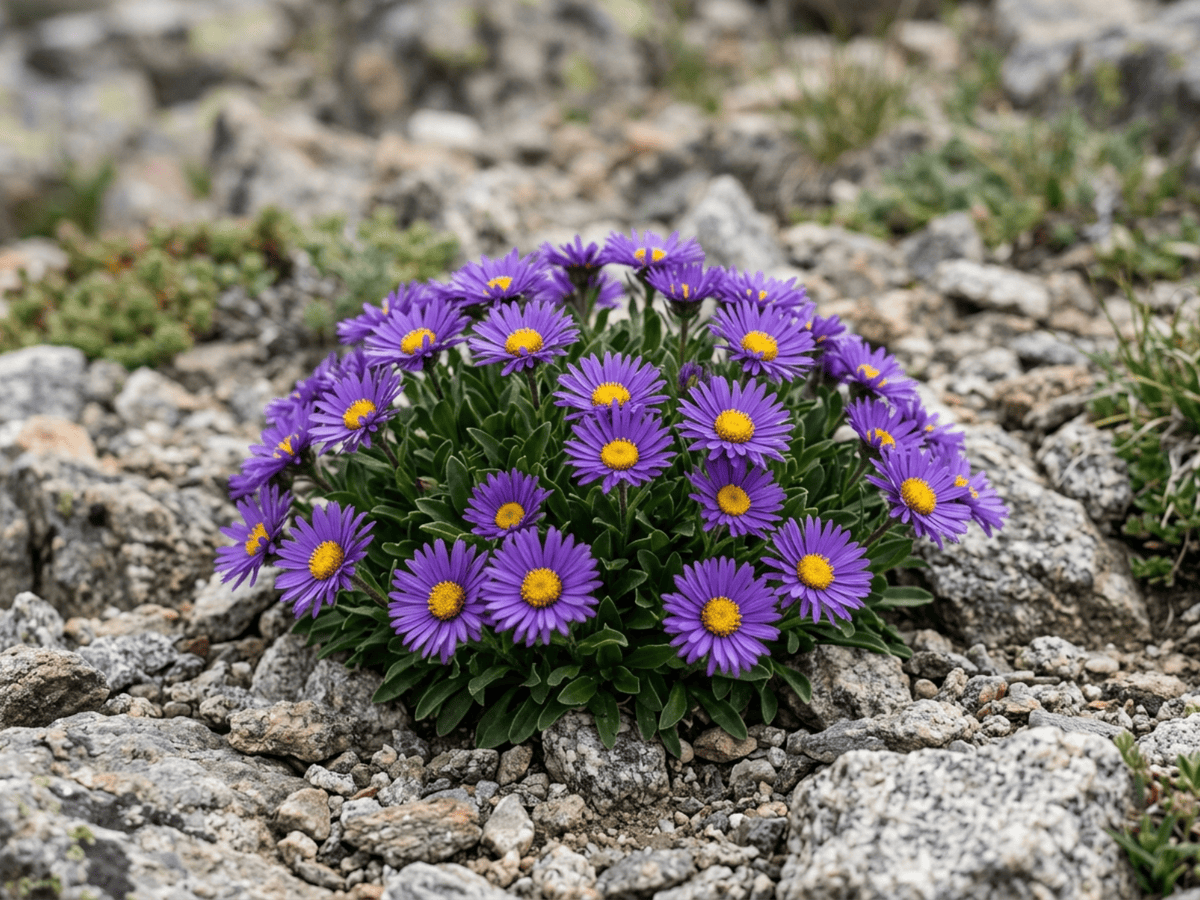
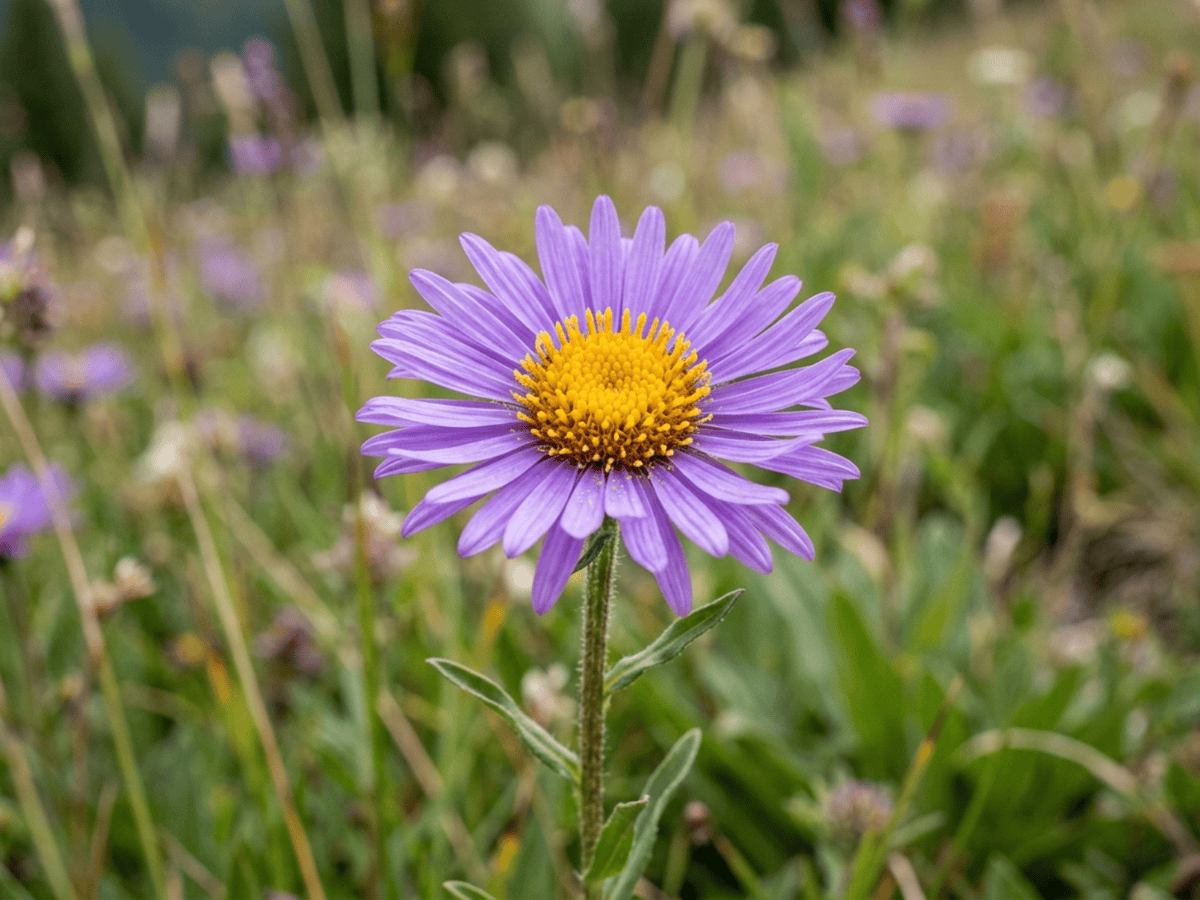
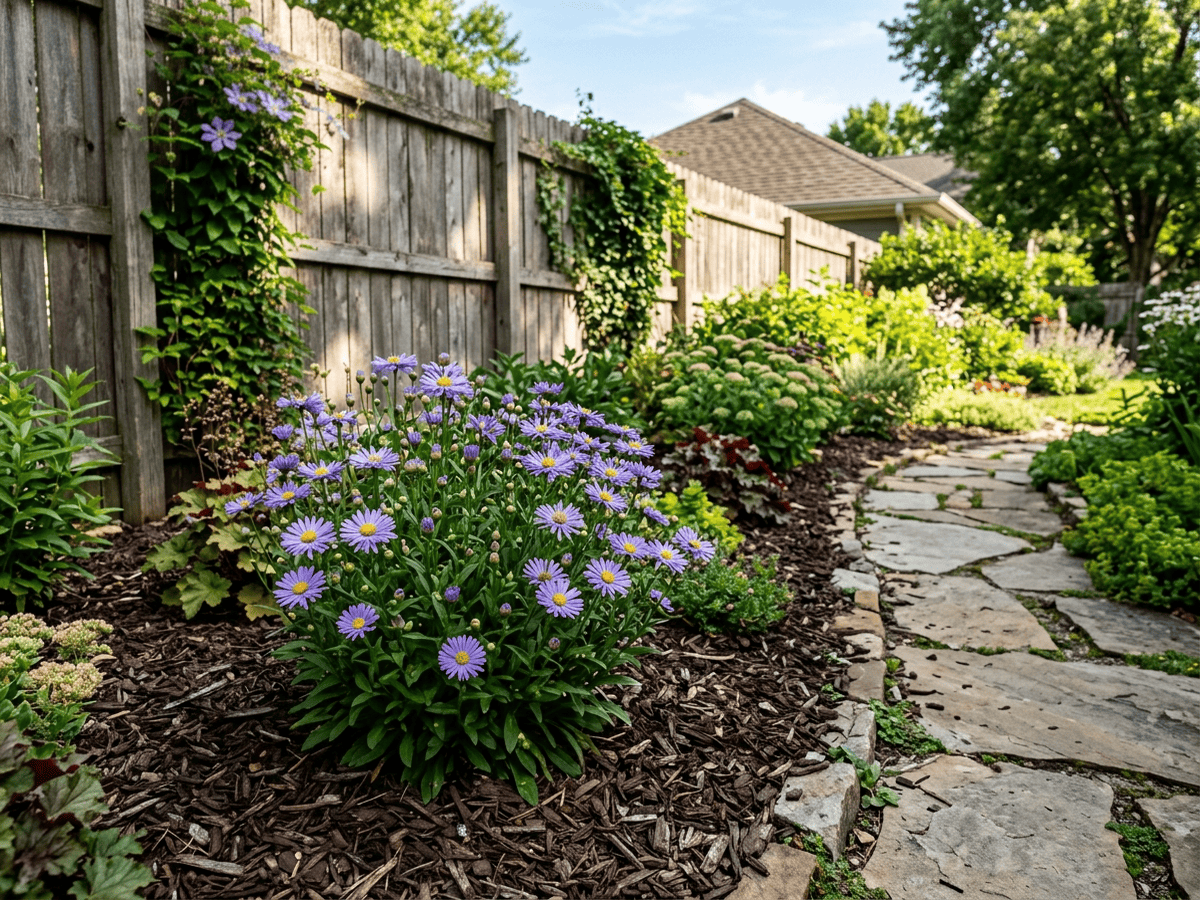
Alpine Aster is a low-growing perennial from European mountains, 6–10 inches tall, with small tufts of foliage and large lavender, pink, or white daisy flowers in late spring to early summer—unusually early for an aster. Excellent for rock gardens, alpine troughs, and front-of-border plantings in Northern American gardens. Hardy zones 3–7; prefers cool summers.
- Drought-tolerant
- Pollinator-friendly
How to care for Alpine Aster
Watering
- Springevery 5 days
- Summerevery 4 days
- Fallevery 7 days
- Winterpause watering
Soil · Well-draining
- Top dressingPine bark mulch10%
- Main mixPotting soil + perlite 2:170%
- DrainageLECA / gravel20%
Never skip the drainage layer — standing water is the top cause of root rot.
FERTILIZER
- Springevery 30 days
- Summerevery 30 days
At a Glance
- NativeEurope, East Asia, North America
- Height0.5–1 ft (0.2–0.3 m)
- Spread0.5–1 ft (0.2–0.3 m)
- Flower colorPurple, Pink, White, Blue
- Foliage colorGreen
- SoilLoamy, Well-drained, Neutral
- LocationsYard · Balcony
Bloom time
BLOOM CYCLE
Peak bloom
Mar–May
Large lavender daisies late spring
Toxicity
No toxicity has been reported for this plant. Still, it is wise to keep pets from chewing on any houseplant.
Educational information, not medical or veterinary advice. If exposure is suspected, contact a doctor or veterinarian.
DISTRIBUTION


- Native
- Europe
- East Asia
- North America
History

Aster alpinus has the broadest natural range of any aster, occurring in alpine and subalpine meadows from the Pyrenees and Alps across Asia to the Rocky Mountains in a circumboreal distribution. Linnaeus described it in Species Plantarum in 1753. The species was among the first alpines cultivated in European herb gardens and became central to the 19th-century rock garden movement led by Reginald Farrer and William Robinson.
Unlike most asters, it blooms in late spring rather than fall and forms tight 6-12 inch tufts suited to alpine troughs and crevice gardens. Cultivars including 'Goliath' and 'White Beauty' extend color range. Modern taxonomy keeps it in the narrow true Aster genus along with A. amellus.
Native to European mountain ranges from the Pyrenees to the Alps. Introduced to American rock-garden horticulture in the late 1800s. A staple of American alpine society gardens and troughs.
Symbolism & meaning
What It Symbolizes
Alpine Aster carries the bittersweet Victorian message of afterthought: the bloom remembered late, the note sent after the moment has passed. Its real life, however, is anything but fragile. It flowers in thin rocky soils above the easy garden, turning belatedness into endurance and reminding us that beauty can still arrive on its own schedule.
- Afterthought — Victorian flower-language message for a thought remembered late
- Alpine grit — thrives in thin, rocky soils
Where the Name Comes From
The name Alpine Aster points to mountain habitats. Genus means 'star'; 'alpinus' means 'of the Alps'.
Uses & Fun Facts
- Lavender daisy flowers brighten alpine troughs and rock gardens
- Early-summer nectar source for bees and butterflies
Related plants
More Aster plants
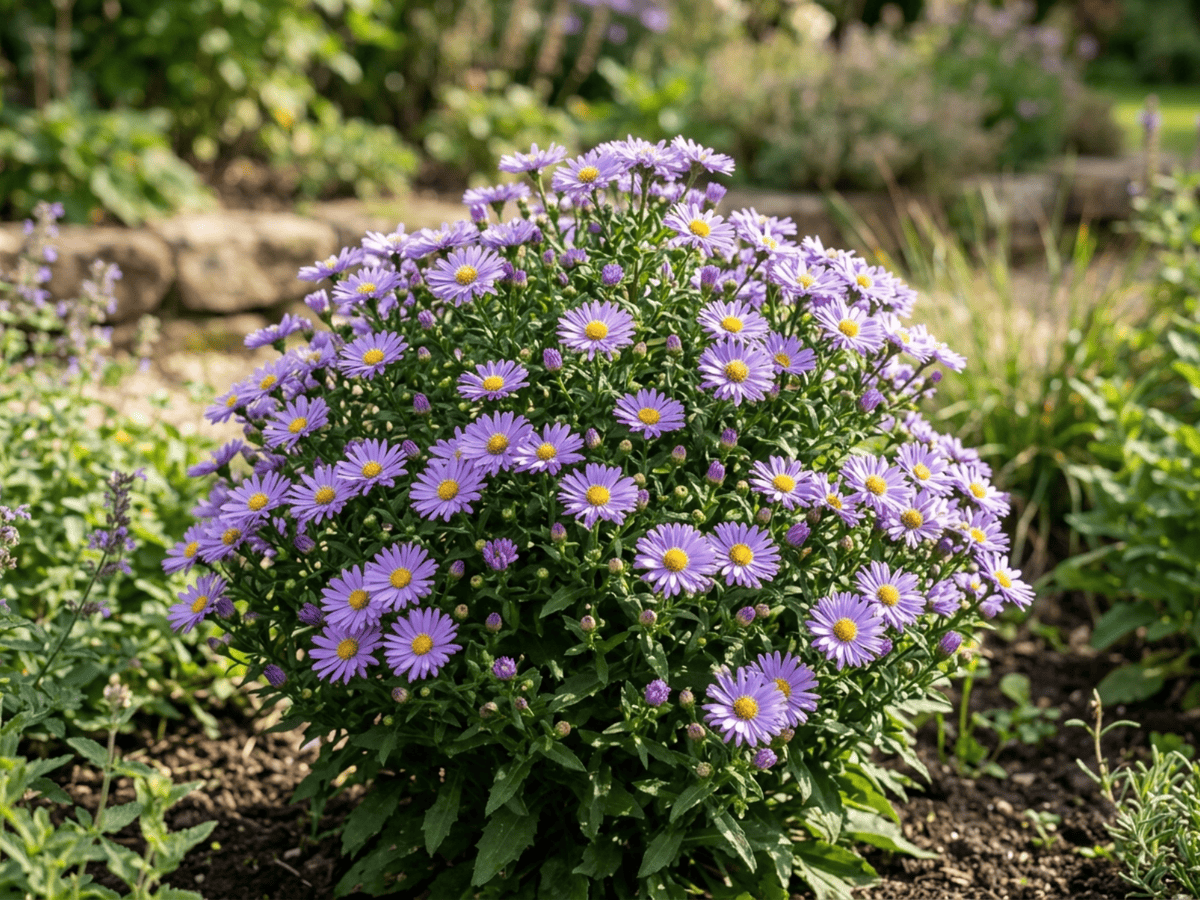 Italian AsterAster amellus
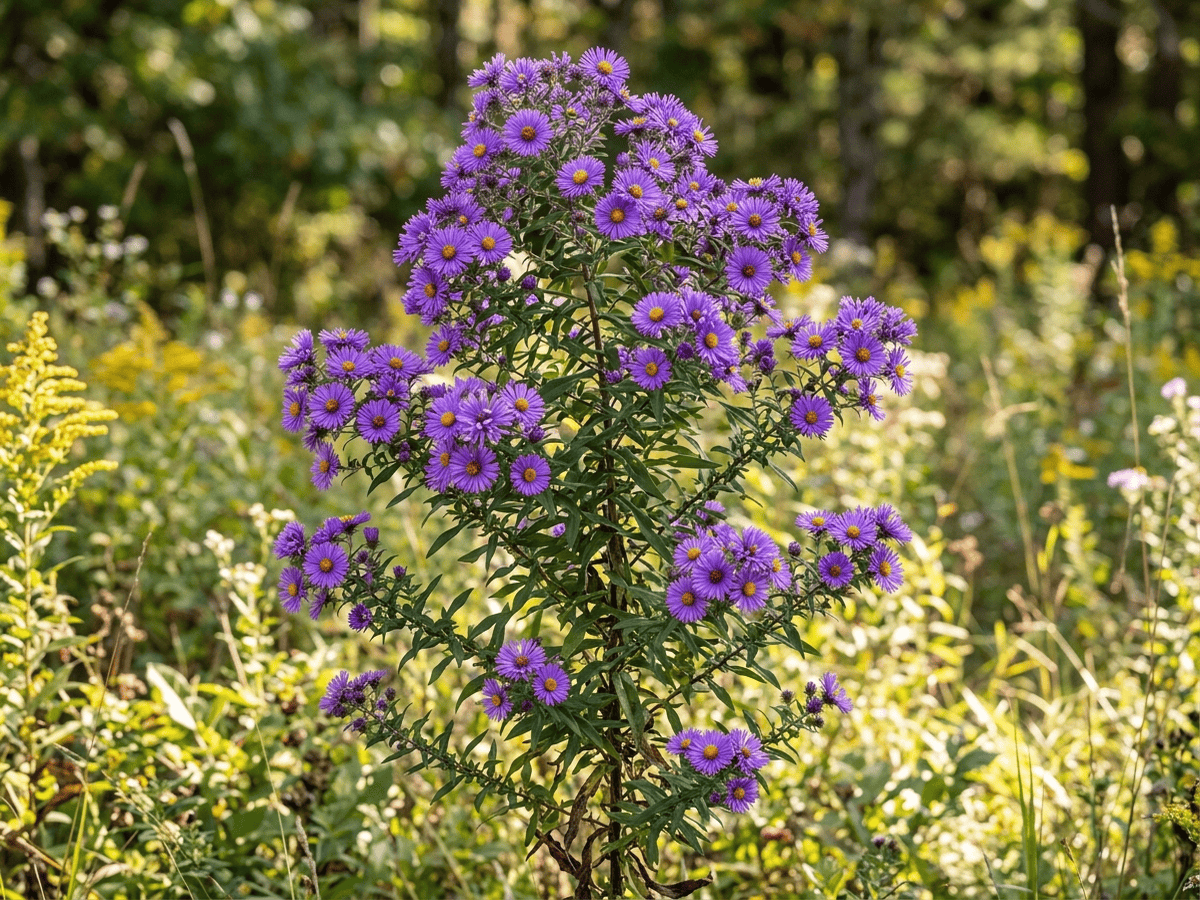 New England AsterAster novae-angliae
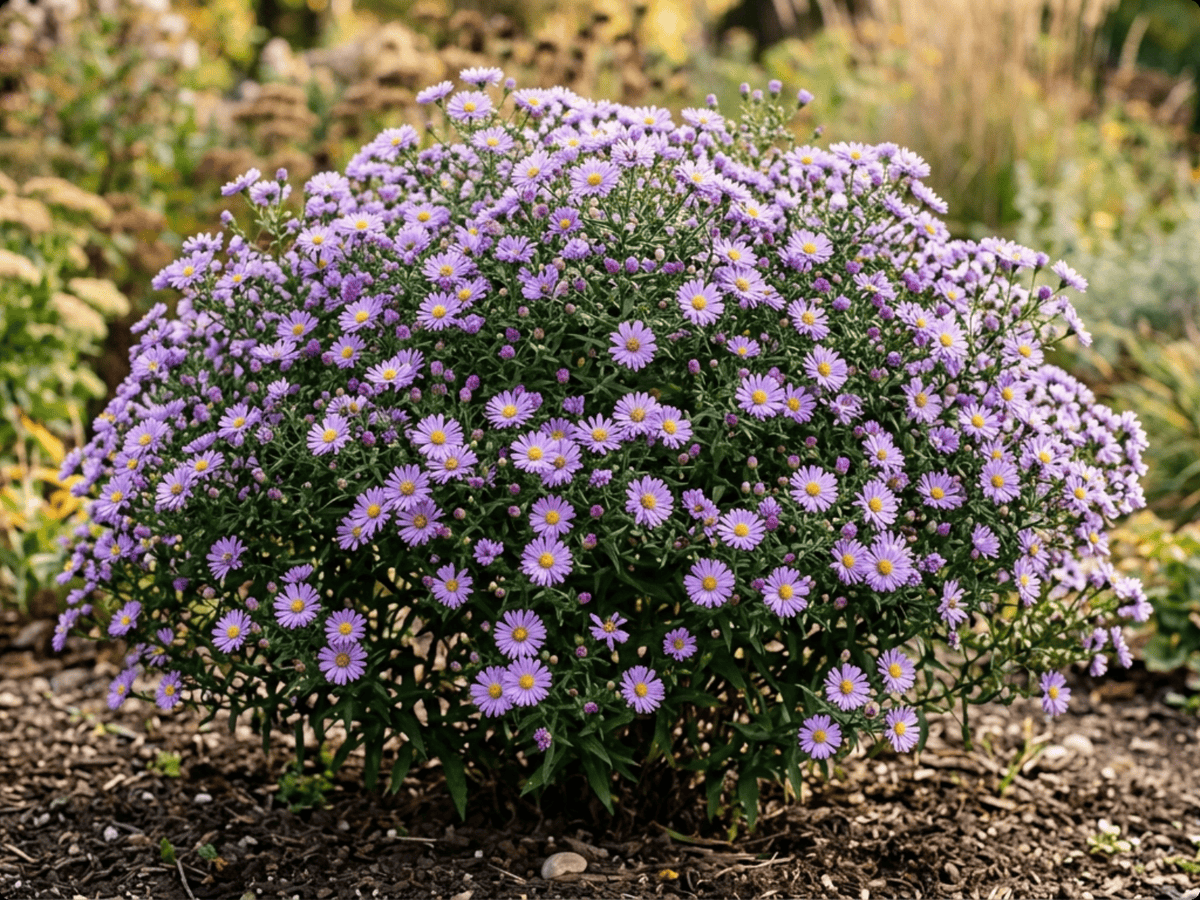 New York AsterAster novi-belgii
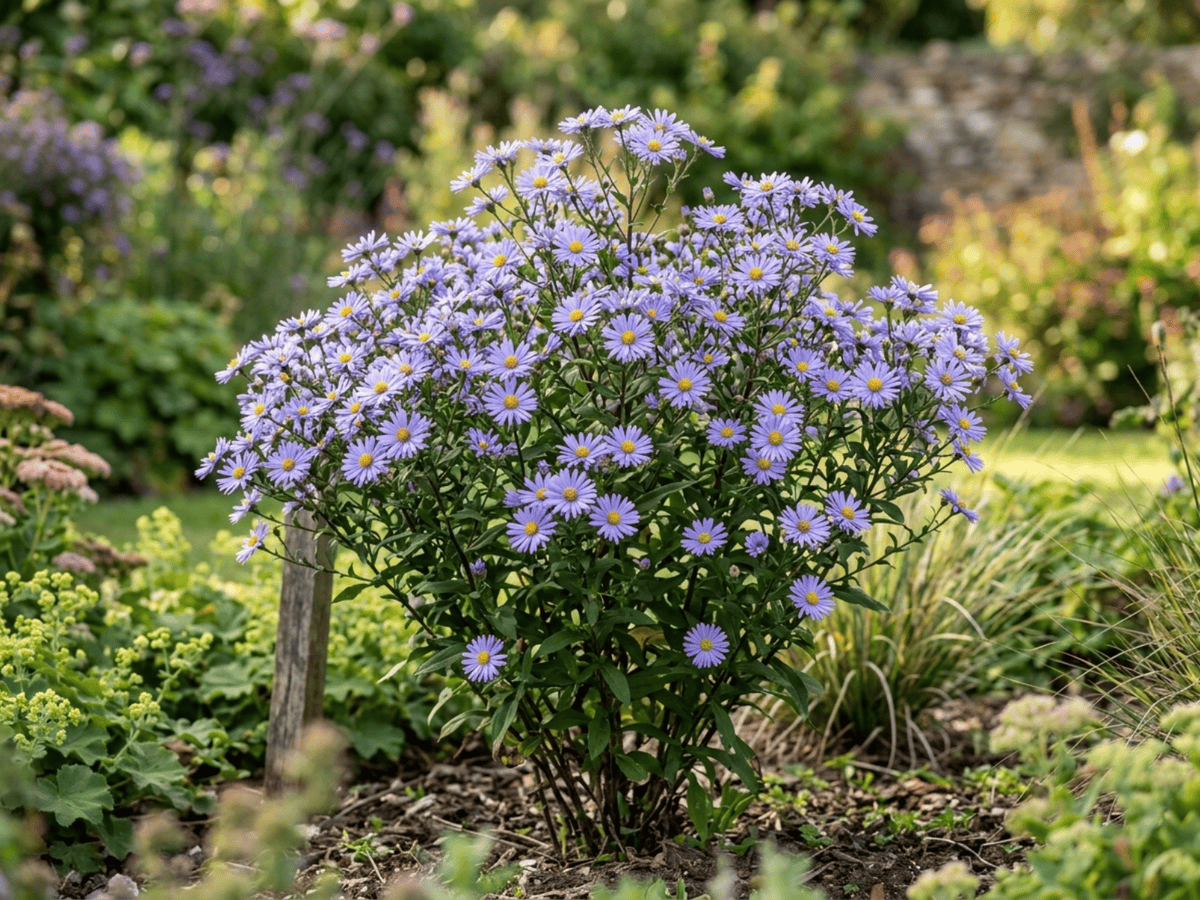 Frikart's AsterAster x frikartii
Plants with similar care
 Chinese AbeliaAbelia chinensis
 Fragrant AbeliaAbelia mosanensis
 Large-Flowered AbeliaAbelia uniflora
 Glossy AbeliaAbelia x grandiflora
Frequently asked questions
How often should I water Alpine Aster?
Water about every 5 days during the growing season, and always let excess water drain away.
How much light does Alpine Aster need?
Full sun: 6+ hrs direct. Watch the leaves — scorching or stretching means the light needs adjusting.
Is Alpine Aster toxic to cats or dogs?
No toxicity has been reported for this plant. Still, it is wise to keep pets from chewing on any houseplant. Educational information, not medical or veterinary advice. If exposure is suspected, contact a doctor or veterinarian.
Is Alpine Aster easy to grow?
Yes — it is considered an easy, beginner-friendly plant.
When does Alpine Aster bloom?
It typically blooms Mar–May in the Northern Hemisphere.
YardMate
Identify any plant in seconds
Snap a photo — YardMate names the plant, diagnoses problems, and reminds you when to water.
Download on the App Store