 YardMate
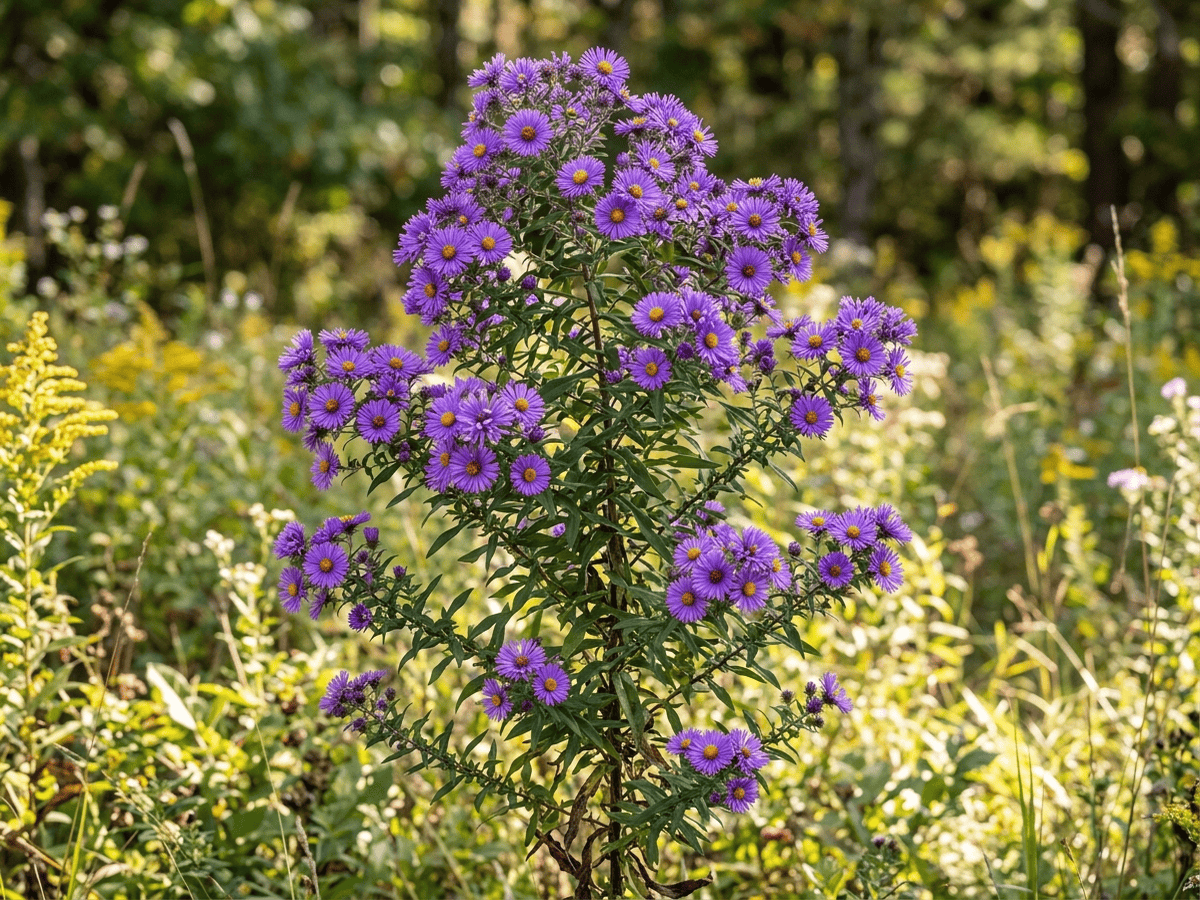



New England Aster
Aster novae-angliae
Easy · Beginner friendlyAbout New England Aster
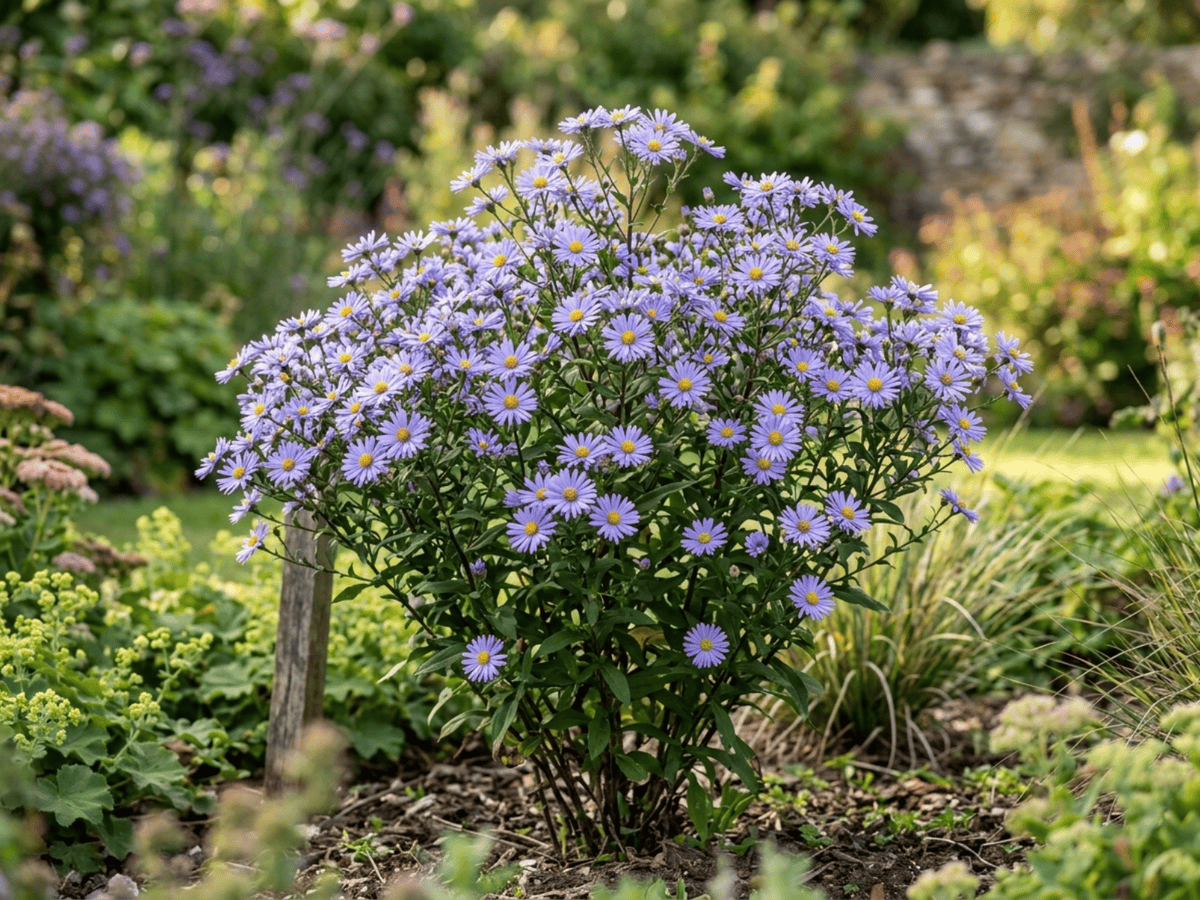
New England Aster is an eastern North American native perennial wildflower producing masses of 1 to 2-inch lavender-purple or pink daisy flowers in late summer and fall. Growing 3 to 6 feet tall with hairy stems and clasping leaves, it is a signature fall-blooming native prairie and meadow plant, feeding migrating monarch butterflies and late-season pollinators across the American Northeast and Midwest.
- Cold-hardy
- Deer-resistant
- Native
- Pollinator-friendly
How to care for New England Aster
Watering
- Springevery 7 days
- Summerevery 5 days
- Fallevery 10 days
- Winterpause watering
Soil · Well-draining
- Top dressingPine bark mulch10%
- Main mixPotting soil + perlite 2:170%
- DrainageLECA / gravel20%
Never skip the drainage layer — standing water is the top cause of root rot.
FERTILIZER
Bloom Booster 10-52-10
A phosphorus-forward feed fuels abundant blooms, with just enough nitrogen and potassium to keep foliage and roots steady.
- Nitrogen · Leaves
- Phosphorus · Roots + Blooms
- Potassium · Strength
- Springevery 30 days
- Summerevery 45 days
At a Glance
- NativeNorth America
- Height3–6 ft (0.9–1.8 m)
- Spread2–3 ft (0.6–0.9 m)
- Flower colorPurple, Pink
- Foliage colorGreen
- Fruit colorBrown
- SoilRich, Loamy, Well-drained
- LocationsYard
Bloom time
BLOOM CYCLE
Peak bloom
Sep–Oct
Masses of purple daisy flowers September to October
Fragrance
LIGHT FRAGRANCE
Foliage has a mild resinous scent when crushed; flowers only lightly scented.
Toxicity
No toxicity has been reported for this plant. Still, it is wise to keep pets from chewing on any houseplant.
Educational information, not medical or veterinary advice. If exposure is suspected, contact a doctor or veterinarian.
DISTRIBUTION


- Native
- Introduced
- North America
History

Aster novae-angliae grows wild across meadows and moist prairies of eastern and central North America. Several Indigenous nations, including the Iroquois and Ojibwe, burned the roots as ceremonial smoke and used decoctions for fevers and skin ailments. Seeds reached European botanic gardens in the early 1700s, where the plant was prized for its vivid violet ray flowers blooming from late summer into frost.
Victorian breeders in Britain and Germany produced a long series of cultivars such as 'Harrington's Pink' (1940s Ontario) and 'Purple Dome'. In 1994 the genus Aster was split and the species reclassified as Symphyotrichum novae-angliae, though the older name remains common in horticulture. It is now a staple of pollinator gardens worldwide.
Native to eastern and central North America from Manitoba to Alabama. Crucial fall nectar source for monarch butterflies migrating south to Mexico. The Purple Dome and Alma Potschke cultivars popularized it for American border use in the late 20th century.
Symbolism & meaning
What It Symbolizes
New England Aster is a teacher of patience: it waits through the long green months, then bursts into purple stars only as nights cool and other perennials retire. Those late blooms are essential fall fuel for migrating monarchs, sustaining wings on their long flight to Mexico. To plant it is to honor delayed reward — beauty that arrives precisely when it is most needed.
- Patience — waits until fall to bloom
- Monarch fuel — essential fall food for migrating butterflies
Where the Name Comes From
'novae-angliae' from Latin means of New England, for its signature range. Now sometimes placed in genus Symphyotrichum.
Uses & Fun Facts
- Late purple clouds fuel monarchs and bumblebees before frost
- Long-stemmed sprays prized in autumn floral arrangements
Related plants
More Aster plants
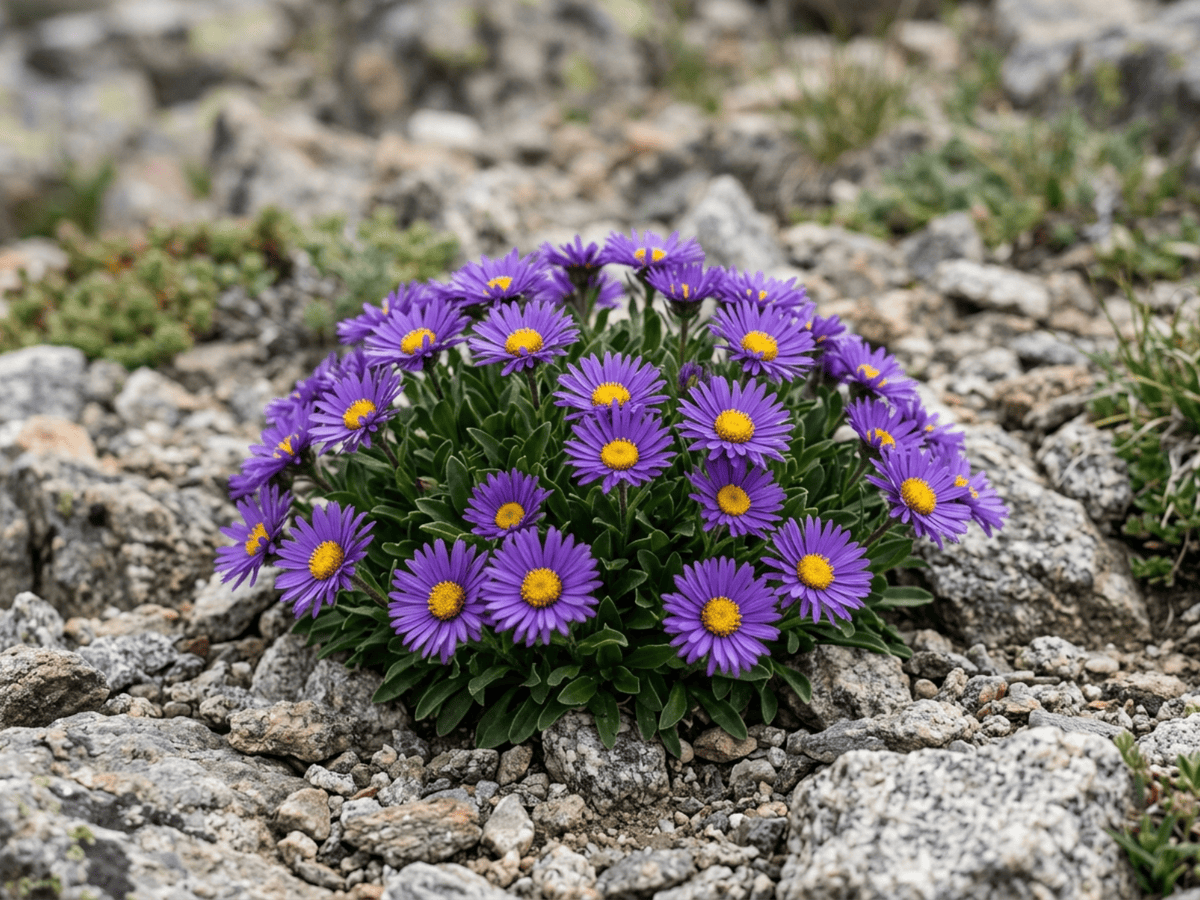 Alpine AsterAster alpinus
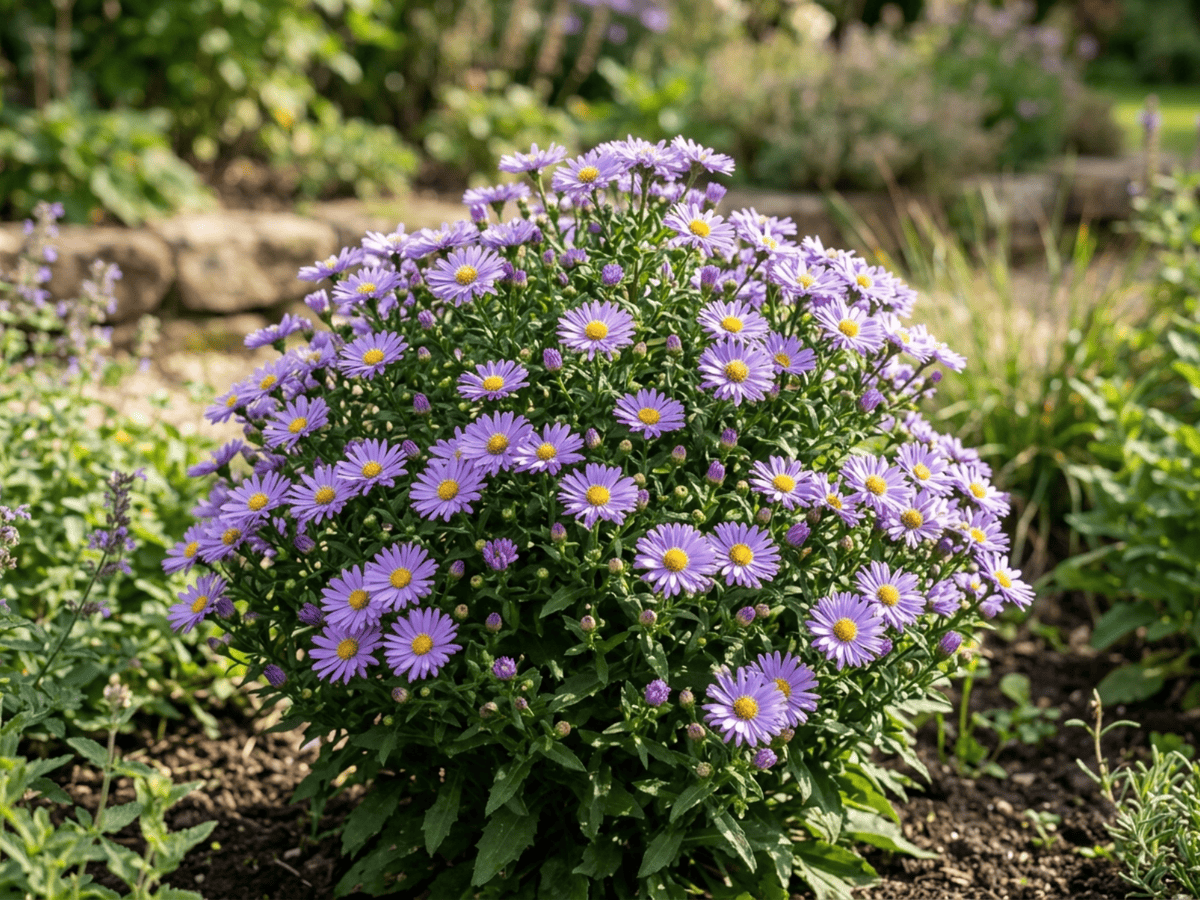 Italian AsterAster amellus
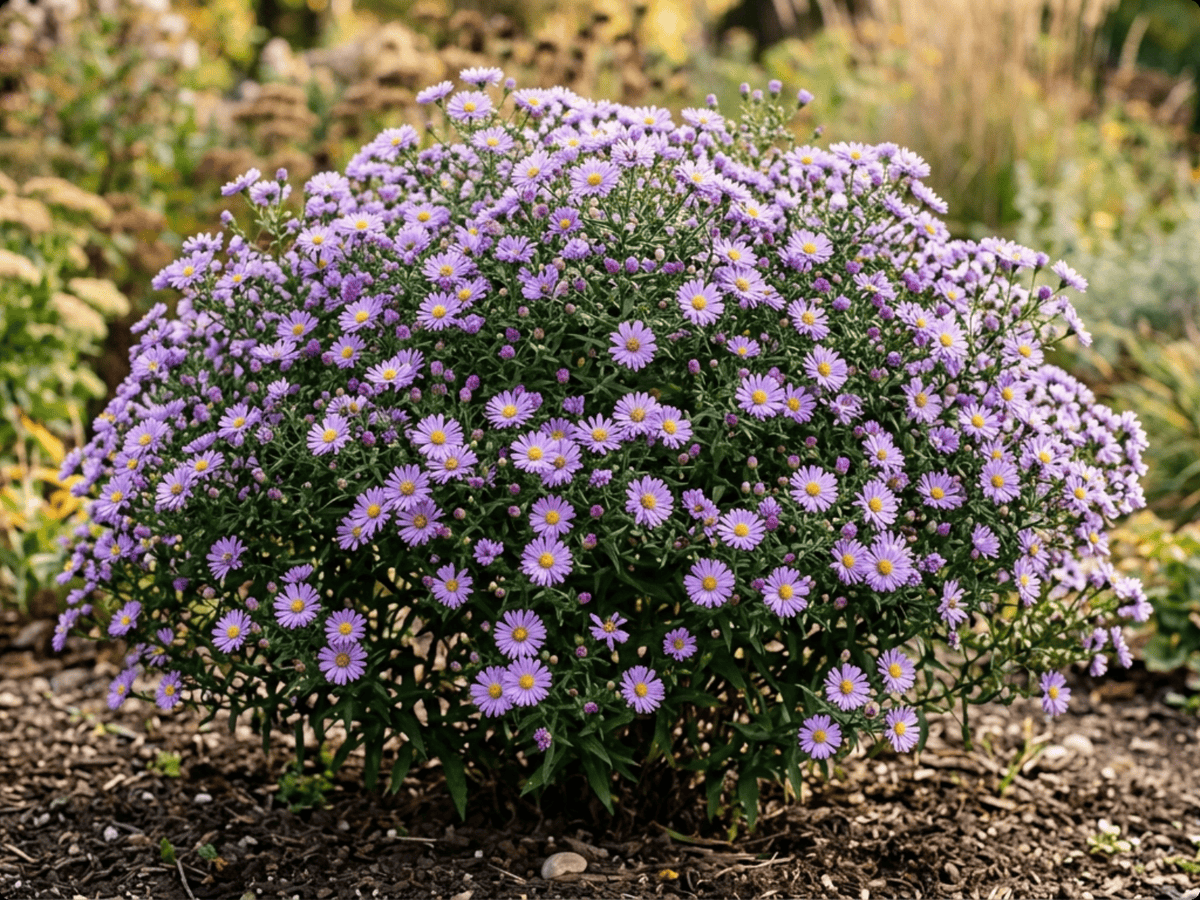 New York AsterAster novi-belgii
 Frikart's AsterAster x frikartii
Plants with similar care
 Chinese AbeliaAbelia chinensis
 Fragrant AbeliaAbelia mosanensis
 Large-Flowered AbeliaAbelia uniflora
 Glossy AbeliaAbelia x grandiflora
Frequently asked questions
How often should I water New England Aster?
Water about every 7 days during the growing season, and always let excess water drain away.
How much light does New England Aster need?
Full sun: 6+ hrs direct. Watch the leaves — scorching or stretching means the light needs adjusting.
Is New England Aster toxic to cats or dogs?
No toxicity has been reported for this plant. Still, it is wise to keep pets from chewing on any houseplant. Educational information, not medical or veterinary advice. If exposure is suspected, contact a doctor or veterinarian.
Is New England Aster easy to grow?
Yes — it is considered an easy, beginner-friendly plant.
When does New England Aster bloom?
It typically blooms Sep–Oct in the Northern Hemisphere.
YardMate
Identify any plant in seconds
Snap a photo — YardMate names the plant, diagnoses problems, and reminds you when to water.
Download on the App Store