 YardMate
New York Aster
Aster novi-belgii
Easy · Beginner friendlyAbout New York Aster
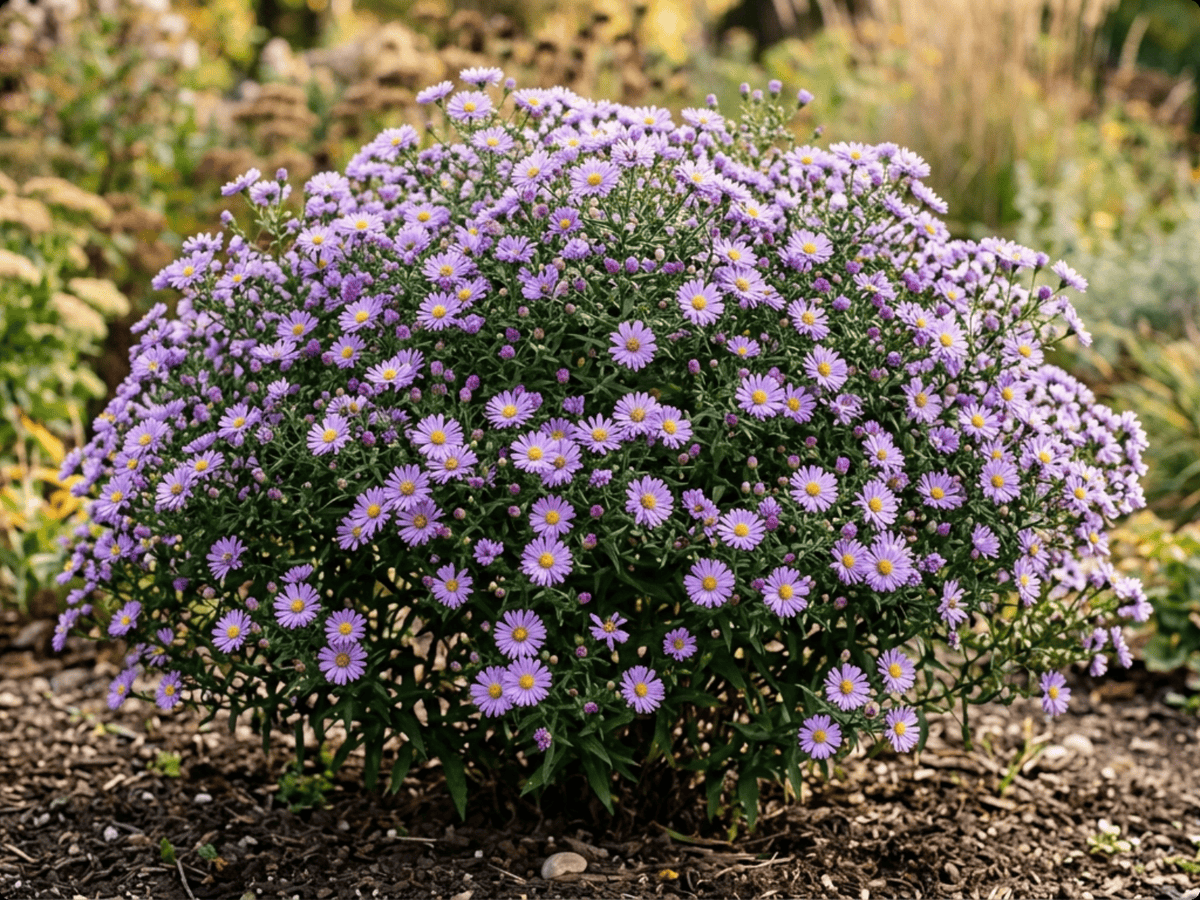
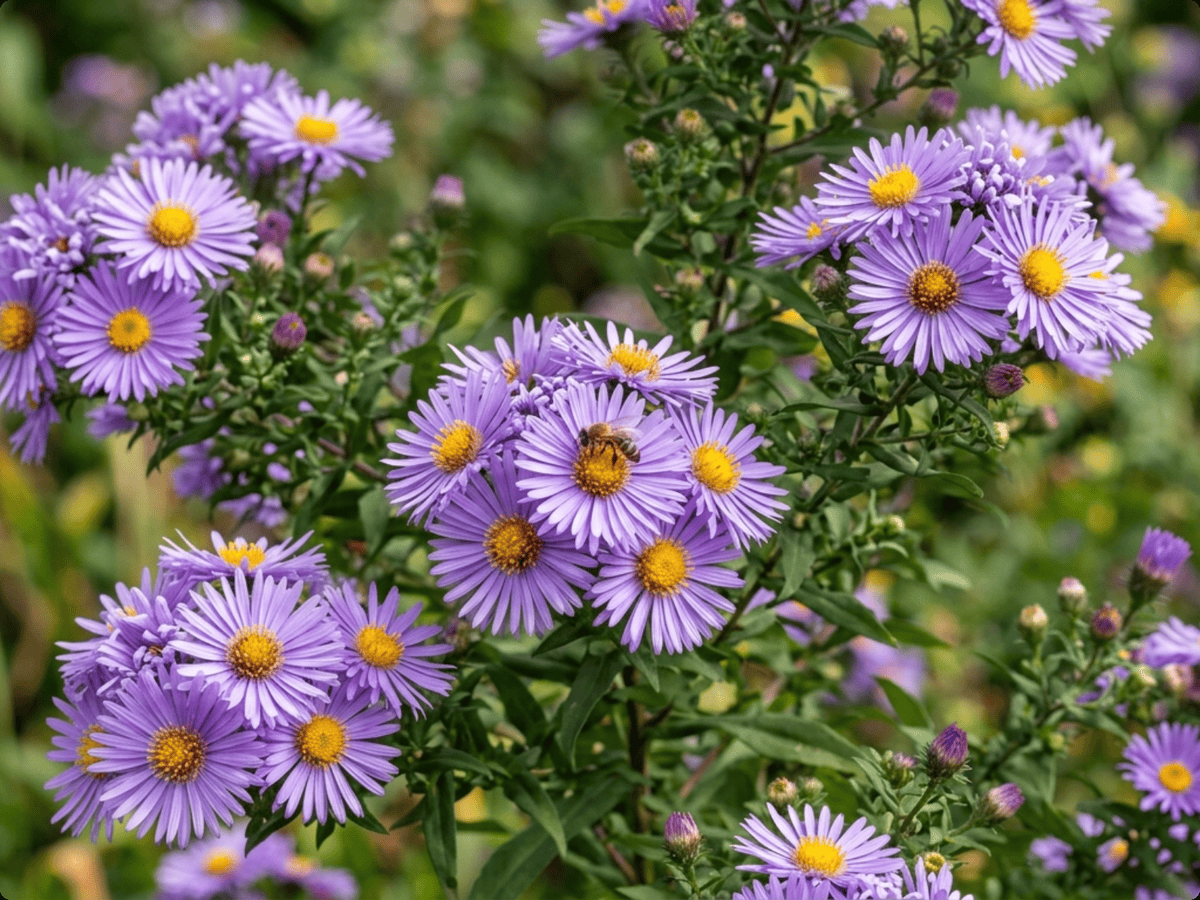
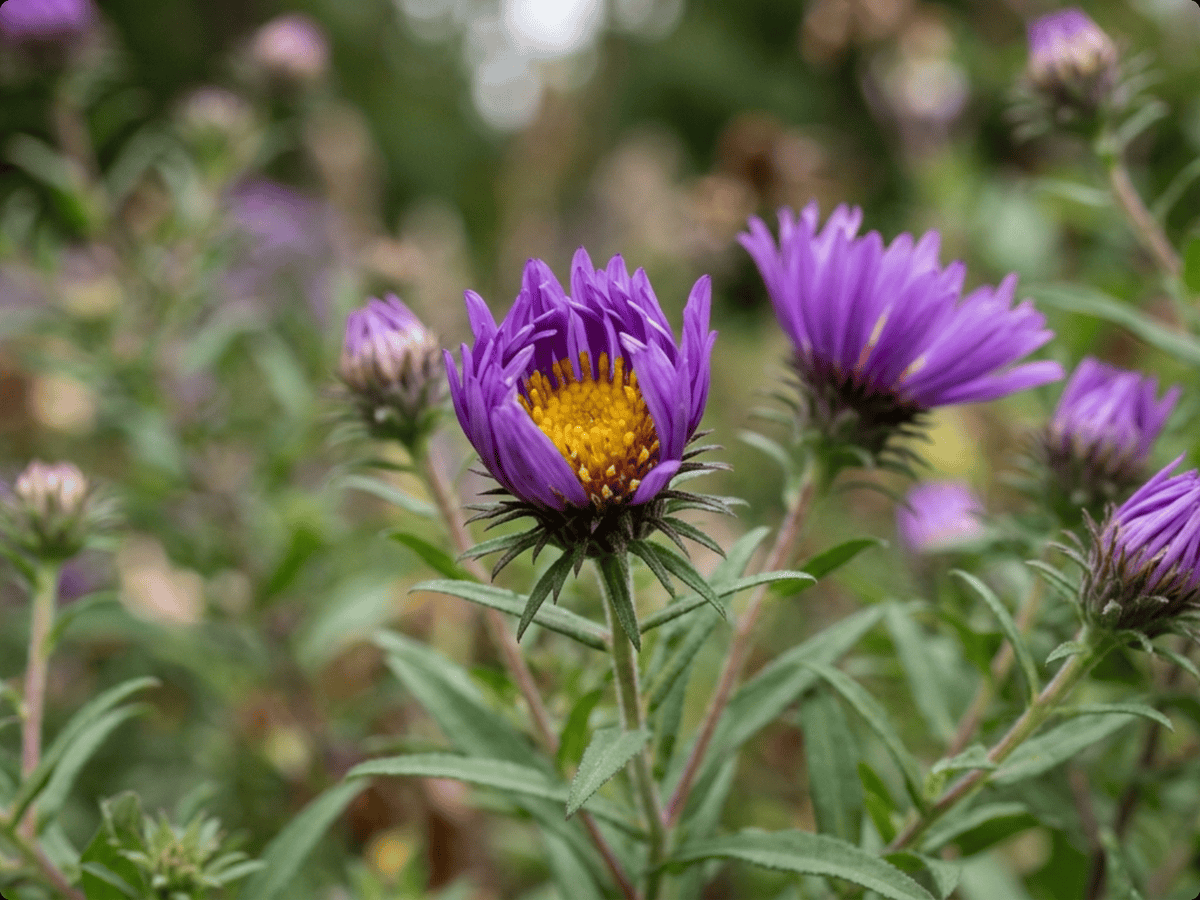
Aster novi-belgii, the New York aster or Michaelmas daisy, produces masses of daisy-like flowers in blue, purple, pink, red, and white from late summer through autumn — the prime season for butterfly migration. Growing 30–120 cm depending on variety, it forms dense clumps that become covered in hundreds of small flowers. Native to eastern North America, it is one of the most important late-season nectar sources for monarch butterflies and other pollinators. Modern selections offer mildew-resistant compact forms. It has been reclassified as Symphyotrichum novi-belgii but is still widely sold as Aster.
- Native
- Pollinator-friendly
How to care for New York Aster
Watering
- Springevery 7 days
- Summerevery 5 days
- Fallevery 10 days
- Winterevery 21 days
Soil · Well-draining
- Top dressingPine bark mulch10%
- Main mixPotting soil + perlite 2:170%
- DrainageLECA / gravel20%
Never skip the drainage layer — standing water is the top cause of root rot.
FERTILIZER
Balanced Feed 14-14-14
An even feed covers all three needs at once, keeping leaves, roots and blooms moving together with nothing pushed out of balance.
- Nitrogen · Leaves
- Phosphorus · Roots + Blooms
- Potassium · Strength
- Springevery 30 days
- Summerevery 30 days
At a Glance
- NativeNorth America
- Height3–5 ft (0.9–1.5 m)
- Spread2–3 ft (0.6–0.9 m)
- Flower colorPurple, Pink, Blue, White
- Foliage colorGreen
- SoilLoamy, Moisture-retentive, Well-drained
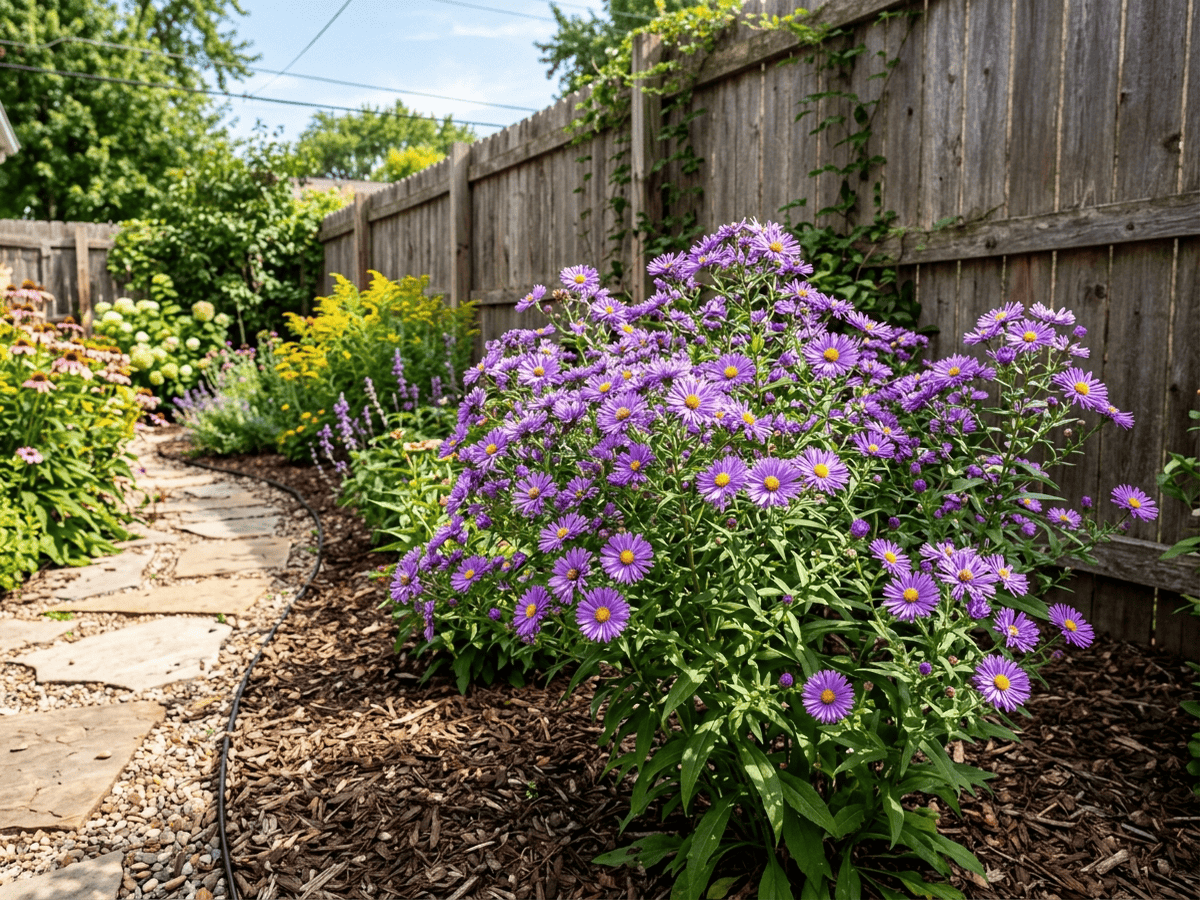
- LocationsYard
Bloom time
BLOOM CYCLE
Peak bloom
Sep–Nov
Masses of autumn flowers; pinch stems in June for bushier plants; divide every 3 years
Fragrance
LIGHT FRAGRANCE
The flowers have a mild sweet scent.
Toxicity
Pets Safe
None reported
Not reported
EXPOSURE No exposure route is reported.
EFFECT No significant toxicity.
NOTE No human toxicity is reported in this catalog; avoid eating ornamental plants unless confirmed edible.
Safe
EXPOSURE No exposure route is reported.
EFFECT Not listed as toxic by ASPCA.
NOTE Listed as non-toxic for dogs; avoid eating ornamental plants unless confirmed edible.
Safe
EXPOSURE No exposure route is reported.
EFFECT Not listed as toxic by ASPCA.
NOTE Listed as non-toxic for cats; avoid eating ornamental plants unless confirmed edible.
Educational information, not medical or veterinary advice. If exposure is suspected, contact a doctor or veterinarian.
DISTRIBUTION


- Native
- Introduced
- North America
History
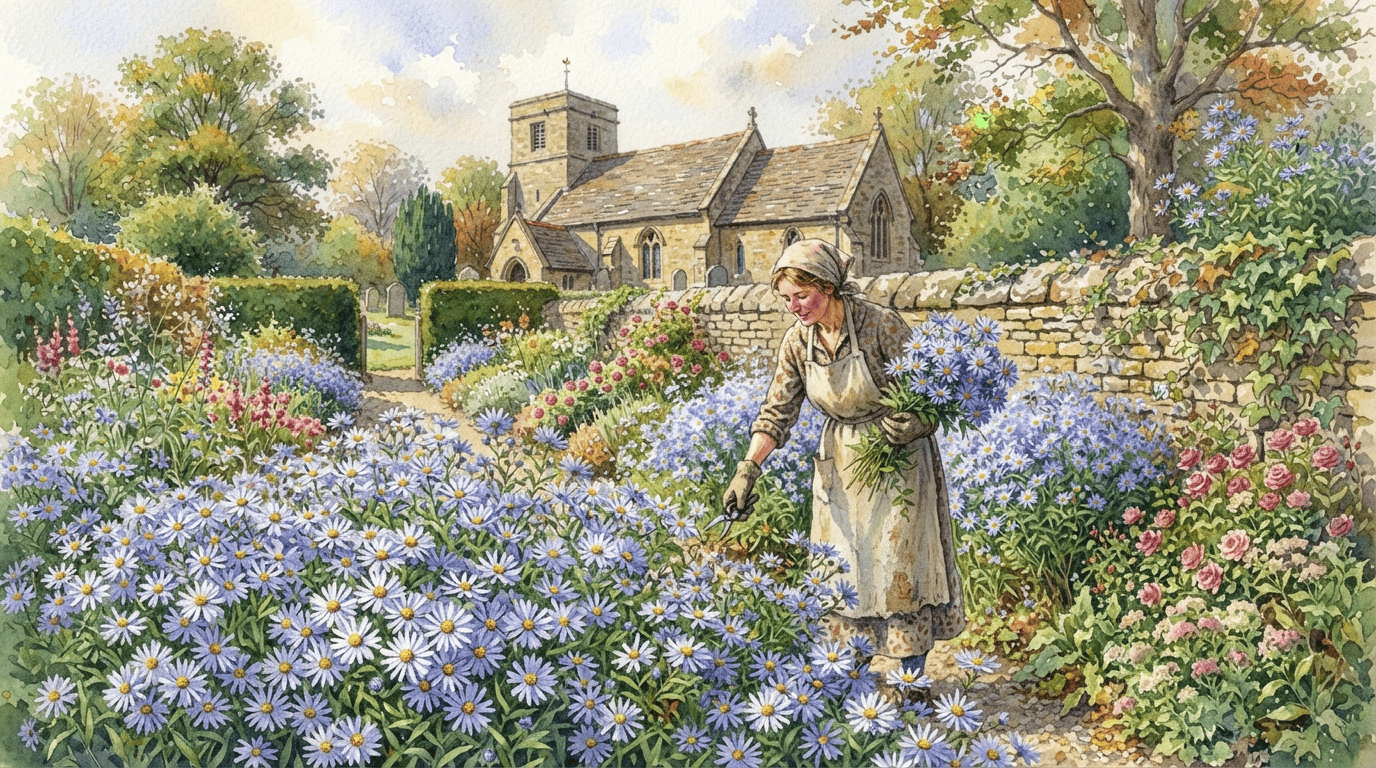
Aster novi-belgii is native to moist ground along the Atlantic coast of North America from Newfoundland to Georgia. Specimens reached England by 1710 via Mark Catesby and Peter Collinson's trans-Atlantic plant exchange. Named for New Belgium — the Dutch colonial name for New York — it was embraced in England as the "Michaelmas daisy," named for its September 29 bloom peak around the feast of Saint Michael.
Early 20th-century breeder Ernest Ballard of Colwall developed many of the finest cultivars; the National Trust garden at Upton House and later the Old Court Nurseries National Collection have preserved the heritage selections. Recent taxonomic revision moved most North American asters out of Aster into Symphyotrichum, making the correct modern name Symphyotrichum novi-belgii, though horticultural literature retains the older name.
Michael (September 29), when they are traditionally in full bloom. In English folklore, they represent farewell — the last flowers of the year. The genus is critical for monarch butterfly migration — autumn asters are among the last nectar sources available before the butterflies' epic journey to Mexico.
Symbolism & meaning
What It Symbolizes
The New York Aster is often read as a flower of remembrance, blooming when almost everything else has gone to seed. Its late-season clouds of violet are the season's farewell, a final pollinator banquet before frost. In the Victorian language of flowers it was laid on graves and pressed into letters of mourning — a quiet promise that endings, too, can be beautiful, and that what we have lost is not forgotten.
- Remembrance — The last flowers of the season, they represent memory and farewell
Where the Name Comes From
Aster from Greek 'aster' (star), for the flower shape. Novi-belgii means 'of New Belgium' (colonial New York).
Uses & Fun Facts
- Late-season bloom fuels migrating monarchs and autumn bees
- Mass daisies in blue and pink fill autumn perennial beds
- Sturdy stems supply Michaelmas bouquets through October
Related plants
More Aster plants
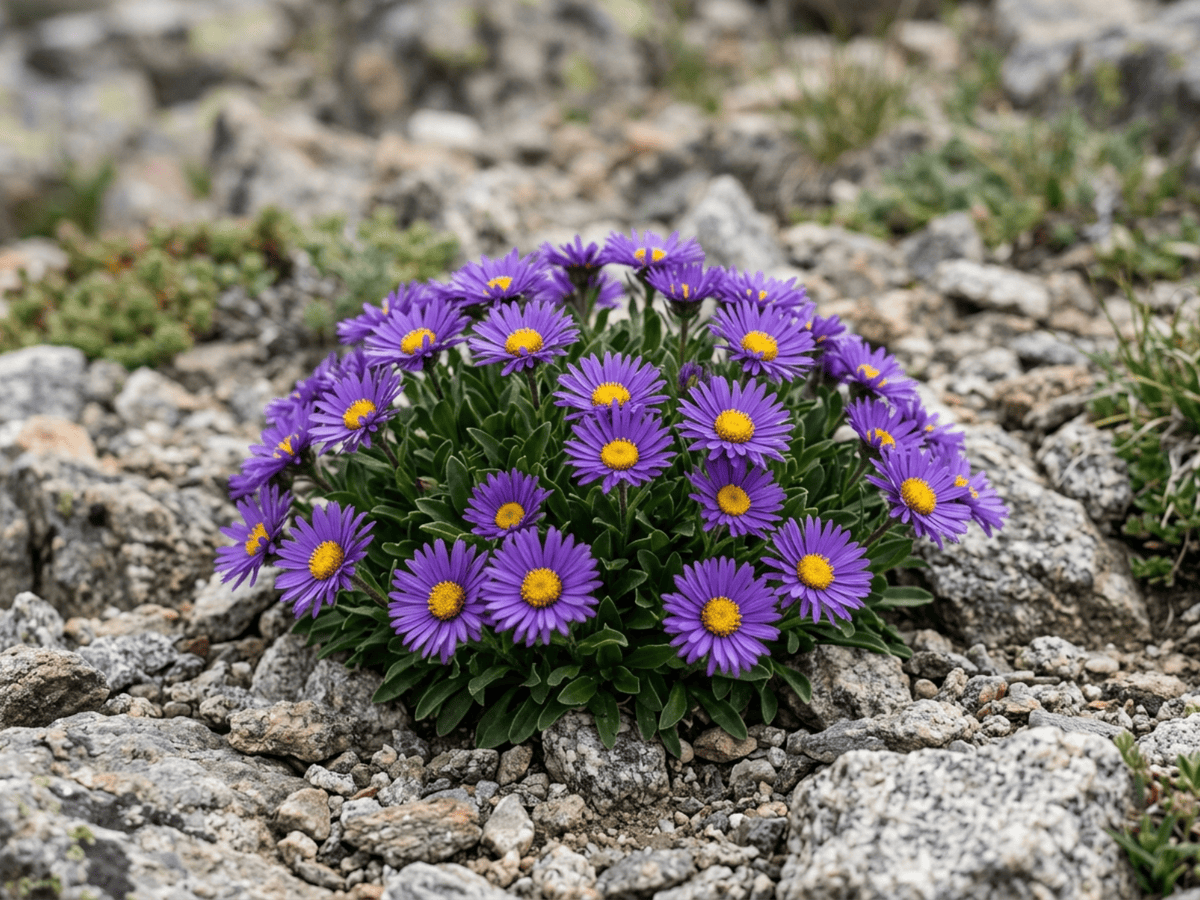 Alpine AsterAster alpinus
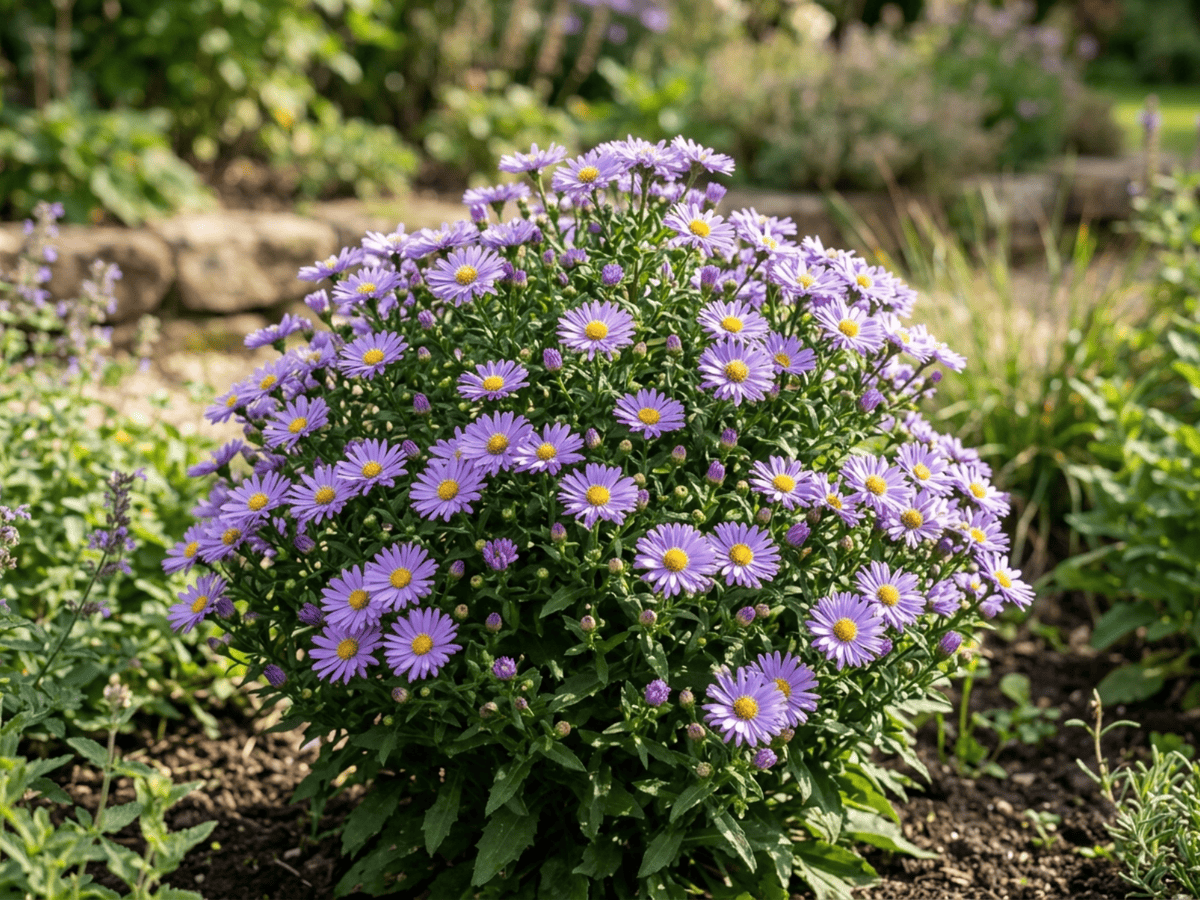 Italian AsterAster amellus
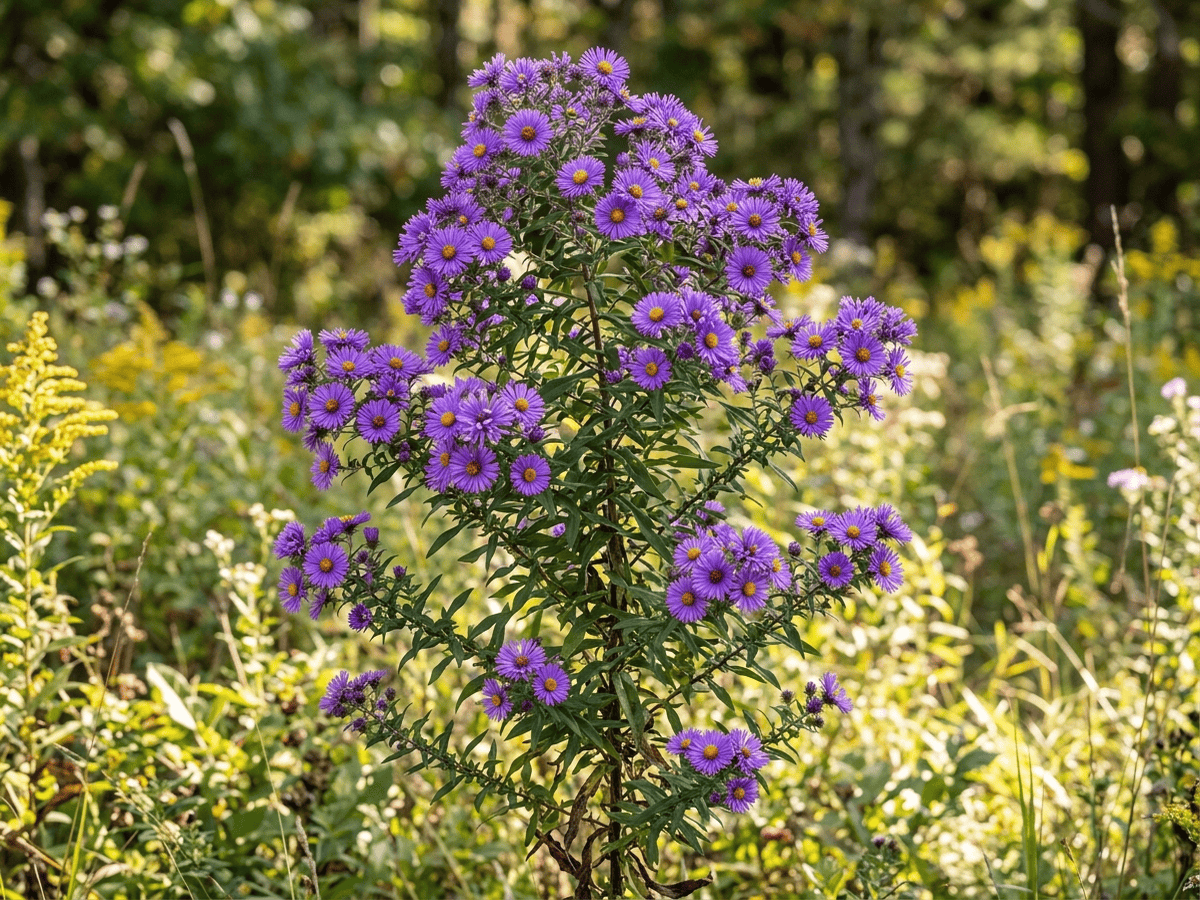 New England AsterAster novae-angliae
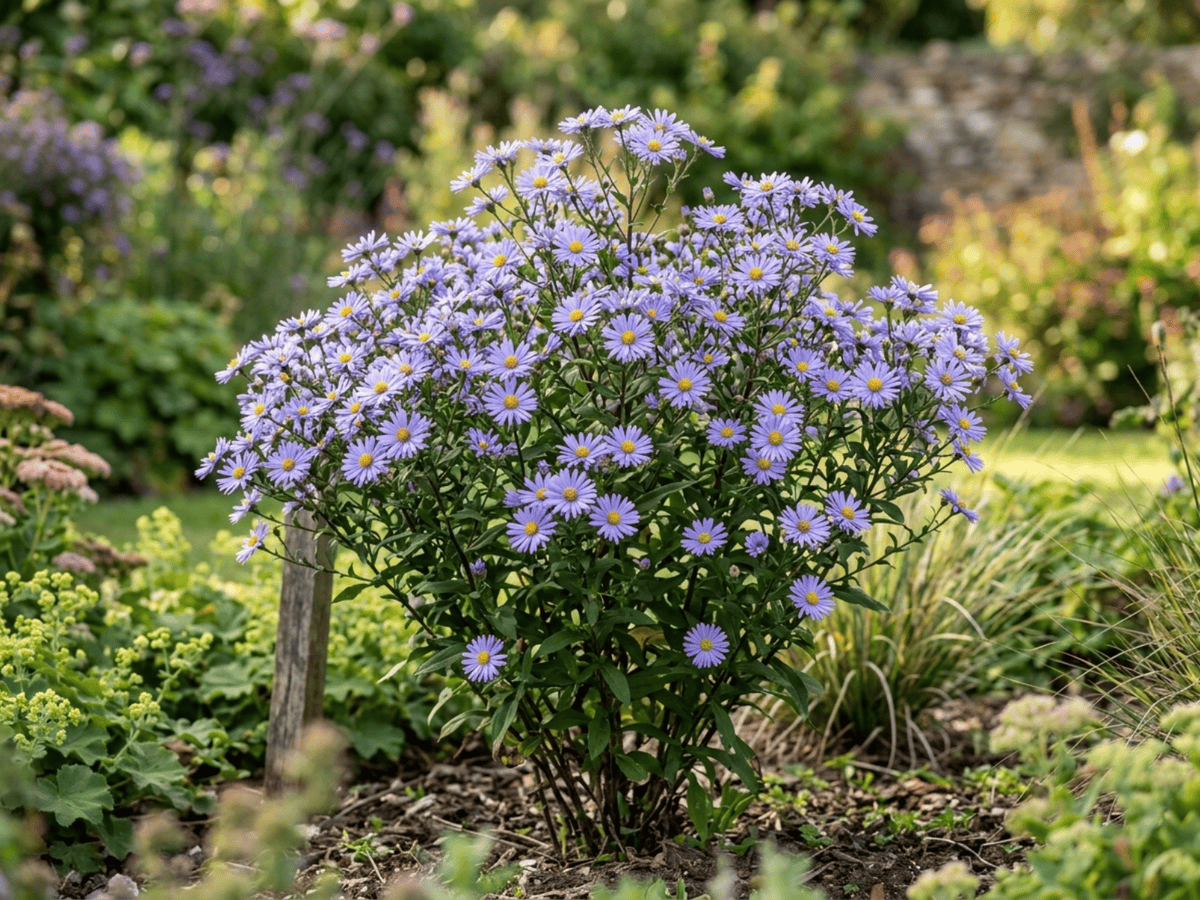 Frikart's AsterAster x frikartii
Plants with similar care
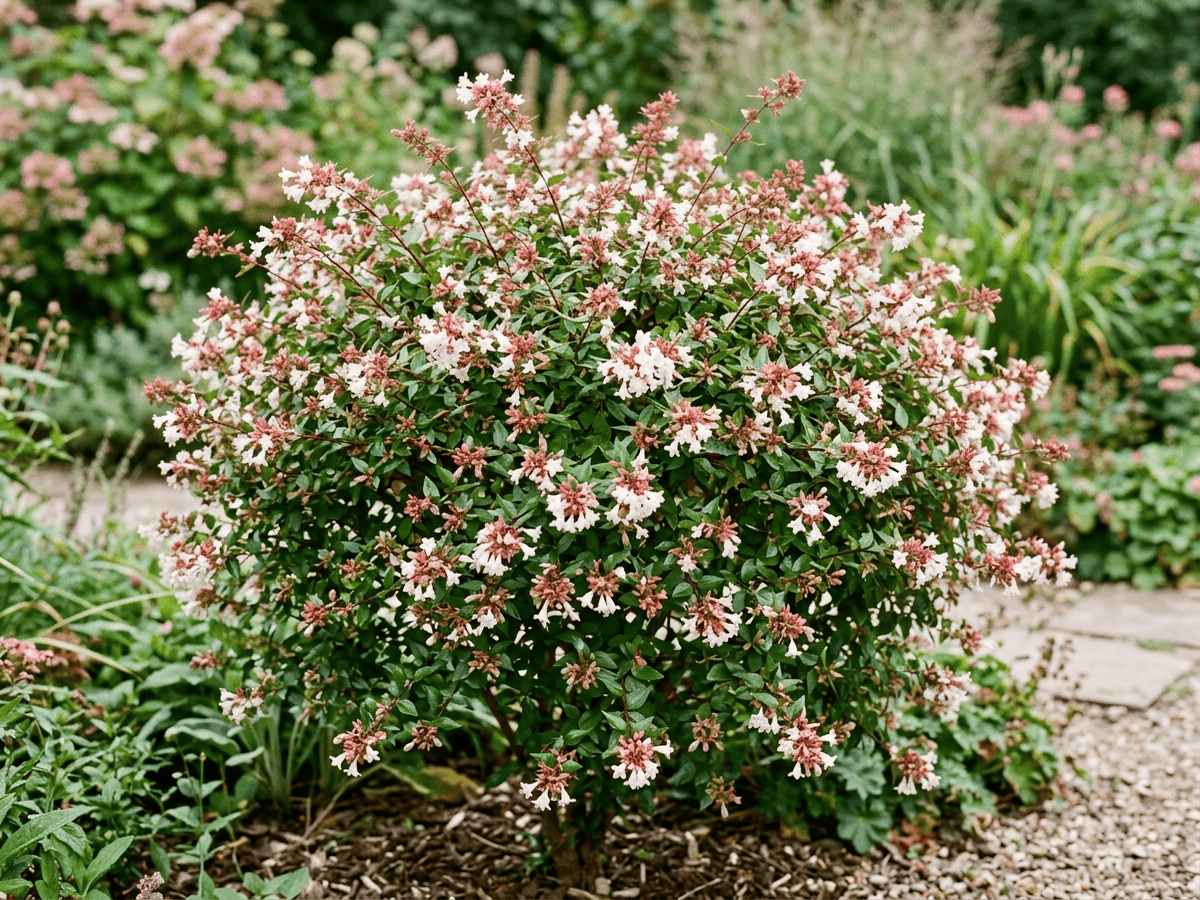 Chinese AbeliaAbelia chinensis
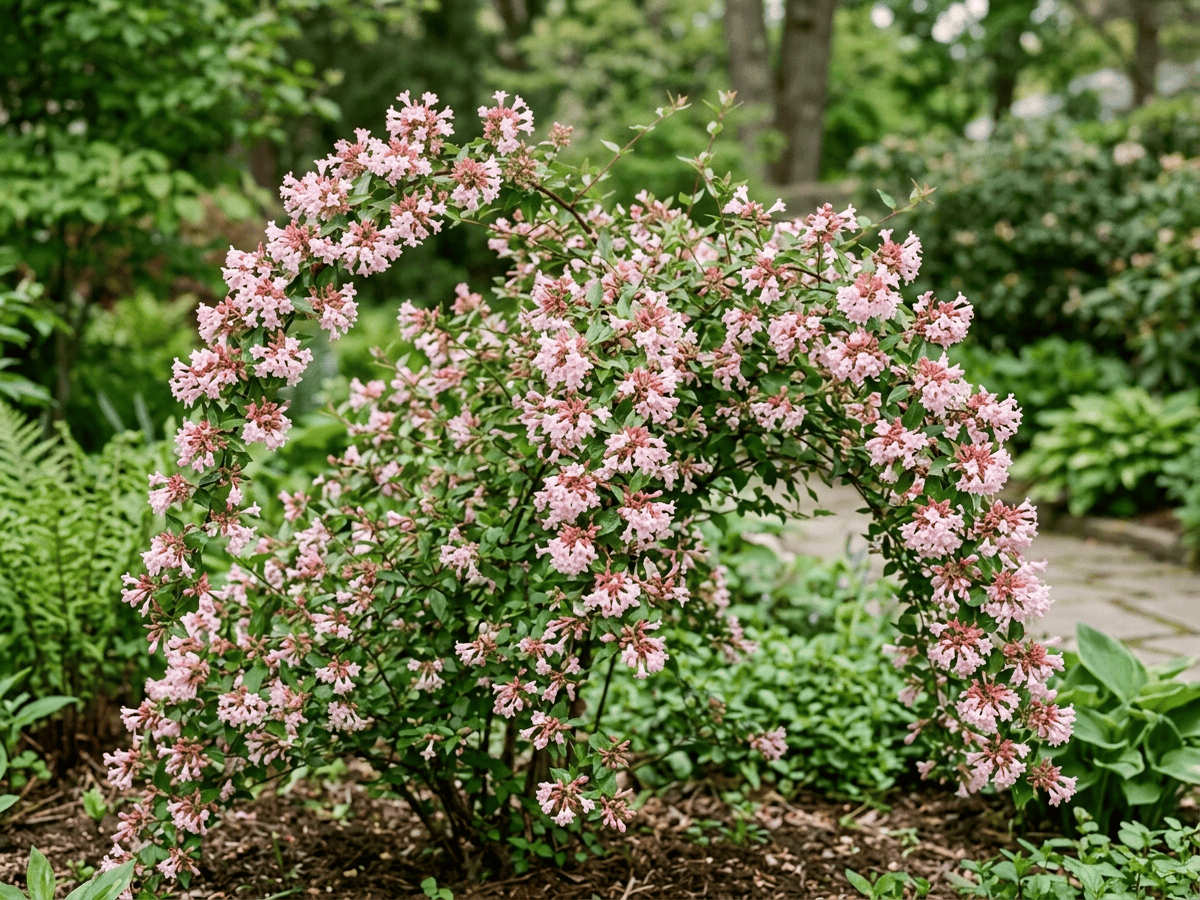 Fragrant AbeliaAbelia mosanensis
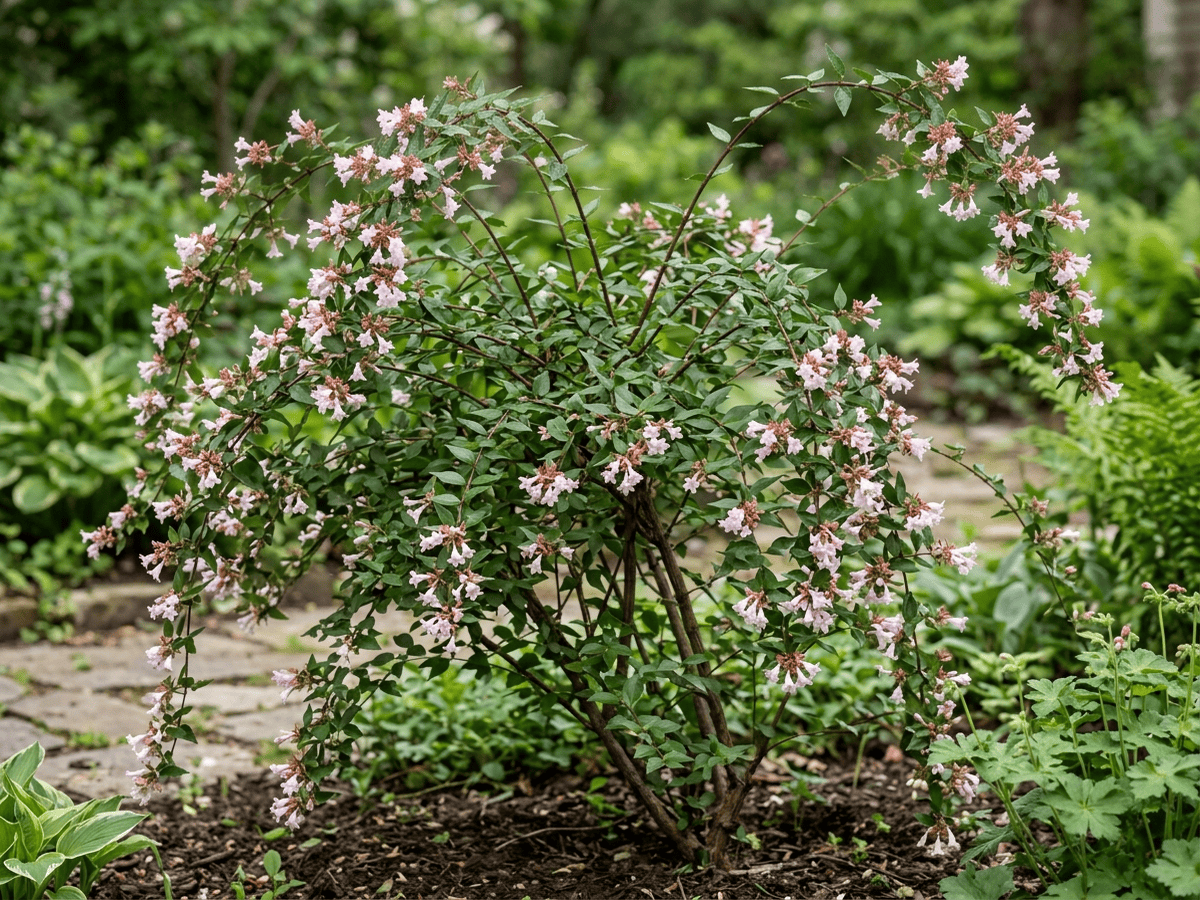 Large-Flowered AbeliaAbelia uniflora
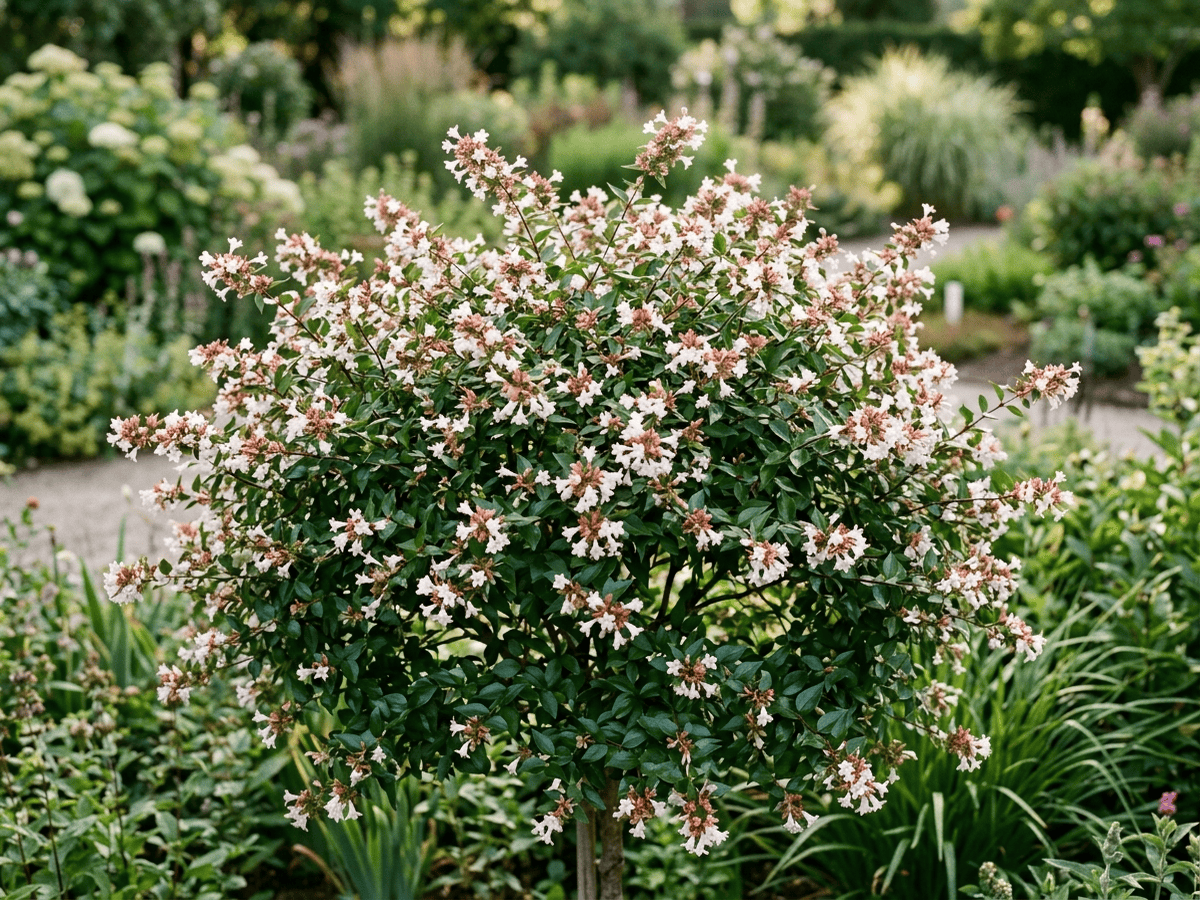 Glossy AbeliaAbelia x grandiflora
Frequently asked questions
How often should I water New York Aster?
In summer, water about every 5 days; in winter, about every 21 days. Adjust for heat, pot size and drainage.
How much light does New York Aster need?
Full sun: 6+ hrs direct. Watch the leaves — scorching or stretching means the light needs adjusting.
Is New York Aster toxic to cats or dogs?
Pets Safe (Dogs Safe · Cats Safe) Educational information, not medical or veterinary advice. If exposure is suspected, contact a doctor or veterinarian.
Is New York Aster easy to grow?
Yes — it is considered an easy, beginner-friendly plant.
When does New York Aster bloom?
It typically blooms Sep–Nov in the Northern Hemisphere.
YardMate
Identify any plant in seconds
Snap a photo — YardMate names the plant, diagnoses problems, and reminds you when to water.
Download on the App Store