 YardMate

Italian Aster
Aster amellus
Easy · Beginner friendlyAbout Italian Aster
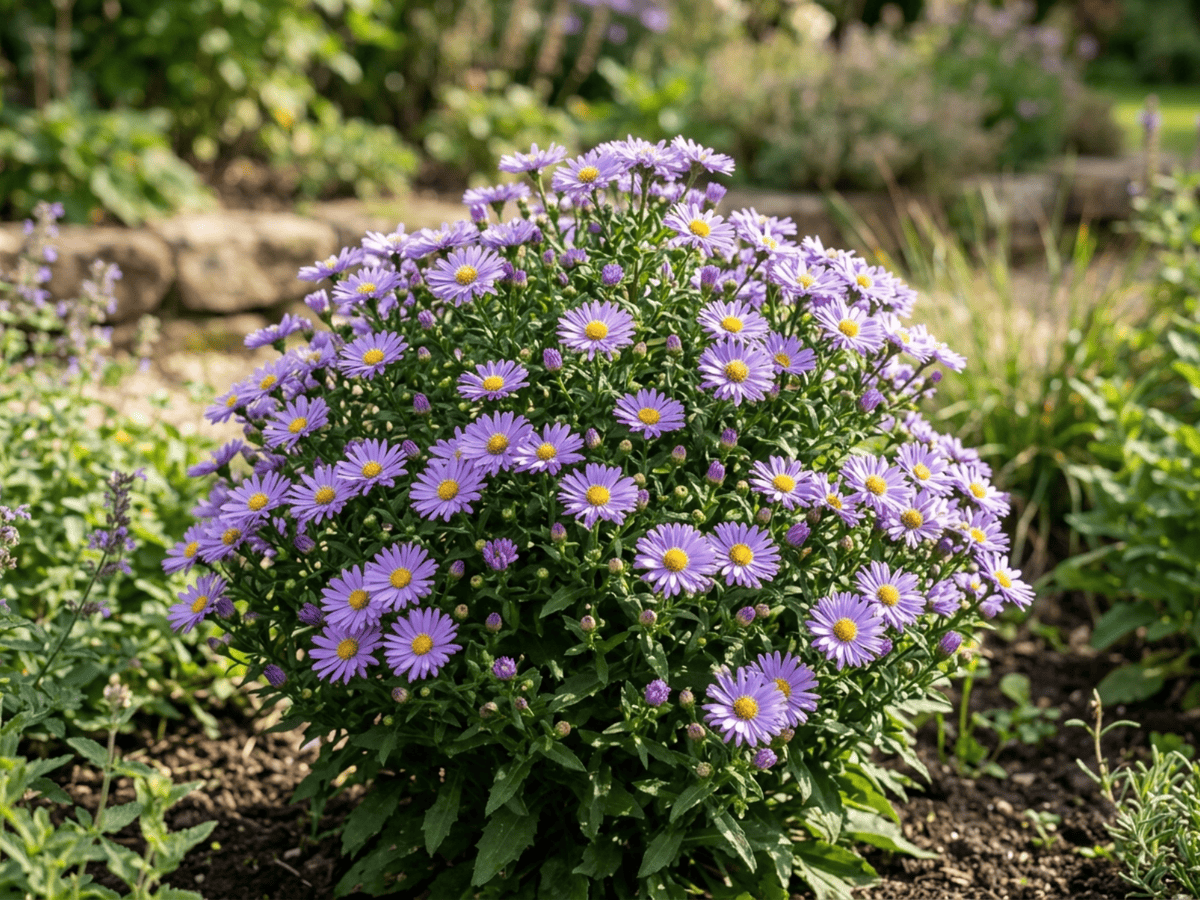
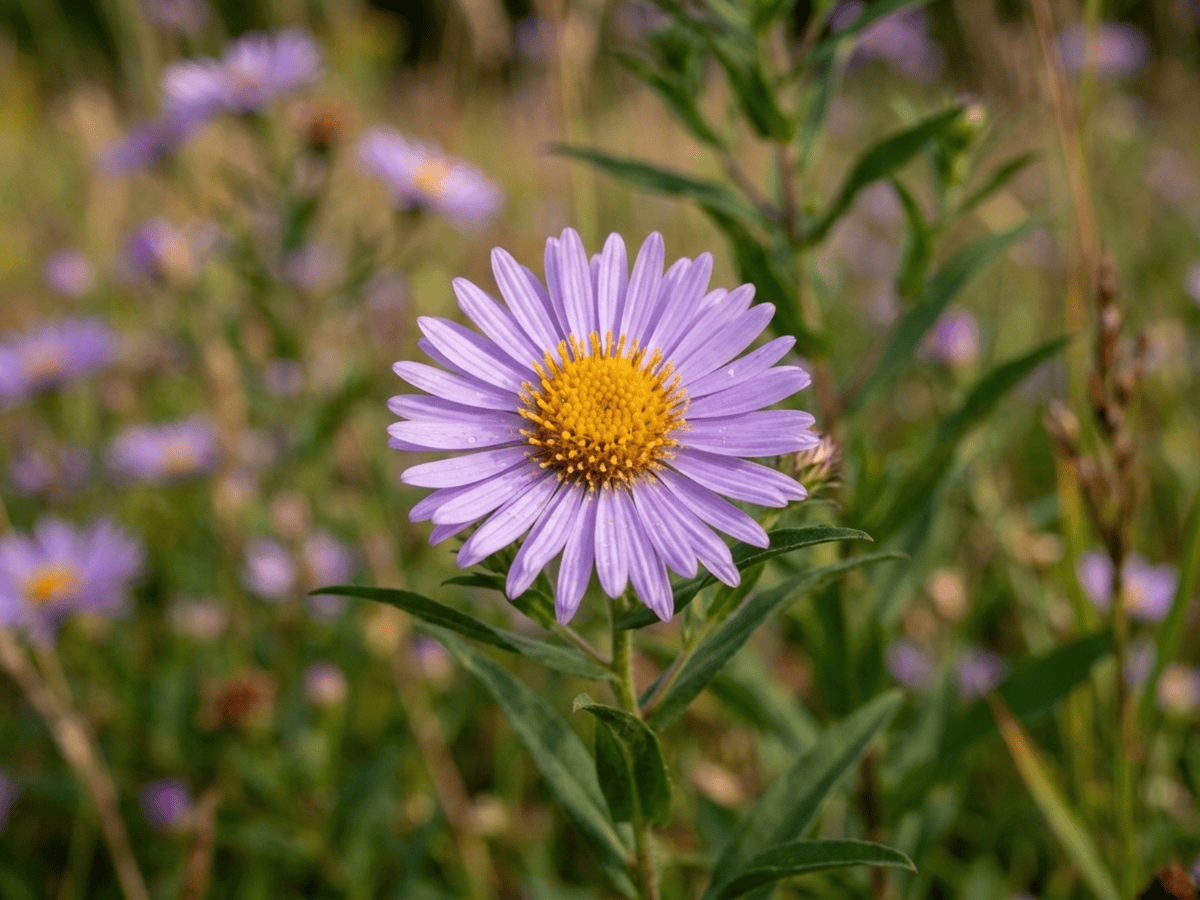
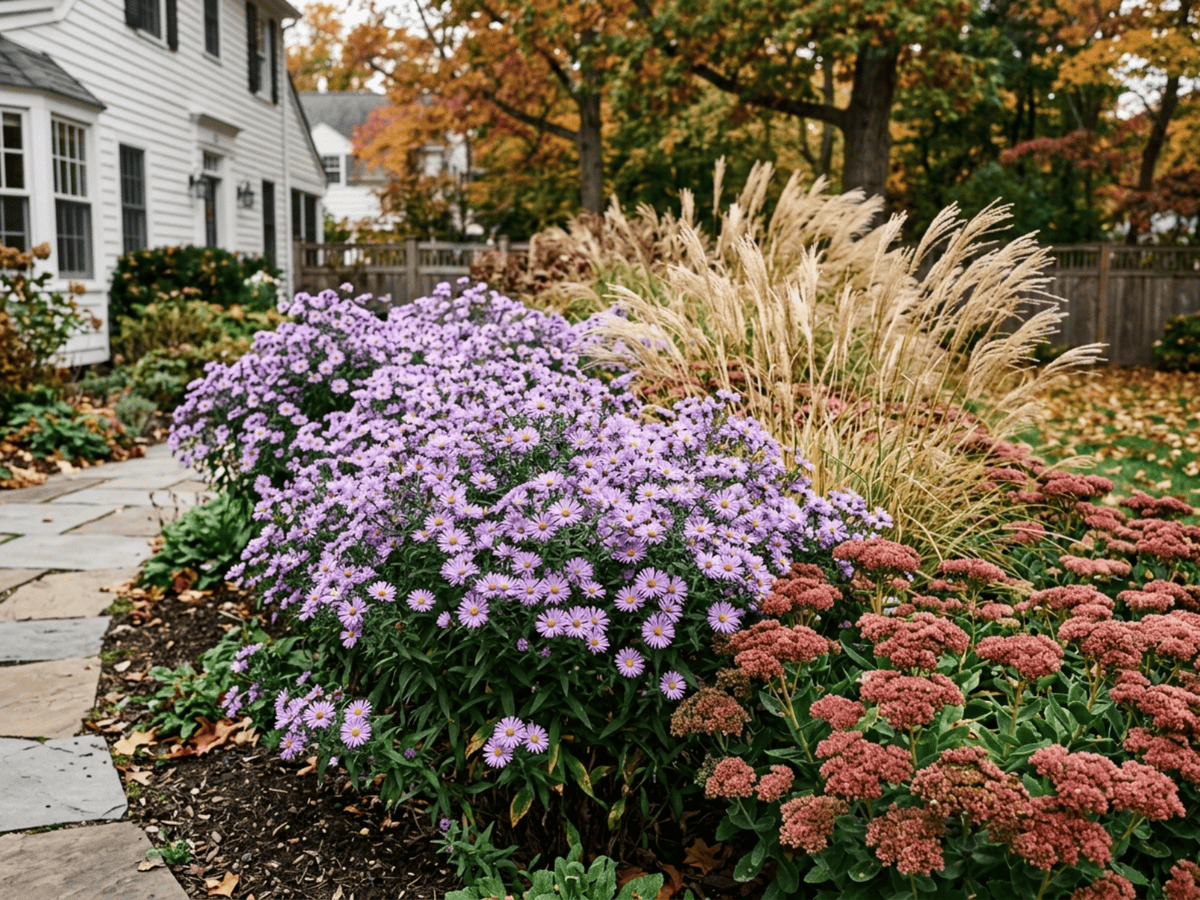
Italian Aster is a compact perennial from central and southern Europe, 12–24 inches tall, bearing flat lavender-blue or pink daisy flowers with gold centers in late summer and early fall. Drought-tolerant, mildew-resistant, and tidier than many American asters. Hardy zones 5–8. An excellent front-of-border perennial for dry, sunny American gardens, particularly in the Midwest and Northeast.
- Drought-tolerant
- Deer-resistant
- Compact
- Pollinator-friendly
How to care for Italian Aster
Watering
- Springevery 5 days
- Summerevery 4 days
- Fallevery 7 days
- Winterpause watering
Soil · Well-draining
- Top dressingPine bark mulch10%
- Main mixPotting soil + perlite 2:170%
- DrainageLECA / gravel20%
Never skip the drainage layer — standing water is the top cause of root rot.
FERTILIZER
Balanced Feed 14-14-14
An even feed covers all three needs at once, keeping leaves, roots and blooms moving together with nothing pushed out of balance.
- Nitrogen · Leaves
- Phosphorus · Roots + Blooms
- Potassium · Strength
- Springevery 30 days
- Summerevery 30 days
At a Glance
- NativeEurope
- Height1.5–2 ft (0.5–0.6 m)
- Spread1–1.5 ft (0.3–0.5 m)
- Flower colorPurple, Pink
- Foliage colorGreen
- SoilLoamy, Well-drained, Alkaline
- LocationsYard
Bloom time
BLOOM CYCLE
Peak bloom
Aug–Nov
Lavender daisies late summer to fall
Fragrance
LIGHT FRAGRANCE
The flowers have a mild scent.
Toxicity
No toxicity has been reported for this plant. Still, it is wise to keep pets from chewing on any houseplant.
Educational information, not medical or veterinary advice. If exposure is suspected, contact a doctor or veterinarian.
DISTRIBUTION


- Native
- Introduced
- Europe
History
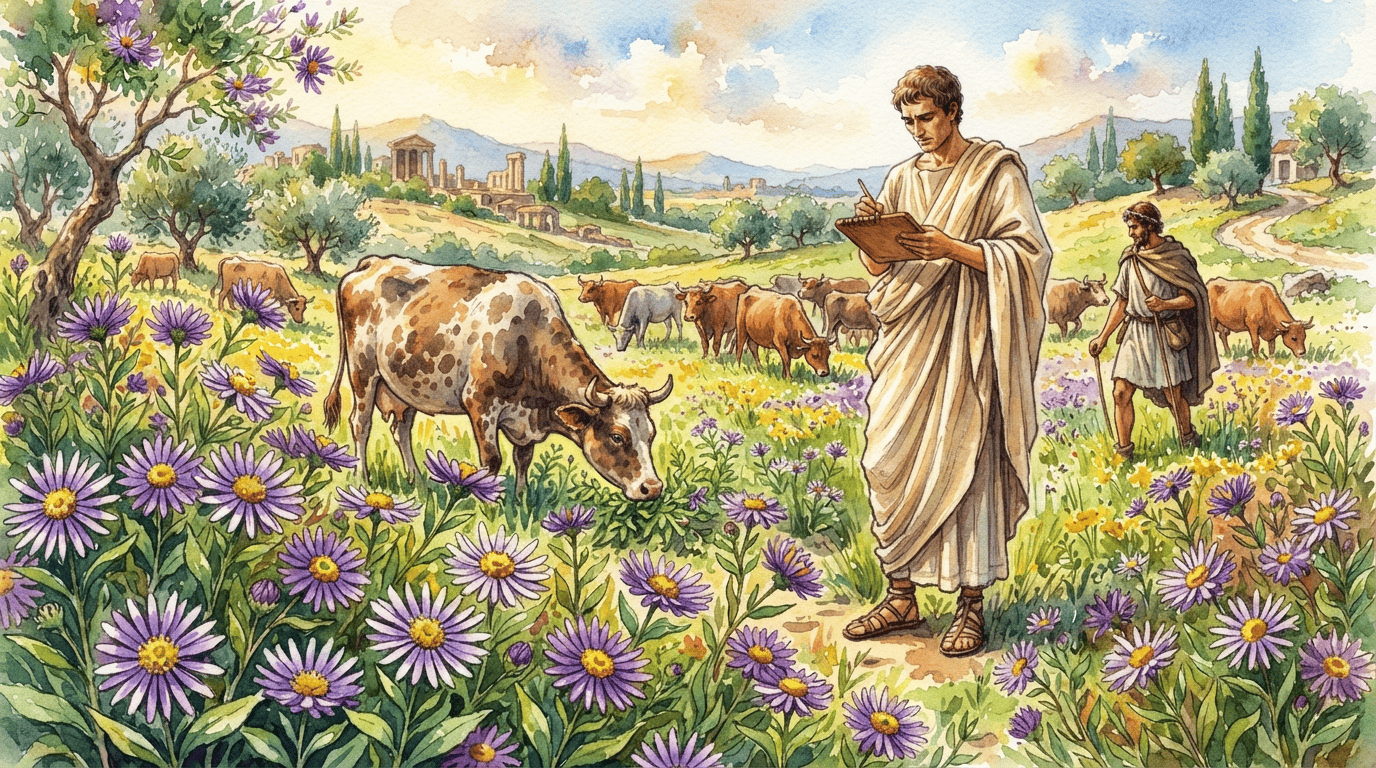
Aster amellus is the only aster native to Europe, growing in calcareous meadows and rocky slopes from northern Italy and France east through the Balkans to Ukraine. The Roman poet Virgil mentioned it in the Georgics (ca. 29 BCE) as a cattle-healing herb, giving it a place in the oldest agricultural literature. Linnaeus chose it as the type species when he named the genus Aster in 1753.
It became a foundational garden aster across medieval and Renaissance Europe. Cultivars including 'King George' (1914), 'Veilchenkönigin' (Violet Queen), and 'Rudolf Goethe' developed through the 20th century.
Following modern taxonomic revisions that moved most American asters to Symphyotrichum, A. amellus remains in the narrow true genus Aster. Long cultivated in European gardens, introduced to American horticulture in the 1800s. Still a specialty plant compared to native American asters, but valued in rock gardens and small borders.
Symbolism & meaning
What It Symbolizes
Italian Aster teaches patience, holding its blue-violet rays back until late summer when most of the garden is winding down. In the Victorian language of flowers, asters carried remembrance — their starry shape said farewell when the season did. Aster amellus extends that long tradition forward, a thoughtful late bloom for those who still have something to remember.
- Patience — waits until late summer to bloom
- Remembrance — traditional aster symbolism
Where the Name Comes From
Genus from Greek 'aster' (star); 'amellus' from an ancient Italian river Mella.
Uses & Fun Facts
- Late lavender daisies feed migrating butterflies and bees
- Long-lasting violet daisies cut for autumn bouquets
- Compact European aster suits sunny rock gardens and borders
Related plants
More Aster plants
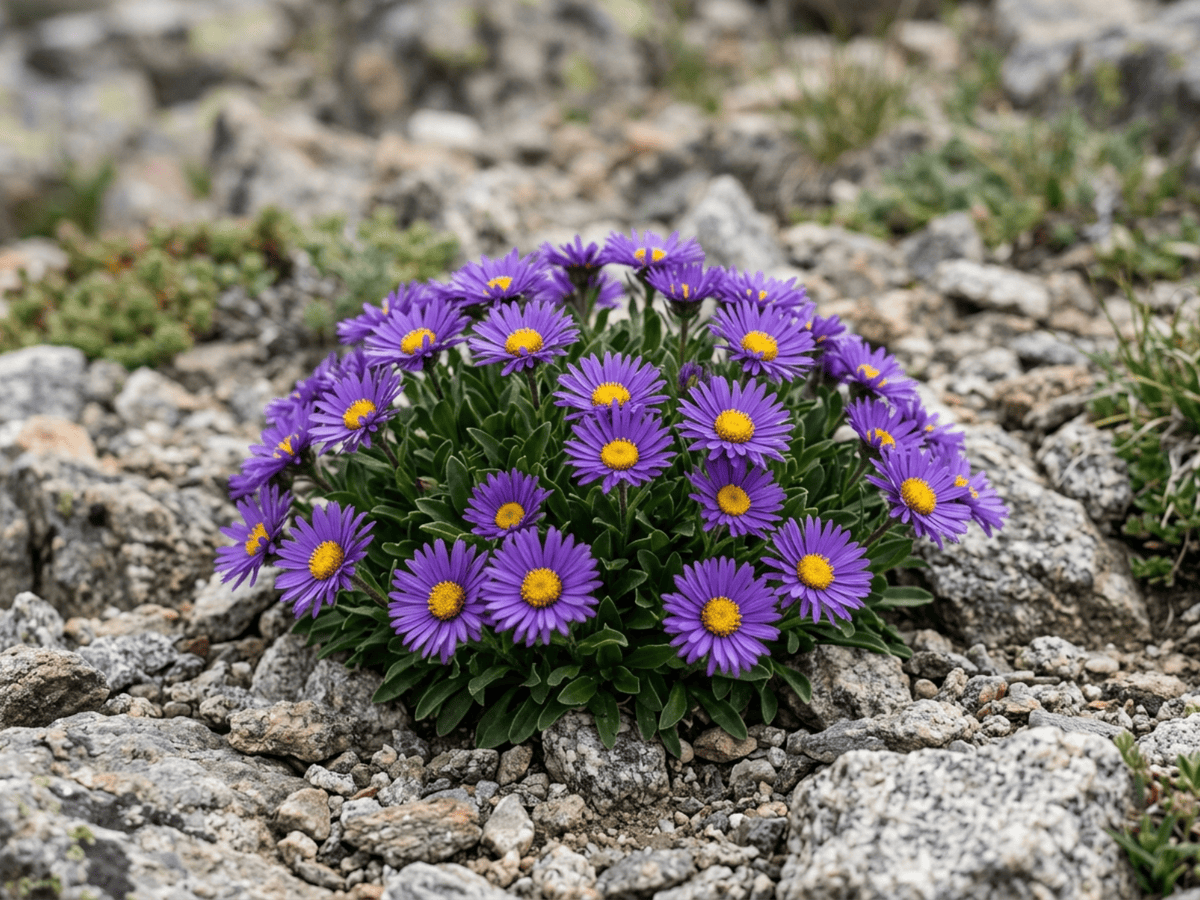 Alpine AsterAster alpinus
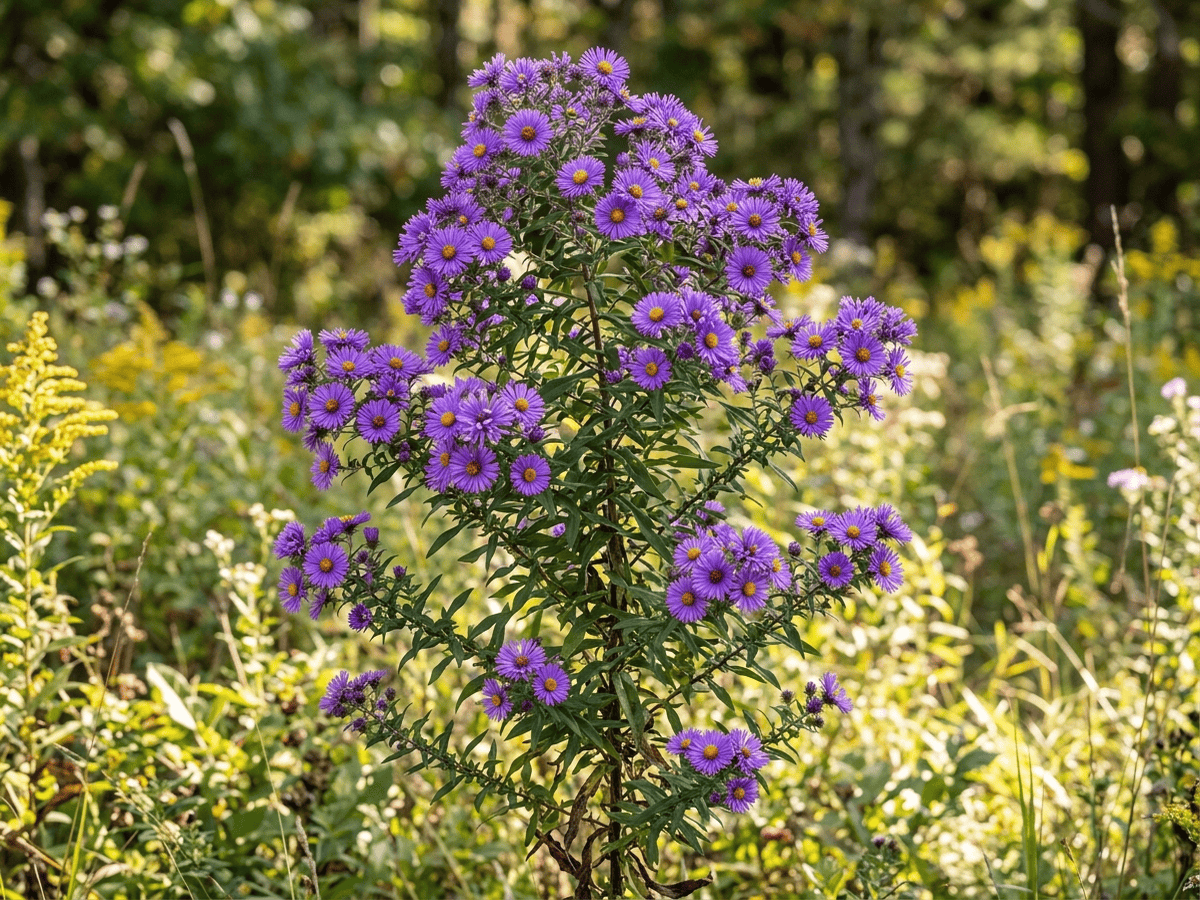 New England AsterAster novae-angliae
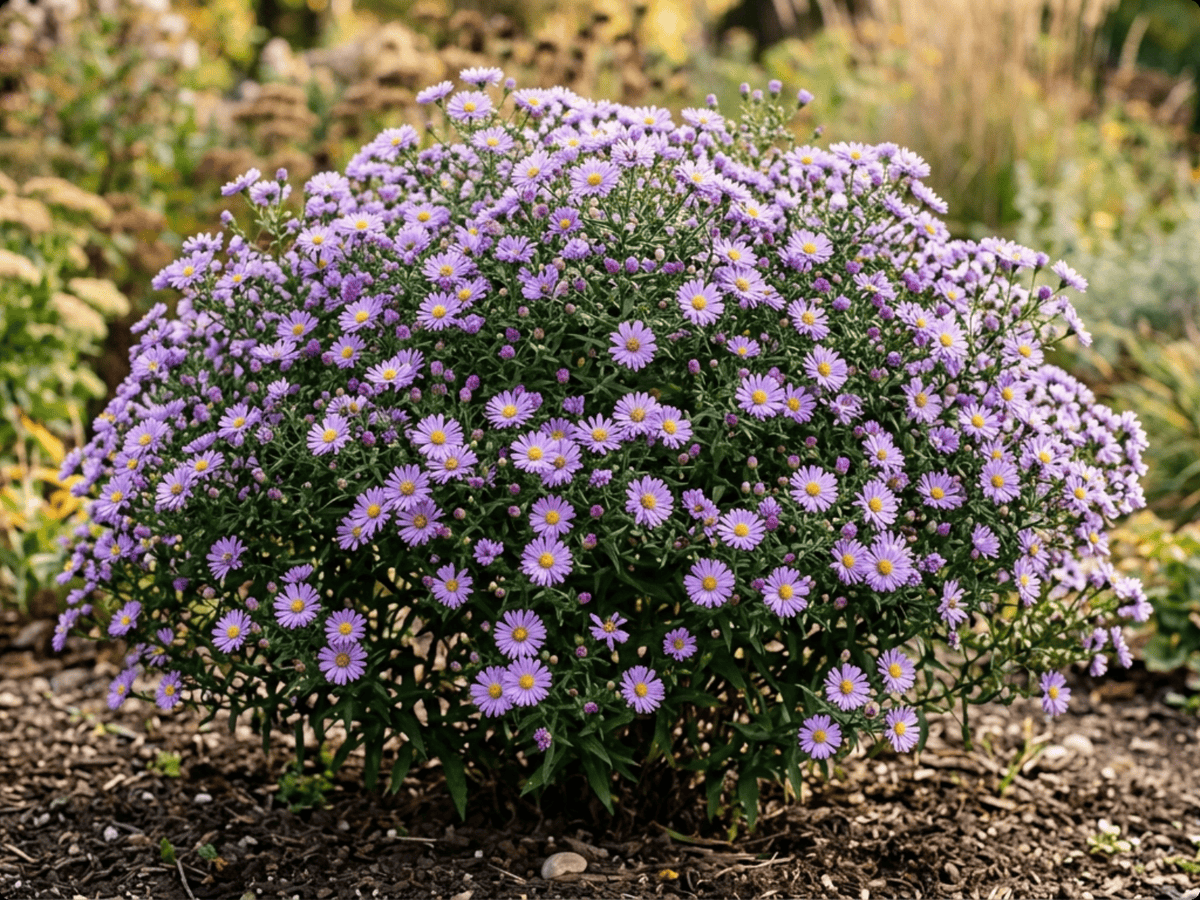 New York AsterAster novi-belgii
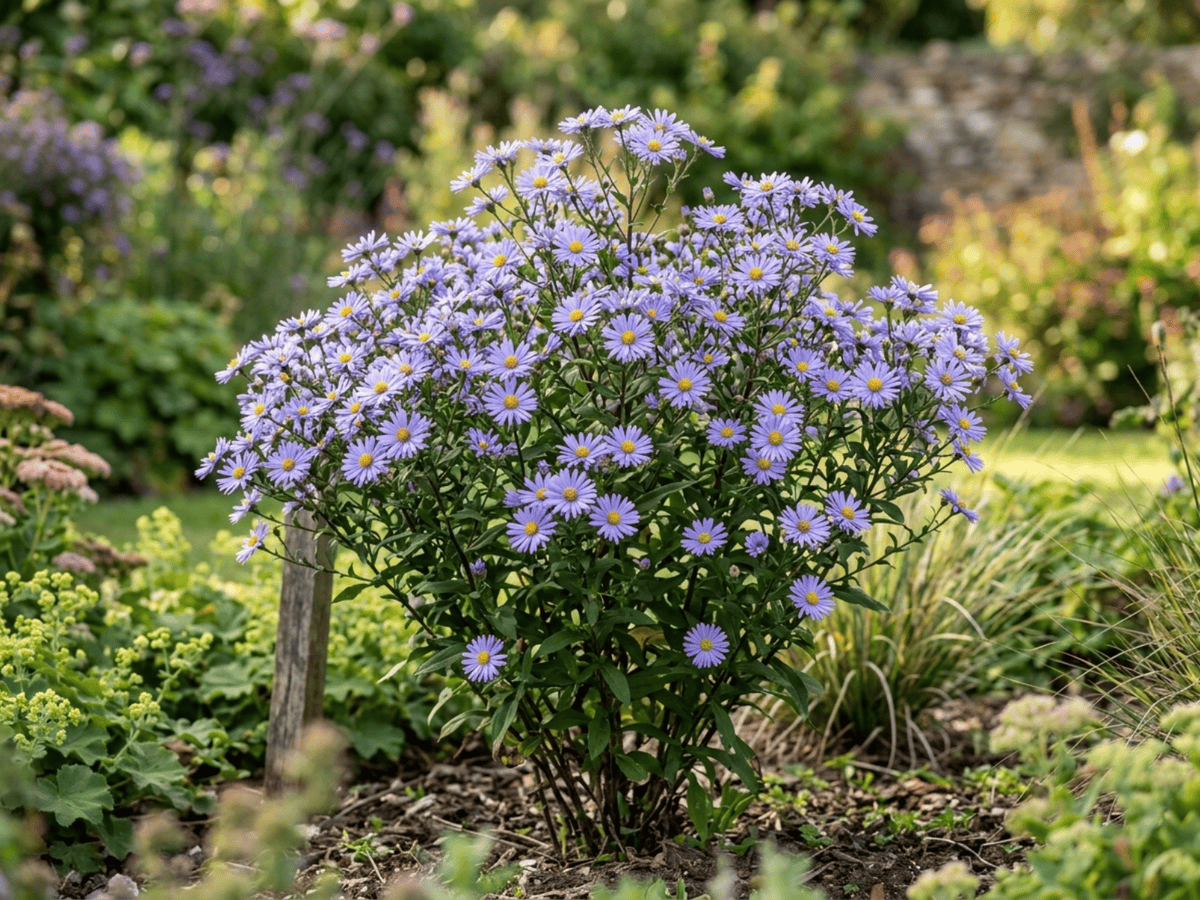 Frikart's AsterAster x frikartii
Plants with similar care
 Chinese AbeliaAbelia chinensis
 Fragrant AbeliaAbelia mosanensis
 Large-Flowered AbeliaAbelia uniflora
 Glossy AbeliaAbelia x grandiflora
Frequently asked questions
How often should I water Italian Aster?
Water about every 5 days during the growing season, and always let excess water drain away.
How much light does Italian Aster need?
Full sun: 6+ hrs direct. Watch the leaves — scorching or stretching means the light needs adjusting.
Is Italian Aster toxic to cats or dogs?
No toxicity has been reported for this plant. Still, it is wise to keep pets from chewing on any houseplant. Educational information, not medical or veterinary advice. If exposure is suspected, contact a doctor or veterinarian.
Is Italian Aster easy to grow?
Yes — it is considered an easy, beginner-friendly plant.
When does Italian Aster bloom?
It typically blooms Aug–Nov in the Northern Hemisphere.
YardMate
Identify any plant in seconds
Snap a photo — YardMate names the plant, diagnoses problems, and reminds you when to water.
Download on the App Store