 YardMate

Frikart's Aster
Aster x frikartii
Easy · Beginner friendlyAbout Frikart's Aster
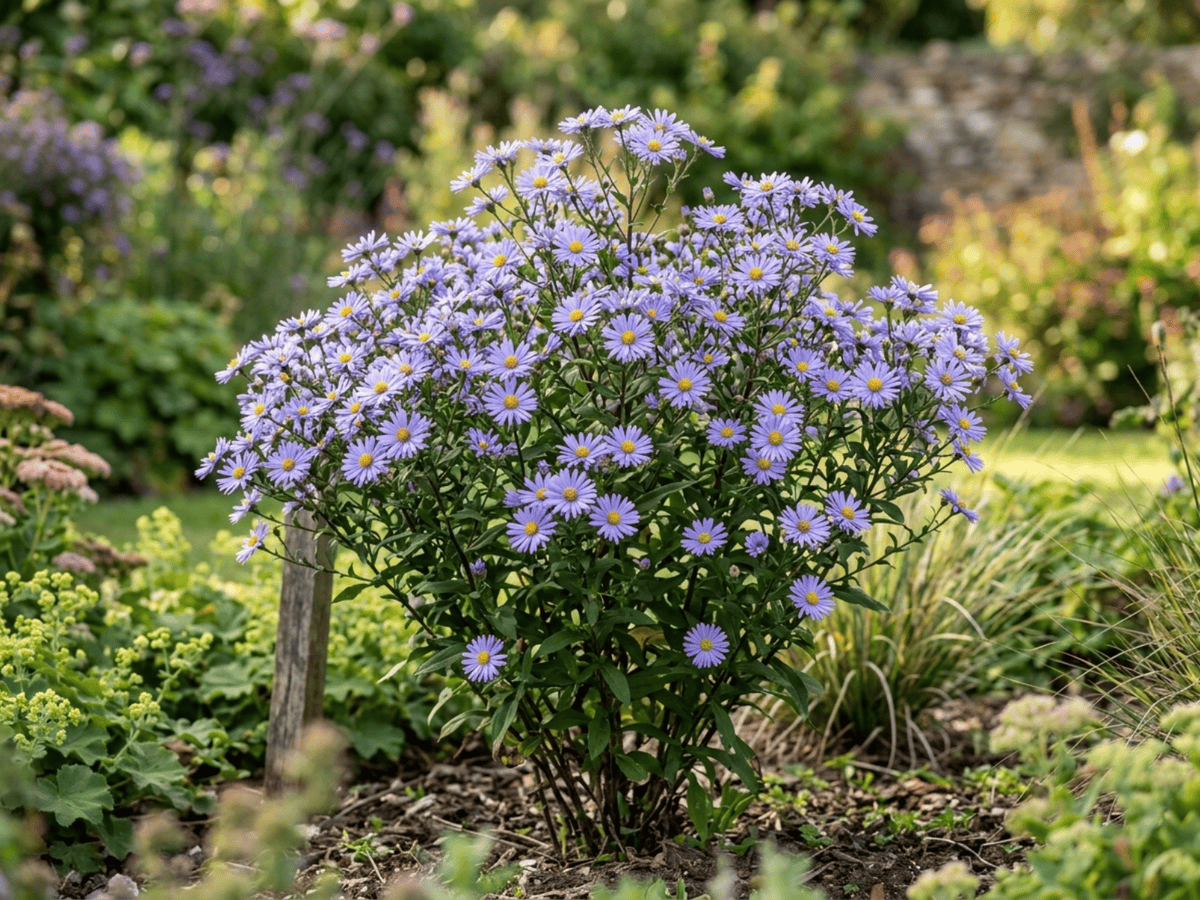
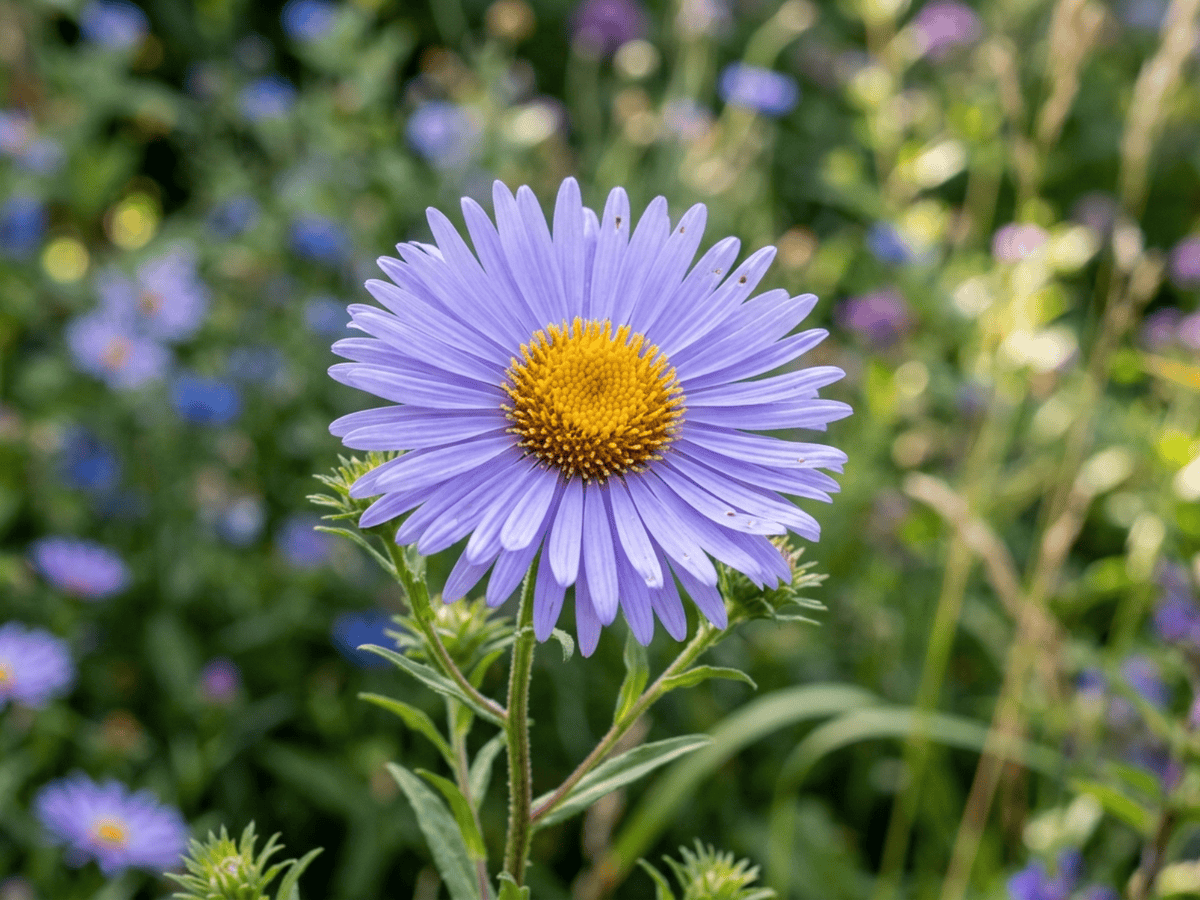
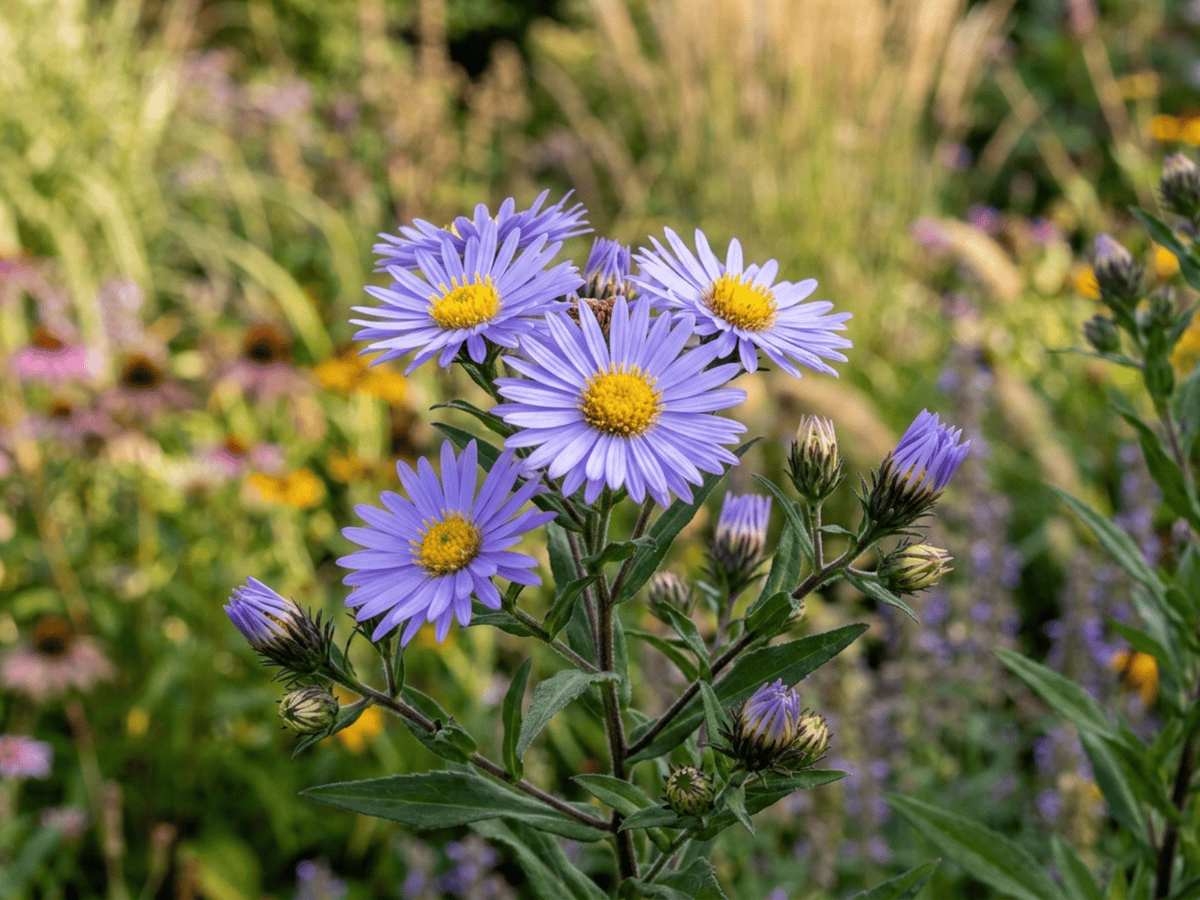
Frikart's Aster is a hybrid perennial from Switzerland, 24–30 inches tall, bearing lavender-blue daisy flowers with gold centers continuously from midsummer to frost—an unusually long bloom season for an aster. Mildew-resistant and tidy. The cultivar 'Monch' won the Royal Horticultural Society Award of Garden Merit and is widely considered one of the finest border asters in American perennial gardening. Hardy zones 5–8.
- Deer-resistant
- Disease-resistant
- Long-blooming
- Pollinator-friendly
How to care for Frikart's Aster
Watering
- Springevery 5 days
- Summerevery 4 days
- Fallevery 7 days
- Winterpause watering
Soil · Well-draining
- Top dressingPine bark mulch10%
- Main mixPotting soil + perlite 2:170%
- DrainageLECA / gravel20%
Never skip the drainage layer — standing water is the top cause of root rot.
FERTILIZER
Balanced Feed 14-14-14
An even feed covers all three needs at once, keeping leaves, roots and blooms moving together with nothing pushed out of balance.
- Nitrogen · Leaves
- Phosphorus · Roots + Blooms
- Potassium · Strength
- Springevery 30 days
- Summerevery 30 days
At a Glance
- NativeEurope, East Asia
- Height2–3 ft (0.6–0.9 m)
- Spread1.5–2 ft (0.5–0.6 m)
- Flower colorPurple, Blue
- Foliage colorGreen
- SoilWell-drained, Loamy, Neutral
- LocationsYard
Bloom time
BLOOM CYCLE
Peak bloom
Jul–Nov
Lavender-blue daisies midsummer to frost
Fragrance
LIGHT FRAGRANCE
The flowers have a mild scent.
Toxicity
No toxicity has been reported for this plant. Still, it is wise to keep pets from chewing on any houseplant.
Educational information, not medical or veterinary advice. If exposure is suspected, contact a doctor or veterinarian.
DISTRIBUTION


- Native
- Europe
- East Asia
History
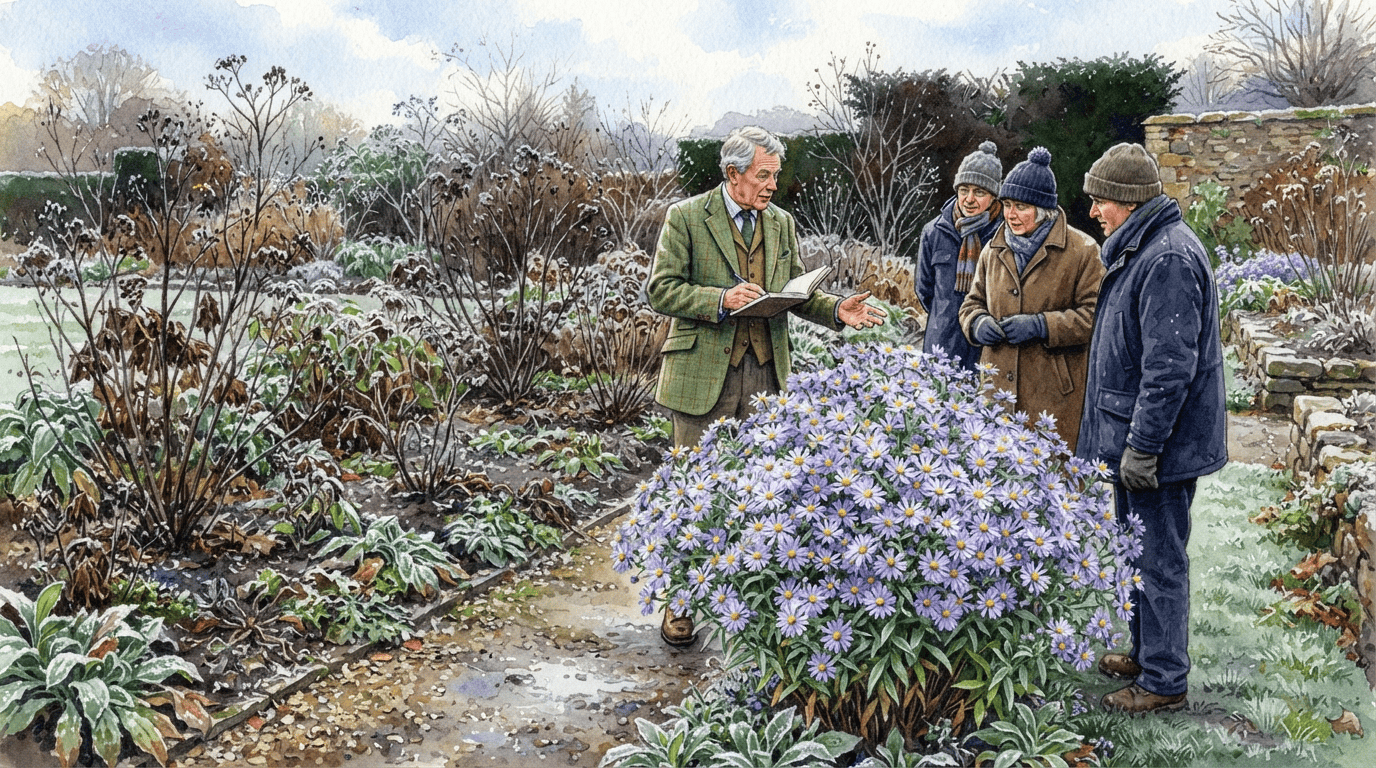
Aster x frikartii originated around 1918 at Carl Ludwig Frikart's nursery in Stäfa, Switzerland, through crossing the European A. amellus with the Himalayan A. thomsonii. Frikart named four cultivars after Swiss mountains: 'Mönch', 'Jungfrau', 'Eiger', and 'Wunder von Stäfa' (Wonder of Stäfa). 'Mönch' has become particularly celebrated, regularly cited among the top herbaceous perennials ever bred, admired for exceptionally long bloom from July through October, soft lavender-blue rays, and remarkable mildew resistance.
Graham Stuart Thomas and many other influential British plantsmen championed it throughout the 20th century. It remains a staple of mixed borders, cottage gardens, and naturalistic plantings across temperate climates worldwide. 'Monch' and 'Wonder of Stafa' remain standards in American borders and have won numerous horticultural awards.
Symbolism & meaning
What It Symbolizes
Frikart's Aster suggests Enduring love through the simple act of blooming longer than any other aster in American gardens — month after month into autumn. It is often read as a flower of Patience rewarded, returning faithfully as other perennials fade. Each lavender ray is a small vow, kept quietly across the long second half of summer.
- Enduring love — longest-blooming aster in US gardens
- Patience rewarded — long season of quiet beauty
Where the Name Comes From
Genus means 'star'; 'frikartii' honors breeder Carl Ludwig Frikart.
Uses & Fun Facts
- Lavender-blue daisies feed late-season bees and butterflies
- Long-stemmed blooms last well in autumn arrangements
- Months-long bloom anchors perennial border front
Related plants
More Aster plants
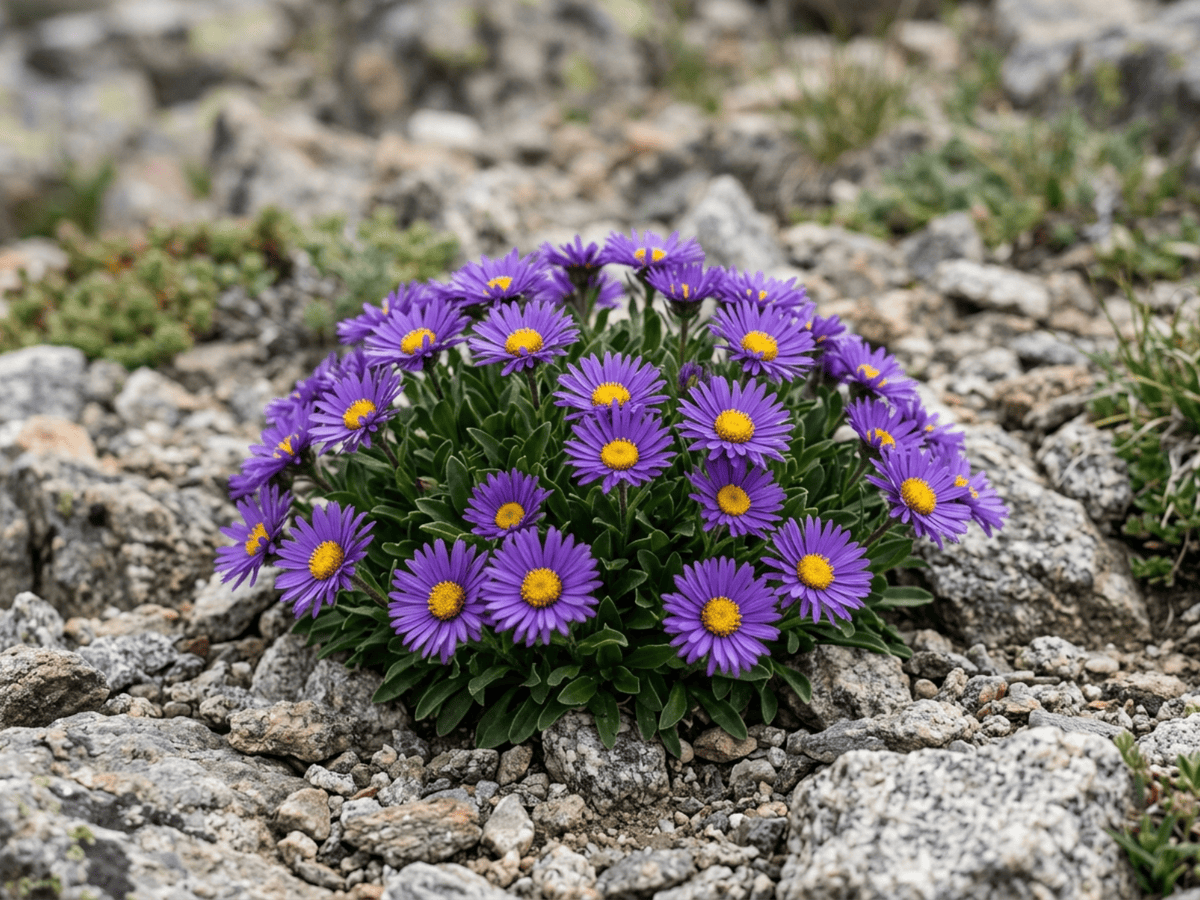 Alpine AsterAster alpinus
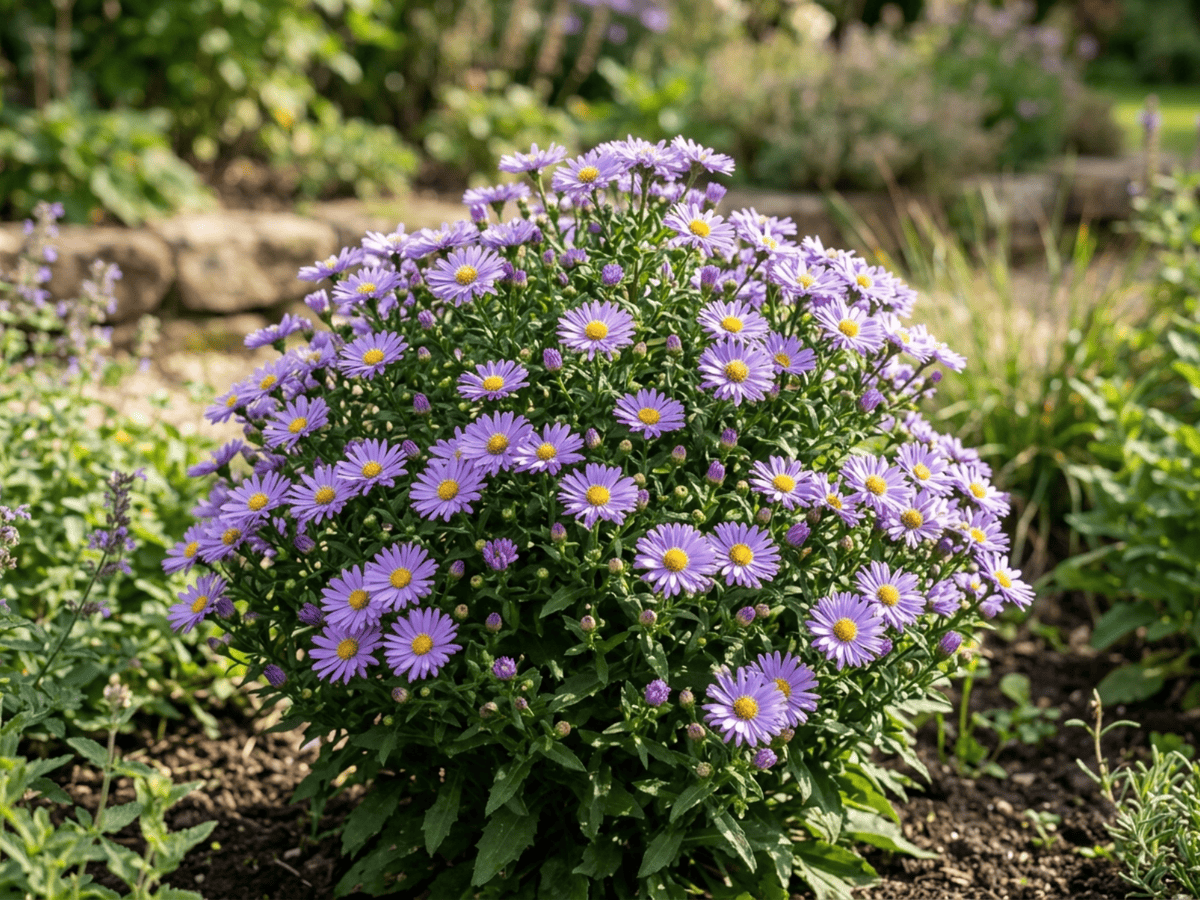 Italian AsterAster amellus
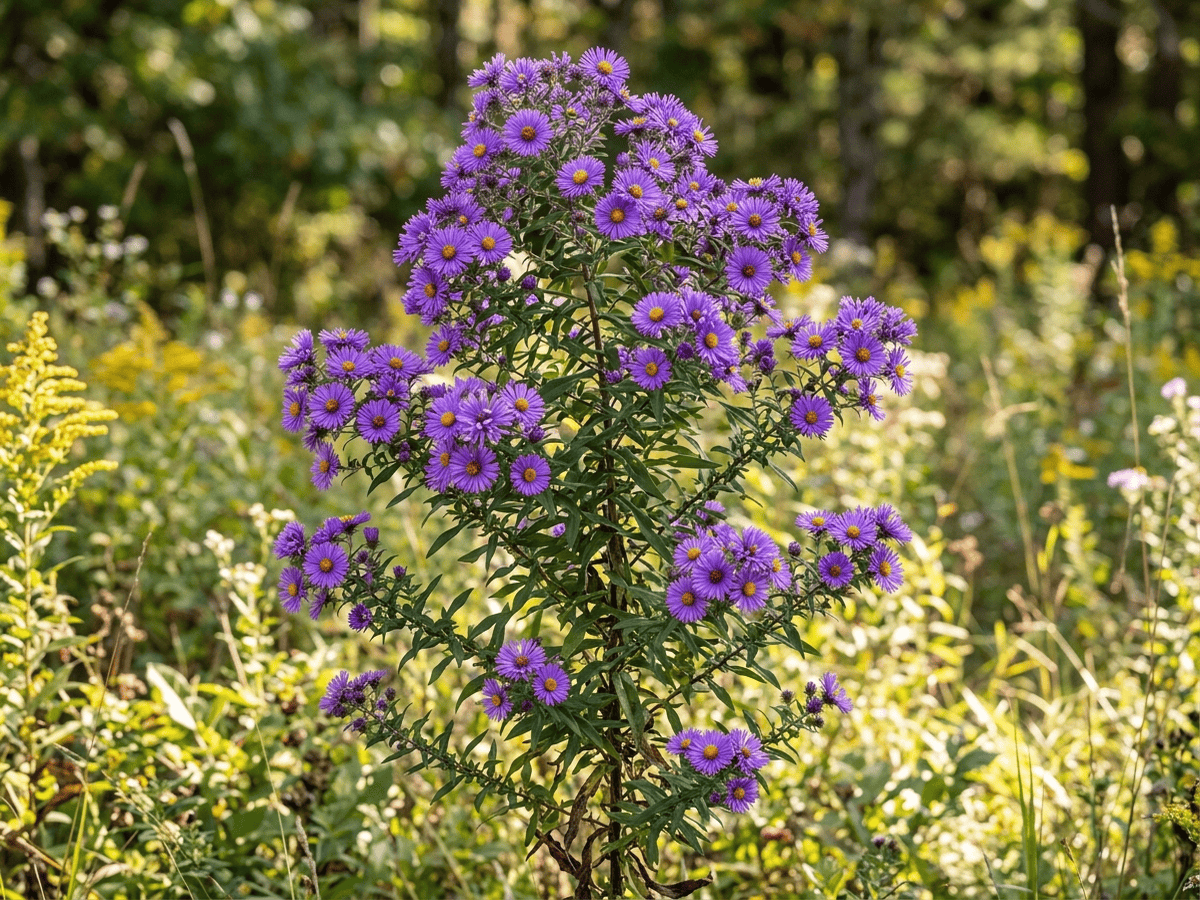 New England AsterAster novae-angliae
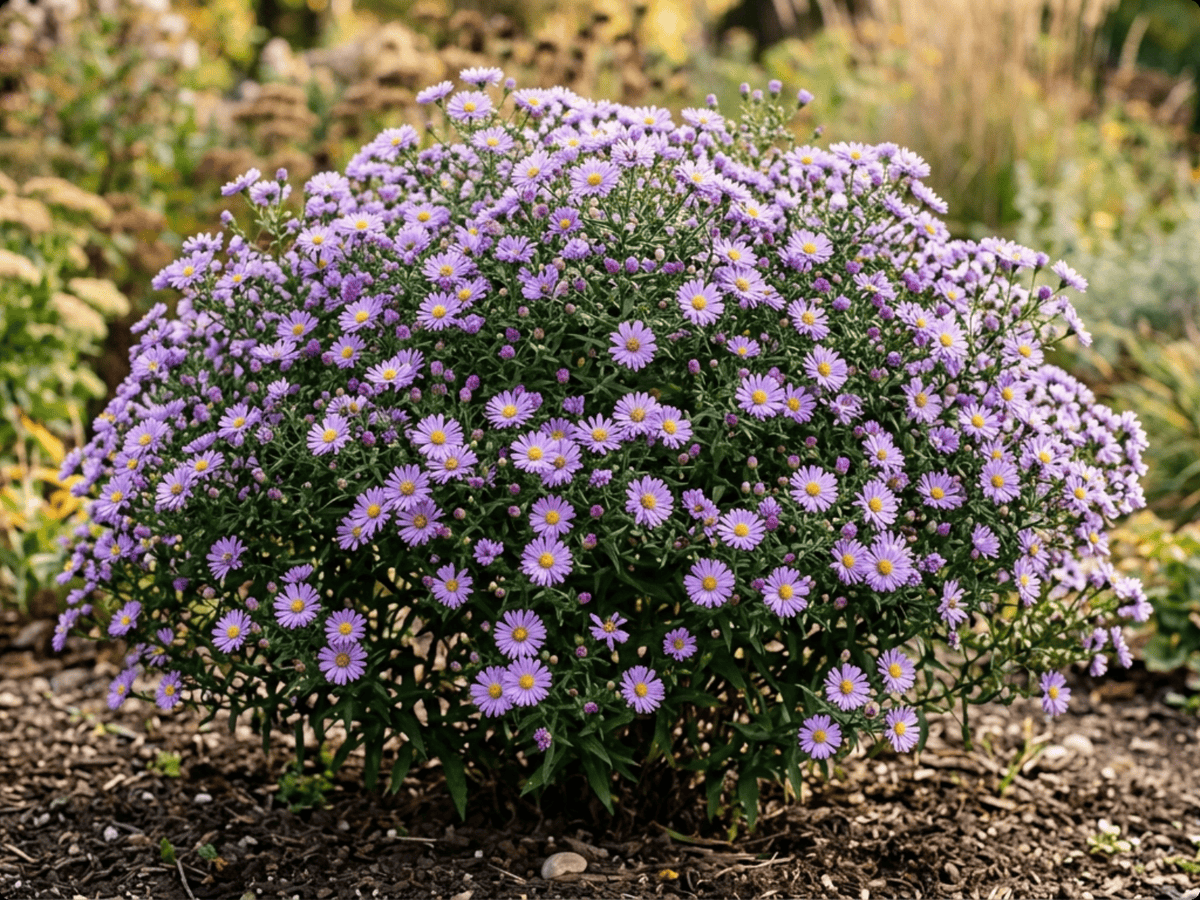 New York AsterAster novi-belgii
Plants with similar care
 Chinese AbeliaAbelia chinensis
 Fragrant AbeliaAbelia mosanensis
 Large-Flowered AbeliaAbelia uniflora
 Glossy AbeliaAbelia x grandiflora
Frequently asked questions
How often should I water Frikart's Aster?
Water about every 5 days during the growing season, and always let excess water drain away.
How much light does Frikart's Aster need?
Full sun: 6+ hrs direct. Watch the leaves — scorching or stretching means the light needs adjusting.
Is Frikart's Aster toxic to cats or dogs?
No toxicity has been reported for this plant. Still, it is wise to keep pets from chewing on any houseplant. Educational information, not medical or veterinary advice. If exposure is suspected, contact a doctor or veterinarian.
Is Frikart's Aster easy to grow?
Yes — it is considered an easy, beginner-friendly plant.
When does Frikart's Aster bloom?
It typically blooms Jul–Nov in the Northern Hemisphere.
YardMate
Identify any plant in seconds
Snap a photo — YardMate names the plant, diagnoses problems, and reminds you when to water.
Download on the App Store