 YardMate

Lemon
Citrus limon
Medium · Some experienceAbout Lemon
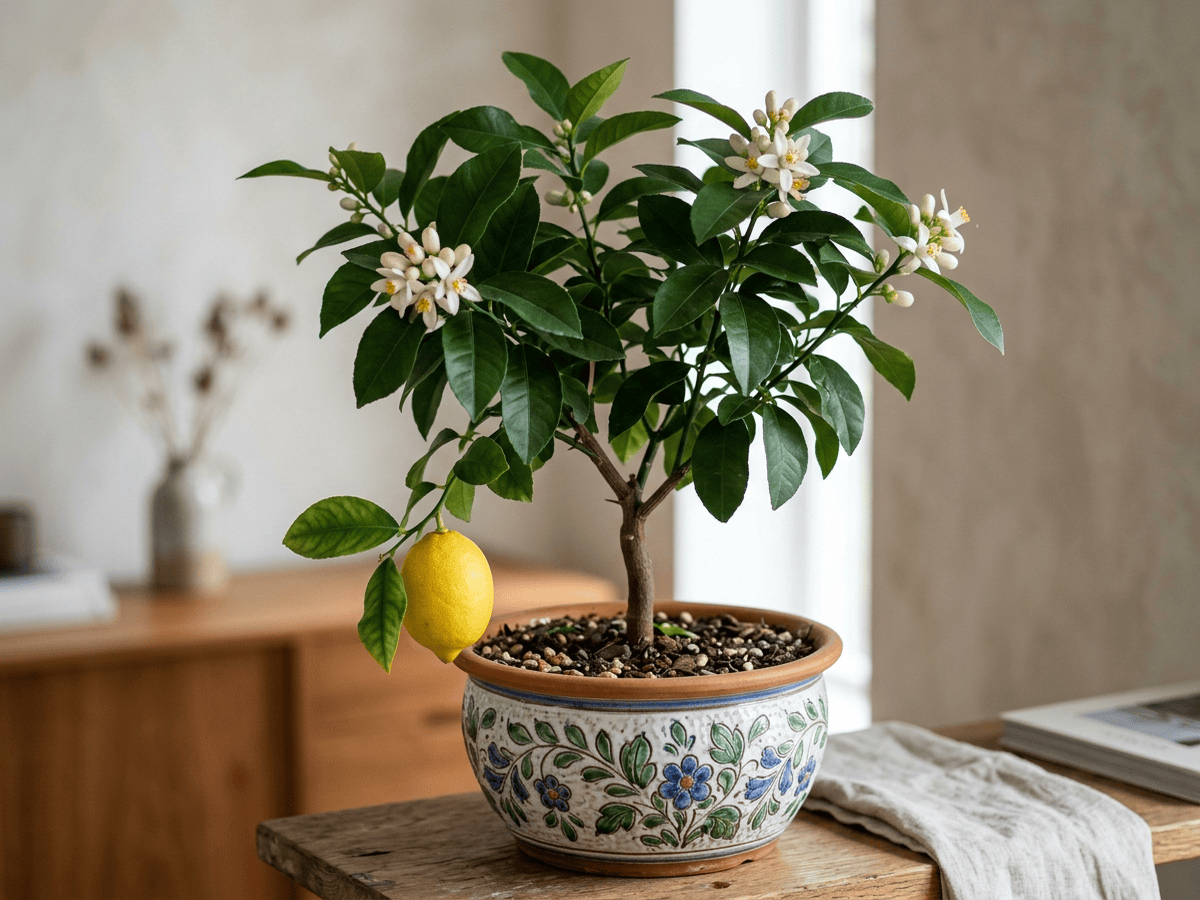
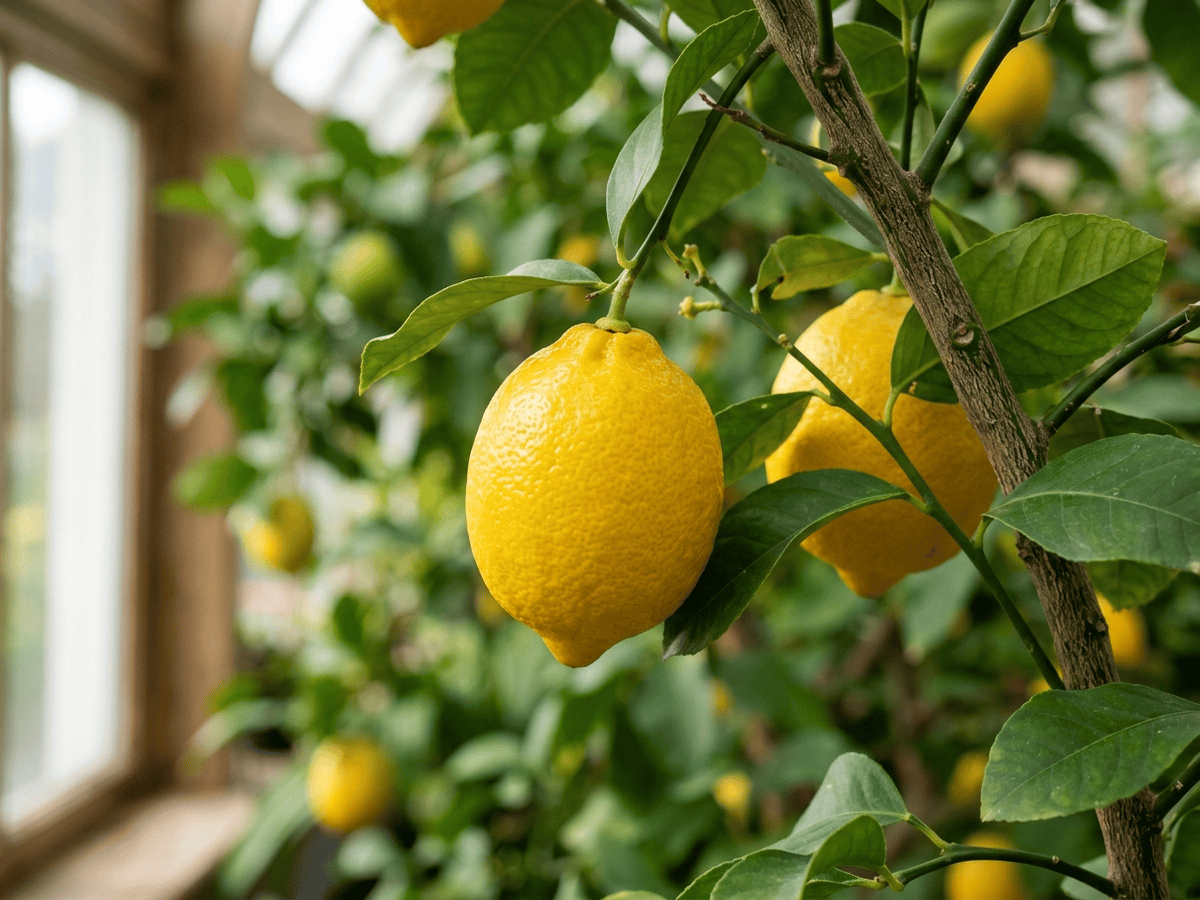
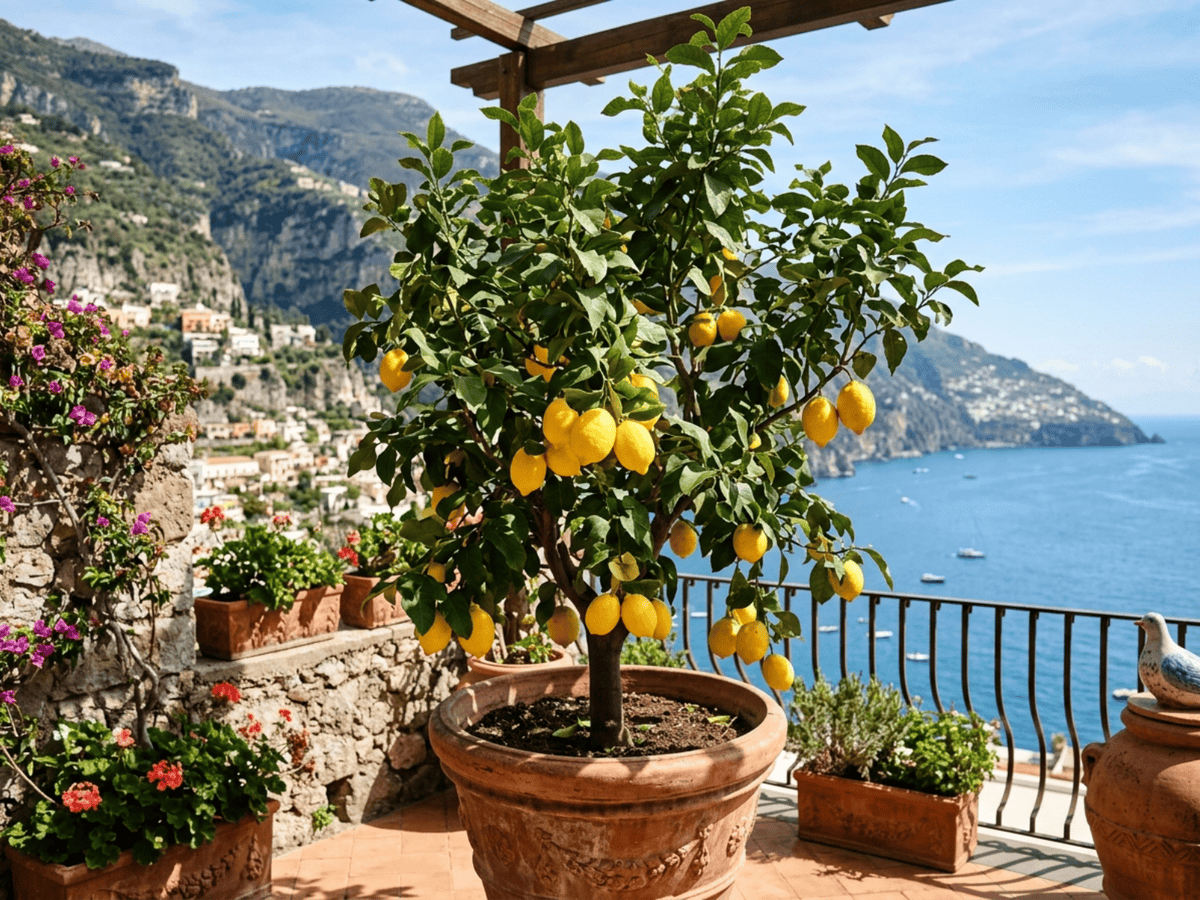
Citrus limon, the lemon tree, is a beloved fruit tree that thrives as a compact container plant, producing fragrant white flowers and bright yellow fruit year-round in the right conditions. Native to northeastern India and Myanmar, lemons spread through the Arab world to the Mediterranean by the 1st century AD. Indoor lemon trees need maximum light — a sunny south-facing window is essential. The intensely fragrant blossoms can perfume an entire room. Dwarf varieties like 'Meyer' and 'Improved Dwarf' stay under 2 meters in containers while still producing abundant fruit.
- Edible
- Fragrant
- Evergreen
How to care for Lemon
Watering
- Springevery 5 days
- Summerevery 3 days
- Fallevery 7 days
- Winterevery 10 days
Soil · Rich & well-draining
- Top dressingCompost10%
- Main mixPotting soil + compost 3:180%
- DrainageGravel10%
Top up the compost layer each season.
FERTILIZER
Balanced Feed 14-14-14
An even feed covers all three needs at once, keeping leaves, roots and blooms moving together with nothing pushed out of balance.
- Nitrogen · Leaves
- Phosphorus · Roots + Blooms
- Potassium · Strength
- Springevery 21 days
- Summerevery 30 days
- Fallevery 45 days
At a Glance
- NativeEast Asia
- Height4–6 ft (1.2–1.8 m)
- Spread3–5 ft (0.9–1.5 m)
- Flower colorWhite, Pink
- Foliage colorGreen
- Fruit colorYellow
- SoilLoamy, Well-drained
- LocationsIndoor · Balcony
Bloom time
BLOOM CYCLE
Peak bloom
Jan–Dec
Fragrant white flowers year-round with adequate light; hand-pollinate indoors
Fragrance
STRONG FRAGRANCE
Flowers carry a famous sweet orange-blossom scent; crushed leaves and peel release the classic citrus aroma.
Toxicity
Pets Slight
limonene, linalool, and psoralens (photosensitizing furanocoumarins)
Not reported
EXPOSURE No exposure route is reported.
EFFECT Fruit is safe and a dietary staple and concentrated essential oils can cause photodermatitis on sun-exposed skin.
NOTE No toxicity is reported for humans in this catalog; this is not evidence that the plant is edible or harmless.
Slight
- Leaf
- Stem
- Fruit
- Ingestion
- Contact
EXPOSURE Eating leaves, stems, and fruit. Touching leaves, stems, and fruit.
EFFECT Vomiting, diarrhea, depression, dermatitis from peel oils and per ASPCA.
NOTE Fruit flesh is safe in small amounts; the concentrated oils in peel and leaves are what cause pet toxicity.
Slight
- Leaf
- Stem
- Fruit
- Ingestion
- Contact
EXPOSURE Eating leaves, stems, and fruit. Touching leaves, stems, and fruit.
EFFECT Vomiting, diarrhea, depression, dermatitis from peel oils and per ASPCA.
NOTE Fruit flesh is safe in small amounts; the concentrated oils in peel and leaves are what cause pet toxicity.
Educational information, not medical or veterinary advice. If exposure is suspected, contact a doctor or veterinarian.
DISTRIBUTION


- Native
- Introduced
- East Asia
History

Citrus limon is not a wild species but a hybrid of the citron (C. medica) and the bitter orange (C. × aurantium), thought to have originated between northeast India, northern Burma, and southwestern China roughly 2500 years ago. It reached the Mediterranean via Arab traders in the early medieval period, and by the 12th century was in widespread cultivation in Sicily and Andalusia. Its most consequential medical role came in 1747, when Scottish naval surgeon James Lind demonstrated in a famous clinical trial that lemon juice prevented scurvy — a discovery that ultimately led to daily lime/lemon rations aboard Royal Navy ships and to the American slang 'limey' for British sailors.
Today it is grown commercially across the Mediterranean, California, Argentina, and Mexico. Lemons traveled one of the longest trade routes of any fruit — from Assam, India through Persia, to Arabia, then to the Roman Empire, and finally to the Americas with Columbus in 1493.
The Meyer lemon, a lemon-orange hybrid discovered in Beijing by USDA explorer Frank Meyer in 1908, revolutionized indoor citrus growing due to its compact size and sweeter fruit. Fruit is safe to eat; essential oils from peel and leaves are mildly toxic to pets.
Symbolism & meaning
What It Symbolizes
The Lemon is brightness with a clean edge. Its sharp scent, glossy leaves, and yellow fruit have made it a symbol of purification from Mediterranean courtyards to South Asian households. It cuts through richness, scent, and superstition alike, offering the garden's simplest language of clarity.
- Purification — Lemons have been used across cultures for cleansing, healing, and warding off negativity
Where the Name Comes From
Citrus from the Latin/Greek 'kitron,' an ancient name for citron. Limon from Arabic 'laymun' or Persian 'limun.'
Uses & Fun Facts
- Tart juicy fruits essential in cooking, drinks, and preserves
- White blossoms and zest perfume the garden and kitchen
- Productive dwarf forms thrive in large patio pots
Related plants
More Citrus plants
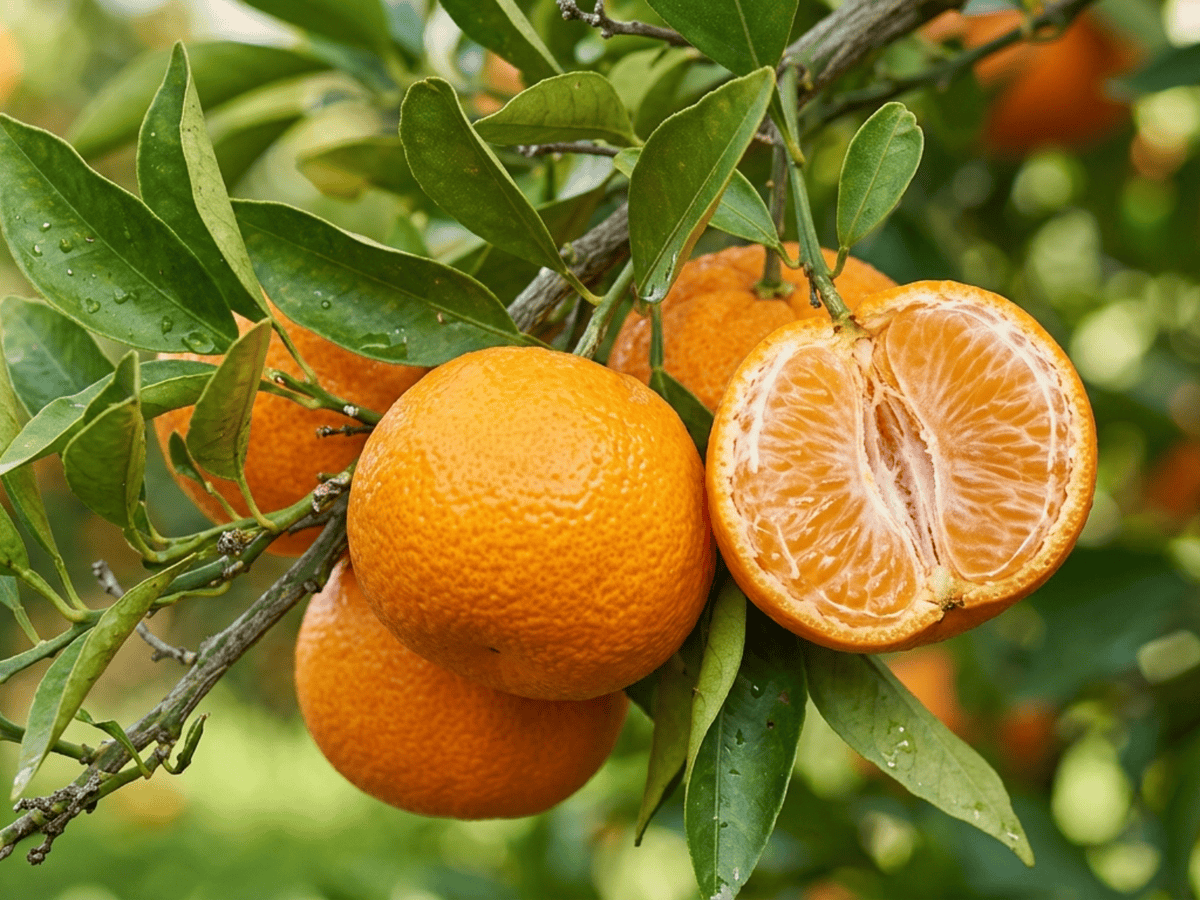 Mandarin OrangeCitrus reticulata
 Sweet OrangeCitrus sinensis
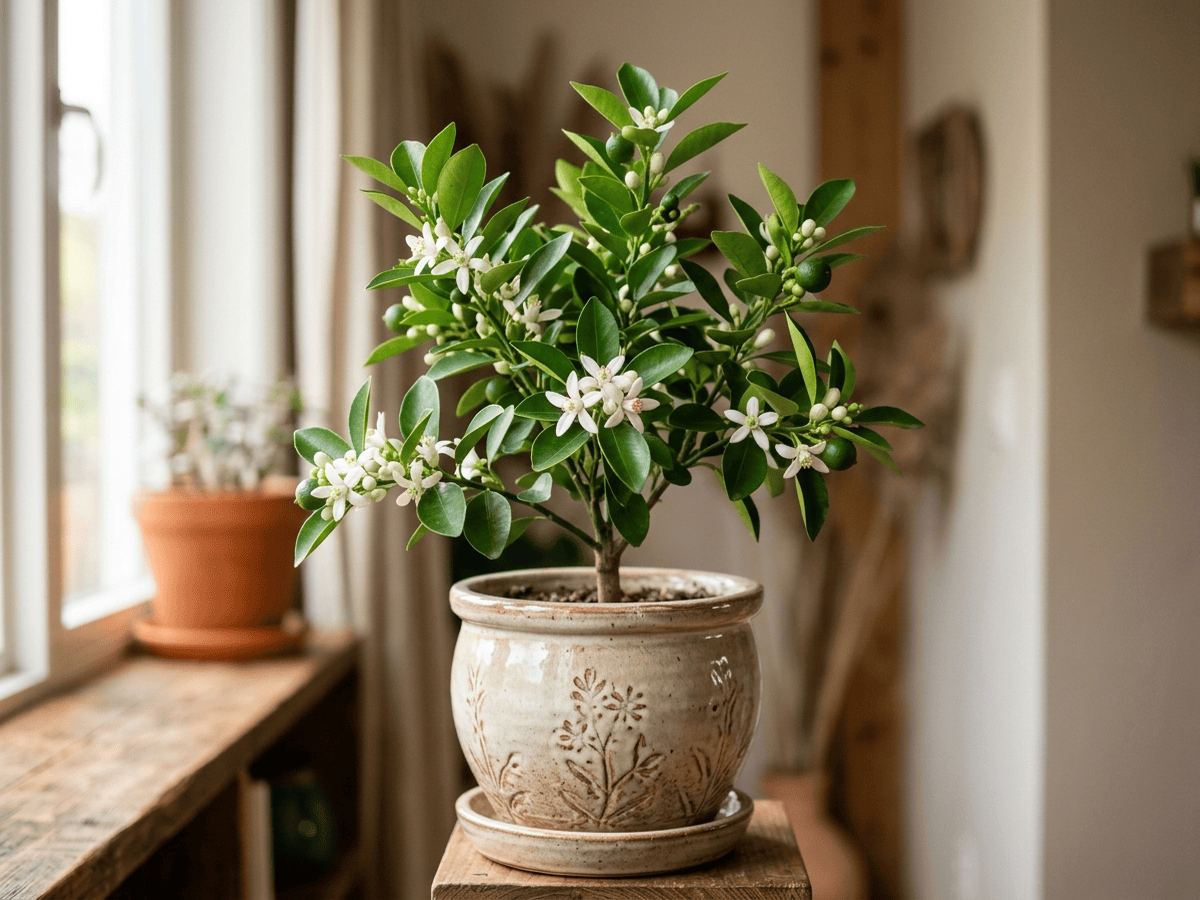 CalamansiCitrus x microcarpa
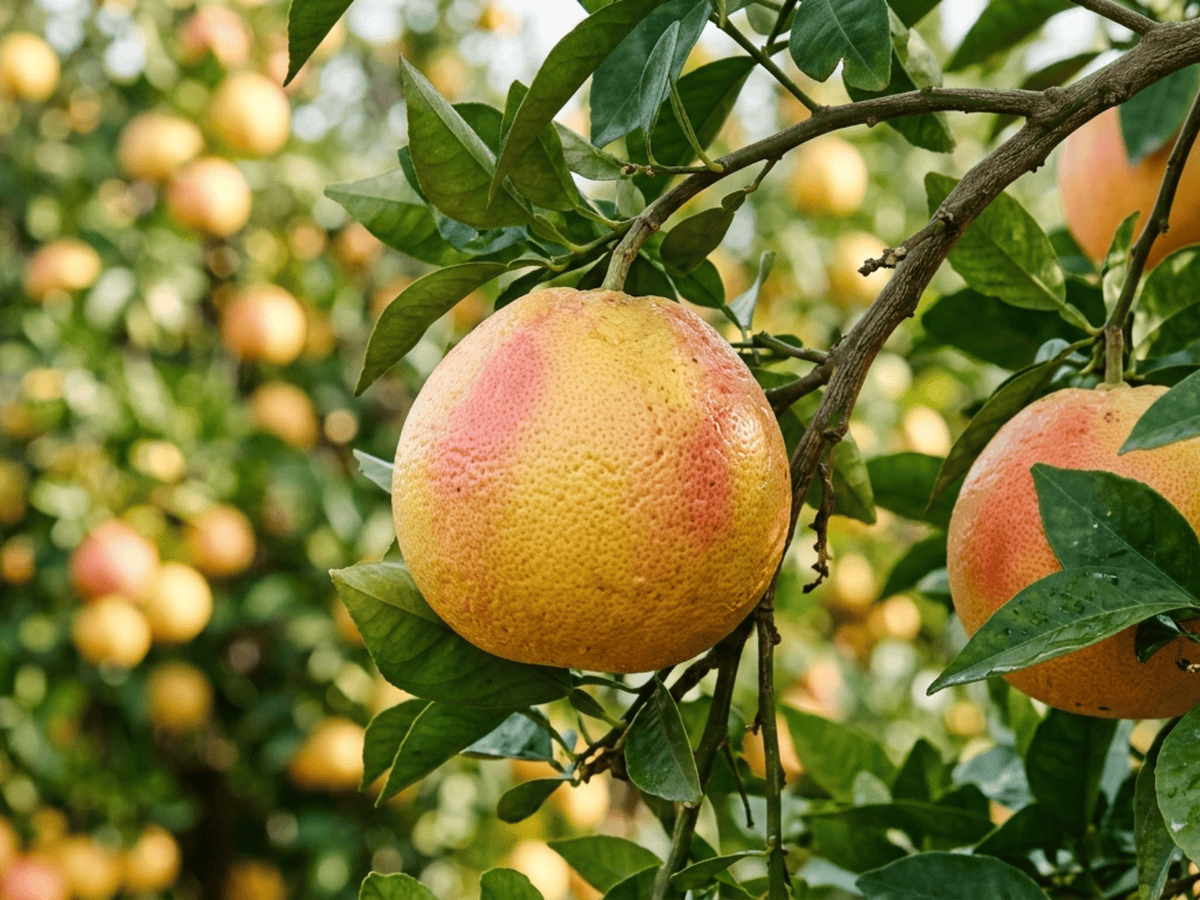 GrapefruitCitrus x paradisi
Plants with similar care
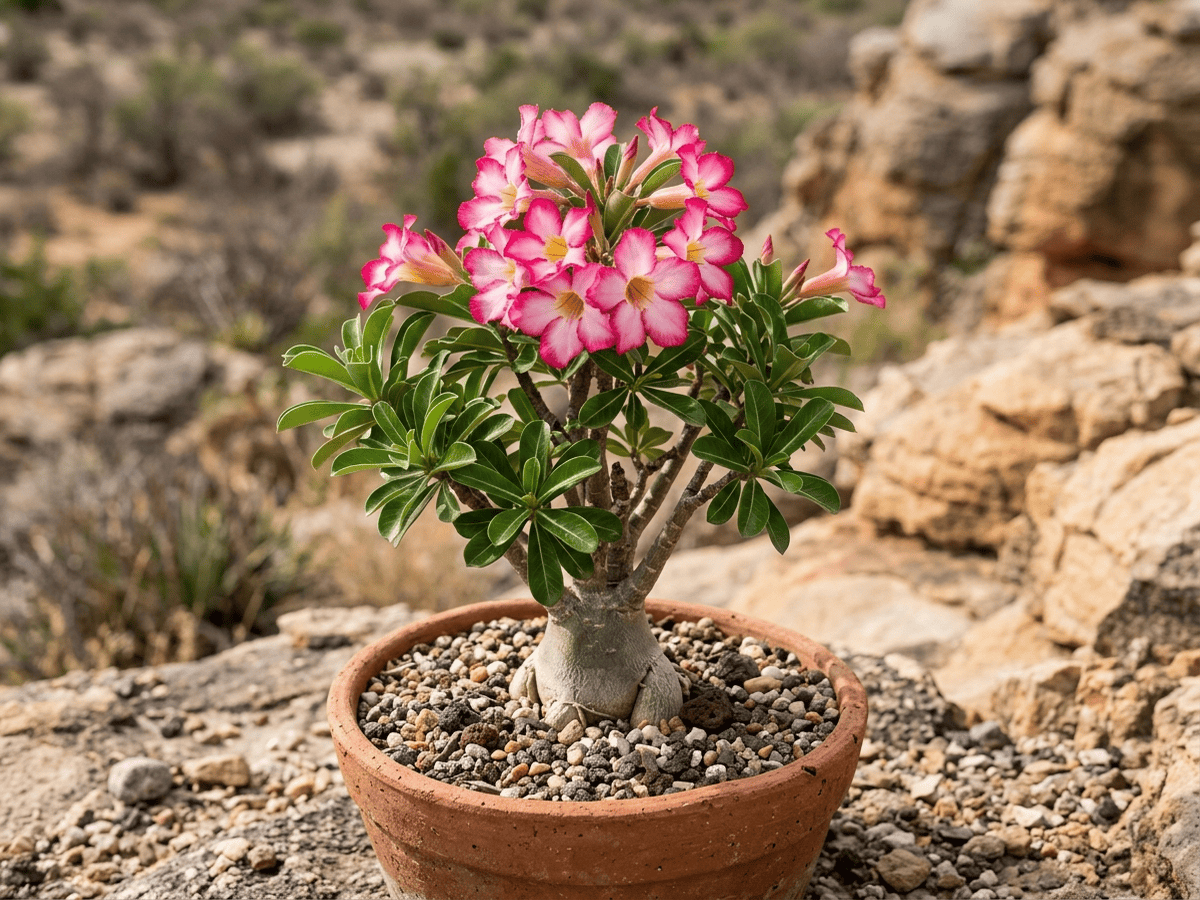 Desert RoseAdenium obesum
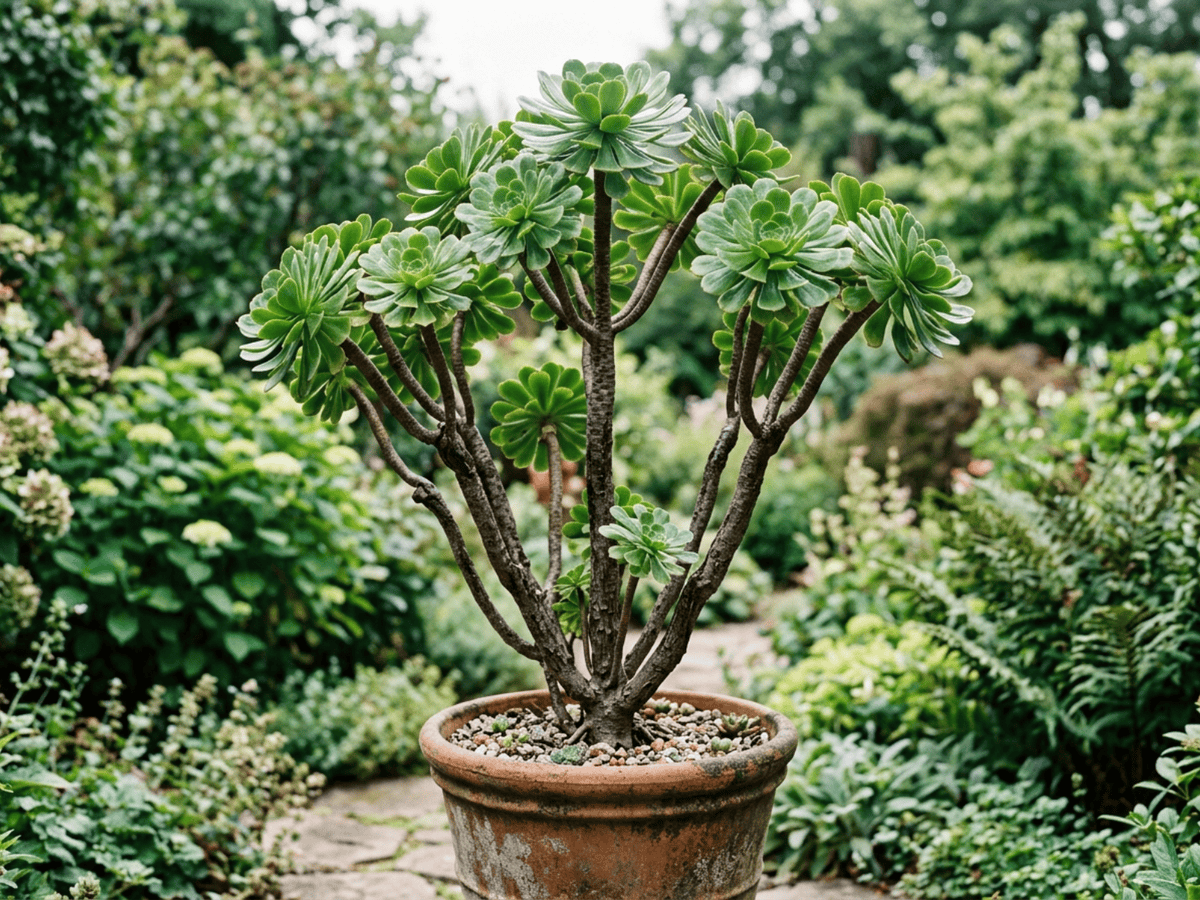 Tree AeoniumAeonium arboreum
 Queen Victoria AgaveAgave victoriae-reginae
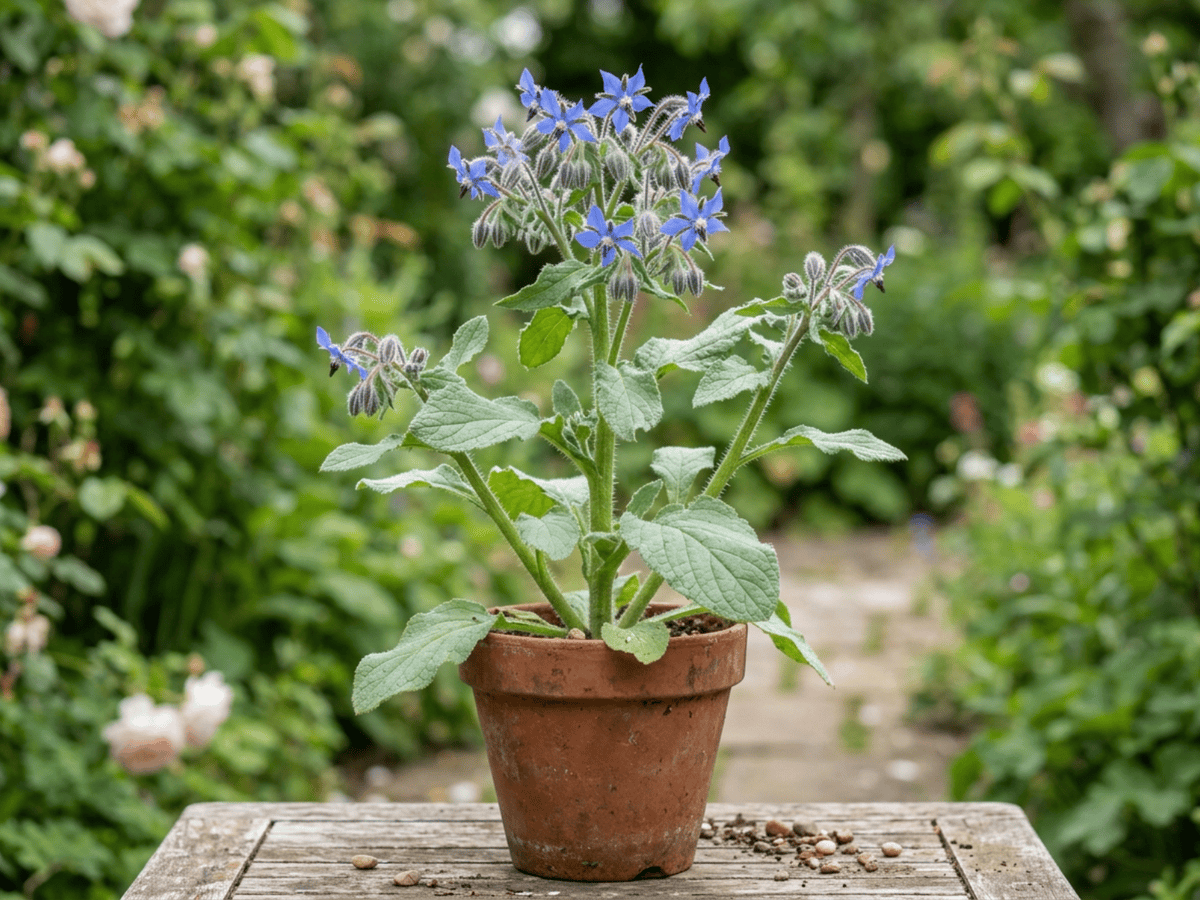 Lemon VerbenaAloysia citriodora
Frequently asked questions
How often should I water Lemon?
In summer, water about every 3 days; in winter, about every 10 days. Adjust for heat, pot size and drainage.
How much light does Lemon need?
Full sun: 6+ hrs direct. Watch the leaves — scorching or stretching means the light needs adjusting.
Is Lemon toxic to cats or dogs?
Pets Slight (Dogs Slight · Cats Slight) Educational information, not medical or veterinary advice. If exposure is suspected, contact a doctor or veterinarian.
Is Lemon easy to grow?
It is moderately demanding: a good choice once you have a little experience.
Can Lemon be grown indoors?
Yes, it adapts well to indoor growing given the right light.
When does Lemon bloom?
It typically blooms Jan–Dec in the Northern Hemisphere.
YardMate
Identify any plant in seconds
Snap a photo — YardMate names the plant, diagnoses problems, and reminds you when to water.
Download on the App Store