 YardMate


Mandarin Orange
Citrus reticulata
Medium · Some experienceAbout Mandarin Orange
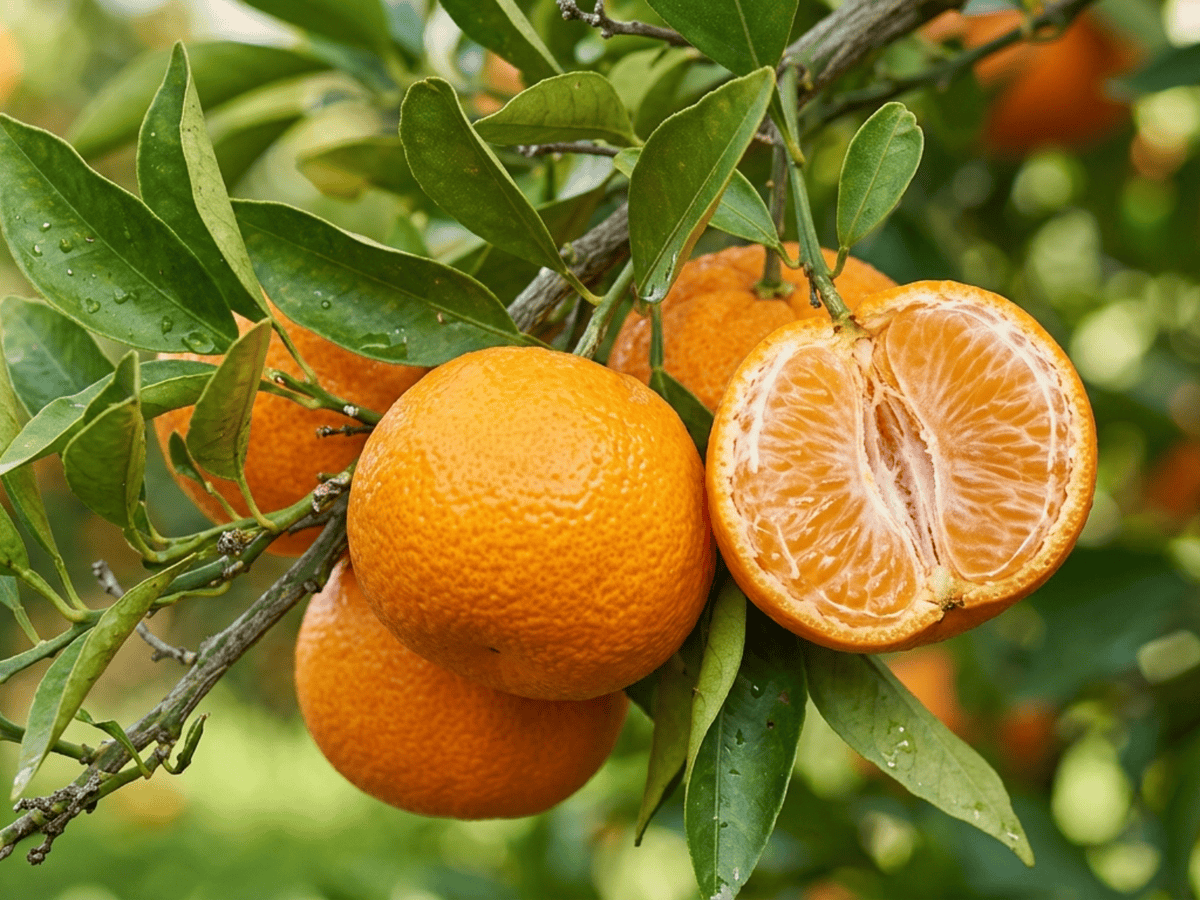
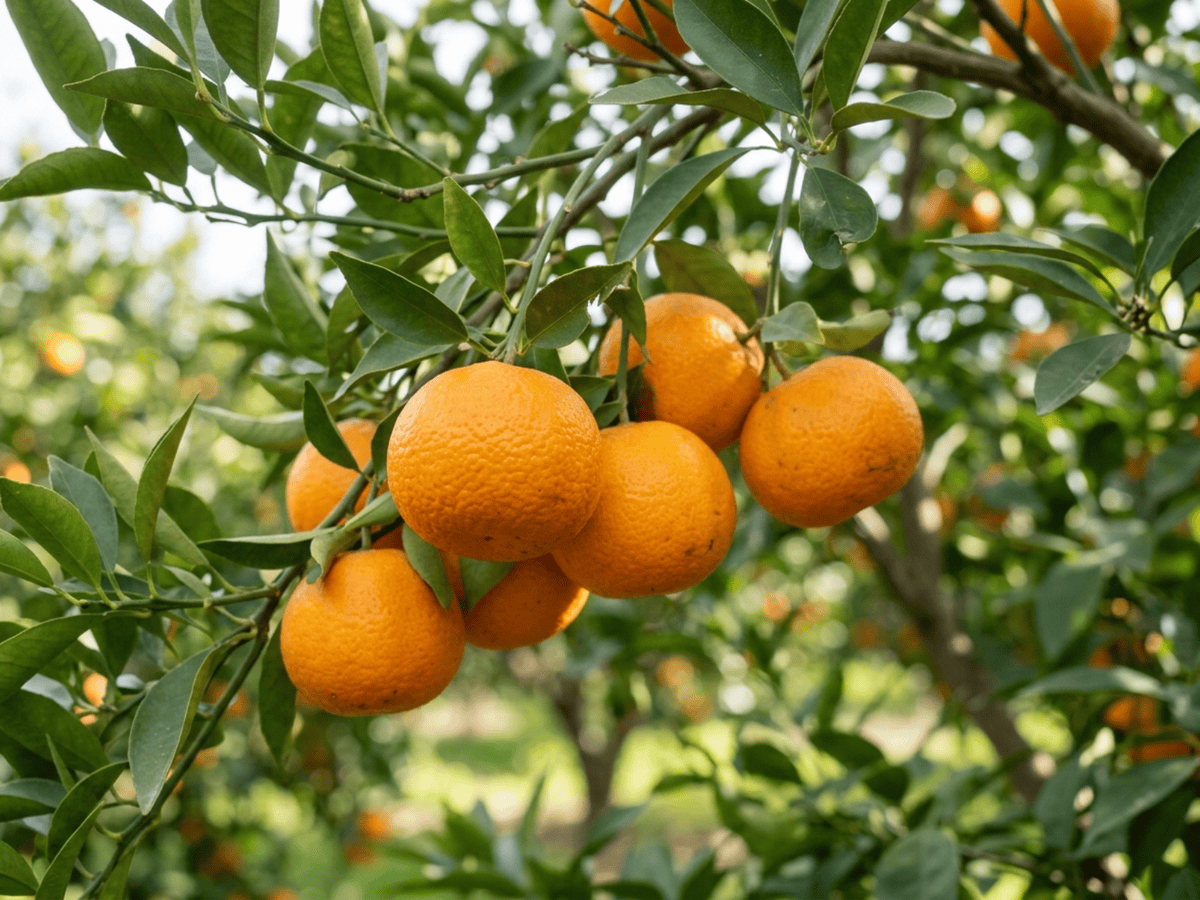
Citrus reticulata, the mandarin orange, is an evergreen tree in the Rutaceae family native to China and Southeast Asia. Smaller than sweet orange trees (3–6 m), mandarins are often the most cold-tolerant citrus, with some varieties handling brief temperatures to -5°C. The fruit is distinguished by its loose, easy-to-peel rind, segmented flesh, and intensely sweet-tart flavour.
Mandarins thrive in USDA zones 8b–11 and are excellent container trees in cooler climates. They prefer full sun, well-drained soil, and regular citrus nutrition. The category includes tangerines, clementines, satsumas, and numerous hybrids like Murcott and Minneola tangelo. Satsuma mandarins (C. unshiu) are the most cold-hardy and popular for home growing.
Mandarins are arguably the world's most snackable fruit—the easy peel and naturally portioned segments make them perfect lunchbox additions. China produces about 60% of the global supply. In Chinese culture, mandarins are deeply symbolic: their name ('jú') sounds like the word for 'luck,' and they are traditionally given and displayed during Chinese New Year. Mandarin peel (chenpi) is used in traditional Chinese medicine and cuisine.
- Edible
- Fragrant
- Evergreen
How to care for Mandarin Orange
Watering
- Springevery 5 days
- Summerevery 4 days
- Fallevery 7 days
- Winterevery 14 days
Soil · Well-draining
- Main mixLoam + bark + perlite 2:1:175%
- DrainageLECA25%
Bark keeps the mix from compacting under a heavy root ball.
FERTILIZER
Balanced Feed 14-14-14
An even feed covers all three needs at once, keeping leaves, roots and blooms moving together with nothing pushed out of balance.
- Nitrogen · Leaves
- Phosphorus · Roots + Blooms
- Potassium · Strength
- Springevery 30 days
- Summerevery 30 days
- Fallevery 45 days
At a Glance
- NativeEast Asia, South Asia
- Height10–20 ft (3–6.1 m)
- Spread8–15 ft (2.4–4.6 m)
- Flower colorWhite
- Foliage colorGreen
- Fruit colorOrange
- SoilLoamy, Well-drained, Acidic
- LocationsYard · Indoor · Balcony
Bloom time
BLOOM CYCLE
Peak bloom
Jun–Aug
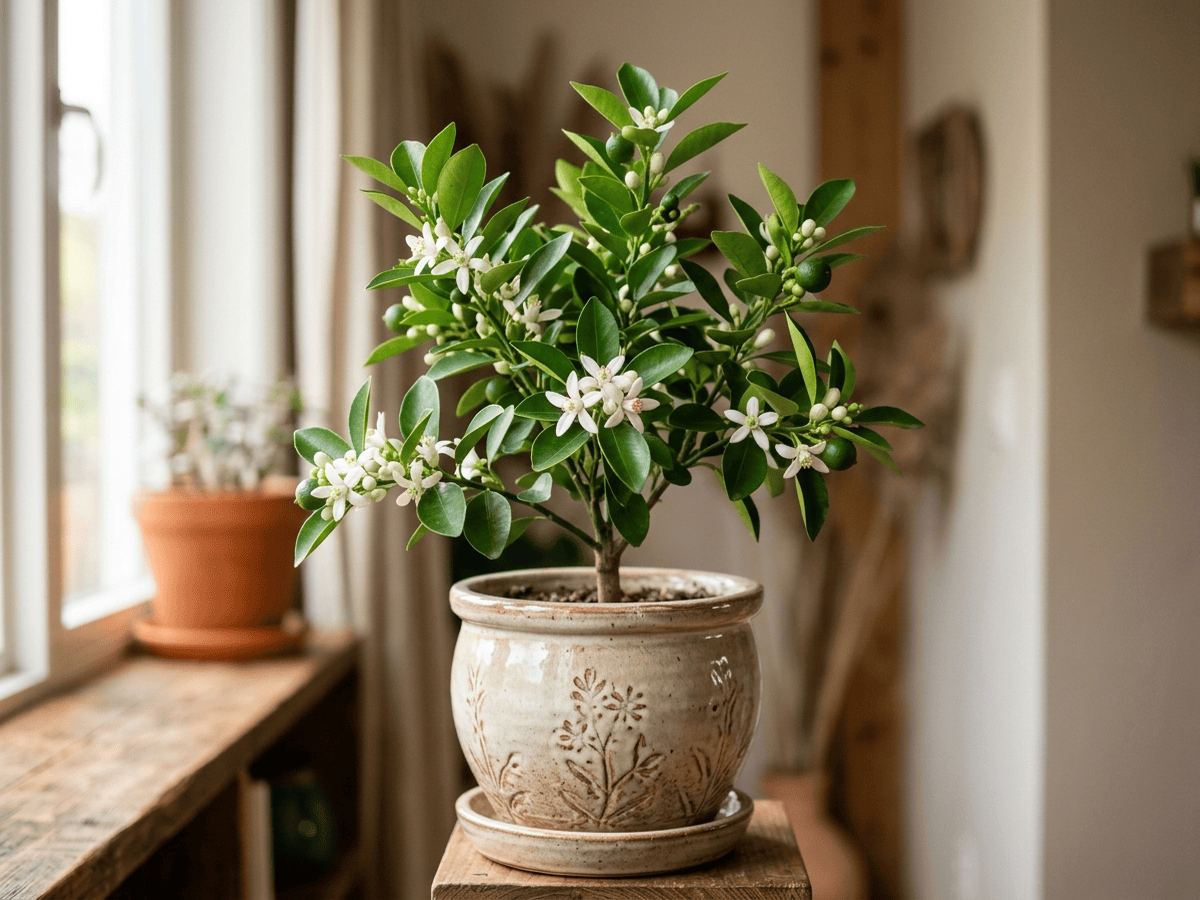
Fragrant white flowers; most are self-fertile. Satsumas are especially reliable producers.
Fragrance
STRONG FRAGRANCE
Orange-blossom flowers; distinctive bright citrus peel aroma.
Toxicity
Pets Slight
limonene
Not reported
EXPOSURE No exposure route is reported.
EFFECT Widely consumed.
NOTE No human toxicity is reported in this catalog; avoid eating ornamental plants unless confirmed edible.
Slight
- Peel
- Leaf
- Ingestion
EXPOSURE Eating peel and leaves.
EFFECT Essential oils in peel may cause GI upset.
NOTE ASPCA lists Citrus as mildly toxic to pets.
Slight
- Peel
- Leaf
- Ingestion
EXPOSURE Eating peel and leaves.
EFFECT Essential oils toxic to cats.
NOTE ASPCA lists Citrus as mildly toxic to pets.
Educational information, not medical or veterinary advice. If exposure is suspected, contact a doctor or veterinarian.
DISTRIBUTION


- Native
- East Asia
- South Asia
History
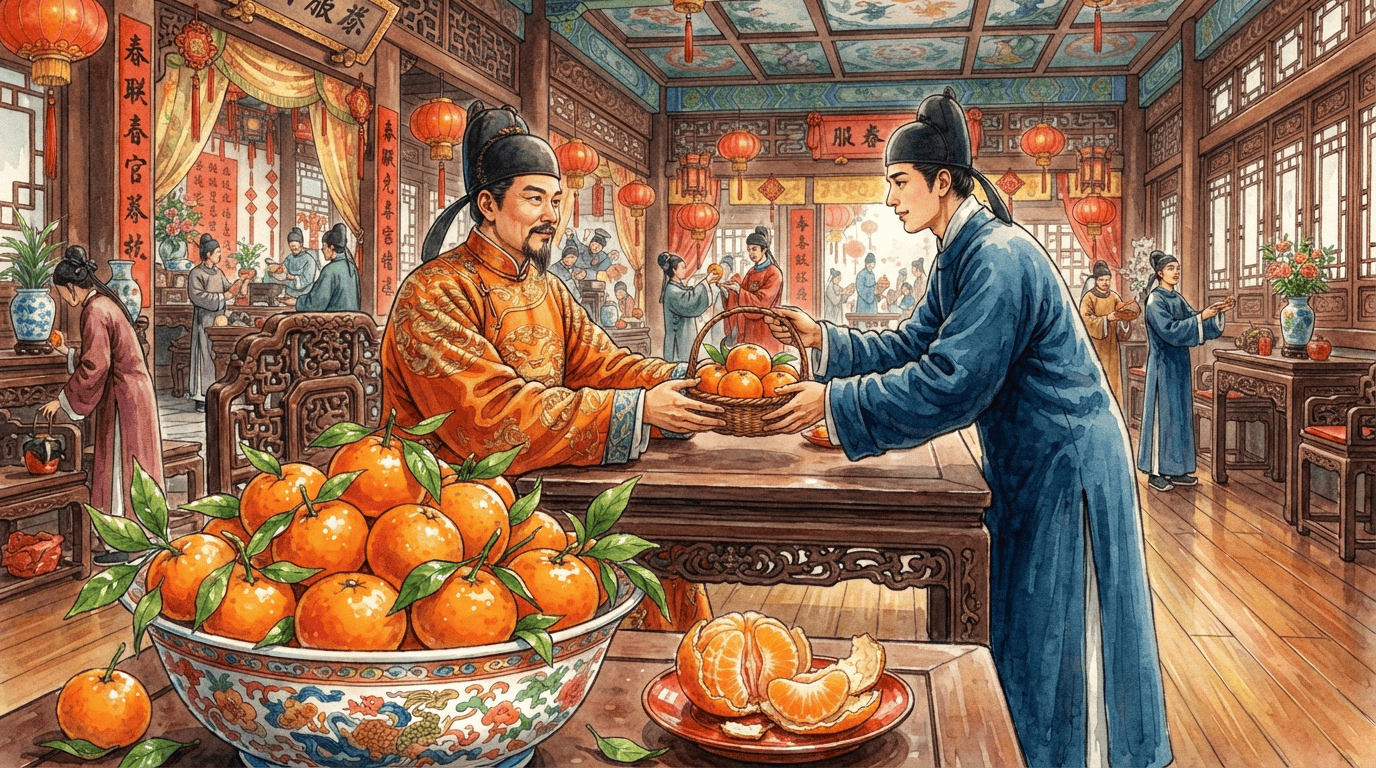
Citrus reticulata is one of the three ancestral citrus species (the others being Citrus maxima, pomelo, and Citrus medica, citron), from which all other cultivated citrus are descended through hybridization. It is native to southern China, northeast India, and Southeast Asia, where it has been cultivated for at least 4,000 years. The name "mandarin" reportedly derives from the orange color of the robes worn by Chinese Mandarin officials under the Ming and Qing dynasties.
Europeans encountered mandarins relatively late; the fruit was introduced to England around 1805 and to the US in the 1840s, via the Italian consul in New Orleans who brought seeds from Italy. The "tangerine" is a commercial name for certain mandarin cultivars exported via Tangier, Morocco, in the 19th century — though technically the term is used for orange-red-skinned reticulatas specifically. The clementine (a mandarin × sweet orange hybrid) was reportedly selected by Brother Clément Rodier in an Algerian orphanage garden around 1902.
Modern production is dominated by China, Spain, Turkey, Morocco, and Egypt, with clementine production centered in Morocco, Spain, and California. Clementines were named after Father Clément Rodier, who discovered them in Algeria around 1902. Mandarin giving during Chinese New Year dates back to the Ming dynasty.
Symbolism & meaning
What It Symbolizes
In Chinese tradition the Mandarin Orange makes visible good fortune, its golden fruit piled high at New Year as a wish for luck, wealth, and prosperity in the year to come. Its intense, easy sweetness gives it a second meaning of accessible pleasure, the simple joys that need no preparation. It is often read as a flower of hopeful beginnings, a fruit that fits in one hand and means abundance for a household.
- Good fortune — In Chinese tradition, mandarins represent luck, wealth, and prosperity — essential at New Year celebrations
- Sweetness — The intensely sweet, easy-to-eat fruit symbolizes life's simple, accessible pleasures
Where the Name Comes From
Citrus from Latin; 'reticulata' means net-like, describing the white pith network under the rind. 'Mandarin' from the Portuguese 'mandarim,' referring to Chinese officials.
Uses & Fun Facts
- Easy-peel fruit eaten fresh, juiced, or made into marmalade
- Dried peel (chen pi) used in traditional Chinese medicine
- Symbolic gift exchanged during Chinese New Year
- Citrus-blossom perfume scents late-winter garden air
Related plants
More Citrus plants

Plants with similar care
 Mexican AbeliaAbelia floribunda
 Fraser FirAbies fraseri
 Paperbark MapleAcer griseum
 Sugar MapleAcer saccharum
Frequently asked questions
How often should I water Mandarin Orange?
In summer, water about every 4 days; in winter, about every 14 days. Adjust for heat, pot size and drainage.
How much light does Mandarin Orange need?
Full sun: 6+ hrs direct. Watch the leaves — scorching or stretching means the light needs adjusting.
Is Mandarin Orange toxic to cats or dogs?
Pets Slight (Dogs Slight · Cats Slight) Educational information, not medical or veterinary advice. If exposure is suspected, contact a doctor or veterinarian.
Is Mandarin Orange easy to grow?
It is moderately demanding: a good choice once you have a little experience.
Can Mandarin Orange be grown indoors?
Yes, it adapts well to indoor growing given the right light.
When does Mandarin Orange bloom?
It typically blooms Jun–Aug in the Northern Hemisphere.
YardMate
Identify any plant in seconds
Snap a photo — YardMate names the plant, diagnoses problems, and reminds you when to water.
Download on the App Store