 YardMate


Sweet Orange
Citrus sinensis
Medium · Some experienceAbout Sweet Orange
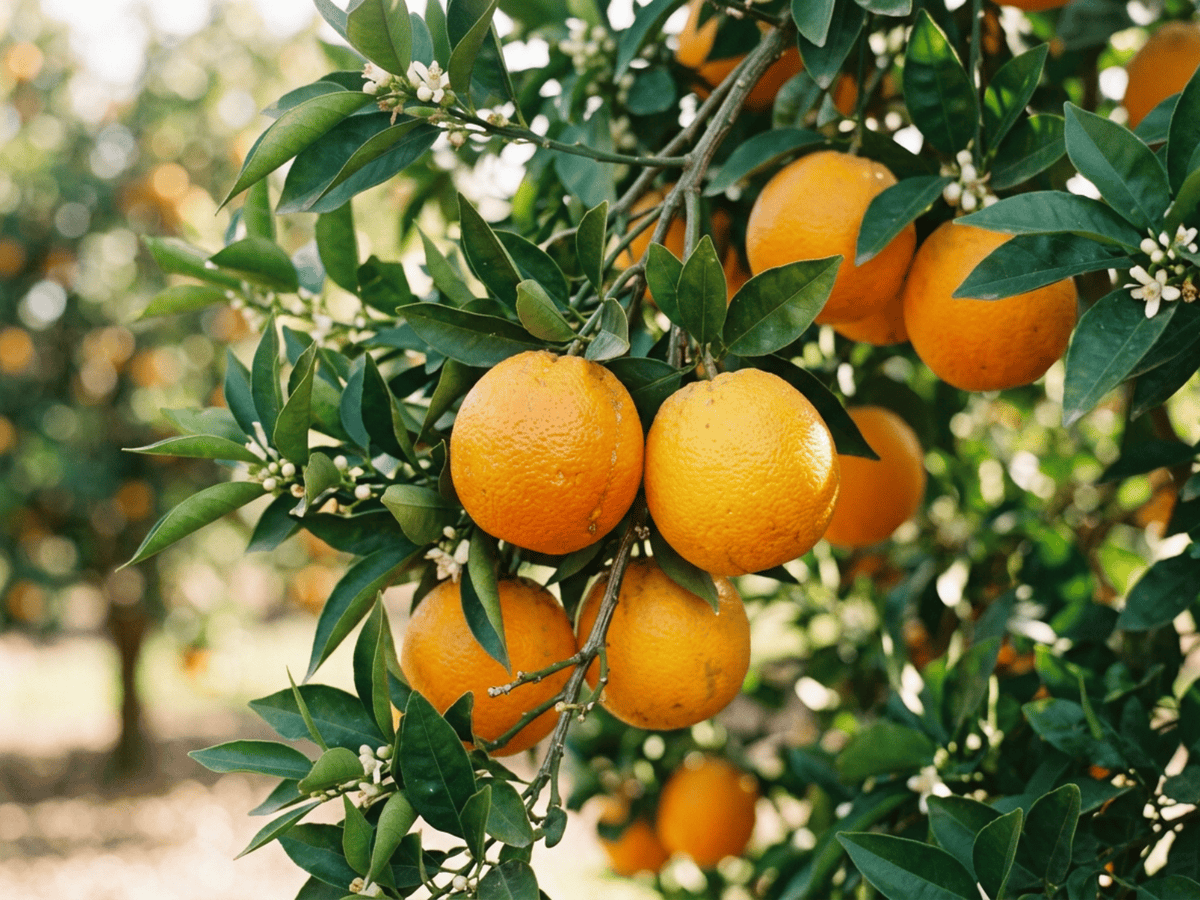
Citrus sinensis, the sweet orange, is an evergreen tree in the Rutaceae family, a hybrid between pomelo (C. maxima) and mandarin (C. reticulata) that originated in China and Southeast Asia. Growing 5–10 m tall with glossy, aromatic evergreen leaves and fragrant white blossoms, the orange tree is one of the world's most beautiful and commercially important fruit trees.
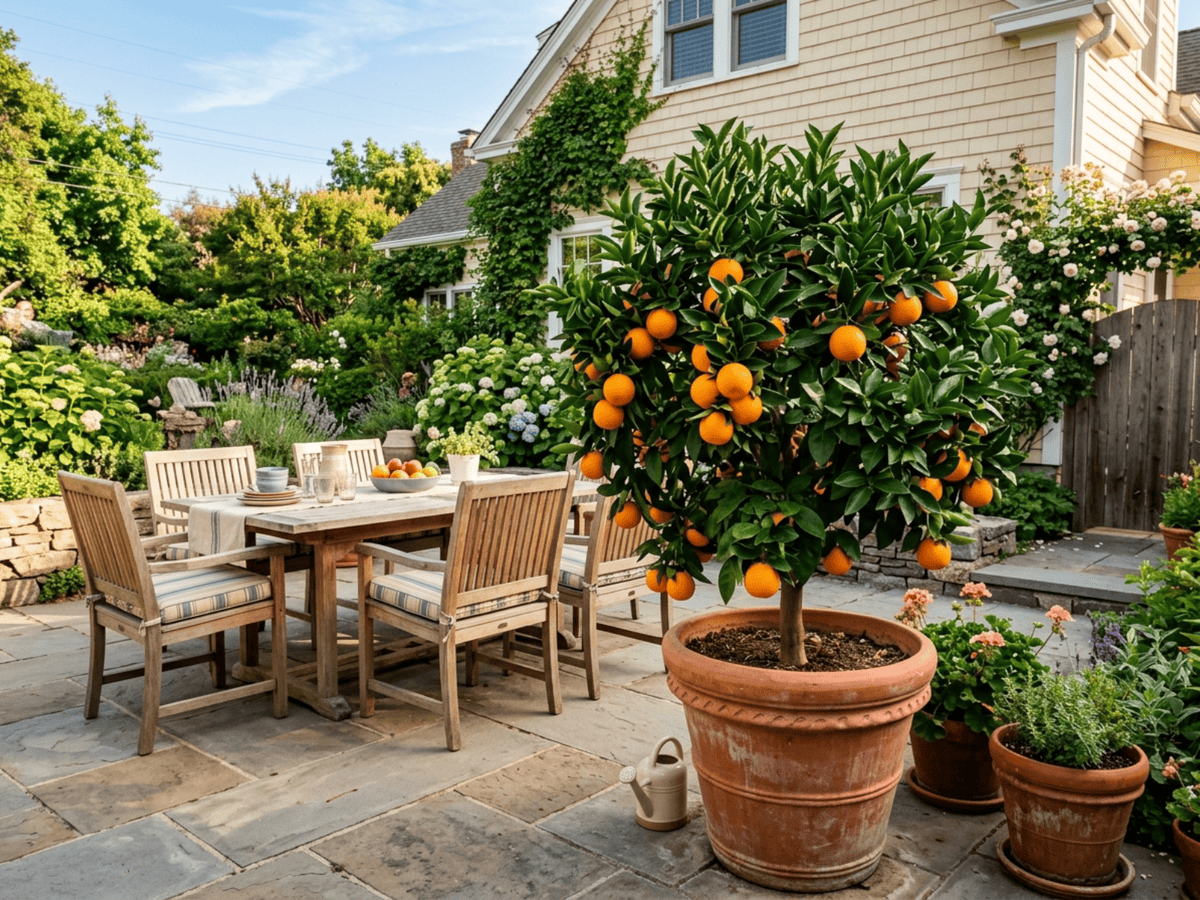
Oranges thrive in USDA zones 9–11 and are sensitive to frost. They require full sun, well-drained soil, and regular watering. In cooler climates, dwarf varieties like 'Trovita' and 'Washington Navel' can be grown in large containers and brought indoors for winter. Navel oranges (seedless, easy-peeling) dominate fresh eating; Valencia oranges are the primary juice variety.
The sweet orange is the world's most traded fruit commodity. Florida and Brazil dominate juice production, while California and Spain lead in fresh eating oranges. Orange juice is the world's most popular fruit juice. The fruit's vitamin C content made it historically critical for preventing scurvy — the British Navy's adoption of citrus juice gave sailors the nickname 'limeys.' Orange blossom water flavours pastries and desserts across the Middle East and Mediterranean.
- Edible
- Fragrant
- Evergreen
How to care for Sweet Orange
Watering
- Springevery 5 days
- Summerevery 4 days
- Fallevery 7 days
- Winterevery 14 days
Soil · Well-draining
- Main mixLoam + bark + perlite 2:1:175%
- DrainageLECA25%
Bark keeps the mix from compacting under a heavy root ball.
FERTILIZER
Balanced Feed 14-14-14
An even feed covers all three needs at once, keeping leaves, roots and blooms moving together with nothing pushed out of balance.
- Nitrogen · Leaves
- Phosphorus · Roots + Blooms
- Potassium · Strength
- Springevery 30 days
- Summerevery 30 days
- Fallevery 45 days
At a Glance
- NativeEast Asia
- Height15–25 ft (4.6–7.6 m)
- Spread10–20 ft (3–6.1 m)
- Flower colorWhite
- Foliage colorGreen
- Fruit colorOrange
- SoilLoamy, Well-drained, Acidic
- LocationsYard · Indoor · Balcony
Bloom time
BLOOM CYCLE
Peak bloom
Jan–Dec
Intensely fragrant white flowers; most varieties are self-fertile. Flowers year-round in tropical climates.
Fragrance
STRONG FRAGRANCE
Intense orange-blossom (neroli) fragrance from flowers; citrus peel oil very aromatic.
Toxicity
Pets Slight
limonene and linalool
Not reported
EXPOSURE No exposure route is reported.
EFFECT Widely consumed and rare bergapten photosensitivity from peel oil.
NOTE No human toxicity is reported in this catalog; avoid eating ornamental plants unless confirmed edible.
Slight
- Peel
- Leaf
- Ingestion
EXPOSURE Eating peel and leaves.
EFFECT Essential oil and peel can cause GI upset (per ASPCA for Citrus).
NOTE ASPCA lists Citrus as mildly toxic to pets due to essential oils in peel; flesh is safe.
Slight
- Peel
- Leaf
- Ingestion
EXPOSURE Eating peel and leaves.
EFFECT Essential oils can be toxic to cats.
NOTE ASPCA lists Citrus as mildly toxic to pets due to essential oils in peel; flesh is safe.
Educational information, not medical or veterinary advice. If exposure is suspected, contact a doctor or veterinarian.
DISTRIBUTION


- Native
- East Asia
History

Citrus sinensis originated as a hybrid cross between pomelo (Citrus maxima) and mandarin (Citrus reticulata) in ancient China, where cultivation records go back over 4,000 years. The bitter orange (Citrus aurantium, also a pomelo-mandarin hybrid) reached Europe earlier, via Arab traders through the Mediterranean around the 10th century CE; "Seville orange" bitter marmalade traditions date to this introduction. The sweet orange arrived in Europe much later, via Portuguese trade with China in the late 15th to 16th century. For this reason, in Greek and several Middle Eastern languages the word for "orange" is still "Portokali" (Greek) or derivatives, reflecting the Portuguese origin of the sweet variety.
The Jewish ritual etrog citron, the bergamot (source of Earl Gray tea's flavoring), and the Seville marmalade orange all remained linked to the earlier citrus introductions. Spanish missionaries carried sweet oranges to the Americas; Brazil is now the world's largest producer, with over one-third of global supply. Florida was historically a major producer but production has declined due to citrus greening disease (huanglongbing) since the early 2000s.
Oranges are the world's most-produced citrus fruit. Sweet oranges originated in China and reached the Mediterranean via Arab traders in the 1st century AD. Portuguese explorers expanded cultivation to the Americas and Africa. The California Gold Rush (1849) led to the planting of the state's first commercial orange groves. Frozen concentrated orange juice, invented in 1945, transformed the Florida economy.
Symbolism & meaning
What It Symbolizes
The sweet orange expresses joy — its bright color, sweet flavor, and vitamin richness have long stood for happiness and vitality across many cultures. In Chinese tradition, oranges given at Lunar New Year represent gold and prosperity, their round shape and golden skin echoing coins of good fortune. A fruit that fills both fruit bowls and red envelopes with warmth.
- Joy — The bright color, sweet flavor, and vitamin richness of oranges symbolize happiness and vitality
- Prosperity — In Chinese tradition, oranges given at New Year represent gold and good fortune
Where the Name Comes From
Citrus from Latin (possibly from Greek 'kedros' or a Semitic root); 'sinensis' means of China, acknowledging its origin. 'Orange' ultimately from Sanskrit 'naranga.'
Uses & Fun Facts
- Sweet oranges eaten fresh or juiced for breakfast
- White blossoms yield neroli oil prized in perfumery
- Glossy evergreen tree with fragrant flowers and bright fruit
- Dwarf forms grown in patio pots in cooler regions
Related plants
More Citrus plants
 LemonCitrus limon
 Mandarin OrangeCitrus reticulata
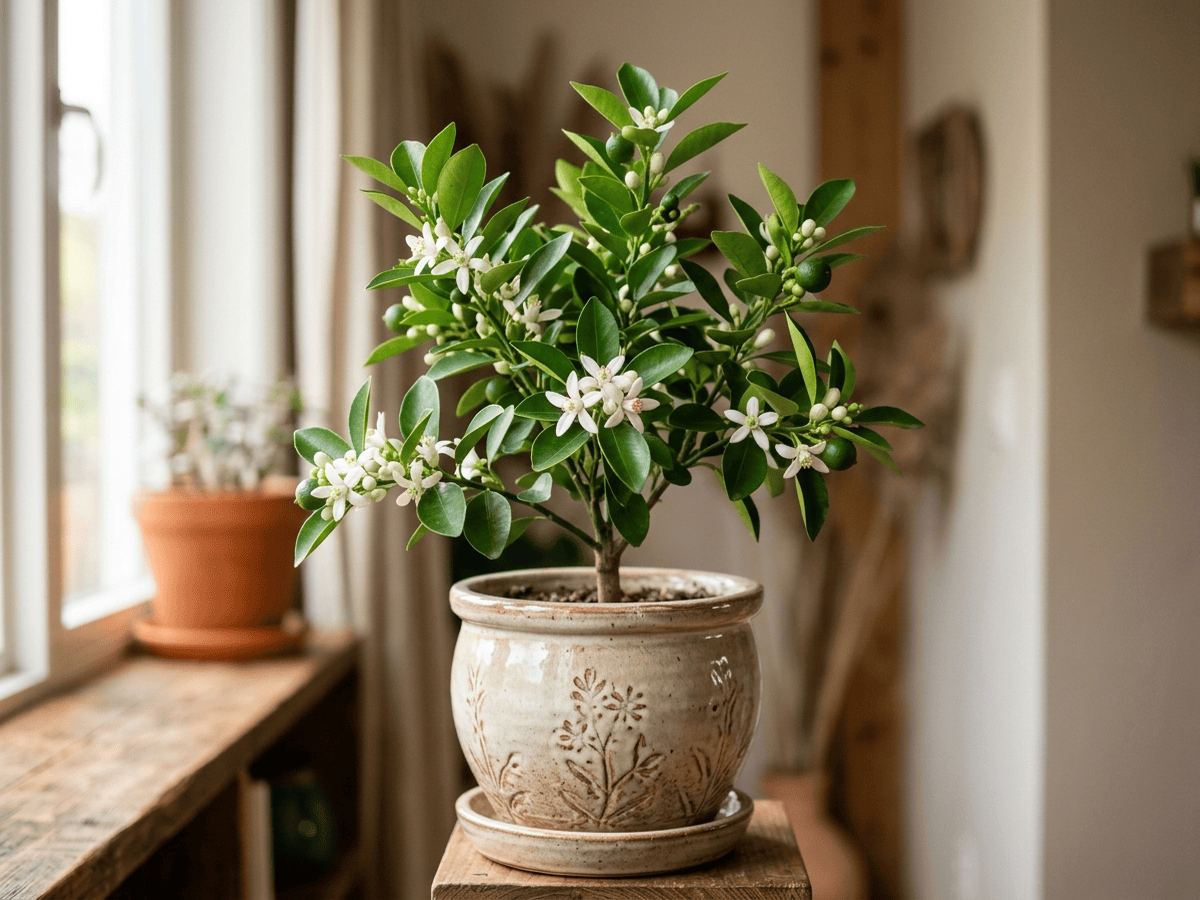 CalamansiCitrus x microcarpa
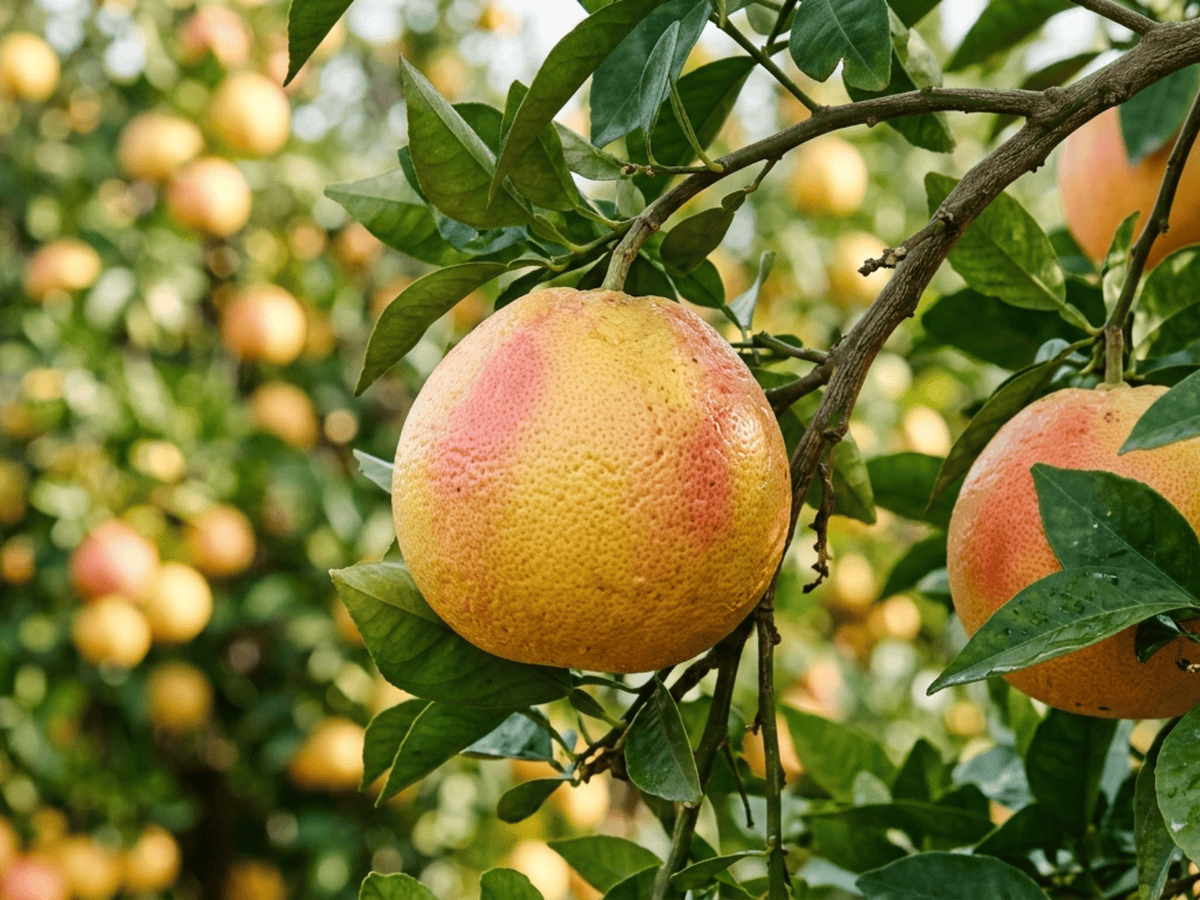 GrapefruitCitrus x paradisi
Plants with similar care
 Mexican AbeliaAbelia floribunda
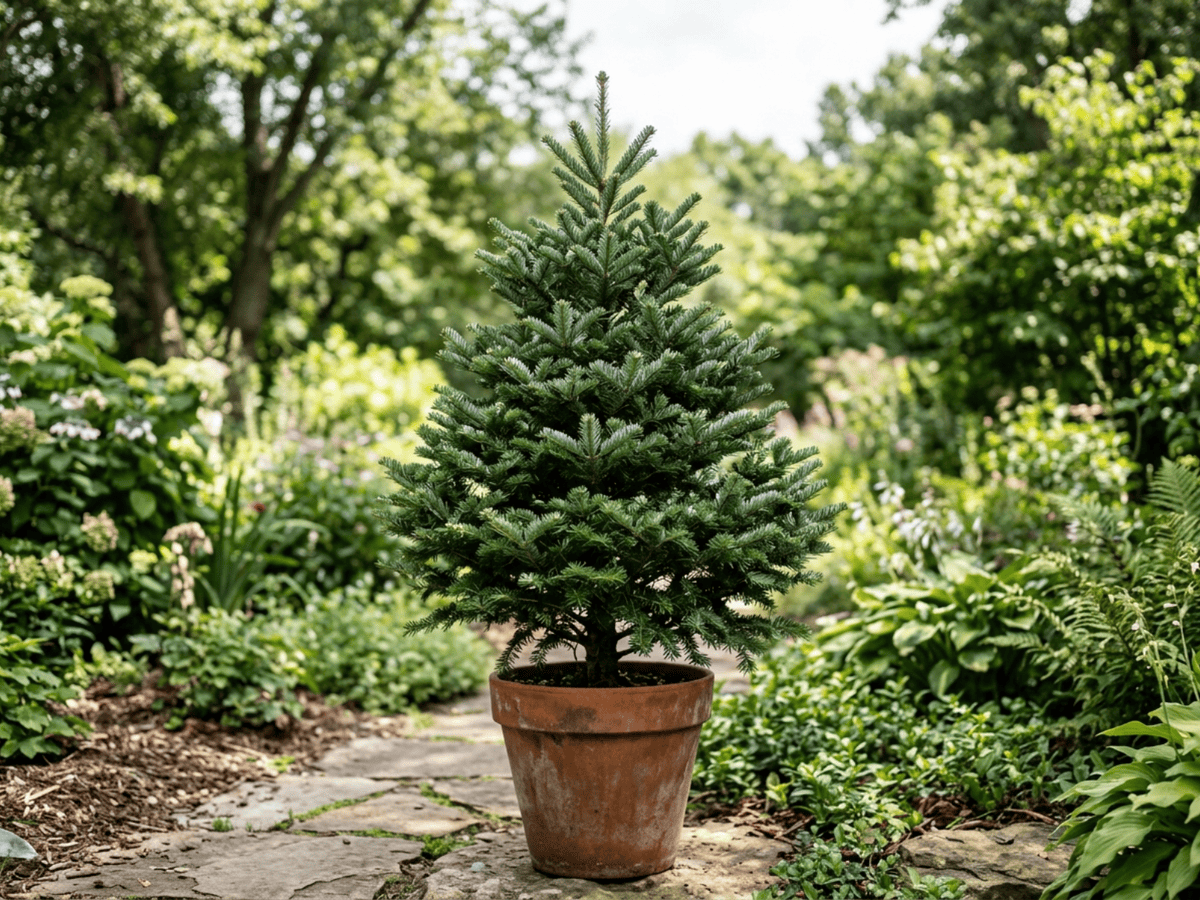 Fraser FirAbies fraseri
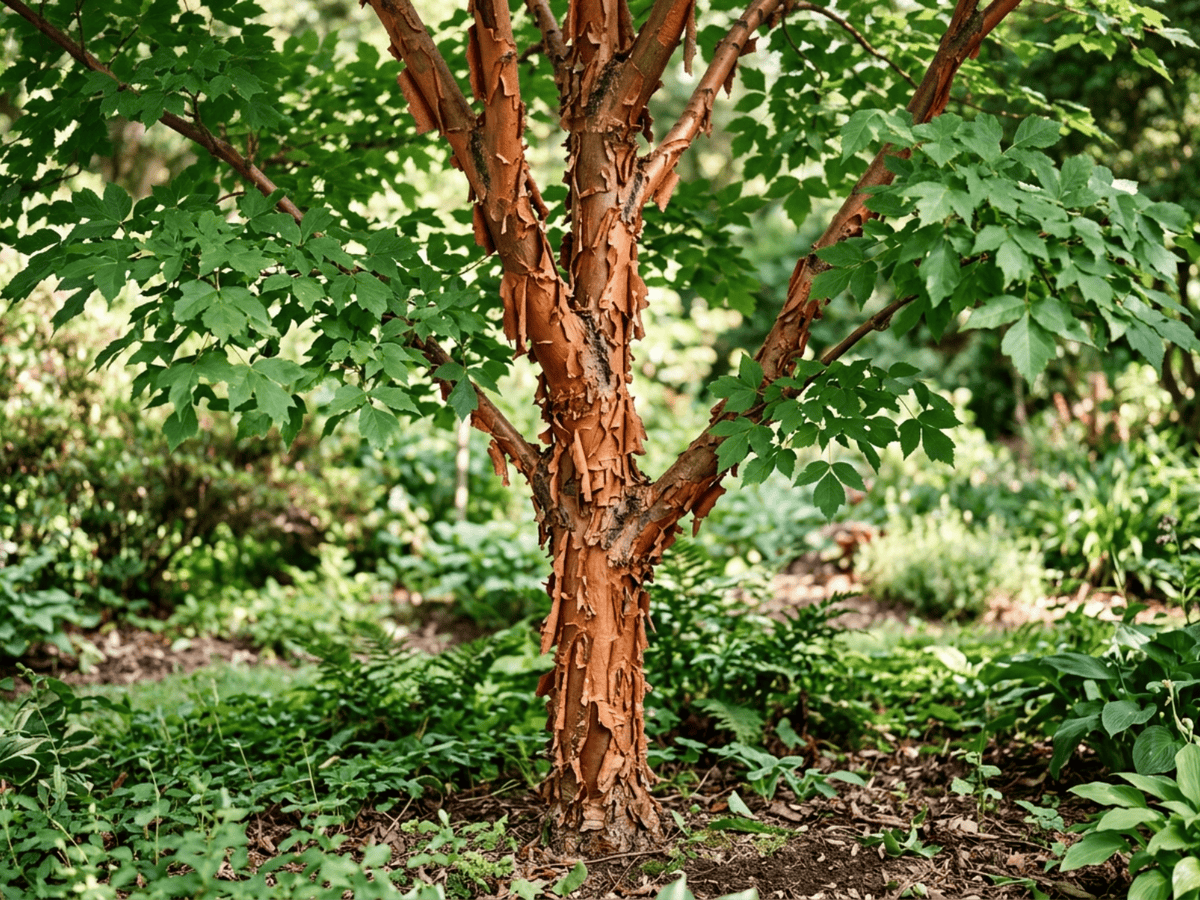 Paperbark MapleAcer griseum
 Sugar MapleAcer saccharum
Frequently asked questions
How often should I water Sweet Orange?
In summer, water about every 4 days; in winter, about every 14 days. Adjust for heat, pot size and drainage.
How much light does Sweet Orange need?
Full sun: 6+ hrs direct. Watch the leaves — scorching or stretching means the light needs adjusting.
Is Sweet Orange toxic to cats or dogs?
Pets Slight (Dogs Slight · Cats Slight) Educational information, not medical or veterinary advice. If exposure is suspected, contact a doctor or veterinarian.
Is Sweet Orange easy to grow?
It is moderately demanding: a good choice once you have a little experience.
Can Sweet Orange be grown indoors?
Yes, it adapts well to indoor growing given the right light.
When does Sweet Orange bloom?
It typically blooms Jan–Dec in the Northern Hemisphere.
YardMate
Identify any plant in seconds
Snap a photo — YardMate names the plant, diagnoses problems, and reminds you when to water.
Download on the App Store