 YardMate
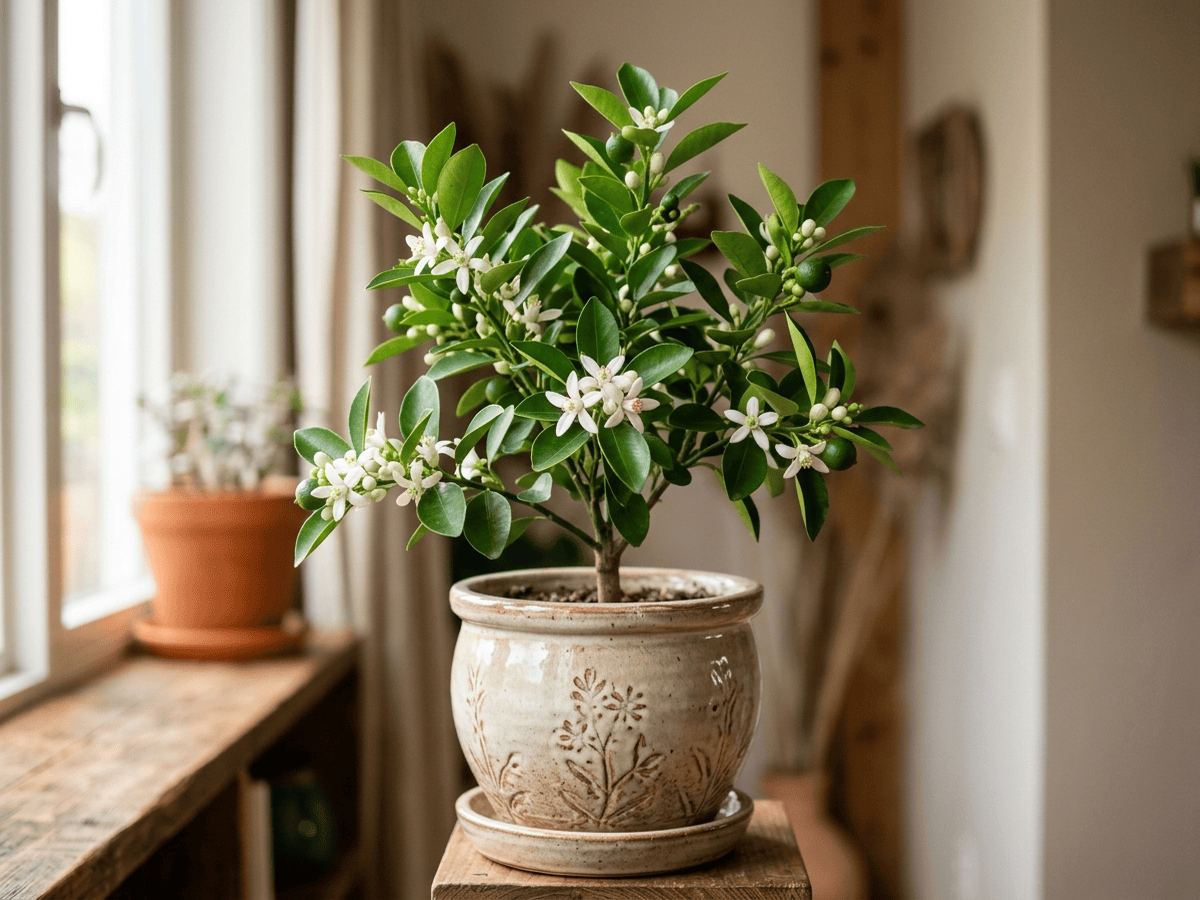


Calamansi
Citrus x microcarpa
Medium · Some experienceAbout Calamansi
Citrus x microcarpa, the calamansi or miniature orange, is a charming compact citrus tree producing marble-sized orange fruits that taste like a cross between lime and mandarin. A hybrid of kumquat and mandarin, it is the most popular citrus in the Philippines and throughout Southeast Asia. As a houseplant, it stays compact, flowers abundantly with intensely fragrant blossoms, and produces decorative fruit almost year-round. The small, sour fruits are excellent for cooking, drinks, and dipping sauces. It is more cold-tolerant and adaptable than most citrus.
- Edible
- Fragrant
- Compact
How to care for Calamansi
Watering
- Springevery 5 days
- Summerevery 3 days
- Fallevery 7 days
- Winterevery 10 days
Soil · Rich & well-draining
- Top dressingCompost10%
- Main mixPotting soil + compost 3:180%
- DrainageGravel10%
Top up the compost layer each season.
FERTILIZER
Balanced Feed 14-14-14
An even feed covers all three needs at once, keeping leaves, roots and blooms moving together with nothing pushed out of balance.
- Nitrogen · Leaves
- Phosphorus · Roots + Blooms
- Potassium · Strength
- Springevery 21 days
- Summerevery 30 days
- Fallevery 45 days
At a Glance
- NativeEast Asia
- Height3–6 ft (0.9–1.8 m)
- Spread2–3 ft (0.6–0.9 m)
- Flower colorWhite
- Foliage colorGreen
- Fruit colorOrange
- SoilAcidic, Well-drained, Loamy
- LocationsIndoor · Balcony
Bloom time
BLOOM CYCLE
Peak bloom
Jan–Dec
Small fragrant white flowers; fruiting year-round
Fragrance
STRONG FRAGRANCE
Sweet citrus-blossom fragrance; ripe fruit is highly aromatic.
Toxicity
Pets Slight
limonene, linalool, and psoralens
Not reported
EXPOSURE No exposure route is reported.
EFFECT Fruit safe and widely eaten.
NOTE No toxicity is reported for humans in this catalog; this is not evidence that the plant is edible or harmless.
Slight
- Leaf
- Fruit
- Ingestion
- Contact
EXPOSURE Eating leaves and fruit. Touching leaves and fruit.
EFFECT Vomiting, diarrhea, depression, dermatitis from peel oils and per Citrus genus ASPCA listing.
NOTE Same profile as other Citrus species.
Slight
- Leaf
- Fruit
- Ingestion
- Contact
EXPOSURE Eating leaves and fruit. Touching leaves and fruit.
EFFECT Vomiting, diarrhea, depression, dermatitis from peel oils and per Citrus genus ASPCA listing.
NOTE Same profile as other Citrus species.
Educational information, not medical or veterinary advice. If exposure is suspected, contact a doctor or veterinarian.
DISTRIBUTION


- Native
- East Asia
History
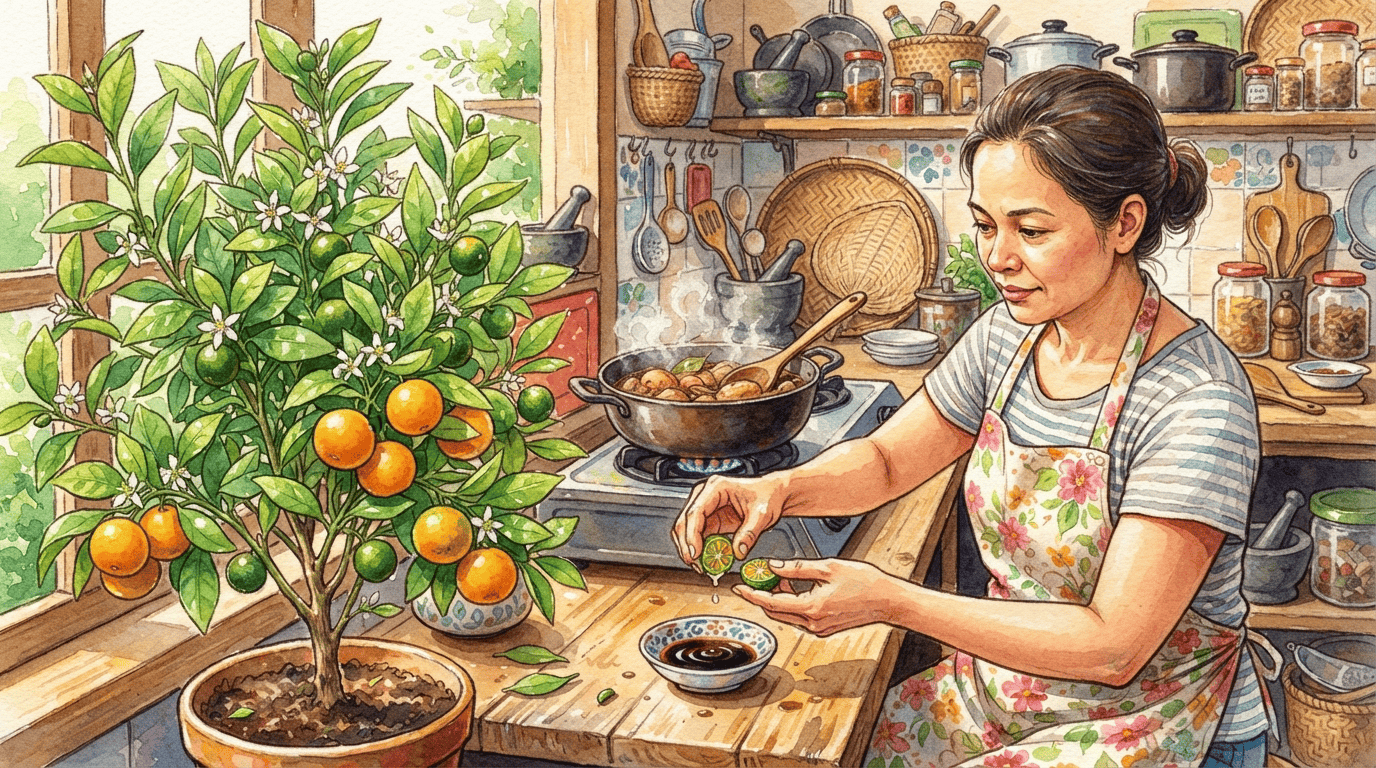
Citrus × microcarpa is a natural hybrid of the kumquat (Citrus japonica) and the mandarin orange (Citrus reticulata), most likely originating in southern China and brought to the Philippines in prehistory. Under the Tagalog name calamansi, it is one of the most important Filipino cooking citrus fruits, used to flavor adobo, sinigang, and the ubiquitous soy-calamansi dipping sauce. It reached Western horticulture via Florida in 1900, where it was marketed as a decorative potted citrus thanks to its willingness to flower and fruit heavily at modest size indoors.
The brightly colored fruits remain on the plant for months, and a single small shrub can carry flowers, green fruit, and ripe orange fruit simultaneously — the reason for its popularity as an indoor tree. Mildly toxic to pets like other citrus. Calamansi is deeply woven into Filipino culture — virtually every household in the Philippines has a calamansi tree, and its juice is used in everything from pancit to sinigang to sawsawan dipping sauce.
The fruit is so essential that shortages make national news. In the global houseplant market, it is sold as the 'miniature orange tree' — its prolific fruiting and compact size make it the most rewarding indoor citrus for beginners. The juice is also used as a natural bleaching agent for skin care in Southeast Asia.
Symbolism & meaning
What It Symbolizes
Calamansi is the citrus of Filipino hospitality, central to home cooking, welcome drinks, and the warm gesture of sharing food. Its small green fruits are squeezed over noodles, fish, and soups, threading hospitality through everyday meals. To grow a calamansi tree in a sunny corner is to keep a portable piece of that generous welcome — a fragrance that always says, come in, sit down, eat.
- Hospitality — Central to Filipino cuisine and home life, representing warmth and generous welcome
Where the Name Comes From
Citrus from Latin/Greek. Microcarpa means 'small-fruited' from Greek 'mikros' (small) and 'karpos' (fruit).
Uses & Fun Facts
- Tart small fruits used in Filipino cuisine and drinks
- White citrus blossoms perfume patios and conservatories
- Compact citrus thrives in patio pots and indoor sunrooms
Related plants
More Citrus plants
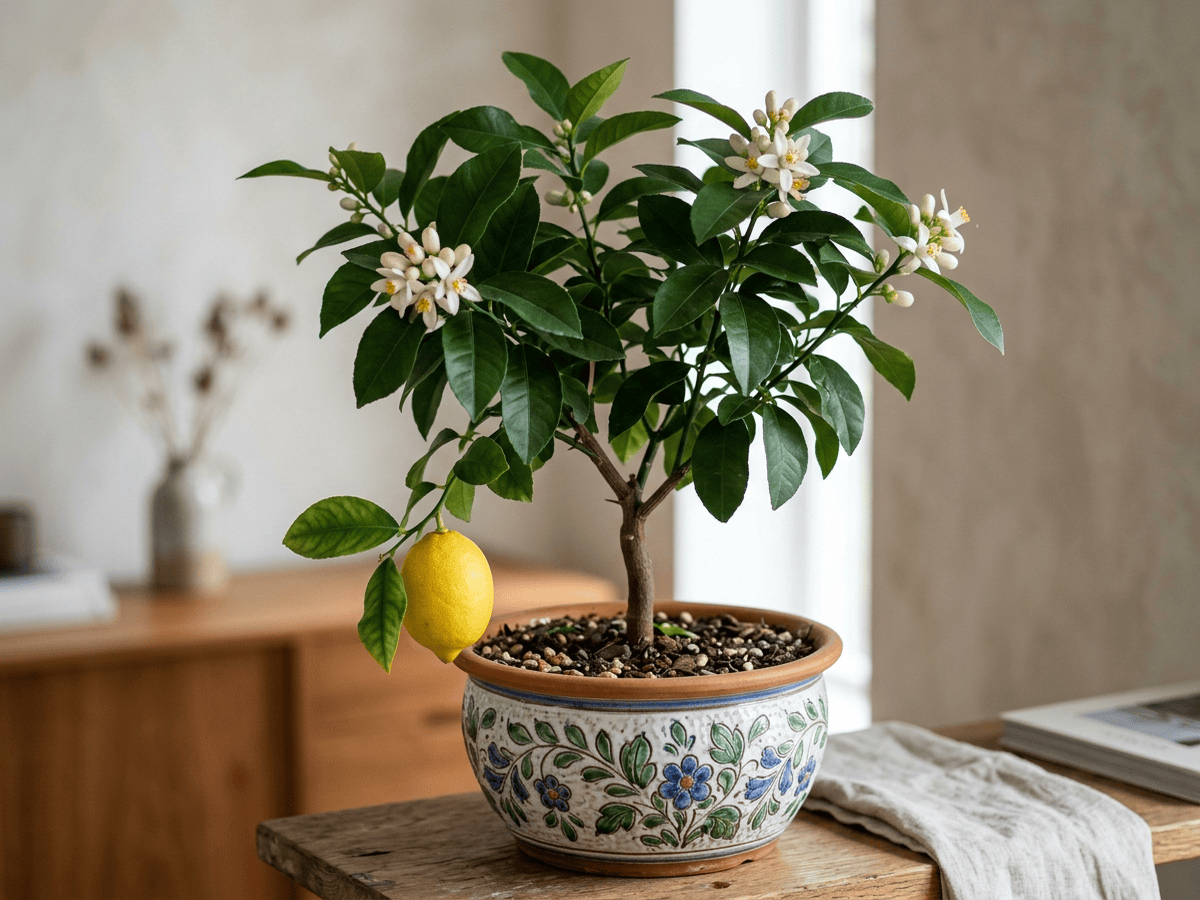 LemonCitrus limon
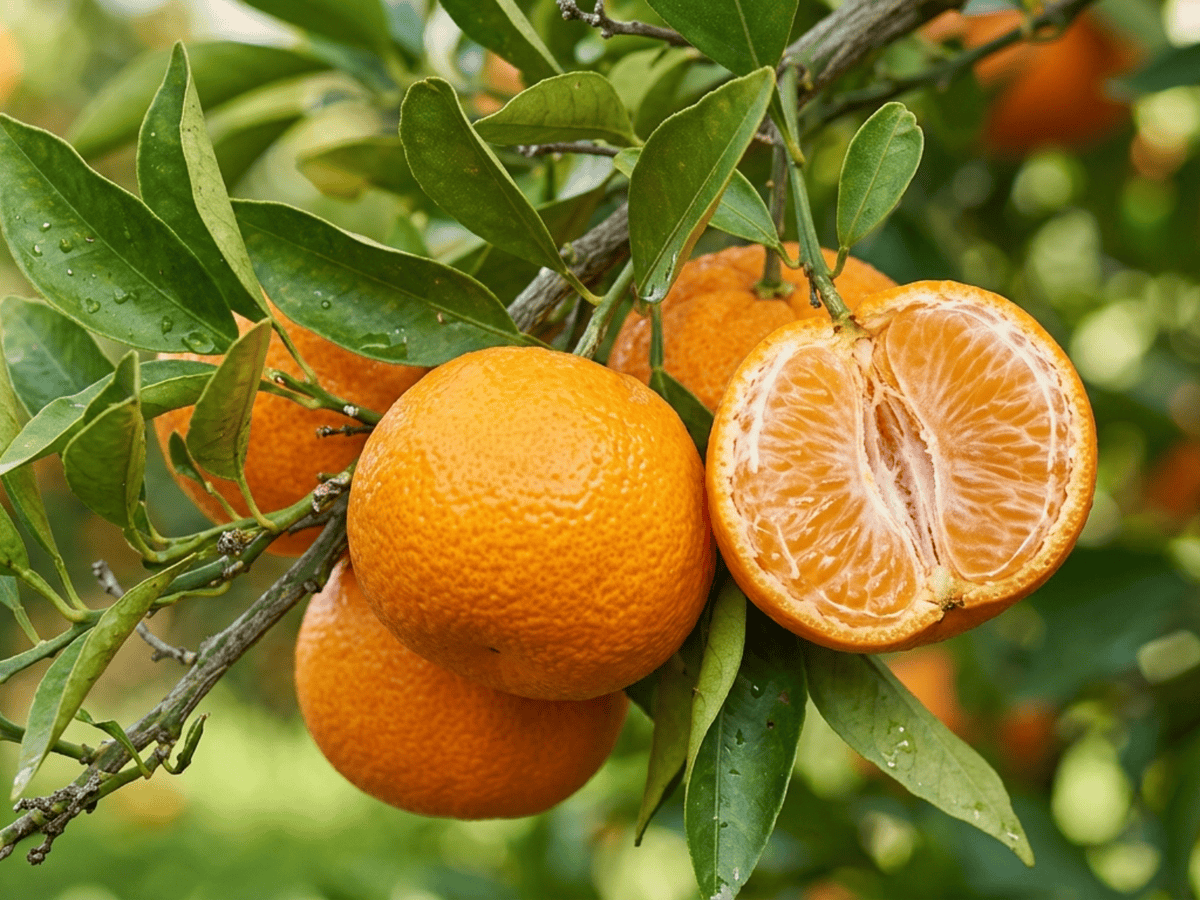 Mandarin OrangeCitrus reticulata
 Sweet OrangeCitrus sinensis
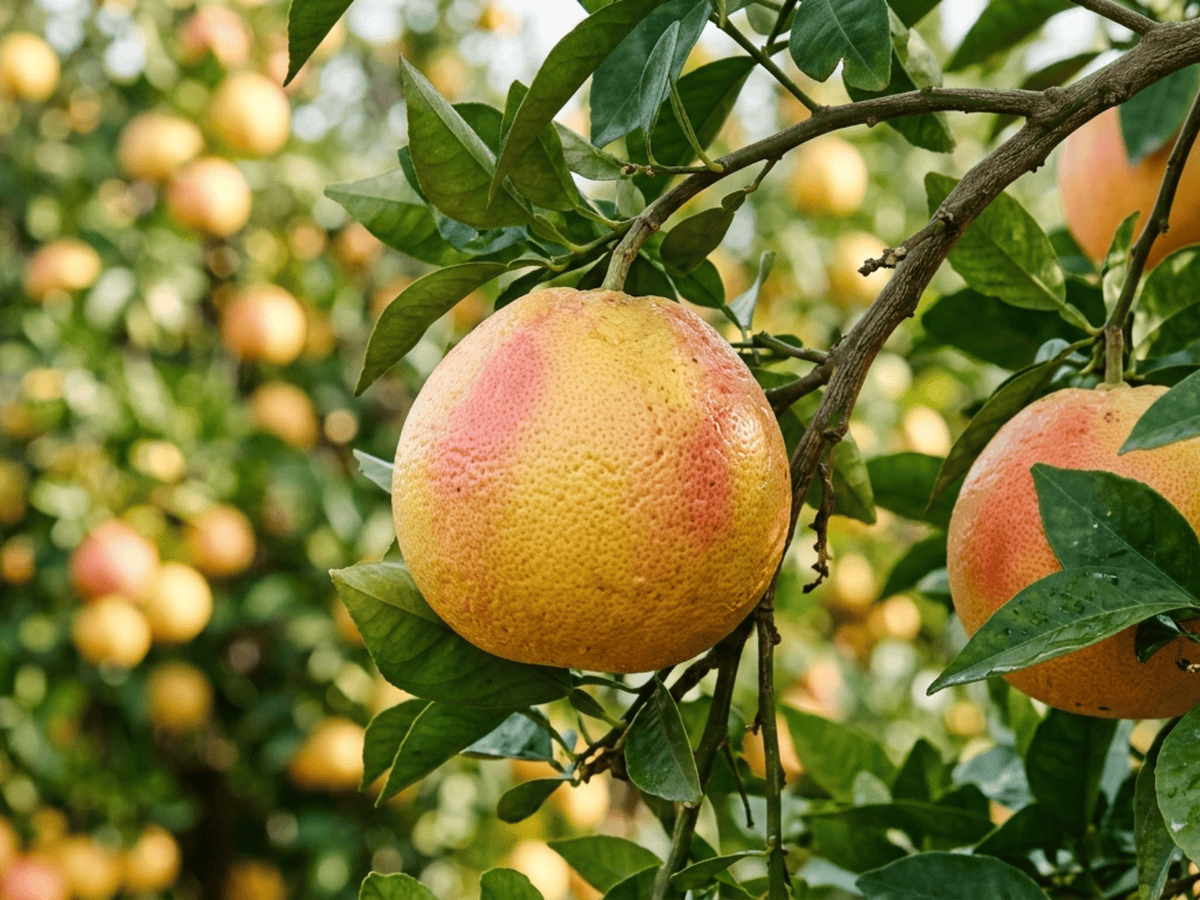 GrapefruitCitrus x paradisi
Plants with similar care
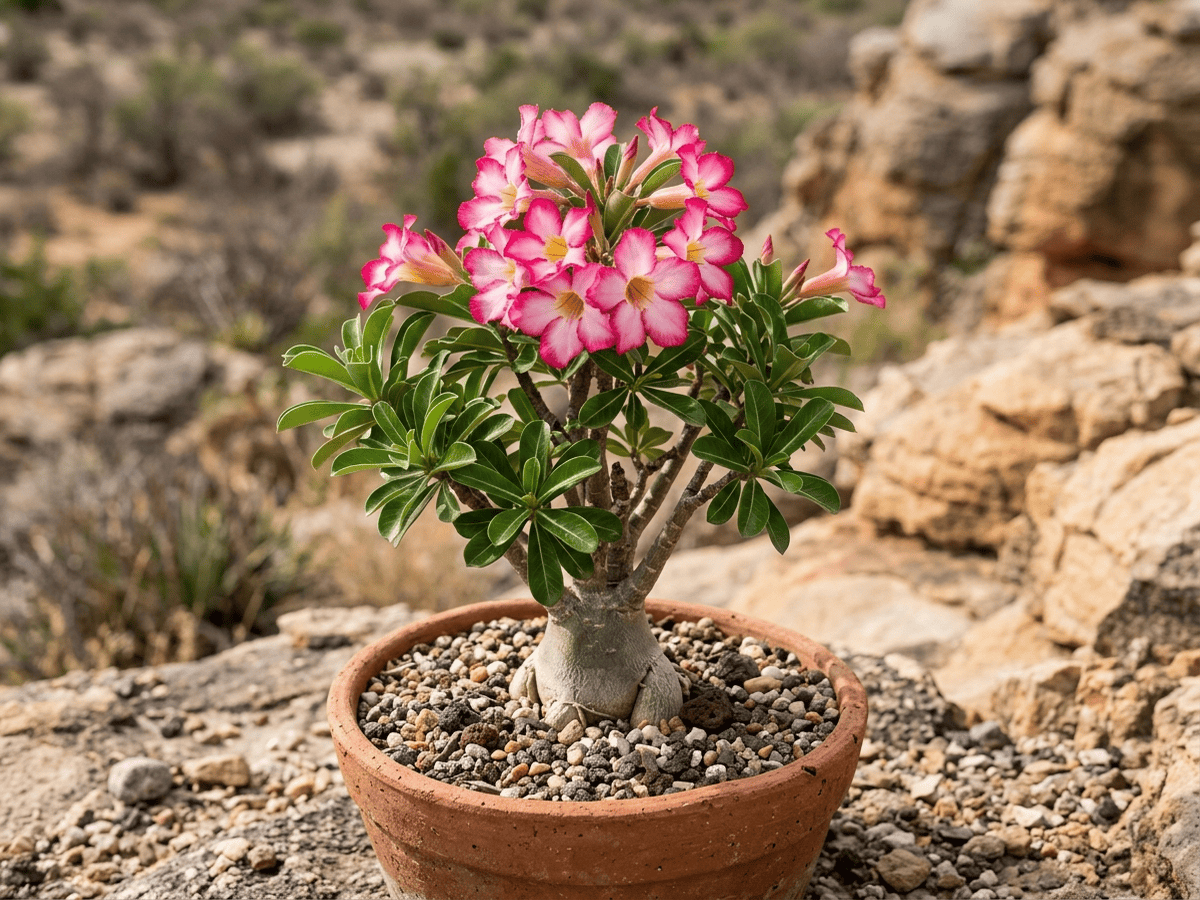 Desert RoseAdenium obesum
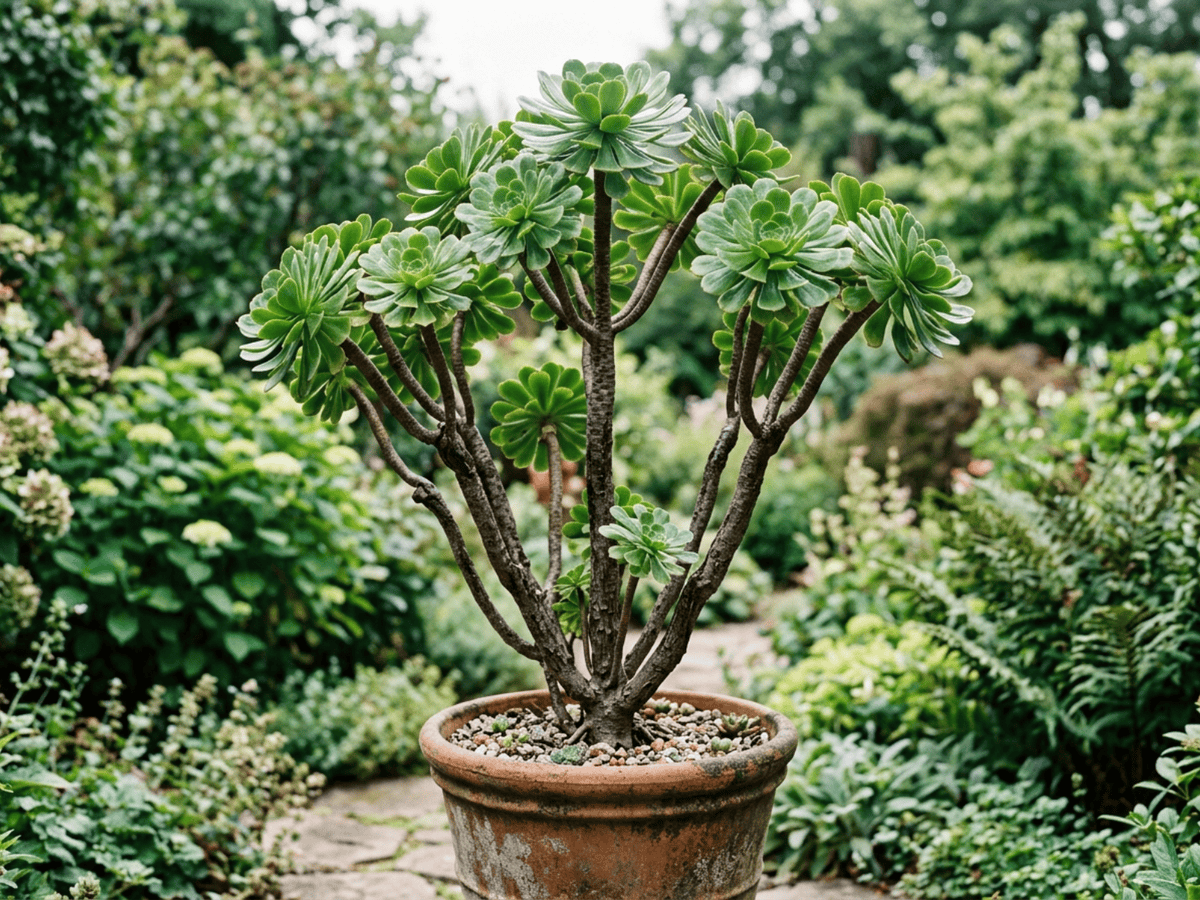 Tree AeoniumAeonium arboreum
 Queen Victoria AgaveAgave victoriae-reginae
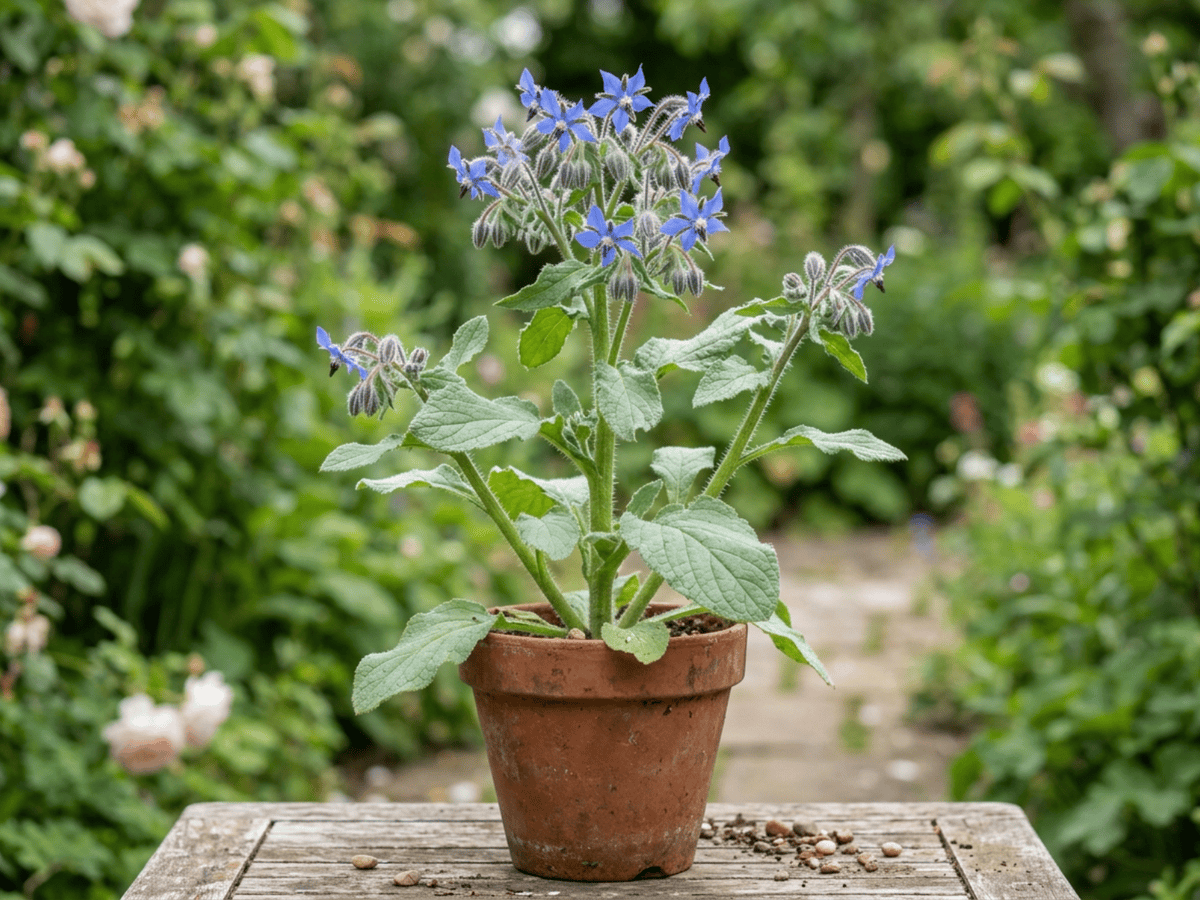 Lemon VerbenaAloysia citriodora
Frequently asked questions
How often should I water Calamansi?
In summer, water about every 3 days; in winter, about every 10 days. Adjust for heat, pot size and drainage.
How much light does Calamansi need?
Full sun: 6+ hrs direct. Watch the leaves — scorching or stretching means the light needs adjusting.
Is Calamansi toxic to cats or dogs?
Pets Slight (Dogs Slight · Cats Slight) Educational information, not medical or veterinary advice. If exposure is suspected, contact a doctor or veterinarian.
Is Calamansi easy to grow?
It is moderately demanding: a good choice once you have a little experience.
Can Calamansi be grown indoors?
Yes, it adapts well to indoor growing given the right light.
When does Calamansi bloom?
It typically blooms Jan–Dec in the Northern Hemisphere.
YardMate
Identify any plant in seconds
Snap a photo — YardMate names the plant, diagnoses problems, and reminds you when to water.
Download on the App Store