 YardMate


Grapefruit
Citrus x paradisi
Medium · Some experienceAbout Grapefruit
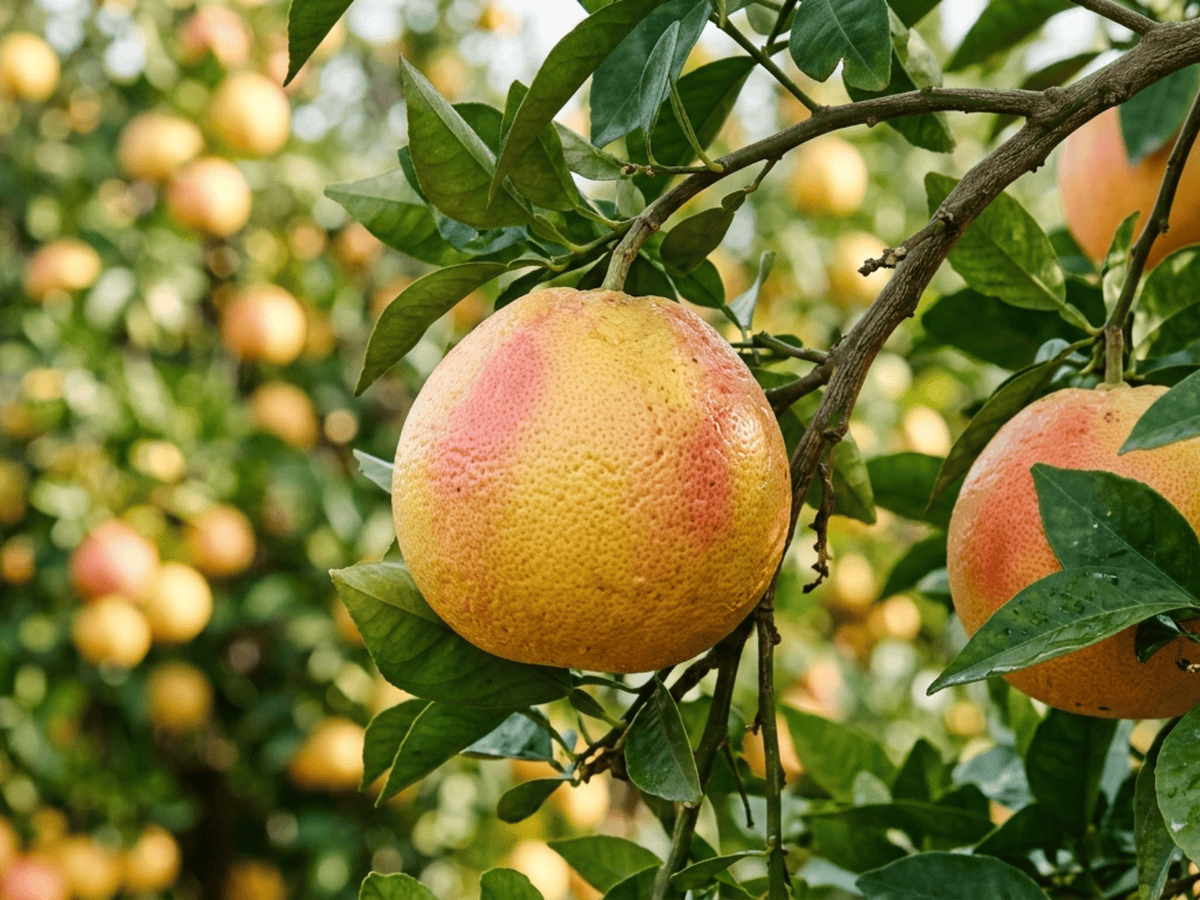
Citrus × paradisi, the grapefruit, is a subtropical evergreen tree in the Rutaceae family, a natural hybrid between sweet orange (C. sinensis) and pomelo (C. maxima) that appeared in Barbados in the 18th century. Growing 5–10 m tall, it produces the largest commonly eaten citrus fruit—yellow to pink-blushed globes weighing 200–500 g with tart, slightly bitter flesh in white, pink, or ruby red.
Grapefruit requires USDA zones 9b–11 and is the most cold-sensitive common citrus. It needs full sun, warm nights, and high heat for good sugar development—the best fruit comes from Texas, Florida, and Israel. The tree is handsome with dense, glossy evergreen foliage and fragrant white flowers.
Grapefruit has a fascinating modern history: discovered in Barbados around 1750, it was initially thought inedible. It became commercially viable only in the early 1900s and saw explosive popularity after the 'Grapefruit Diet' of the 1930s. Important medical note: grapefruit inhibits the enzyme CYP3A4, causing dangerous interactions with numerous medications including statins, calcium channel blockers, and immunosuppressants. Ruby Red grapefruit—the first patented citrus variety (1929)—launched the coloured grapefruit industry. The fruit is rich in vitamin C and the antioxidant lycopene (in pink/red varieties).
- Edible
- Fragrant
- Evergreen
How to care for Grapefruit
Watering
- Springevery 5 days
- Summerevery 4 days
- Fallevery 7 days
- Winterevery 14 days
Soil · Well-draining
- Main mixLoam + bark + perlite 2:1:175%
- DrainageLECA25%
Bark keeps the mix from compacting under a heavy root ball.
FERTILIZER
Balanced Feed 14-14-14
An even feed covers all three needs at once, keeping leaves, roots and blooms moving together with nothing pushed out of balance.
- Nitrogen · Leaves
- Phosphorus · Roots + Blooms
- Potassium · Strength
- Springevery 30 days
- Summerevery 30 days
- Fallevery 45 days
At a Glance
- NativeCentral America
- Height15–30 ft (4.6–9.1 m)
- Spread12–25 ft (3.7–7.6 m)
- Flower colorWhite
- Foliage colorGreen
- Fruit colorYellow
- SoilLoamy, Well-drained, Acidic
- LocationsYard · Indoor · Balcony
Bloom time
BLOOM CYCLE
Peak bloom
Jun–Aug
Fragrant white flowers; self-fertile. Needs high heat for fruit to develop sufficient sweetness.
Fragrance
STRONG FRAGRANCE
Orange-blossom flowers; distinctive bitter-citrus peel aroma.
Toxicity
Humans Moderate · Pets Slight
furanocoumarins (bergamottin) and limonene
Moderate
- Fruit
- Ingestion
EXPOSURE Eating fruit.
EFFECT Significant drug interactions via CYP3A4 inhibition — affects statins, immunosuppressants, antihistamines, and many other medications.
NOTE Documented concern for humans: Significant drug interactions via CYP3A4 inhibition — affects statins, immunosuppressants, antihistamines, and many other medications.
Slight
- Peel
- Flesh
- Ingestion
EXPOSURE Eating peel and flesh.
EFFECT GI upset (per ASPCA).
NOTE ASPCA lists Citrus as mildly toxic to pets. Major drug-interaction concern in humans.
Slight
- Peel
- Flesh
- Ingestion
EXPOSURE Eating peel and flesh.
EFFECT GI upset and essential oils toxic.
NOTE ASPCA lists Citrus as mildly toxic to pets. Major drug-interaction concern in humans.
Educational information, not medical or veterinary advice. If exposure is suspected, contact a doctor or veterinarian.
DISTRIBUTION


- Native
- Introduced
- Central America
History
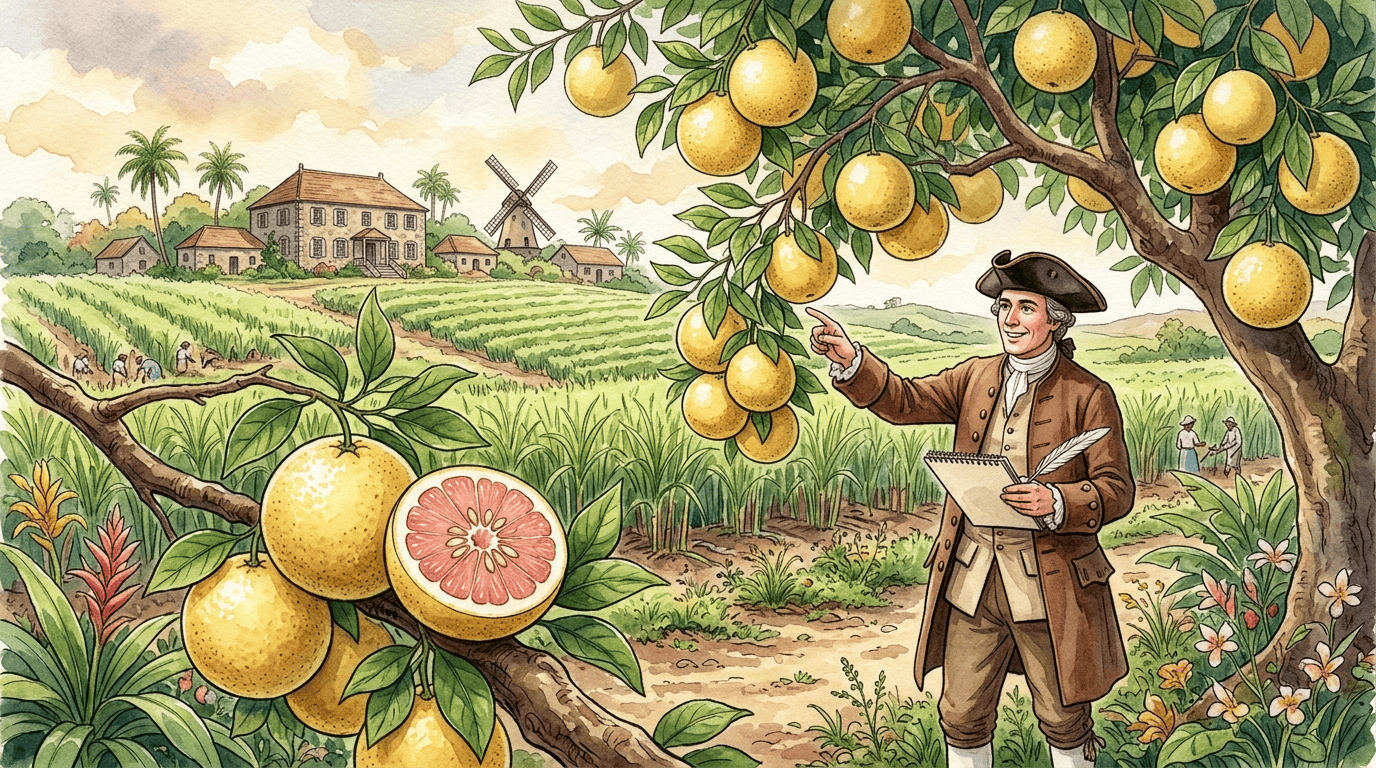
Citrus x paradisi is a surprisingly recent hybrid, first documented in Barbados around 1750 as "the forbidden fruit." It is a natural hybrid between sweet orange (Citrus sinensis) and pomelo (Citrus maxima), believed to have arisen spontaneously in a Barbados plantation after both parents were introduced to the Caribbean in the 17th century. The Welsh botanist Griffith Hughes described it in 1750.
The common name "grapefruit" was coined in the 1820s and refers not to any resemblance to grapes in flavor but to the way the fruit grows in grape-like clusters on the tree. Formal botanical description came in 1837 by Scottish botanist James Macfadyen in Jamaica. Commercial cultivation began in Florida in the 1880s, and grapefruit became a major American breakfast staple through the early 20th century.
Pink and red grapefruit cultivars including "Ruby Red" (developed 1929 by Florida farmer A.E. Henninger) and "Star Ruby" (1970 Texas mutation breeding program) followed. Grapefruit has a well-documented pharmacokinetic interaction with over 85 medications through inhibition of the CYP3A4 enzyme, a clinically significant drug-interaction risk identified in the 1990s. The 'Grapefruit Diet' of the 1930s-40s was an early fad diet phenomenon.
Symbolism & meaning
What It Symbolizes
Grapefruit is boldness at breakfast: bitter, tart, fragrant, and impossible to make bland. Its very history began in confusion, once called the forbidden fruit before receiving a name from its clustered habit. Symbolically it belongs to strong opinions, fresh starts, and the bracing pleasure of not pleasing everyone.
- Boldness — The assertive bitter-tart flavor that divides opinions symbolizes confidence and individuality
- Paradox — Called the 'forbidden fruit' yet found in paradise — grapefruit embodies contradictions and complexity
Where the Name Comes From
Citrus from Latin; 'paradisi' means of paradise, from Hughes' original description as 'forbidden fruit.' 'Grapefruit' from the grape-like clusters in which the fruit grows on the tree.
Uses & Fun Facts
- Pink-fleshed fruit eaten fresh, juiced, and used in cocktails
- Glossy evergreen foliage and waxy white blossoms perfume gardens
- Subtropical patio tree for warm-climate landscapes
Related plants
More Citrus plants
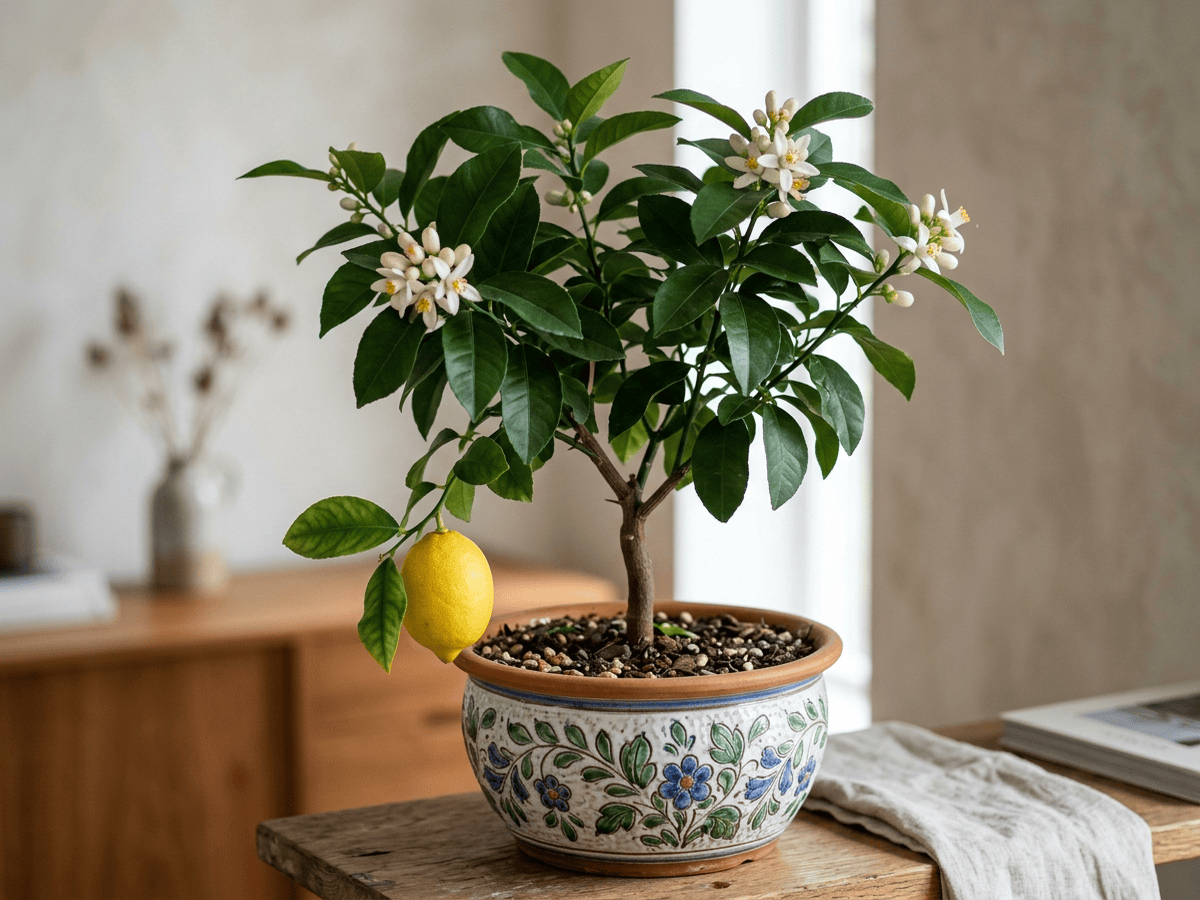 LemonCitrus limon
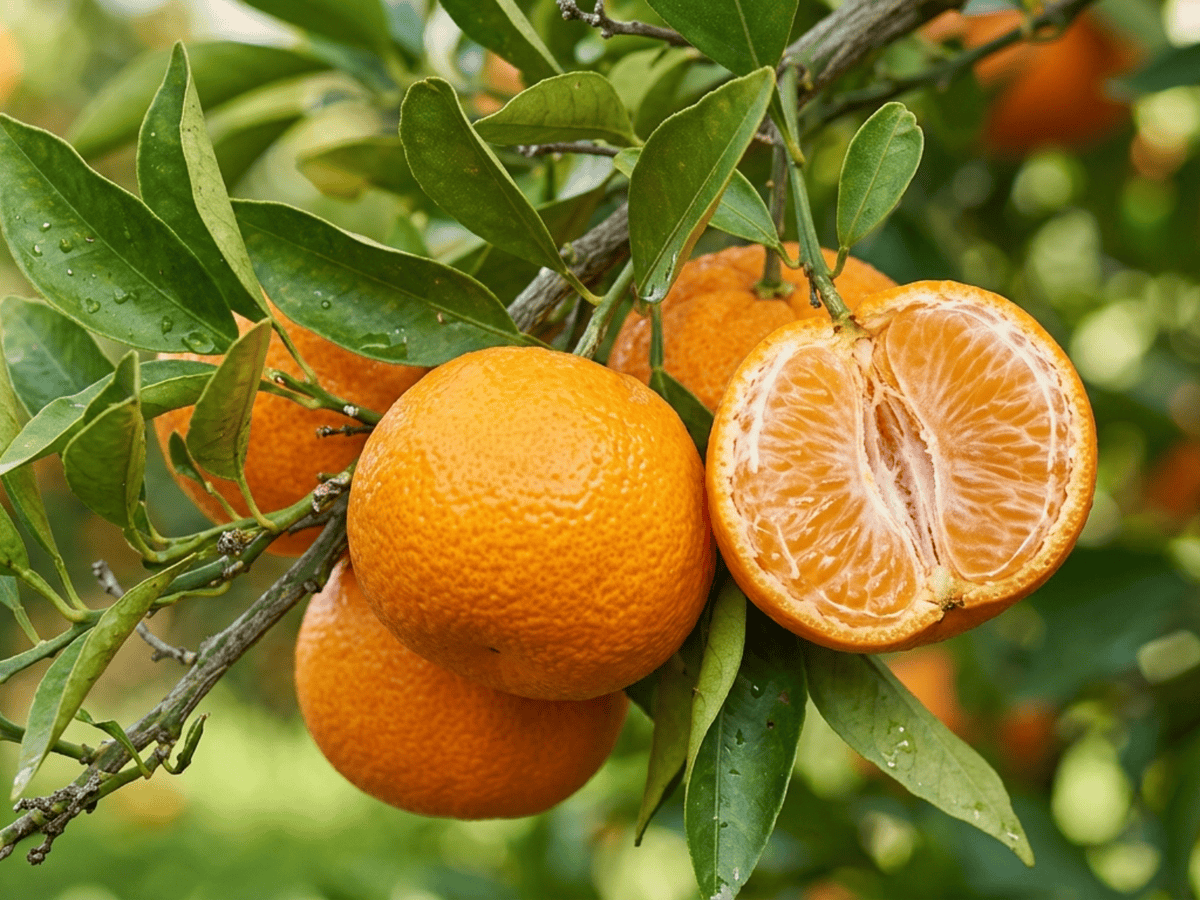 Mandarin OrangeCitrus reticulata
 Sweet OrangeCitrus sinensis
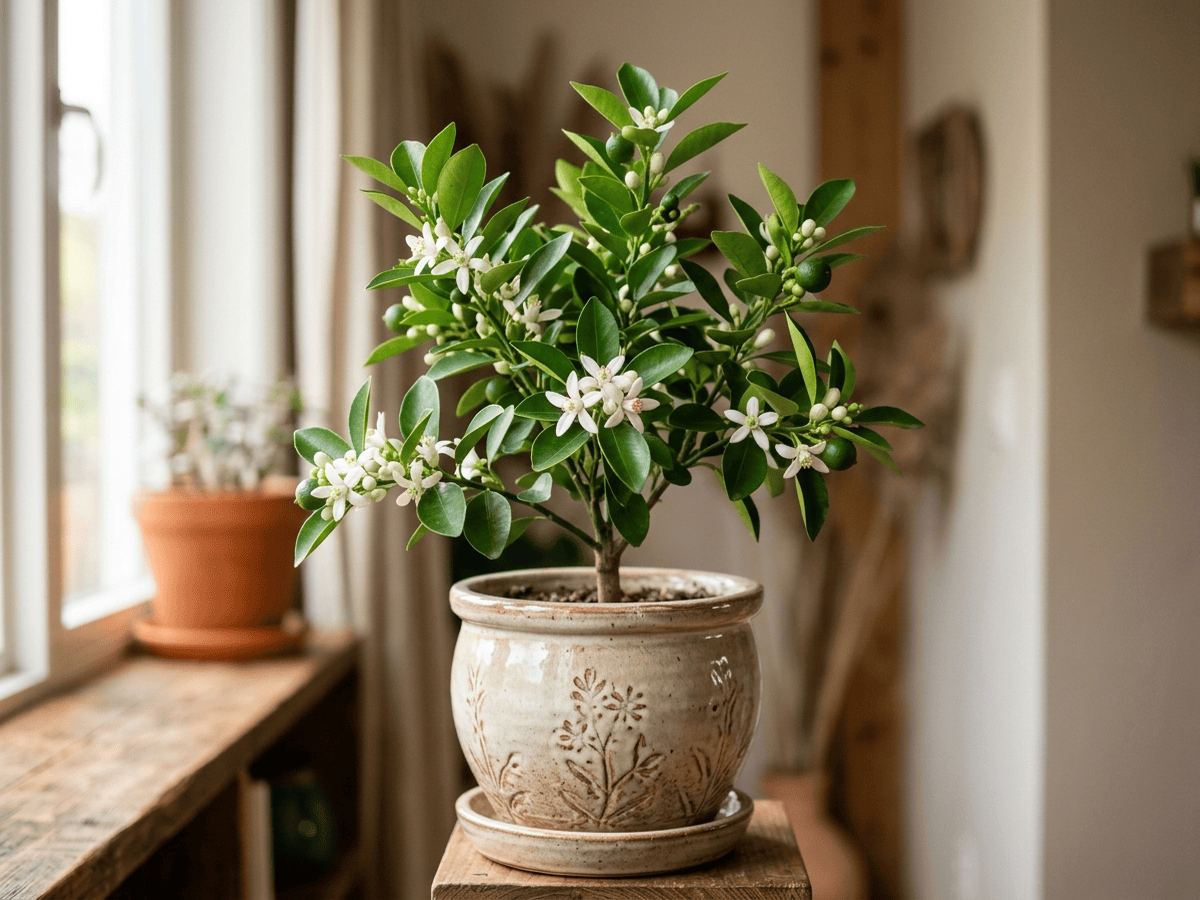 CalamansiCitrus x microcarpa
Plants with similar care
 Mexican AbeliaAbelia floribunda
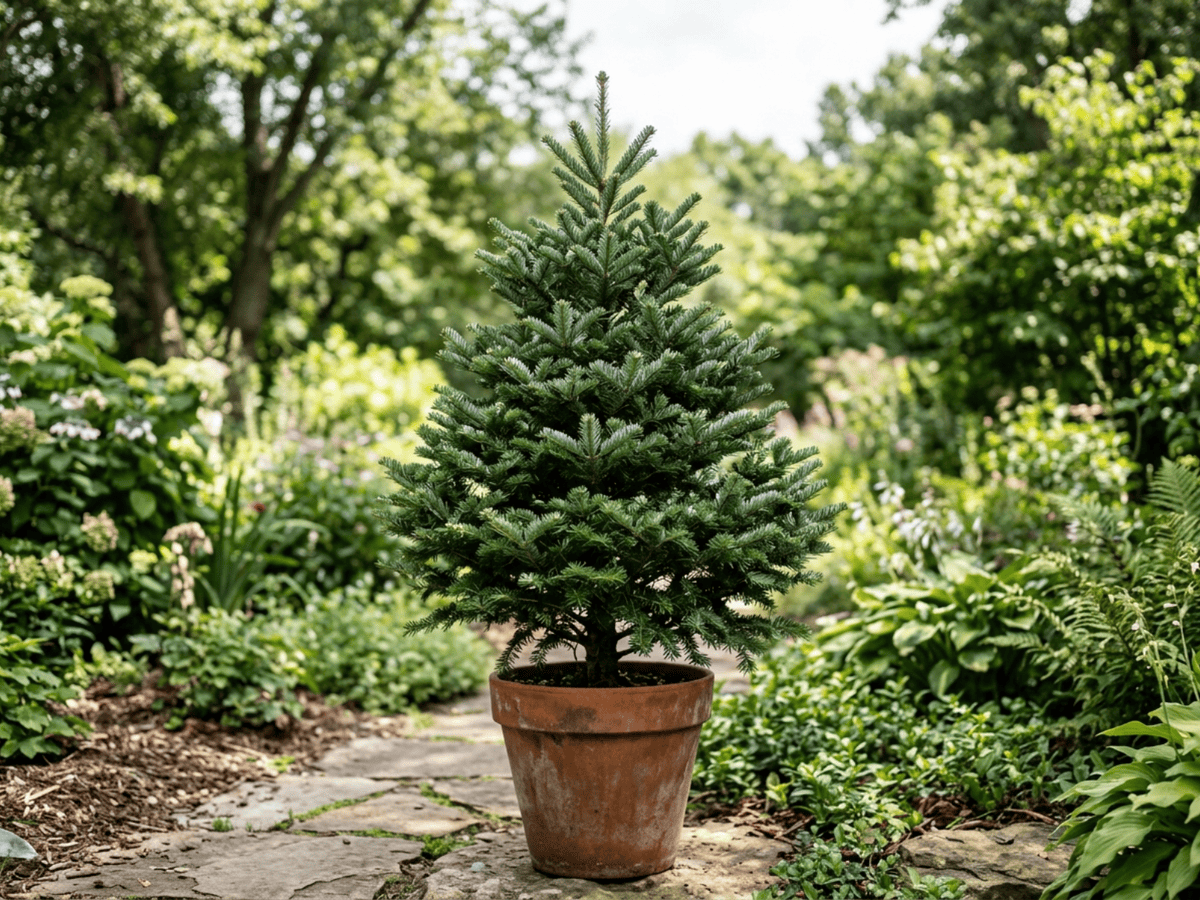 Fraser FirAbies fraseri
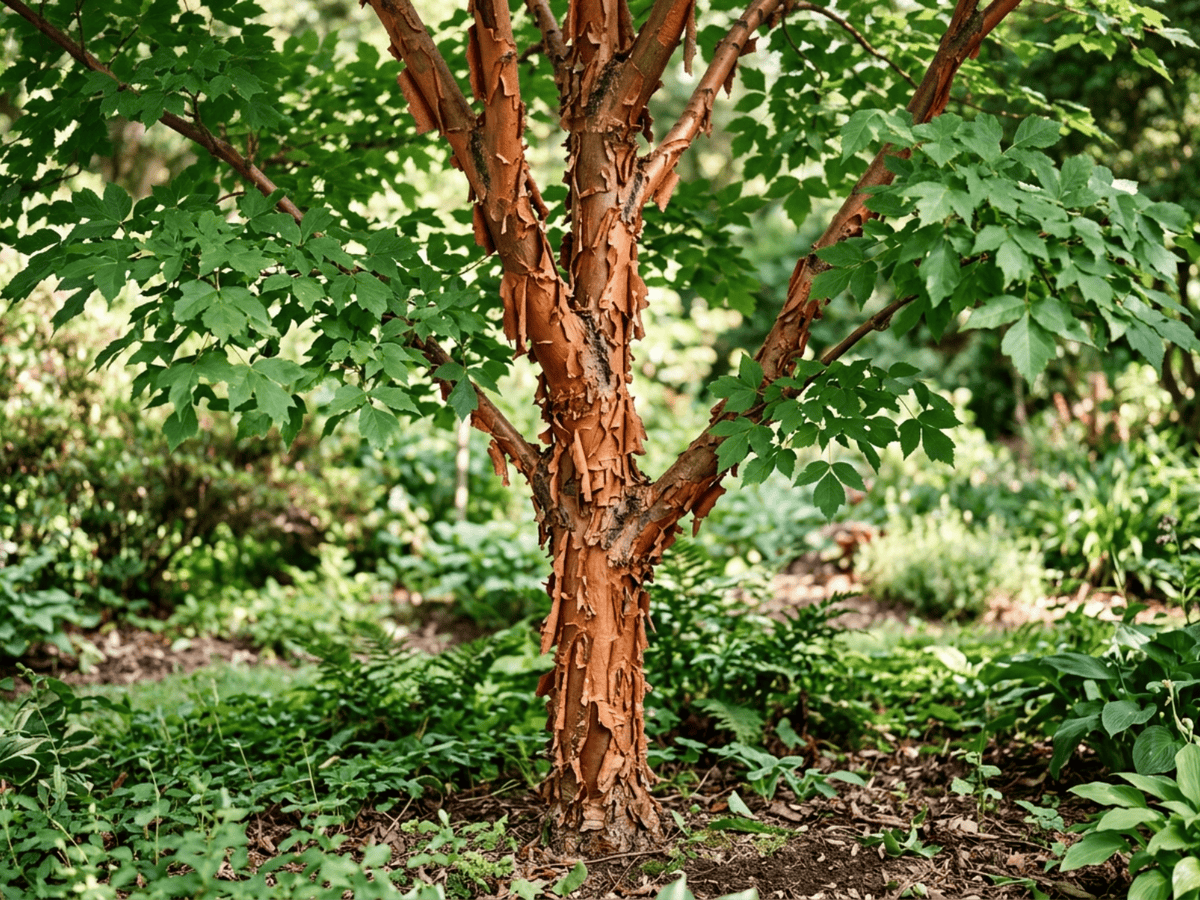 Paperbark MapleAcer griseum
 Sugar MapleAcer saccharum
Frequently asked questions
How often should I water Grapefruit?
In summer, water about every 4 days; in winter, about every 14 days. Adjust for heat, pot size and drainage.
How much light does Grapefruit need?
Full sun: 6+ hrs direct. Watch the leaves — scorching or stretching means the light needs adjusting.
Is Grapefruit toxic to cats or dogs?
Pets Slight (Dogs Slight · Cats Slight) Educational information, not medical or veterinary advice. If exposure is suspected, contact a doctor or veterinarian.
Is Grapefruit easy to grow?
It is moderately demanding: a good choice once you have a little experience.
Can Grapefruit be grown indoors?
Yes, it adapts well to indoor growing given the right light.
When does Grapefruit bloom?
It typically blooms Jun–Aug in the Northern Hemisphere.
YardMate
Identify any plant in seconds
Snap a photo — YardMate names the plant, diagnoses problems, and reminds you when to water.
Download on the App Store