 YardMate


Alternate-Leaved Dogwood
Cornus alternifolia
Medium · Some experienceAbout Alternate-Leaved Dogwood
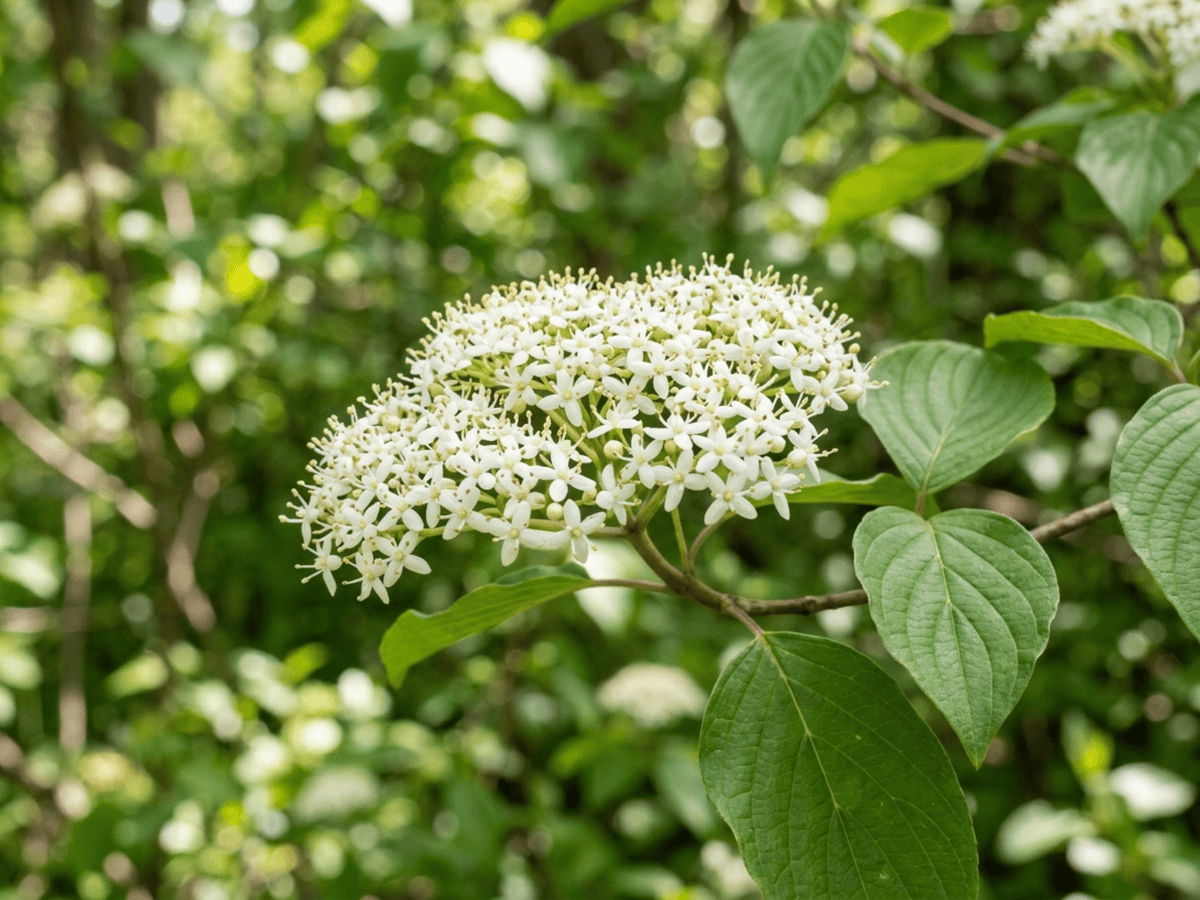
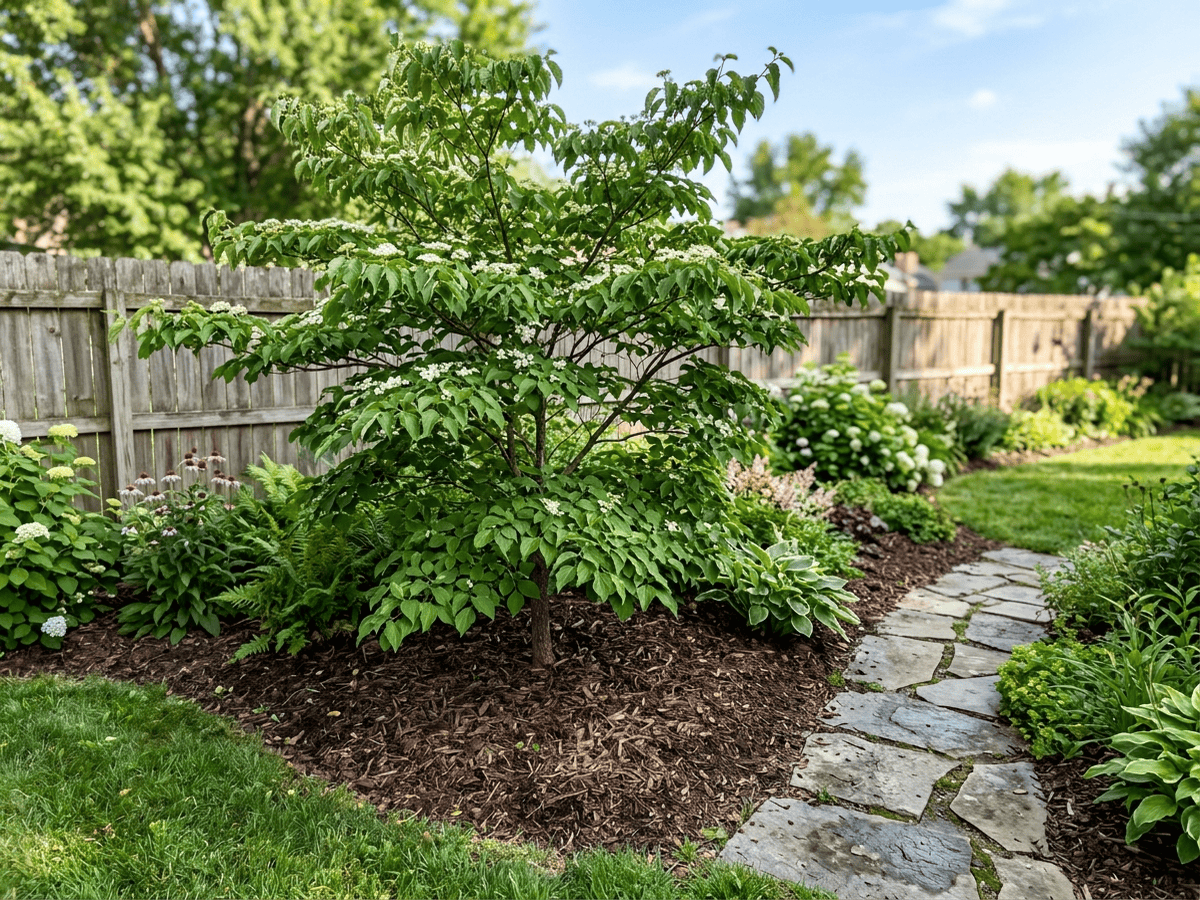
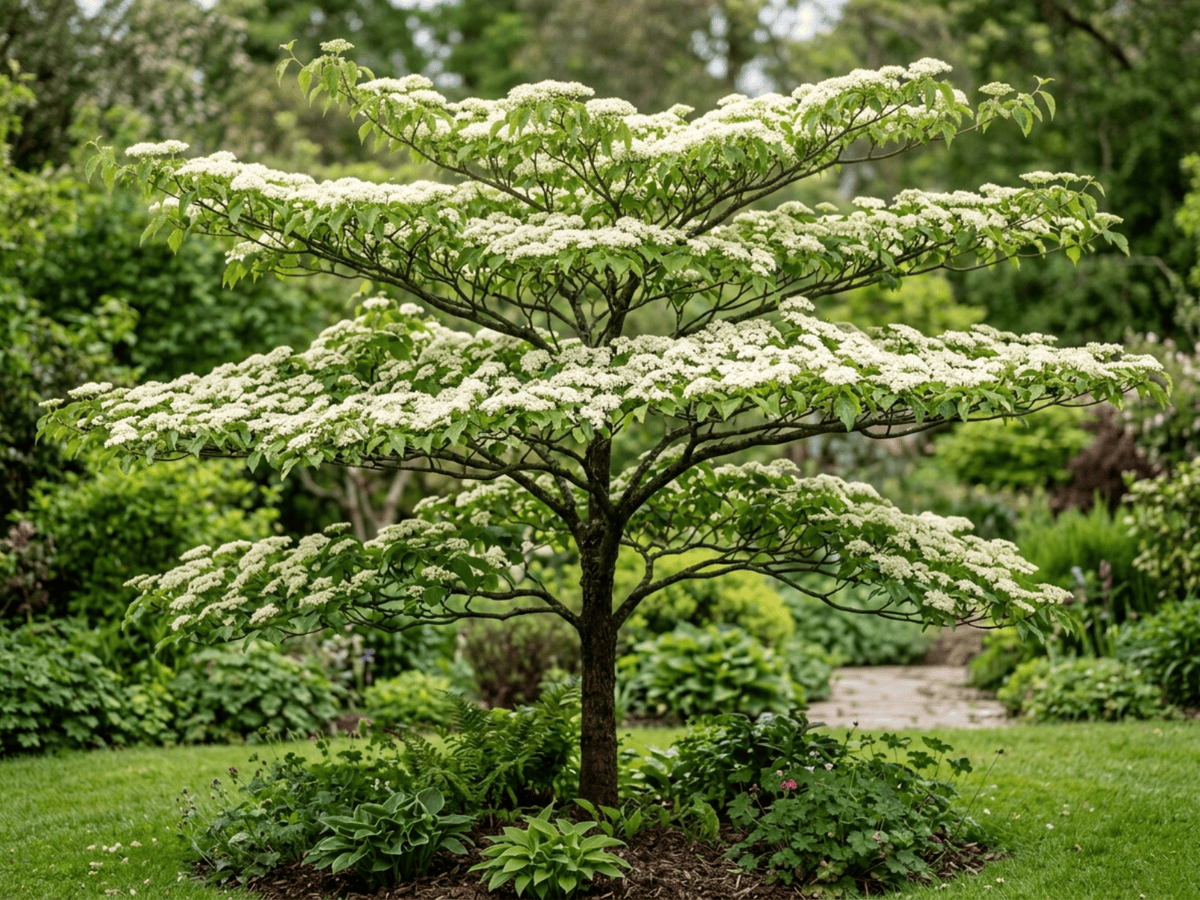
Pagoda Dogwood is a beautiful native American small tree of the eastern United States, distinguished by its horizontally tiered branches that give it the appearance of a pagoda or wedding cake. Growing 15-25 feet tall, it bears flat clusters of small white flowers in late spring followed by blue-black berries on red stems and burgundy fall foliage. A refined specimen for American woodland edges in USDA zones 3-7.
- Architectural
- Native
- Pollinator-friendly
- Wildlife-friendly
How to care for Alternate-Leaved Dogwood
Watering
- Springevery 5 days
- Summerevery 4 days
- Fallevery 7 days
- Winterpause watering
Soil · Well-draining
- Top dressingPine bark mulch10%
- Main mixPotting soil + perlite 2:170%
- DrainageLECA / gravel20%
Never skip the drainage layer — standing water is the top cause of root rot.
FERTILIZER
Balanced Feed 14-14-14
An even feed covers all three needs at once, keeping leaves, roots and blooms moving together with nothing pushed out of balance.
- Nitrogen · Leaves
- Phosphorus · Roots + Blooms
- Potassium · Strength
- Springevery 60 days
- Summerevery 60 days
At a Glance
- NativeNorth America
- Height15–25 ft (4.6–7.6 m)
- Spread20–30 ft (6.1–9.1 m)
- Flower colorWhite, Cream
- Foliage colorGreen, Variegated, Purple
- Fruit colorBlack, Blue
- SoilMoisture-retentive, Loamy, Acidic
- LocationsYard
Bloom time
BLOOM CYCLE
Peak bloom
May–Jun
White flat flower clusters May to June
Fragrance
LIGHT FRAGRANCE
The flowers have a mild scent.
Toxicity
No toxicity has been reported for this plant. Still, it is wise to keep pets from chewing on any houseplant.
Educational information, not medical or veterinary advice. If exposure is suspected, contact a doctor or veterinarian.
DISTRIBUTION


- Native
- North America
History
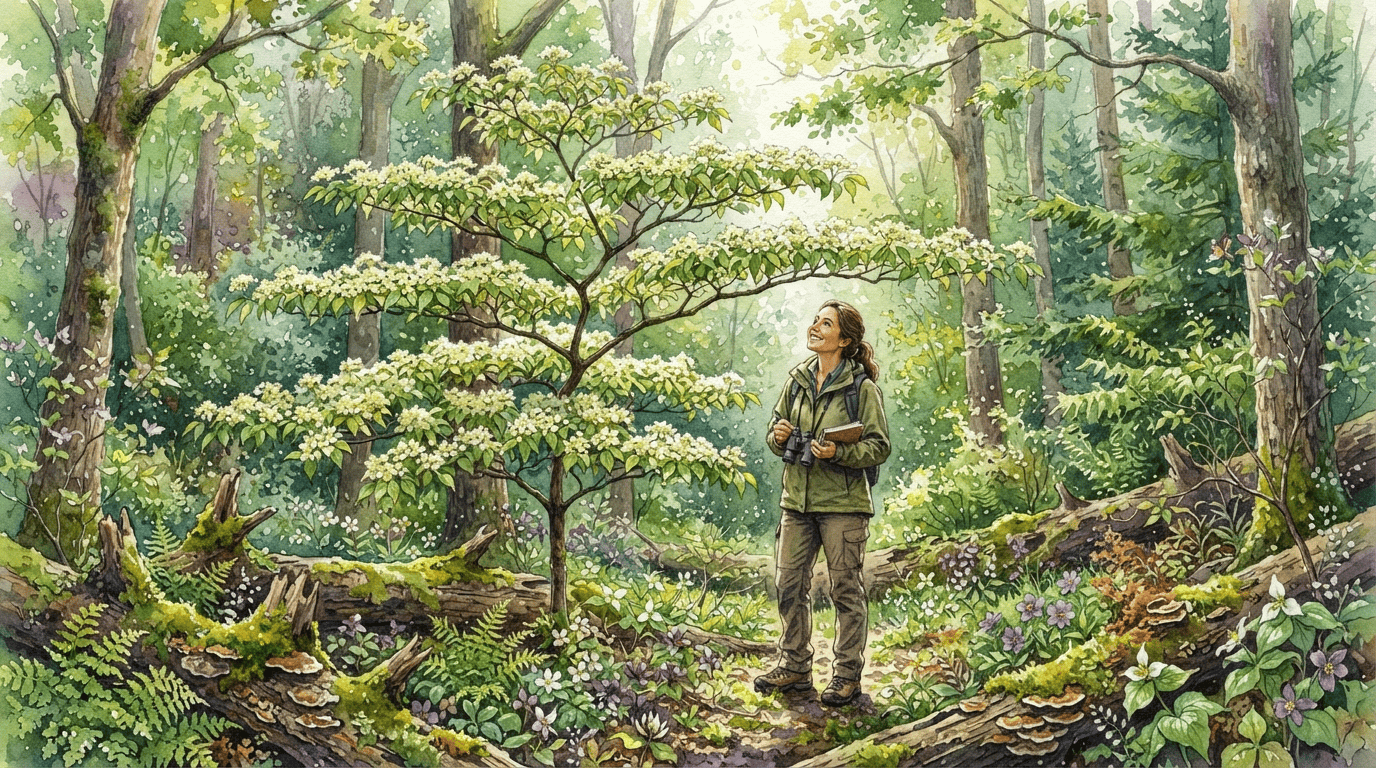
Cornus alternifolia is native to moist woodland edges and forest openings across eastern North America from Newfoundland through Ontario south to northern Georgia and west to Minnesota. Carl Linnaeus the Younger formally described it in 1782, noting its unusual alternate leaf arrangement—most Cornus species have opposite leaves. Its horizontal tiered branching creates elegant layered silhouettes earning the common name pagoda dogwood.
Indigenous peoples including the Menominee used bark and root decoctions for medicinal purposes. The cultivar 'Argentea' with variegated white-edged leaves, introduced in the 19th century, remains widely grown. Plantsman Michael Dirr and others championed it in the late 20th century American native plant movement.
Unfortunately Cornus golden canker (Cryptodiaporthe) has caused problems in some regions. Unlike most dogwoods, its leaves are alternate rather than opposite, giving it its botanical name. The cultivar 'Golden Shadows' with yellow-variegated foliage became a Proven Winners sensation in American gardens in the 2000s.
Symbolism & meaning
What It Symbolizes
The Alternate-Leaved Dogwood holds Serenity in its tiered, horizontal branching — a form so reminiscent of Japanese garden design it is often called the pagoda dogwood. Each layer offers a quiet study in grace, architecture as much as botany. Even leafless in winter, its silhouette teaches the eye how stillness is composed.
- Serenity — horizontal tiered form evokes Japanese gardens
- Grace — refined architectural beauty
Where the Name Comes From
'Alternifolia' refers to the alternate leaf arrangement, unusual among Cornus species.
Uses & Fun Facts
- Tiered horizontal branching gives pagoda-like silhouette
- Blue-black drupes feed thrushes and woodland songbirds
- Native small tree for shaded woodland-edge plantings
Related plants
More Cornus plants
 Giant DogwoodCornus controversa
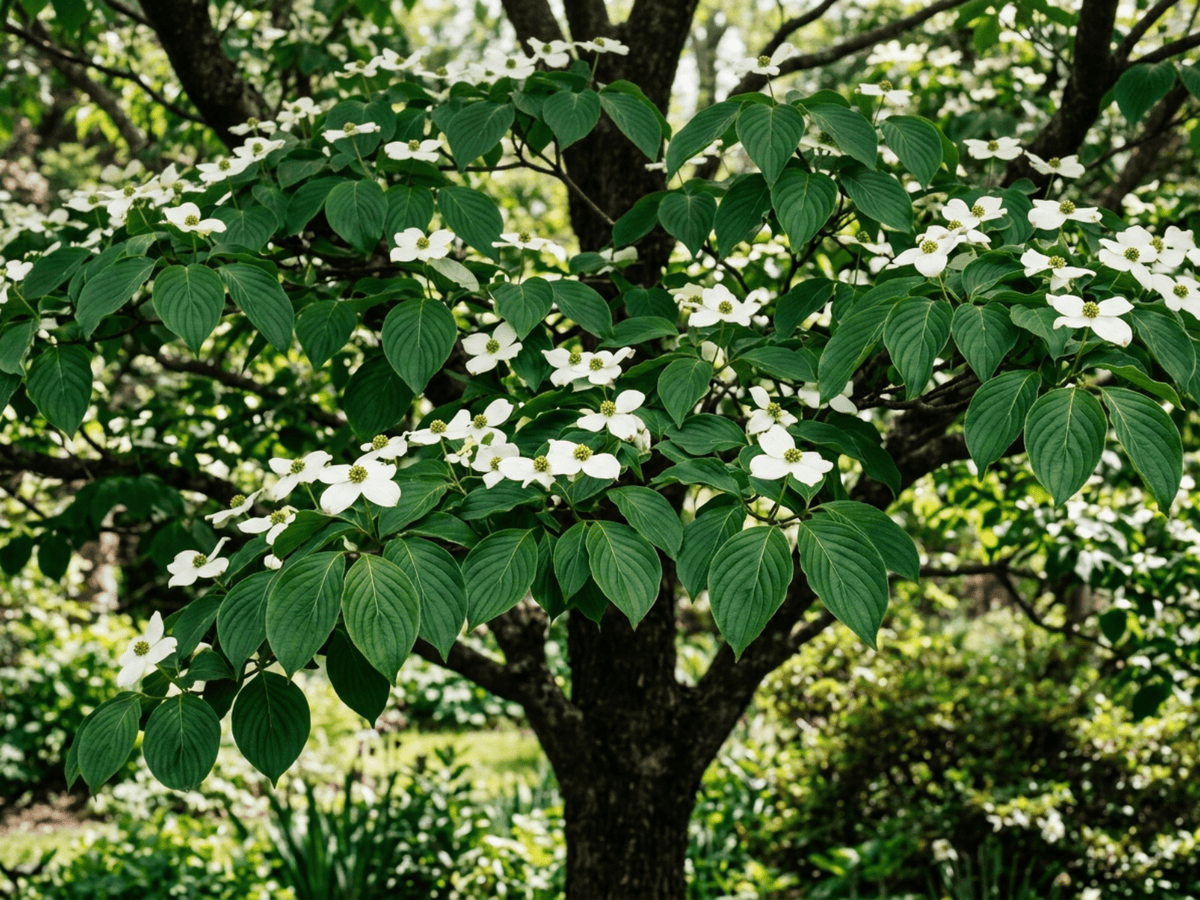 Flowering DogwoodCornus florida
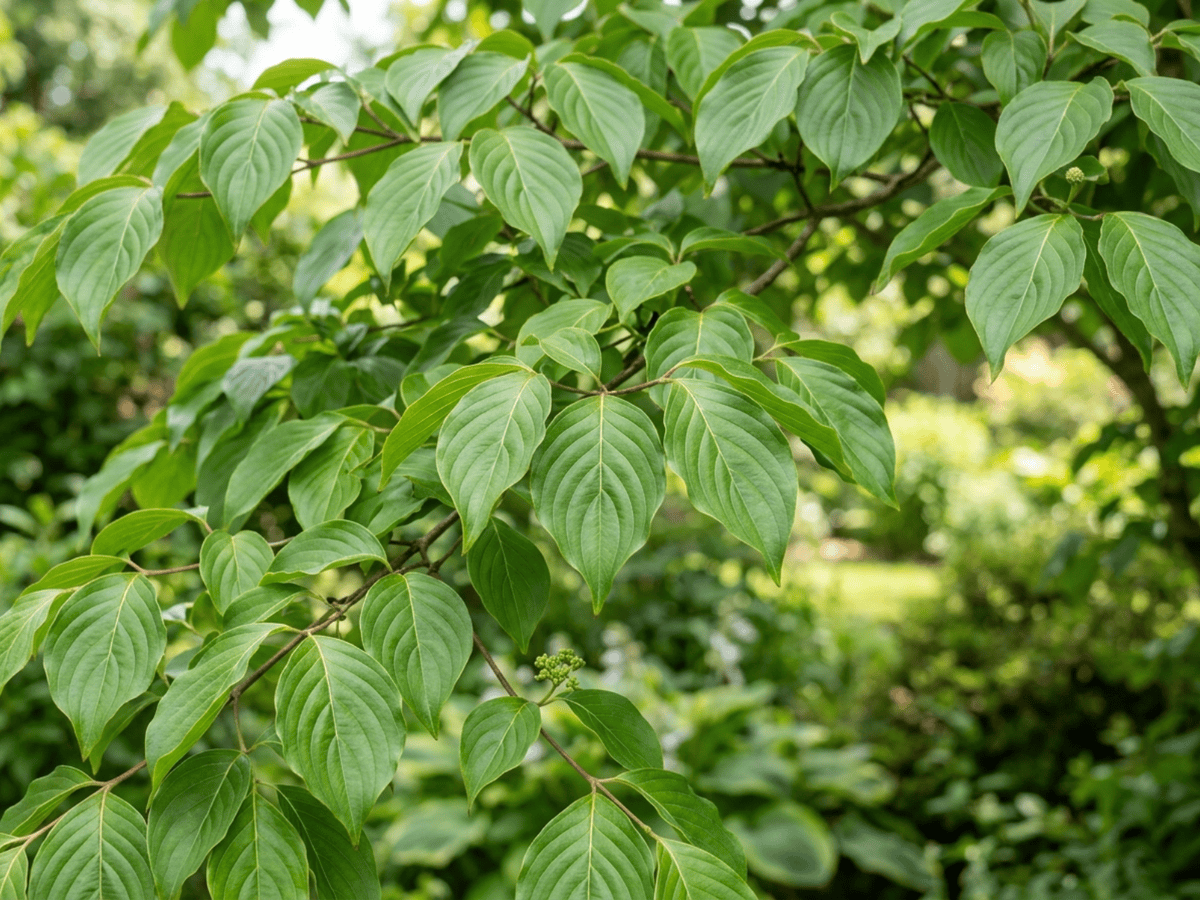 Kousa DogwoodCornus kousa
 Cornelian CherryCornus mas
Plants with similar care
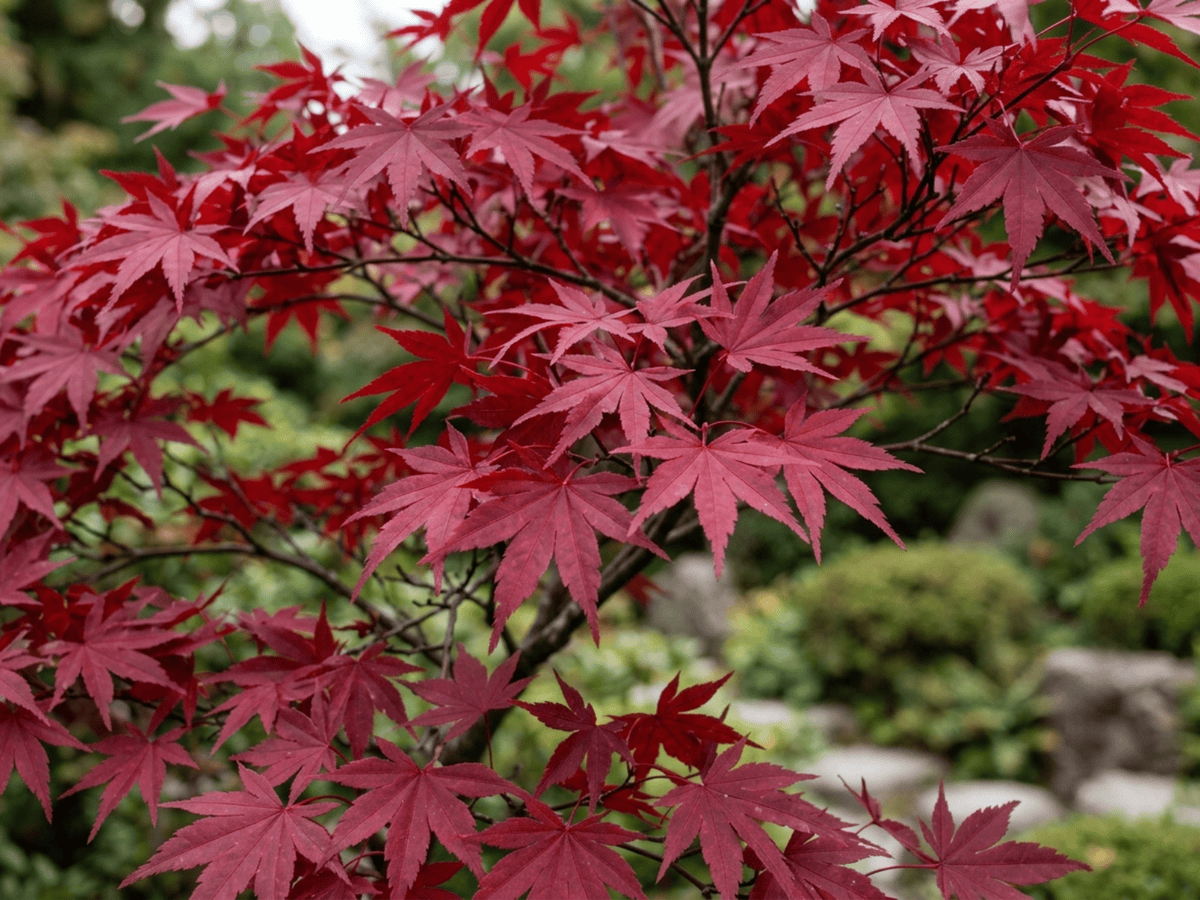 Japanese MapleAcer palmatum
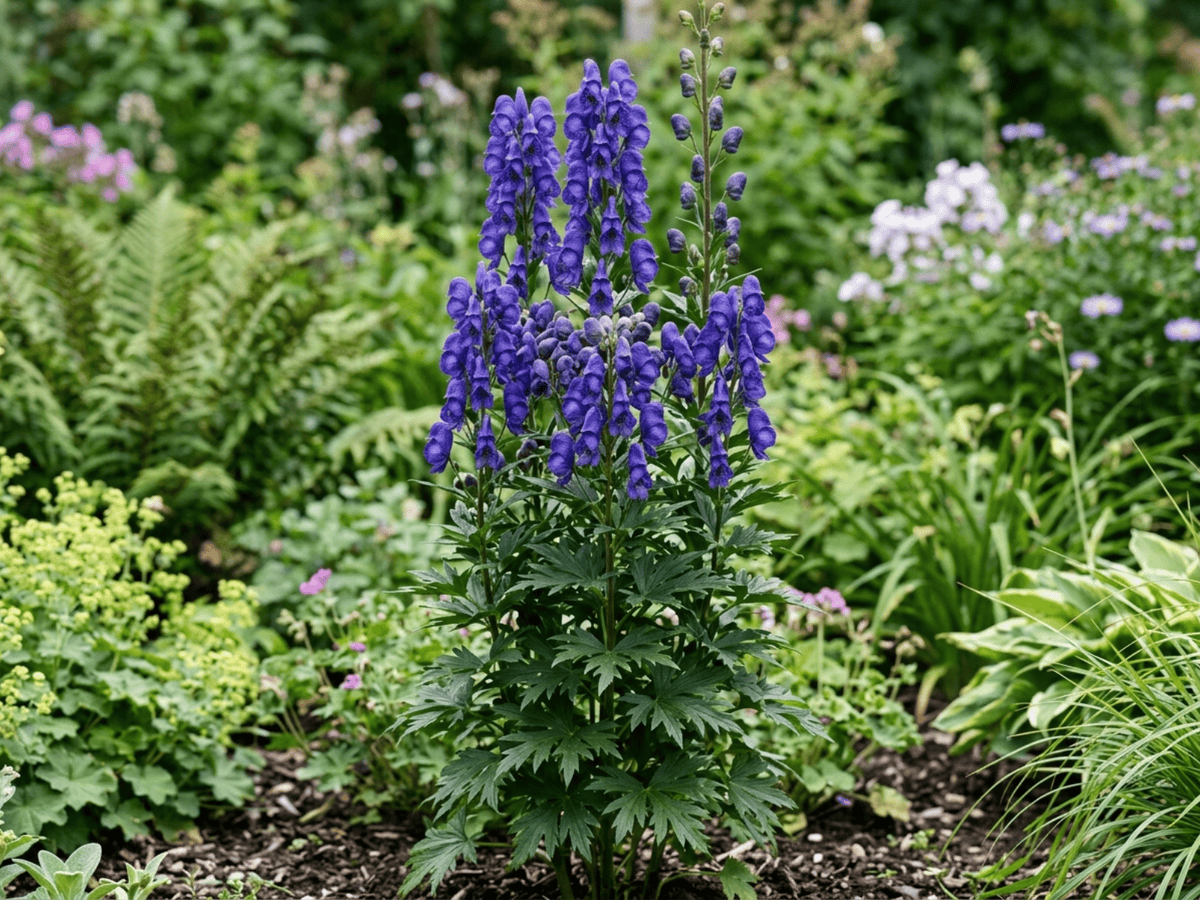 Azure MonkshoodAconitum carmichaelii
 Florida HobblebushAgarista populifolia
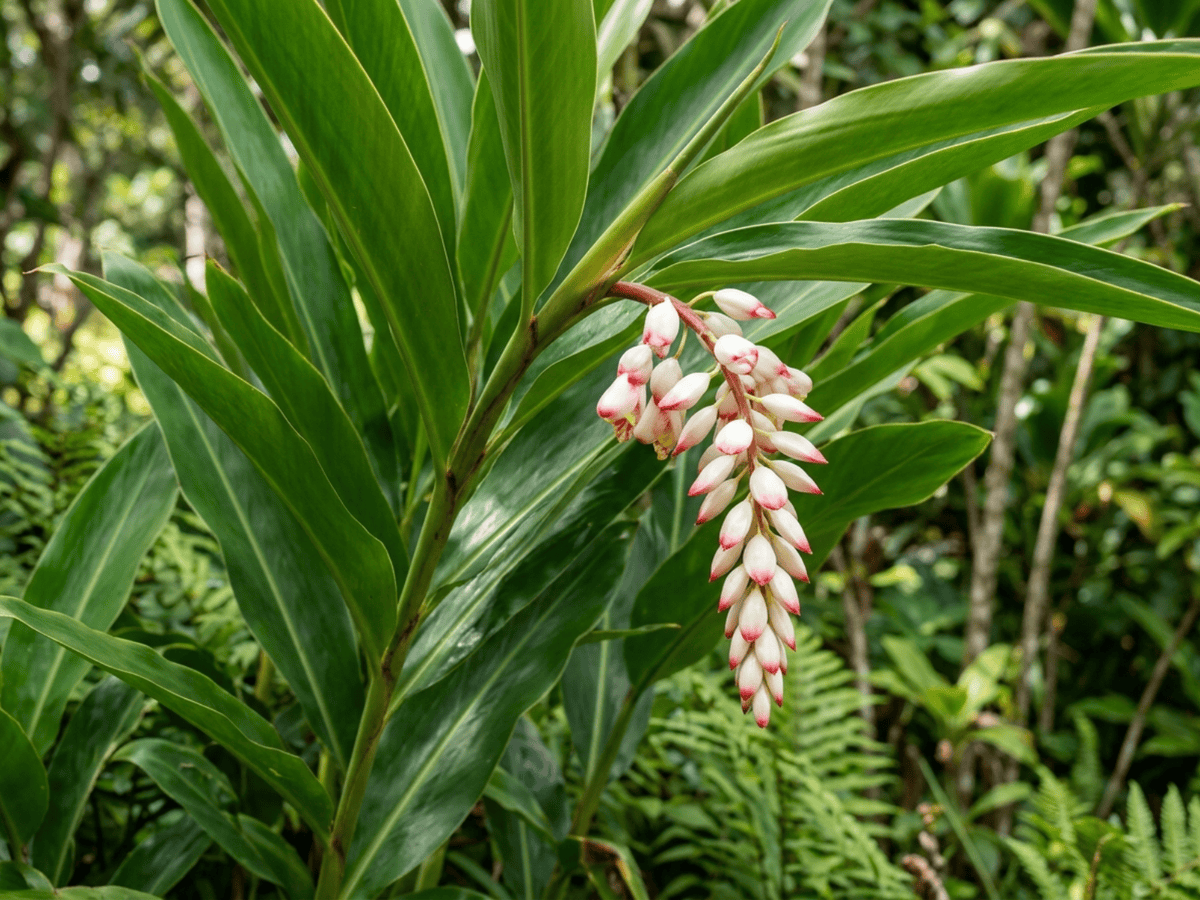 Shell GingerAlpinia zerumbet
Frequently asked questions
How often should I water Alternate-Leaved Dogwood?
Water about every 5 days during the growing season, and always let excess water drain away.
How much light does Alternate-Leaved Dogwood need?
Part shade: 2–4 hrs direct. Watch the leaves — scorching or stretching means the light needs adjusting.
Is Alternate-Leaved Dogwood toxic to cats or dogs?
No toxicity has been reported for this plant. Still, it is wise to keep pets from chewing on any houseplant. Educational information, not medical or veterinary advice. If exposure is suspected, contact a doctor or veterinarian.
Is Alternate-Leaved Dogwood easy to grow?
It is moderately demanding: a good choice once you have a little experience.
When does Alternate-Leaved Dogwood bloom?
It typically blooms May–Jun in the Northern Hemisphere.
YardMate
Identify any plant in seconds
Snap a photo — YardMate names the plant, diagnoses problems, and reminds you when to water.
Download on the App Store