 YardMate

Flowering Dogwood
Cornus florida
Medium · Some experienceAbout Flowering Dogwood
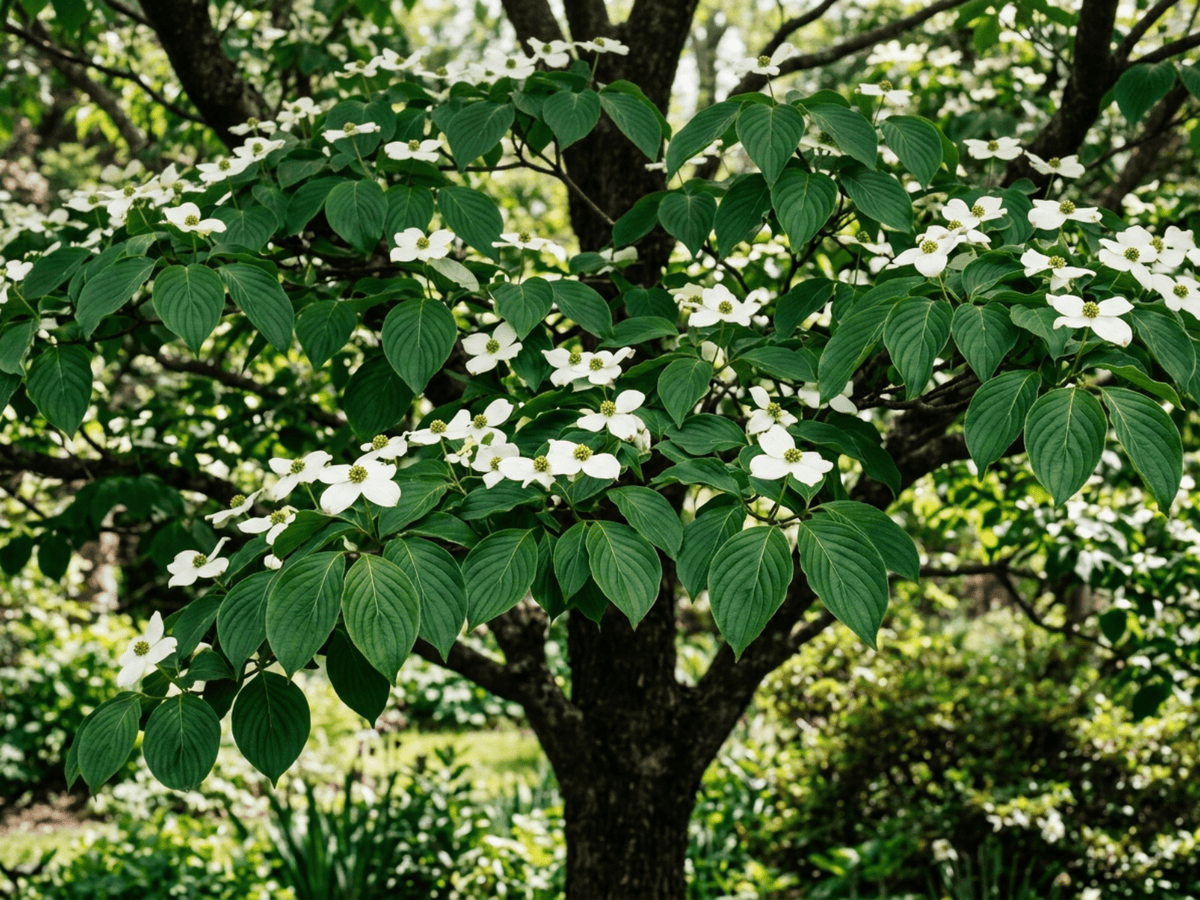
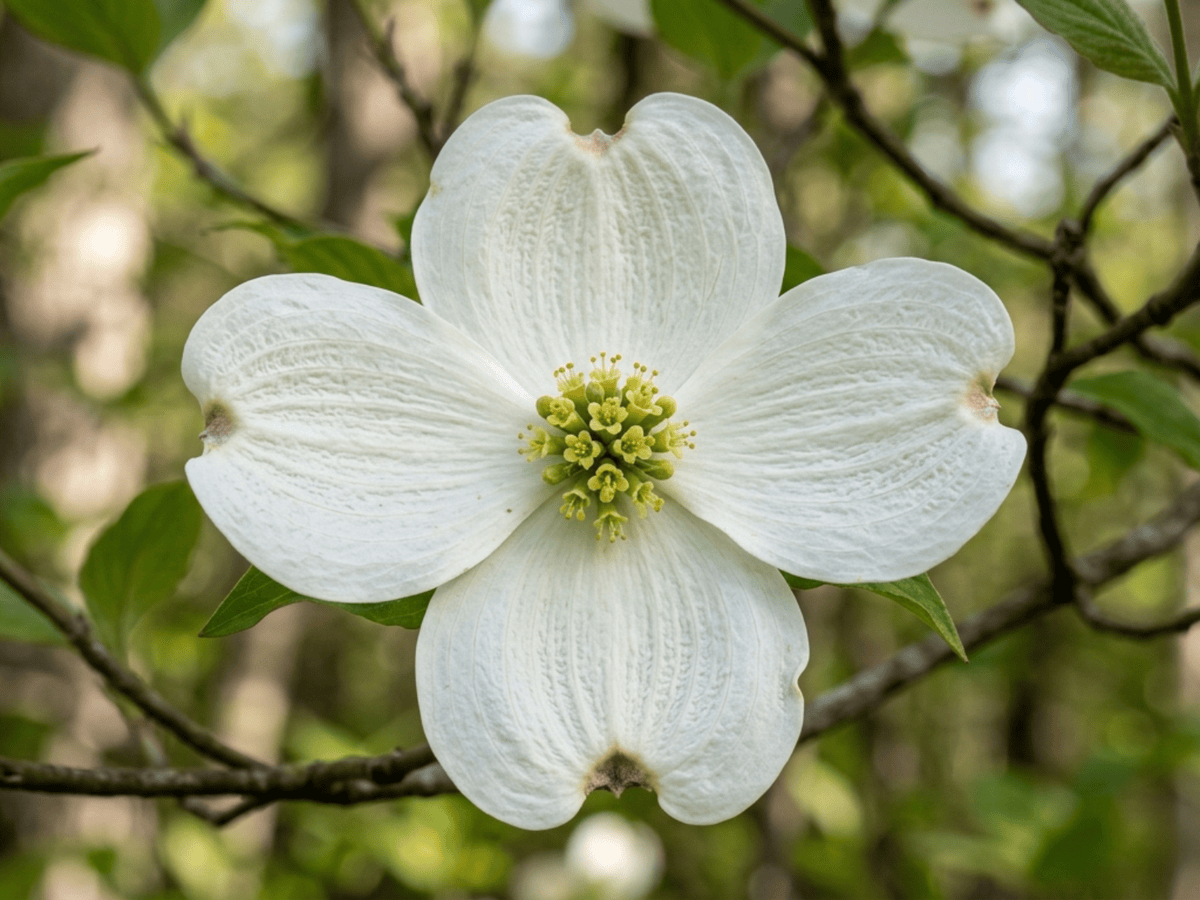
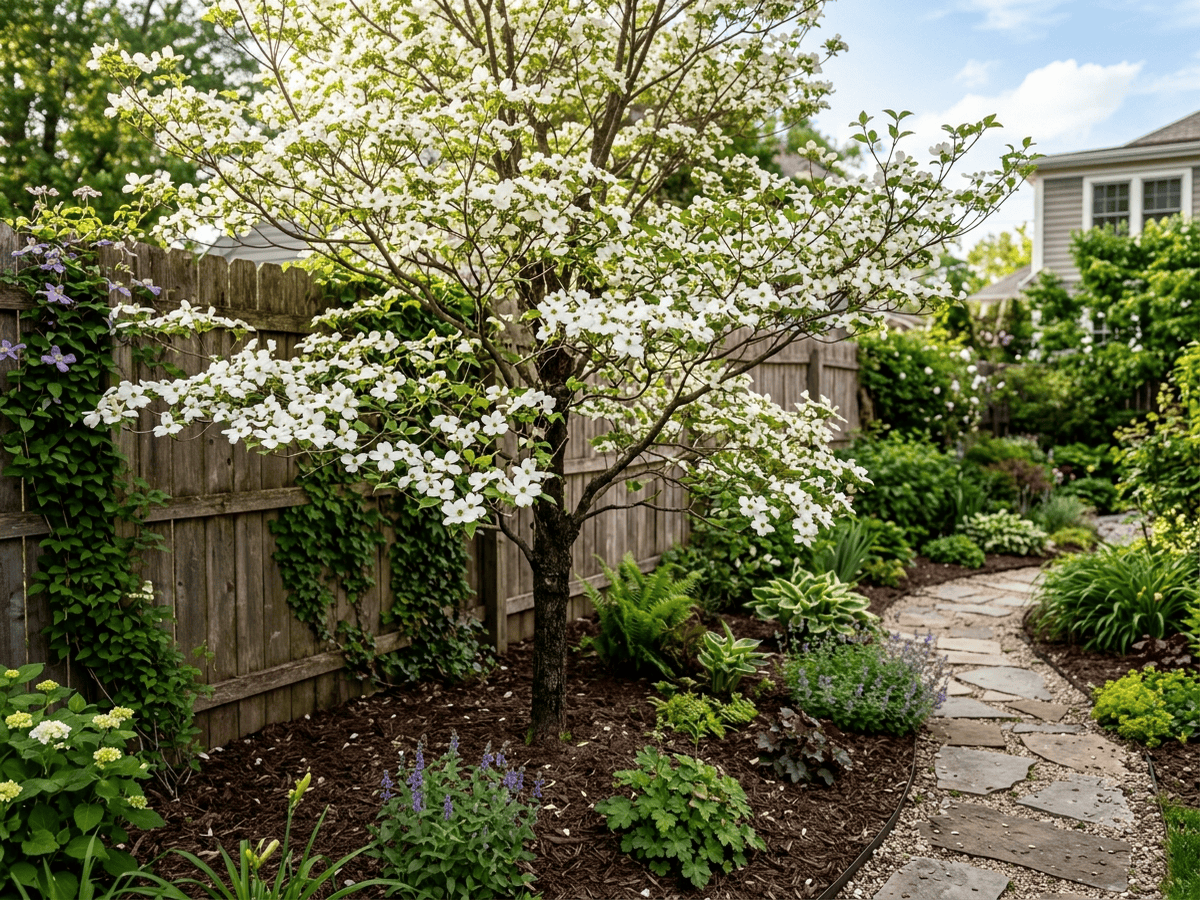
Cornus florida, the flowering dogwood, is a deciduous understory tree in the Cornaceae family native to eastern North America. Growing 6–10 m tall, it produces one of spring's most breathtaking displays: what appear to be large white (or pink) flowers are actually four showy bracts surrounding a cluster of tiny true flowers. The show continues into autumn with glossy red berries and rich red-purple foliage.
Flowering dogwood thrives in USDA zones 5–9 as an understory tree, preferring partial shade, moist, well-drained, acidic soil, and protection from hot afternoon sun. It does not tolerate drought, compacted soil, or full exposure well. The tree's horizontal branching pattern creates a layered, spreading form that is beautiful in all seasons.
Flowering dogwood is the state tree of Virginia and Missouri and the state flower of North Carolina. Its spring bloom is a cultural event across the eastern US, celebrated with festivals from Atlanta to Knoxville. The berries are an important wildlife food, eaten by over 35 bird species. Unfortunately, dogwood anthracnose (Discula destructiva) has devastated wild populations since the 1980s. The hard, shock-resistant wood was historically used for textile shuttles and golf club heads.
- Native
- Pollinator-friendly
How to care for Flowering Dogwood
Watering
- Springevery 5 days
- Summerevery 4 days
- Fallevery 10 days
- Winterevery 30 days
Soil · Well-draining
- Top dressingPine bark mulch10%
- Main mixPotting soil + perlite 2:170%
- DrainageLECA / gravel20%
Never skip the drainage layer — standing water is the top cause of root rot.
FERTILIZER
Acid-Loving Feed 4-3-4
One bag does both jobs. An acid feed carries the usual nitrogen, phosphorus and potassium, plus the sulfur and iron that keep the soil sour enough for the roots to take them up at all.
- Nitrogen · Leaves
- Phosphorus · Roots + Blooms
- Potassium · Strength
- Springevery 60 days
At a Glance
- NativeNorth America
- Height15–30 ft (4.6–9.1 m)
- Spread15–30 ft (4.6–9.1 m)
- Flower colorWhite, Pink
- Foliage colorGreen, Red
- Fruit colorRed
- SoilLoamy, Well-drained, Acidic
- LocationsYard
Bloom time
BLOOM CYCLE
Peak bloom
Mar–May
Showy white or pink bracts in spring; 'Cherokee Brave' (pink) and 'Cloud Nine' (white) are popular cultivars.
Fragrance
NO FRAGRANCE
No notable fragrance.
Toxicity
No toxicity has been reported for this plant. Still, it is wise to keep pets from chewing on any houseplant.
Educational information, not medical or veterinary advice. If exposure is suspected, contact a doctor or veterinarian.
DISTRIBUTION


- Native
- North America
History
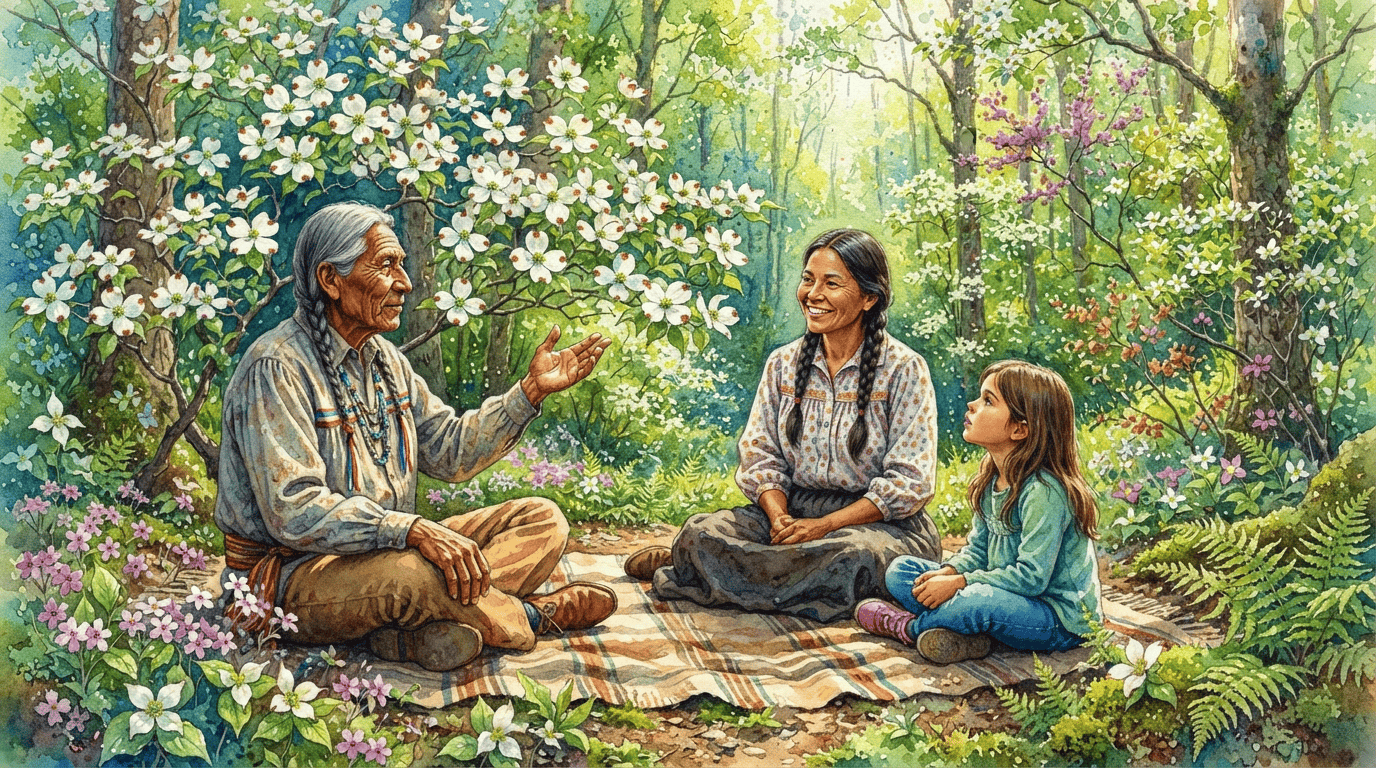
Cornus florida is native to eastern North America, from Maine and Ontario south to Florida and west to East Texas. The showy "petals" of its spring bloom are actually four large white (or pink) bracts surrounding a small cluster of true flowers — a classic example of a bract-based inflorescence. Indigenous Eastern Woodlands peoples used the dense, shock-resistant wood for tool handles, arrow shafts, weaving shuttles, and mallet heads.
Colonial and early American industry used dogwood wood for golf club heads, textile shuttles, and industrial shuttle blocks into the 20th century. The species is the state flower of North Carolina and Virginia, the state tree of Missouri and Virginia, and an enduring cultural symbol of the American South's spring. From 1978 onward, dogwood anthracnose (caused by the introduced fungus Discula destructiva) has caused severe decline of wild dogwoods in eastern mountain forests, particularly in the Great Smoky Mountains and Appalachians.
Commercial cultivars including the Rutgers University hybrids (Cornus x rutgersensis, crosses with C. kousa) offer some anthracnose resistance for landscape planting. Cherokee legend says the dogwood was once a large tree used for the cross of Christ, then cursed to remain small and twisted, with the bracts forming a cross-shape marked with 'nail prints.' Dogwood festivals celebrate spring across the eastern US. Thomas Jefferson planted dogwoods at Monticello.
Symbolism & meaning
What It Symbolizes
The Flowering Dogwood can symbolize devotion, drawn from a Christian legend that links its four-bracted blossom to the wood of the cross, making the tree a symbol of faithfulness and sacrificial love. As the signature small tree of American spring, it also stands for the season itself, for renewal, and for the simple, public joy of a tree in full flower along every southern lane. Few trees so fully unite religious symbolism with neighbourly delight.
- Devotion — Christian legend connects the dogwood to the cross; the tree symbolizes faithfulness and sacrificial love
- Spring — As the signature tree of American spring, it represents renewal and the beauty of the season
Where the Name Comes From
Cornus from Latin 'cornu' (horn), for the hard wood; 'florida' means flowering or florid, for the showy bracts.
Uses & Fun Facts
- Showy white bracts shelter small early-spring pollinators
- Iconic flowering understory tree for woodland edges
- Red drupes feed thrushes and migrating songbirds
Related plants
More Cornus plants
 Alternate-Leaved DogwoodCornus alternifolia
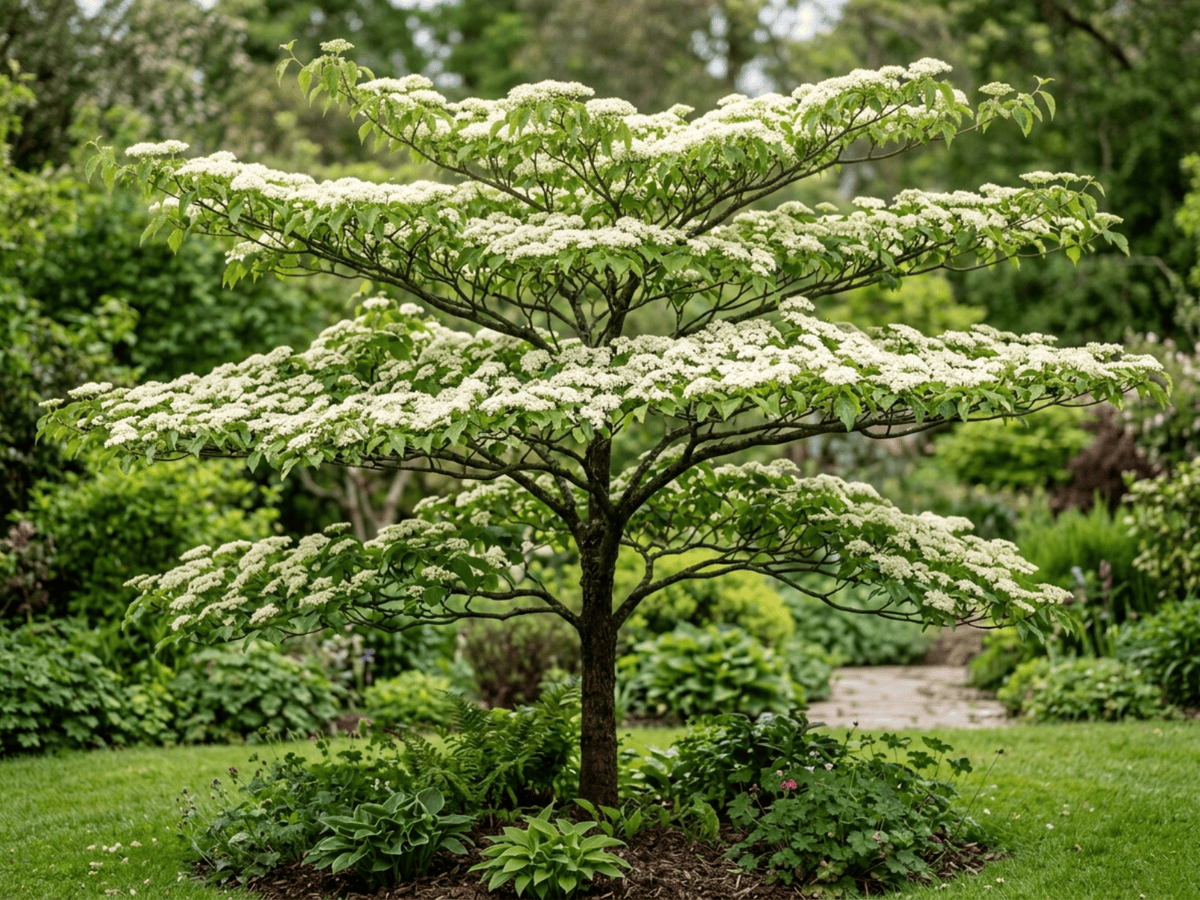 Giant DogwoodCornus controversa
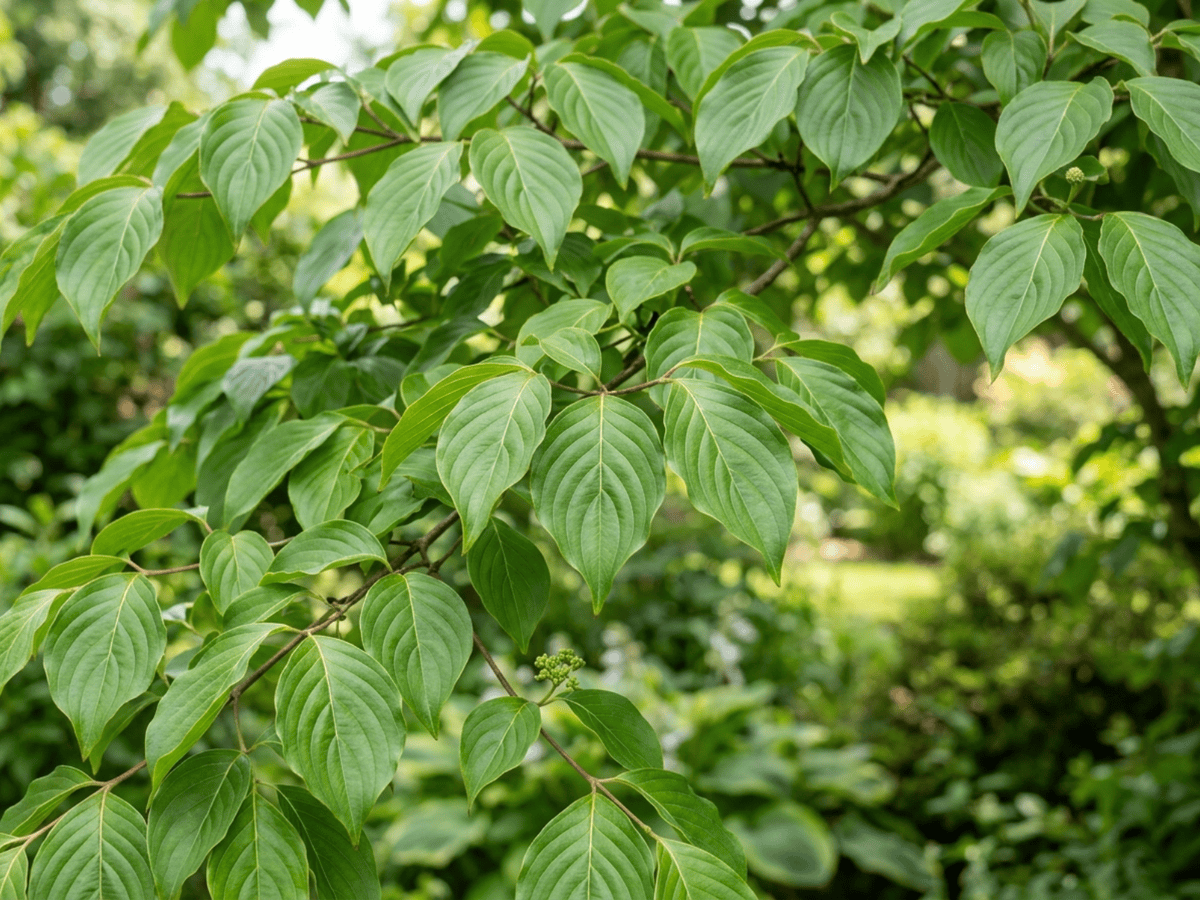 Kousa DogwoodCornus kousa
 Cornelian CherryCornus mas
Plants with similar care
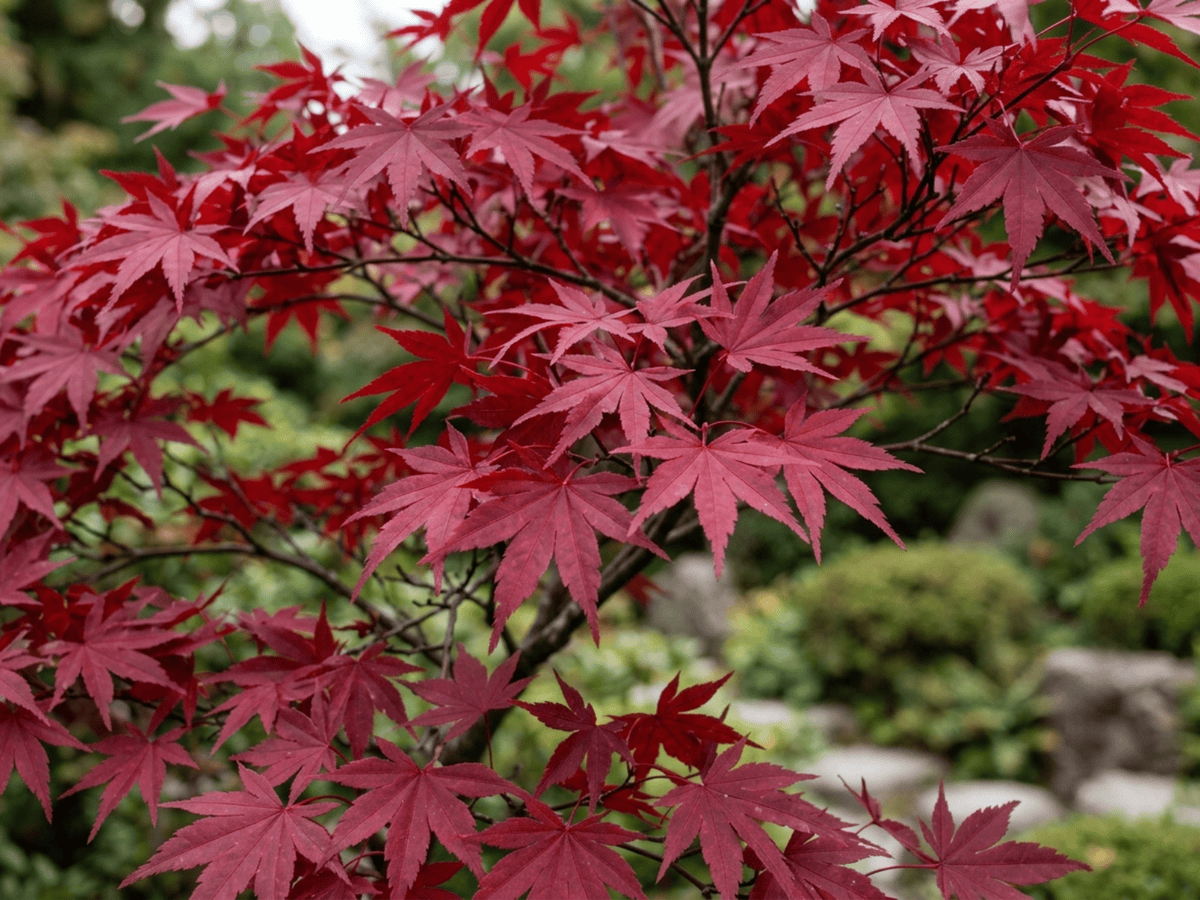 Japanese MapleAcer palmatum
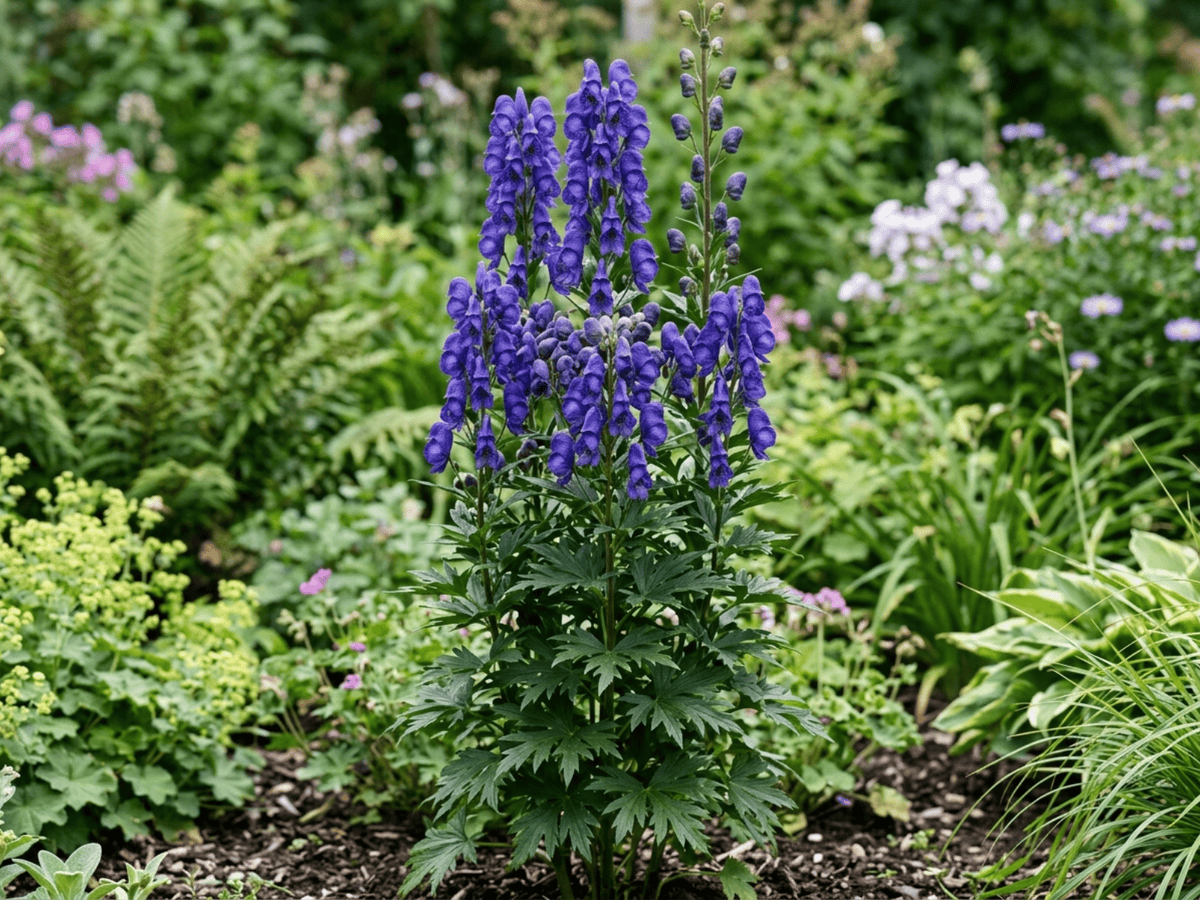 Azure MonkshoodAconitum carmichaelii
 Florida HobblebushAgarista populifolia
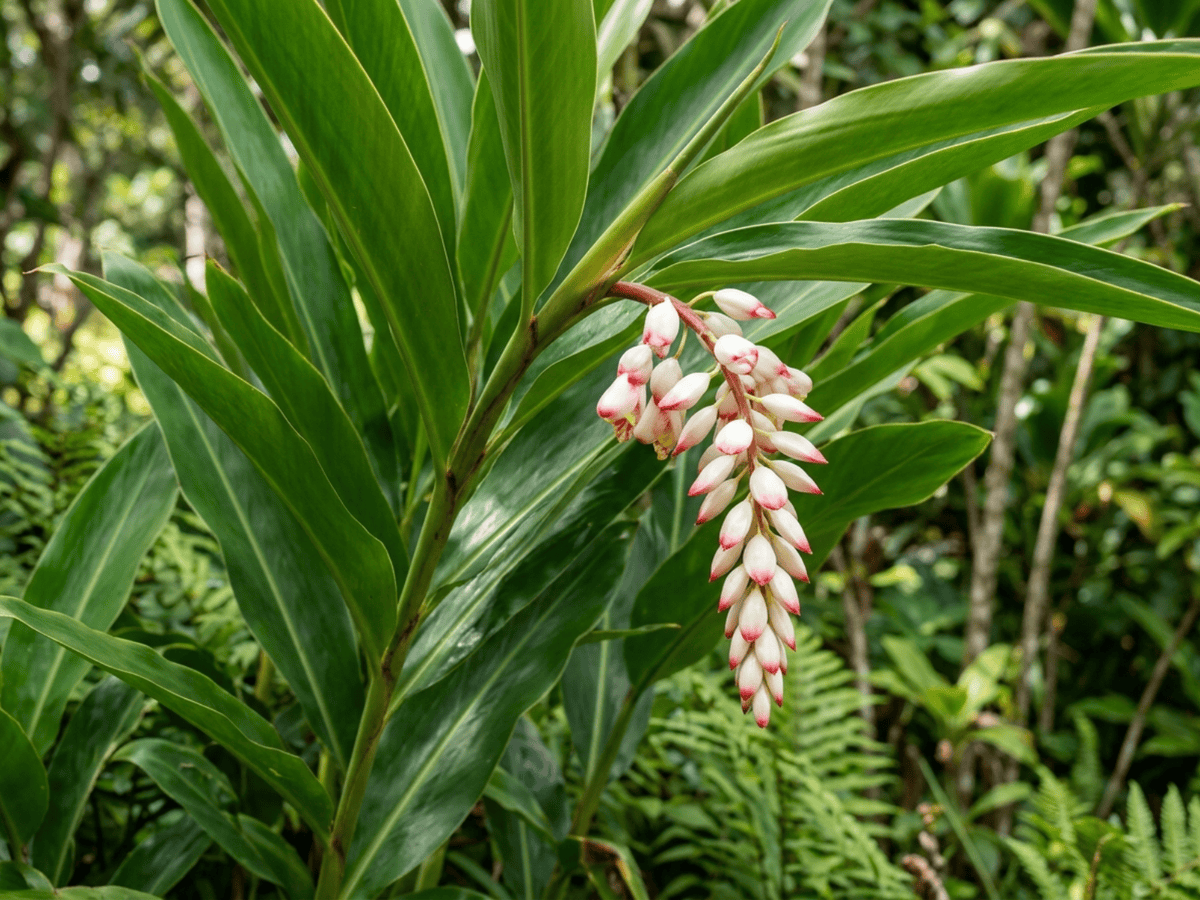 Shell GingerAlpinia zerumbet
Frequently asked questions
How often should I water Flowering Dogwood?
In summer, water about every 4 days; in winter, about every 30 days. Adjust for heat, pot size and drainage.
How much light does Flowering Dogwood need?
Part shade: 2–4 hrs direct. Watch the leaves — scorching or stretching means the light needs adjusting.
Is Flowering Dogwood toxic to cats or dogs?
No toxicity has been reported for this plant. Still, it is wise to keep pets from chewing on any houseplant. Educational information, not medical or veterinary advice. If exposure is suspected, contact a doctor or veterinarian.
Is Flowering Dogwood easy to grow?
It is moderately demanding: a good choice once you have a little experience.
When does Flowering Dogwood bloom?
It typically blooms Mar–May in the Northern Hemisphere.
YardMate
Identify any plant in seconds
Snap a photo — YardMate names the plant, diagnoses problems, and reminds you when to water.
Download on the App Store