 YardMate


Cornelian Cherry
Cornus mas
Easy · Beginner friendlyAbout Cornelian Cherry
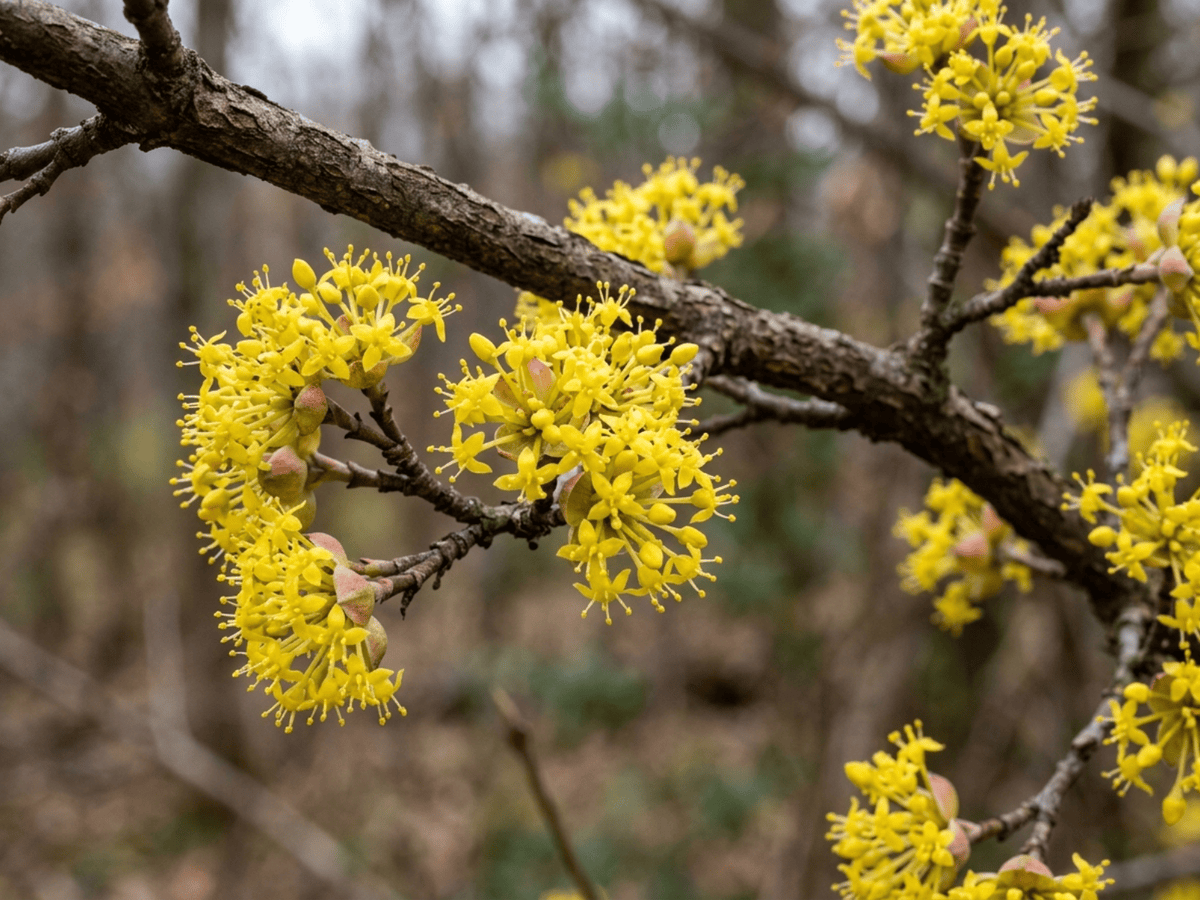
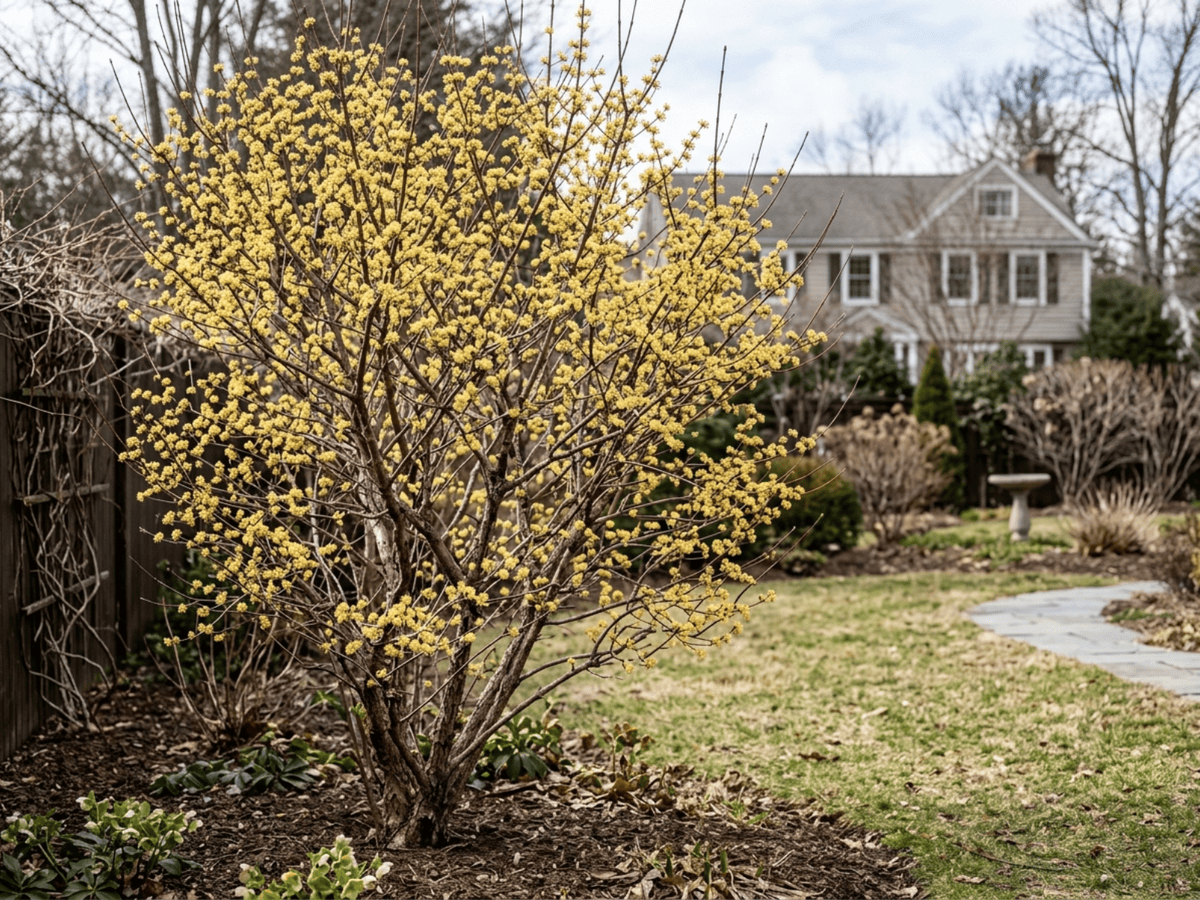
Cornelian Cherry Dogwood is an early-blooming large shrub or small tree native to southern Europe and western Asia, producing clusters of tiny golden-yellow flowers on bare branches in late winter before almost any other woody plant flowers. Growing 15-25 feet tall, it bears bright red edible cherry-like fruits in late summer. Hardy in USDA zones 4-8, it offers year-round interest for American landscapes with exfoliating bark in winter.
- Edible
- Cold-hardy
- Pollinator-friendly
How to care for Cornelian Cherry
Watering
- Springevery 7 days
- Summerevery 5 days
- Fallevery 10 days
- Winterpause watering
Soil · Well-draining
- Top dressingPine bark mulch10%
- Main mixPotting soil + perlite 2:170%
- DrainageLECA / gravel20%
Never skip the drainage layer — standing water is the top cause of root rot.
FERTILIZER
Balanced Feed 14-14-14
An even feed covers all three needs at once, keeping leaves, roots and blooms moving together with nothing pushed out of balance.
- Nitrogen · Leaves
- Phosphorus · Roots + Blooms
- Potassium · Strength
- Springevery 60 days
- Summerevery 60 days
At a Glance
- NativeEurope, Western Asia
- Height15–25 ft (4.6–7.6 m)
- Spread15–20 ft (4.6–6.1 m)
- Flower colorYellow
- Foliage colorGreen, Red
- Fruit colorRed
- SoilLoamy, Well-drained, Neutral
- LocationsYard
Bloom time
BLOOM CYCLE
Peak bloom
Feb–Mar
Golden-yellow clusters February to March
Fragrance
LIGHT FRAGRANCE
The flowers have a mild scent.
Toxicity
No toxicity has been reported for this plant. Still, it is wise to keep pets from chewing on any houseplant.
Educational information, not medical or veterinary advice. If exposure is suspected, contact a doctor or veterinarian.
DISTRIBUTION

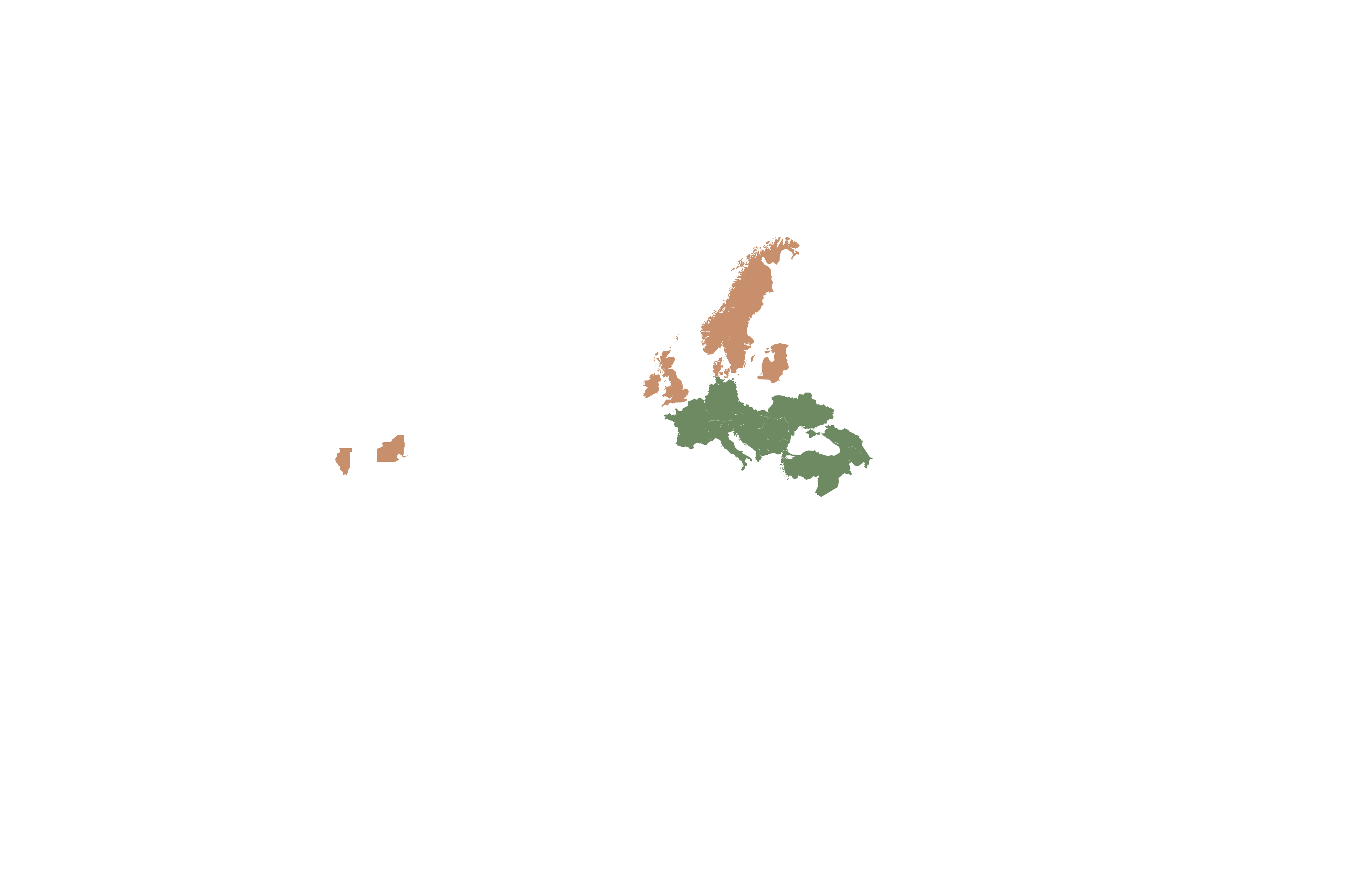
- Native
- Introduced
- Europe
- Western Asia
History
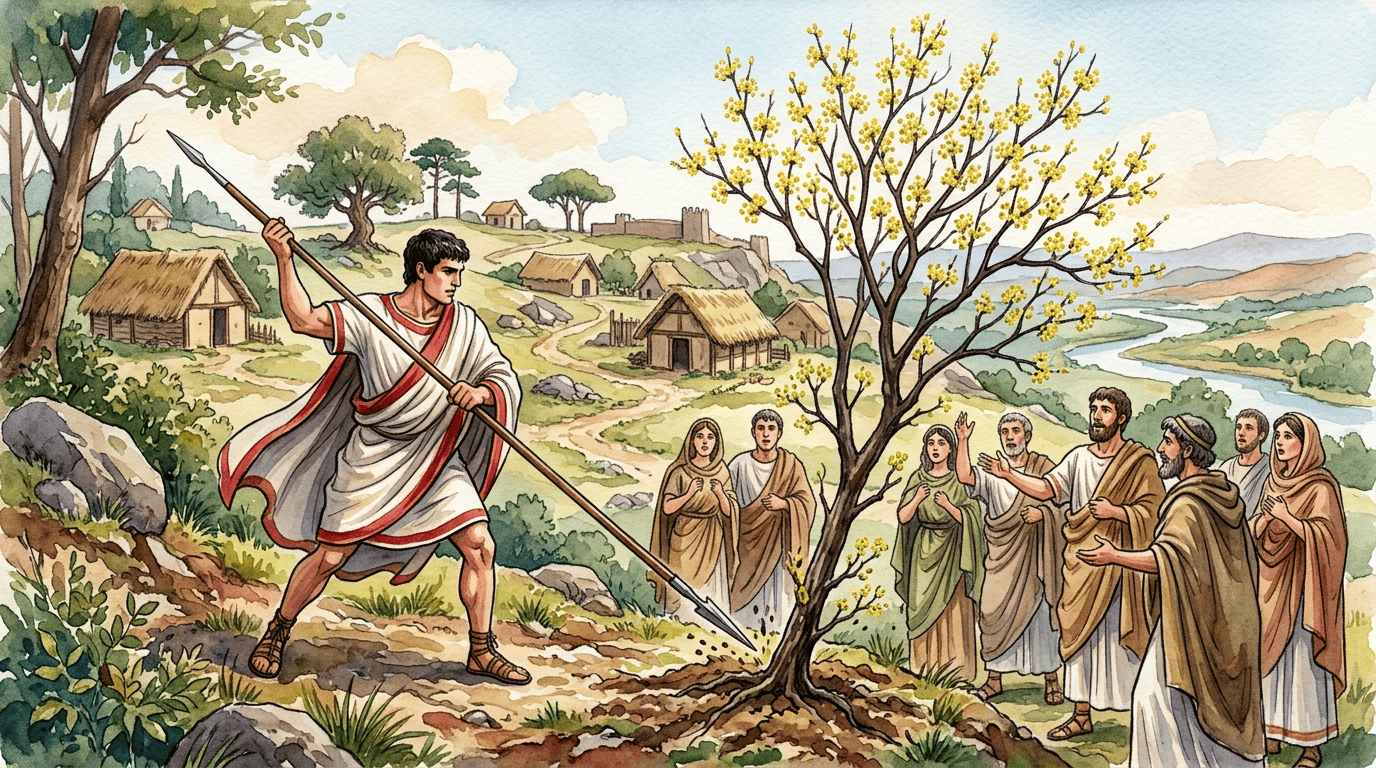
Cornus mas ranges across southern Europe and western Asia. Its hard dense wood has been used since antiquity for tool handles, spears, and bows—Greek mythology held that the javelin of Romulus, founder of Rome, took root as a cornel tree on the Palatine Hill. Virgil, Theophrastus, and Pliny the Elder all wrote of the species.
The cherry-like red drupes have been consumed since Neolithic times and remain important in Turkish, Iranian, Azerbaijani, and Eastern European cuisine for jams, syrups (kızılcık şerbeti), and fermented drinks. It reached modern Western horticulture by the 16th century and was one of the earliest ornamental Cornus grown outside Asia. The tiny bright yellow flowers in dense clusters along bare branches in February-March signal earliest spring, valued particularly in cool-climate gardens.
Cultivated since ancient Greek and Roman times for its tart fruit—Homer mentioned it as food for the swine of Circe. Eastern European cuisines still feature cornelian cherry preserves, syrups, and the traditional liqueur 'kornel'. A classic American specimen tree in 19th-century estates, returning to popularity for its wildlife and edible value.
Symbolism & meaning
What It Symbolizes
The Cornelian Cherry expresses endurance, its wood among the hardest in Europe and long fashioned into tool handles, spear shafts, and lathe-turned implements. Cultivated around the Mediterranean since antiquity, it carries an ancient heritage of fruit, dye, and timber. This is a plant of stubborn usefulness — golden in flower, scarlet in fruit, and remembered in many old languages as a tree of practical, lasting strength.
- Endurance — extremely hard wood historically used for tool handles
- Heritage — ancient Mediterranean fruit plant
Where the Name Comes From
'Cornus' means 'horn' in Latin, referring to the hard wood; 'mas' means 'male'.
Uses & Fun Facts
- Tart red fruits cooked into syrups, preserves, sauces, and liqueurs
- Yellow late-winter flowers and red fruit brighten edible hedges
- Cornelian Cherry flowers nourish foraging bees and pollinators
- Cornelian Cherry berries and cover sustain songbirds through autumn
Related plants
More Cornus plants
 Alternate-Leaved DogwoodCornus alternifolia
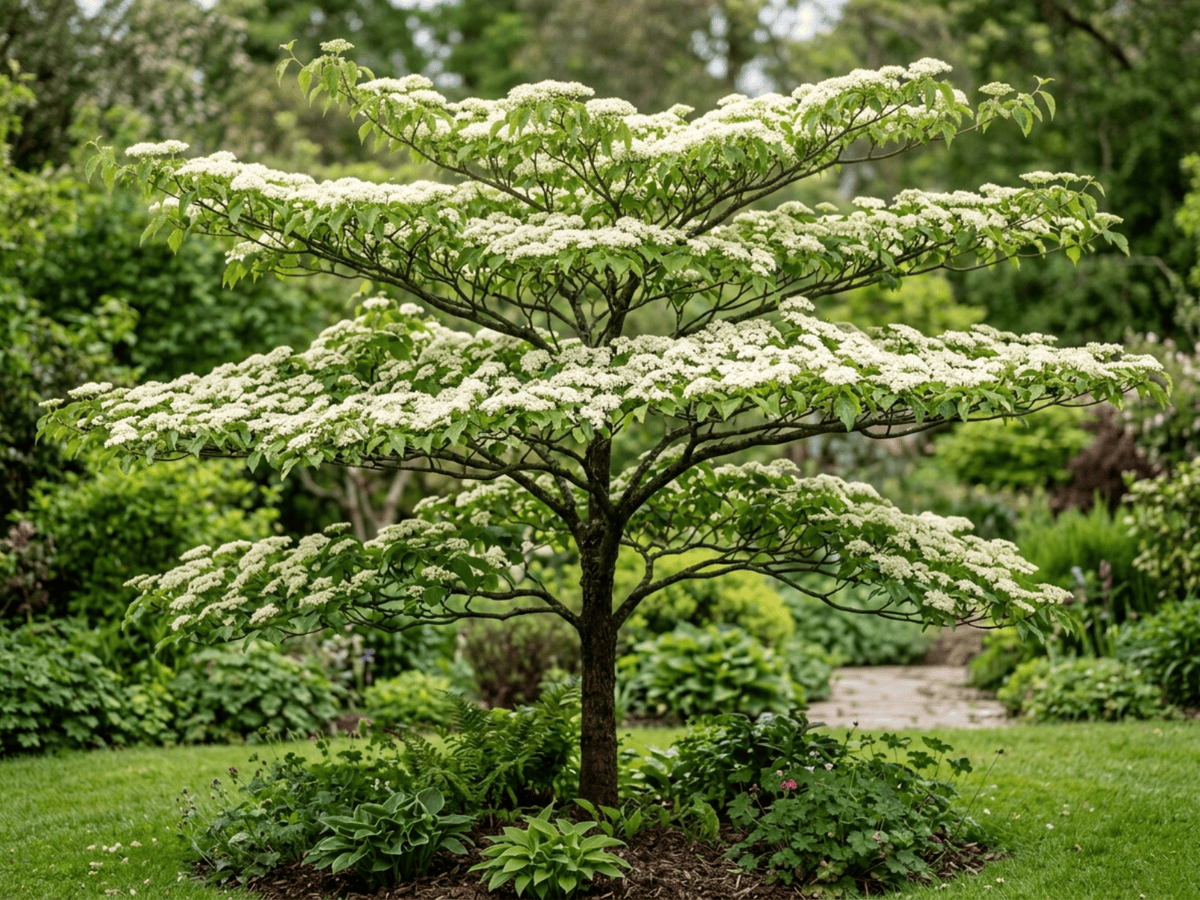 Giant DogwoodCornus controversa
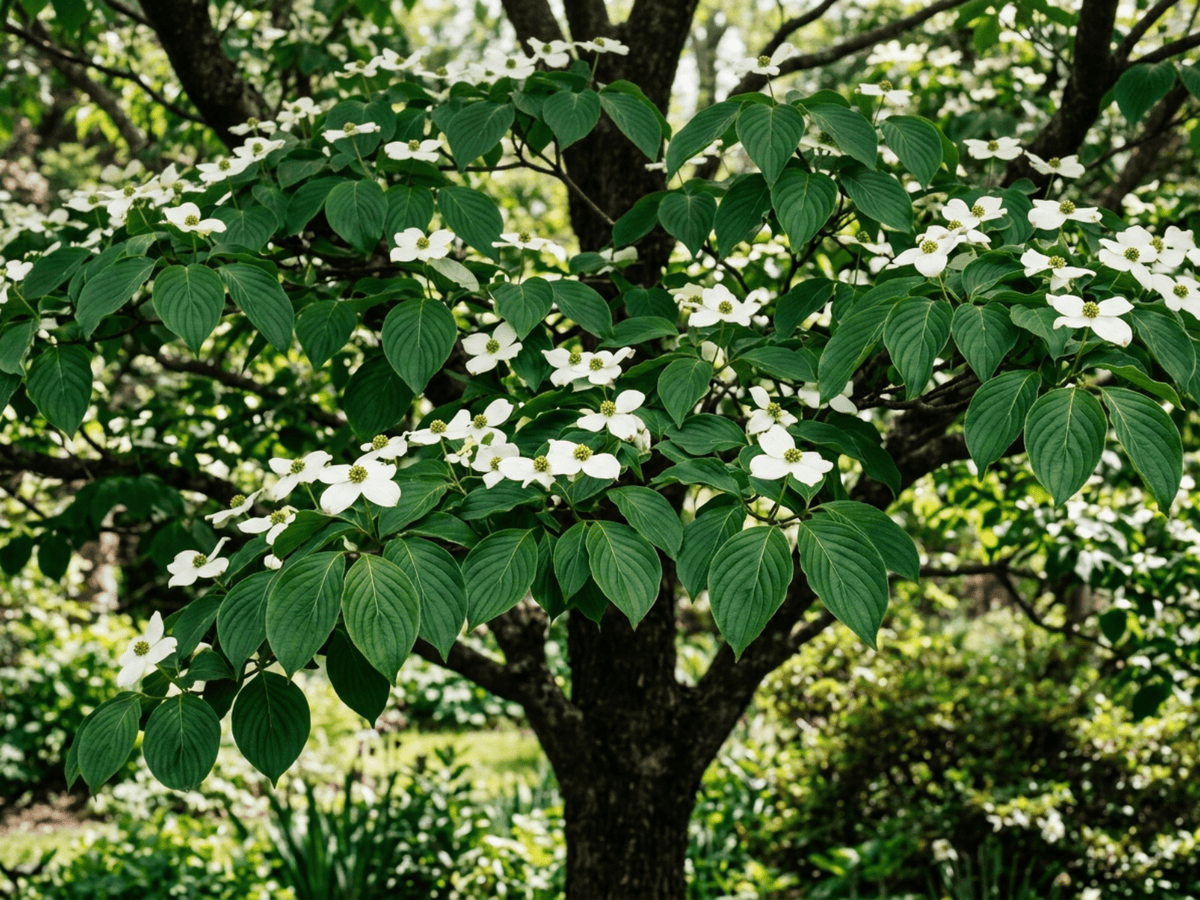 Flowering DogwoodCornus florida
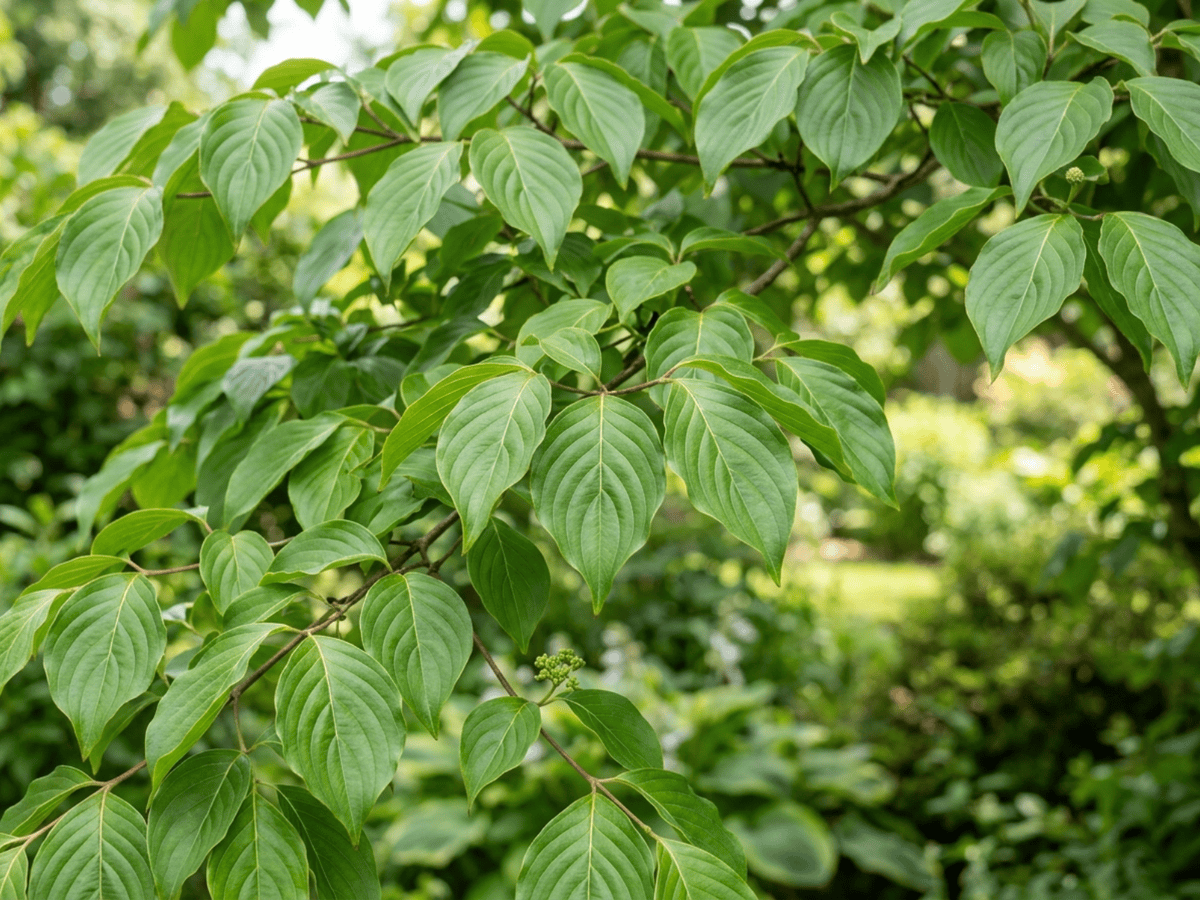 Kousa DogwoodCornus kousa
Plants with similar care
 Chinese AbeliaAbelia chinensis
 Fragrant AbeliaAbelia mosanensis
 Large-Flowered AbeliaAbelia uniflora
 Glossy AbeliaAbelia x grandiflora
Frequently asked questions
How often should I water Cornelian Cherry?
Water about every 7 days during the growing season, and always let excess water drain away.
How much light does Cornelian Cherry need?
Full sun: 6+ hrs direct. Watch the leaves — scorching or stretching means the light needs adjusting.
Is Cornelian Cherry toxic to cats or dogs?
No toxicity has been reported for this plant. Still, it is wise to keep pets from chewing on any houseplant. Educational information, not medical or veterinary advice. If exposure is suspected, contact a doctor or veterinarian.
Is Cornelian Cherry easy to grow?
Yes — it is considered an easy, beginner-friendly plant.
When does Cornelian Cherry bloom?
It typically blooms Feb–Mar in the Northern Hemisphere.
YardMate
Identify any plant in seconds
Snap a photo — YardMate names the plant, diagnoses problems, and reminds you when to water.
Download on the App Store