 YardMate

Kousa Dogwood
Cornus kousa
Medium · Some experienceAbout Kousa Dogwood
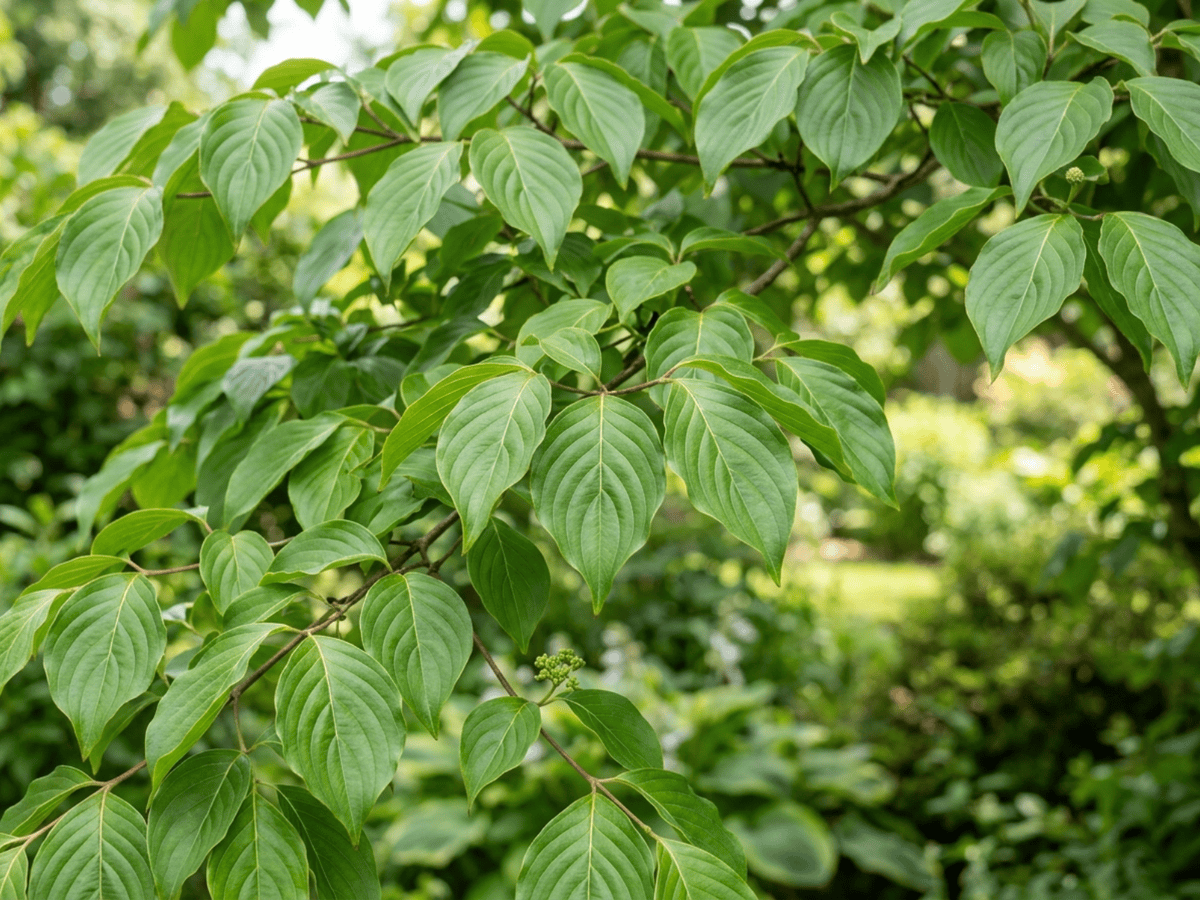
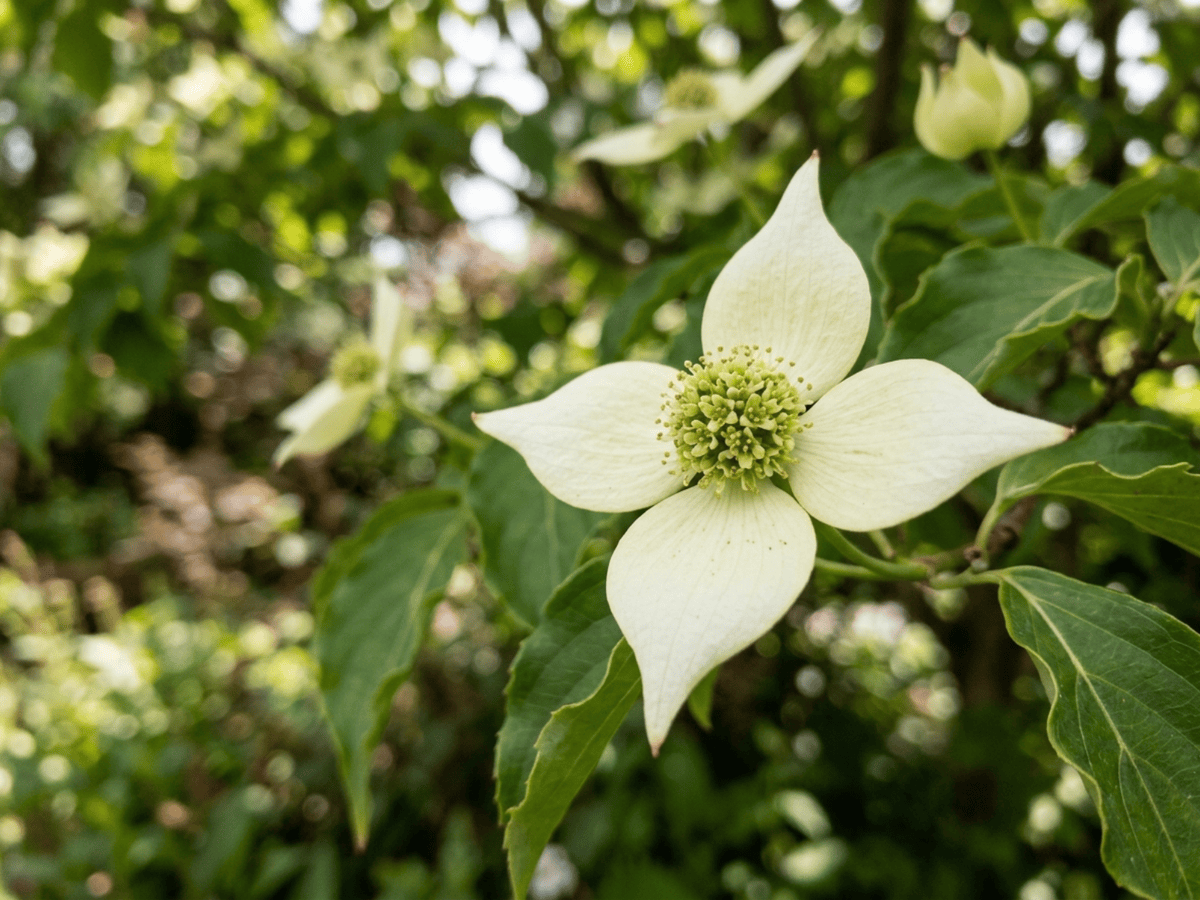
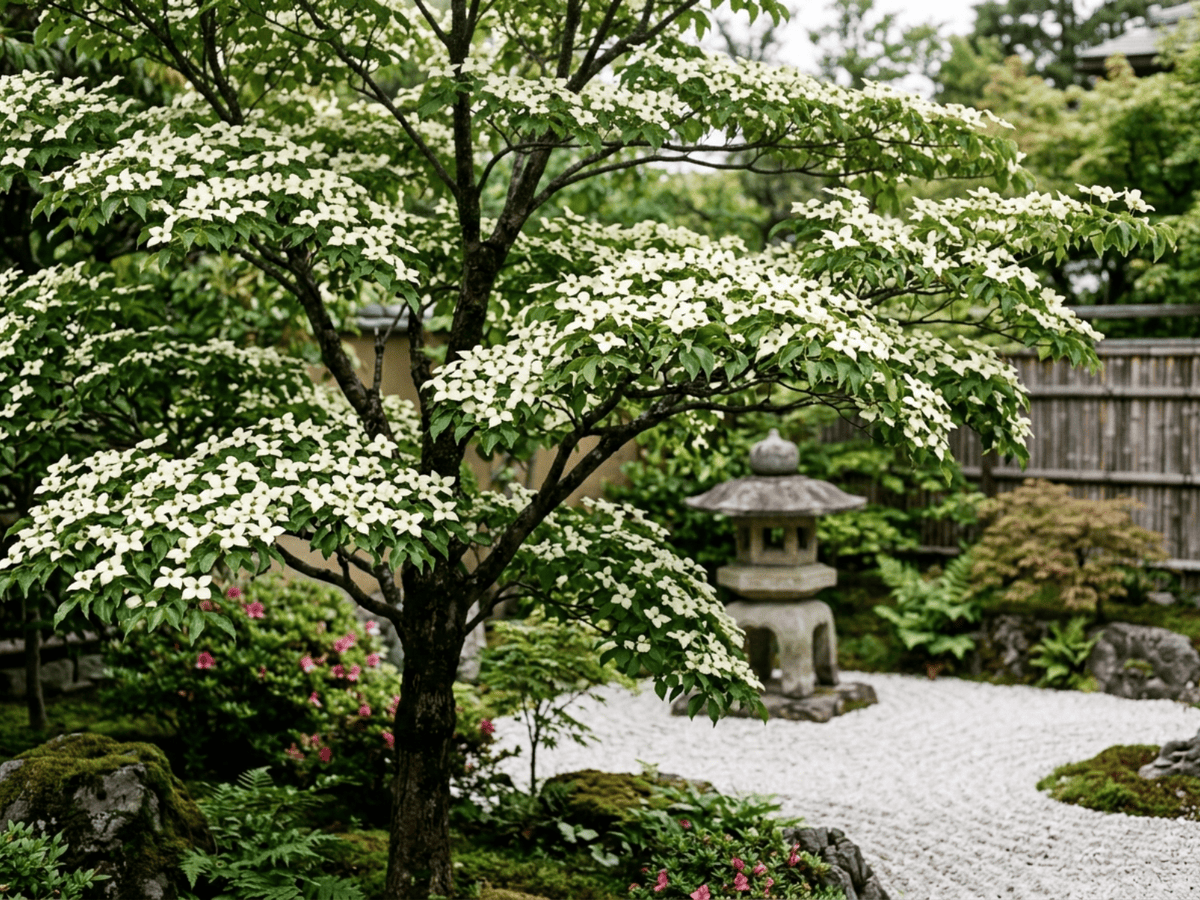
Cornus kousa, the Japanese dogwood or kousa dogwood, is a deciduous small tree native to East Asia including Japan, Korea, and China. It typically grows 15 to 30 feet tall with a graceful vase-shaped canopy that matures into a beautiful layered branching pattern. Unlike its American cousin Cornus florida, the kousa blooms two to three weeks later in early summer, bearing showy pointed white or pink bracts that surround the tiny true flowers. The raspberry-like aggregate fruits that follow are edible and mildly sweet, attracting birds and wildlife. The bark exfoliates with age to reveal a stunning patchwork of gray, tan, and brown. Kousa dogwood is notably more resistant to dogwood anthracnose than the native flowering dogwood, making it a popular landscape alternative. It prefers moist, well-drained acidic soil in partial shade to full sun and benefits from a thick mulch layer to keep roots cool. Fall foliage ranges from scarlet to deep purple, providing multi-season interest that has made it a staple of ornamental gardens worldwide.
- Disease-resistant
- Wildlife-friendly
How to care for Kousa Dogwood
Watering
- Springevery 5 days
- Summerevery 4 days
- Fallevery 10 days
- Winterevery 30 days
Soil · Well-draining
- Top dressingPine bark mulch10%
- Main mixPotting soil + perlite 2:170%
- DrainageLECA / gravel20%
Never skip the drainage layer — standing water is the top cause of root rot.
FERTILIZER
Acid-Loving Feed 4-3-4
One bag does both jobs. An acid feed carries the usual nitrogen, phosphorus and potassium, plus the sulfur and iron that keep the soil sour enough for the roots to take them up at all.
- Nitrogen · Leaves
- Phosphorus · Roots + Blooms
- Potassium · Strength
- Springevery 60 days
At a Glance
- NativeEast Asia
- Height15–30 ft (4.6–9.1 m)
- Spread15–30 ft (4.6–9.1 m)
- Flower colorWhite, Pink
- Foliage colorGreen, Red, Purple
- Fruit colorRed, Pink
- SoilLoamy, Well-drained, Acidic
- LocationsYard
Bloom time
BLOOM CYCLE
Peak bloom
May–Aug
Showy white or pink pointed bracts appear in early summer; avoid heavy pruning to preserve flower buds formed on previous year's wood
Fragrance
NO FRAGRANCE
No notable fragrance.
Toxicity
No toxicity has been reported for this plant. Still, it is wise to keep pets from chewing on any houseplant.
Educational information, not medical or veterinary advice. If exposure is suspected, contact a doctor or veterinarian.
DISTRIBUTION


- Native
- Introduced
- East Asia
History
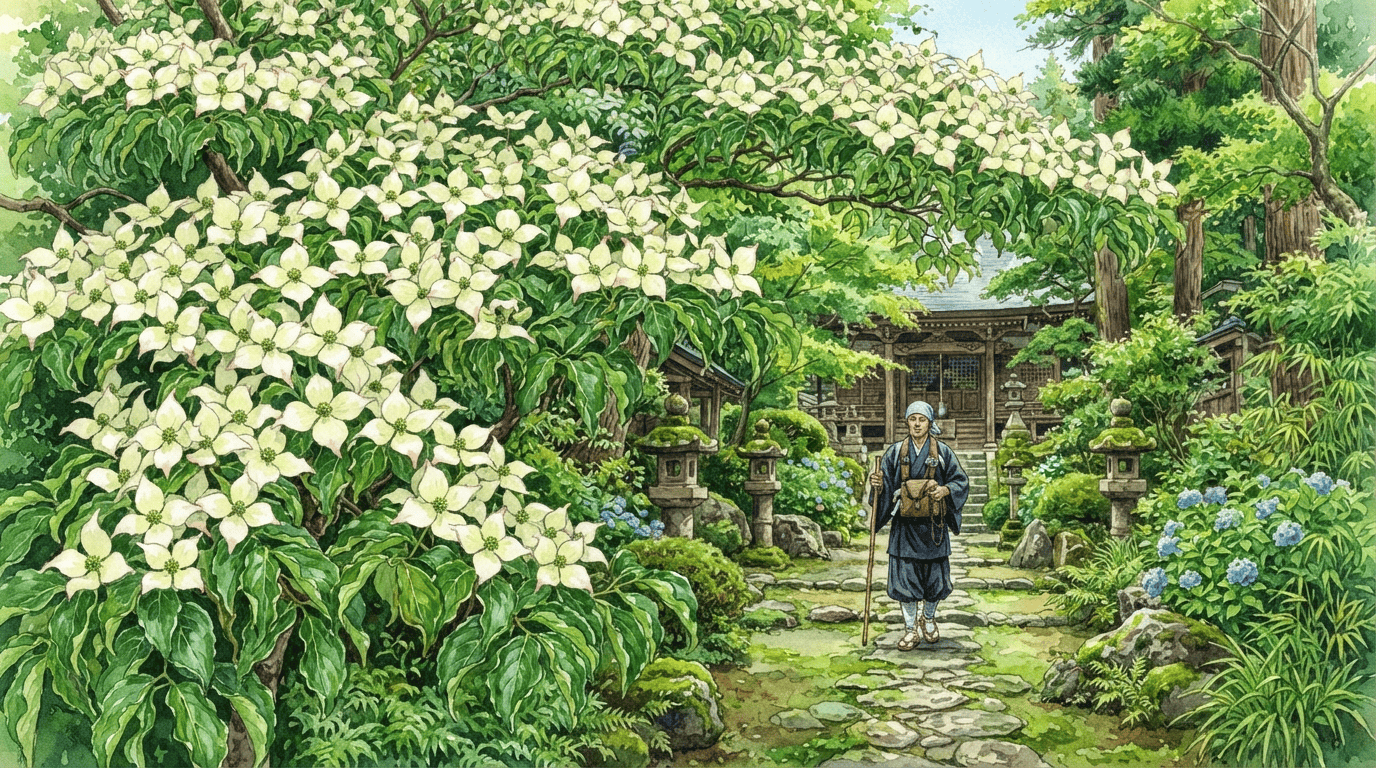
Cornus kousa is native to Japan, Korea, and central and eastern China, where it grows as an understory tree. Its Japanese name "yamaboshi" means "mountain priest," a reference to the bract shape resembling the hood of a mountain monk. It was introduced to Western horticulture in 1875 through plant hunter Charles Maries working for the Veitch Nurseries of England, and arrived in North America later in the 19th century.
The species blooms two to three weeks later than the native North American flowering dogwood (C. florida), giving it a spring-into-summer flowering niche, and bears red, compound, raspberry-like fruits that are edible but typically mealy. Crucially for modern American horticulture, C. kousa is substantially more resistant to the dogwood anthracnose fungus (Discula destructiva) that has devastated C. florida since 1978.
Rutgers University's Elwin Orton bred interspecific hybrids between the two species (the "Stellar" series, marketed as Cornus x rutgersensis) in the 1970s-80s to combine the showy bracts of C. florida with the disease resistance and later bloom of C. kousa. In Japan, it has been cultivated in temple gardens for centuries and is known as 'yamaboushi' meaning mountain monk, referencing the pointed white bracts that resemble a monk's cowl.
Symbolism & meaning
What It Symbolizes
The kousa dogwood is the resilient cousin of the embattled American flowering dogwood, thriving where anthracnose has felled its native kin and standing as a quiet symbol of strength through adversity. Its layered, tiered branches carry a second meaning: elegance, the architectural refinement that has made it a centerpiece of Japanese-inspired gardens worldwide. Survival and grace, in this tree, are the same gesture.
- Resilience — Thrives where other dogwoods succumb to disease, symbolizing strength through adversity
- Elegance — Its graceful layered branching represents refined beauty and poise
Where the Name Comes From
'Cornus' derives from Latin 'cornu' (horn), referring to the hardness of the wood. 'Kousa' is the Japanese common name for this species.
Uses & Fun Facts
- Pink raspberry-like fruits eaten fresh or made into preserves
- Showy white star bracts cover the canopy in early summer
- Late-summer berries feed birds and small mammals
- Layered horizontal branching as four-season specimen tree
Related plants
More Cornus plants
 Alternate-Leaved DogwoodCornus alternifolia
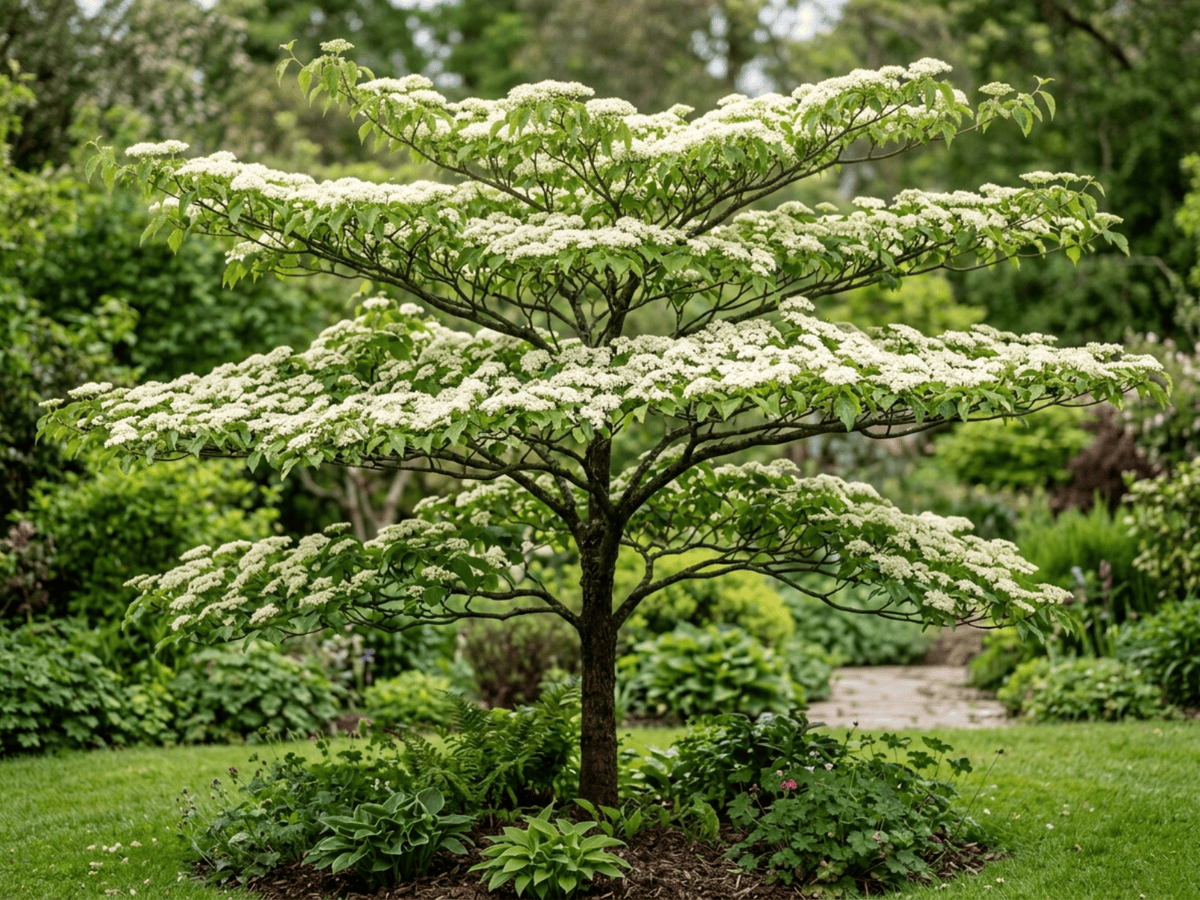 Giant DogwoodCornus controversa
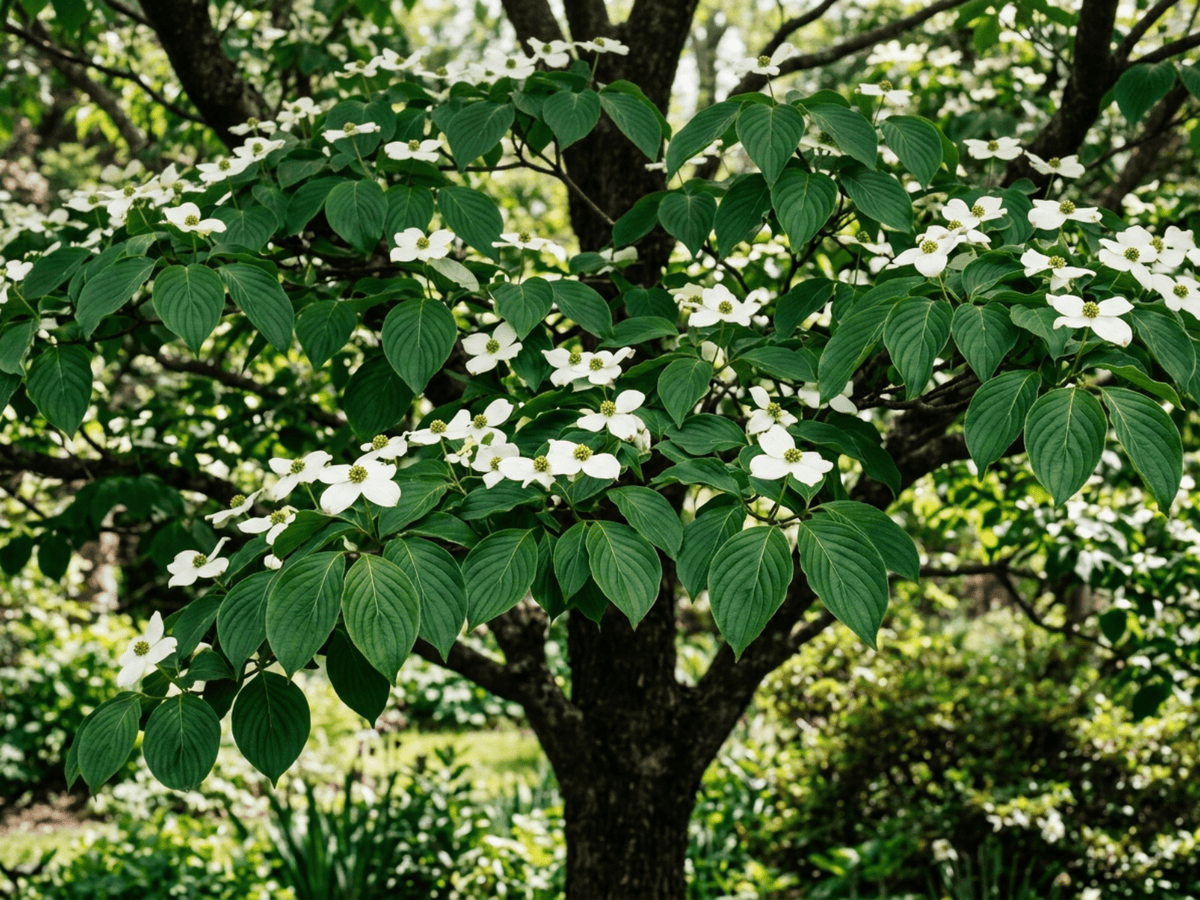 Flowering DogwoodCornus florida
 Cornelian CherryCornus mas
Plants with similar care
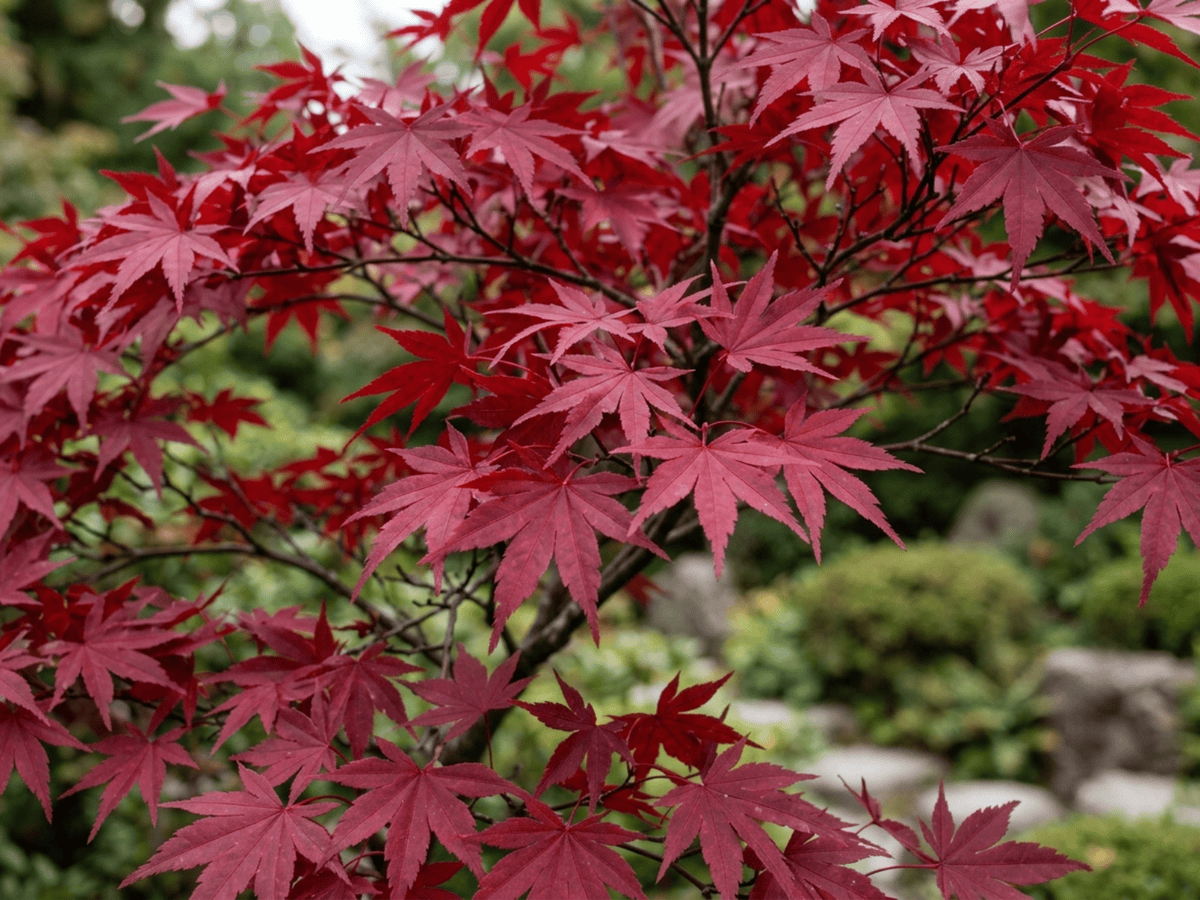 Japanese MapleAcer palmatum
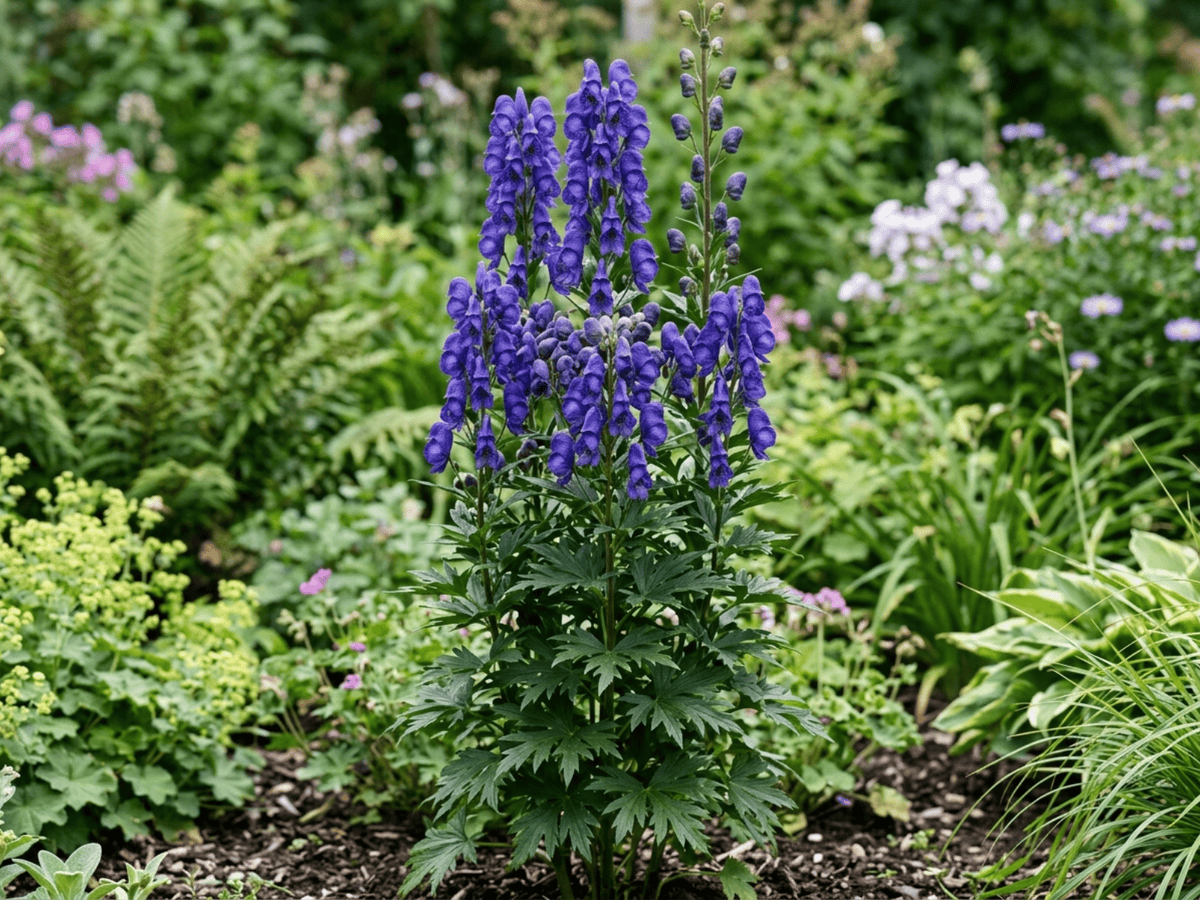 Azure MonkshoodAconitum carmichaelii
 Florida HobblebushAgarista populifolia
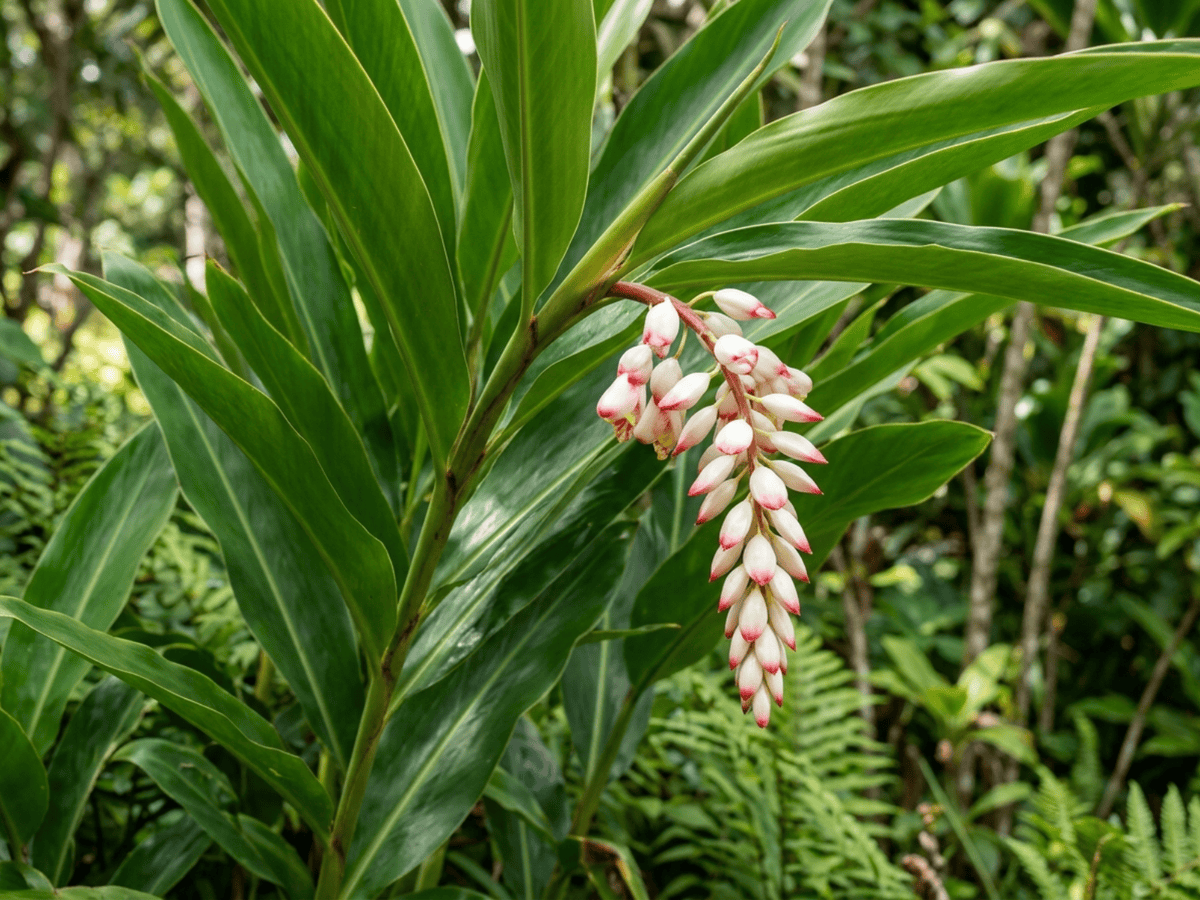 Shell GingerAlpinia zerumbet
Frequently asked questions
How often should I water Kousa Dogwood?
In summer, water about every 4 days; in winter, about every 30 days. Adjust for heat, pot size and drainage.
How much light does Kousa Dogwood need?
Part shade: 2–4 hrs direct. Watch the leaves — scorching or stretching means the light needs adjusting.
Is Kousa Dogwood toxic to cats or dogs?
No toxicity has been reported for this plant. Still, it is wise to keep pets from chewing on any houseplant. Educational information, not medical or veterinary advice. If exposure is suspected, contact a doctor or veterinarian.
Is Kousa Dogwood easy to grow?
It is moderately demanding: a good choice once you have a little experience.
When does Kousa Dogwood bloom?
It typically blooms May–Aug in the Northern Hemisphere.
YardMate
Identify any plant in seconds
Snap a photo — YardMate names the plant, diagnoses problems, and reminds you when to water.
Download on the App Store