 YardMate


Pacific Dogwood
Cornus nuttallii
Hard · Experienced growersAbout Pacific Dogwood
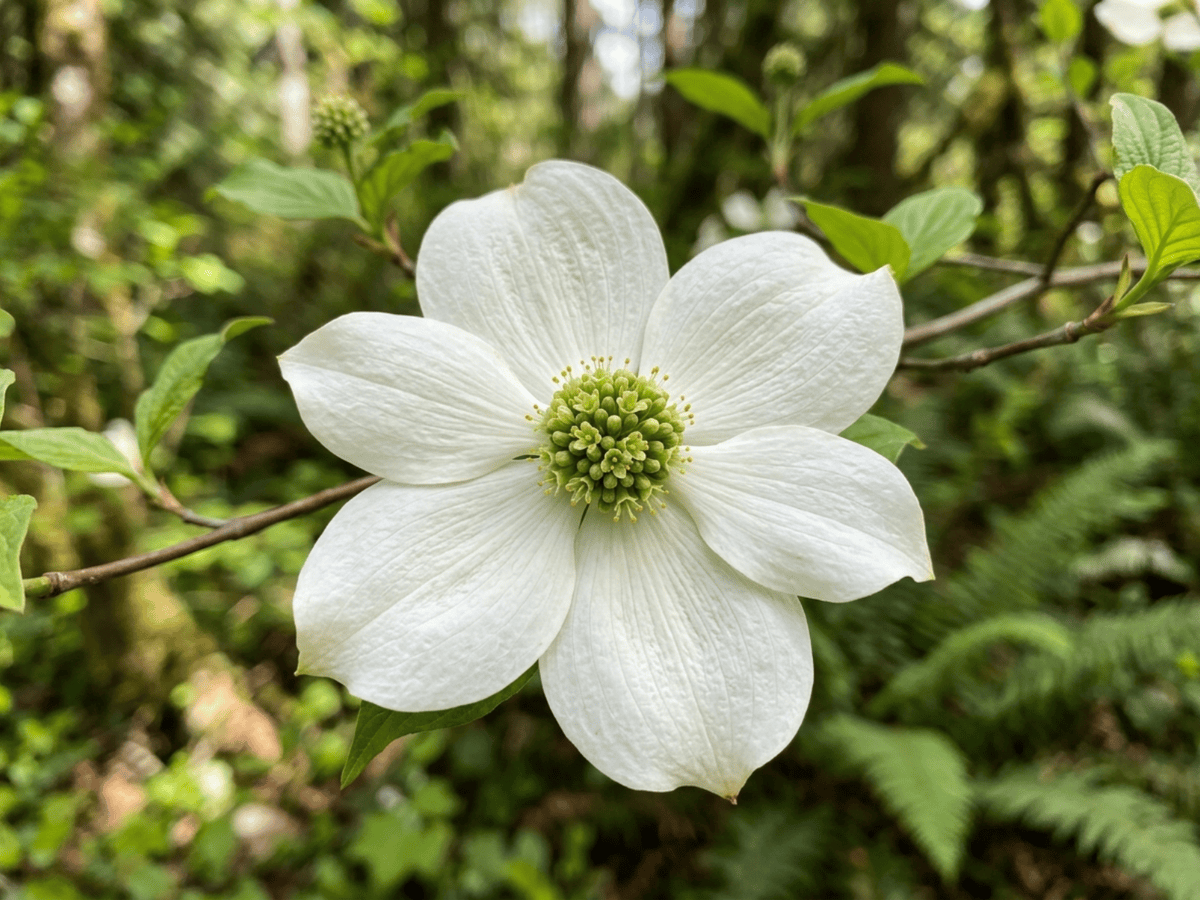
Pacific Dogwood is a magnificent native flowering dogwood of the Pacific Northwest from California to British Columbia, bearing huge 4-6 inch white flower bracts (larger than any other dogwood) in late spring and often again in fall. Reaching 30-50 feet tall with a graceful pyramidal form, it produces clusters of red berries and is one of the most beautiful native American trees. A signature species of Pacific Northwest woodlands.
- Native
- Pollinator-friendly
How to care for Pacific Dogwood
Watering
- Springevery 5 days
- Summerevery 4 days
- Fallevery 7 days
- Winterpause watering
Soil · Well-draining
- Top dressingPine bark mulch10%
- Main mixPotting soil + perlite 2:170%
- DrainageLECA / gravel20%
Never skip the drainage layer — standing water is the top cause of root rot.
FERTILIZER
Acid-Loving Feed 4-3-4
One bag does both jobs. An acid feed carries the usual nitrogen, phosphorus and potassium, plus the sulfur and iron that keep the soil sour enough for the roots to take them up at all.
- Nitrogen · Leaves
- Phosphorus · Roots + Blooms
- Potassium · Strength
- Springevery 60 days
- Summerevery 60 days
At a Glance
- NativeNorth America
- Height30–50 ft (9.1–15.2 m)
- Spread20–30 ft (6.1–9.1 m)
- Flower colorWhite, Cream
- Foliage colorGreen, Bronze
- Fruit colorRed
- SoilLoamy, Well-drained, Acidic
- LocationsYard
Bloom time
BLOOM CYCLE
Peak bloom
Apr–Jun
Large white flower bracts April to June
Toxicity
No toxicity has been reported for this plant. Still, it is wise to keep pets from chewing on any houseplant.
Educational information, not medical or veterinary advice. If exposure is suspected, contact a doctor or veterinarian.
DISTRIBUTION


- Native
- North America
History

Cornus nuttallii is native to the Pacific Coast from southern British Columbia through Washington, Oregon, and northern California, with disjunct populations extending south in the coastal ranges. Scottish plant hunter David Douglas collected specimens during his 1820s expeditions. English botanist Thomas Nuttall formally described it in 1840 based on materials from his own western expedition with John Kirk Townsend, and John James Audubon later named it in Nuttall's honor.
Its creamy-white floral bracts reach 4-6 inches across—the largest of any dogwood—and typically number 4-8 per flower cluster versus the 4 of C. florida. It is the floral emblem of British Columbia. Unfortunately anthracnose disease has devastated wild populations since the 1970s.
Hybrids with Asian C. Named after Thomas Nuttall (1786-1859), British-American naturalist who first described it. Sacred to Pacific Northwest Indigenous peoples including the Salish and Chinook, who used the hard wood for bows, arrow shafts, and tool handles, and the bark medicinally. Pictured on Canadian silver coins as the floral emblem of British Columbia. kousa including 'Eddie's White Wonder' show improved disease resistance.
Symbolism & meaning
What It Symbolizes
Pacific Dogwood expresses durability, its ring-porous wood among the hardest of any North American tree — long valued by Pacific Northwest Indigenous peoples for tools and implements. Its heritage runs deep in those forests, where it serves as a quietly emblematic understory tree. The big white bracts in spring belie a tough constitution, a soft face on a steady, enduring frame.
- Durability — extremely hard ring-porous wood
- Heritage — Pacific Northwest Indigenous and emblematic tree
Where the Name Comes From
The name Pacific Dogwood points to the Pacific region. 'Nuttallii' honors Thomas Nuttall, pioneer American naturalist.
Uses & Fun Facts
- Creamy bracted flowers feed early bees in Pacific forests
- Red drupes feed band-tailed pigeons and migrating songbirds
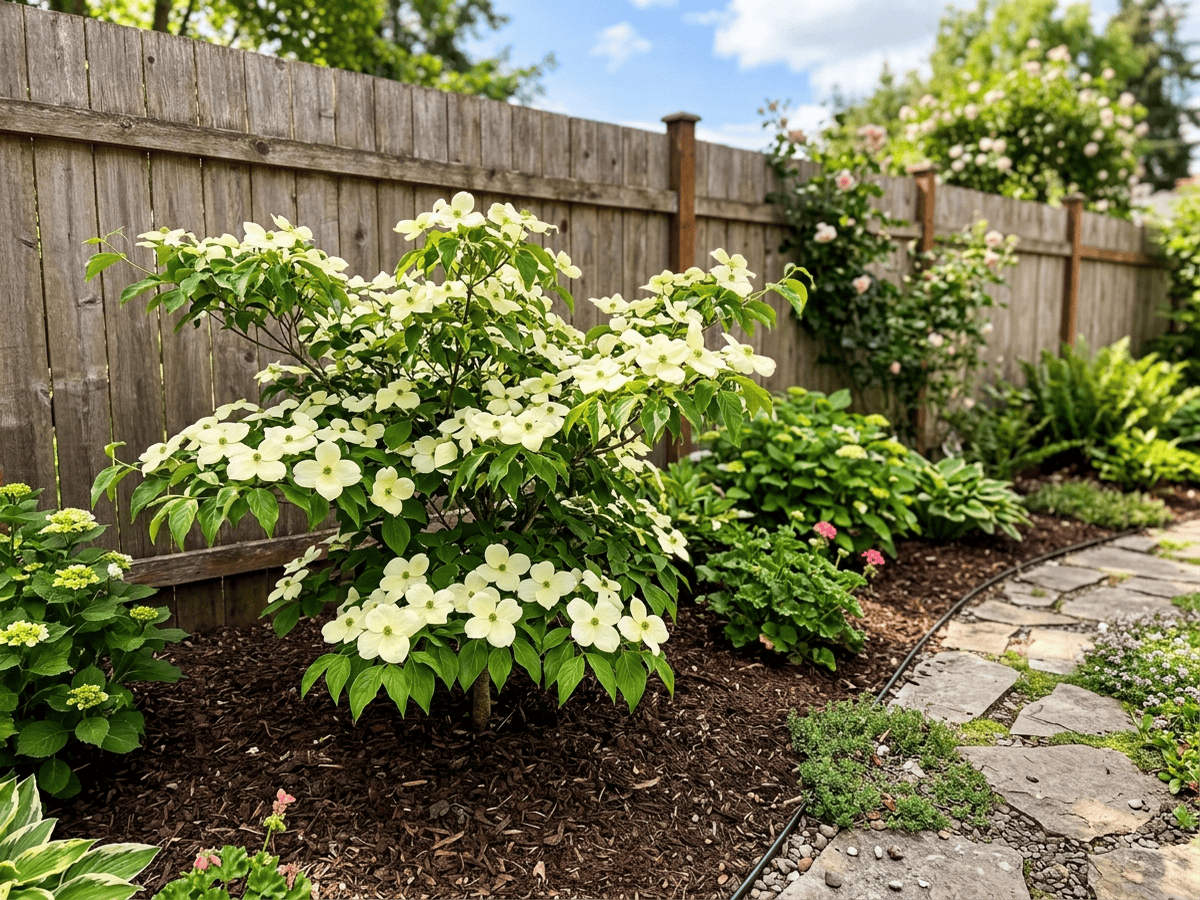
- Pacific dogwood with large white bracts for woodland focal point
Related plants
More Cornus plants
 Alternate-Leaved DogwoodCornus alternifolia
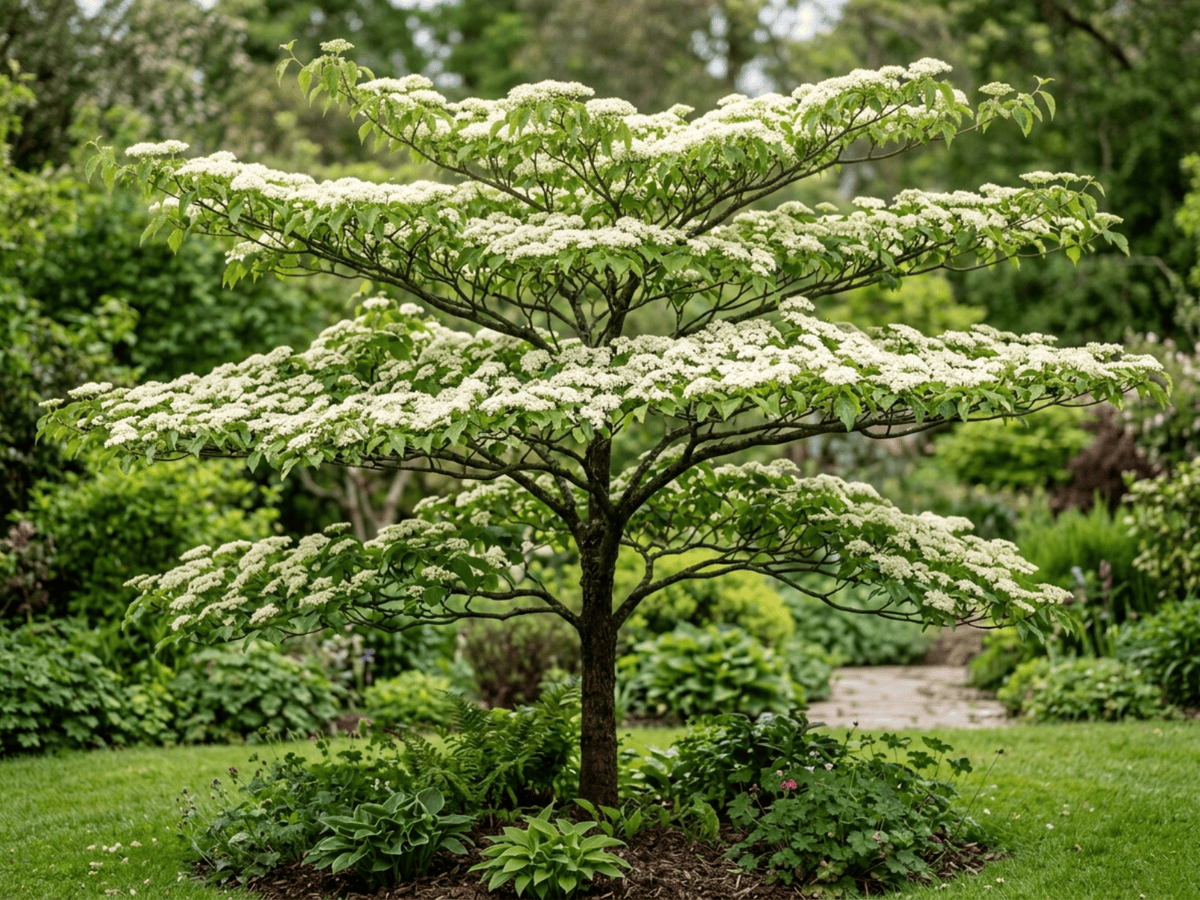 Giant DogwoodCornus controversa
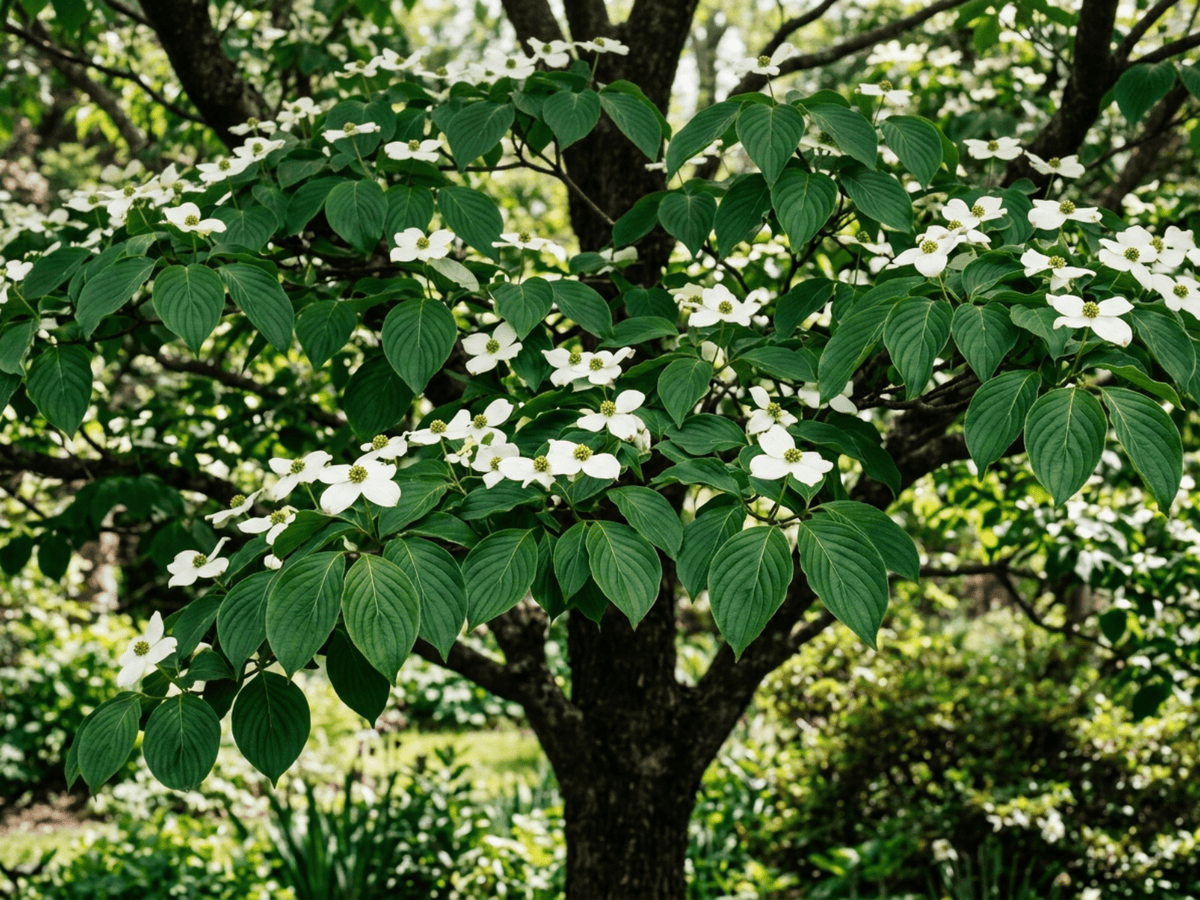 Flowering DogwoodCornus florida
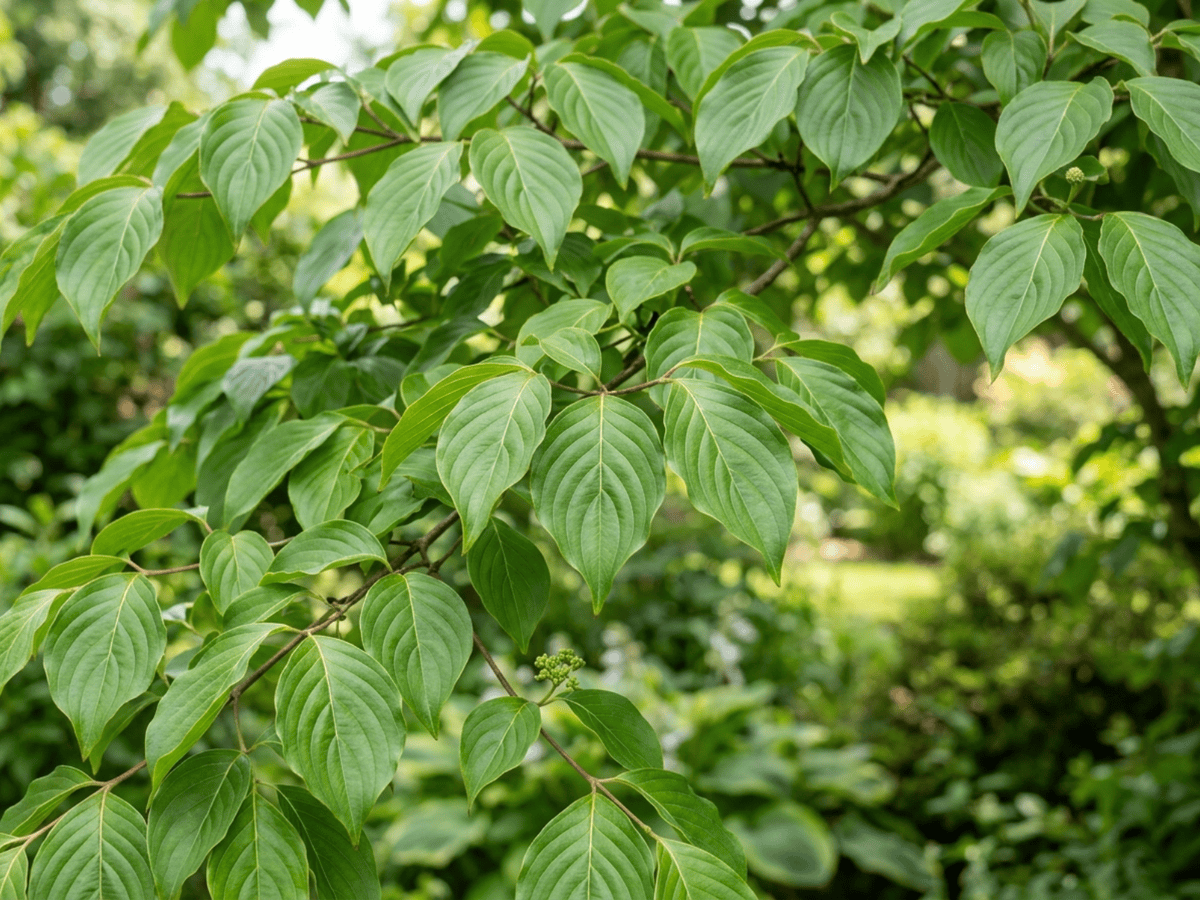 Kousa DogwoodCornus kousa
Plants with similar care
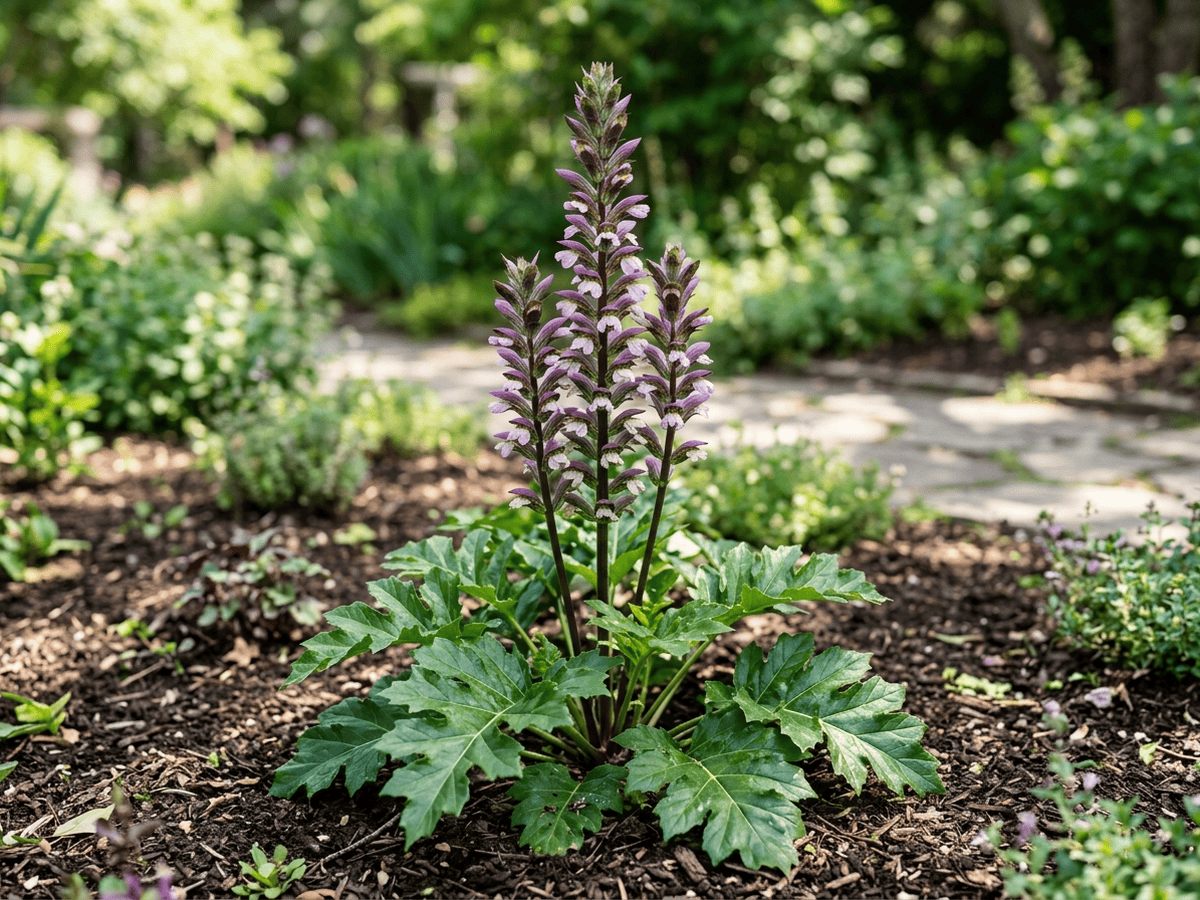 Bear's BreechesAcanthus mollis
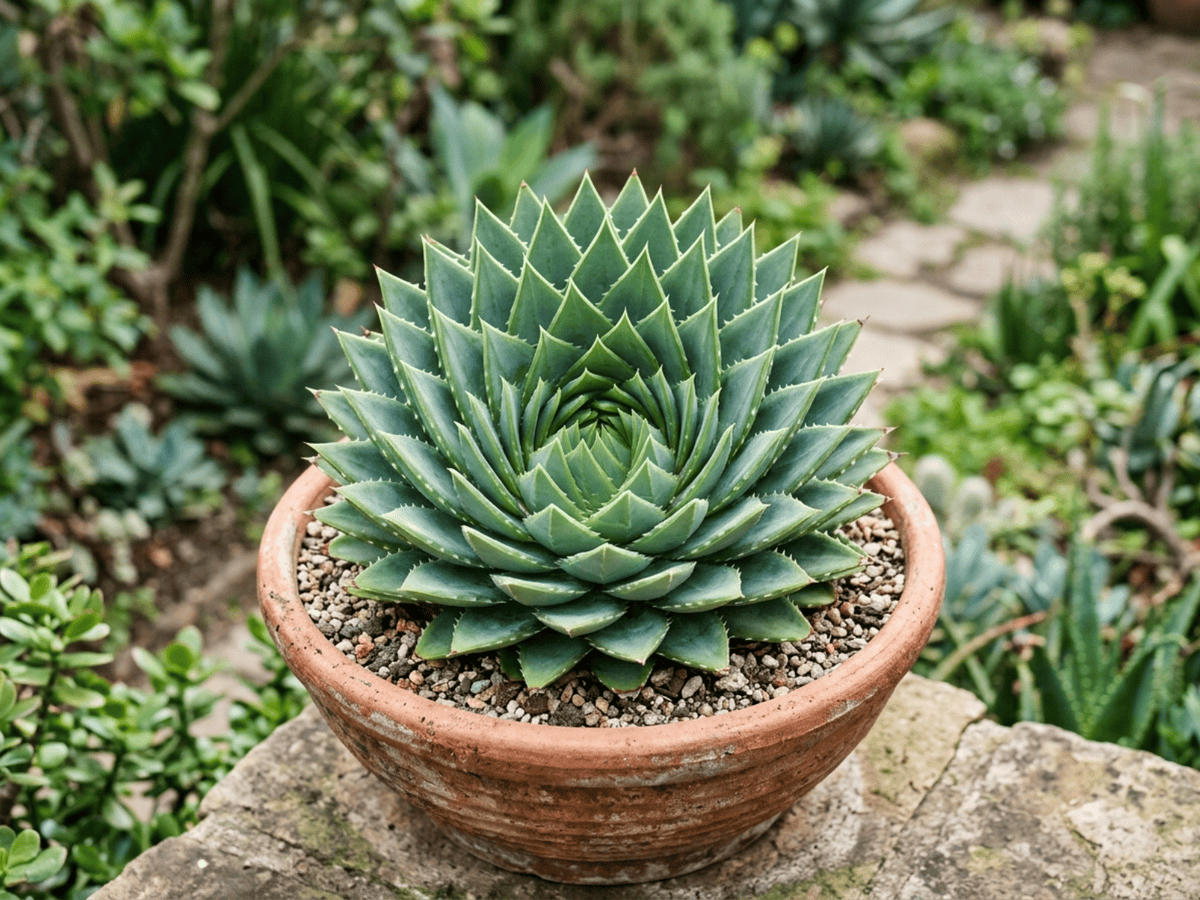 Spiral AloeAloe polyphylla
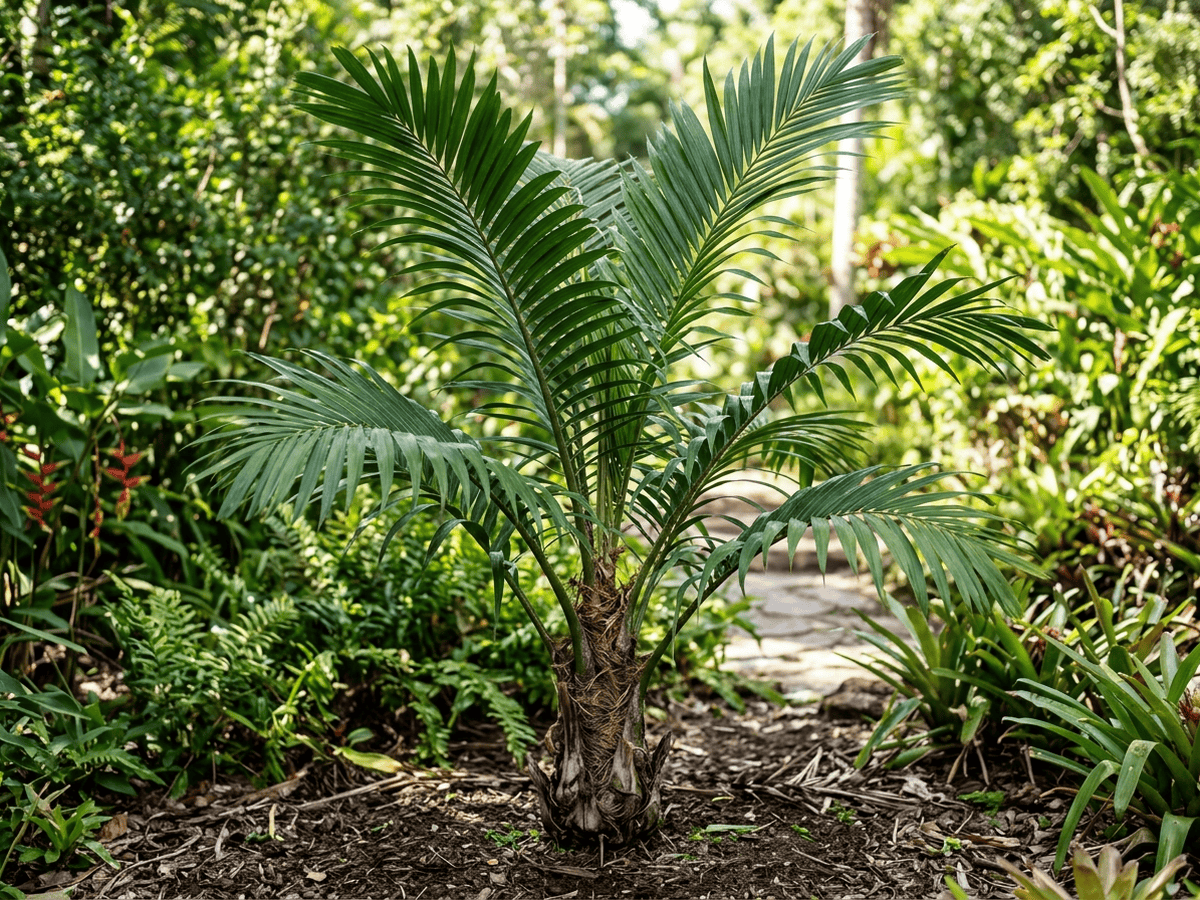 Formosa PalmArenga engleri
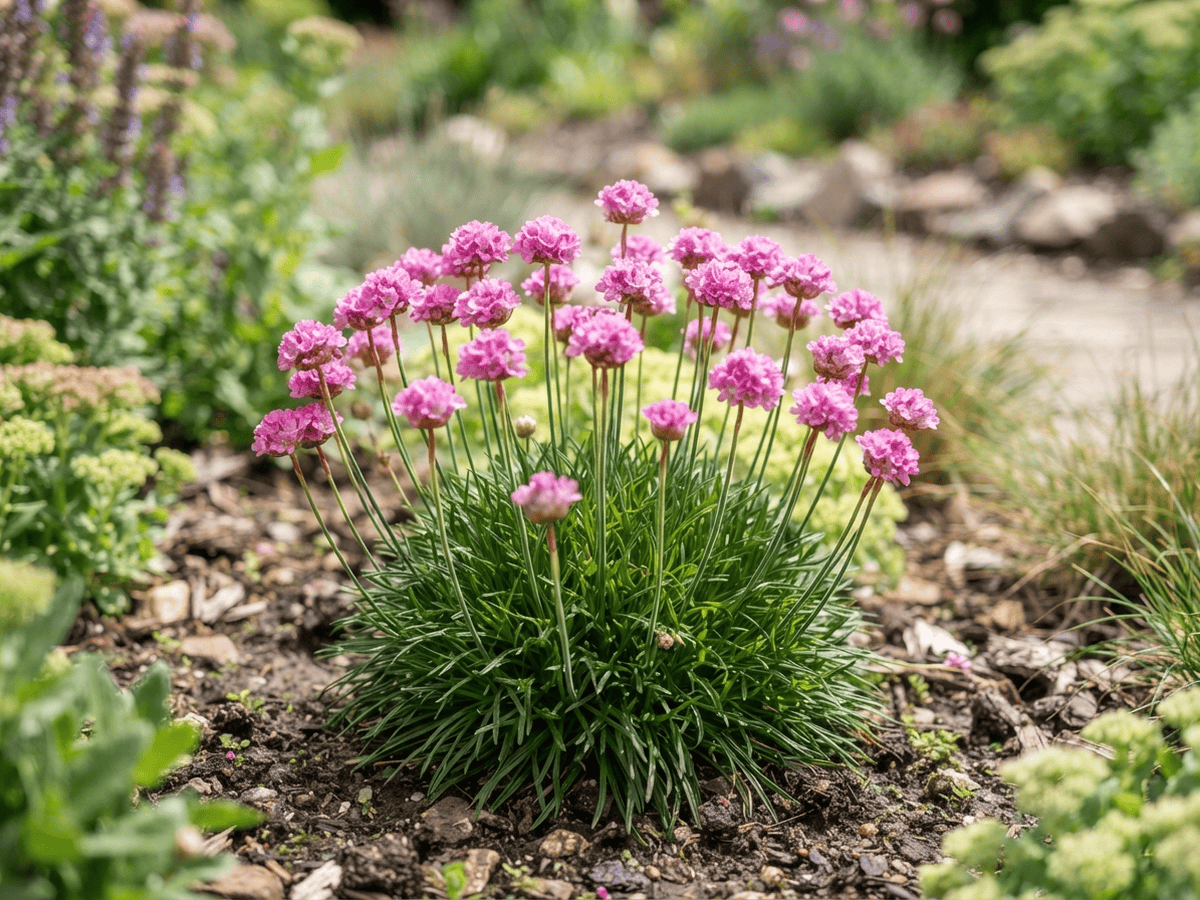 Sea ThriftArmeria maritima
Frequently asked questions
How often should I water Pacific Dogwood?
Water about every 5 days during the growing season, and always let excess water drain away.
How much light does Pacific Dogwood need?
Part shade: 2–4 hrs direct. Watch the leaves — scorching or stretching means the light needs adjusting.
Is Pacific Dogwood toxic to cats or dogs?
No toxicity has been reported for this plant. Still, it is wise to keep pets from chewing on any houseplant. Educational information, not medical or veterinary advice. If exposure is suspected, contact a doctor or veterinarian.
Is Pacific Dogwood easy to grow?
It is considered challenging and rewards experienced growers.
When does Pacific Dogwood bloom?
It typically blooms Apr–Jun in the Northern Hemisphere.
YardMate
Identify any plant in seconds
Snap a photo — YardMate names the plant, diagnoses problems, and reminds you when to water.
Download on the App Store