 YardMate
Campfire Plant
Crassula capitella
Medium · Some experienceAbout Campfire Plant
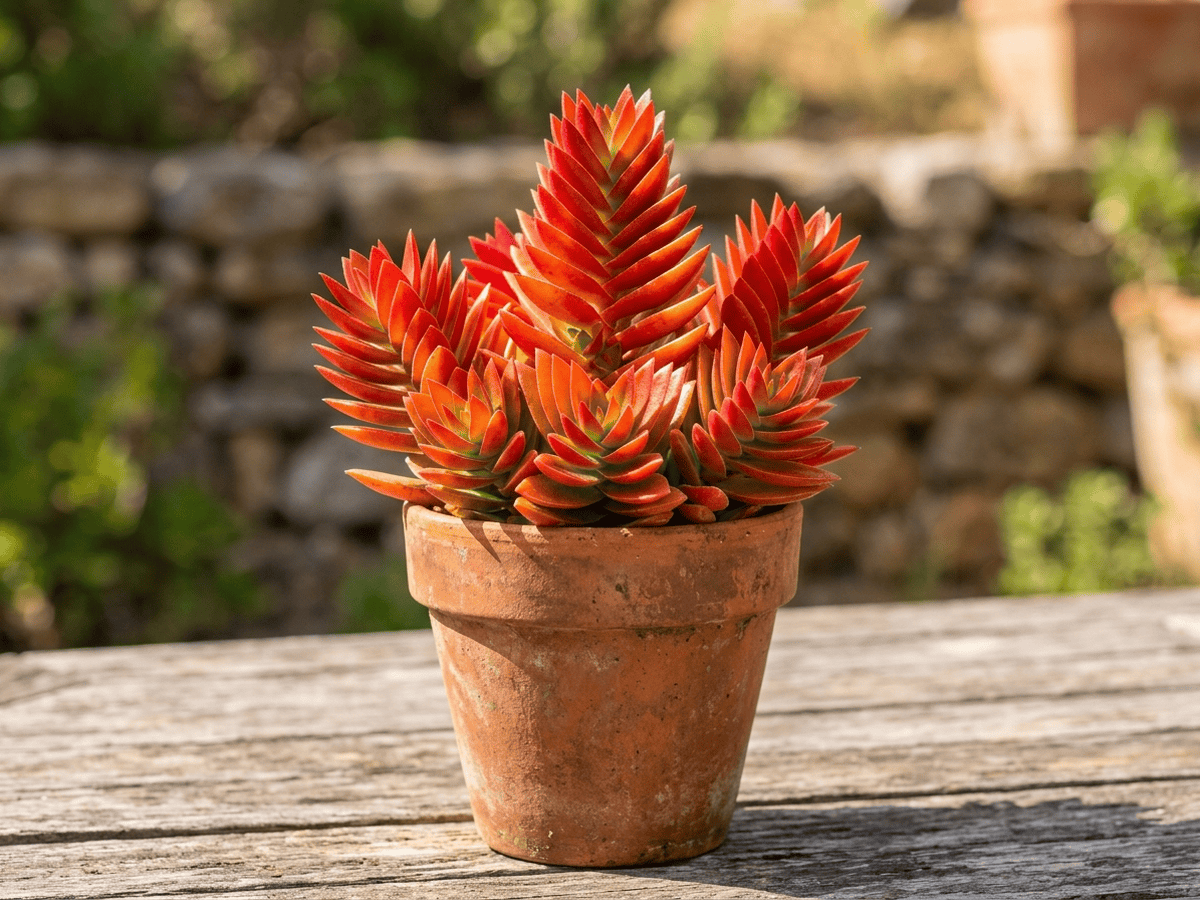
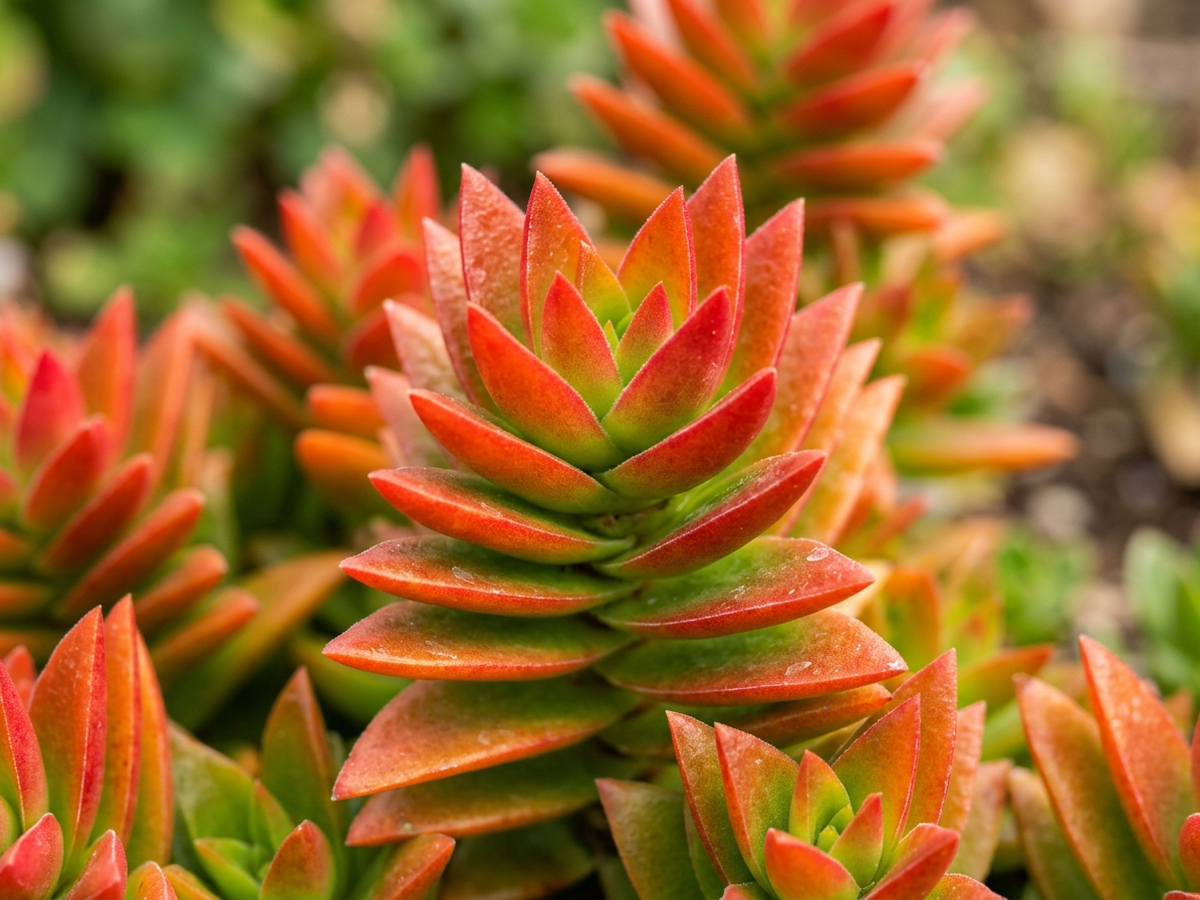
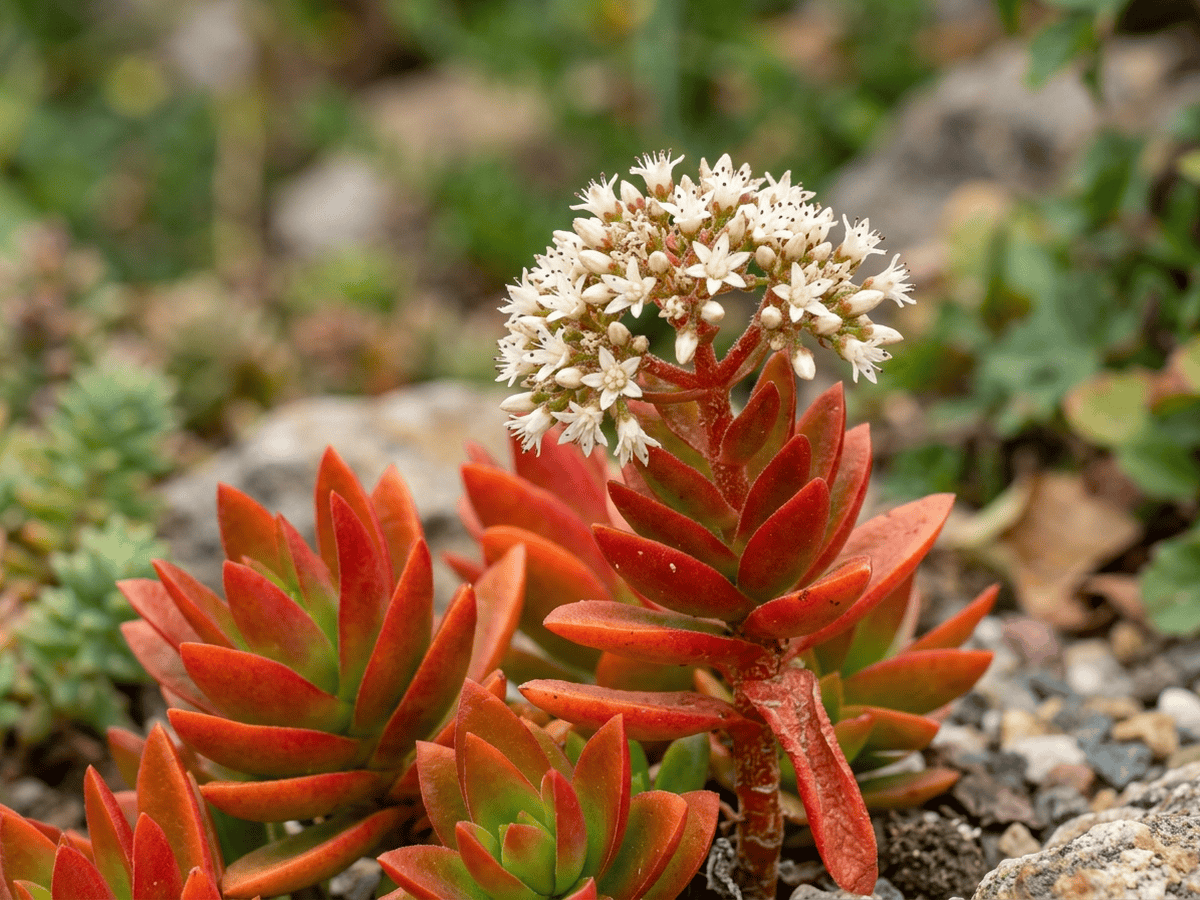
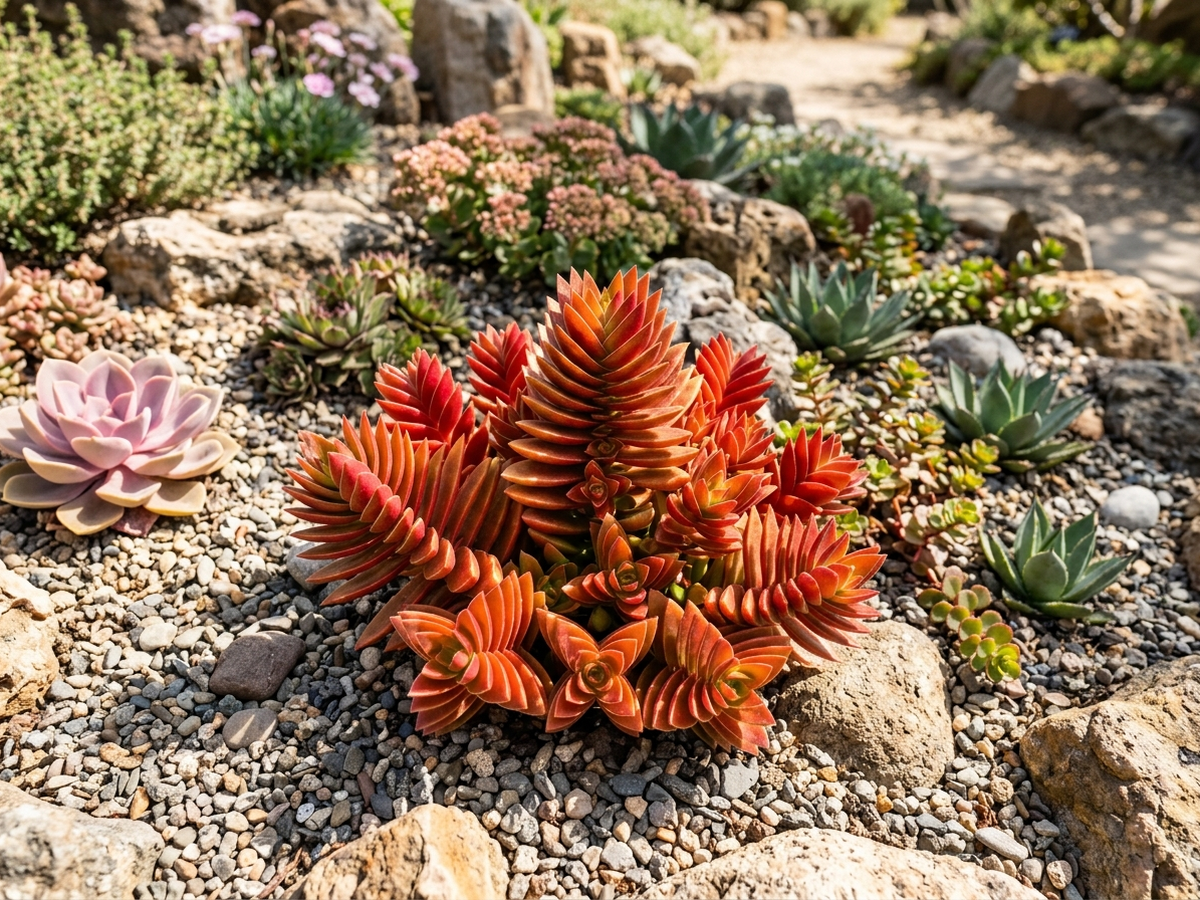
Crassula capitella, the Campfire Plant, is a compact South African succulent that earns its name from stacked, straplike leaves that flush brilliant shades of red and orange in bright sunlight, resembling the flickering colors of a flame. Growing only about 6–12 inches tall, it forms dense rosette clusters in full sun with well-drained or sandy soil. Clusters of tiny cream-yellow flowers emerge in late spring and early summer. An exceptionally low-maintenance plant, it thrives on neglect, tolerates drought, and makes a striking container or rock garden specimen.
- Drought-tolerant
- Compact
- Evergreen
- Container-friendly
How to care for Campfire Plant
Watering
- Springevery 14 days
- Summerevery 14 days
- Fallevery 30 days
- Winterevery 30 days
Soil · Fast-draining
- Main mixSand + pumice + soil 1:1:150%
- DrainagePumice / gravel50%
Keep grit at half the mix or more — this soil is meant to dry out fast.
FERTILIZER
Cactus & Succulent Feed 2-7-7
Hold the nitrogen back and growth stays compact instead of soft and stretched. Phosphorus and potassium carry the roots and the flowering.
- Nitrogen · Leaves
- Phosphorus · Roots + Blooms
- Potassium · Strength
- Springevery 30 days
At a Glance
- NativeSouthern Africa
- Height1 ft (0.3 m)
- Spread1 ft (0.3 m)
- Flower colorYellow
- Foliage colorGreen, Red
- SoilWell-drained, Sandy
- LocationsYard · Balcony
Bloom time
BLOOM CYCLE
Peak bloom
May–Jul
Crassula capitella produces clusters of small, tubular flowers in late spring to early summer.
Fragrance
NO FRAGRANCE
Not fragrant.
Toxicity
No toxicity has been reported for this plant. Still, it is wise to keep pets from chewing on any houseplant.
Educational information, not medical or veterinary advice. If exposure is suspected, contact a doctor or veterinarian.
DISTRIBUTION


- Native
- Southern Africa
History
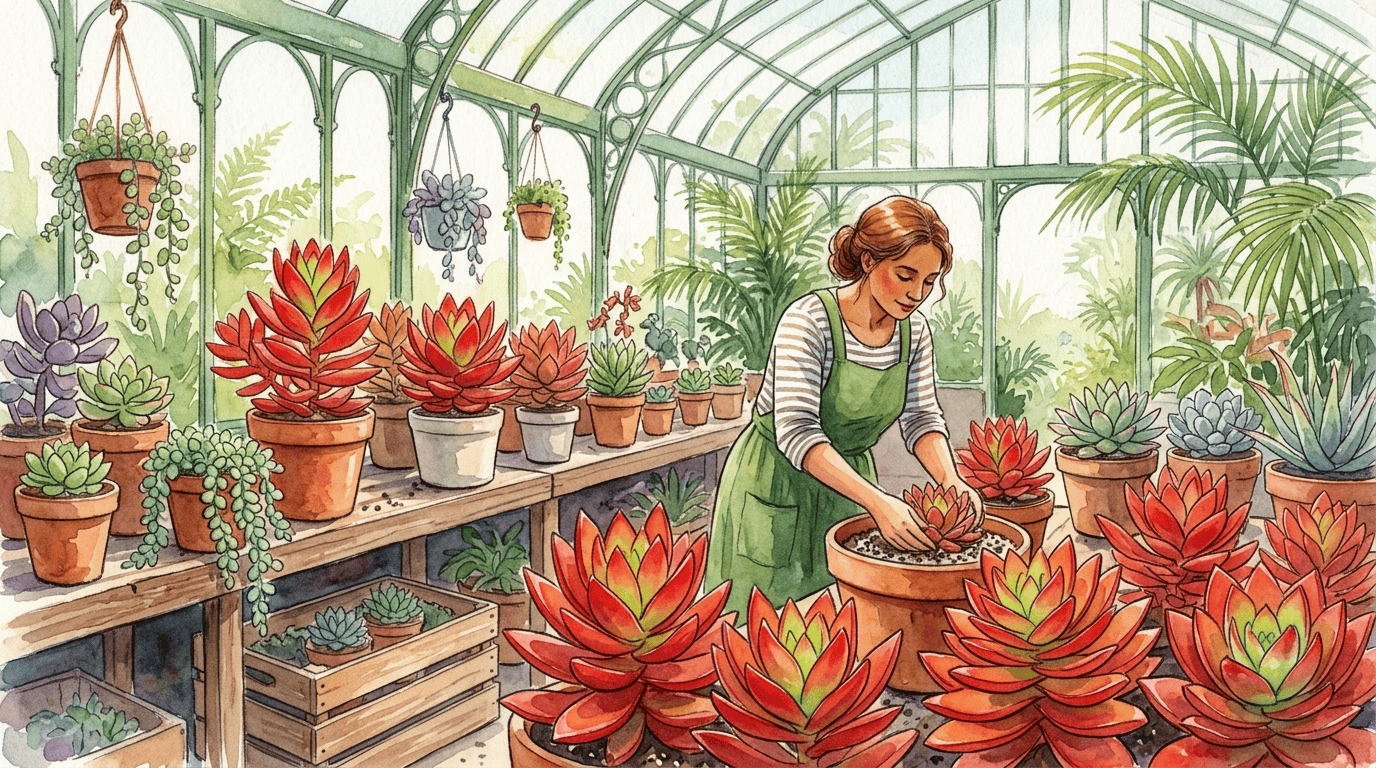
Crassula capitella is native to dry, rocky hillsides of the Western Cape and Eastern Cape provinces of South Africa, where it grows in the poor, gritty soils of the fynbos biome. Like many South African succulents, it was first collected by European naturalists during the era of Dutch and British botanical expeditions to the Cape, which began in earnest in the 17th century under the Dutch East India Company.
The genus Crassula was formally described by Carl Linnaeus in 1753, and the Cape Floristic Region—one of the world's six recognized biodiversity hotspots—contributed hundreds of Crassula species to the botanical collections of Kew Gardens and other European herbaria. Crassula capitella, with its striking red-tipped stacked leaves, became a choice specimen for Victorian succulent collections and later for the global houseplant trade.
The plant's most celebrated feature—its flame-like stress coloration—is caused by the accumulation of anthocyanin pigments triggered by intense sun exposure, drought stress, and cool temperatures. In deep shade it remains a quiet green; moved into blazing sunlight it gradually transforms to vivid orange and scarlet. This dramatic response to environment made it a favorite among succulent enthusiasts and earned it the evocative common name 'Campfire Plant' in the 20th century.
Today it is widely grown as a container plant, ground cover, and rock garden subject across warm-temperate regions worldwide, prized for combining ornamental boldness with nearly indestructible drought tolerance.
Symbolism & meaning
What It Symbolizes
The Campfire Plant's most striking quality is that it reveals its beauty under pressure. A well-watered plant kept in shade stays a quiet, unremarkable green. Push it into blazing sun, cut back on water, let the cold nights come—and it transforms into something that looks genuinely on fire. It is a succulent that rewards hardship with spectacle.
- resilience — Thriving in barren, rocky soils under intense sun and drought, the Campfire Plant embodies survival and the beauty that emerges under pressure.
- transformation — The dramatic shift from plain green to blazing red-orange under stress symbolizes how adversity can reveal hidden brilliance.
Where the Name Comes From
The genus name Crassula is from the Latin 'crassus' (thick, fat), describing the fleshy succulent leaves characteristic of the genus. The species epithet capitella is Latin for 'little head,' referring to the compact clustered rosettes of leaves. The common name Campfire Plant describes the flame-like red and orange color the leaves develop under sun and drought stress.
Uses & Fun Facts
- Striking rock garden and container specimen; leaves flush brilliant red-orange in full sun, creating dramatic color contrast
- Low-growing ground cover in drought-tolerant succulent gardens and xeriscape designs in zones 9–10
Related plants
More Crassula plants
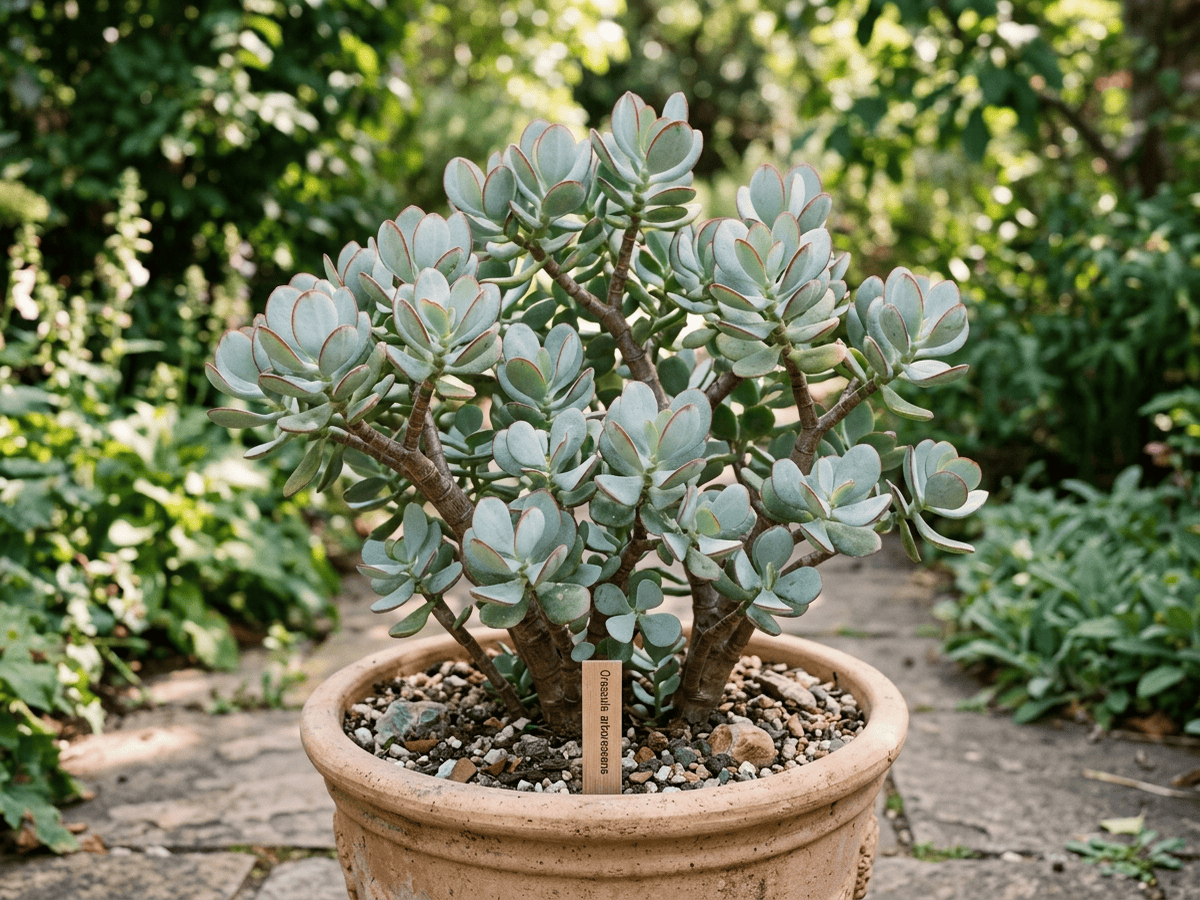 Silver Dollar PlantCrassula arborescens
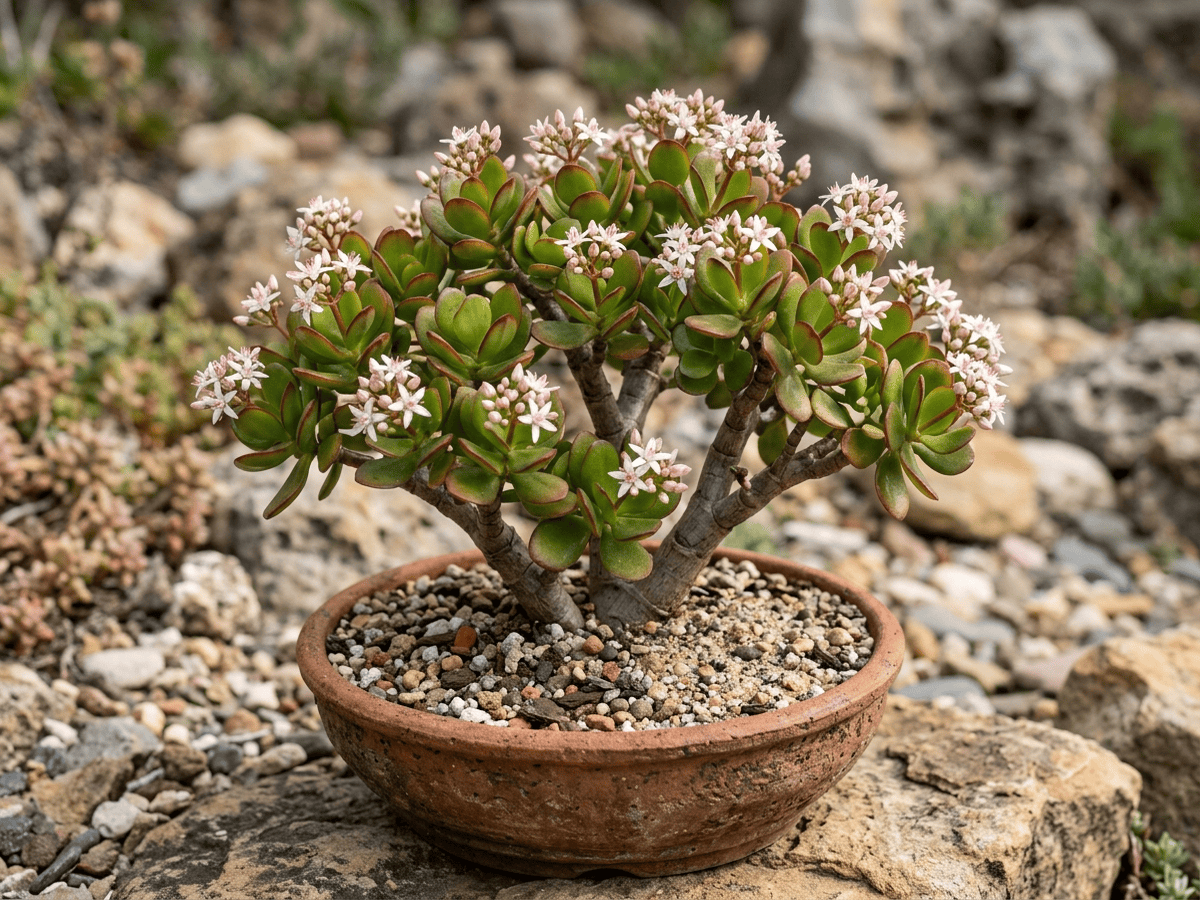 Jade PlantCrassula ovata
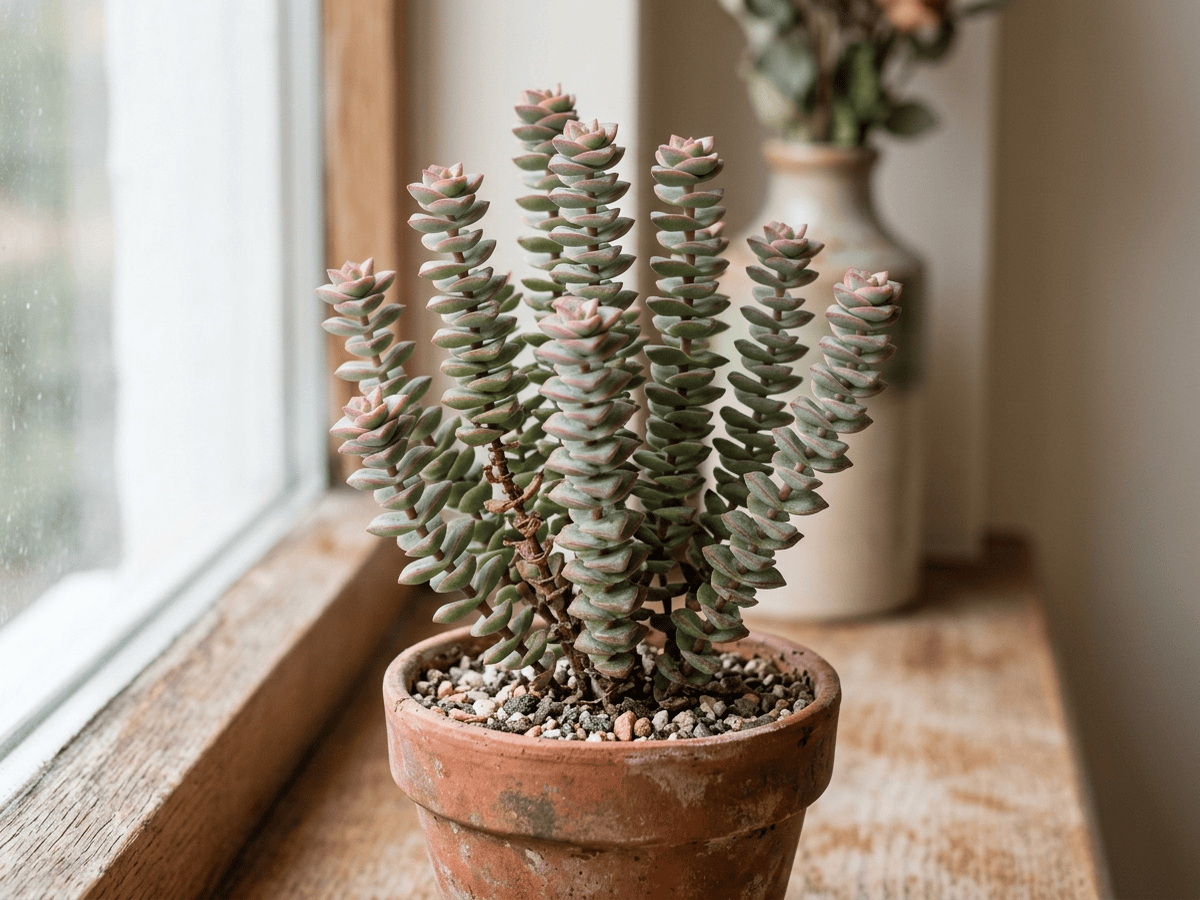 Concertina PlantCrassula perforata
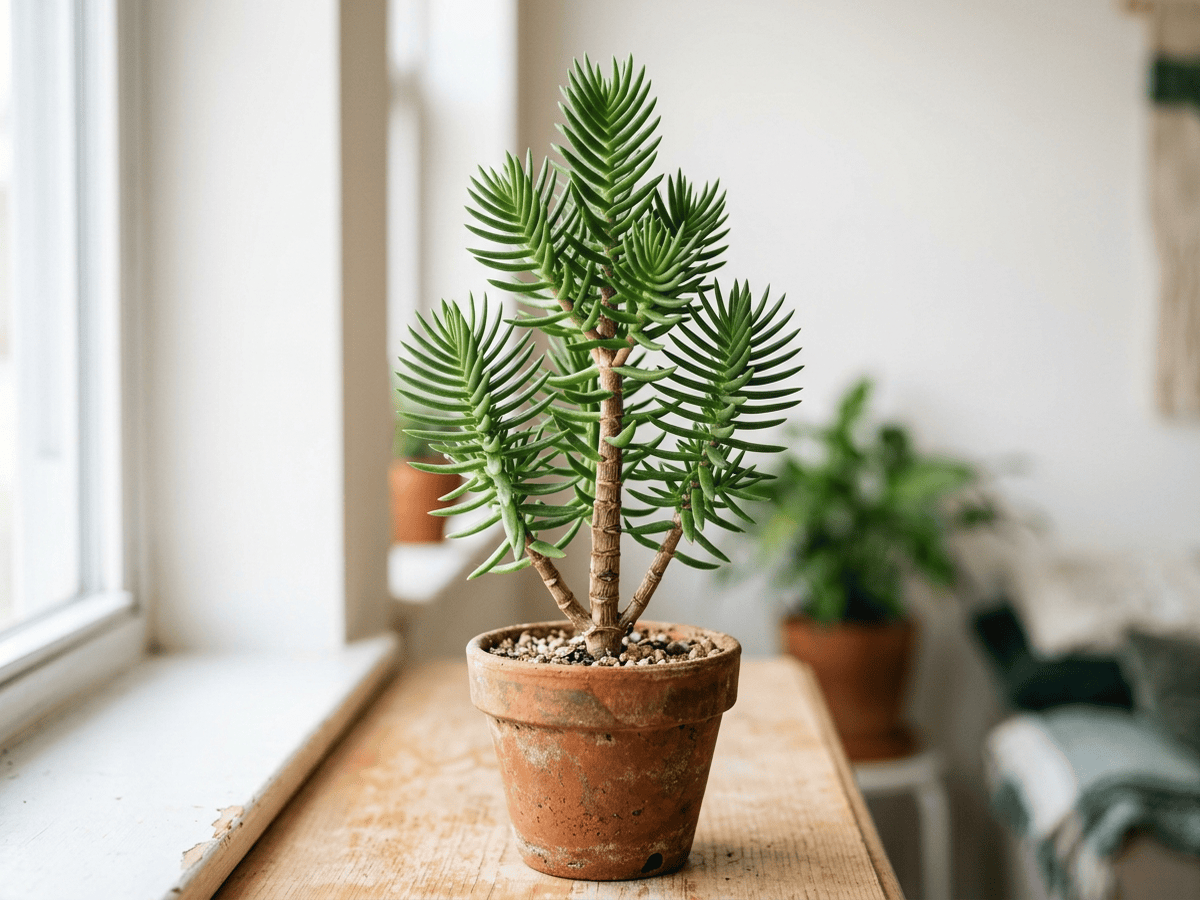 Miniature Pine TreeCrassula tetragona
Plants with similar care
 Mexican AbeliaAbelia floribunda
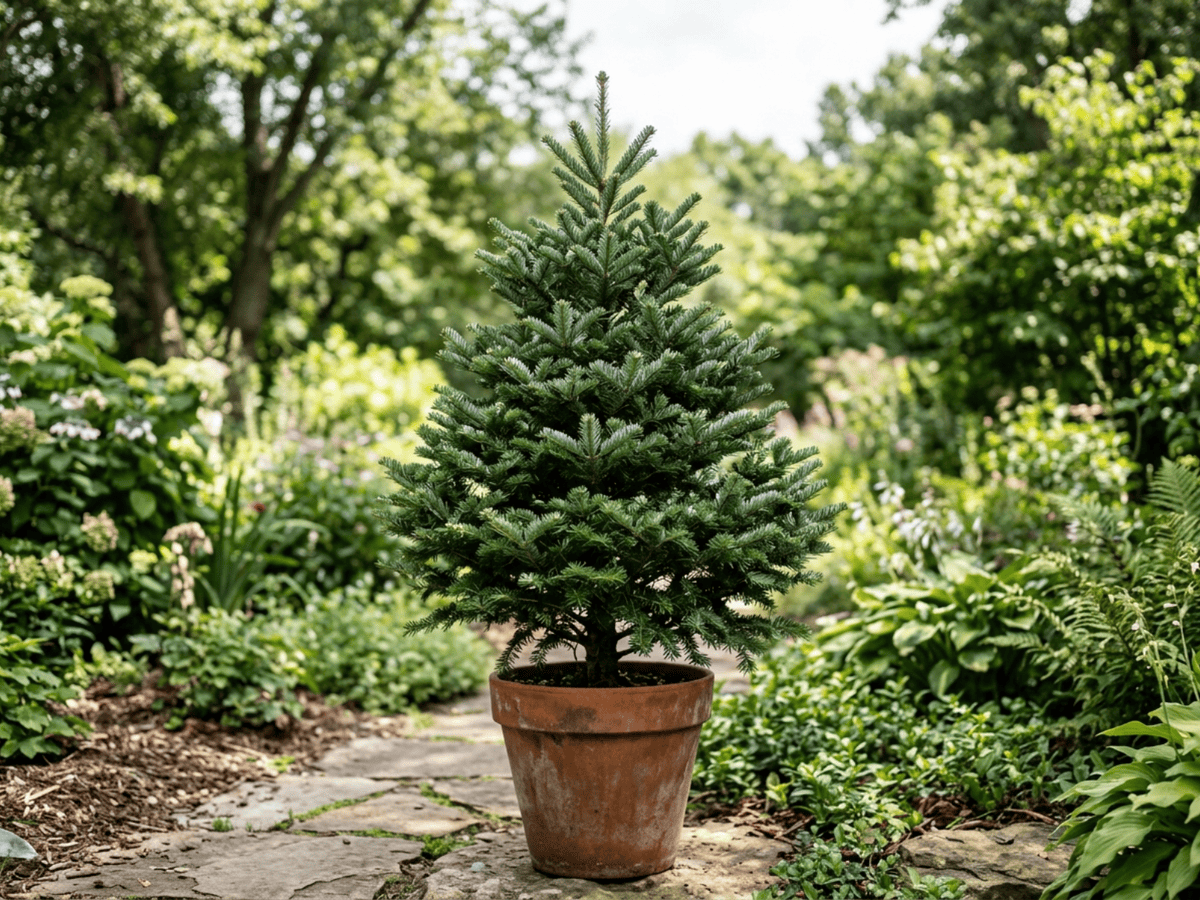 Fraser FirAbies fraseri
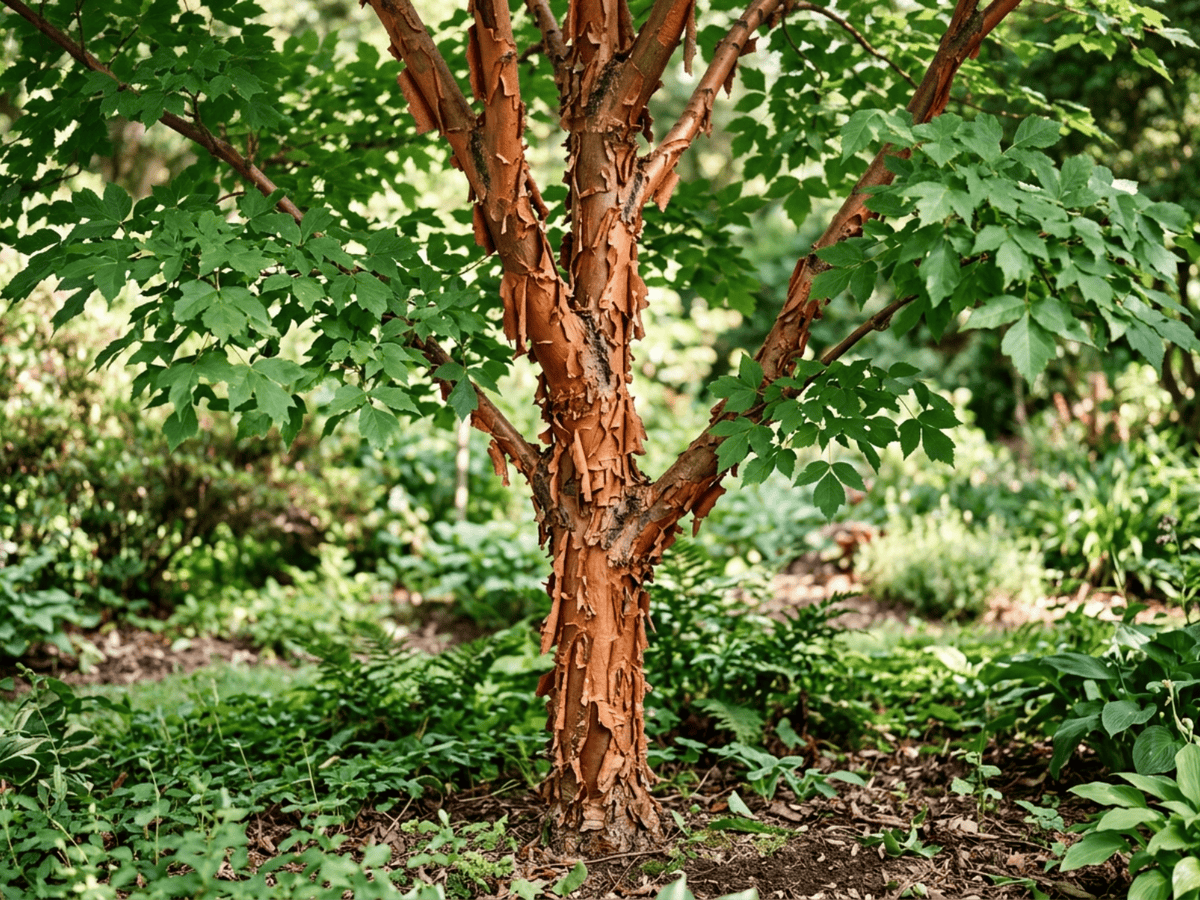 Paperbark MapleAcer griseum
 Sugar MapleAcer saccharum
Frequently asked questions
How often should I water Campfire Plant?
In summer, water about every 14 days; in winter, about every 30 days. Adjust for heat, pot size and drainage.
How much light does Campfire Plant need?
Full sun: 6+ hrs direct. Watch the leaves — scorching or stretching means the light needs adjusting.
Is Campfire Plant toxic to cats or dogs?
No toxicity has been reported for this plant. Still, it is wise to keep pets from chewing on any houseplant. Educational information, not medical or veterinary advice. If exposure is suspected, contact a doctor or veterinarian.
Is Campfire Plant easy to grow?
It is moderately demanding: a good choice once you have a little experience.
When does Campfire Plant bloom?
It typically blooms May–Jul in the Northern Hemisphere.
YardMate
Identify any plant in seconds
Snap a photo — YardMate names the plant, diagnoses problems, and reminds you when to water.
Download on the App Store