 YardMate

Jade Plant
Crassula ovata
Easy · Beginner friendlyAbout Jade Plant
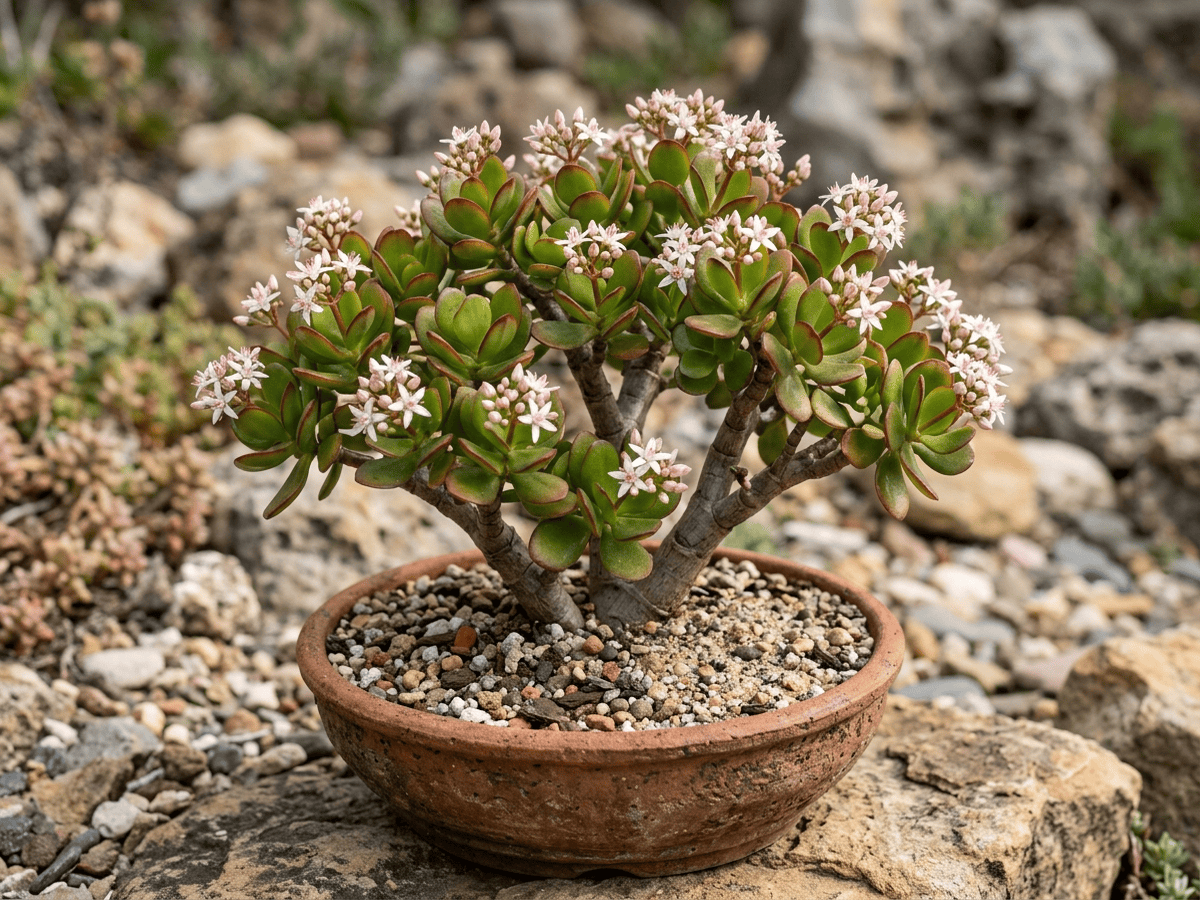
The Jade Plant is a South African succulent that resembles a miniature tree with thick, glossy oval leaves on woody stems. Extremely long-lived — some specimens exceed 100 years — it grows slowly into a compact bonsai-like form. It stores water efficiently in its fleshy leaves and tolerates significant drought. An easy, rewarding plant that thrives on benign neglect.
- Low-maintenance
- Drought-tolerant
How to care for Jade Plant
Watering
- Springevery 14 days
- Summerevery 10 days
- Fallevery 21 days
- Winterevery 30 days
Soil · Fast-draining
- Main mixSand + pumice + soil 1:1:150%
- DrainagePumice / gravel50%
Keep grit at half the mix or more — this soil is meant to dry out fast.
FERTILIZER
Balanced Feed 14-14-14
An even feed covers all three needs at once, keeping leaves, roots and blooms moving together with nothing pushed out of balance.
- Nitrogen · Leaves
- Phosphorus · Roots + Blooms
- Potassium · Strength
- Springevery 60 days
- Summerevery 60 days
At a Glance
- NativeAfrica
- Height2–5 ft (0.6–1.5 m)
- Spread2–3 ft (0.6–0.9 m)
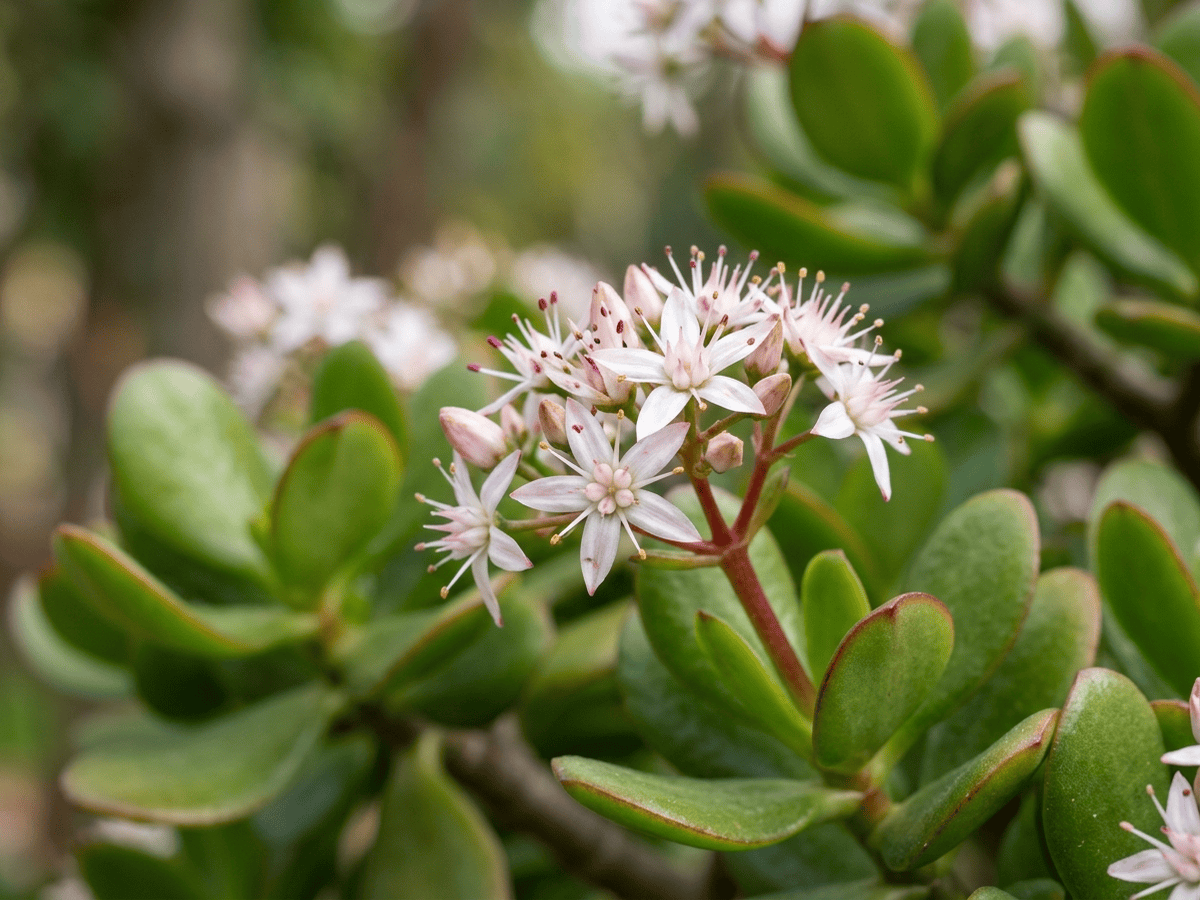
- Flower colorWhite, Pink
- Foliage colorGreen, Red, Variegated
- SoilSandy, Well-drained
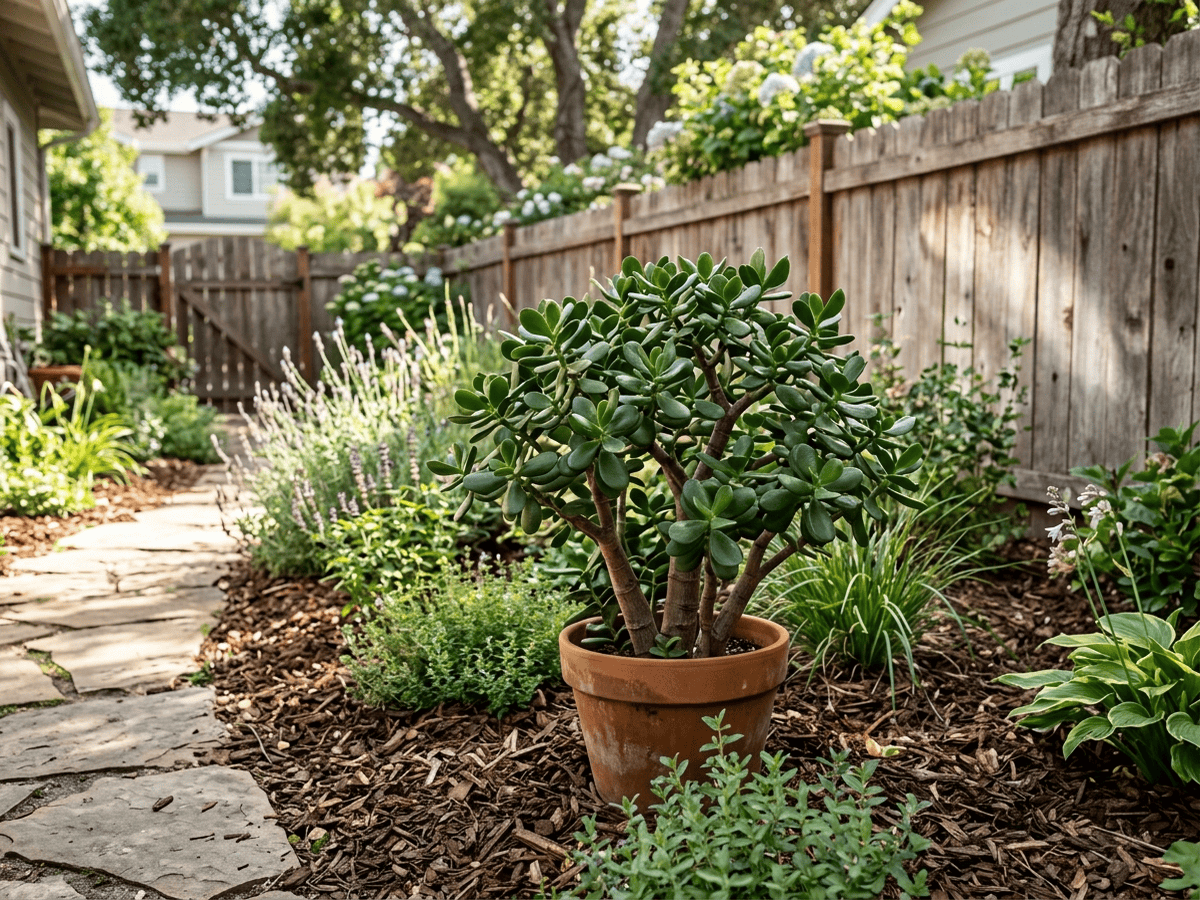
- LocationsIndoor · Balcony
Bloom time
BLOOM CYCLE
Peak bloom
Dec–Feb
Pink winter stars
Fragrance
LIGHT FRAGRANCE
Starry clusters of small flowers have a faint sweet scent.
Toxicity
Humans Slight · Pets Moderate
unidentified cardiotoxic constituents
Slight
- Leaf
- Stem
- Ingestion
EXPOSURE Eating leaves and stems.
EFFECT Mild GI upset and not usually serious.
NOTE Documented concern for humans: Mild GI upset and not usually serious.
Moderate
- Leaf
- Stem
- Ingestion
EXPOSURE Eating leaves and stems.
EFFECT Vomiting, depression, incoordination, slow heart rate and per ASPCA.
NOTE Specific toxic compounds are not well characterized; ASPCA documents clinical effects including cardiac symptoms.
Moderate
- Leaf
- Stem
- Ingestion
EXPOSURE Eating leaves and stems.
EFFECT Vomiting, depression, incoordination, slow heart rate and per ASPCA.
NOTE Specific toxic compounds are not well characterized; ASPCA documents clinical effects including cardiac symptoms.
Educational information, not medical or veterinary advice. If exposure is suspected, contact a doctor or veterinarian.
DISTRIBUTION


- Native
- Introduced
- Africa
History
Crassula ovata is native to the dry shrublands of KwaZulu-Natal and Eastern Cape in South Africa, extending into Mozambique, where it grows as a multi-branched succulent shrub. The indigenous Khoi and Xhosa peoples used its leaves and roots medicinally for nausea and skin conditions. In the 20th century it became one of the most widely cultivated succulents in the world, a fixture of offices, homes, and bonsai collections.
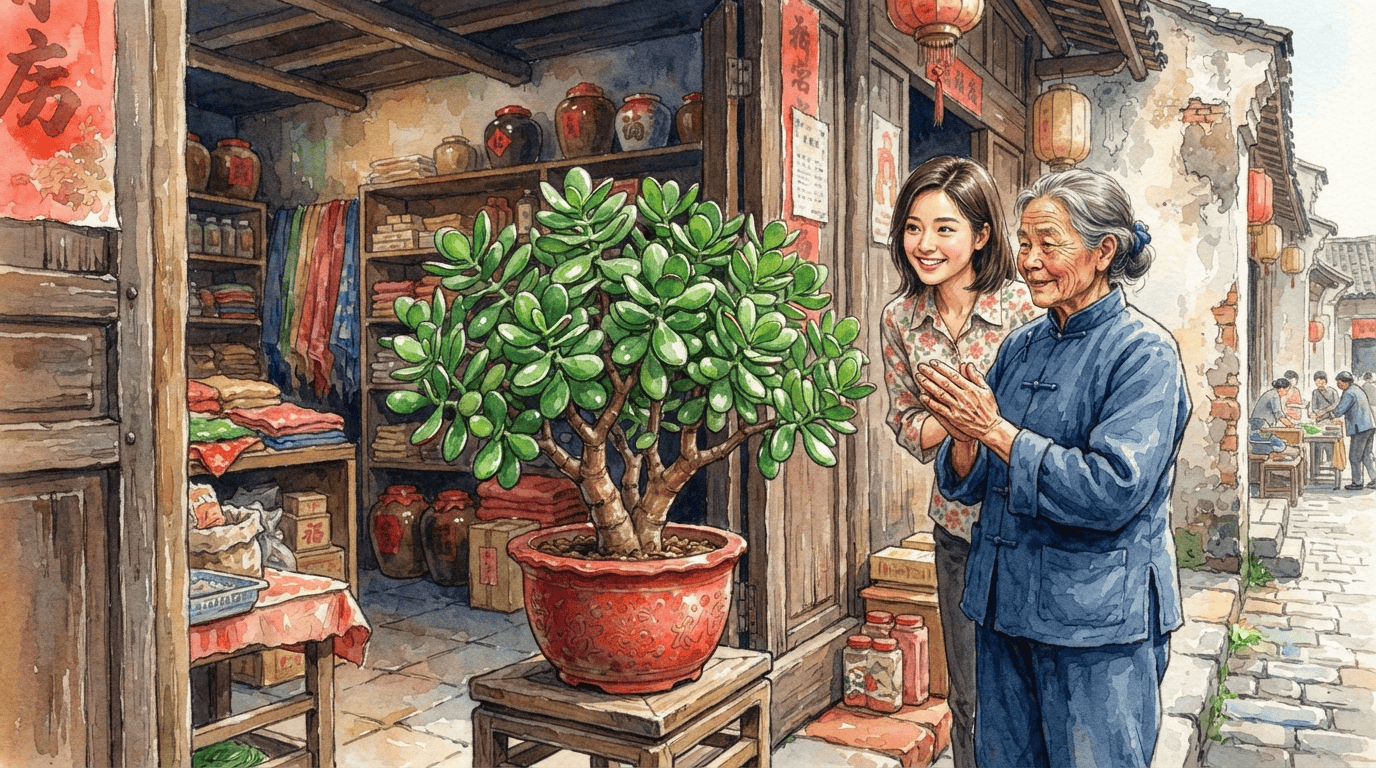
In Chinese, Japanese, and Korean cultures it is strongly associated with wealth and prosperity, earning names like 'Money Tree', 'Dollar Plant', and 'Lucky Plant', and is a traditional gift for new businesses and homes. It is mildly toxic to pets and can cause significant problems especially for dogs.
Known as the 'Money Tree' or 'Friendship Plant' throughout Asia, jade plants are traditionally given as housewarming gifts to bring financial good fortune. In feng shui, they are placed near the entrance of businesses to attract prosperity. Some jade plants in South Africa are estimated to be over 100 years old, passed down through generations as living heirlooms.
Symbolism & meaning
What It Symbolizes
The jade plant is a small green economy, its plump coin-shaped leaves carrying centuries of association with prosperity and good fortune across Chinese tradition. It has long traveled as a gift of friendship, given between neighbors and colleagues to strengthen bonds; a thriving jade in someone's window is a tiny ledger of their relationships. Few houseplants are so quietly woven into the social fabric.
- Prosperity — its coin-shaped leaves symbolize wealth and good fortune
- Friendship — traditionally given as a gift to strengthen bonds
Where the Name Comes From
'Crassula' from Latin 'crassus' meaning thick or fat, describing the succulent leaves. 'Ovata' means egg-shaped, referring to the leaf form.
Uses & Fun Facts
- Thick jade-green succulent leaves grown as classic indoor pot plant
- Tree-form succulent prized as long-lived bonsai-style houseplant
- Symbol of prosperity in Chinese feng shui and gift-giving
Related plants
More Crassula plants
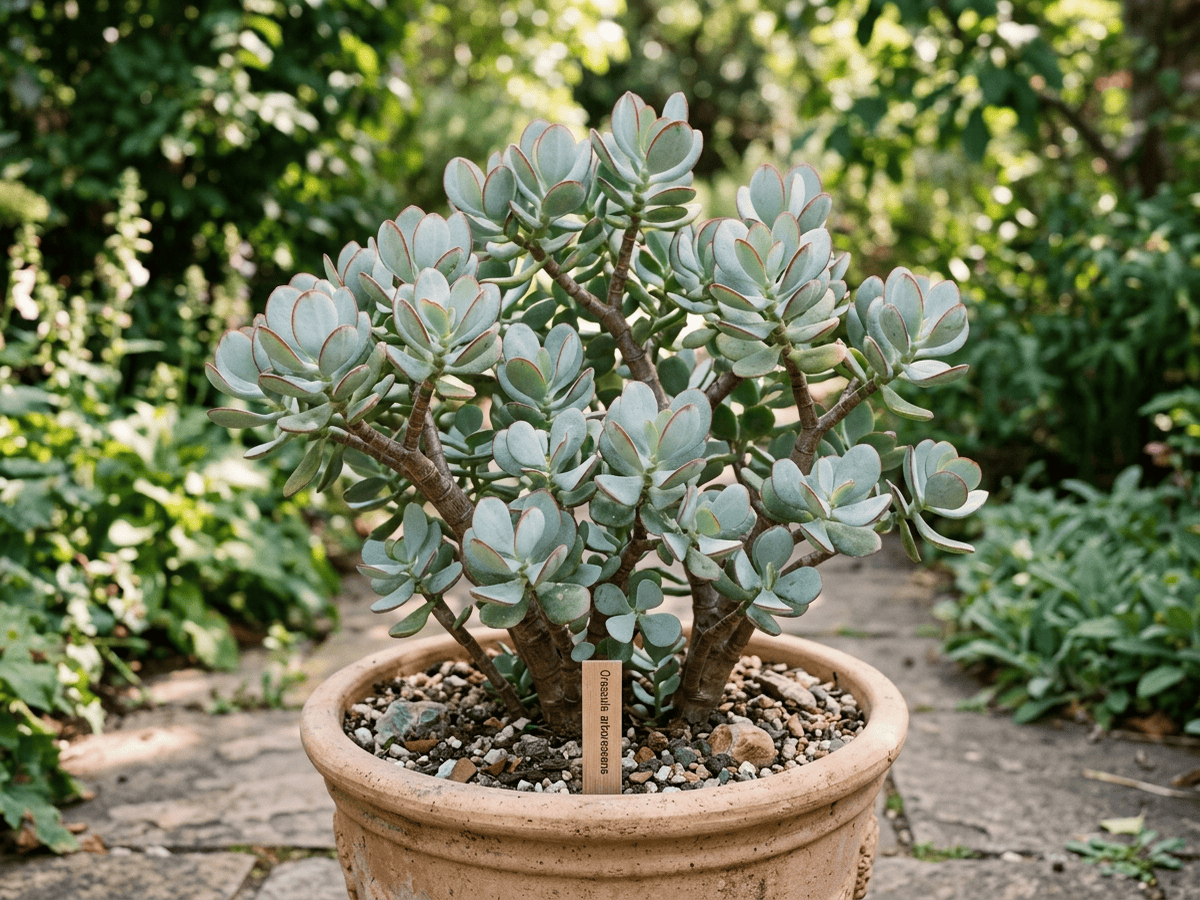 Silver Dollar PlantCrassula arborescens
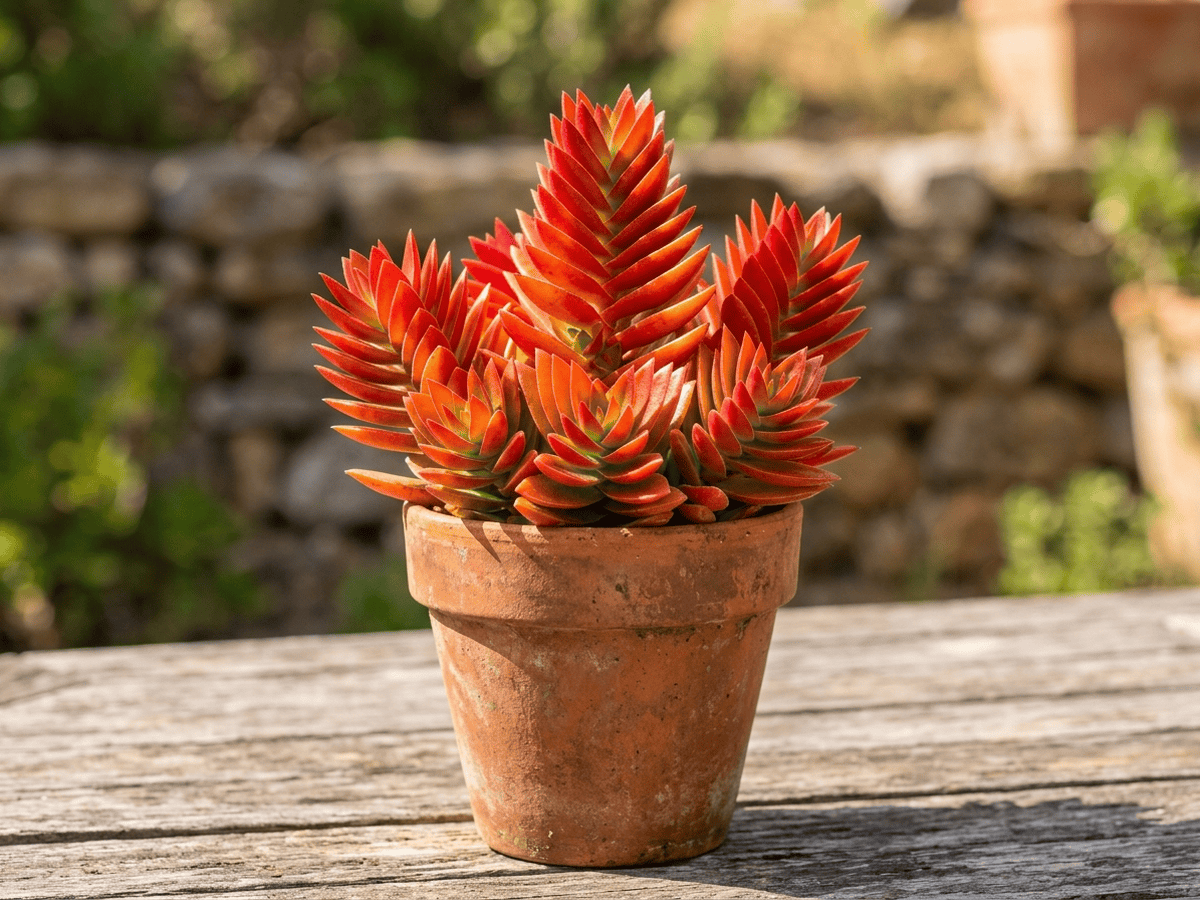 Campfire PlantCrassula capitella
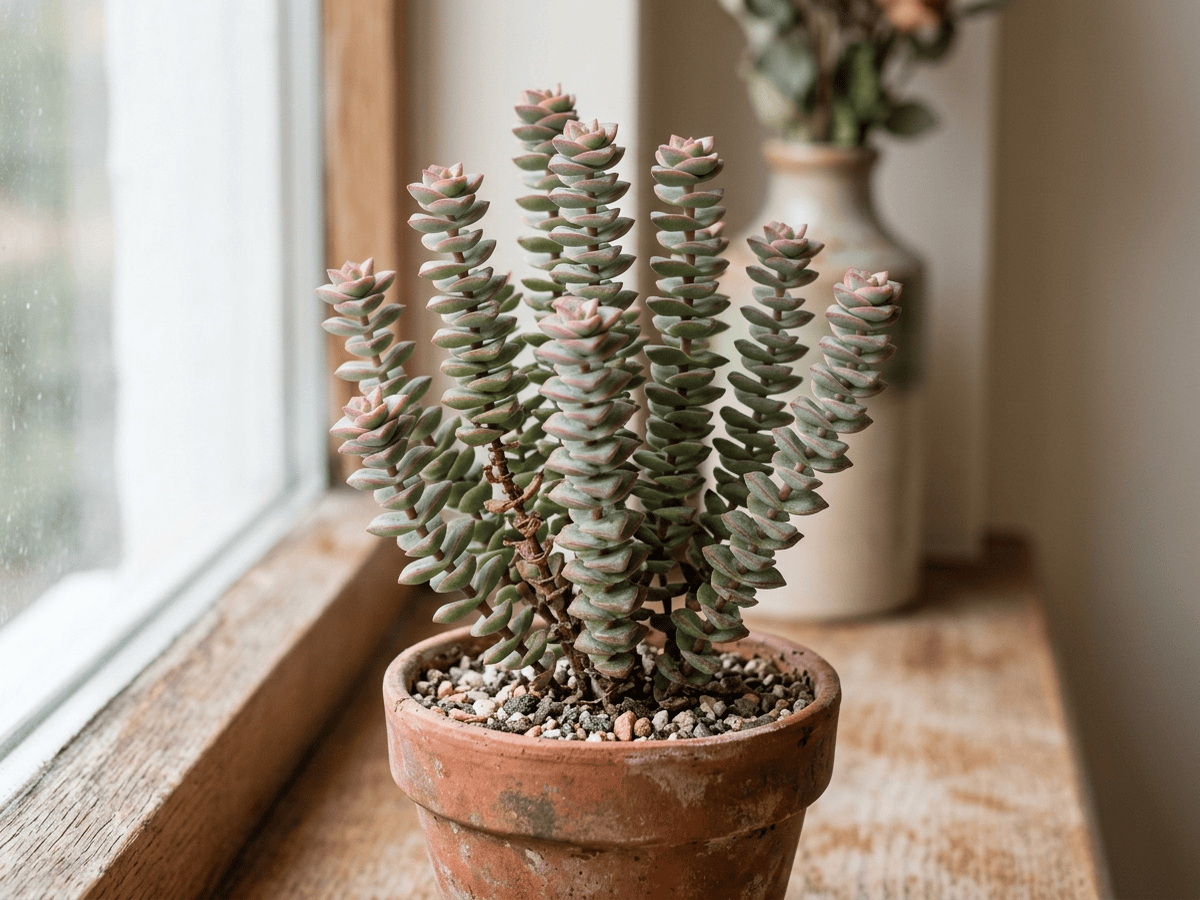 Concertina PlantCrassula perforata
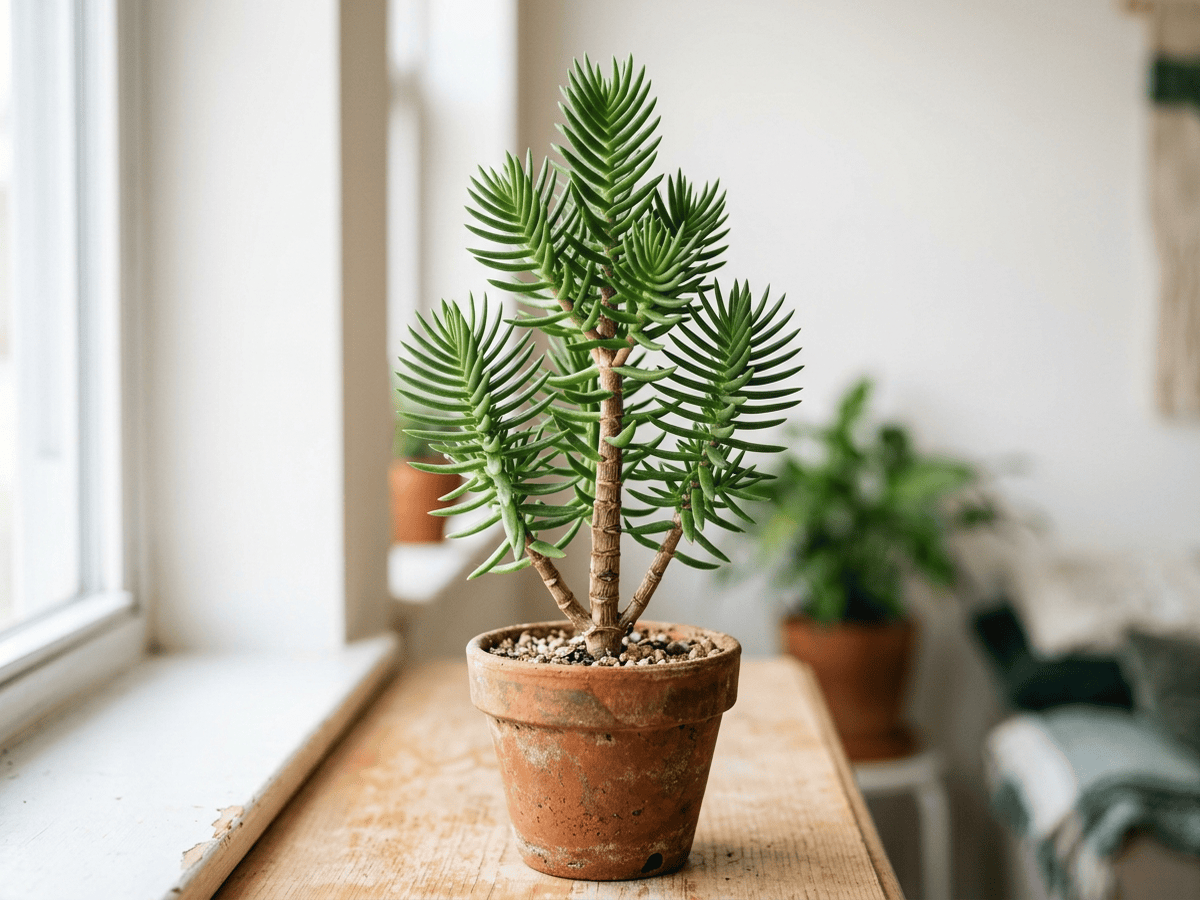 Miniature Pine TreeCrassula tetragona
Plants with similar care
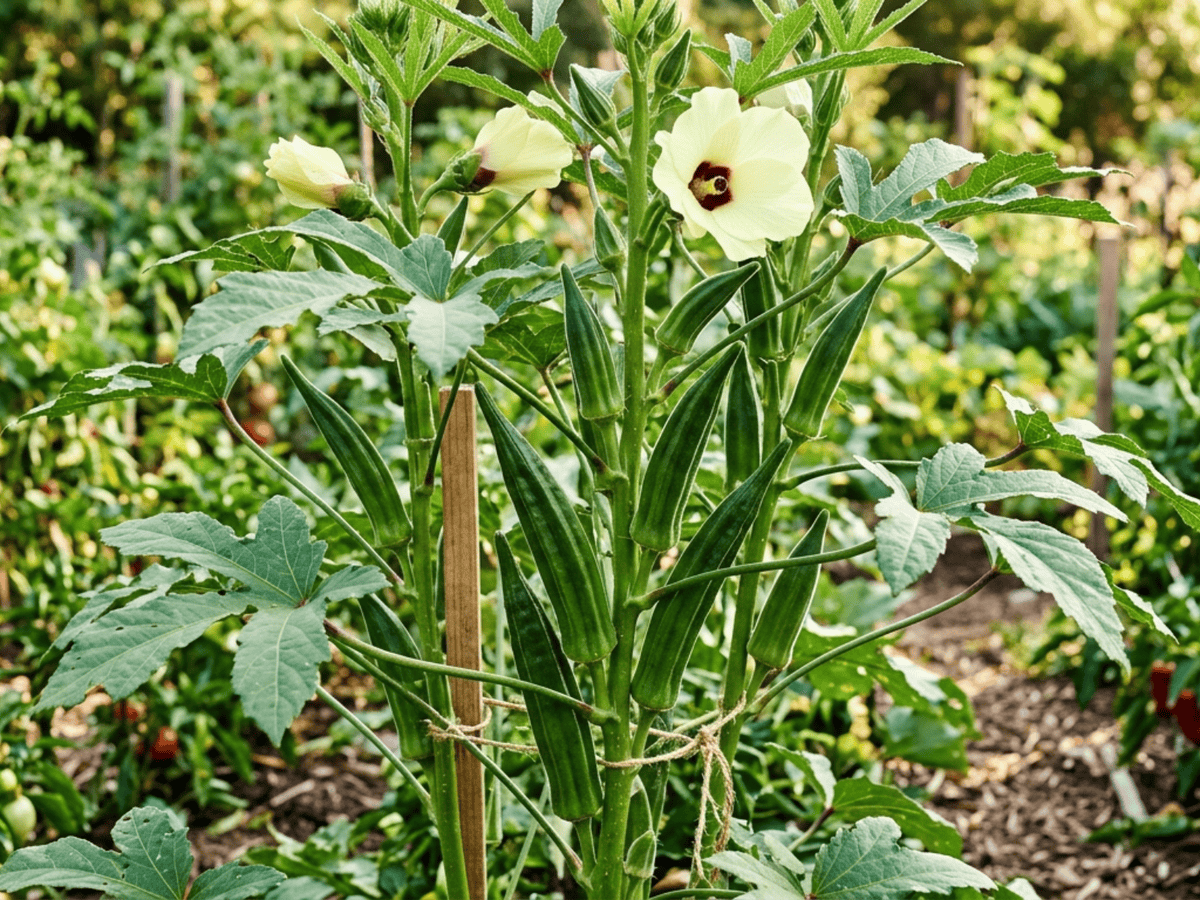 OkraAbelmoschus esculentus
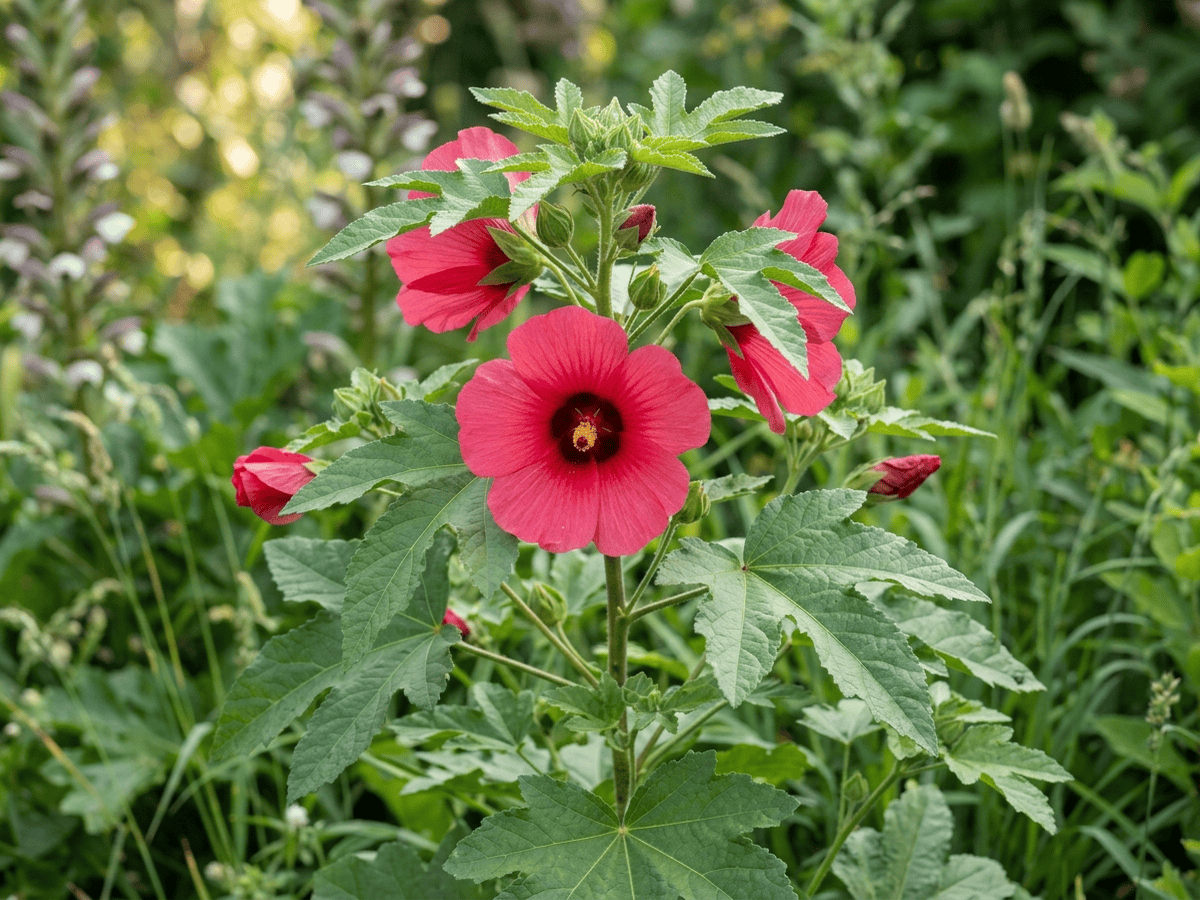 MuskseedAbelmoschus moschatus
 Black AeoniumAeonium arboreum 'Zwartkop'
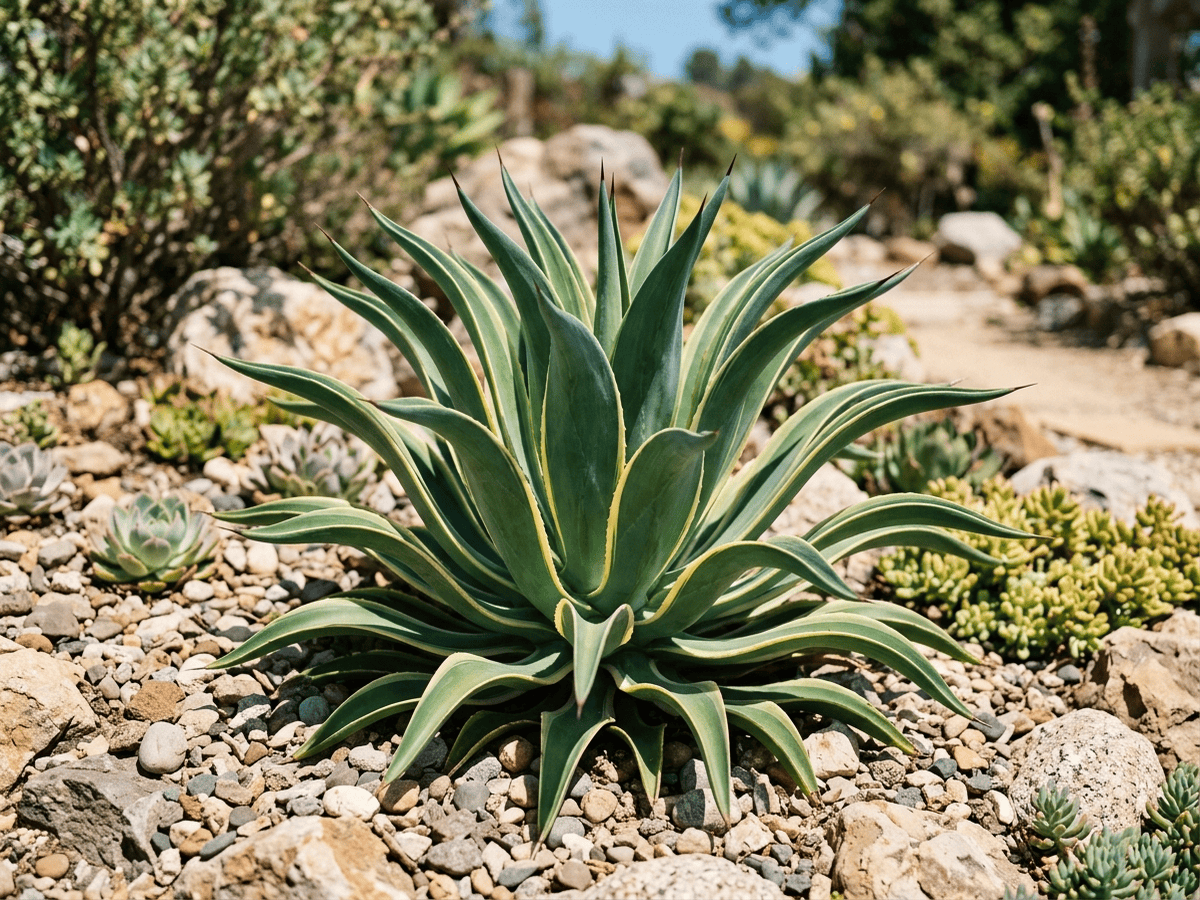 Smooth AgaveAgave desmettiana
Frequently asked questions
How often should I water Jade Plant?
In summer, water about every 10 days; in winter, about every 30 days. Adjust for heat, pot size and drainage.
How much light does Jade Plant need?
Full sun: 6+ hrs direct. Watch the leaves — scorching or stretching means the light needs adjusting.
Is Jade Plant toxic to cats or dogs?
Pets Moderate (Dogs Moderate · Cats Moderate) Educational information, not medical or veterinary advice. If exposure is suspected, contact a doctor or veterinarian.
Is Jade Plant easy to grow?
Yes — it is considered an easy, beginner-friendly plant.
Can Jade Plant be grown indoors?
Yes, it adapts well to indoor growing given the right light.
When does Jade Plant bloom?
It typically blooms Dec–Feb in the Northern Hemisphere.
YardMate
Identify any plant in seconds
Snap a photo — YardMate names the plant, diagnoses problems, and reminds you when to water.
Download on the App Store