 YardMate
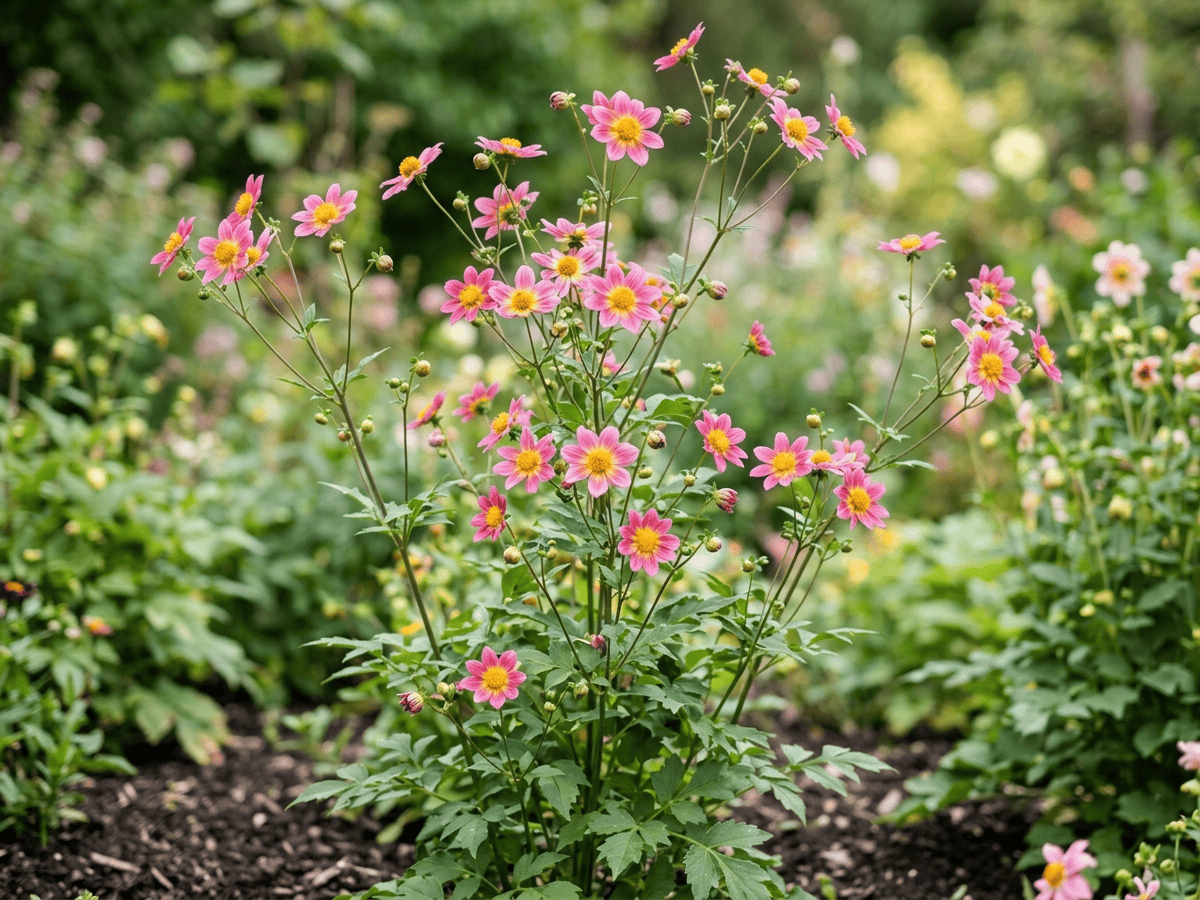


Dahlia australis
Dahlia australis
Medium · Some experienceAbout Dahlia australis
Southern Dahlia is a rare wild species of tropical southern Mexico and Central America, growing 4 to 8 feet tall with large single pink to rose-purple daisy flowers. One of the less-known ancestral species behind modern garden dahlias. Grown by specialty collectors in mild-winter American gardens as a link to dahlia heritage and for its impressive stature and wild grace.
- Long-blooming
- Pollinator-friendly
How to care for Dahlia australis
Watering
- Springevery 5 days
- Summerevery 3 days
- Fallevery 7 days
- Winterevery 14 days
Soil · Well-draining
- Main mixLoam + coarse sand 3:175%
- DrainageGravel25%
Sharp drainage matters most — bulbs rot in wet soil while dormant.
FERTILIZER
Balanced Feed 14-14-14
An even feed covers all three needs at once, keeping leaves, roots and blooms moving together with nothing pushed out of balance.
- Nitrogen · Leaves
- Phosphorus · Roots + Blooms
- Potassium · Strength
- Springevery 30 days
- Summerevery 45 days
At a Glance
- NativeNorth America, Central America
- Height3–5 ft (0.9–1.5 m)
- Spread2–3 ft (0.6–0.9 m)
- Flower colorPurple, Pink
- Foliage colorGreen
- SoilRich, Loamy, Well-drained
- LocationsYard
Bloom time
BLOOM CYCLE
Peak bloom
Jun–Nov
Large single pink to rose-purple daisy flowers late summer to frost
Toxicity
Pets Slight
Unknown toxic principle
Not reported
EXPOSURE No exposure route is reported.
EFFECT No toxic effect is reported.
NOTE No human toxicity is reported in this catalog; avoid eating ornamental plants unless confirmed edible.
Slight
- All
- Ingestion
EXPOSURE Eating any part of the plant.
EFFECT Mild GI upset.
NOTE ASPCA lists Dahlia as mildly toxic to pets; mild GI upset possible.
Slight
- All
- Ingestion
EXPOSURE Eating any part of the plant.
EFFECT Mild GI upset.
NOTE ASPCA lists Dahlia as mildly toxic to pets; mild GI upset possible.
Educational information, not medical or veterinary advice. If exposure is suspected, contact a doctor or veterinarian.
DISTRIBUTION


- Native
- North America
- Central America
History
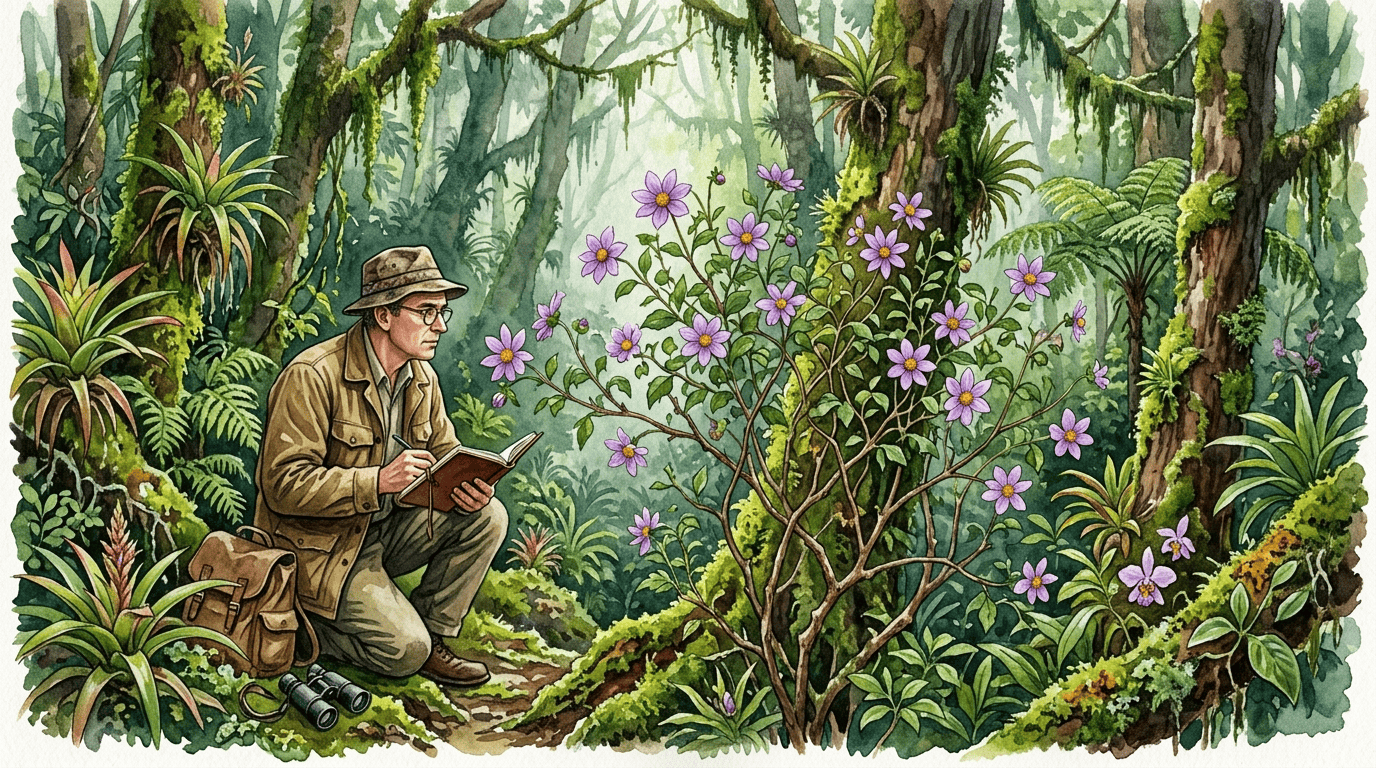
Dahlia australis grows on mountain slopes and forest edges from southern Mexico through Guatemala and into Honduras at elevations above 1500 meters. The American botanist William Edward Sherff, the foremost 20th-century monographer of Compositae, described it in 1947 based on collections from Chiapas and Guatemala. Unlike the stout-stemmed, tuberous species that parented cultivated dahlias, D. australis is a shrubbier plant with woodier stems and smaller lavender-purple single flowers, often living as a semi-climbing understory subshrub in cloud forest margins.
It is not recorded in Aztec or early Spanish sources and has never become horticulturally widespread; its seed is maintained mainly in botanical collections at UNAM and the US National Arboretum. Genetic studies use it as a reference for tracing the origins of modern dahlia hybrids.
Native to southern Mexico, Guatemala, and Honduras in montane cloud forests. One of the lesser-known wild dahlia species, collected by 19th and 20th-century plant hunters. Cultivated almost exclusively by dahlia society collectors in American gardens who value wild ancestral forms.
Symbolism & meaning
What It Symbolizes
Dahlia australis carries wild southern heritage in its stems — a tropical ancestral species native to the cloud forests of southern Mexico, far from the manicured borders of European gardens. Its lineage runs through every modern dahlia hybrid, though few growers ever meet the wild original. To know it is to glimpse the misty, mountain origin of a flower we have civilized into a thousand fancy forms.
- Wild heritage — tropical southern ancestral species
- Cloud forest — native to Mexican mountain cloud forests
Where the Name Comes From
'australis' from Latin means southern, referring to its tropical southern distribution.
Uses & Fun Facts
- Open daisy blooms feed native bees and butterflies
- Wild species dahlia for collectors and naturalistic borders
Related plants
More Dahlia plants
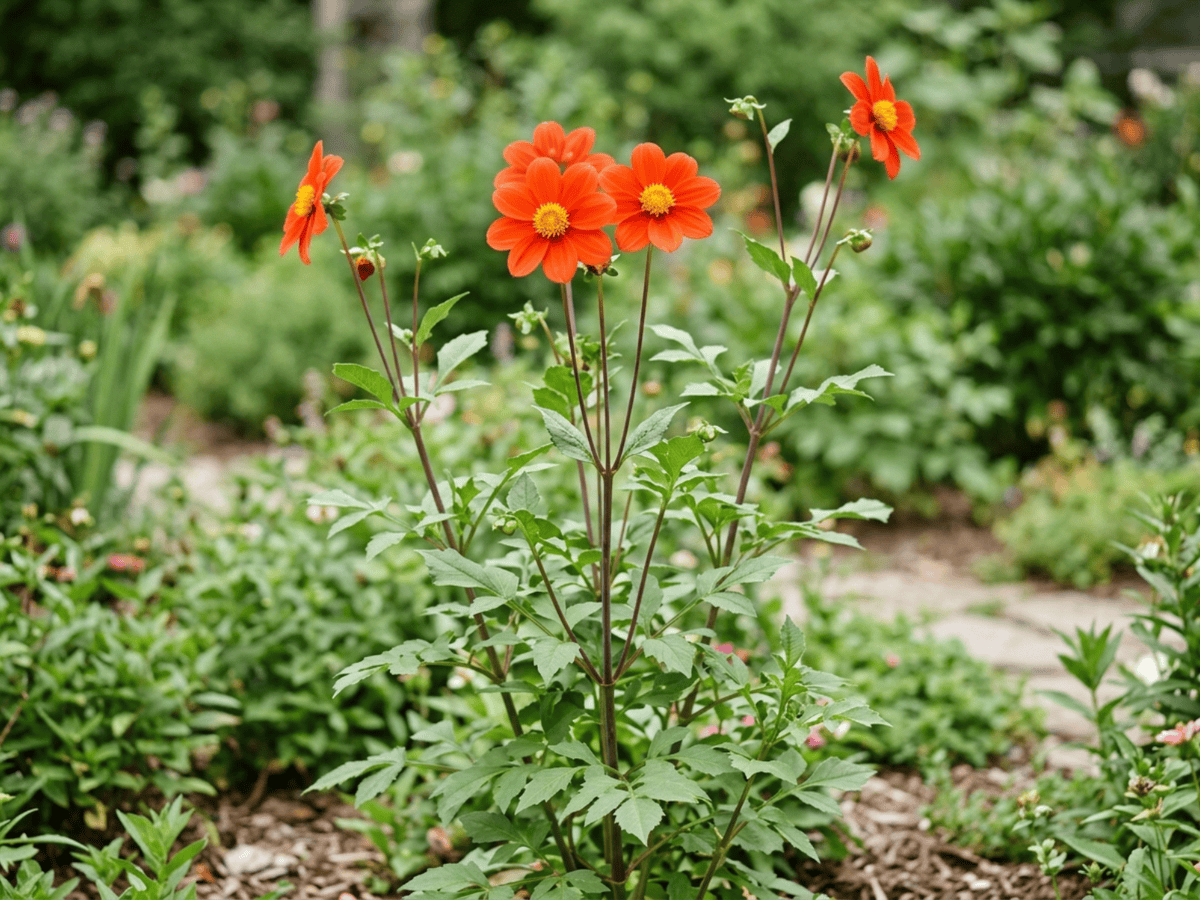 Red DahliaDahlia coccinea
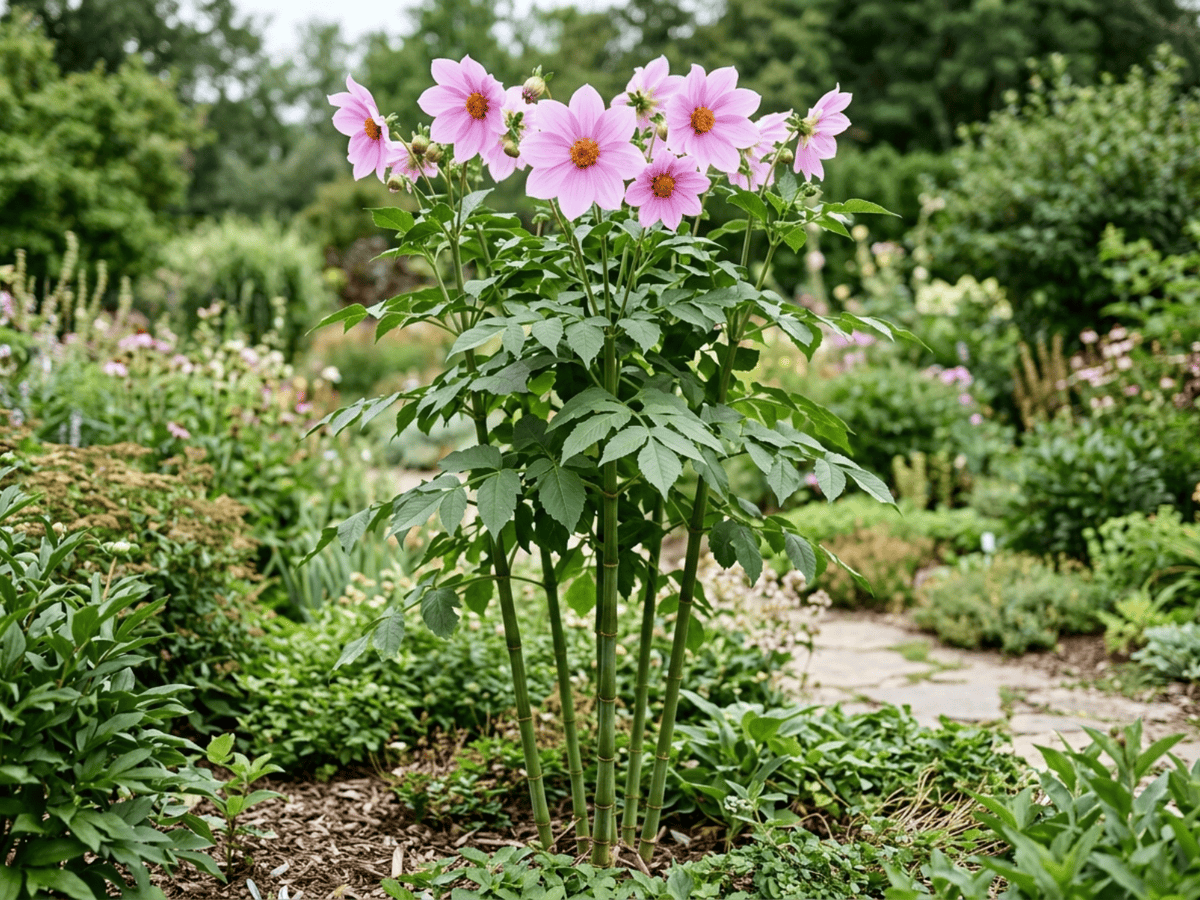 Tree DahliaDahlia imperialis
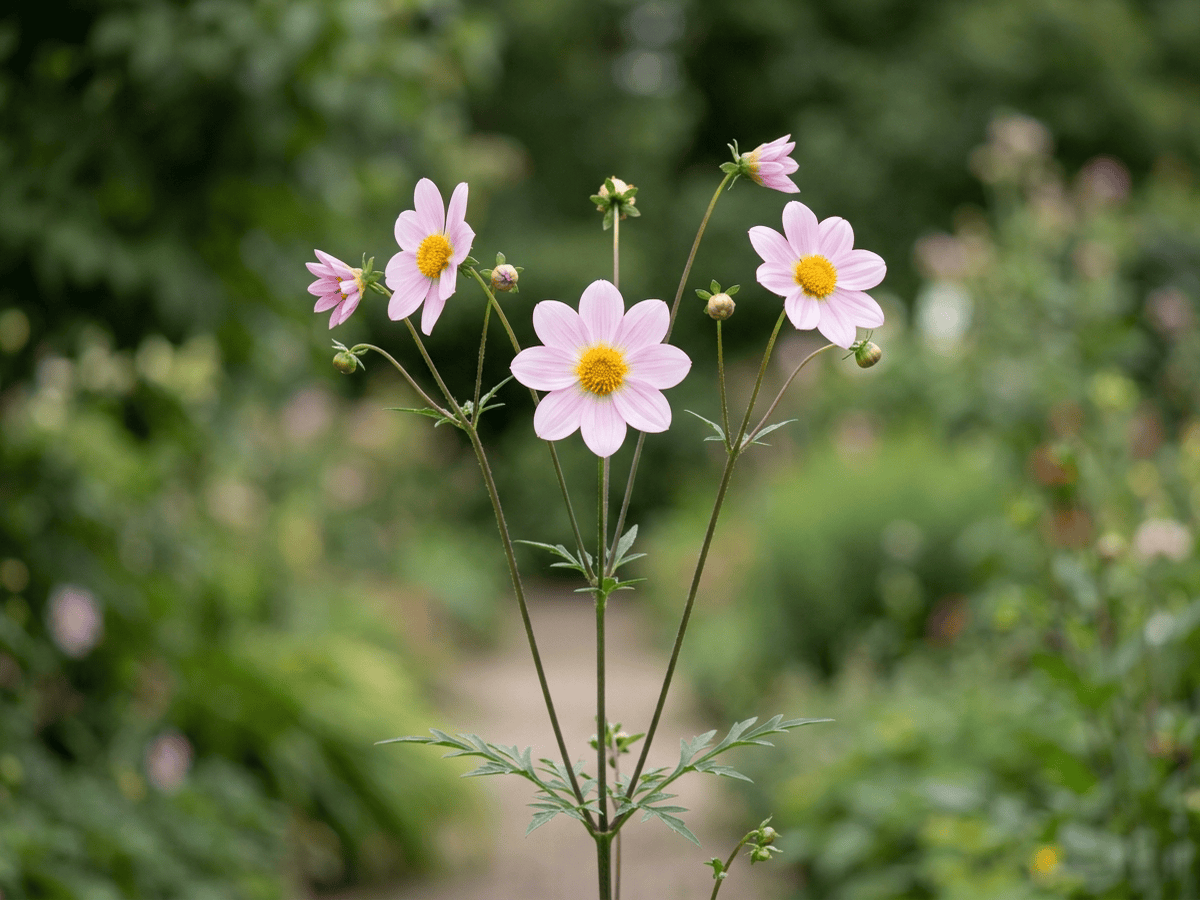 Bedding DahliaDahlia merckii
 Garden DahliaDahlia pinnata
Plants with similar care
 Mexican AbeliaAbelia floribunda
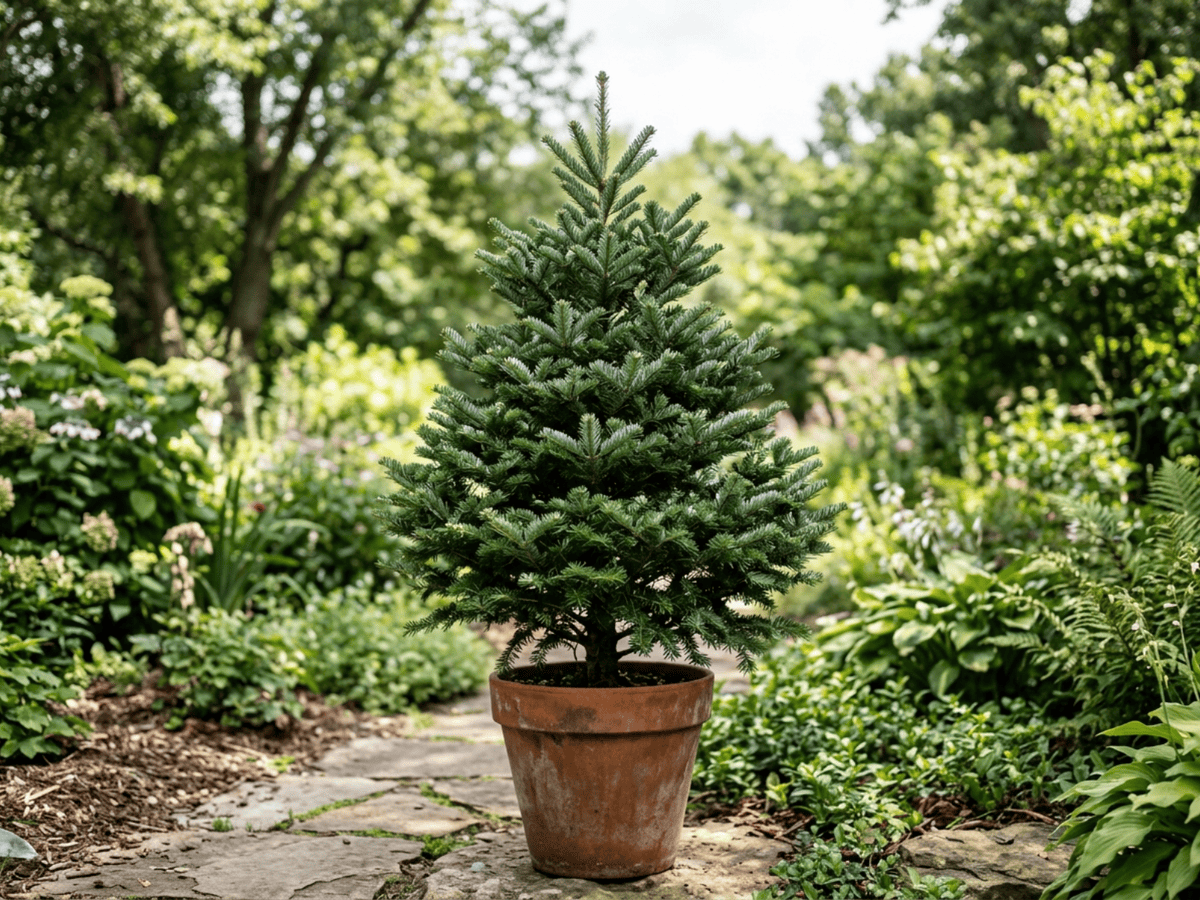 Fraser FirAbies fraseri
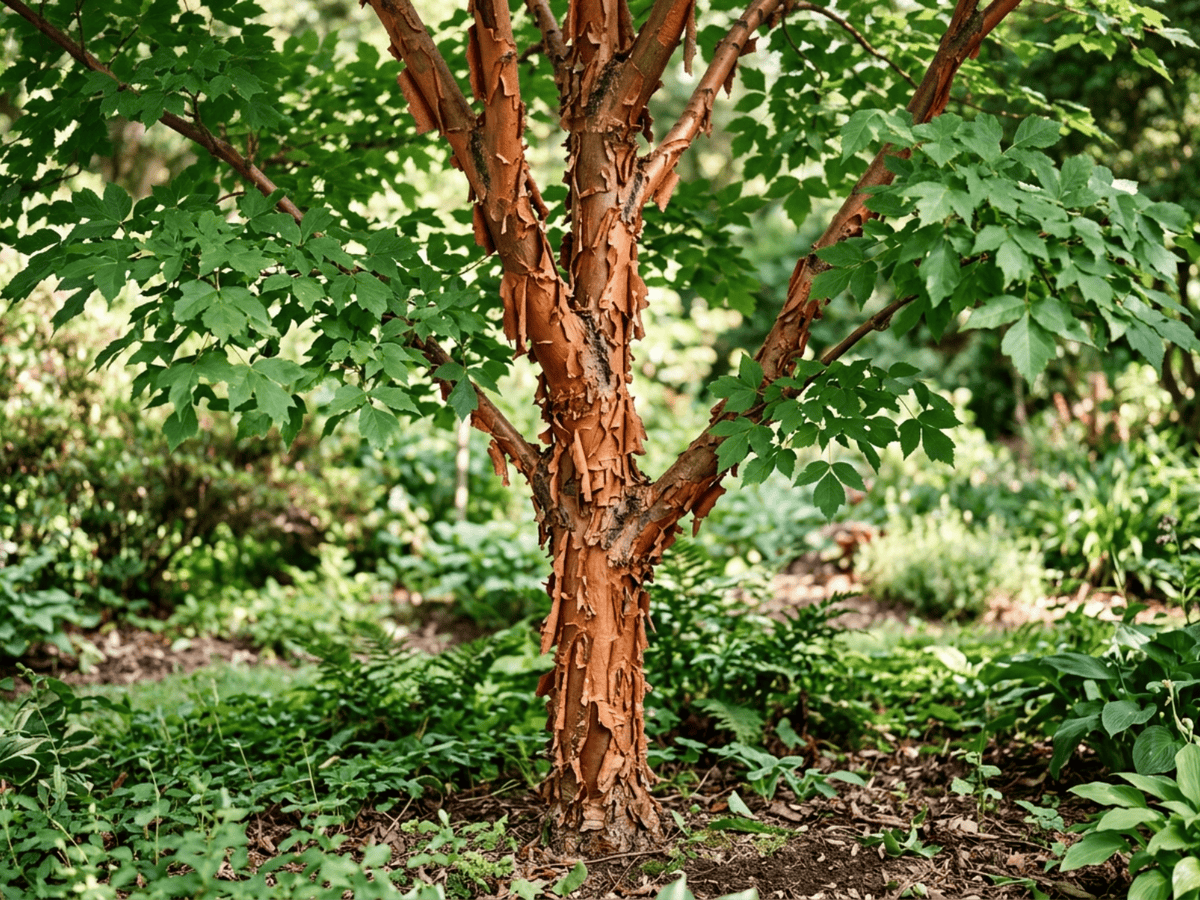 Paperbark MapleAcer griseum
 Sugar MapleAcer saccharum
Frequently asked questions
How often should I water Dahlia australis?
In summer, water about every 3 days; in winter, about every 14 days. Adjust for heat, pot size and drainage.
How much light does Dahlia australis need?
Full sun: 6+ hrs direct. Watch the leaves — scorching or stretching means the light needs adjusting.
Is Dahlia australis toxic to cats or dogs?
Pets Slight (Dogs Slight · Cats Slight) Educational information, not medical or veterinary advice. If exposure is suspected, contact a doctor or veterinarian.
Is Dahlia australis easy to grow?
It is moderately demanding: a good choice once you have a little experience.
When does Dahlia australis bloom?
It typically blooms Jun–Nov in the Northern Hemisphere.
YardMate
Identify any plant in seconds
Snap a photo — YardMate names the plant, diagnoses problems, and reminds you when to water.
Download on the App Store