 YardMate


Bedding Dahlia
Dahlia merckii
Medium · Some experienceAbout Bedding Dahlia
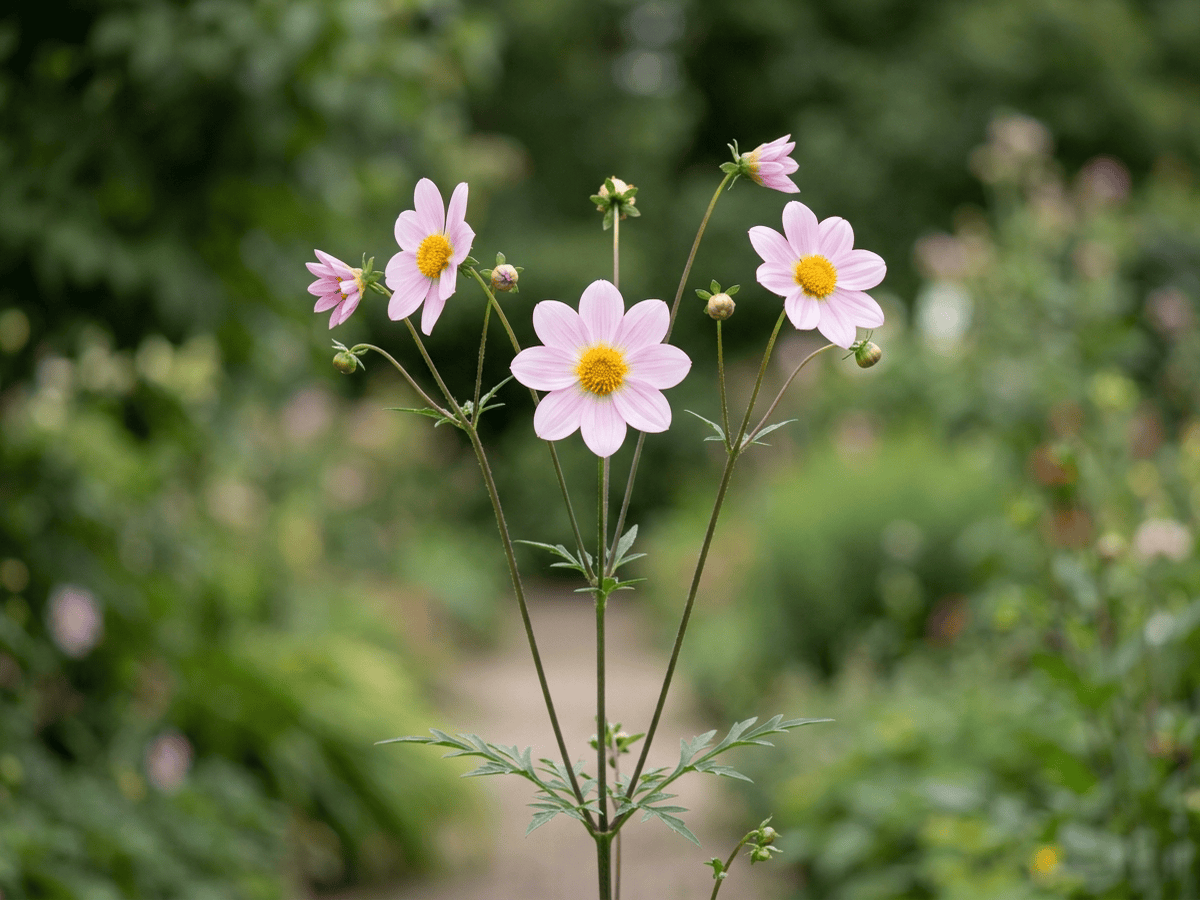
Bedding Dahlia or Merck's Dahlia is a wild Mexican species dahlia, growing 2 to 4 feet tall with slender stems and single lavender or pink daisy-like flowers from summer through frost. One of the ancestral species of the thousands of modern dahlia hybrids. Prized by collectors in American gardens for its delicate wild form and long bloom season with modest care.
- Cut-flower
- Long-blooming
- Pollinator-friendly
How to care for Bedding Dahlia
Watering
- Springevery 5 days
- Summerevery 3 days
- Fallevery 7 days
- Winterevery 14 days
Soil · Well-draining
- Main mixLoam + coarse sand 3:175%
- DrainageGravel25%
Sharp drainage matters most — bulbs rot in wet soil while dormant.
FERTILIZER
Balanced Feed 14-14-14
An even feed covers all three needs at once, keeping leaves, roots and blooms moving together with nothing pushed out of balance.
- Nitrogen · Leaves
- Phosphorus · Roots + Blooms
- Potassium · Strength
- Springevery 30 days
- Summerevery 45 days
At a Glance
- NativeNorth America
- Height3–6 ft (0.9–1.8 m)
- Spread2–3 ft (0.6–0.9 m)
- Flower colorPink, Purple, White
- Foliage colorGreen
- SoilLoamy, Well-drained, Rich
- LocationsYard
Bloom time
BLOOM CYCLE
Peak bloom
Jun–Nov
Single lavender or pink daisy flowers summer to frost
Toxicity
Pets Slight
unidentified irritants
Not reported
EXPOSURE No exposure route is reported.
EFFECT No toxic effect is reported.
NOTE No human toxicity is reported in this catalog; avoid eating ornamental plants unless confirmed edible.
Slight
- All
- Ingestion
EXPOSURE Eating any part of the plant.
EFFECT Mild GI upset and skin irritation.
NOTE ASPCA lists Dahlia as mildly toxic to dogs and cats; ingestion may cause mild GI upset and dermatitis.
Slight
- All
- Ingestion
EXPOSURE Eating any part of the plant.
EFFECT Mild GI upset.
NOTE ASPCA lists Dahlia as mildly toxic to dogs and cats; ingestion may cause mild GI upset and dermatitis.
Educational information, not medical or veterinary advice. If exposure is suspected, contact a doctor or veterinarian.
DISTRIBUTION


- Native
- North America
History
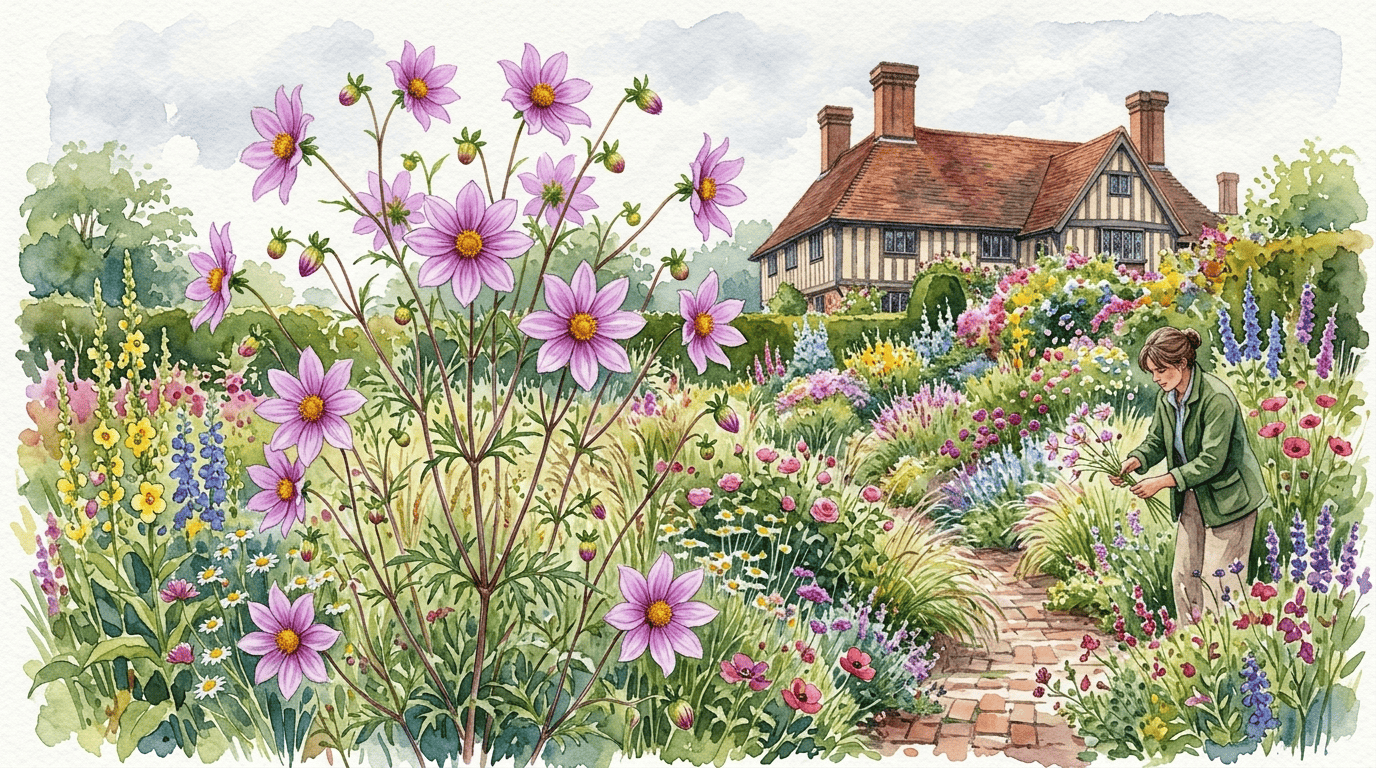
Dahlia merckii grows wild on pine-oak woodlands and rocky meadows of central Mexican mountains, particularly in Hidalgo, Puebla, and Tlaxcala. The German botanist Johann Georg Christian Lehmann described it in 1839, naming it for Heinrich Johann Merck, a Hamburg horticulturist and pharmacist (ancestor of the pharmaceutical family) who introduced the species to European cultivation. Unlike the large-flowered Mexican species D. coccinea and D. pinnata that founded modern hybrid dahlias, D. merckii retained its simple, single-flowered daisy form and airy wildflower habit, reaching up to 2 m with lavender-pink blooms centered by yellow disks.
It remains a specialty plant prized by designers like Piet Oudolf for naturalistic plantings. Sarah Raven and Great Dixter in England have helped popularize it in contemporary cottage-garden style.
Native to the mountains of central Mexico, introduced to European botanical gardens in the early 1800s. A parent species of modern dahlia hybrids, named for Heinrich Johann Merck, German naturalist. Rarely sold at mainstream American nurseries but cherished by specialty seed houses and dahlia society members.
Symbolism & meaning
What It Symbolizes
The Bedding Dahlia is wild elegance in its purest form, the slender ancestral species behind today's blousy garden hybrids. Native to Mexican mountain meadows, it carries a cultural heritage older than any cultivar, its delicate single flowers nodding above airy stems. To grow it is to meet the dahlia before it learned to dress up — graceful, original, and utterly itself.
- Wild elegance — delicate ancestral form
- Mexican heritage — species native to Mexican mountains
Where the Name Comes From
'Dahlia' honors Anders Dahl (1751-1789), Swedish botanist; 'merckii' honors Heinrich Johann Merck (1770-1853), German naturalist.
Uses & Fun Facts
- Single lavender daisies harvested for cottage cutting bouquets
- Open-centered flowers feed bees from summer through frost
- Heritage species dahlia treasured by collectors and breeders
Related plants
More Dahlia plants
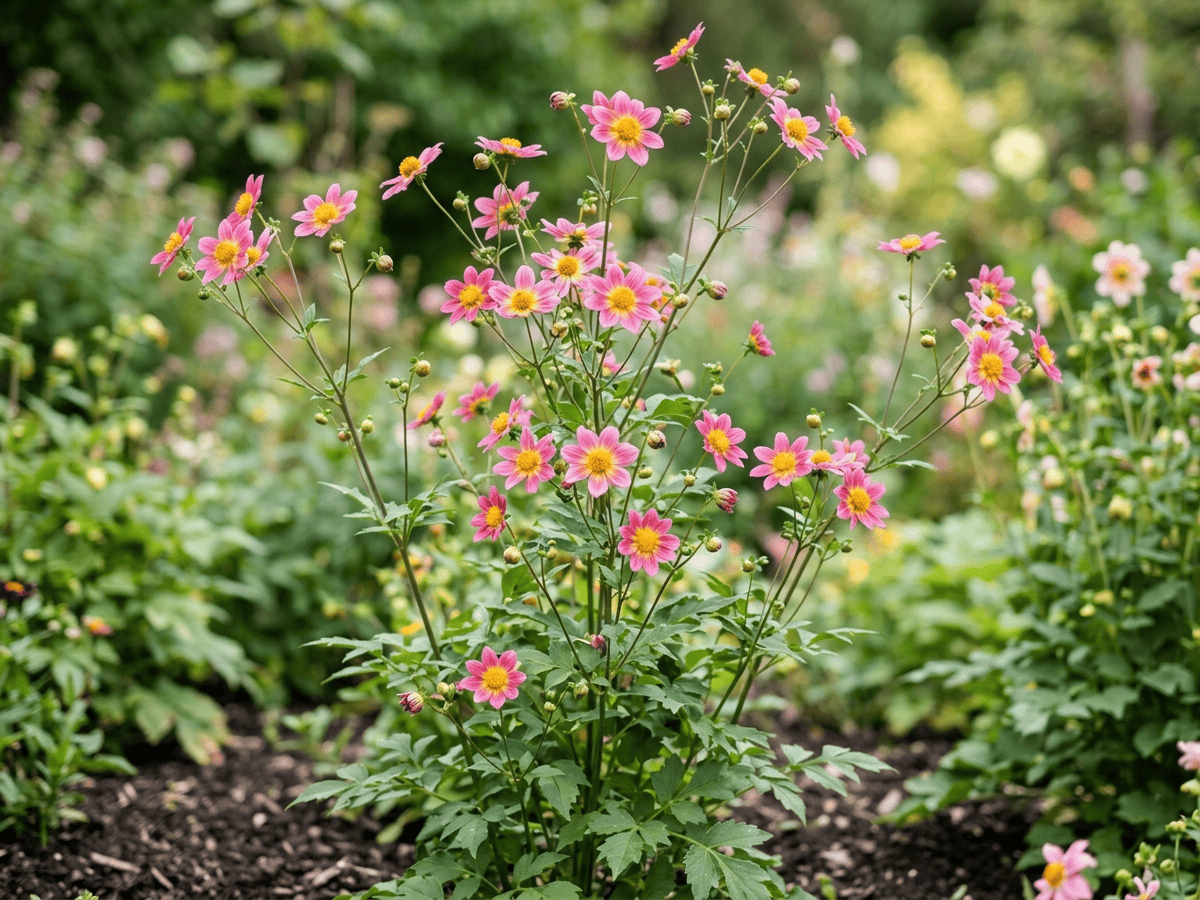 Dahlia australisDahlia australis
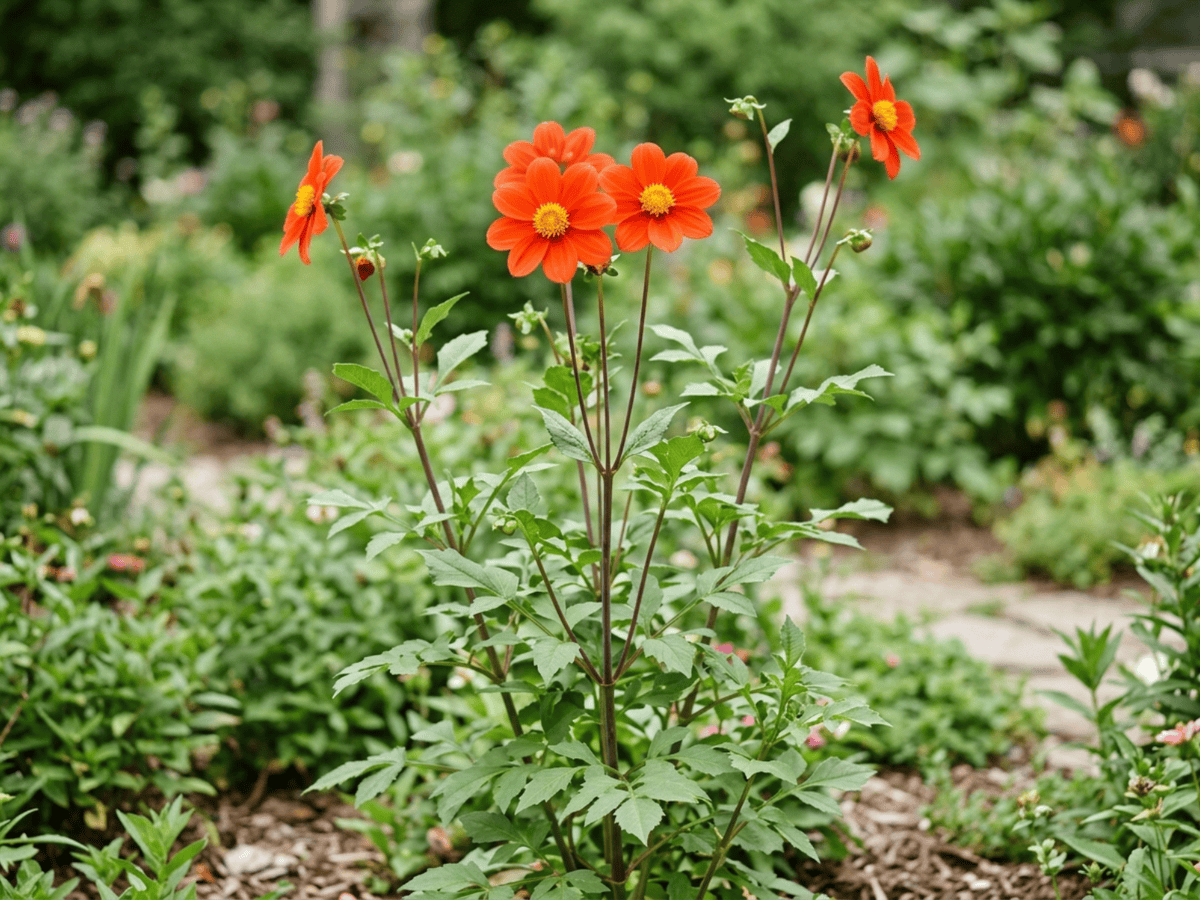 Red DahliaDahlia coccinea
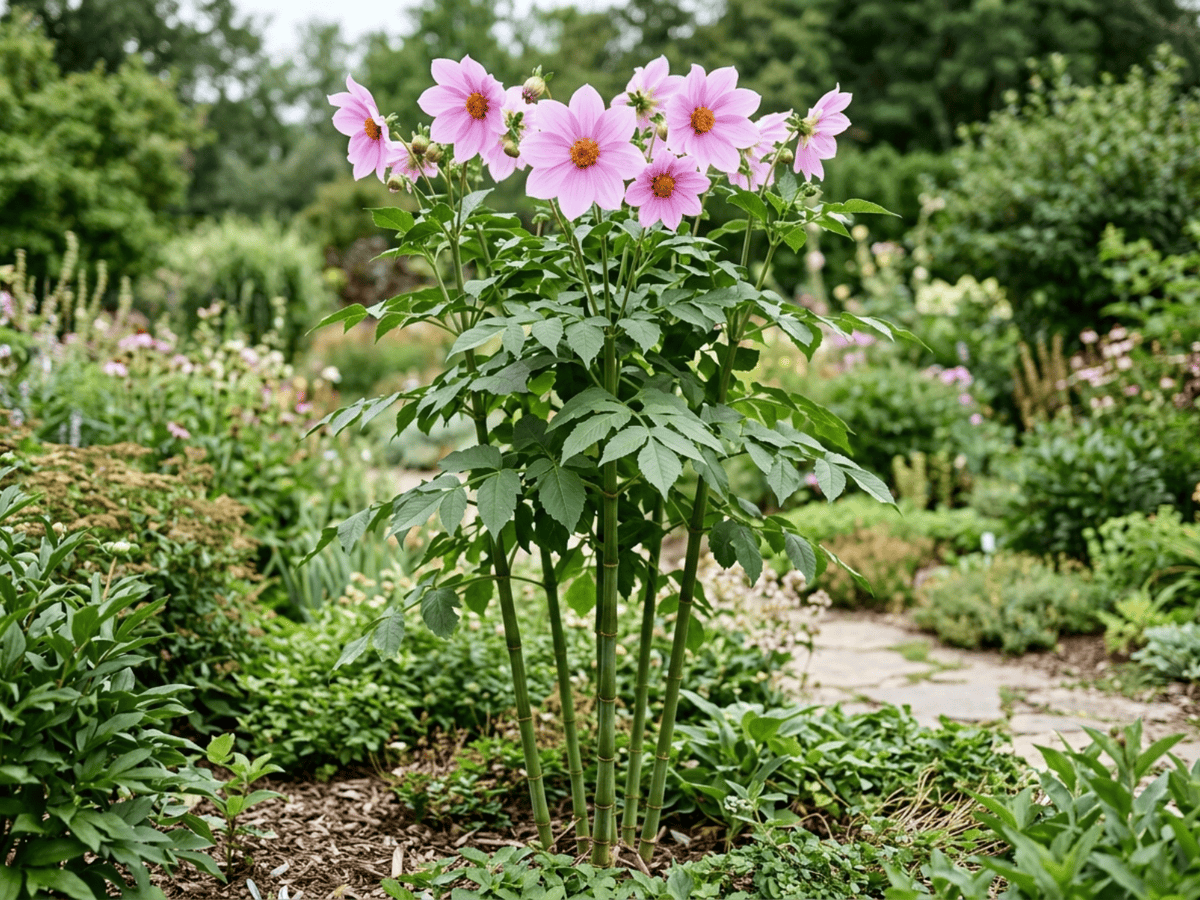 Tree DahliaDahlia imperialis
 Garden DahliaDahlia pinnata
Plants with similar care
 Mexican AbeliaAbelia floribunda
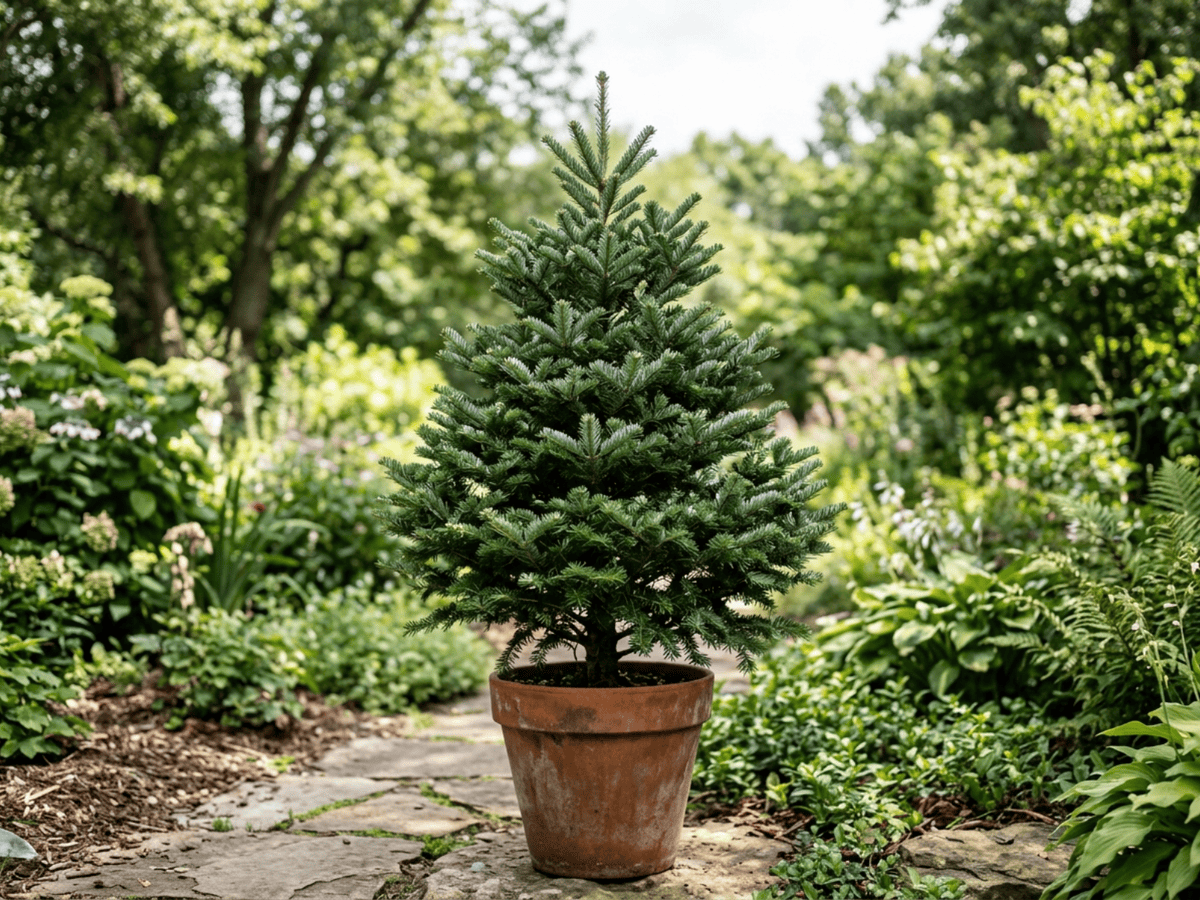 Fraser FirAbies fraseri
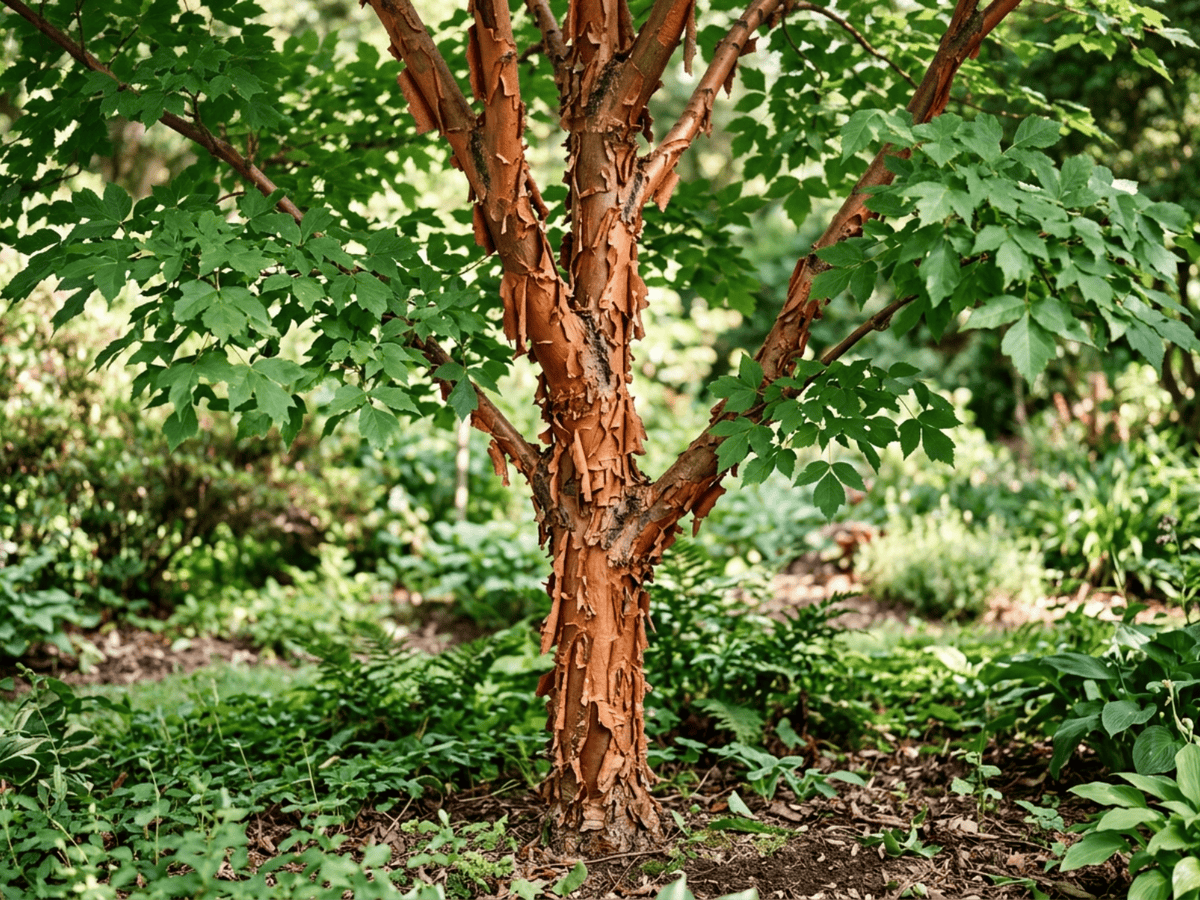 Paperbark MapleAcer griseum
 Sugar MapleAcer saccharum
Frequently asked questions
How often should I water Bedding Dahlia?
In summer, water about every 3 days; in winter, about every 14 days. Adjust for heat, pot size and drainage.
How much light does Bedding Dahlia need?
Full sun: 6+ hrs direct. Watch the leaves — scorching or stretching means the light needs adjusting.
Is Bedding Dahlia toxic to cats or dogs?
Pets Slight (Dogs Slight · Cats Slight) Educational information, not medical or veterinary advice. If exposure is suspected, contact a doctor or veterinarian.
Is Bedding Dahlia easy to grow?
It is moderately demanding: a good choice once you have a little experience.
When does Bedding Dahlia bloom?
It typically blooms Jun–Nov in the Northern Hemisphere.
YardMate
Identify any plant in seconds
Snap a photo — YardMate names the plant, diagnoses problems, and reminds you when to water.
Download on the App Store