 YardMate



Garden Dahlia
Dahlia pinnata
Medium · Some experienceAbout Garden Dahlia
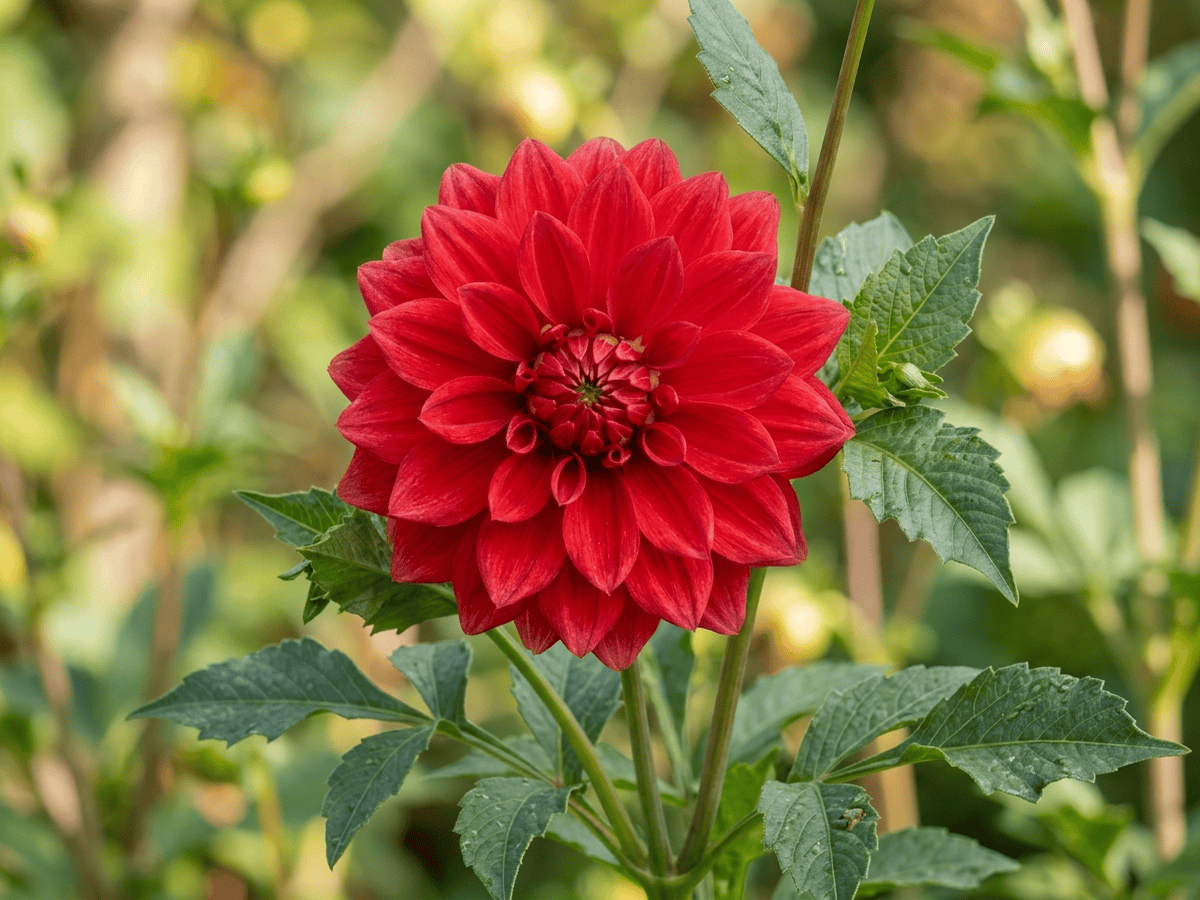
Dahlia pinnata is the wild ancestor of the modern garden dahlia, a tuberous perennial producing an incredible diversity of flower forms — from small pom-poms to dinner-plate blooms over 30 cm across, in every color except blue. Native to the highlands of Mexico and Central America, it grows from 60 cm to over 2 meters depending on variety. The tuberous roots must be lifted in cold climates before frost. With over 57,000 registered cultivars across 14 official flower forms, dahlias offer unmatched variety. They bloom from midsummer until frost, providing late-season garden color.
- Edible
- Cut-flower
How to care for Garden Dahlia
Watering
- Springevery 5 days
- Summerevery 3 days
- Fallevery 7 days
- Winterpause watering
Soil · Well-draining
- Main mixLoam + coarse sand 3:175%
- DrainageGravel25%
Sharp drainage matters most — bulbs rot in wet soil while dormant.
FERTILIZER
Bloom Booster 10-52-10
A phosphorus-forward feed fuels abundant blooms, with just enough nitrogen and potassium to keep foliage and roots steady.
- Nitrogen · Leaves
- Phosphorus · Roots + Blooms
- Potassium · Strength
- Springevery 21 days
- Summerevery 21 days
At a Glance
- NativeNorth America
- Height1–6 ft (0.3–1.8 m)
- Spread1–3 ft (0.3–0.9 m)
- Flower colorRed, Pink, Orange, Yellow
- Foliage colorGreen, Red
- SoilLoamy, Well-drained, Rich
- LocationsYard
Bloom time
BLOOM CYCLE
Peak bloom
Jul–Nov
Blooms midsummer to frost; pinch tips for bushier growth; stake tall varieties
Fragrance
NO FRAGRANCE
Not notably fragrant.
Toxicity
Pets Slight
unidentified sesquiterpene lactones
Not reported
EXPOSURE No exposure route is reported.
EFFECT Tubers are historically edible and no significant toxicity.
NOTE No toxicity is reported for humans in this catalog; this is not evidence that the plant is edible or harmless.
Slight
- Leaf
- Stem
- Flower
- Ingestion
EXPOSURE Eating leaves, stems, and flowers.
EFFECT Mild GI upset, dermatitis from sap and per ASPCA.
NOTE Generally low toxicity; skin contact may cause dermatitis in sensitive individuals.
Slight
- Leaf
- Stem
- Flower
- Ingestion
EXPOSURE Eating leaves, stems, and flowers.
EFFECT Mild GI upset, dermatitis from sap and per ASPCA.
NOTE Generally low toxicity; skin contact may cause dermatitis in sensitive individuals.
Educational information, not medical or veterinary advice. If exposure is suspected, contact a doctor or veterinarian.
DISTRIBUTION


- Native
- Introduced
- North America
History
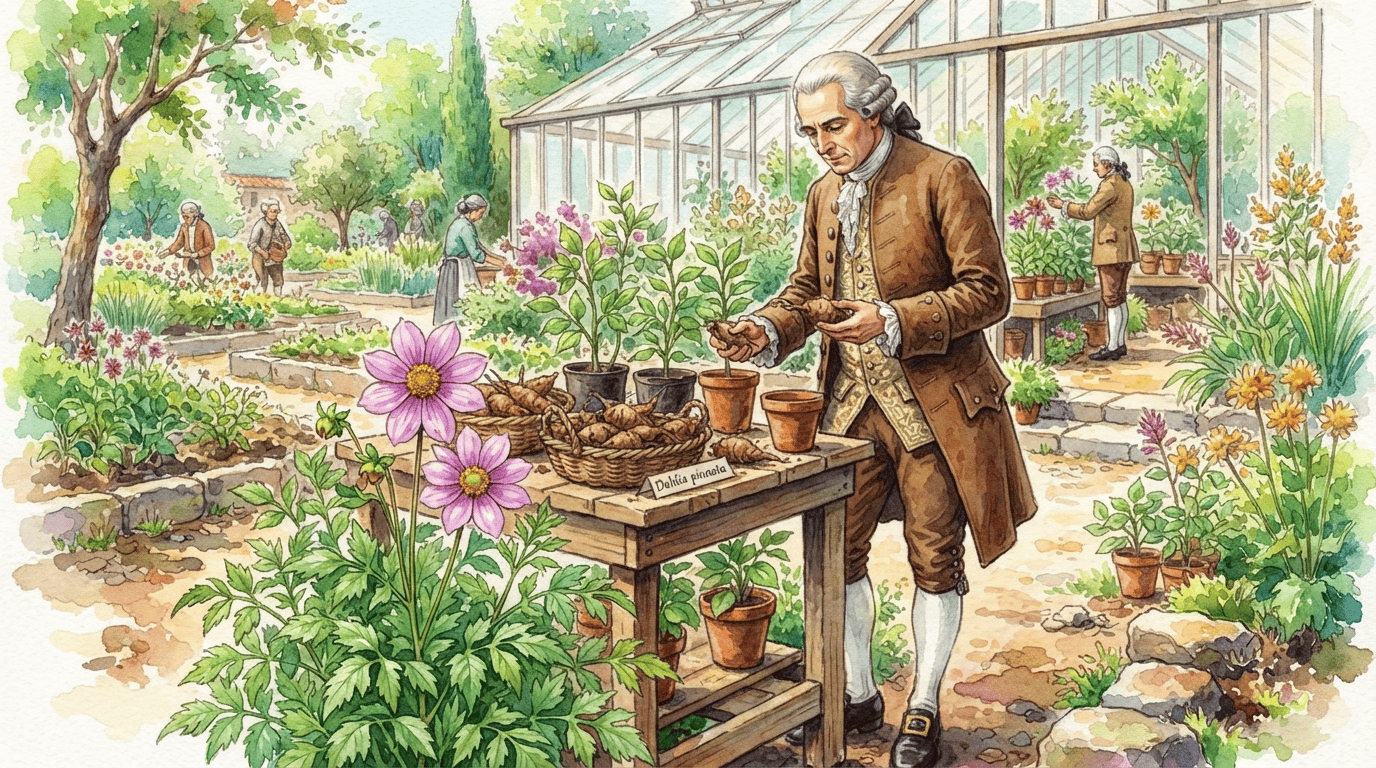
Dahlia pinnata is native to the mountains of central and southern Mexico, where the Aztecs cultivated multiple Dahlia species for their edible starchy tubers, which they called cocoxochitl. Spanish botanists at the Royal Botanical Expedition to New Spain sent tubers to the Royal Gardens in Madrid in 1789, where Director Antonio Cavanilles named the genus after Swedish botanist Anders Dahl. Aztec hopes that the tubers would be Europe's new potato crop did not pan out — the taste was deemed poor — but the flowers caused an immediate sensation, and by 1810 European breeders had begun crossing the wild species to produce the vast range of modern dahlia cultivars.
Mexico named the dahlia its national flower in 1963. Moderately toxic to pets.
Spanish conquistadors brought dahlias to Madrid's Royal Botanical Garden in 1789 — initially as a food crop, but the tubers tasted terrible to European palates. Today, the American Dahlia Society recognizes over 57,000 named varieties — more than almost any other flower.
Symbolism & meaning
What It Symbolizes
The Garden Dahlia is the very flower of elegance, and with more than fifty-seven thousand registered forms, no two blooms need ever speak the same dialect of refinement. From pompons to dinner-plate decoratives, every dahlia is a unique expression of cultivated beauty, an heirloom of Mexican origin shaped by centuries of breeders' attention. In the late-summer border, dahlias remind the gardener that elegance is not a single style but a vast vocabulary, generously available to anyone willing to lift the tubers in autumn.
- Elegance — With 57,000+ forms, each bloom is a unique expression of refined beauty
Where the Name Comes From
Dahlia honors Anders Dahl (1751–1789), Swedish botanist and student of Linnaeus. Pinnata means 'feather-like,' for the compound leaves.
Uses & Fun Facts
- Starchy tubers historically eaten by Aztec peoples
- Long-stemmed blooms star in late-summer bouquets
Related plants
More Dahlia plants
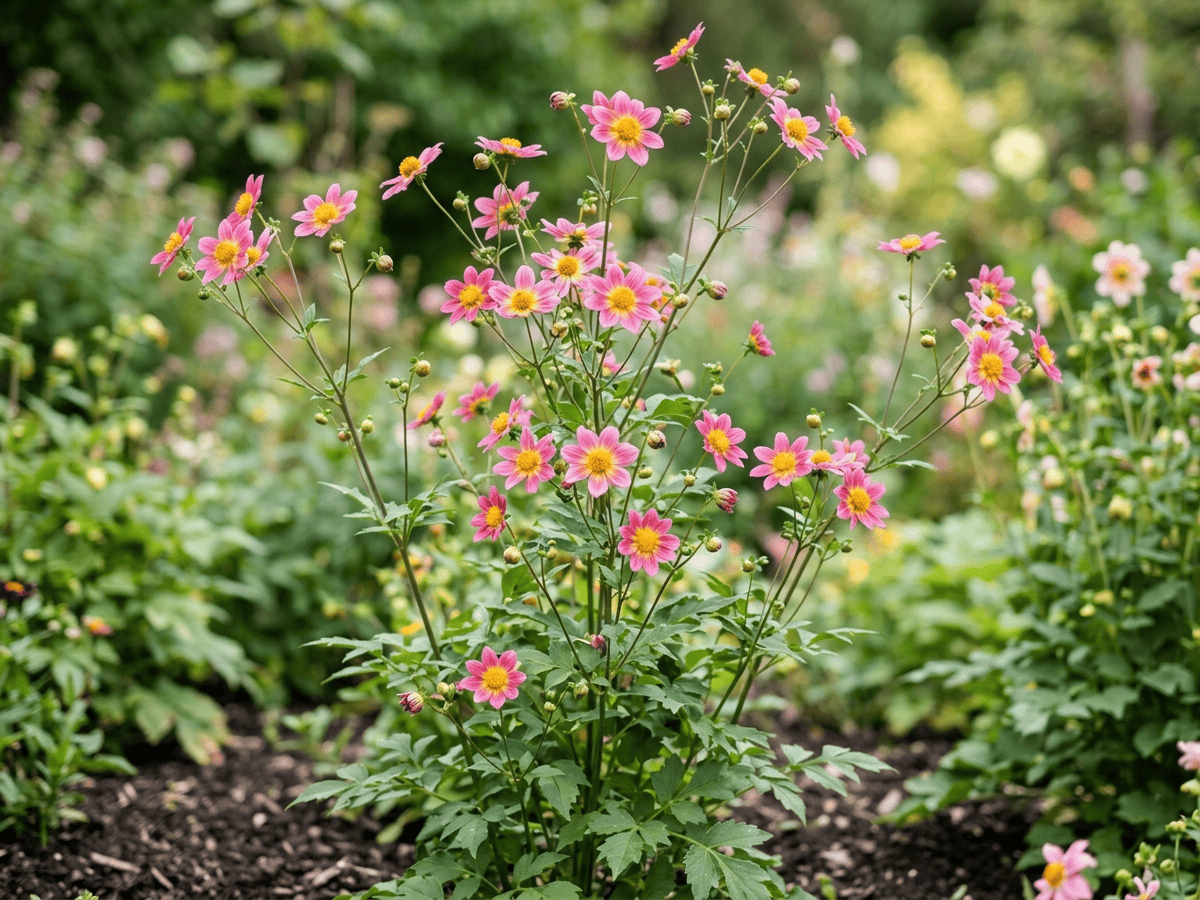 Dahlia australisDahlia australis
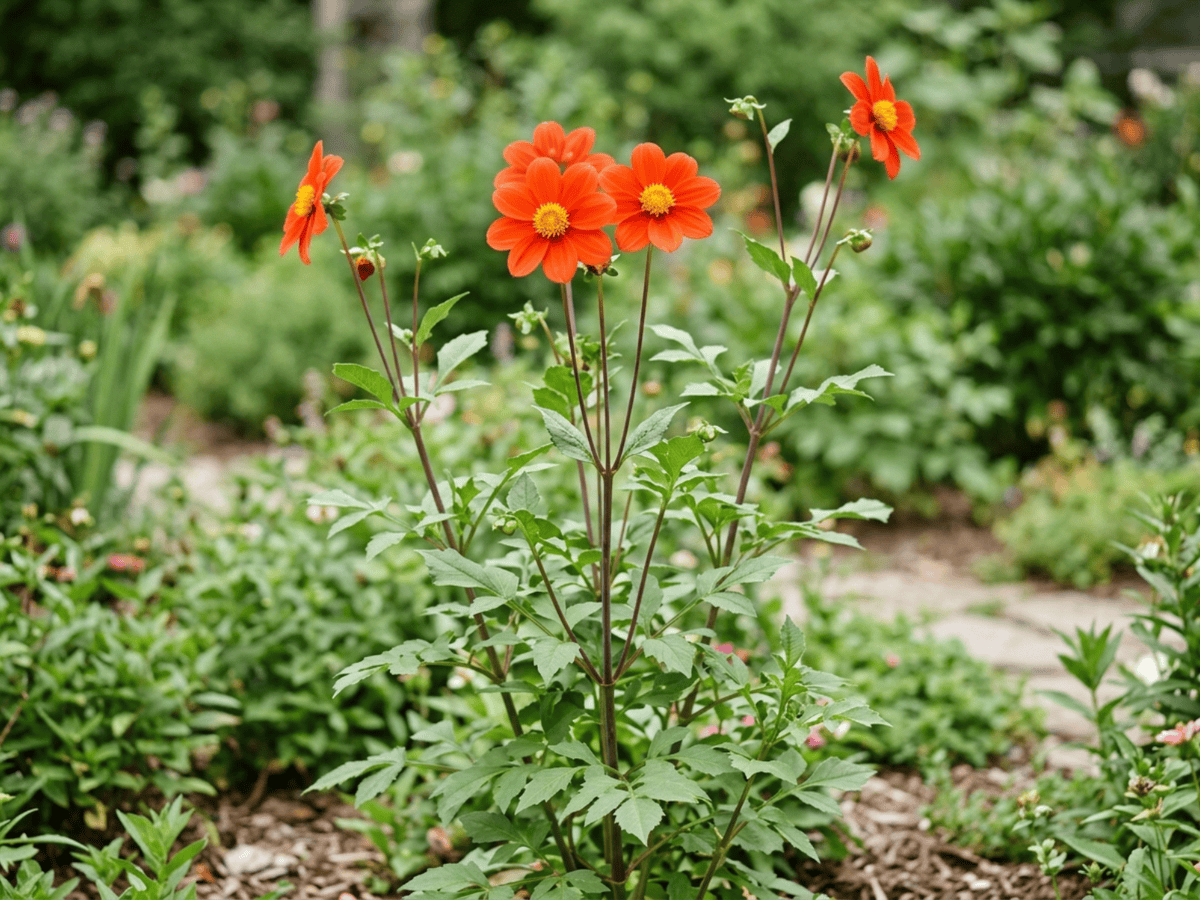 Red DahliaDahlia coccinea
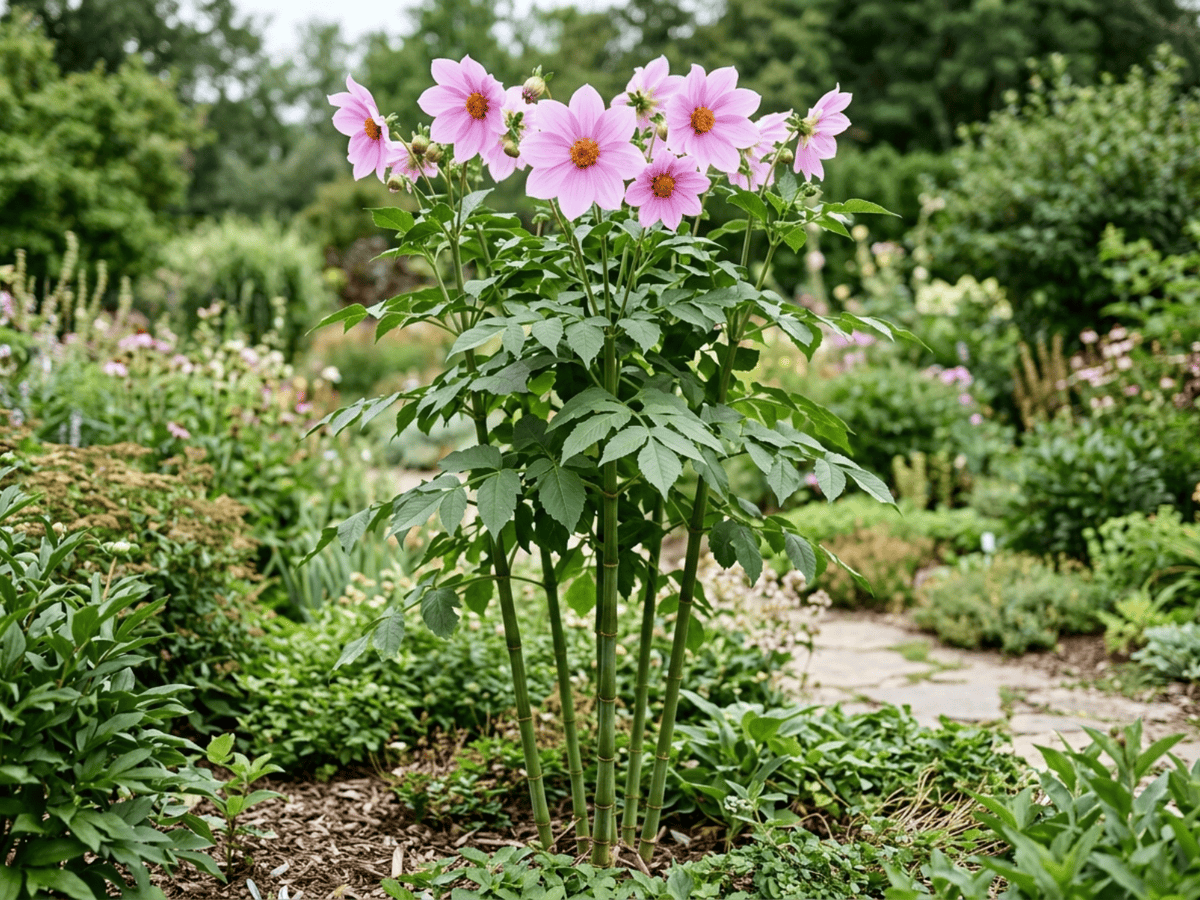 Tree DahliaDahlia imperialis
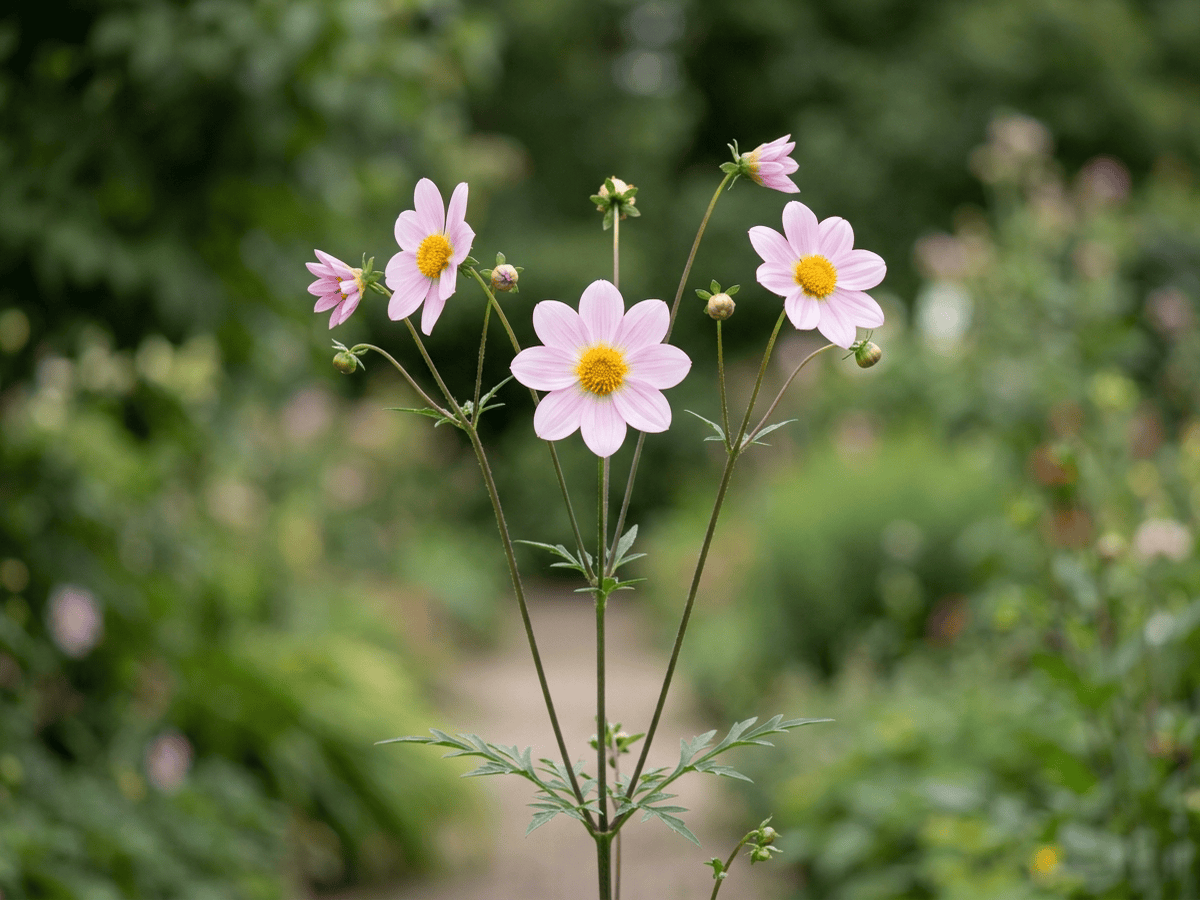 Bedding DahliaDahlia merckii
Plants with similar care
 Mexican AbeliaAbelia floribunda
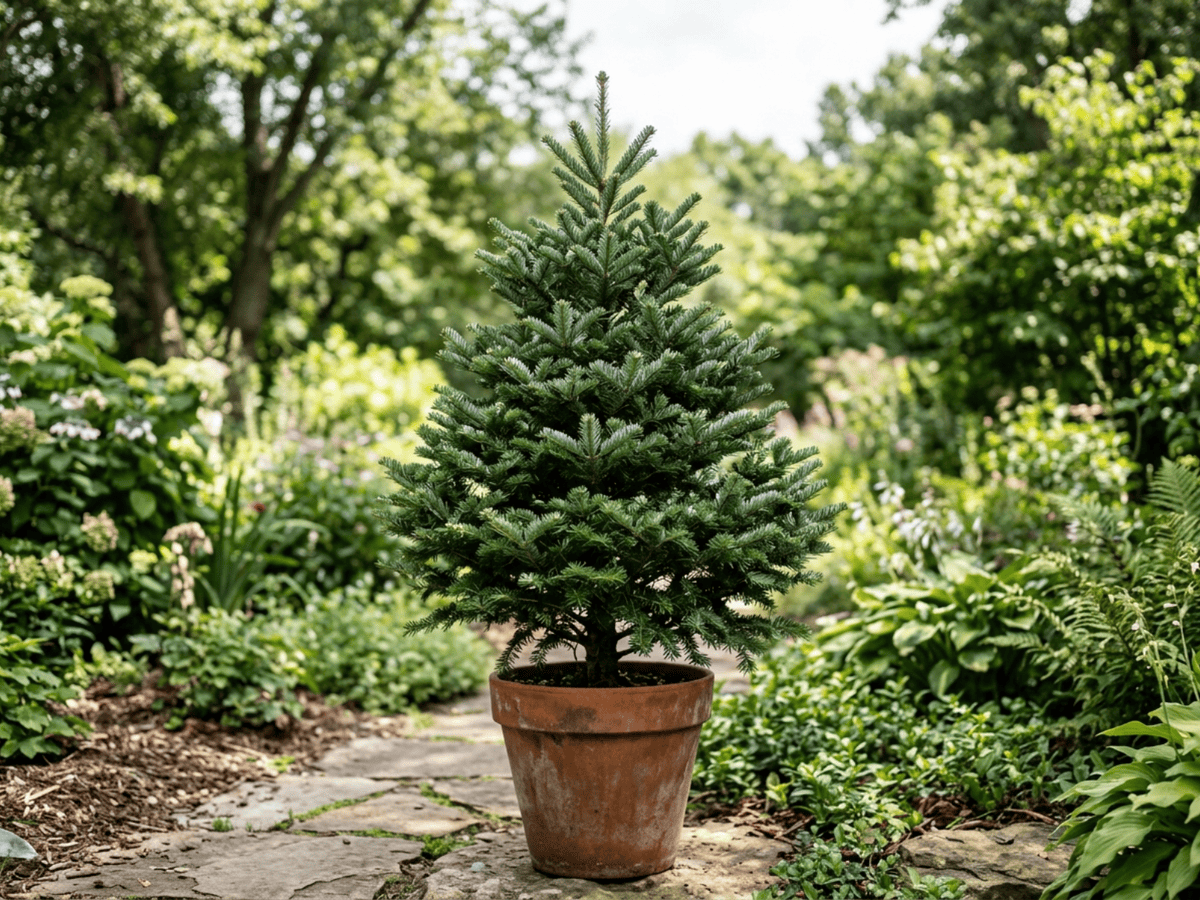 Fraser FirAbies fraseri
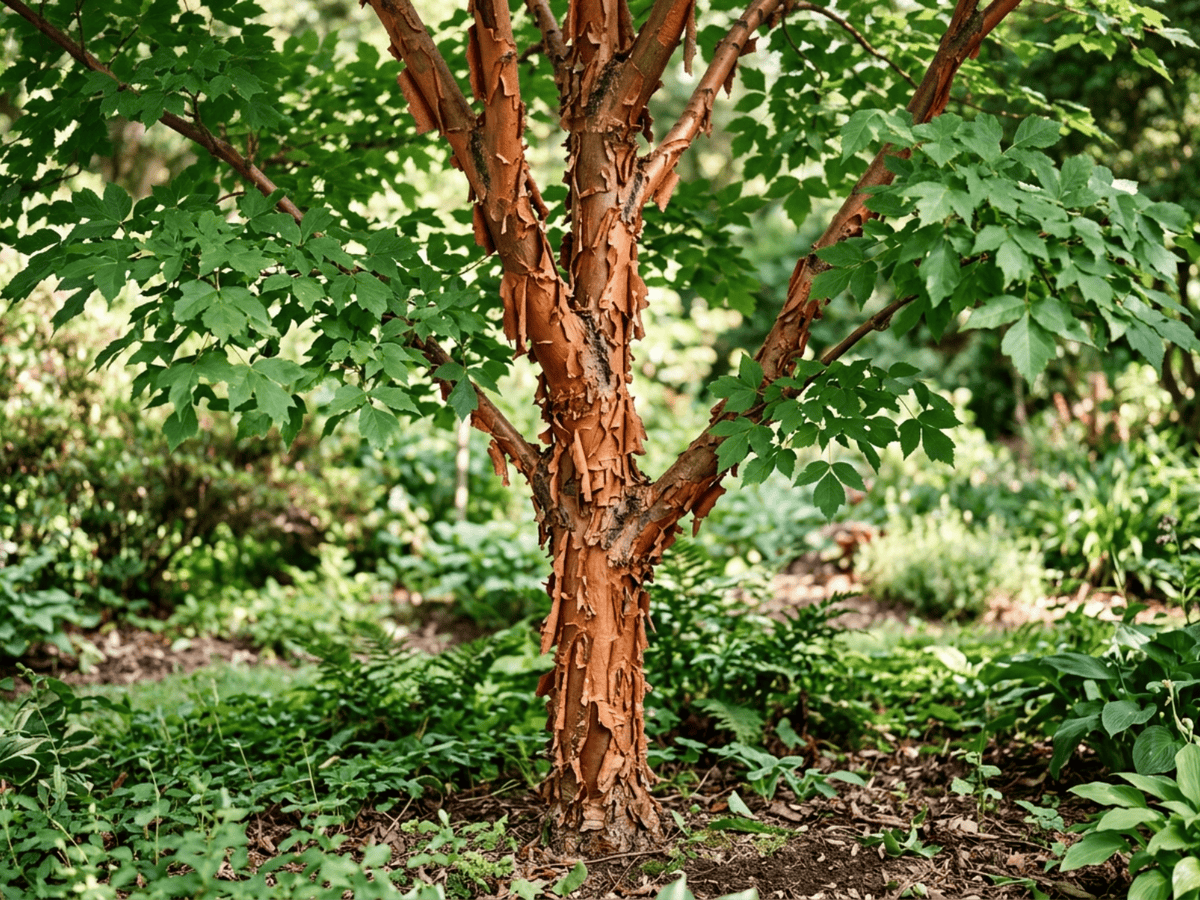 Paperbark MapleAcer griseum
 Sugar MapleAcer saccharum
Frequently asked questions
How often should I water Garden Dahlia?
Water about every 5 days during the growing season, and always let excess water drain away.
How much light does Garden Dahlia need?
Full sun: 6+ hrs direct. Watch the leaves — scorching or stretching means the light needs adjusting.
Is Garden Dahlia toxic to cats or dogs?
Pets Slight (Dogs Slight · Cats Slight) Educational information, not medical or veterinary advice. If exposure is suspected, contact a doctor or veterinarian.
Is Garden Dahlia easy to grow?
It is moderately demanding: a good choice once you have a little experience.
When does Garden Dahlia bloom?
It typically blooms Jul–Nov in the Northern Hemisphere.
YardMate
Identify any plant in seconds
Snap a photo — YardMate names the plant, diagnoses problems, and reminds you when to water.
Download on the App Store