 YardMate


Slender Deutzia
Deutzia gracilis
Easy · Beginner friendlyAbout Slender Deutzia
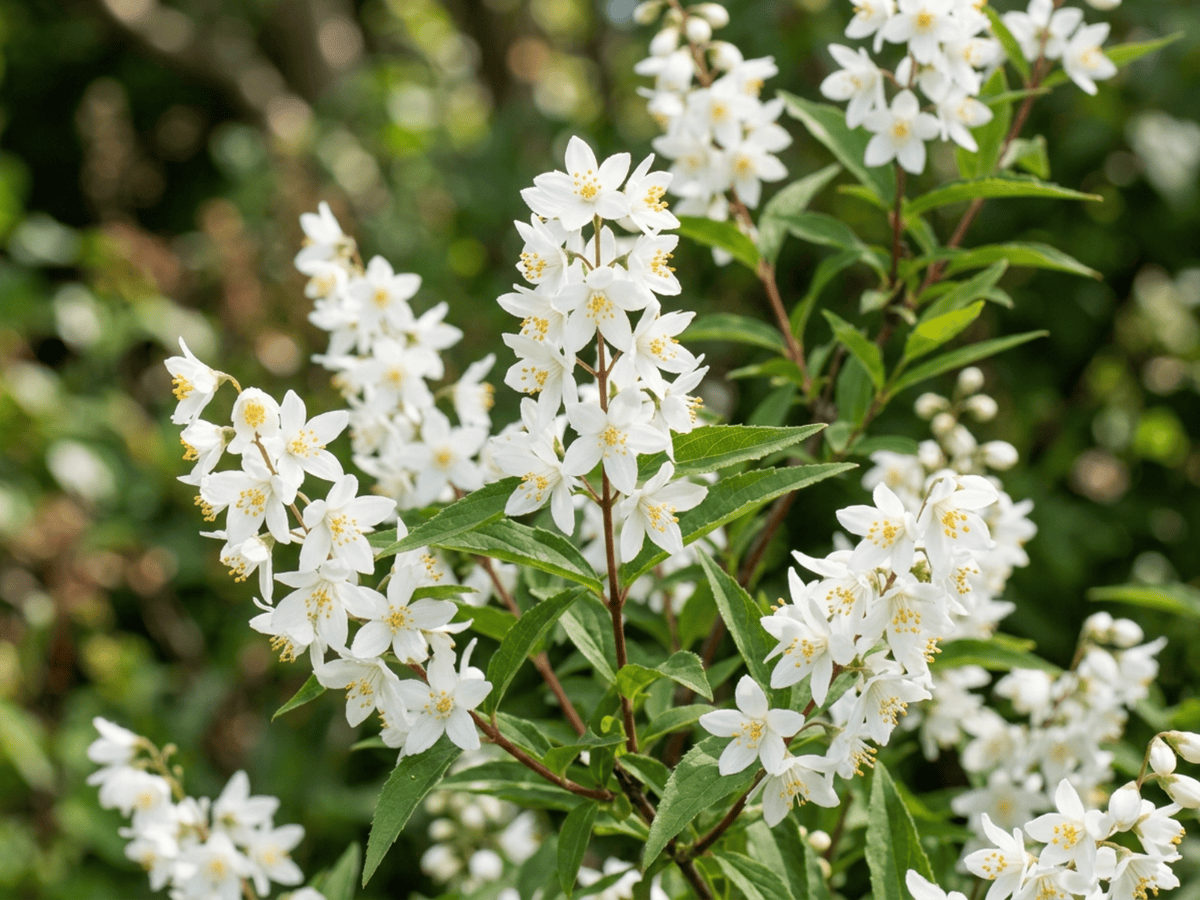
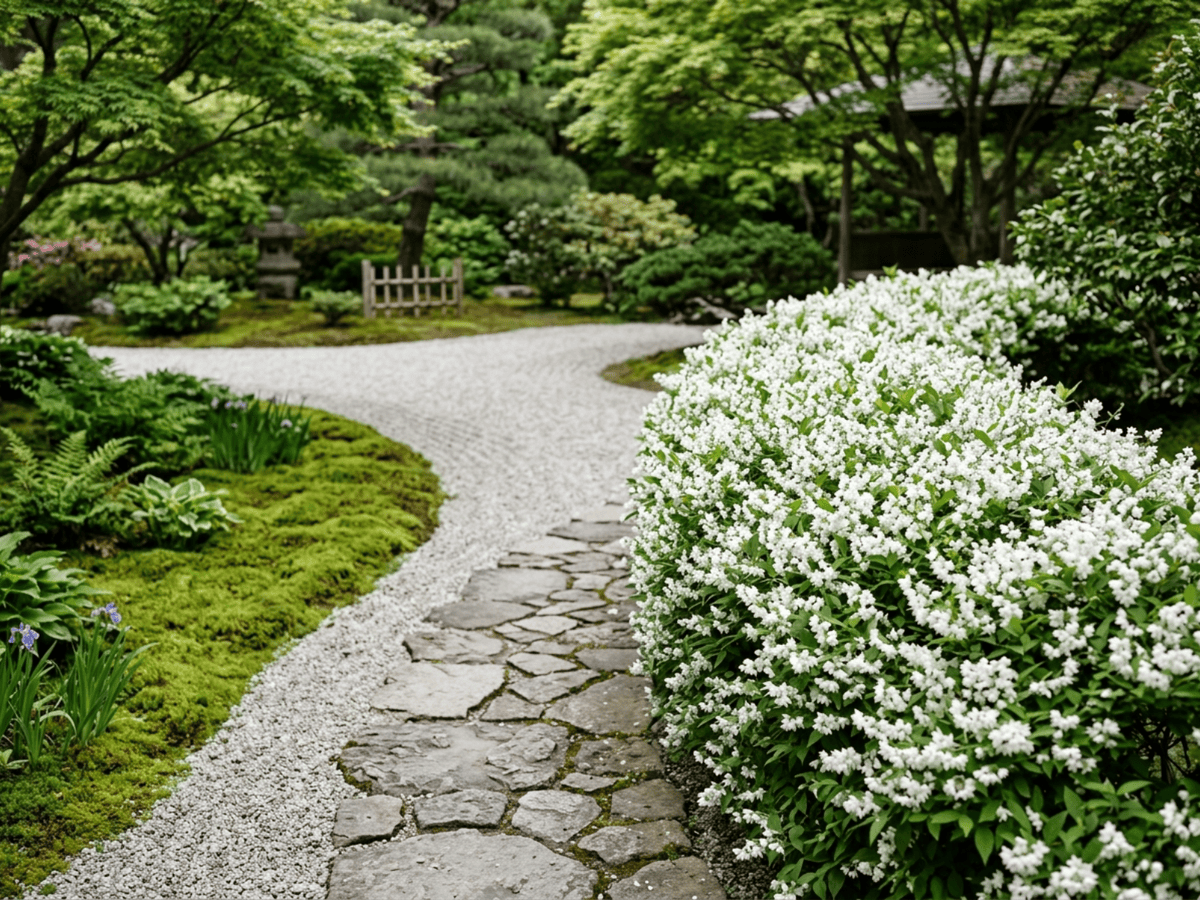
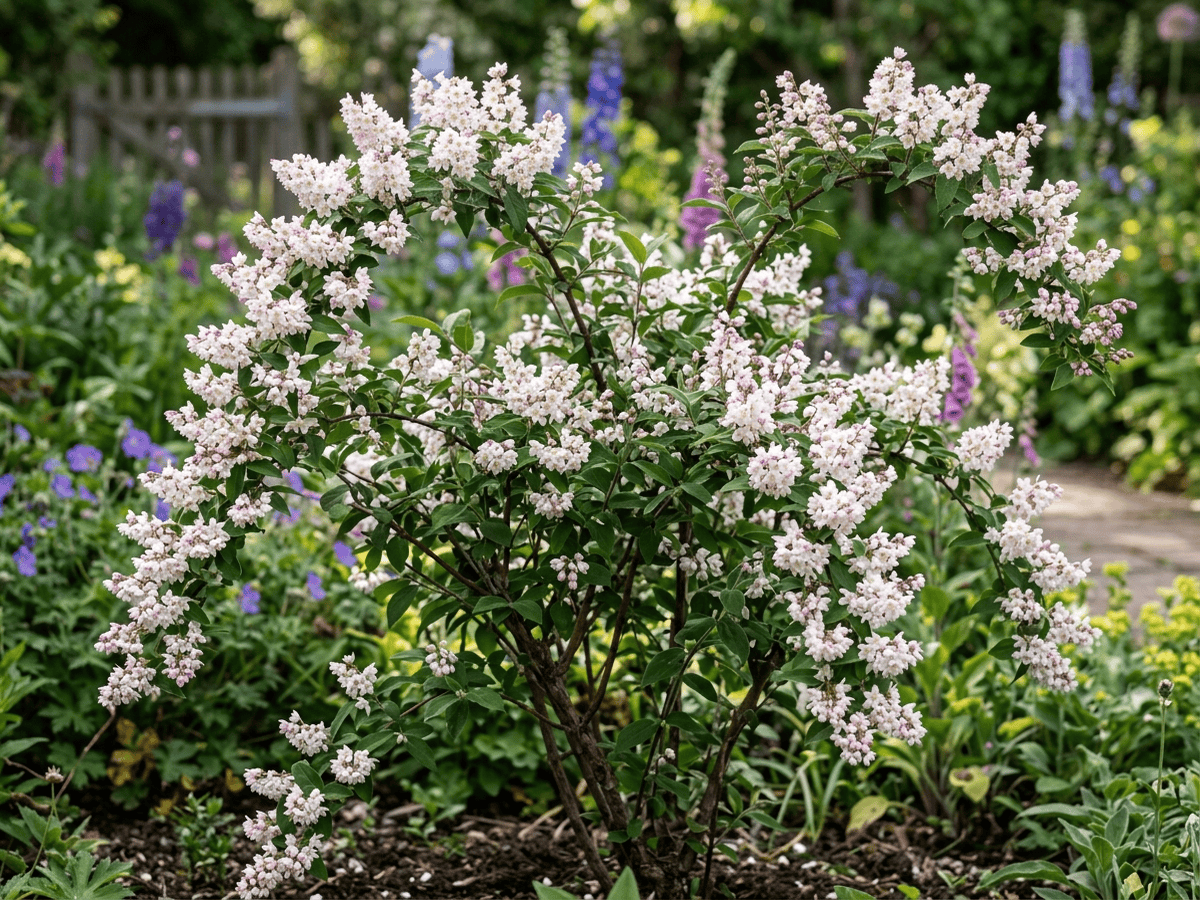
Deutzia gracilis, the slender deutzia, is a compact deciduous shrub native to Japan, prized for its graceful arching habit and abundant white flowers in late spring. Growing only 2 to 4 feet tall and wide, it is one of the most elegant small shrubs available for temperate gardens. In May, the slender branches become laden with clusters of pure white star-shaped flowers so profuse they nearly hide the foliage, creating a cascading fountain effect. It prefers full sun to light shade and well-drained soil, and once established is fairly drought-tolerant. The shrub blooms on the previous year's wood, so pruning should be done immediately after flowering by removing the oldest stems at the base. While it offers little interest after flowering — with plain green foliage and no notable fall color — its compact size and overwhelming spring display make it a versatile choice for small gardens, foundation plantings, and borders. It is hardier than many deutzia species, surviving to USDA zone 5 with minimal winter damage.
- Low-maintenance
- Compact
How to care for Slender Deutzia
Watering
- Springevery 5 days
- Summerevery 4 days
- Fallevery 10 days
- Winterevery 30 days
Soil · Rich & loamy
- Top dressingBark mulch15%
- Main mixRich loam + compost 3:170%
- DrainageGravel15%
Use fully finished compost — fresh compost burns roots.
FERTILIZER
Balanced Feed 14-14-14
An even feed covers all three needs at once, keeping leaves, roots and blooms moving together with nothing pushed out of balance.
- Nitrogen · Leaves
- Phosphorus · Roots + Blooms
- Potassium · Strength
- Springevery 45 days
At a Glance
- NativeEast Asia
- Height2–4 ft (0.6–1.2 m)
- Spread3–4 ft (0.9–1.2 m)
- Flower colorWhite
- Foliage colorGreen, Yellow, Red
- SoilLoamy, Well-drained
- LocationsYard · Indoor · Balcony
Bloom time
BLOOM CYCLE
Peak bloom
Mar–May
Pure white star-shaped flowers cascade along arching branches in late spring; prune oldest stems at base right after flowering
Fragrance
LIGHT FRAGRANCE
Light sweet scent, not strong.
Toxicity
No toxicity has been reported for this plant. Still, it is wise to keep pets from chewing on any houseplant.
Educational information, not medical or veterinary advice. If exposure is suspected, contact a doctor or veterinarian.
DISTRIBUTION


- Native
- Introduced
- East Asia
History

Deutzia gracilis is native to Honshu and Kyushu in Japan, where it grows on rocky slopes and forest edges. Philipp Franz von Siebold introduced it to European horticulture around 1840 after his years at Dejima in Nagasaki. Compact, arching, and usually under 1.2 meters, it carries dense clouds of pure white star-shaped flowers along the previous year's wood in May and early June.
That combination of modest size and overwhelming bloom made it one of the most useful small shrubs of 19th- and early 20th-century gardens, especially in cottage borders and the fronts of mixed shrub plantings. Modern cultivars such as 'Nikko', Chardonnay Pearls, and the Yuki series keep the plant in trade by offering compact habits and improved foliage. French breeder Victor Lemoine later used D. gracilis in hybrid work, extending its influence beyond the species itself.
Symbolism & meaning
What It Symbolizes
Slender Deutzia is a study in grace, its arching branches laden with white blossoms moving softly in the slightest breeze. Paired with purity, its unpretentious blooms speak of simple, unornamented beauty — nothing dramatic, just quiet elegance. It is a shrub for gardeners who understand that loveliness sometimes asks only to be allowed to drape and bloom and be.
- Grace — The slender arching branches laden with flowers embody elegance and natural grace
- Purity — Pure white blossoms represent simplicity and unpretentious beauty
Where the Name Comes From
'Deutzia' honors Johan van der Deutz (1743–1788), Dutch patron of botanical exploration. 'Gracilis' means 'slender' or 'graceful' in Latin, describing its fine-textured habit.
Uses & Fun Facts
- Arching shrub smothered in white spring bell flowers
- Profuse white spring blooms feed early bees and hoverflies
- Low arching habit forms informal flowering border edge
Related plants
More Deutzia plants
 DeutziaDeutzia crenata
 Deutzia purpurascensDeutzia purpurascens
 DeutziaDeutzia scabra
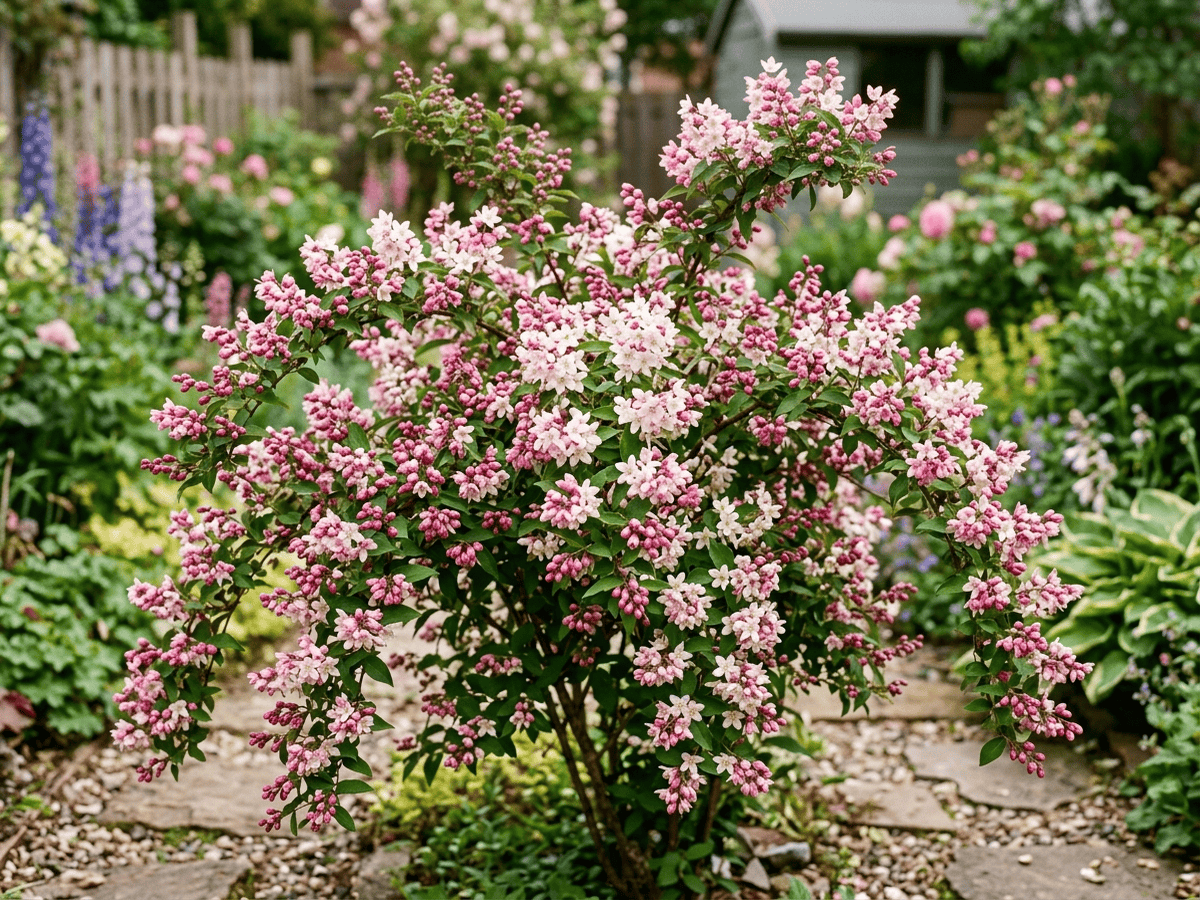 Deutzia x hybridaDeutzia x hybrida
Plants with similar care
 Chinese AbeliaAbelia chinensis
 Fragrant AbeliaAbelia mosanensis
 Large-Flowered AbeliaAbelia uniflora
 Glossy AbeliaAbelia x grandiflora
Frequently asked questions
How often should I water Slender Deutzia?
In summer, water about every 4 days; in winter, about every 30 days. Adjust for heat, pot size and drainage.
How much light does Slender Deutzia need?
Full sun: 6+ hrs direct. Watch the leaves — scorching or stretching means the light needs adjusting.
Is Slender Deutzia toxic to cats or dogs?
No toxicity has been reported for this plant. Still, it is wise to keep pets from chewing on any houseplant. Educational information, not medical or veterinary advice. If exposure is suspected, contact a doctor or veterinarian.
Is Slender Deutzia easy to grow?
Yes — it is considered an easy, beginner-friendly plant.
Can Slender Deutzia be grown indoors?
Yes, it adapts well to indoor growing given the right light.
When does Slender Deutzia bloom?
It typically blooms Mar–May in the Northern Hemisphere.
YardMate
Identify any plant in seconds
Snap a photo — YardMate names the plant, diagnoses problems, and reminds you when to water.
Download on the App Store