 YardMate



Yellow Pink
Dianthus knappii
Medium · Some experienceAbout Yellow Pink
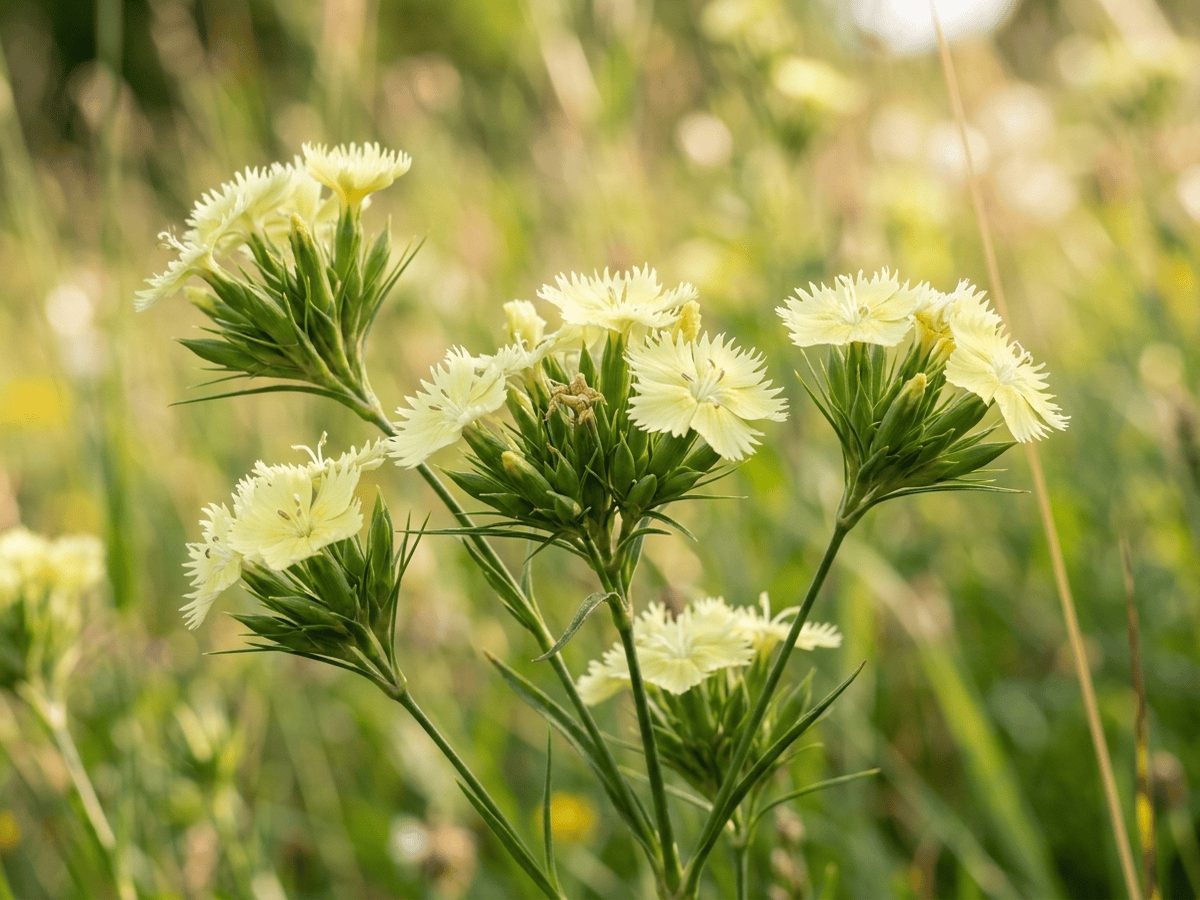
Yellow Dianthus is the only true-yellow flowered dianthus species, a short-lived perennial from the Balkan Peninsula producing clusters of small pale-yellow flowers on 15 to 24 inch stems above gray-green grass-like foliage. Rare in commerce but prized by collectors for its unique color in a genus otherwise dominated by pinks and whites. Self-sows modestly.
- Drought-tolerant
- Deer-resistant
How to care for Yellow Pink
Watering
- Springevery 7 days
- Summerevery 10 days
- Fallevery 14 days
- Winterevery 21 days
Soil · Well-draining
- Top dressingPine bark mulch10%
- Main mixPotting soil + perlite 2:170%
- DrainageLECA / gravel20%
Never skip the drainage layer — standing water is the top cause of root rot.
FERTILIZER
- Springevery 60 days
- Fallevery 60 days
At a Glance
- NativeEurope
- Height1–1.5 ft (0.3–0.5 m)
- Spread1 ft (0.3 m)
- Flower colorYellow
- Foliage colorGreen
- SoilSandy, Well-drained, Alkaline
- LocationsYard
Bloom time
BLOOM CYCLE
Peak bloom
Jun–Jul
Pale yellow flowers June to July
Fragrance
LIGHT FRAGRANCE
Flowers have a light clove-like scent typical of some Dianthus.
Toxicity
Pets Slight
triterpenoid saponins
Not reported
EXPOSURE No exposure route is reported.
EFFECT No toxic effect is reported.
NOTE No human toxicity is reported in this catalog; avoid eating ornamental plants unless confirmed edible.
Slight
- Leaf
- Ingestion
EXPOSURE Eating leaves.
EFFECT ASPCA-listed Dianthus: mild GI upset, vomiting, diarrhea, dermatitis.
NOTE ASPCA lists Dianthus as toxic to dogs and cats with mild symptoms.
Slight
- Leaf
- Ingestion
EXPOSURE Eating leaves.
EFFECT ASPCA-listed Dianthus: mild GI upset, vomiting, diarrhea, dermatitis.
NOTE ASPCA lists Dianthus as toxic to dogs and cats with mild symptoms.
Educational information, not medical or veterinary advice. If exposure is suspected, contact a doctor or veterinarian.
DISTRIBUTION


- Native
- Europe
History
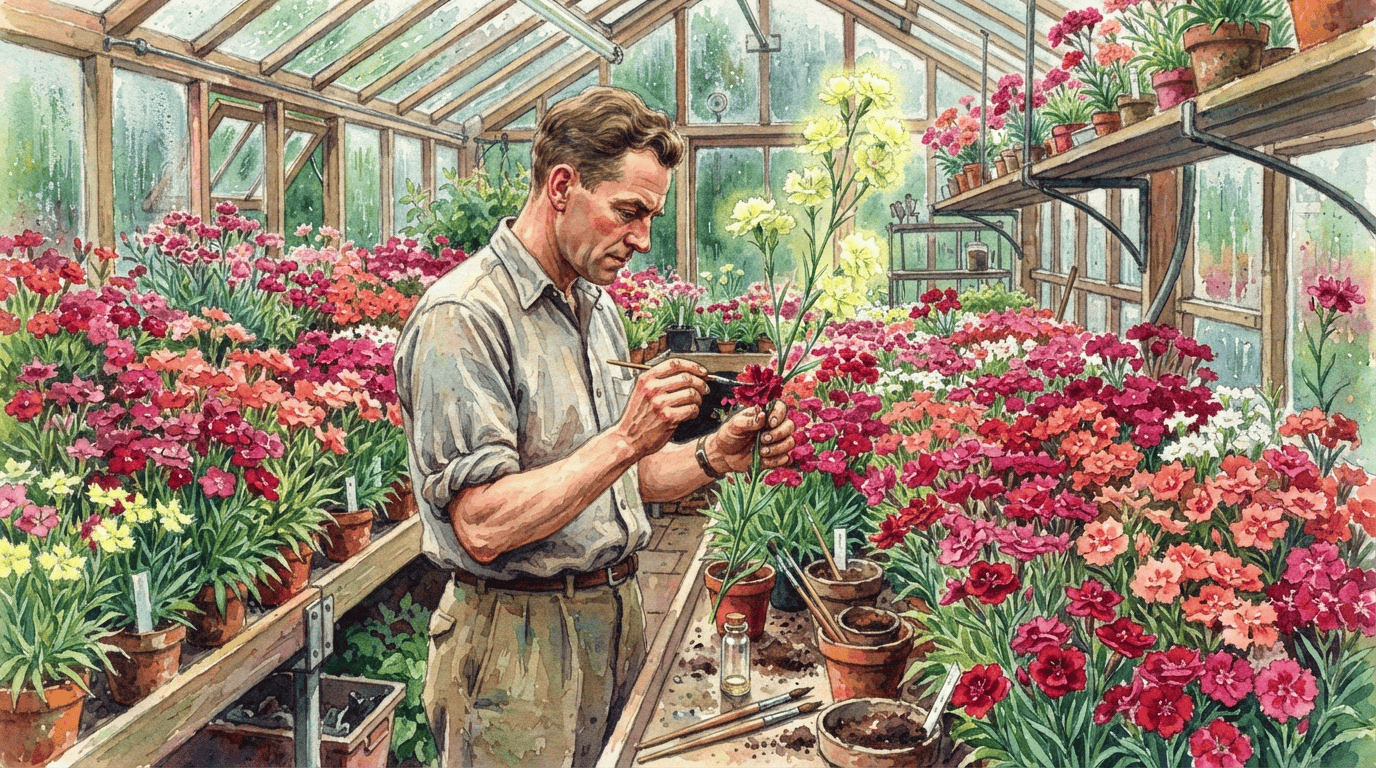
Dianthus knappii, the yellow hardy dianthus or Knapp's pink, is a short-lived perennial native to serpentine-dominated limestone and ultramafic slopes in the Balkans, principally Bosnia and Herzegovina, with scattered occurrences in Albania, Serbia, and Montenegro. Austrian botanist Lidija Knapp collected the type specimen in the 19th century, and German botanist Ludwig Reichenbach described the species in 1852 in her honor. It is unique among Dianthus for its consistently pale lemon-yellow fringed flowers, held in tight heads atop 40 to 60 centimeter stems above narrow green foliage.
English and German seed houses marketed the species for mixed perennial borders and cottage gardens, and modern cultivars including Yellow Harmony remain the standard yellow pink. It needs excellent drainage and resents humid summers.
Native to Bosnia and Serbia, introduced to specialist American gardens in the mid-20th century. Rediscovered by modern breeders looking for yellow color in Dianthus breeding, remains a niche but passionately collected species in American rock garden circles.
Symbolism & meaning
What It Symbolizes
The Yellow Pink is rare radiance — the only truly yellow species in a great pink-and-rose genus. Native to the limestone meadows of Serbia and the western Balkans, it carries a regional heritage uncommon in cottage borders. To grow Dianthus knappii is to honor an unlikely color in a familiar tribe, a small Balkan wildflower that reminds us how much singular beauty hides in lesser-known mountain places.
- Rare radiance — the only truly yellow dianthus
- Balkan heritage — from mountain meadows of Serbia
Where the Name Comes From
The common name highlights its yellow coloring. 'knappii' honors Joseph Armin Knapp (1843-1899), Austrian botanist who documented Balkan flora.
Uses & Fun Facts
- Yellow Pink perennial used in cottage and naturalistic borders
Related plants
More Dianthus plants
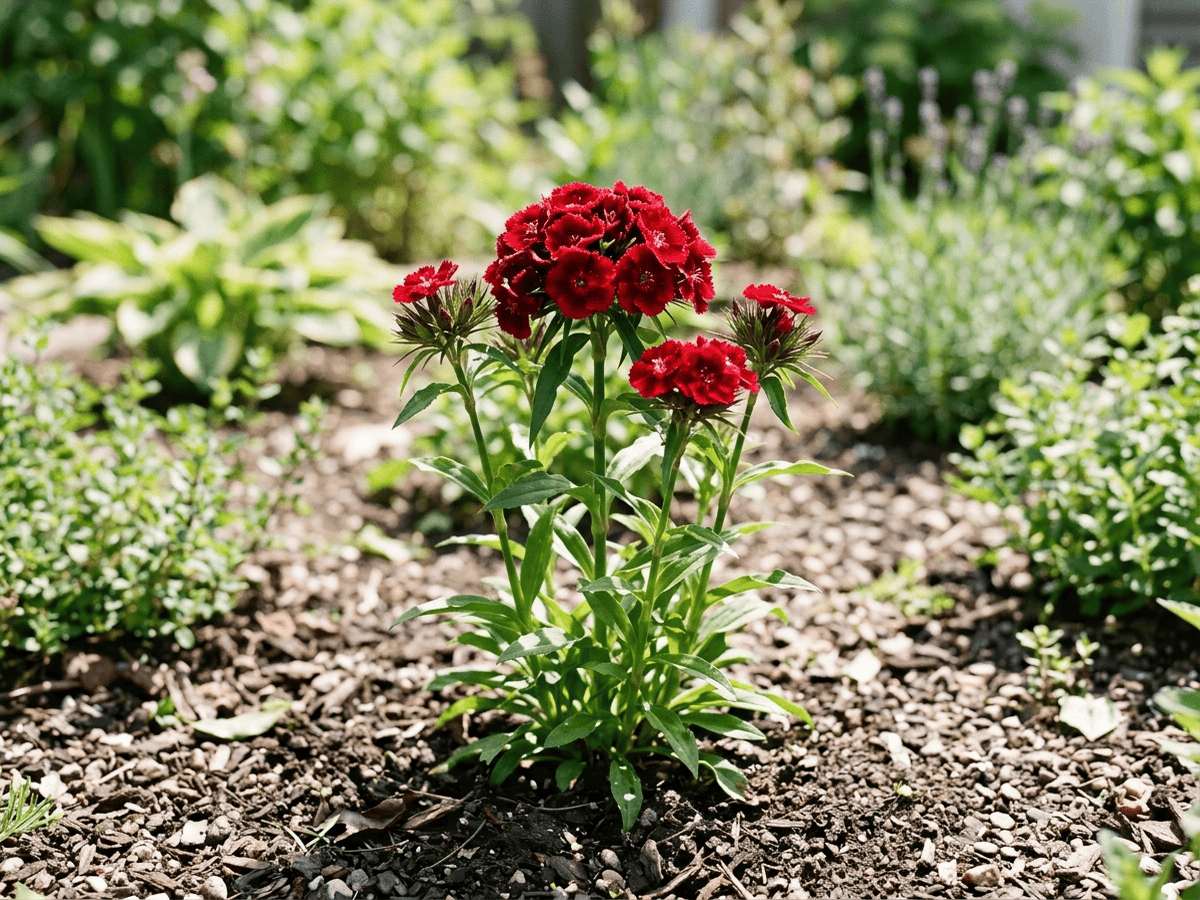 Sweet-WilliamDianthus barbatus
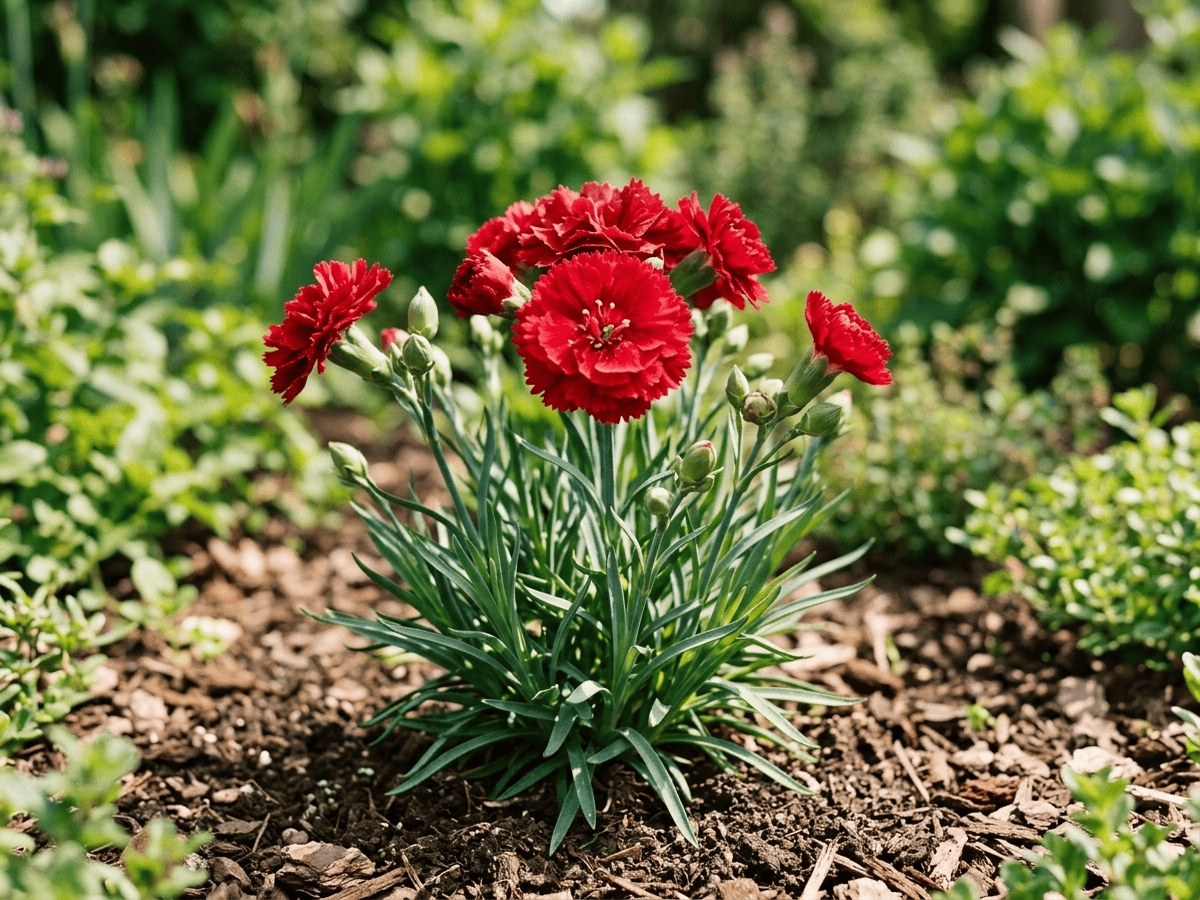 Clove PinkDianthus caryophyllus
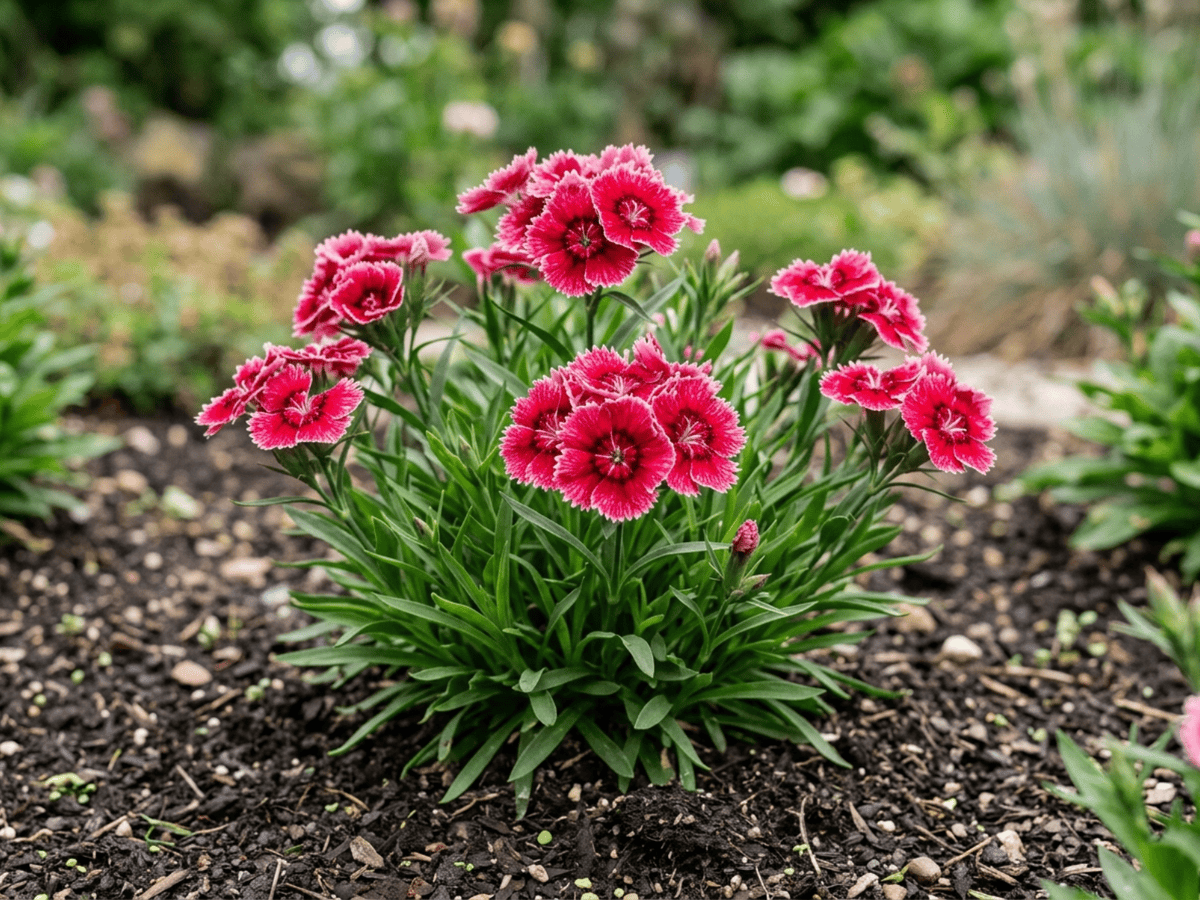 Chinese-PinkDianthus chinensis
 Maiden PinkDianthus deltoides
Plants with similar care
 Mexican AbeliaAbelia floribunda
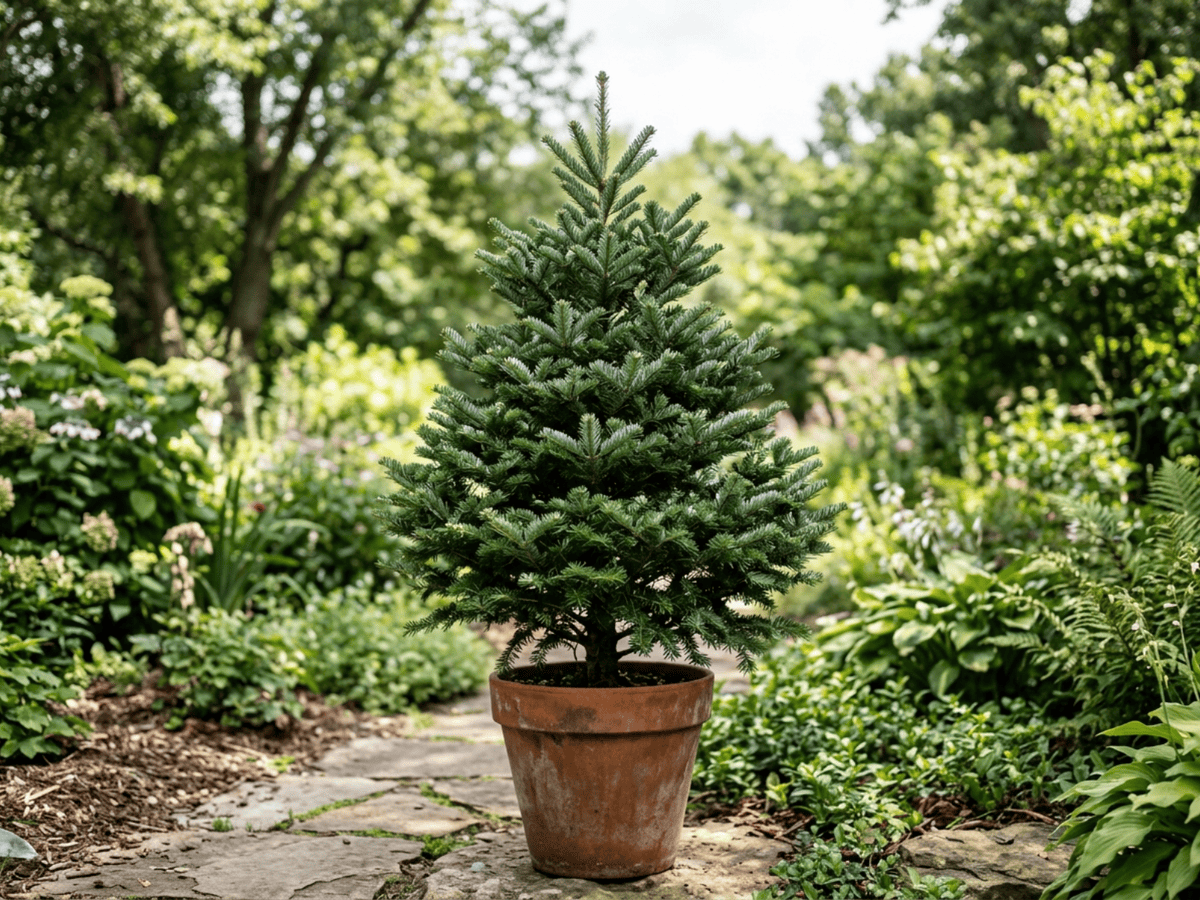 Fraser FirAbies fraseri
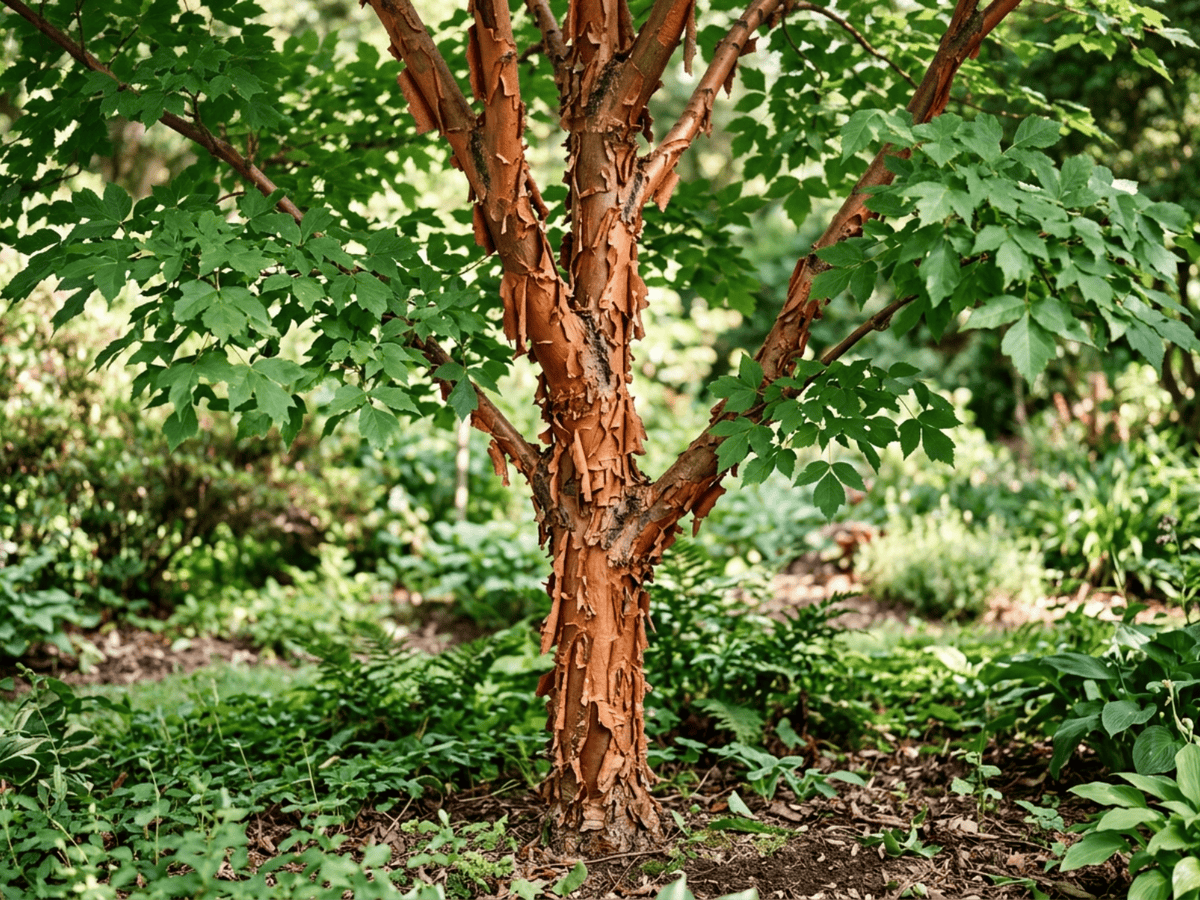 Paperbark MapleAcer griseum
 Sugar MapleAcer saccharum
Frequently asked questions
How often should I water Yellow Pink?
In summer, water about every 10 days; in winter, about every 21 days. Adjust for heat, pot size and drainage.
How much light does Yellow Pink need?
Full sun: 6+ hrs direct. Watch the leaves — scorching or stretching means the light needs adjusting.
Is Yellow Pink toxic to cats or dogs?
Pets Slight (Dogs Slight · Cats Slight) Educational information, not medical or veterinary advice. If exposure is suspected, contact a doctor or veterinarian.
Is Yellow Pink easy to grow?
It is moderately demanding: a good choice once you have a little experience.
When does Yellow Pink bloom?
It typically blooms Jun–Jul in the Northern Hemisphere.
YardMate
Identify any plant in seconds
Snap a photo — YardMate names the plant, diagnoses problems, and reminds you when to water.
Download on the App Store