 YardMate


Chinese-Pink
Dianthus chinensis
Easy · Beginner friendlyAbout Chinese-Pink
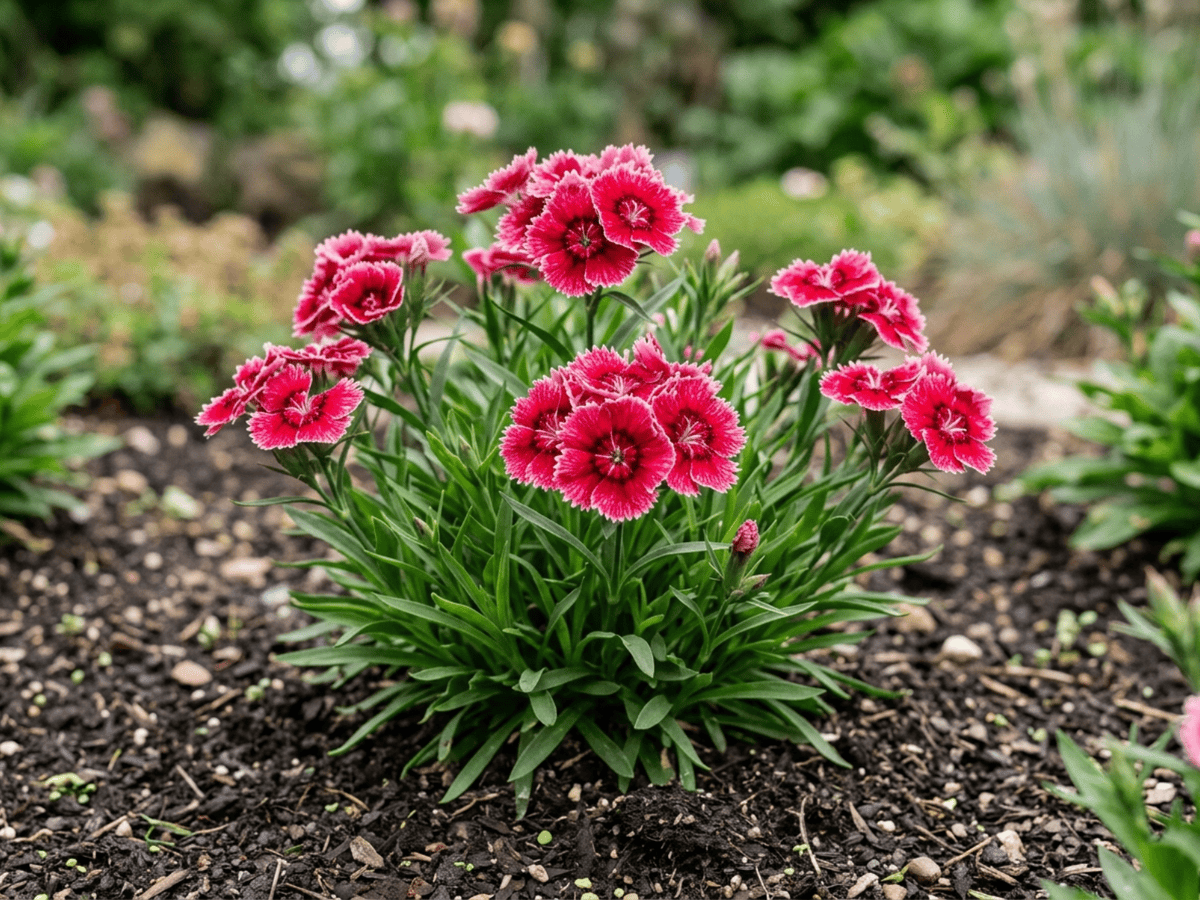
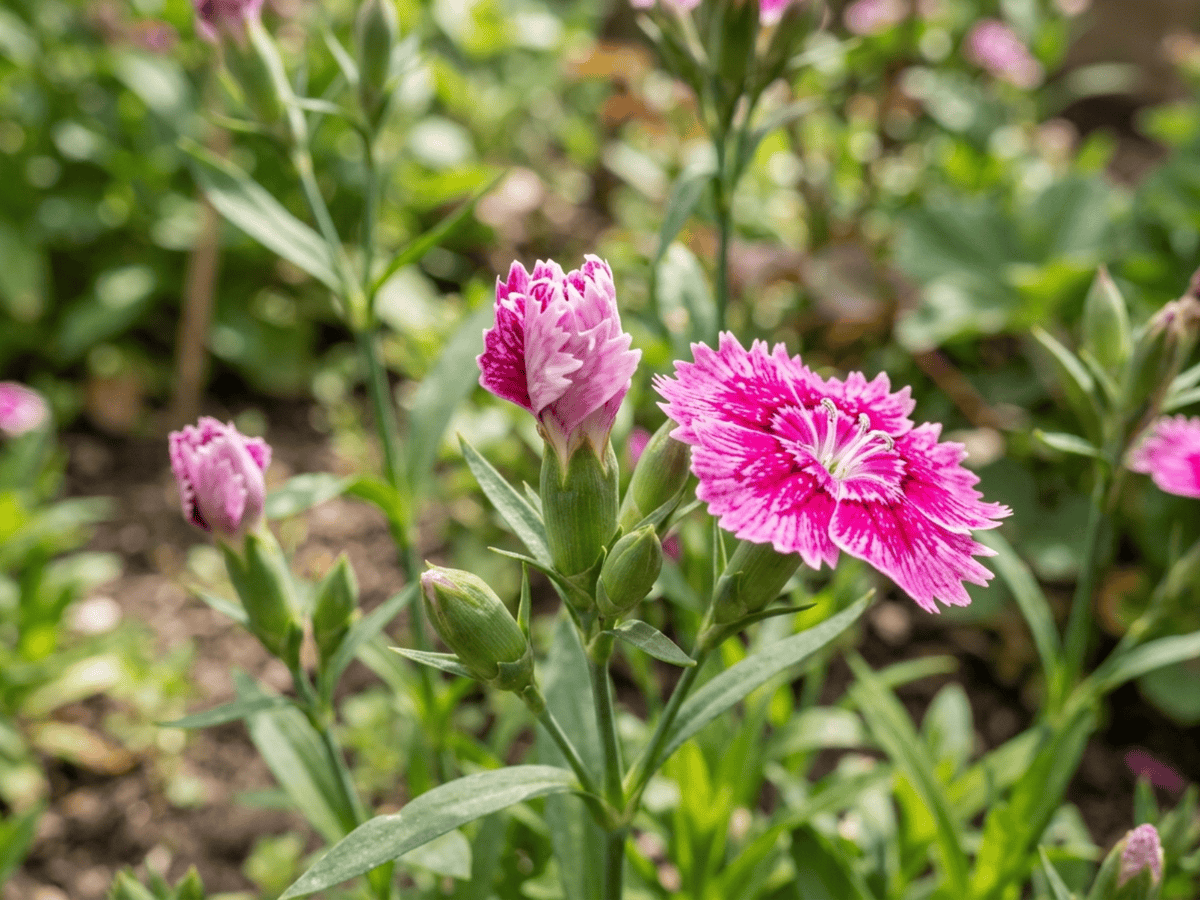
China Pink is a cool-season annual or short-lived perennial from East Asia, forming low mounds of grassy blue-green foliage topped with fringed, clove-scented flowers in pink, red, white, and bicolor patterns. Grown widely in the US as a spring and fall bedding plant, it tolerates light frost and performs beautifully in containers, edging, and cottage gardens. Modern series such as 'Telstar' and 'Ideal' offer compact habits and bloom all season in cooler zones.
- Edible
- Fragrant
- Pollinator-friendly
How to care for Chinese-Pink
Watering
- Springevery 5 days
- Summerevery 4 days
- Fallevery 10 days
- Winterevery 21 days
Soil · Rich & well-draining
- Top dressingCompost10%
- Main mixPotting soil + compost 3:180%
- DrainageGravel10%
Top up the compost layer each season.
FERTILIZER
Balanced Feed 14-14-14
An even feed covers all three needs at once, keeping leaves, roots and blooms moving together with nothing pushed out of balance.
- Nitrogen · Leaves
- Phosphorus · Roots + Blooms
- Potassium · Strength
- Springevery 21 days
- Summerevery 21 days
- Fallevery 30 days
At a Glance
- NativeEast Asia, Europe
- Height0.5–1 ft (0.2–0.3 m)
- Spread0.5–1 ft (0.2–0.3 m)
- Flower colorPink, Red, White, Coral
- Foliage colorGreen
- SoilLoamy, Well-drained, Alkaline
- LocationsYard · Balcony
Bloom time
BLOOM CYCLE
Peak bloom
Mar, Apr, May, Sep, Oct, Nov
Fringed fragrant flowers spring and fall
Fragrance
LIGHT FRAGRANCE
The flowers have a faint spicy-sweet clove scent.
Toxicity
Humans Slight · Pets Slight
saponins
Slight
- Leaf
- Stem
- Flower
- Sap
- Contact
- Ingestion
EXPOSURE Touching leaves, stems, flowers, and sap. Eating leaves, stems, flowers, and sap.
EFFECT Mild dermatitis and mild GI upset if eaten.
NOTE Documented concern for humans: Mild dermatitis and mild GI upset if eaten.
Slight
- All
- Ingestion
EXPOSURE Eating any part of the plant.
EFFECT Mild GI upset, skin irritation and saponins.
NOTE Dianthus species are mildly toxic/irritating to dogs and cats per ASPCA; NC State also flags poisonous characteristics. Effects are usually mild dermatitis or GI upset.
Slight
- All
- Ingestion
EXPOSURE Eating any part of the plant.
EFFECT Same as dogs.
NOTE Dianthus species are mildly toxic/irritating to dogs and cats per ASPCA; NC State also flags poisonous characteristics. Effects are usually mild dermatitis or GI upset.
Educational information, not medical or veterinary advice. If exposure is suspected, contact a doctor or veterinarian.
DISTRIBUTION

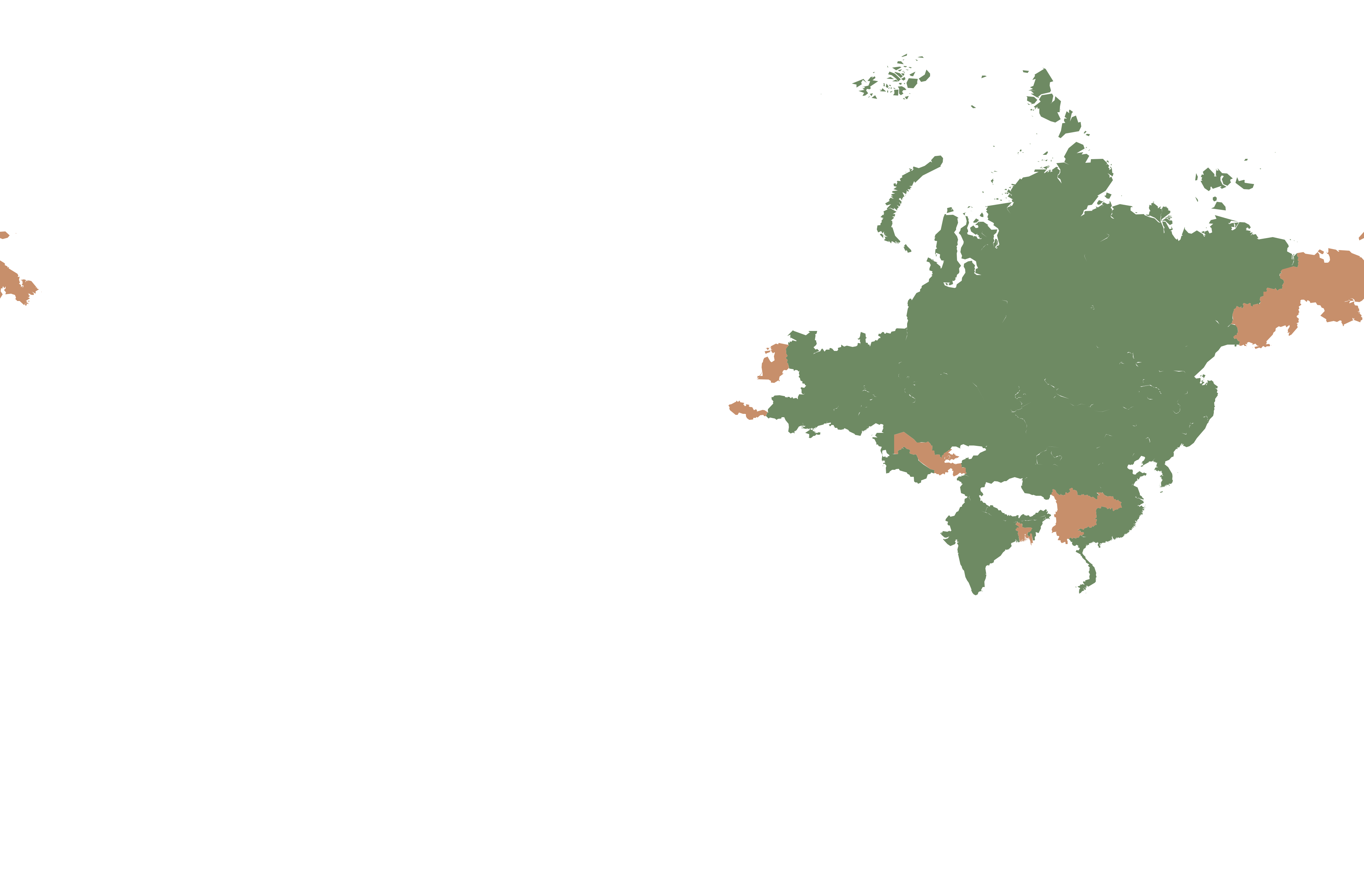
- Native
- Introduced
- East Asia
- Europe
History

Dianthus chinensis is native to northern China, Korea, Mongolia, and the Russian Far East, where it grows on dry grasslands and rocky slopes. It was cultivated in Chinese gardens for centuries before reaching Europe in the early 1700s through Jesuit plant networks connected to the Qing court in Beijing. The plant's jointed stems gave rise to an old Chinese name meaning stone bamboo, but its world-changing gift was color pattern: clear pinks, reds, whites, and bicolored eyes with fringed or toothed petals.
Compared with older European pinks and carnations, Chinese pink introduced a graphic brightness that became essential to modern bedding dianthus. Victorian and Edwardian breeders multiplied its forms, and contemporary F1 lines such as the Telstar, Ideal Select, and Super Parfait series still carry its influence.
In hot climates it behaves as a cool-season annual; in cooler summers it can persist as a short-lived perennial.
Symbolism & meaning
What It Symbolizes
Chinese-Pink suggests pure love, the dianthus tribe long cherished as a Victorian emblem of sincere, uncomplicated affection. Its vivid hues lend a note of boldness to cottage borders, courage carried on small fringed petals. To tuck a clump beside a path is to invite both tenderness and a little spice into the daily walk through the garden.
- Pure love — traditional dianthus symbolism of sincere affection
- Boldness — vivid hues represent courage
Where the Name Comes From
The name Chinese-Pink points to China. Genus from Greek 'dios' (divine) and 'anthos' (flower), meaning 'flower of the gods'; 'chinensis' for Chinese origin.
Uses & Fun Facts
- Clove-scented petals garnish salads and cool-season desserts
- Spicy clove perfume drifts from spring and fall beds
- Fringed flowers fill bedding schemes, edges, and containers
- Compact mounds suit window boxes and small mixed pots
Related plants
More Dianthus plants
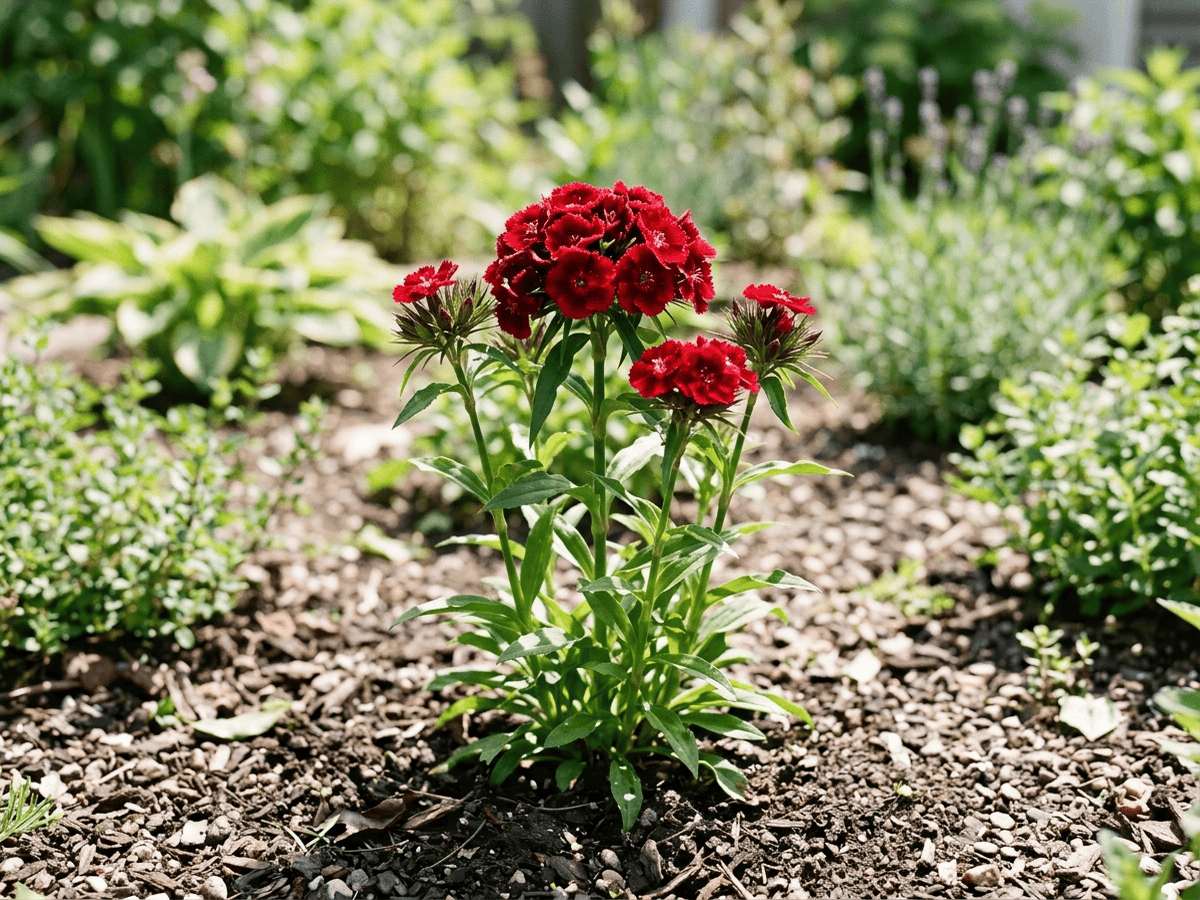 Sweet-WilliamDianthus barbatus
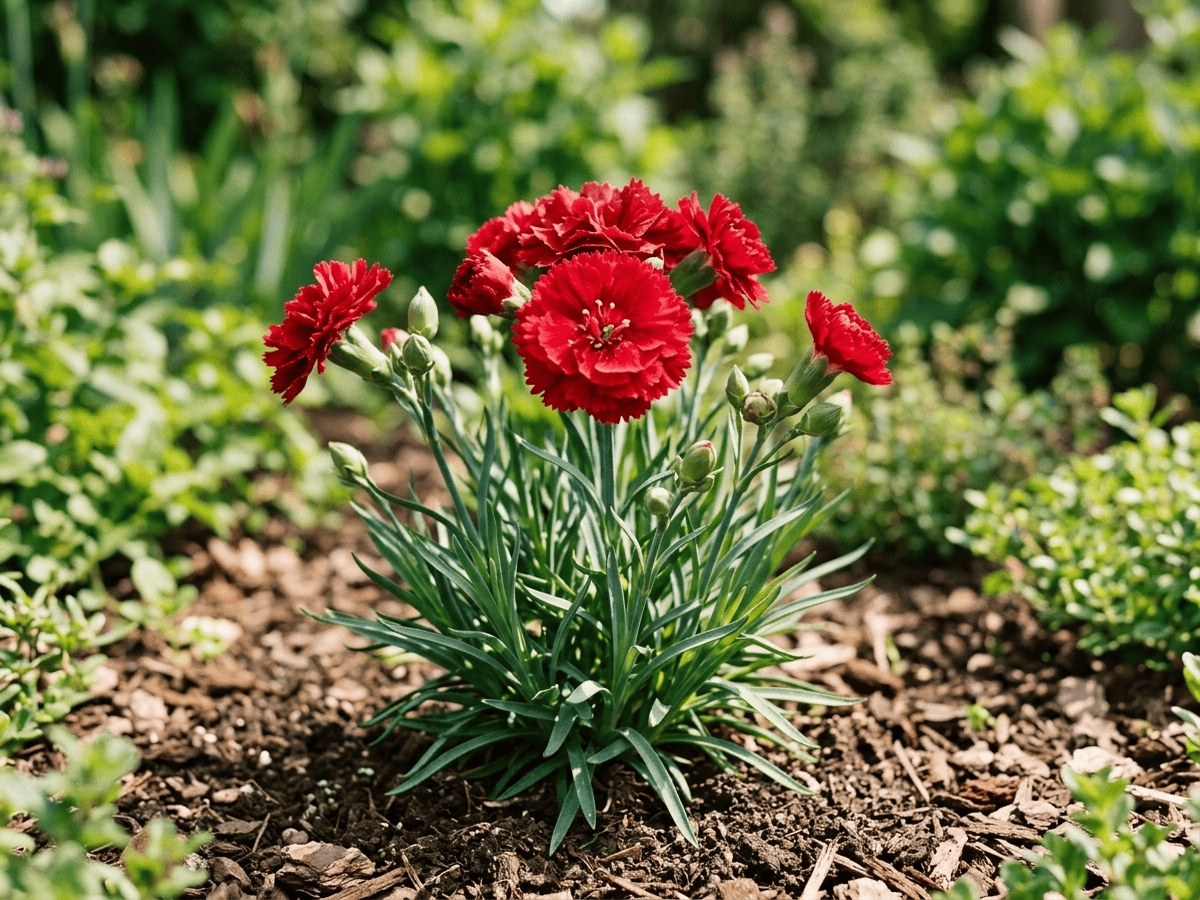 Clove PinkDianthus caryophyllus
 Maiden PinkDianthus deltoides
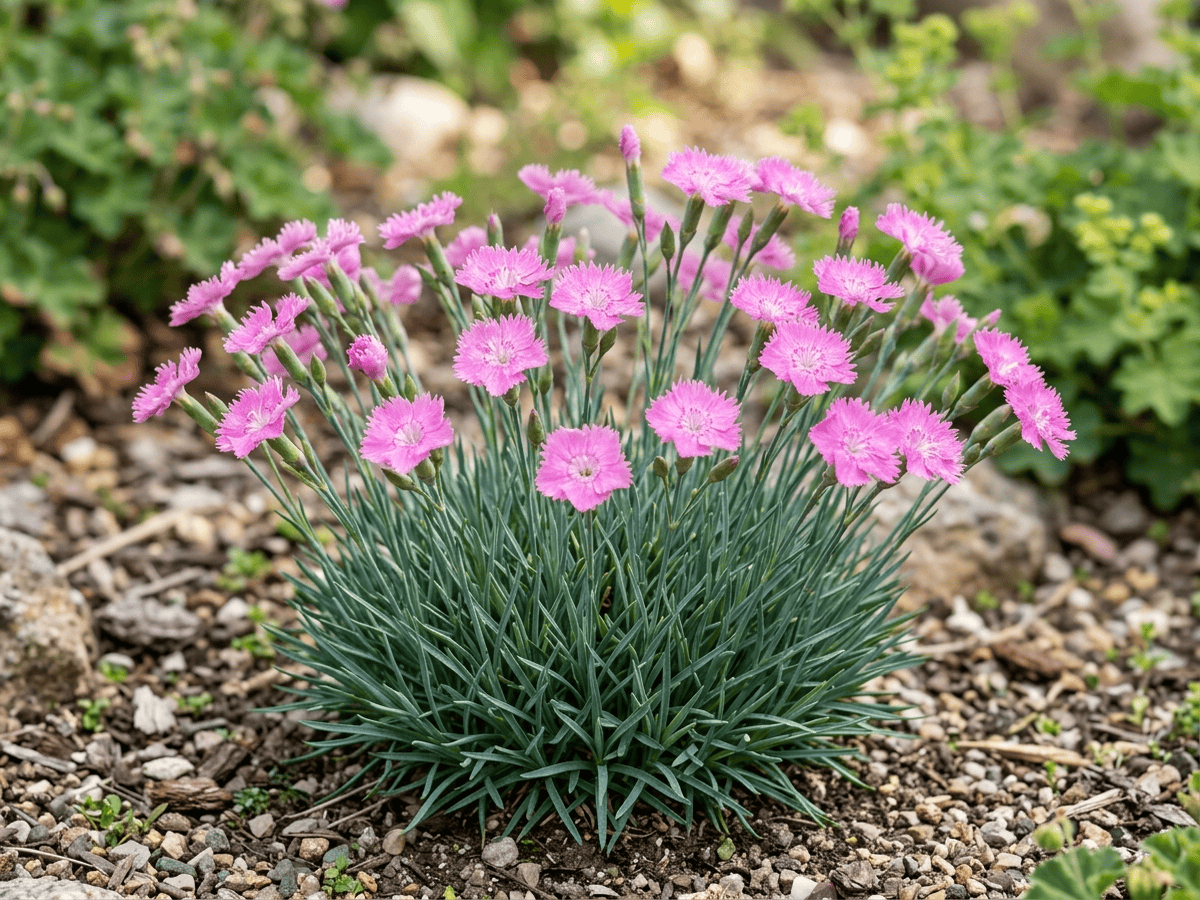 Cheddar PinkDianthus gratianopolitanus
Plants with similar care
 Chinese AbeliaAbelia chinensis
 Fragrant AbeliaAbelia mosanensis
 Large-Flowered AbeliaAbelia uniflora
 Glossy AbeliaAbelia x grandiflora
Frequently asked questions
How often should I water Chinese-Pink?
In summer, water about every 4 days; in winter, about every 21 days. Adjust for heat, pot size and drainage.
How much light does Chinese-Pink need?
Full sun: 6+ hrs direct. Watch the leaves — scorching or stretching means the light needs adjusting.
Is Chinese-Pink toxic to cats or dogs?
Pets Slight (Dogs Slight · Cats Slight) Educational information, not medical or veterinary advice. If exposure is suspected, contact a doctor or veterinarian.
Is Chinese-Pink easy to grow?
Yes — it is considered an easy, beginner-friendly plant.
When does Chinese-Pink bloom?
It typically blooms Mar, Apr, May, Sep, Oct, Nov in the Northern Hemisphere.
YardMate
Identify any plant in seconds
Snap a photo — YardMate names the plant, diagnoses problems, and reminds you when to water.
Download on the App Store