 YardMate
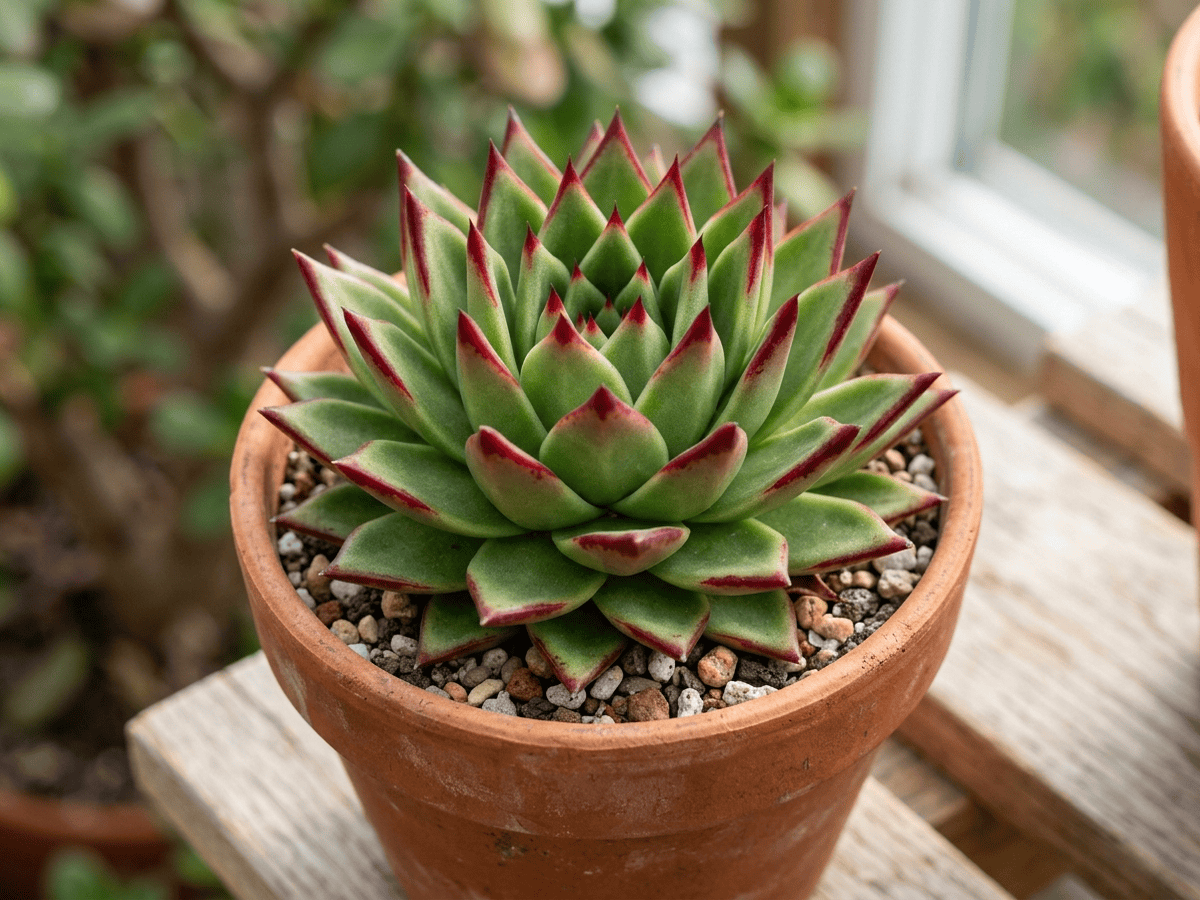


Lipstick
Echeveria agavoides
Easy · Beginner friendlyAbout Lipstick
Echeveria agavoides, the lipstick echeveria, forms a compact rosette of thick, triangular, pointed leaves in apple green tipped with vivid red — as if each leaf was dipped in lipstick. Native to rocky hillsides of central Mexico, it is tougher and more sculptural than most Echeverias, with an agave-like appearance that gives it its name. The rosette grows to 12–20 cm and produces orange-red bell flowers on short stalks. Cultivars like 'Romeo' (deep plum-red) and 'Ebony' (dark-tipped) are collector favorites. Full sun intensifies the red coloring dramatically.
- Drought-tolerant
- Compact
How to care for Lipstick
Watering
- Springevery 14 days
- Summerevery 10 days
- Fallevery 21 days
- Winterevery 30 days
Soil · Fast-draining
- Main mixSand + pumice + soil 1:1:150%
- DrainagePumice / gravel50%
Keep grit at half the mix or more — this soil is meant to dry out fast.
FERTILIZER
Cactus & Succulent Feed 2-7-7
Hold the nitrogen back and growth stays compact instead of soft and stretched. Phosphorus and potassium carry the roots and the flowering.
- Nitrogen · Leaves
- Phosphorus · Roots + Blooms
- Potassium · Strength
- Springevery 60 days
- Summerevery 60 days
At a Glance
- NativeNorth America
- Height0.5–1 ft (0.2–0.3 m)
- Spread0.5–1 ft (0.2–0.3 m)
- Flower colorRed, Orange, Yellow
- Foliage colorGreen, Red
- SoilSandy, Well-drained
- LocationsIndoor · Balcony
Bloom time
BLOOM CYCLE
Peak bloom
Mar–May
Orange-red bell flowers on short stalks in spring
Fragrance
NO FRAGRANCE
Not fragrant.
Toxicity
No toxicity has been reported for this plant. Still, it is wise to keep pets from chewing on any houseplant.
Educational information, not medical or veterinary advice. If exposure is suspected, contact a doctor or veterinarian.
DISTRIBUTION


- Native
- North America
History

Echeveria agavoides is native to dry rocky slopes in the highlands of San Luis Potosí, Hidalgo, and Guanajuato in northeast Mexico, where it grows in tight rosettes of pointed sharp-tipped leaves that look more like a small agave than the rounded Echeveria rosettes most gardeners recognize. Described in 1863, it has been cultivated in Europe and North America for over 150 years. Modern breeding — particularly in South Korea, which has dominated premium Echeveria production since the 2000s — has produced spectacular red-edged and near-black cultivars including 'Lipstick', 'Ebony', 'Romeo Rubin', and 'Red Wax'.
Some premium specimens have sold for several thousand dollars at collector auctions. Non-toxic to pets.
Echeveria agavoides was first described in 1863 by French botanist Charles Lemaire, who noted its striking resemblance to a miniature agave. Korean and Japanese succulent breeders have used E. agavoides as a parent plant to create some of the most expensive designer succulents in the world.
Symbolism & meaning
What It Symbolizes
Lipstick echeveria thrives in harsh rocky conditions that defeat softer plants, and so its meaning is endurance, persistence dressed as a perfect rosette. The red-tipped leaves give it its common name, a small flame at the edge of every blade, and reward keepers who let it dry and bake in full sun. Among succulents it is the disciplined survivor, modelling the toughness that hides inside the most decorative geometry the desert ever produced.
- Endurance — Thriving in harsh rocky conditions represents persistence and toughness
Where the Name Comes From
Echeveria for Atanasio Echeverría. Agavoides means 'resembling agave,' for its stiff, pointed leaf shape.
Uses & Fun Facts
- Lipstick-tipped rosettes star in shallow succulent dishes
- Glossy apple-green rosettes blush red in cool sun
Related plants
More Echeveria plants
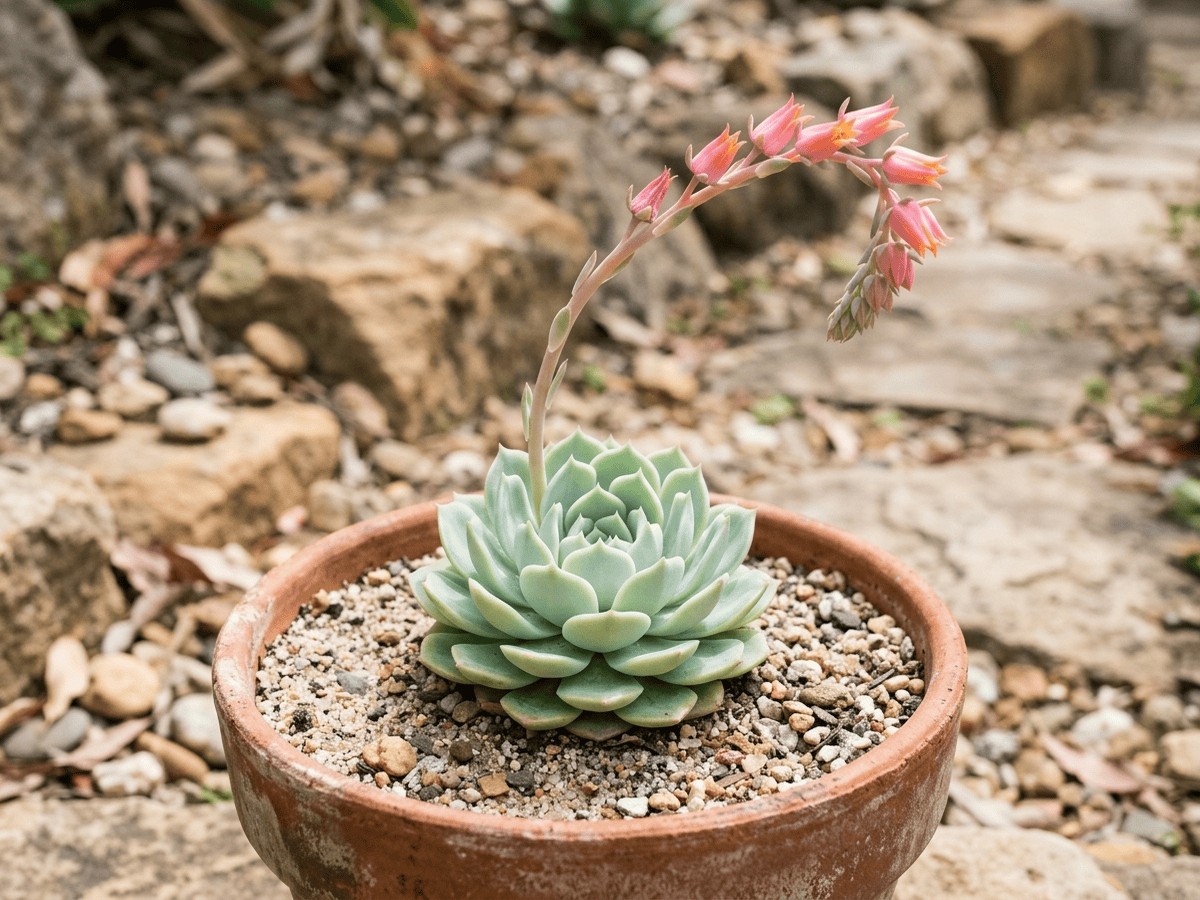 Mexican SnowballEcheveria elegans
 Ghost EcheveriaEcheveria lilacina
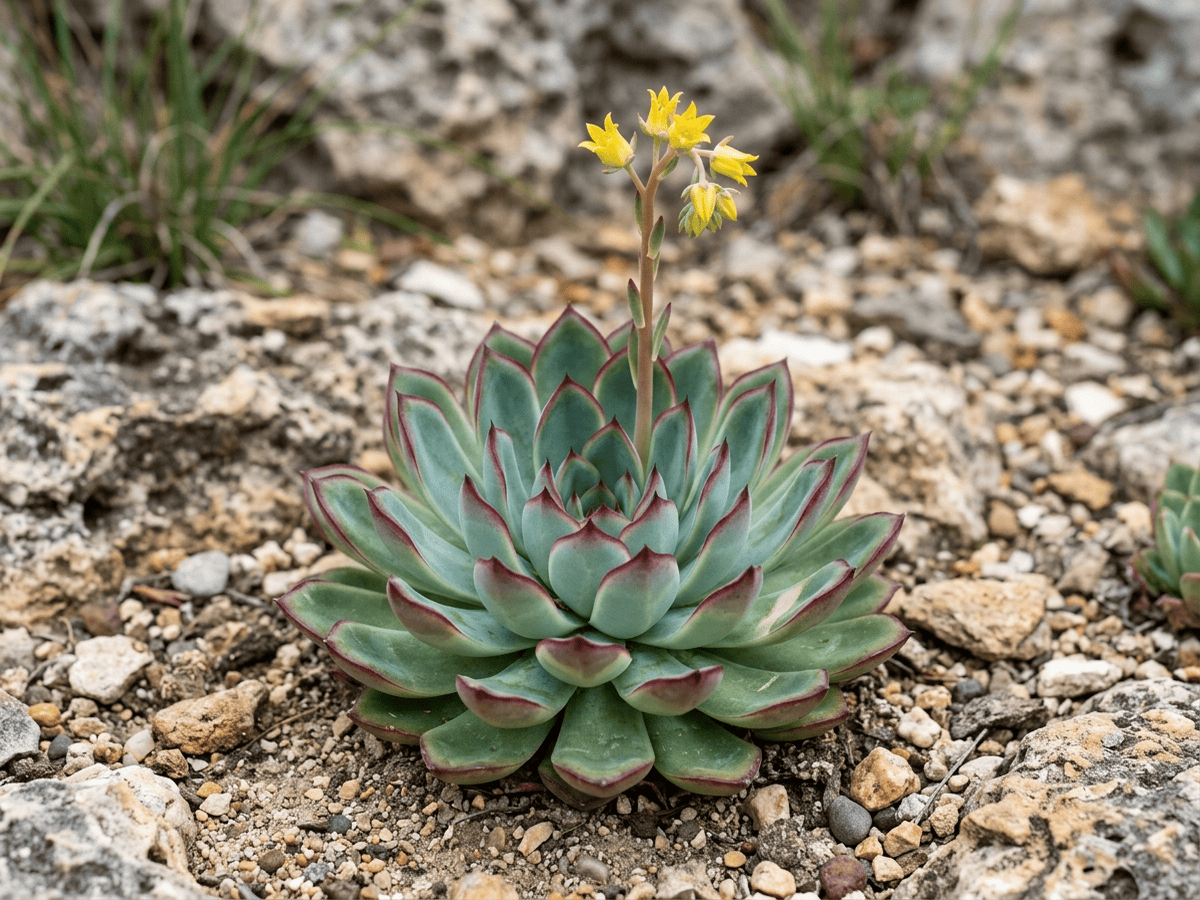 Pulido's EcheveriaEcheveria pulidonis
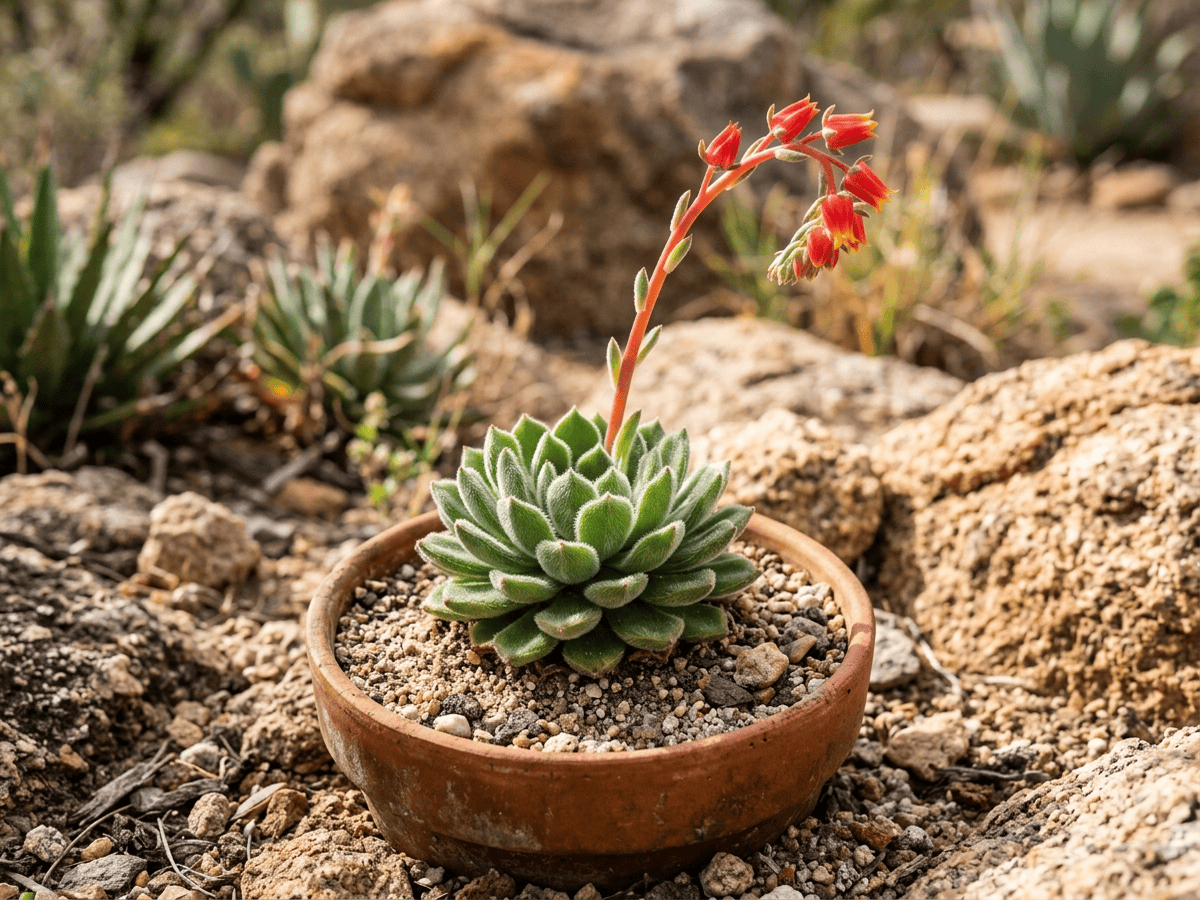 Mexican FirecrackerEcheveria setosa
Plants with similar care
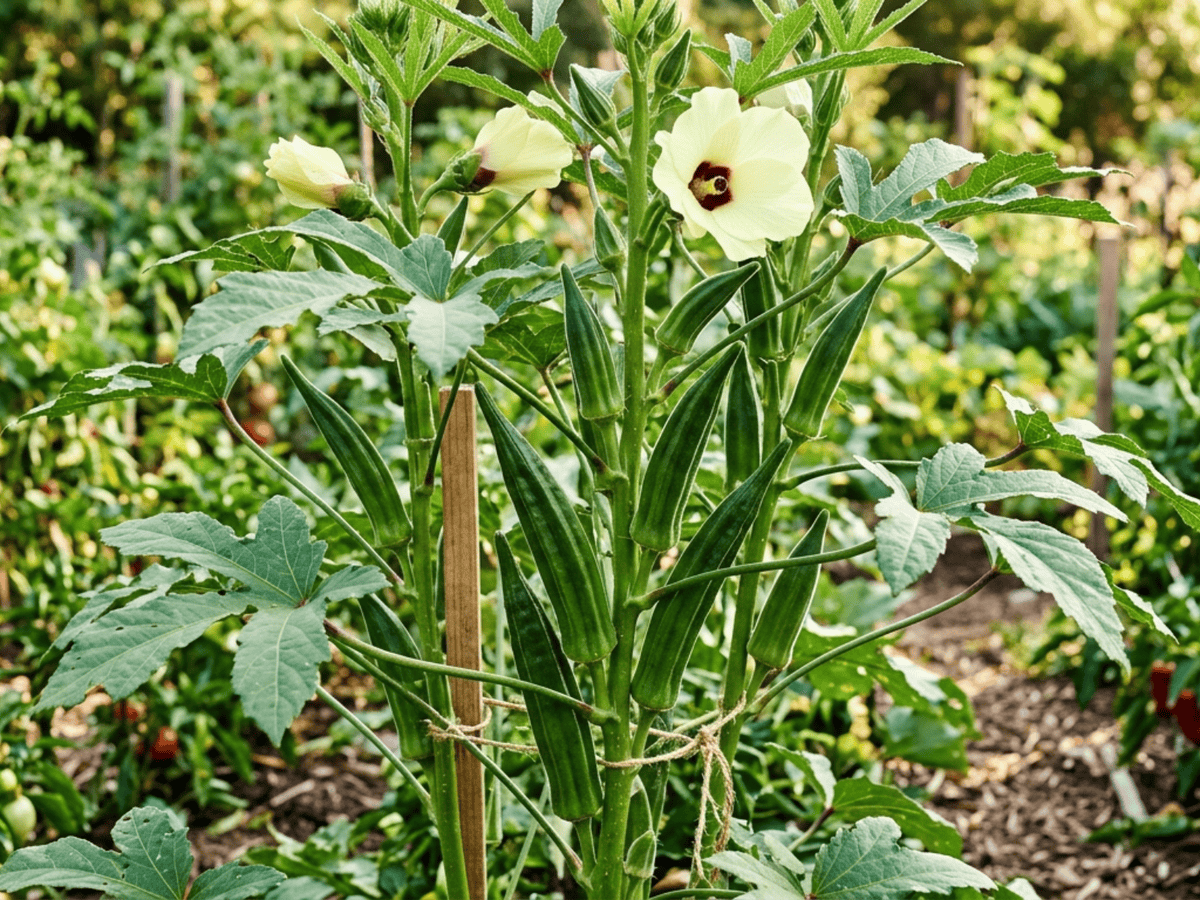 OkraAbelmoschus esculentus
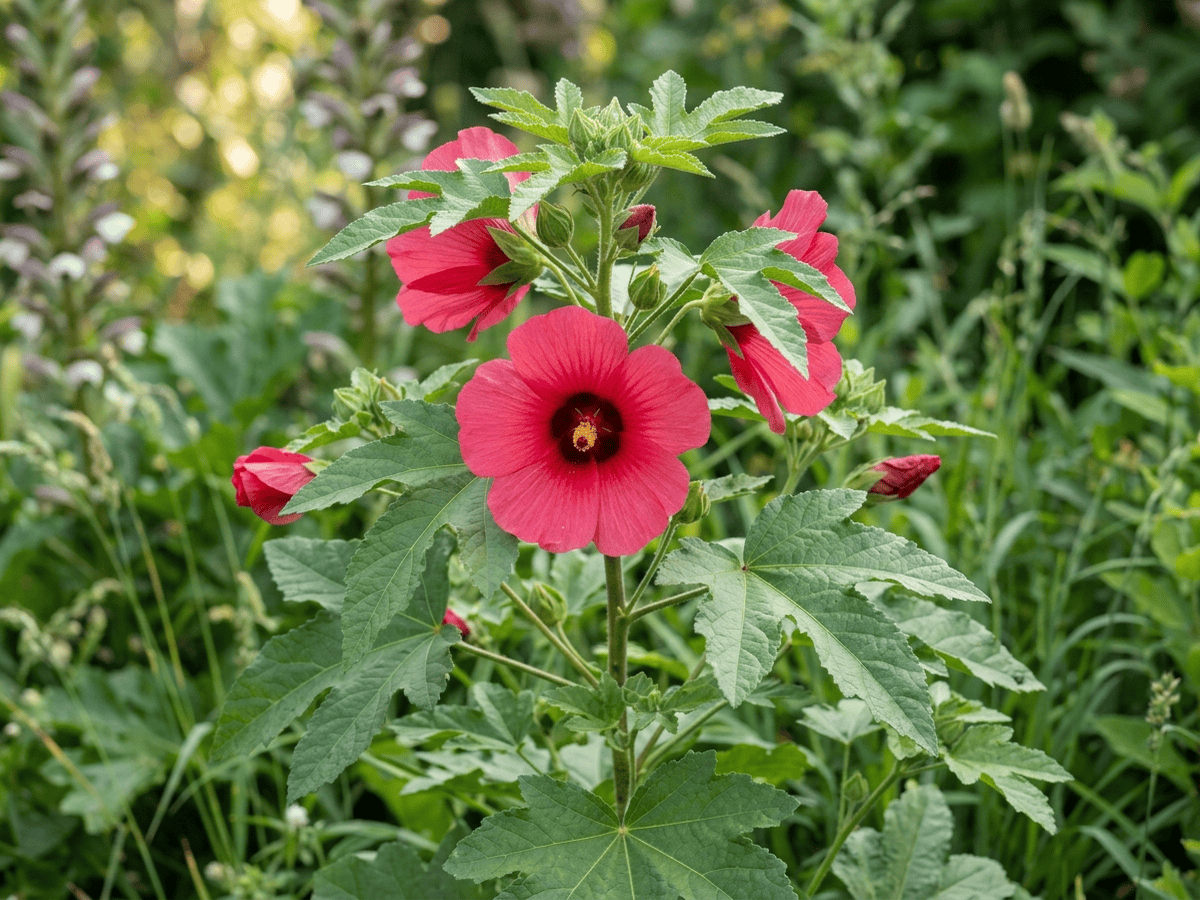 MuskseedAbelmoschus moschatus
 Black AeoniumAeonium arboreum 'Zwartkop'
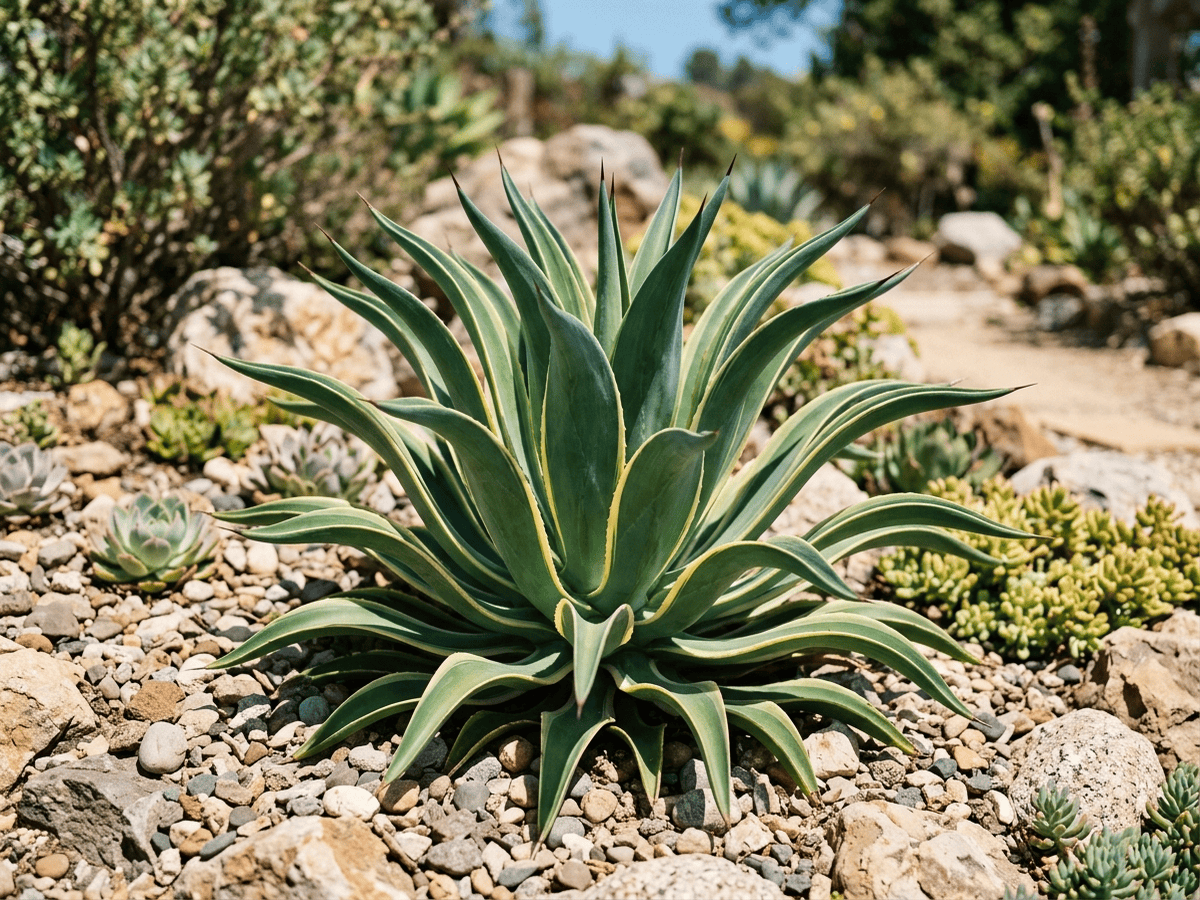 Smooth AgaveAgave desmettiana
Frequently asked questions
How often should I water Lipstick?
In summer, water about every 10 days; in winter, about every 30 days. Adjust for heat, pot size and drainage.
How much light does Lipstick need?
Full sun: 6+ hrs direct. Watch the leaves — scorching or stretching means the light needs adjusting.
Is Lipstick toxic to cats or dogs?
No toxicity has been reported for this plant. Still, it is wise to keep pets from chewing on any houseplant. Educational information, not medical or veterinary advice. If exposure is suspected, contact a doctor or veterinarian.
Is Lipstick easy to grow?
Yes — it is considered an easy, beginner-friendly plant.
Can Lipstick be grown indoors?
Yes, it adapts well to indoor growing given the right light.
When does Lipstick bloom?
It typically blooms Mar–May in the Northern Hemisphere.
YardMate
Identify any plant in seconds
Snap a photo — YardMate names the plant, diagnoses problems, and reminds you when to water.
Download on the App Store