 YardMate

Pulido's Echeveria
Echeveria pulidonis
Easy · Beginner friendlyAbout Pulido's Echeveria
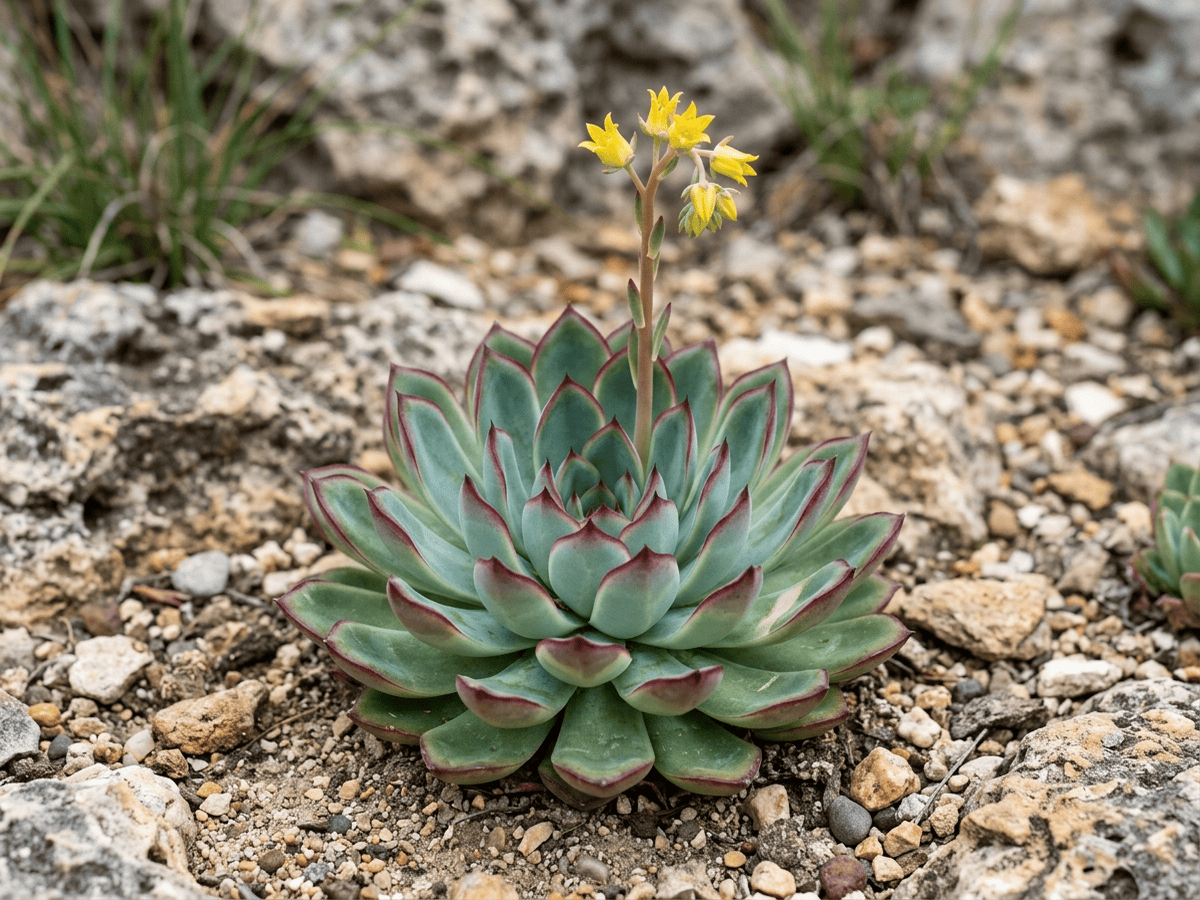
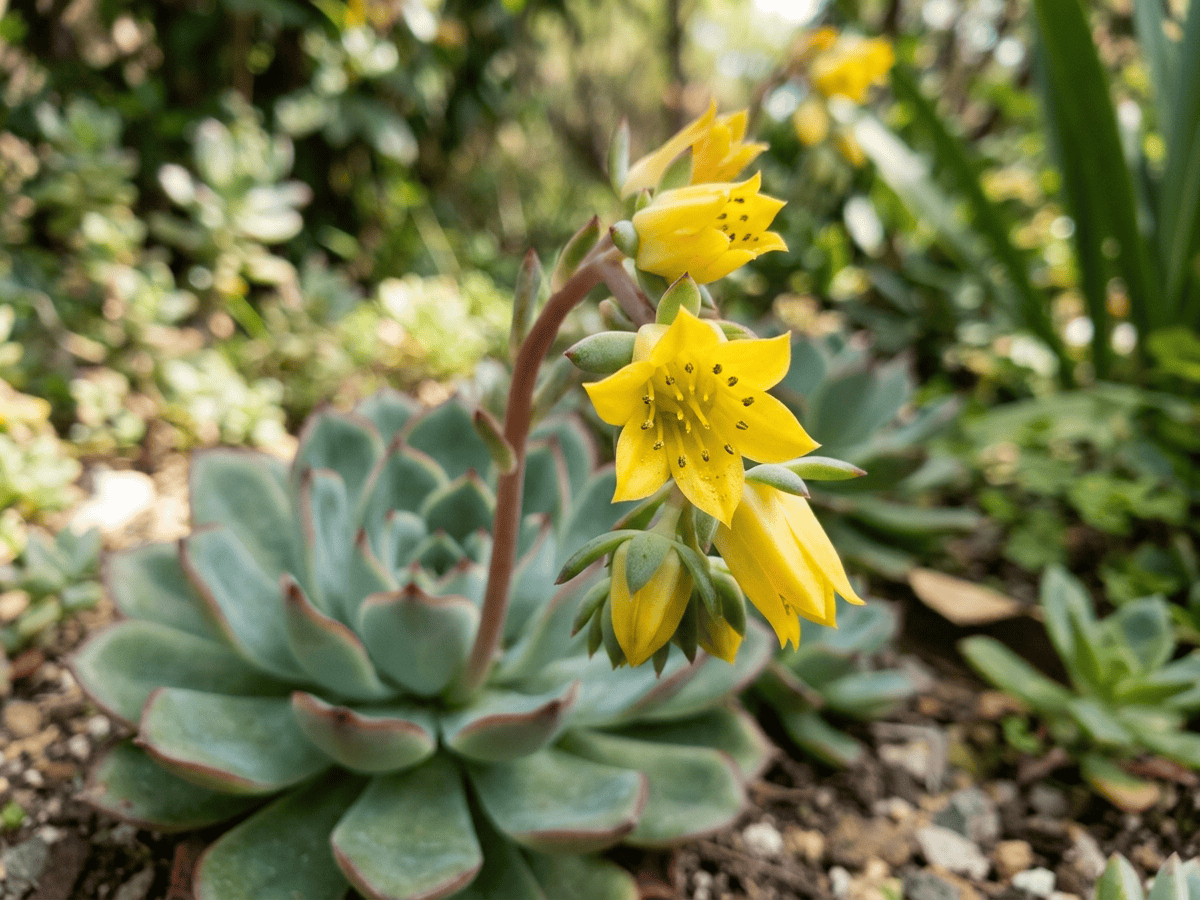
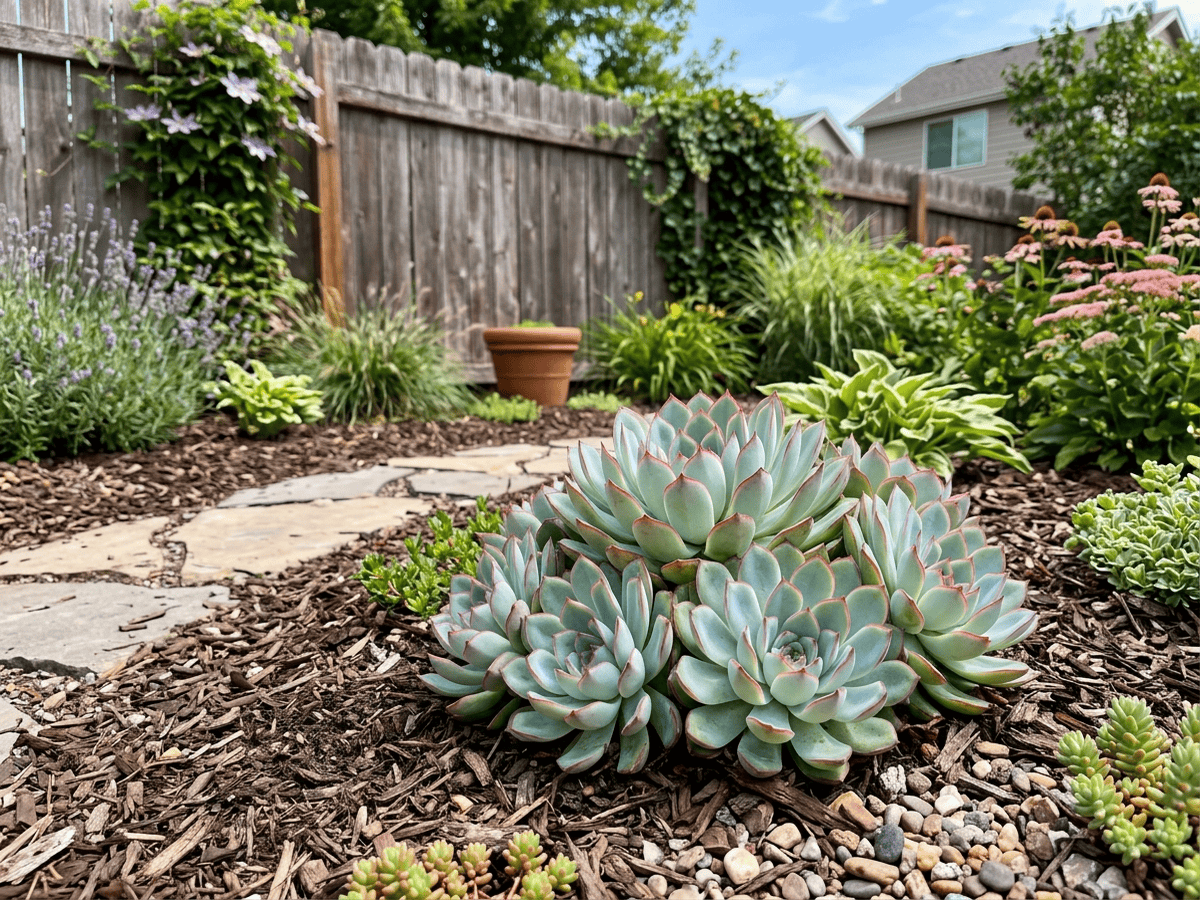
Echeveria pulidonis forms tight rosettes of elongated, pale blue-green leaves with vivid red margins that intensify with sun exposure and cool temperatures. Growing to about 12 cm across, it is compact and maintains its form well. In spring, it produces bright yellow bell flowers — an unusual color among Echeverias that typically have pink or orange blooms. Native to Puebla, Mexico, it is hardy for an Echeveria, tolerating brief freezes. The red-edged blue leaves and yellow flowers make it uniquely colorful among succulents.
- Drought-tolerant
- Compact
How to care for Pulido's Echeveria
Watering
- Springevery 14 days
- Summerevery 10 days
- Fallevery 21 days
- Winterevery 30 days
Soil · Fast-draining
- Main mixSand + pumice + soil 1:1:150%
- DrainagePumice / gravel50%
Keep grit at half the mix or more — this soil is meant to dry out fast.
FERTILIZER
Cactus & Succulent Feed 2-7-7
Hold the nitrogen back and growth stays compact instead of soft and stretched. Phosphorus and potassium carry the roots and the flowering.
- Nitrogen · Leaves
- Phosphorus · Roots + Blooms
- Potassium · Strength
- Springevery 60 days
- Summerevery 60 days
At a Glance
- NativeNorth America
- Height0.5 ft (0.2 m)
- Spread0.5–1 ft (0.2–0.3 m)
- Flower colorYellow
- Foliage colorBlue-green, Variegated
- SoilSandy, Well-drained
- LocationsIndoor · Balcony
Bloom time
BLOOM CYCLE
Peak bloom
Mar–May
Unusual bright yellow flowers in spring; red edges intensify with sun and cold
Fragrance
NO FRAGRANCE
No notable fragrance.
Toxicity
Pets Safe
None reported
Not reported
EXPOSURE No exposure route is reported.
EFFECT No significant toxicity.
NOTE No human toxicity is reported in this catalog; avoid eating ornamental plants unless confirmed edible.
Safe
EXPOSURE No exposure route is reported.
EFFECT Not listed as toxic by ASPCA.
NOTE Listed as non-toxic for dogs; avoid eating ornamental plants unless confirmed edible.
Safe
EXPOSURE No exposure route is reported.
EFFECT Not listed as toxic by ASPCA.
NOTE Listed as non-toxic for cats; avoid eating ornamental plants unless confirmed edible.
Educational information, not medical or veterinary advice. If exposure is suspected, contact a doctor or veterinarian.
DISTRIBUTION


- Native
- North America
History
Echeveria pulidonis grows wild in the Tehuacán Valley of Puebla, Mexico, in seasonally dry limestone rocky outcrops. It was described in 1977 by Erich Walther, honoring Reyes Pulido Flores, who collected the type specimen. The plant is compact (roughly 10 centimeters across at maturity), with glaucous blue-green paddle leaves outlined in crimson along the keel and margins.
Its willingness to produce neat, solitary rosettes without prodigious offsetting makes it a cleaner specimen than many echeverias. Yellow, not the typical orange-pink, spring flowers are an additional identification feature.
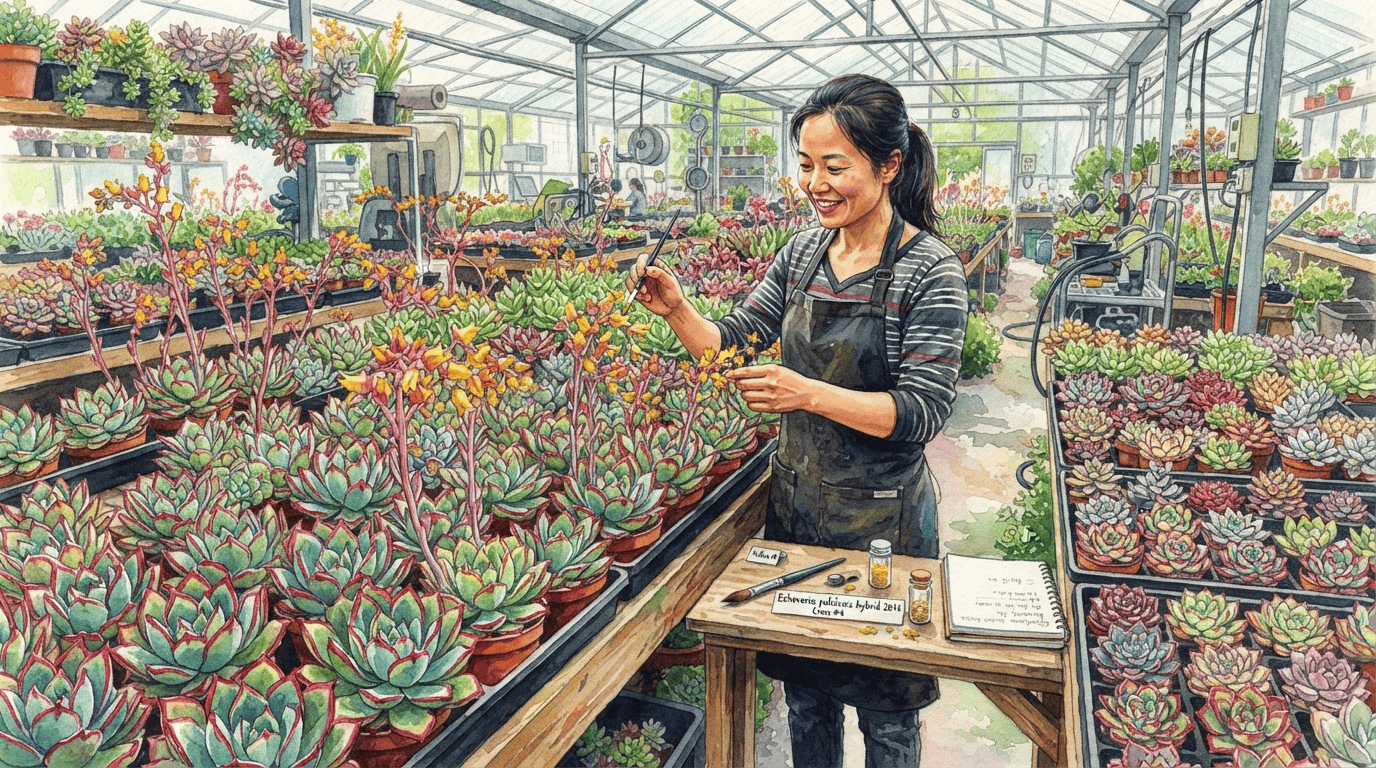
Korean and Chinese nurseries crossed it heavily in the 2000s and 2010s with E. elegans, E. Echeveria pulidonis was described by Swiss botanist Alfred Lau in 1975 from wild populations found near Puebla, Mexico. The genus Echeveria contains about 150 species, all native to the Americas from Texas to Argentina, with the highest diversity in Mexico. derenbergii, and others to produce compact, color-edged hybrids that dominate the contemporary succulent trade.
Symbolism & meaning
What It Symbolizes
Pulido's Echeveria suggests vitality — the vivid red-edged margins of its leaves like a blush of energy at the rim of every rosette. It is a small, glowing emblem of robust life-force, drawing color from sun and stone. To keep one is to watch a plant practically demonstrate the meaning of vigor in compact, geometric form.
- Vitality — Its vivid red-edged leaves signal energy and robust life force
Where the Name Comes From
Echeveria for Atanasio Echeverría. Pulidonis honors Ing. Pulidón who helped collect the type specimen.
Uses & Fun Facts
- Red-edged blue rosette ideal for shallow succulent dish gardens
- Powdery blue rosette with red leaf margins for succulent displays
Related plants
More Echeveria plants
 LipstickEcheveria agavoides
 Mexican SnowballEcheveria elegans
 Ghost EcheveriaEcheveria lilacina
 Mexican FirecrackerEcheveria setosa
Plants with similar care
 OkraAbelmoschus esculentus
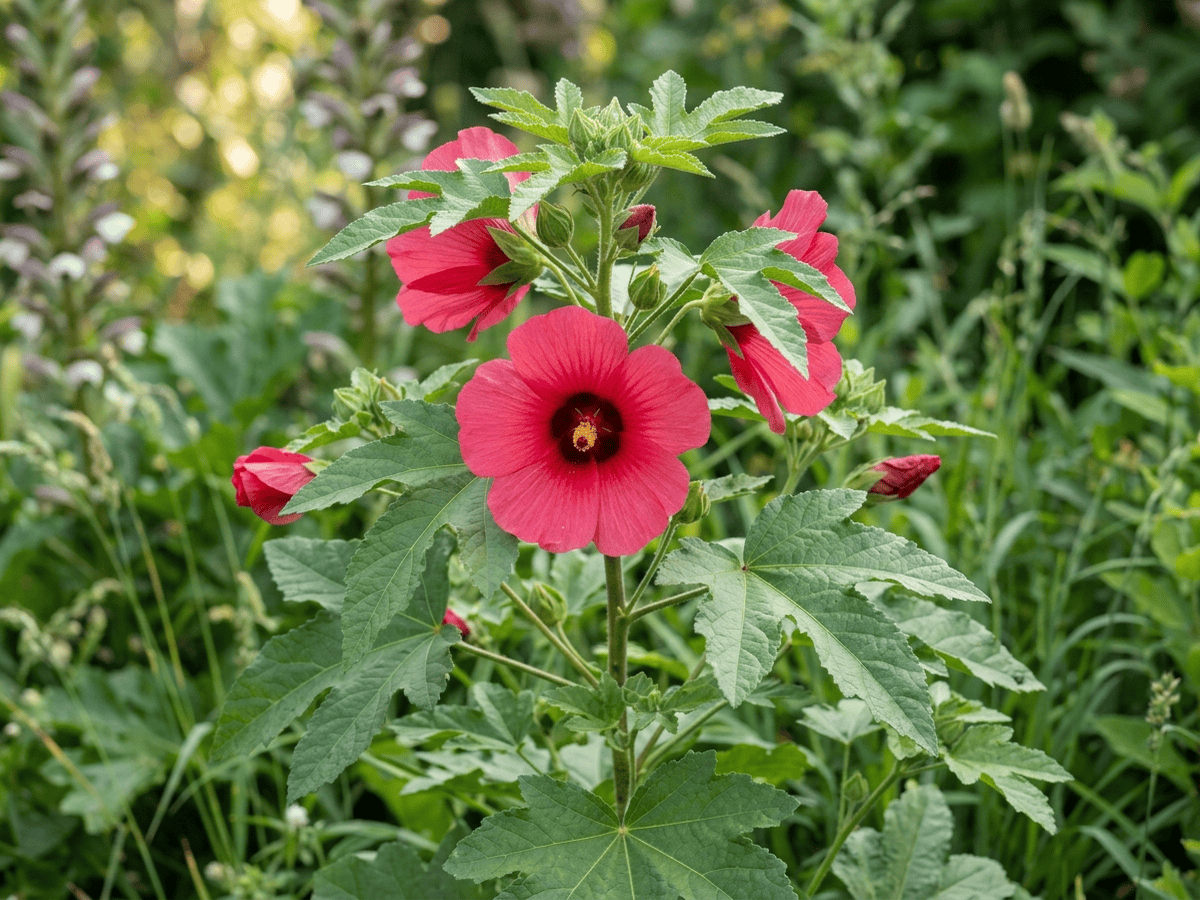 MuskseedAbelmoschus moschatus
 Black AeoniumAeonium arboreum 'Zwartkop'
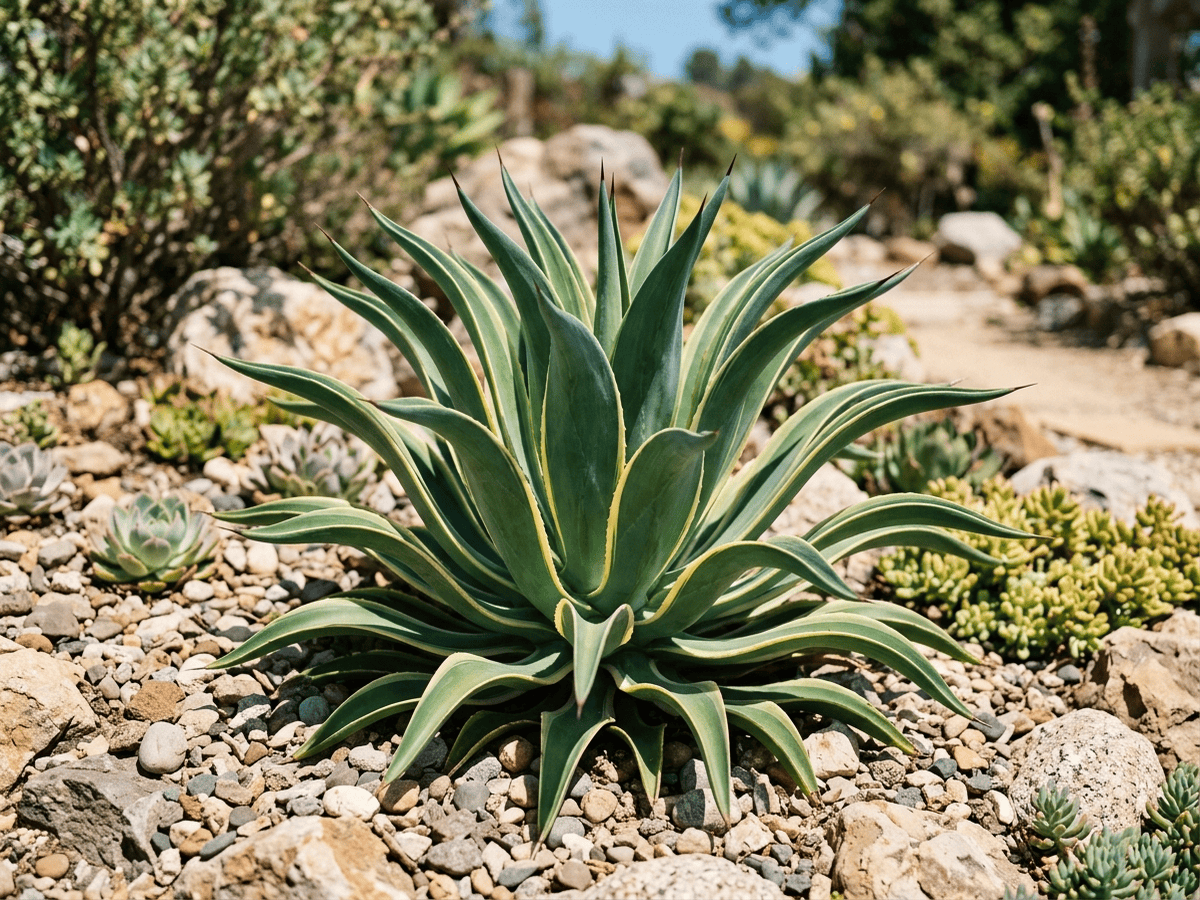 Smooth AgaveAgave desmettiana
Frequently asked questions
How often should I water Pulido's Echeveria?
In summer, water about every 10 days; in winter, about every 30 days. Adjust for heat, pot size and drainage.
How much light does Pulido's Echeveria need?
Full sun: 6+ hrs direct. Watch the leaves — scorching or stretching means the light needs adjusting.
Is Pulido's Echeveria toxic to cats or dogs?
Pets Safe (Dogs Safe · Cats Safe) Educational information, not medical or veterinary advice. If exposure is suspected, contact a doctor or veterinarian.
Is Pulido's Echeveria easy to grow?
Yes — it is considered an easy, beginner-friendly plant.
Can Pulido's Echeveria be grown indoors?
Yes, it adapts well to indoor growing given the right light.
When does Pulido's Echeveria bloom?
It typically blooms Mar–May in the Northern Hemisphere.
YardMate
Identify any plant in seconds
Snap a photo — YardMate names the plant, diagnoses problems, and reminds you when to water.
Download on the App Store