 YardMate

Mexican Snowball
Echeveria elegans
Easy · Beginner friendlyAbout Mexican Snowball
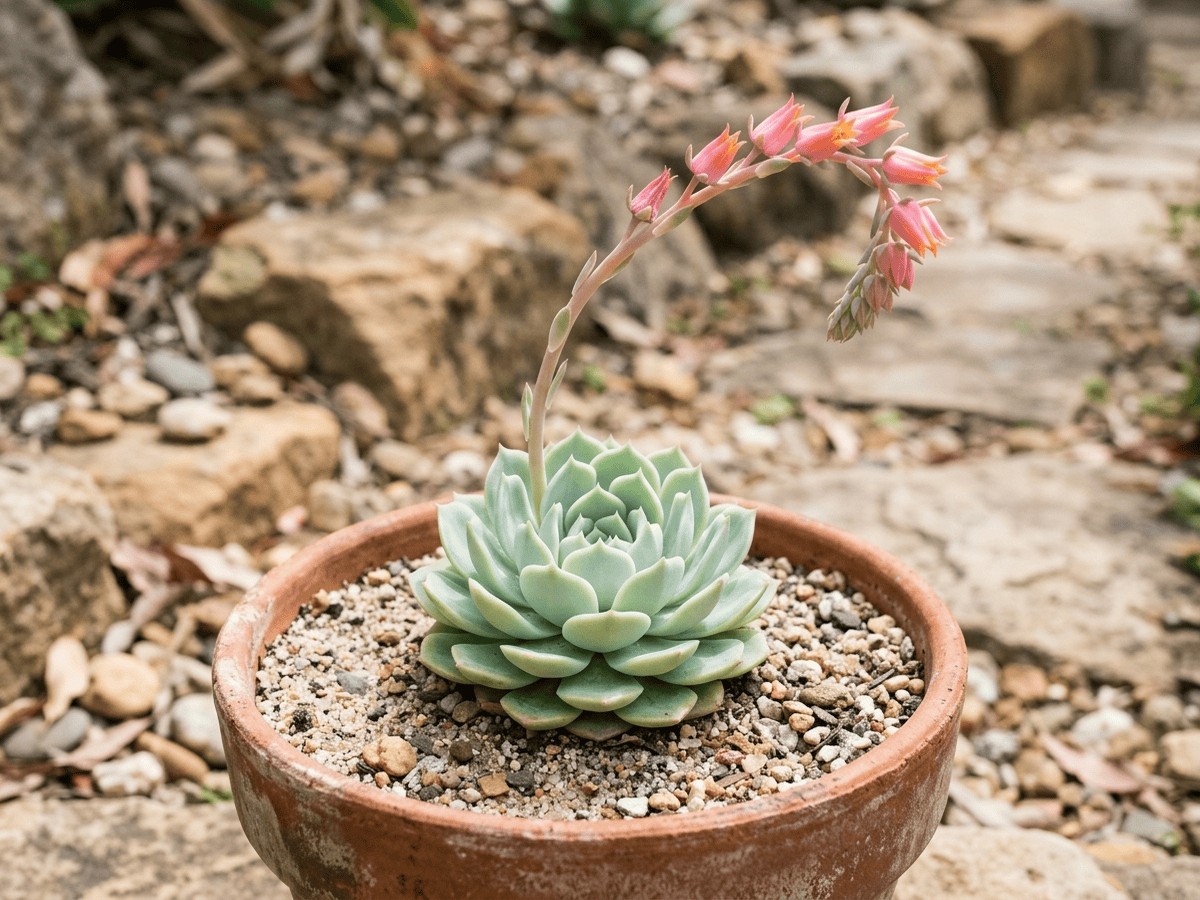
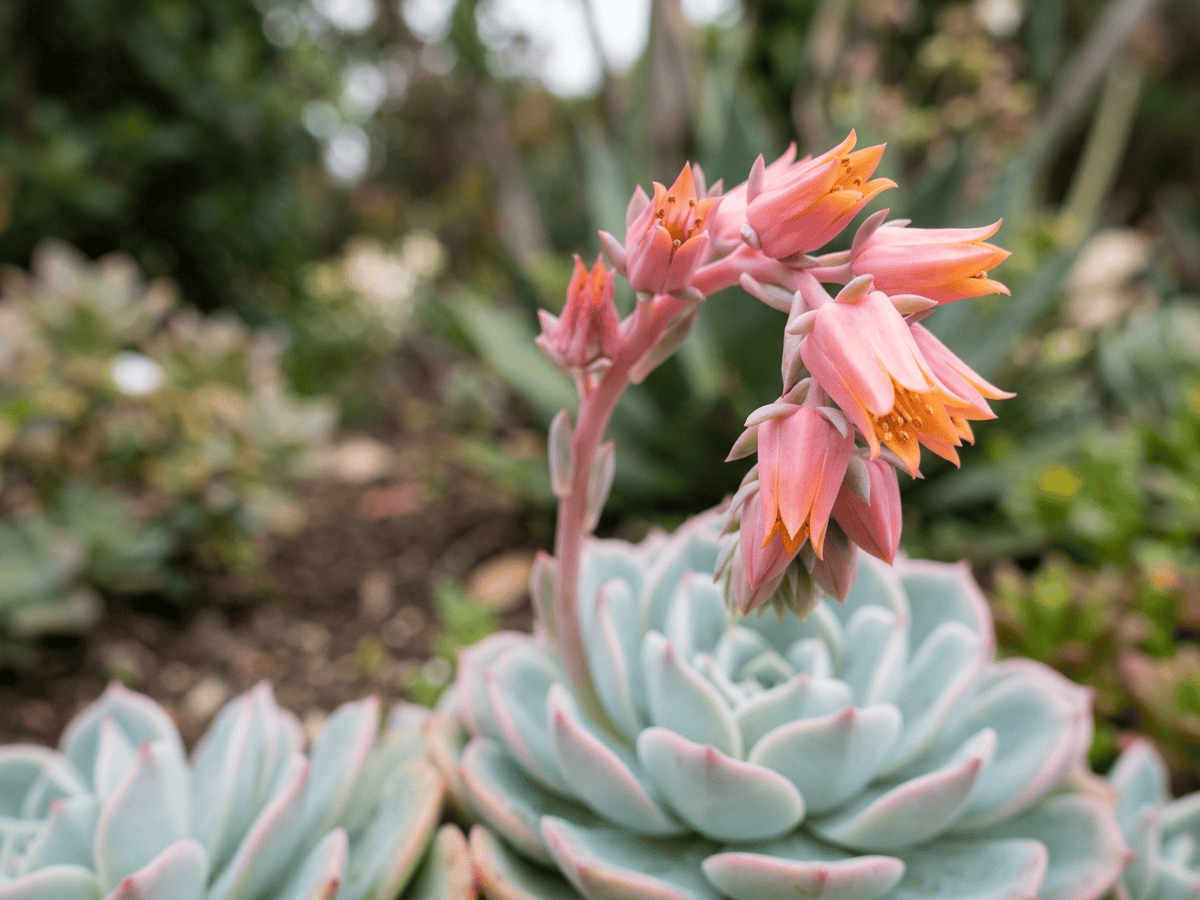
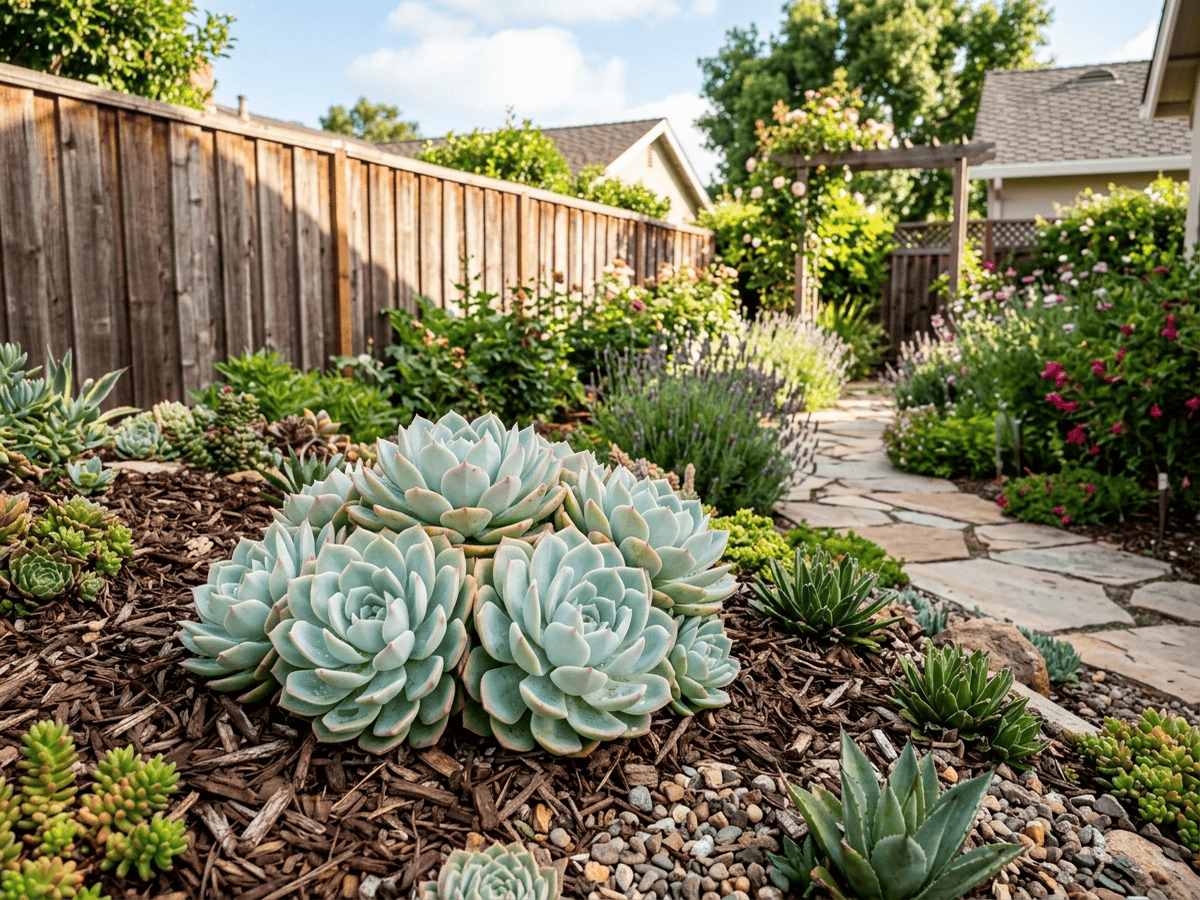
Echeveria elegans, the Mexican snowball, forms a perfect rosette of pale blue-grey, spoon-shaped succulent leaves tipped with translucent pink edges. Native to semi-arid regions of Mexico, it is one of the most recognizable succulents in cultivation. The tight, symmetrical rosette rarely exceeds 15 cm across and produces offsets freely, forming attractive clusters. Tall flower stalks bearing pink-tipped coral bells appear in spring. It needs bright light and excellent drainage — overwatering is its primary enemy. Full sun brings out the best coloring and keeps the rosette compact.
- Drought-tolerant
- Compact
How to care for Mexican Snowball
Watering
- Springevery 14 days
- Summerevery 10 days
- Fallevery 21 days
- Winterevery 30 days
Soil · Fast-draining
- Main mixSand + pumice + soil 1:1:150%
- DrainagePumice / gravel50%
Keep grit at half the mix or more — this soil is meant to dry out fast.
FERTILIZER
Cactus & Succulent Feed 2-7-7
Hold the nitrogen back and growth stays compact instead of soft and stretched. Phosphorus and potassium carry the roots and the flowering.
- Nitrogen · Leaves
- Phosphorus · Roots + Blooms
- Potassium · Strength
- Springevery 60 days
- Summerevery 60 days
At a Glance
- NativeNorth America
- Height0.3–0.5 ft (0.1–0.2 m)
- Spread0.5–1 ft (0.2–0.3 m)
- Flower colorPink, Orange, Yellow
- Foliage colorGreen
- SoilSandy, Well-drained
- LocationsIndoor · Balcony
Bloom time
BLOOM CYCLE
Peak bloom
Mar–May
Coral-pink bell flowers on tall arching stalks in spring
Fragrance
NO FRAGRANCE
Not fragrant.
Toxicity
No toxicity has been reported for this plant. Still, it is wise to keep pets from chewing on any houseplant.
Educational information, not medical or veterinary advice. If exposure is suspected, contact a doctor or veterinarian.
DISTRIBUTION


- Native
- North America
History

Echeveria elegans is endemic to rocky limestone cliffs in the Hidalgo state of central Mexico, where it grows in dense colonies in bright sunlight. The genus Echeveria is named after Atanasio Echeverría y Godoy, an 18th-century Mexican botanical illustrator who worked on the Royal Botanical Expedition to New Spain. E. elegans was formally described in 1905 and quickly became one of the most important parent species in succulent breeding: its tight powdery-blue rosettes and ease of hybridization lie behind many of the genus's most popular cultivars and intergeneric crosses.
It is confirmed non-toxic to cats and dogs, making it an unusually safe choice among flowering houseplants. Echeveria elegans was first collected in 1890 in the mountains of Hidalgo, Mexico, and quickly became the archetypal succulent rosette.
His exquisite drawings of Mexican plants remain masterpieces of botanical art. E. elegans has become so popular that it serves as parent stock for hundreds of hybrid cultivars — Korean hybridizers in particular have created a massive industry of designer Echeveria varieties, some selling for hundreds of dollars per rosette.
Symbolism & meaning
What It Symbolizes
The Mexican snowball is perfection cast in living tissue — pale rosettes arranged in such mathematically precise spirals that botanists have used it to teach the Fibonacci sequence. Each leaf overlaps the next at exactly the angle the others demand. To hold one in your palm is to hold a small geometric proof, the kind nature seems to compose without effort.
- Perfection — Its mathematically precise rosette embodies natural symmetry and flawlessness
Where the Name Comes From
Echeveria honors Atanasio Echeverría y Godoy, 18th-century Mexican botanical illustrator. Elegans means 'elegant' in Latin.
Uses & Fun Facts
- Pale blue spoon-leaved rosettes with pink tips for succulent tableaux
- Classic small pot and dish-garden succulent producing free offsets
- Tight clustering mat for frost-free rock gardens
Related plants
More Echeveria plants
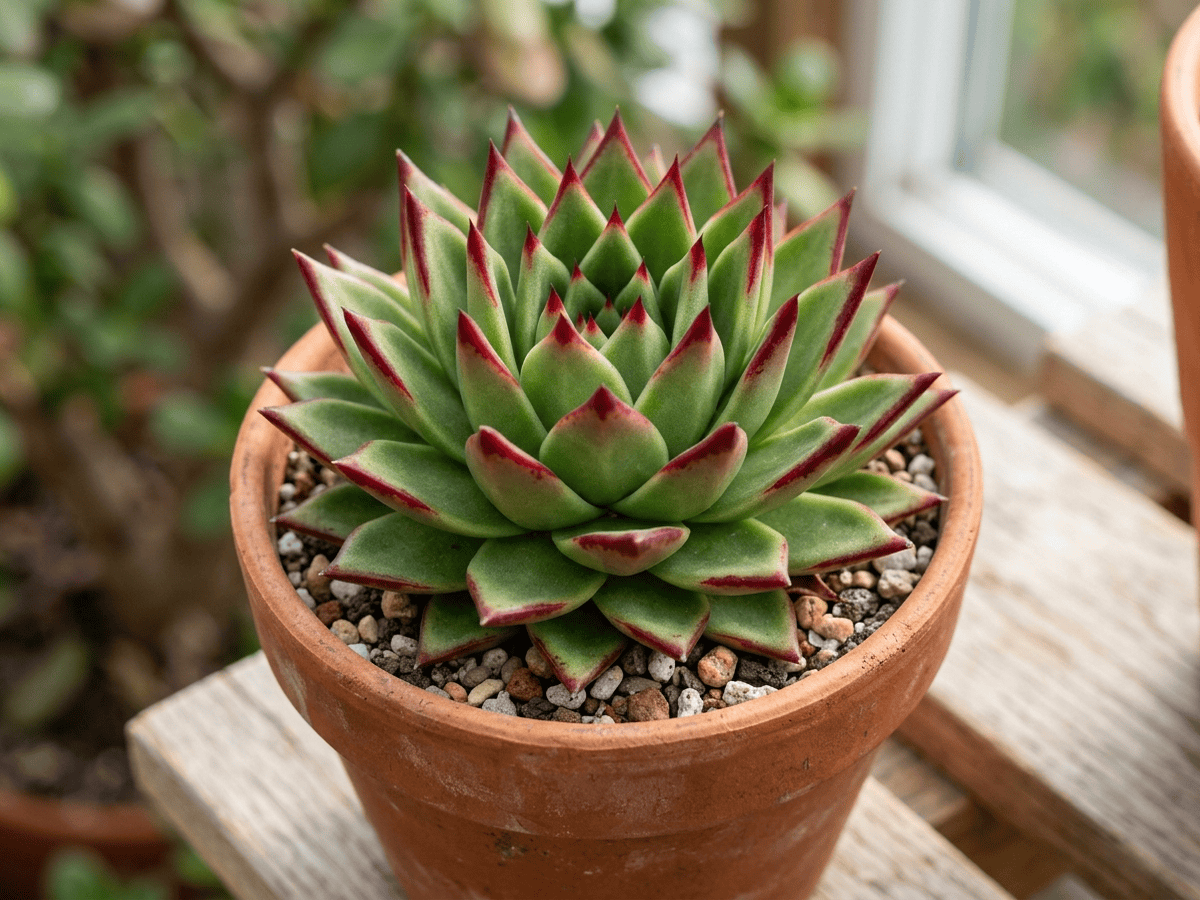 LipstickEcheveria agavoides
 Ghost EcheveriaEcheveria lilacina
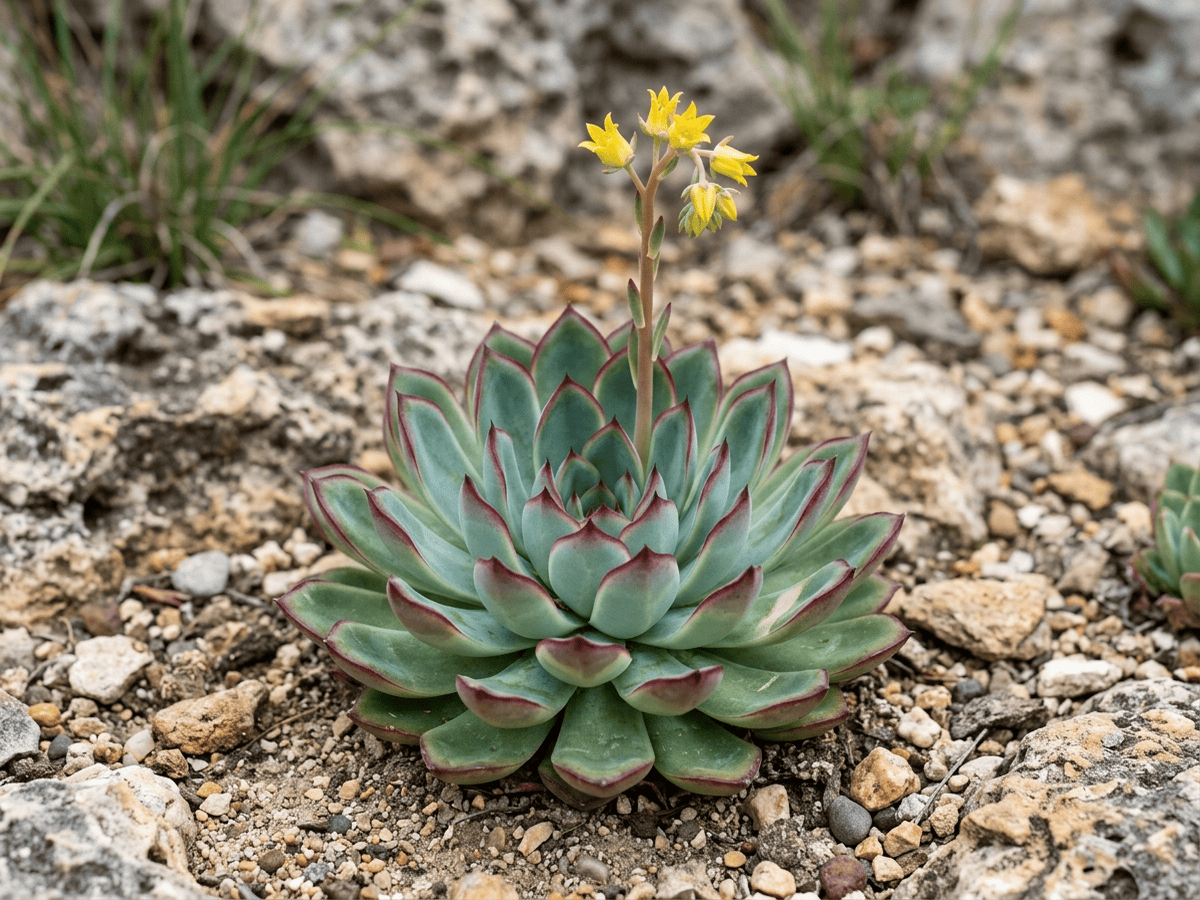 Pulido's EcheveriaEcheveria pulidonis
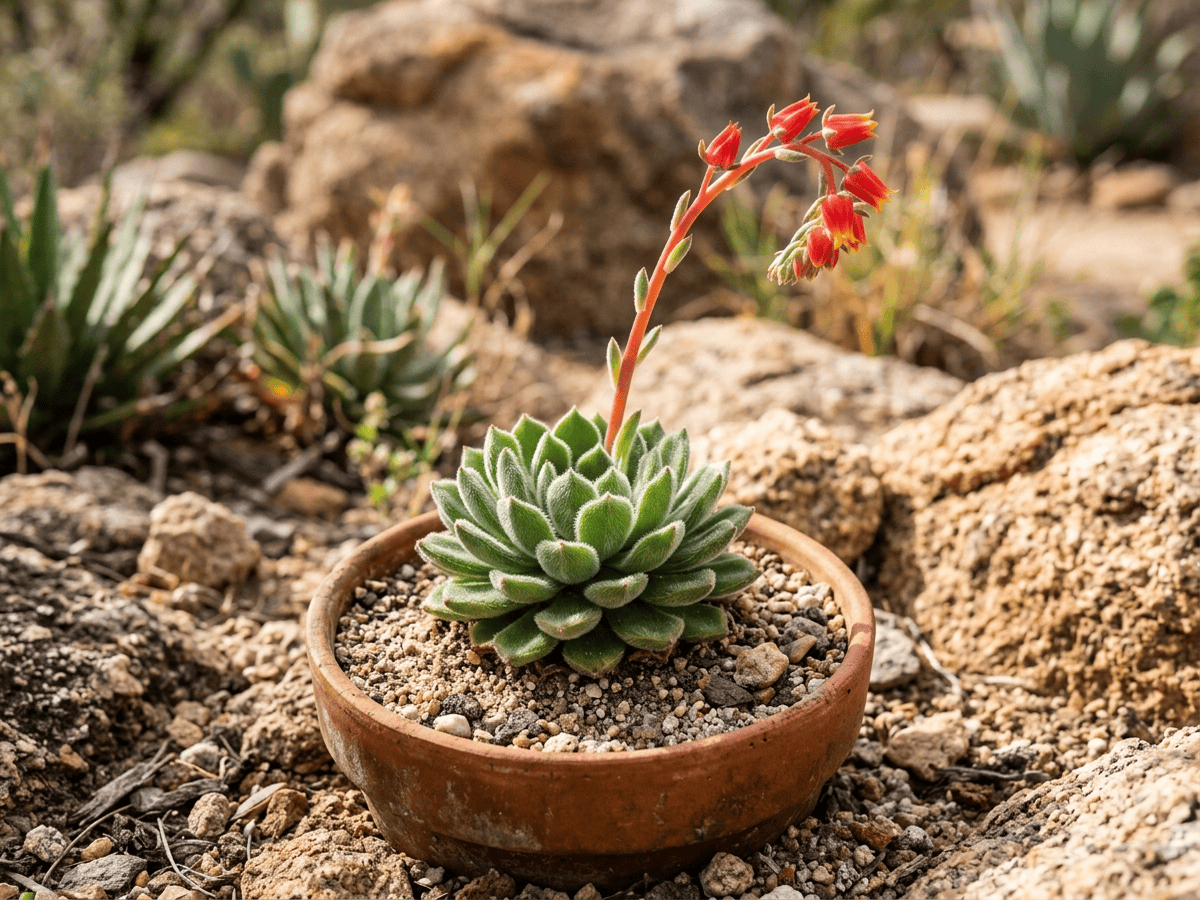 Mexican FirecrackerEcheveria setosa
Plants with similar care
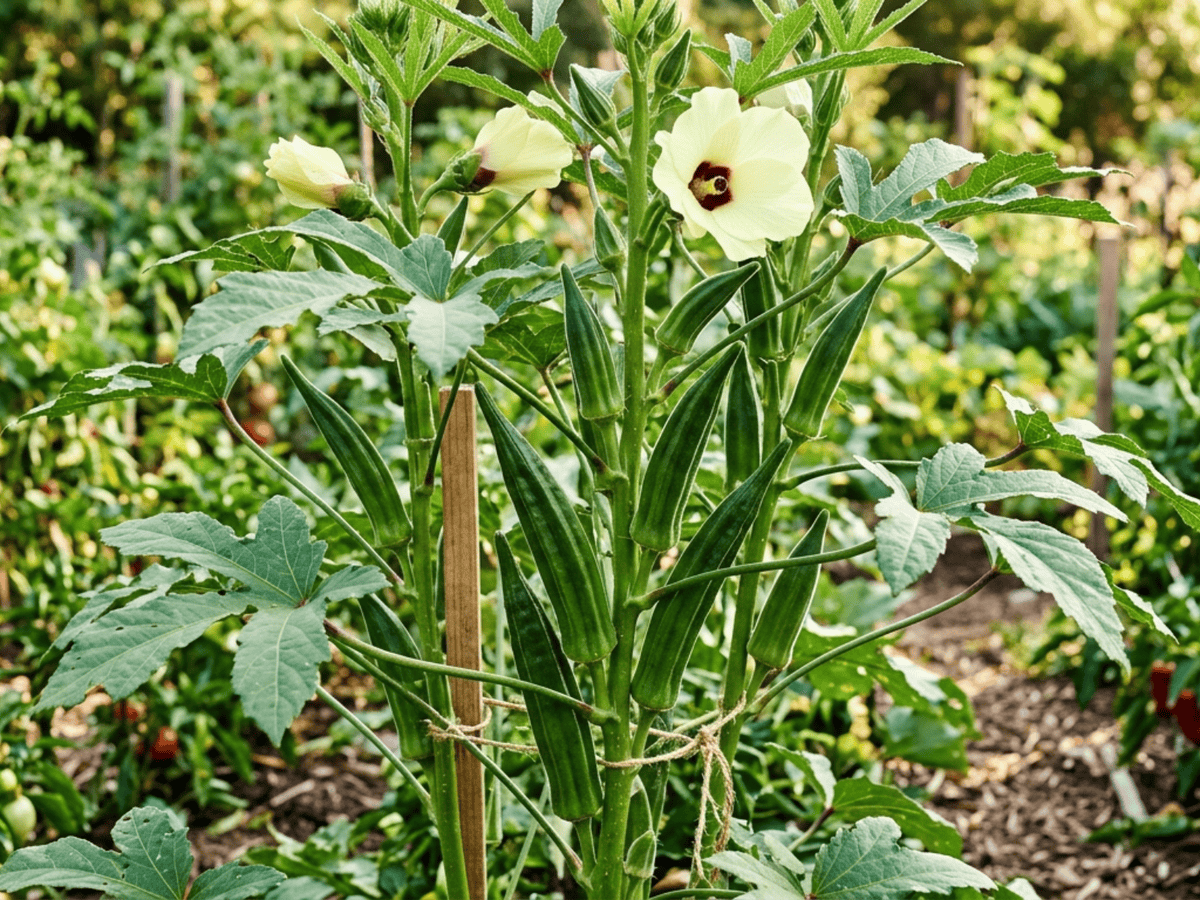 OkraAbelmoschus esculentus
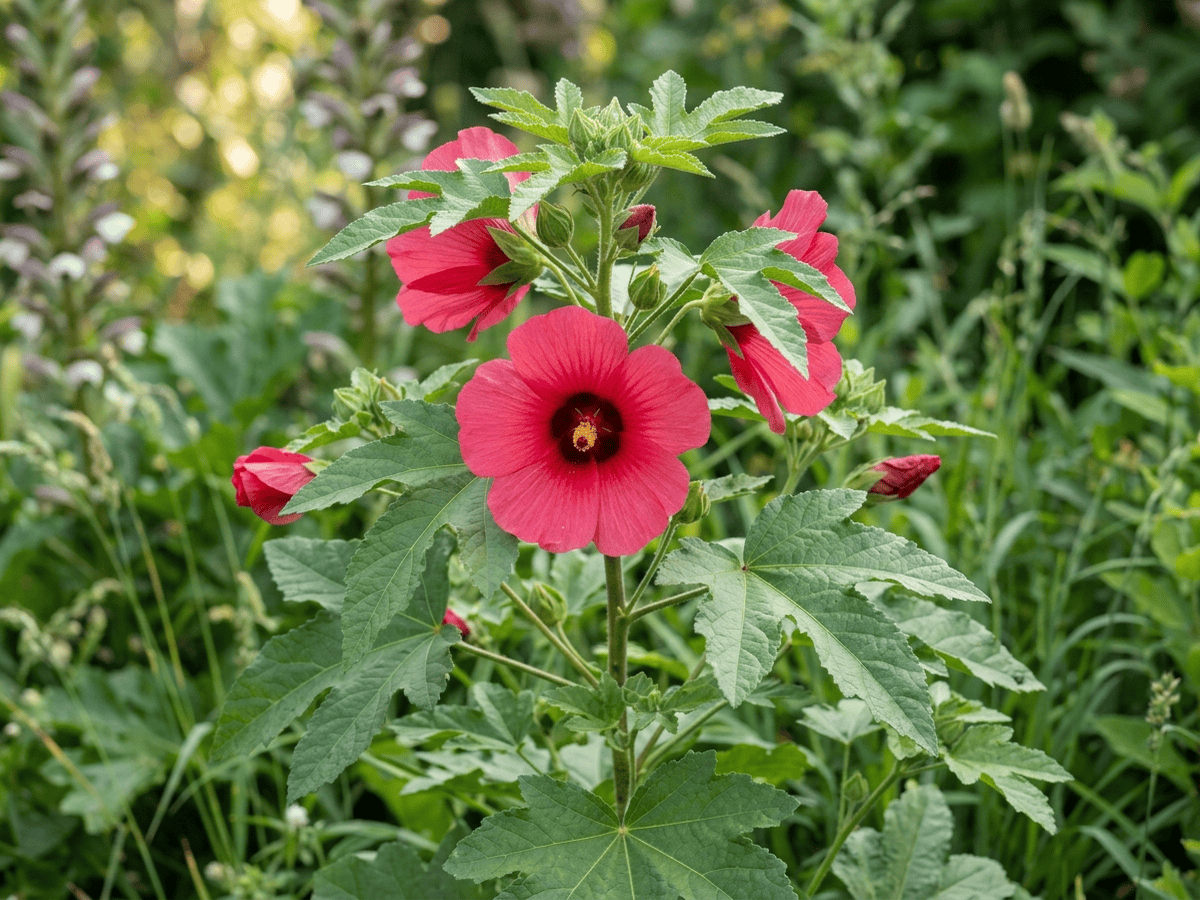 MuskseedAbelmoschus moschatus
 Black AeoniumAeonium arboreum 'Zwartkop'
 Smooth AgaveAgave desmettiana
Frequently asked questions
How often should I water Mexican Snowball?
In summer, water about every 10 days; in winter, about every 30 days. Adjust for heat, pot size and drainage.
How much light does Mexican Snowball need?
Full sun: 6+ hrs direct. Watch the leaves — scorching or stretching means the light needs adjusting.
Is Mexican Snowball toxic to cats or dogs?
No toxicity has been reported for this plant. Still, it is wise to keep pets from chewing on any houseplant. Educational information, not medical or veterinary advice. If exposure is suspected, contact a doctor or veterinarian.
Is Mexican Snowball easy to grow?
Yes — it is considered an easy, beginner-friendly plant.
Can Mexican Snowball be grown indoors?
Yes, it adapts well to indoor growing given the right light.
When does Mexican Snowball bloom?
It typically blooms Mar–May in the Northern Hemisphere.
YardMate
Identify any plant in seconds
Snap a photo — YardMate names the plant, diagnoses problems, and reminds you when to water.
Download on the App Store