 YardMate


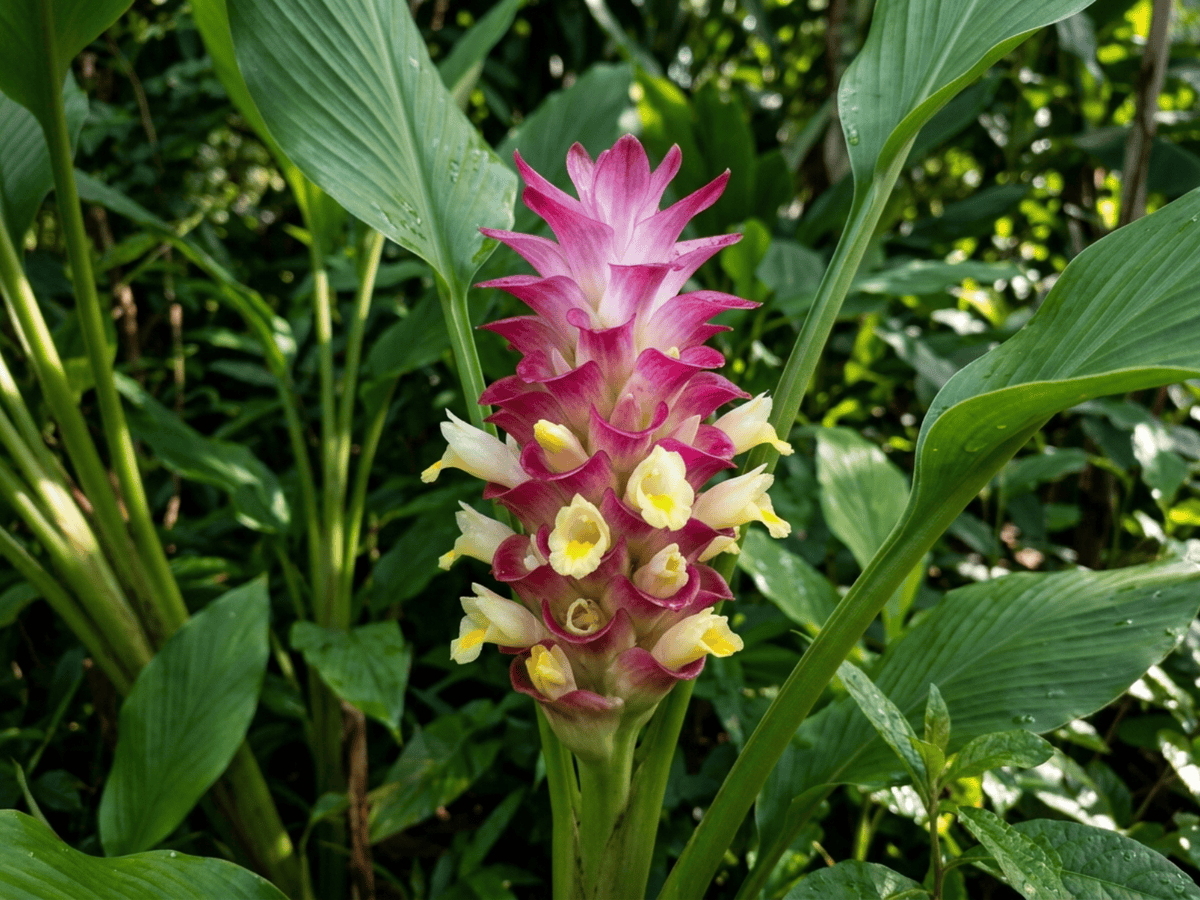

Green Cardamom
Elettaria cardamomum
Hard · Experienced growersAbout Green Cardamom
Elettaria cardamomum, green cardamom, is the 'Queen of Spices' — the world's third most expensive spice after saffron and vanilla. A tropical plant related to ginger, it produces small, three-chambered green pods containing aromatic black seeds with a complex, eucalyptus-citrus-floral flavor. Growing 2–4 meters tall with long, lance-shaped leaves, it flowers at the base from creeping rhizomes. Native to the Western Ghats of India, it requires warm, humid, shaded conditions. Small plants can be grown indoors as unusual tropicals, though fruiting is rare outside the tropics.
- Edible
- Fragrant
- Tropical
How to care for Green Cardamom
Watering
- Springevery 3 days
- Summerevery 2 days
- Fallevery 4 days
- Winterevery 5 days
Soil · Rich & well-draining
- Top dressingCompost10%
- Main mixPotting soil + compost 3:180%
- DrainageGravel10%
Top up the compost layer each season.
FERTILIZER
Balanced Feed 14-14-14
An even feed covers all three needs at once, keeping leaves, roots and blooms moving together with nothing pushed out of balance.
- Nitrogen · Leaves
- Phosphorus · Roots + Blooms
- Potassium · Strength
- Springevery 21 days
- Summerevery 21 days
- Fallevery 30 days
At a Glance
- NativeSouth Asia
- Height3–6 ft (0.9–1.8 m)
- Spread2–3 ft (0.6–0.9 m)
- Flower colorWhite
- Foliage colorGreen
- Fruit colorGreen
- SoilLoamy, Moisture-retentive, Rich
- LocationsIndoor
Bloom time
BLOOM CYCLE
Peak bloom
Jun–Aug
Orchid-like flowers at base; needs tropical humidity; pods rarely produced indoors
Fragrance
STRONG FRAGRANCE
Intense sweet-eucalyptus-citrus aroma from crushed seeds.
Toxicity
Pets Slight
1,8-cineole and terpinyl acetate
Safe
EXPOSURE No exposure route is reported.
EFFECT Widely consumed spice and no significant toxicity.
NOTE Listed as non-toxic for humans; avoid eating ornamental plants unless confirmed edible.
Slight
- Seed
- Ingestion
EXPOSURE Eating seeds.
EFFECT Large ingestion may cause GI upset.
NOTE Generally regarded as safe.
Slight
- Seed
- Ingestion
EXPOSURE Eating seeds.
EFFECT Large ingestion may cause GI upset.
NOTE Generally regarded as safe.
Educational information, not medical or veterinary advice. If exposure is suspected, contact a doctor or veterinarian.
DISTRIBUTION


- Native
- Introduced
- South Asia
History

Elettaria cardamomum is native to the Western Ghats rainforests of southwestern India, particularly the Cardamom Hills of Kerala, and to Sri Lanka. The spice has been traded for over 2,000 years — Greek and Roman writers including Dioscorides and Pliny describe it. Arab traders carried it to the Middle East where it became fundamental to Arabic and Turkish coffee tradition (qahwa with cardamom), to Gulf state cuisine, and to Indian chai and biryani.
Guatemala surpassed India as the world's largest producer in the late 20th century, following a transplant program begun in the 1910s. Sweden is unexpectedly a major consumer — per-capita cardamom consumption is roughly 18 times the US level, driven by Scandinavian baking traditions (kardemumma buns, julbröd, glögg mulled wine) that trace to Viking-era Byzantine trade routes.
The seed pods must be hand-harvested when just ripe, driving labor costs and making cardamom the third most expensive spice by weight, after saffron and vanilla. Cardamom has been traded for over 4,000 years — ancient Egyptians chewed cardamom pods as a breath freshener and included them in burial offerings. Vikings discovered cardamom during their travels to Constantinople and brought it to Scandinavia, where it became integral to Nordic baking — Swedes use more cardamom per capita than any other Western nation (in kanelbullar and kardemummabullar).
Symbolism & meaning
What It Symbolizes
Green Cardamom is known as the Queen of Spices, its expense and aromatic complexity embodying luxury and refined indulgence. From Arabian coffee rituals to Scandinavian baking, its pods perfume traditions that mark hospitality and special occasions. It is often read as a flower of ceremonial pleasure, a spice whose price guarantees it will only appear when something matters, lifting an ordinary cup into something a guest will remember.
- Luxury — The Queen of Spices — its expense and complexity represent refined indulgence
Where the Name Comes From
Elettaria from the Hindi name 'elaichi.' Cardamomum from Greek 'kardamomon,' likely from a Dravidian language.
Uses & Fun Facts
- Aromatic pods flavor chai, biryani, baking, and Arabic coffee
- Pods yield prized eucalyptus-citrus aromatic essential oil
- Traditional Ayurvedic digestive and breath-freshening spice
Related plants
Plants with similar care
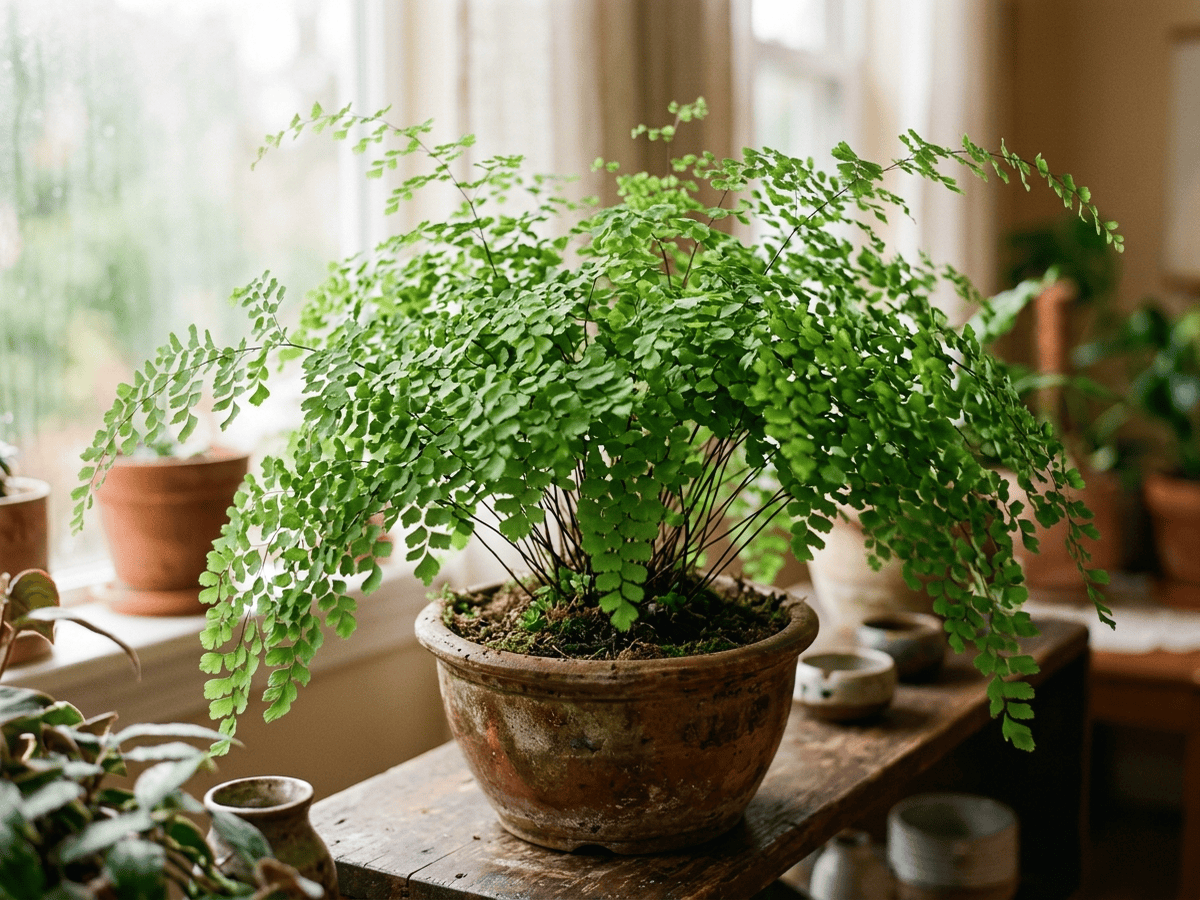 Delta Maidenhair FernAdiantum raddianum
 African Mask PlantAlocasia amazonica
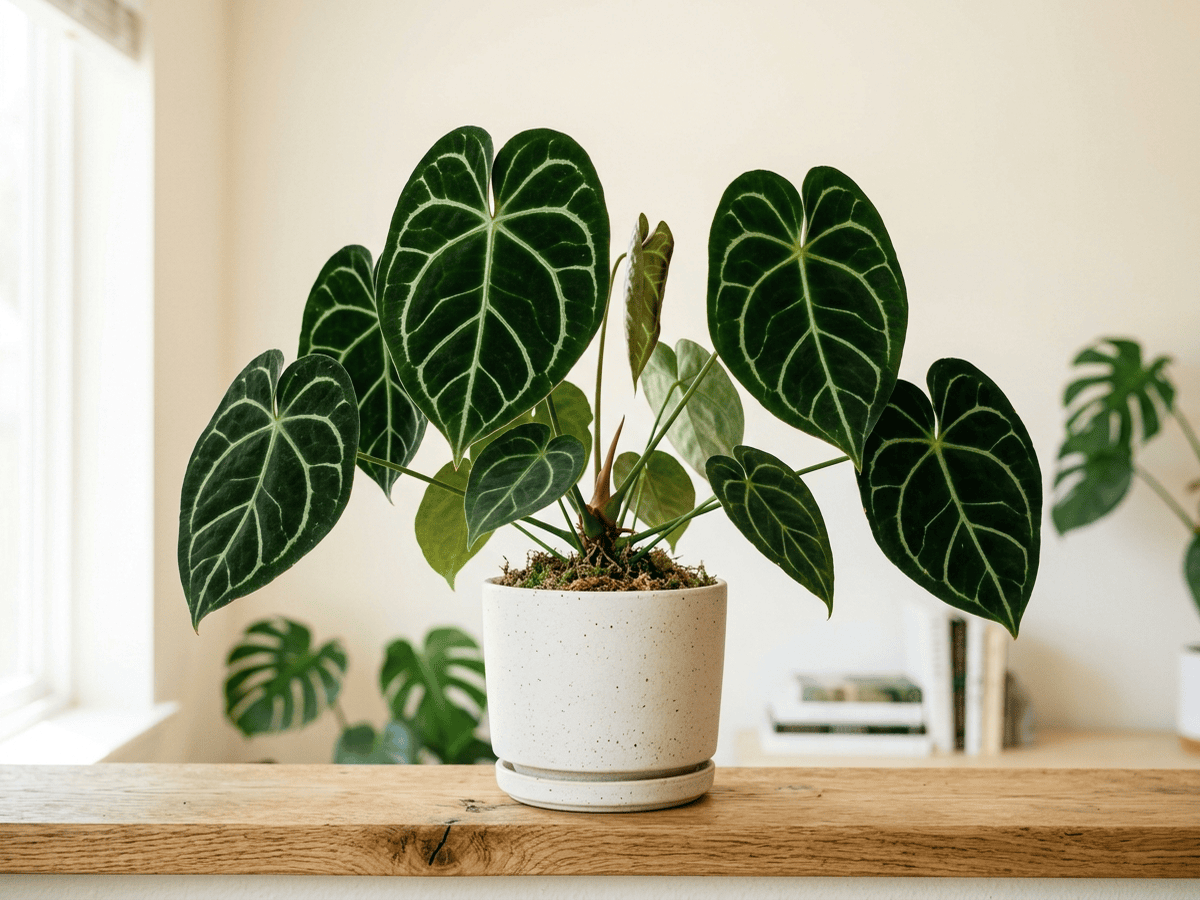 Anthurium clarinerviumAnthurium clarinervium
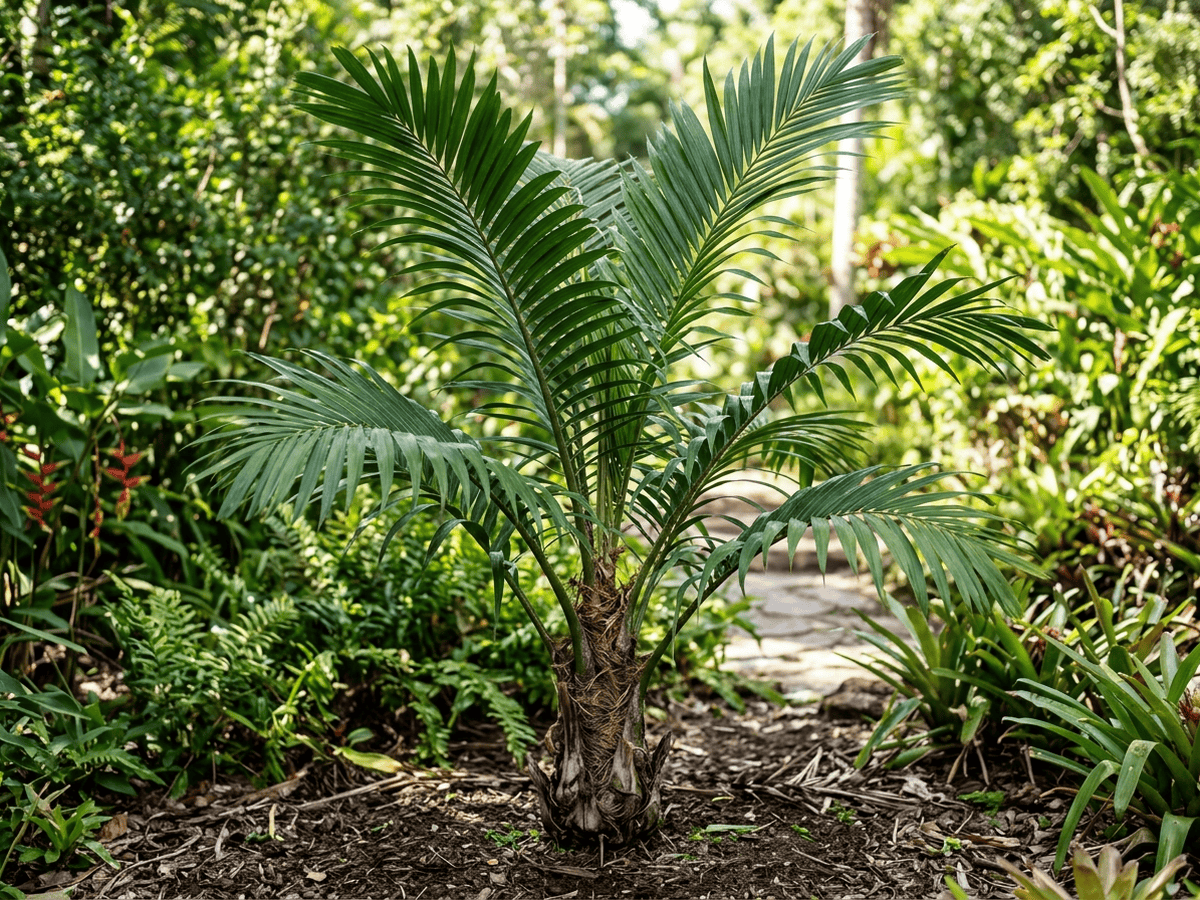 Formosa PalmArenga engleri
Frequently asked questions
How often should I water Green Cardamom?
In summer, water about every 2 days; in winter, about every 5 days. Adjust for heat, pot size and drainage.
How much light does Green Cardamom need?
Part shade: 2–4 hrs direct. Watch the leaves — scorching or stretching means the light needs adjusting.
Is Green Cardamom toxic to cats or dogs?
Pets Slight (Dogs Slight · Cats Slight) Educational information, not medical or veterinary advice. If exposure is suspected, contact a doctor or veterinarian.
Is Green Cardamom easy to grow?
It is considered challenging and rewards experienced growers.
Can Green Cardamom be grown indoors?
Yes, it adapts well to indoor growing given the right light.
When does Green Cardamom bloom?
It typically blooms Jun–Aug in the Northern Hemisphere.
YardMate
Identify any plant in seconds
Snap a photo — YardMate names the plant, diagnoses problems, and reminds you when to water.
Download on the App Store