 YardMate


Fire Stick
Euphorbia tirucalli
Easy · Beginner friendlyAbout Fire Stick
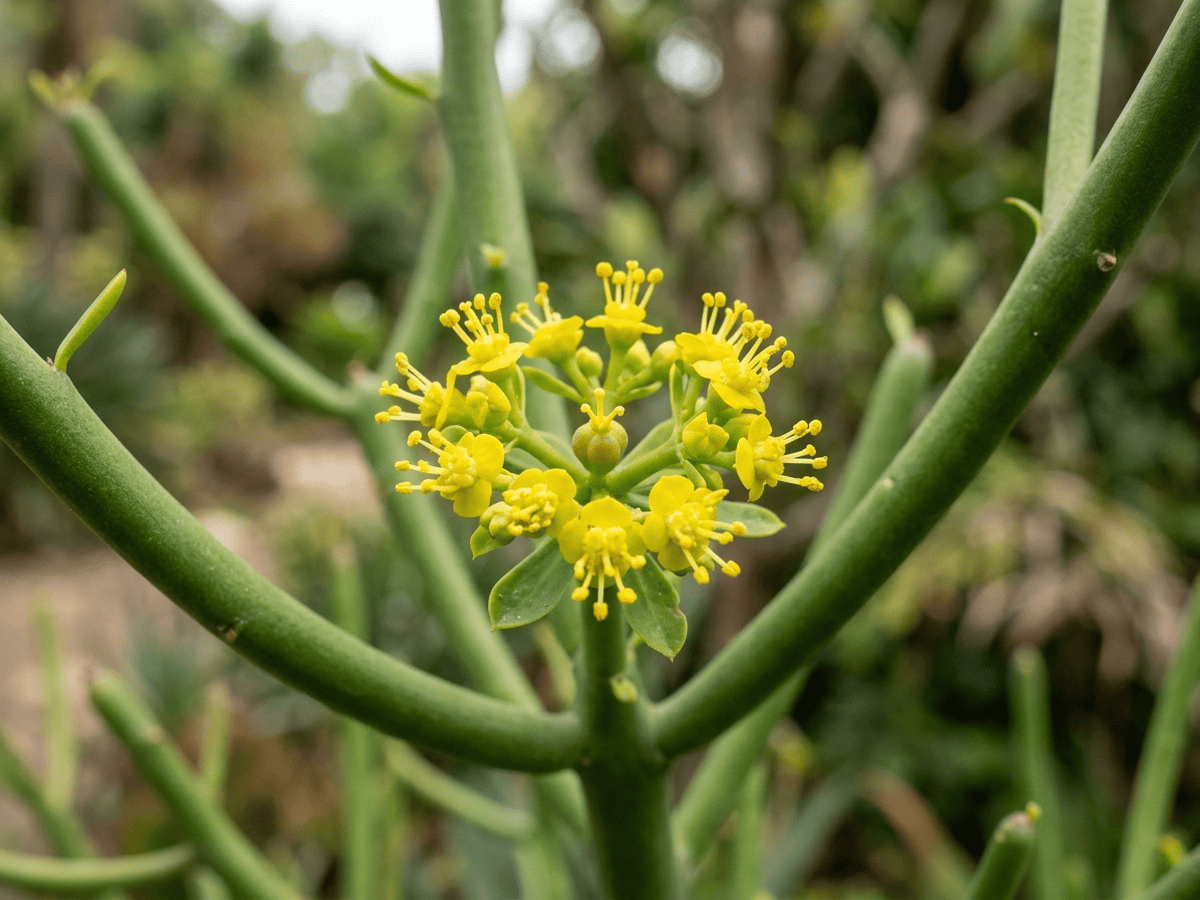
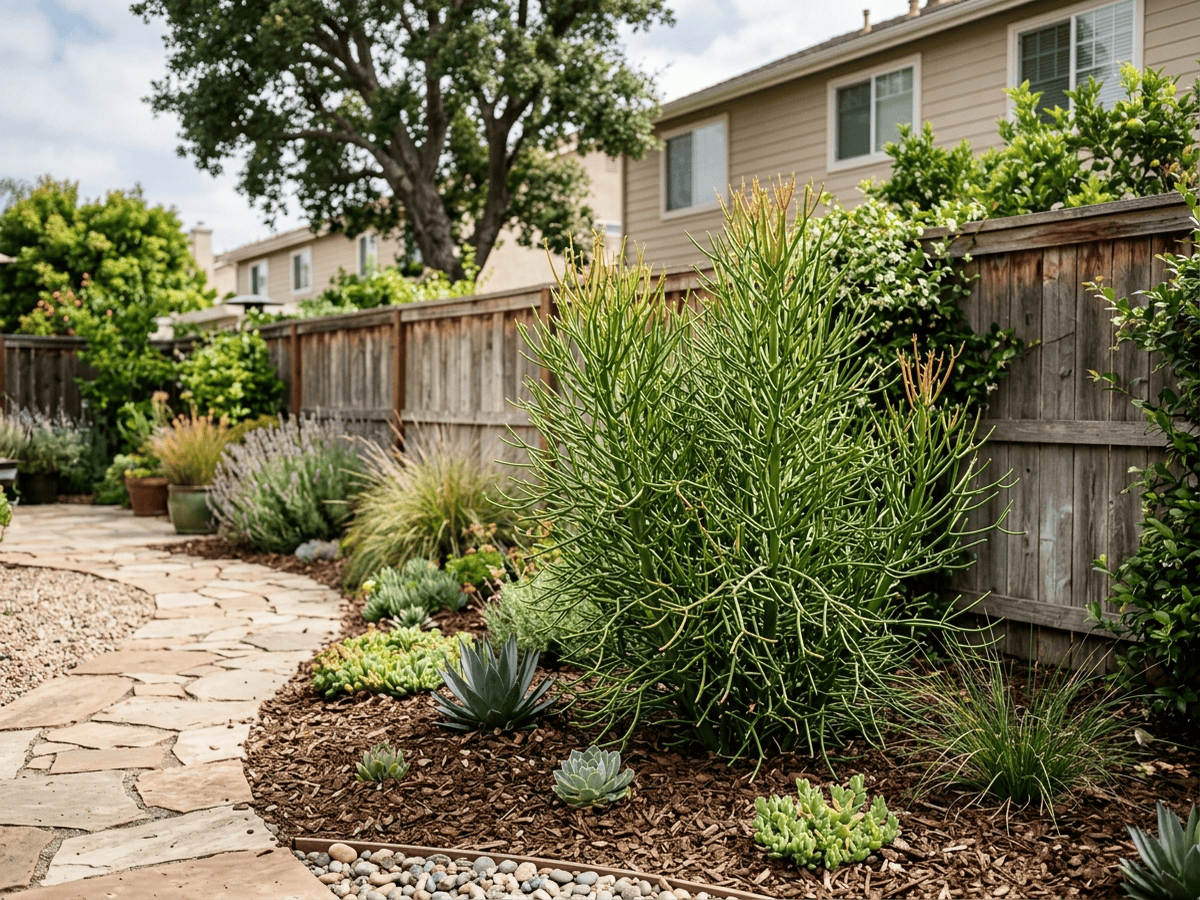
Euphorbia tirucalli, the pencil cactus or fire stick plant, is a striking succulent tree with cylindrical, bright green branches that turn vivid orange-red in bright light and cool temperatures. Native to Africa, it can grow into a substantial tree outdoors but is easily maintained as a branching indoor specimen. Despite its common name, it is not a cactus but a euphorbia. The milky white latex is extremely irritating — it can cause temporary blindness if it contacts eyes and severe skin burns. Gloves should always be worn when pruning. Its bold architectural form makes a dramatic statement.
- Drought-tolerant
- Architectural
How to care for Fire Stick
Watering
- Springevery 14 days
- Summerevery 10 days
- Fallevery 21 days
- Winterevery 30 days
Soil · Fast-draining
- Main mixSand + pumice + soil 1:1:150%
- DrainagePumice / gravel50%
Keep grit at half the mix or more — this soil is meant to dry out fast.
FERTILIZER
Cactus & Succulent Feed 2-7-7
Hold the nitrogen back and growth stays compact instead of soft and stretched. Phosphorus and potassium carry the roots and the flowering.
- Nitrogen · Leaves
- Phosphorus · Roots + Blooms
- Potassium · Strength
- Springevery 60 days
- Summerevery 60 days
At a Glance
- NativeAfrica
- Height3–8 ft (0.9–2.4 m)
- Spread2–4 ft (0.6–1.2 m)
- Flower colorYellow
- Foliage colorGreen, Yellow, Bronze, Red
- SoilSandy, Well-drained
- LocationsIndoor · Balcony
Bloom time
BLOOM CYCLE
Tiny yellow flowers; rare indoors
Fragrance
NO FRAGRANCE
Not fragrant.
Toxicity
Humans Toxic · Pets Moderate
phorbol esters (diterpene) and latex hydrocarbons
Toxic
- Leaf
- Stem
- Sap
- Contact
- Ingestion
EXPOSURE Touching leaves, stems, and sap. Eating leaves, stems, and sap.
EFFECT Severe skin blistering, chemical burns, corneal damage and potentially permanent blindness on eye contact, severe GI burning if ingested, and co-carcinogenic effects documented in Africa with Epstein-Barr virus in Burkitt's lymphoma.
NOTE Among the more dangerous common houseplants; wear gloves and eye protection when pruning. Phorbol esters are tumor promoters.
Moderate
- Leaf
- Stem
- Sap
- Contact
- Ingestion
EXPOSURE Touching leaves, stems, and sap. Eating leaves, stems, and sap.
EFFECT Severe oral and GI burning, skin and eye damage from sap, and per ASPCA.
NOTE Among the more dangerous common houseplants; wear gloves and eye protection when pruning. Phorbol esters are tumor promoters.
Moderate
- Leaf
- Stem
- Sap
- Contact
- Ingestion
EXPOSURE Touching leaves, stems, and sap. Eating leaves, stems, and sap.
EFFECT Severe oral and GI burning, skin and eye damage from sap, and per ASPCA.
NOTE Among the more dangerous common houseplants; wear gloves and eye protection when pruning. Phorbol esters are tumor promoters.
Educational information, not medical or veterinary advice. If exposure is suspected, contact a doctor or veterinarian.
DISTRIBUTION


- Native
- Introduced
- Africa
History
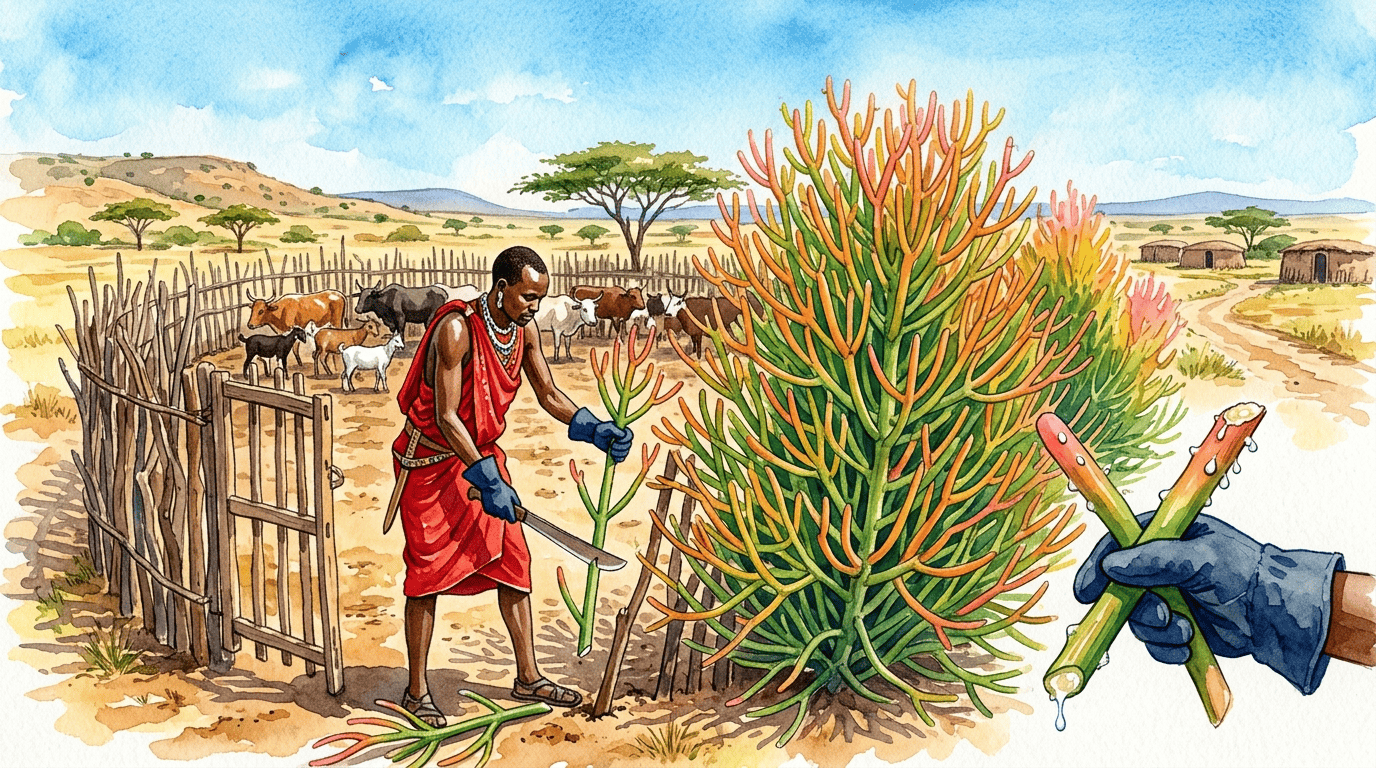
Euphorbia tirucalli is native to the arid regions of eastern and southern Africa, from Ethiopia to Mozambique, and has become widely naturalized across India, the Arabian Peninsula, and elsewhere in the tropics. It grows into a large tree-sized shrub with pencil-thick green stems that take over the function of leaves, which are reduced to tiny transient scales. Its striking 'Sticks on Fire' cultivar, with stems in shades of orange, yellow, and pink, has been a popular ornamental since the 1990s.
The plant is famously dangerous: its milky latex is severely caustic, causing intense skin blistering, chemical burns, and — most seriously — permanent blindness if it contacts the eyes. It has been investigated by petroleum chemists since the 1980s as a potential biofuel feedstock because the latex is a natural hydrocarbon emulsion.
Euphorbia tirucalli has been researched as a potential source of biofuel — Nobel Prize-winning chemist Melvin Calvin studied it in the 1980s, proposing 'petroleum plantations' in arid regions. In Africa and India, it has been used for centuries as a living fence — the toxic sap deters animals and the dense branches form an impenetrable barrier. Traditional African medicine uses diluted preparations for various conditions, though the raw latex is dangerously caustic.
Symbolism & meaning
What It Symbolizes
The Fire Stick thrives in the harshest arid conditions, its pencil-thin green stems blushing orange and red as nights turn cool, carrying within them a milky sap that gives the plant its name. Its meaning is resilience, but resilience with a warning, for the same fire that colors the stems also lives in a caustic latex that demands respectful handling. Euphorbia tirucalli is the desert teacher who reminds us that beauty and danger often share the same body.
- Resilience — Thriving in the harshest arid conditions while carrying hidden fire within
Where the Name Comes From
Euphorbia named after Euphorbus, physician to King Juba II of Mauritania. Tirucalli from a South Indian Malabar name for the plant.
Uses & Fun Facts
- Pencil cactus stems form striking green sculpture
Related plants
More Euphorbia plants
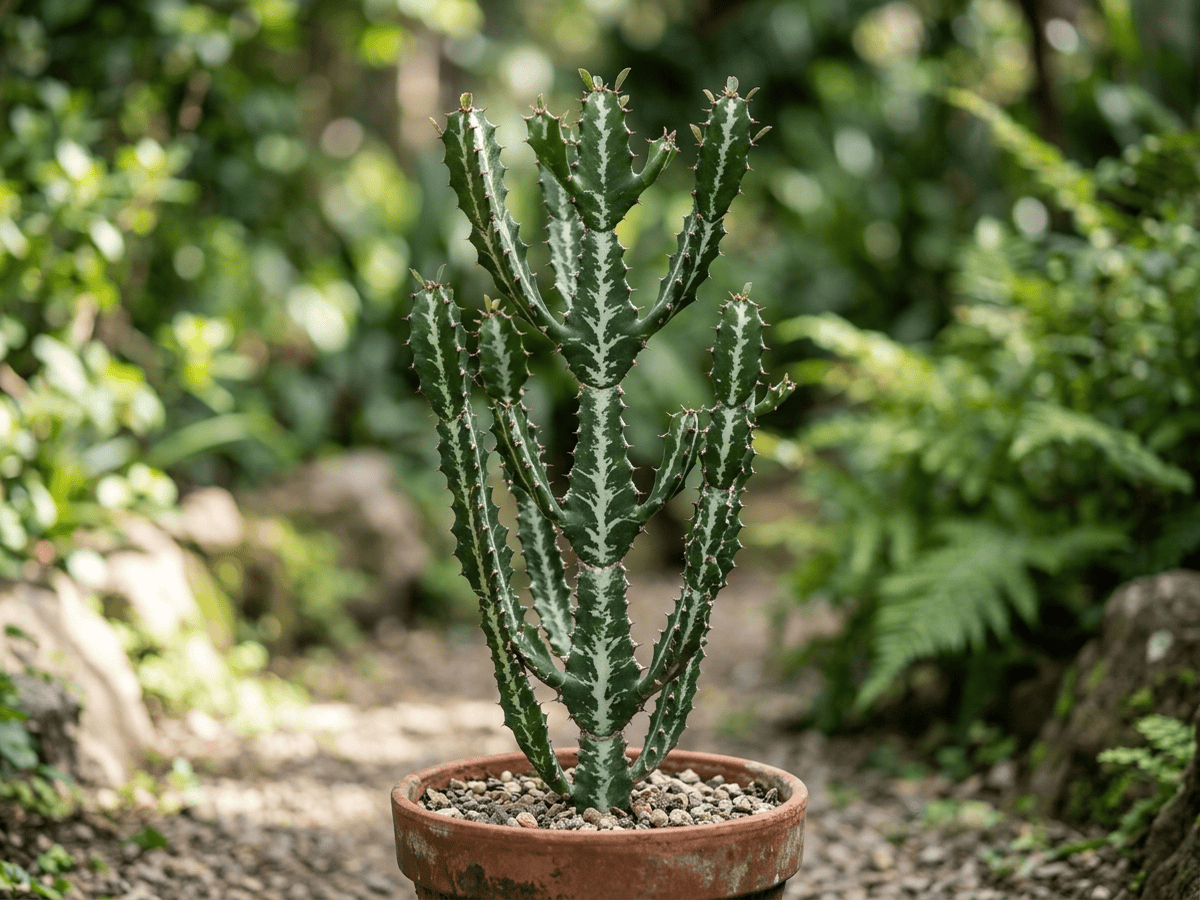 Mottled SpurgeEuphorbia lactea
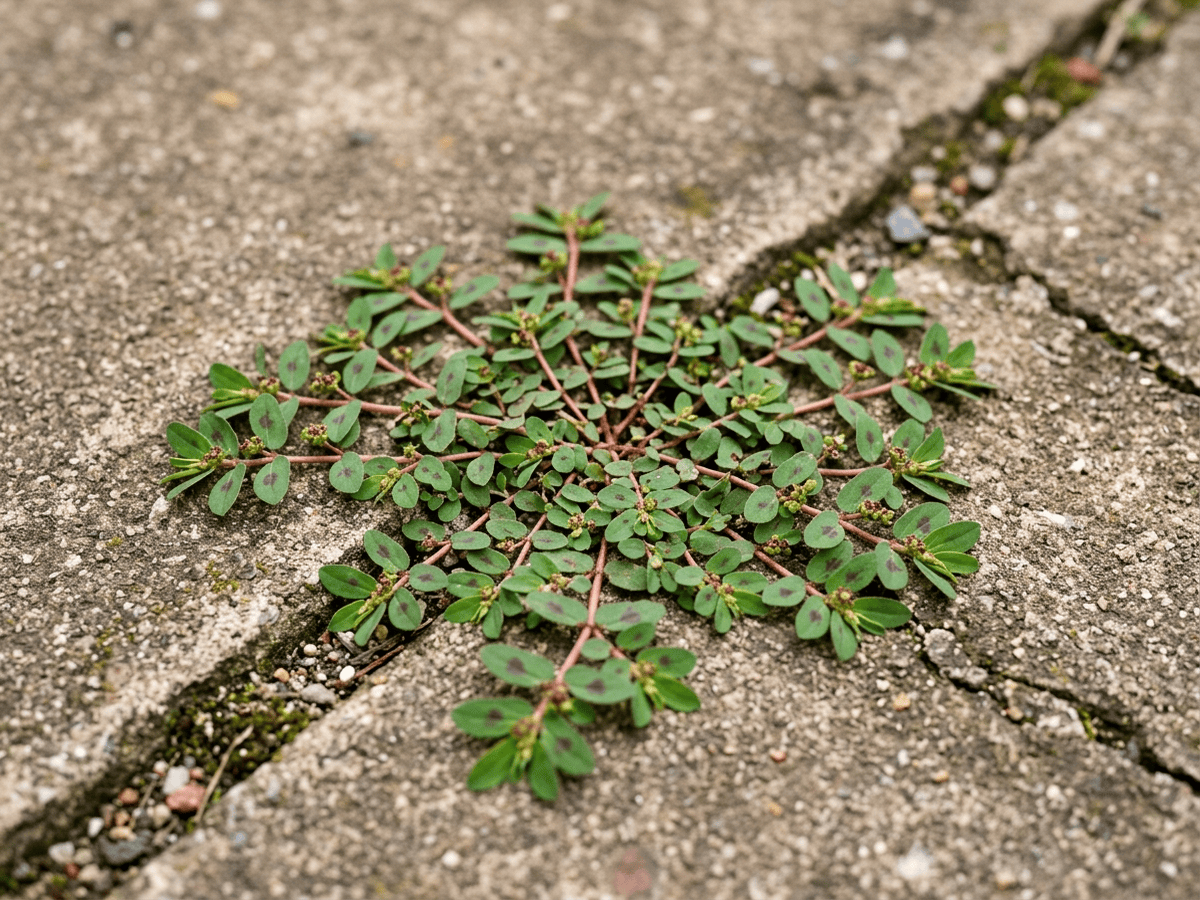 Spotted SpurgeEuphorbia maculata
 Crown-Of-ThornsEuphorbia milii
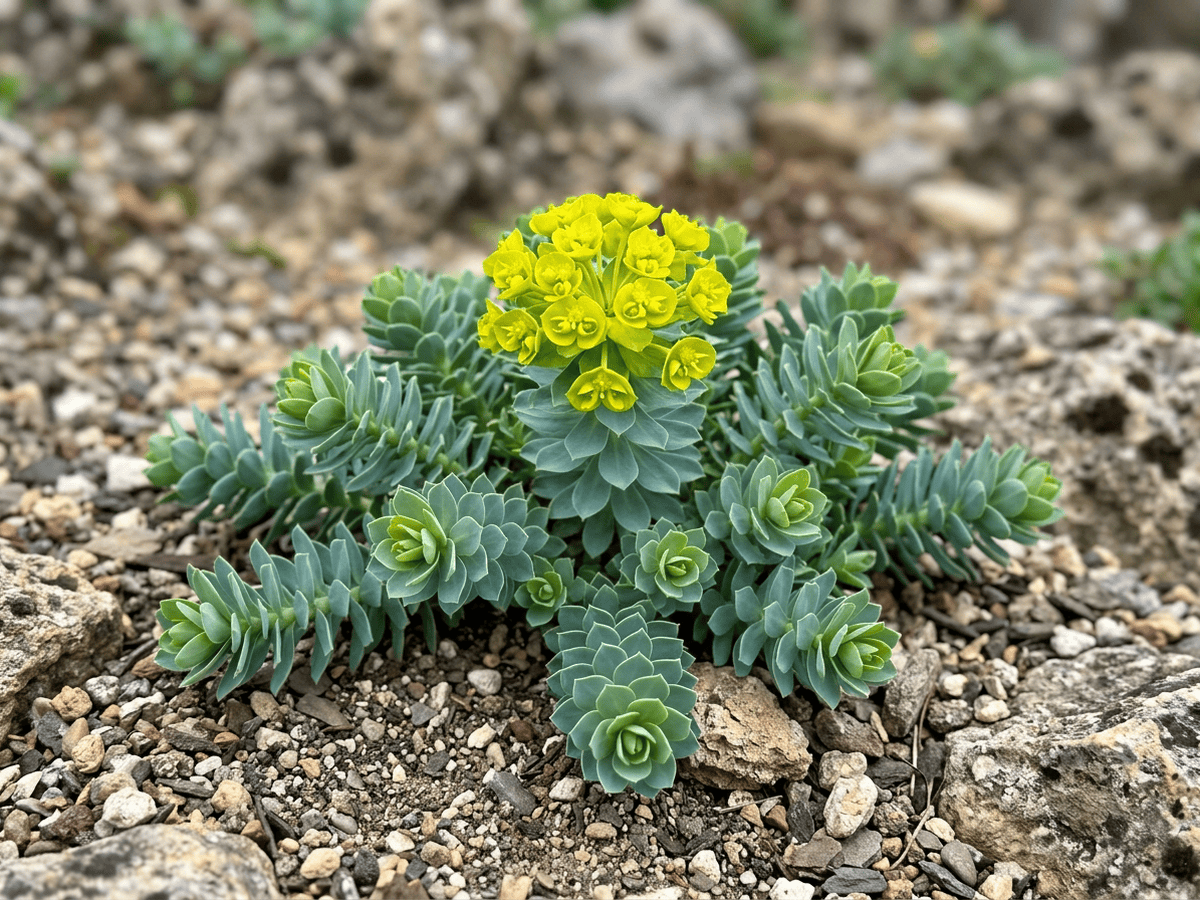 Myrtle SpurgeEuphorbia myrsinites
Plants with similar care
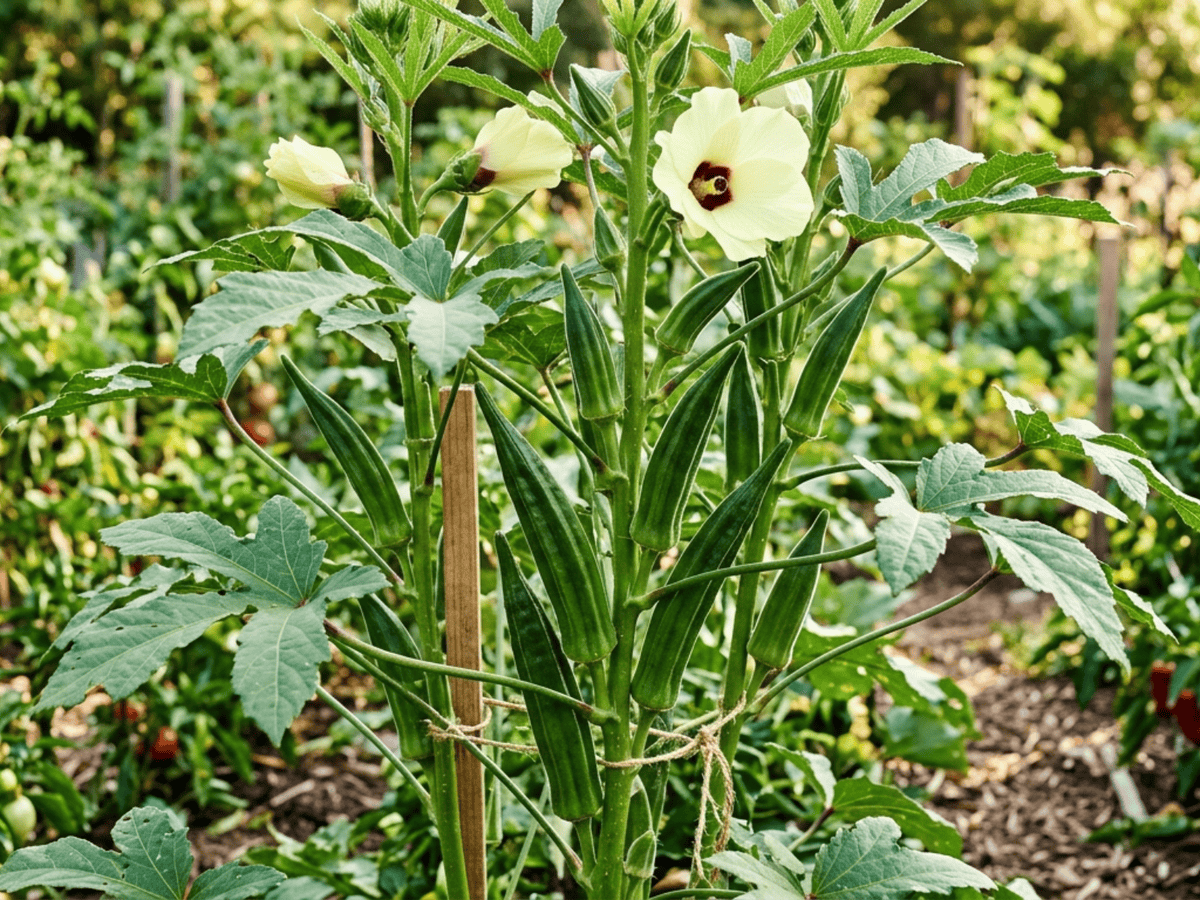 OkraAbelmoschus esculentus
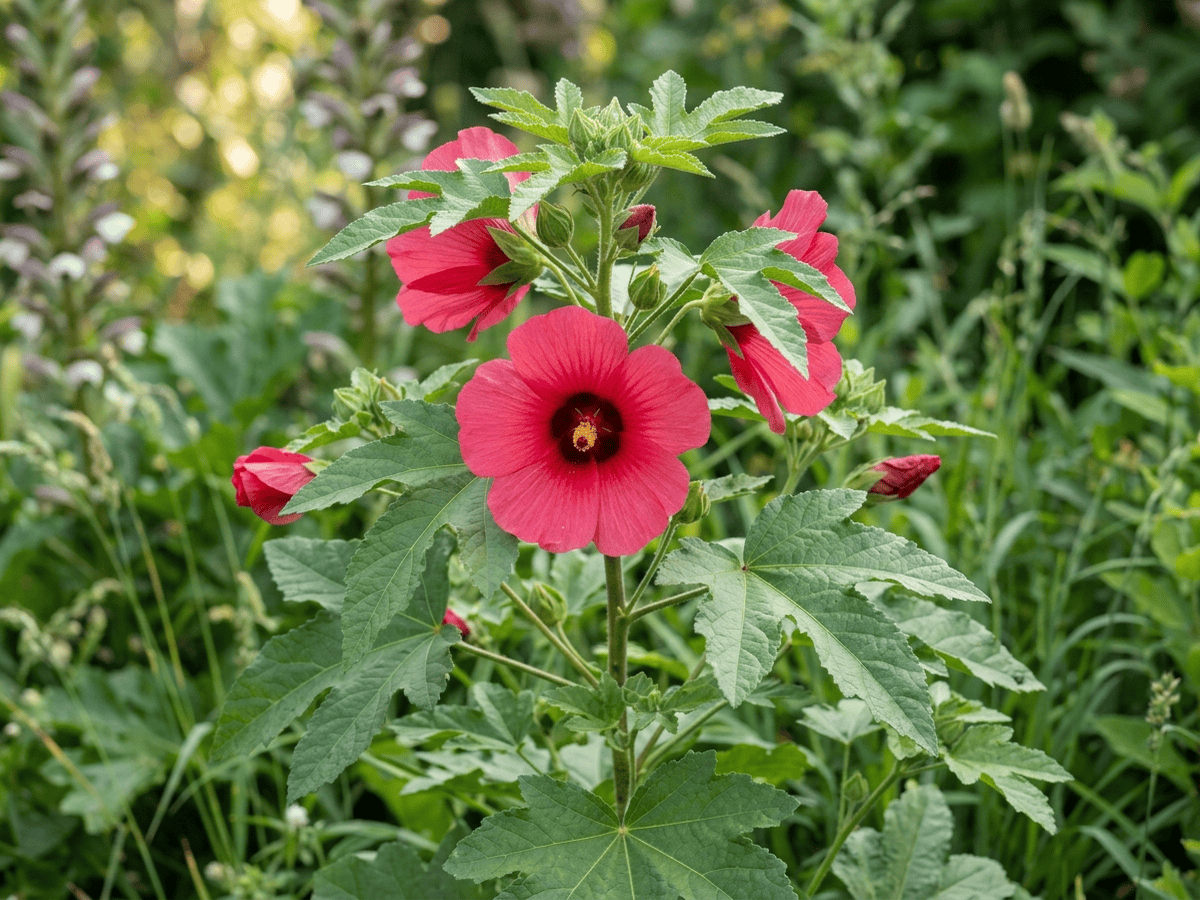 MuskseedAbelmoschus moschatus
 Black AeoniumAeonium arboreum 'Zwartkop'
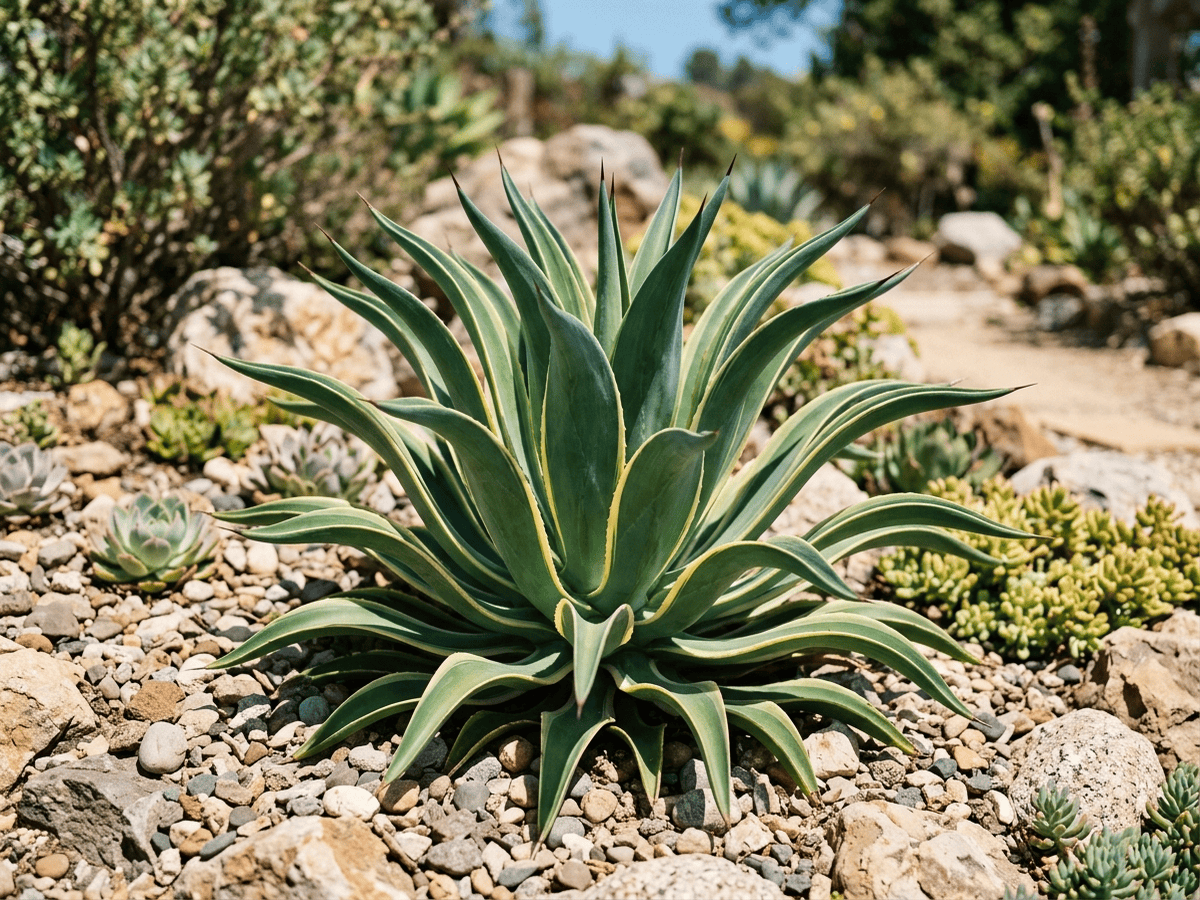 Smooth AgaveAgave desmettiana
Frequently asked questions
How often should I water Fire Stick?
In summer, water about every 10 days; in winter, about every 30 days. Adjust for heat, pot size and drainage.
How much light does Fire Stick need?
Full sun: 6+ hrs direct. Watch the leaves — scorching or stretching means the light needs adjusting.
Is Fire Stick toxic to cats or dogs?
Pets Moderate (Dogs Moderate · Cats Moderate) Educational information, not medical or veterinary advice. If exposure is suspected, contact a doctor or veterinarian.
Is Fire Stick easy to grow?
Yes — it is considered an easy, beginner-friendly plant.
Can Fire Stick be grown indoors?
Yes, it adapts well to indoor growing given the right light.
YardMate
Identify any plant in seconds
Snap a photo — YardMate names the plant, diagnoses problems, and reminds you when to water.
Download on the App Store