 YardMate



Fiddle-Leaf Fig
Ficus lyrata
Medium · Some experienceAbout Fiddle-Leaf Fig
The Fiddle-Leaf Fig has become the signature houseplant of modern interior design, native to the tropical rainforests of West Africa. Its enormous, violin-shaped leaves with prominent veining create a dramatic sculptural silhouette. In the wild it starts as an epiphyte high in the canopy before sending roots down to the ground, eventually strangling its host tree. Indoors it demands bright indirect light and consistent watering — rewarding attentive care with lush architectural growth.
- Air-purifying
How to care for Fiddle-Leaf Fig
Watering
- Springevery 7 days
- Summerevery 5 days
- Fallevery 10 days
- Winterevery 14 days
Soil · Well-draining
- Main mixLoam + bark + perlite 2:1:175%
- DrainageLECA25%
Bark keeps the mix from compacting under a heavy root ball.
FERTILIZER
Balanced Feed 14-14-14
An even feed covers all three needs at once, keeping leaves, roots and blooms moving together with nothing pushed out of balance.
- Nitrogen · Leaves
- Phosphorus · Roots + Blooms
- Potassium · Strength
- Springevery 30 days
- Summerevery 30 days
- Fallevery 60 days
At a Glance
- NativeAfrica
- Height4–8 ft (1.2–2.4 m)
- Spread2–4 ft (0.6–1.2 m)
- Foliage colorGreen
- SoilLoamy, Well-drained, Rich
- LocationsIndoor
Bloom time
BLOOM CYCLE
Rarely flowers indoors; produces small fig-like syconia outdoors in tropical conditions
Fragrance
NO FRAGRANCE
Foliage and rare indoor figs are not fragrant.
Toxicity
Humans Slight · Pets Slight
ficin (proteolytic enzyme) and ficusin (furanocoumarin)
Slight
- Leaf
- Sap
- Contact
- Ingestion
EXPOSURE Touching leaves and sap. Eating leaves and sap.
EFFECT Contact dermatitis from latex sap and mild GI upset if ingested.
NOTE All Ficus species produce a white latex sap that can cause skin reactions in sensitive individuals.
Slight
- Leaf
- Ingestion
EXPOSURE Eating leaves.
EFFECT Oral irritation, salivation, vomiting, diarrhea, dermatitis with sap contact, and per ASPCA.
NOTE All Ficus species produce a white latex sap that can cause skin reactions in sensitive individuals.
Slight
- Leaf
- Ingestion
EXPOSURE Eating leaves.
EFFECT Oral irritation, salivation, vomiting, diarrhea, dermatitis with sap contact, and per ASPCA.
NOTE All Ficus species produce a white latex sap that can cause skin reactions in sensitive individuals.
Educational information, not medical or veterinary advice. If exposure is suspected, contact a doctor or veterinarian.
DISTRIBUTION


- Native
- Introduced
- Africa
History

Ficus lyrata grows naturally in the lowland tropical rainforests of western Africa, from Cameroon to Sierra Leone, where it typically begins life as an epiphyte in the crown of a host tree before sending roots to the ground and eventually strangling its host — a growth habit called hemi-epiphytism. European plant hunters brought it into cultivation in the 19th century, and it spent most of the 20th century as a minor conservatory curiosity. Its dramatic rise to stardom came in the 2010s, when interior designers and Instagram turned it into the defining houseplant of a decade; for a stretch in the mid-2010s it was among the most photographed plants on the platform.
The species name 'lyrata' refers to the lyre-shaped outline of its large leathery leaves. The Fiddle-Leaf Fig became the 'it plant' of the 2010s, appearing in virtually every interior design magazine and Instagram feed.
In its native West Africa, fig trees are sacred — communities hold meetings beneath their canopies. The 'fiddle leaf' name comes from the leaves' resemblance to a violin (fiddle), though botanists first described it simply as 'lyrata' (lyre-shaped) in 1866.
Symbolism & meaning
What It Symbolizes
The Fiddle-Leaf Fig is abundance leafed out indoors — broad violin-shaped foliage that has become a modern shorthand for prosperity and stylish plenty in living rooms from Brooklyn to Tokyo. Its musical name links its to harmony and artistic balance, a reason it anchors so many design photographs. It is the houseplant chosen as much for what it signals as for what it is.
- Abundance — lush foliage symbolizes prosperity and plenty
- Harmony — its musical name connects it to artistic balance
Where the Name Comes From
'Ficus' is the ancient Latin word for fig. 'Lyrata' means lyre-shaped, describing the leaves' resemblance to the ancient Greek musical instrument.
Uses & Fun Facts
- Sculptural floor plant for bright modern interiors
- Violin-shaped veined leaves define contemporary indoor design statements
Related plants
More Ficus plants
 Ficus AudreyFicus audrey
 Weeping FigFicus benjamina
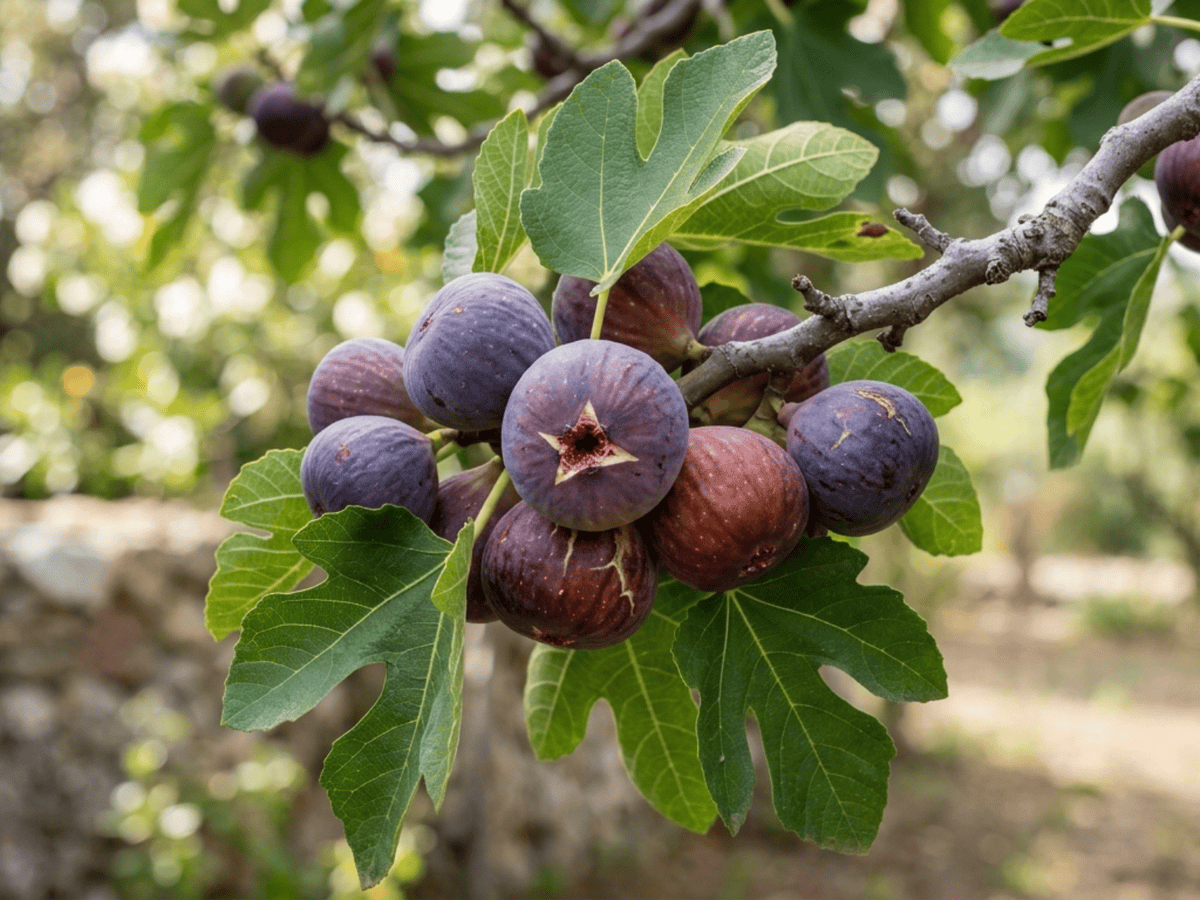 Common FigFicus carica
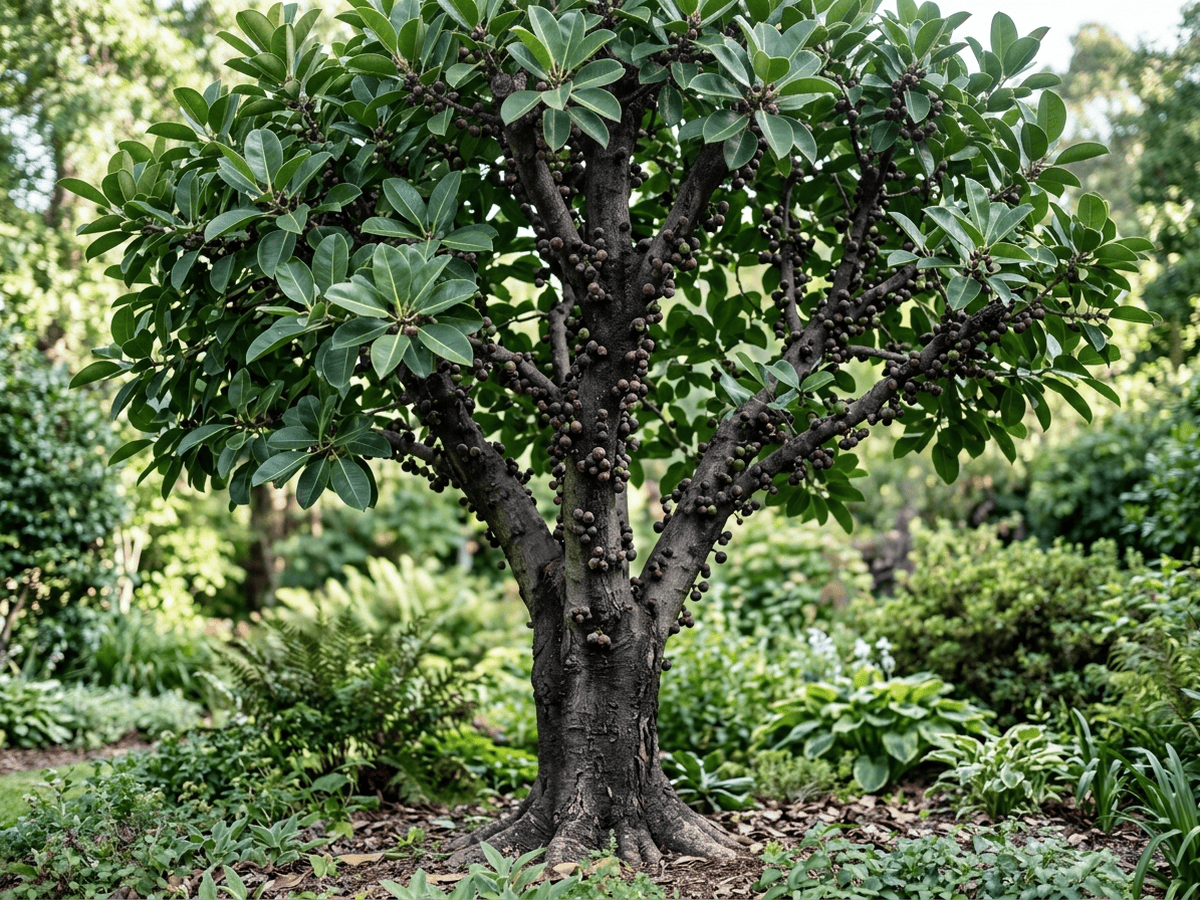 Bastard Natal FigFicus craterostoma
Plants with similar care
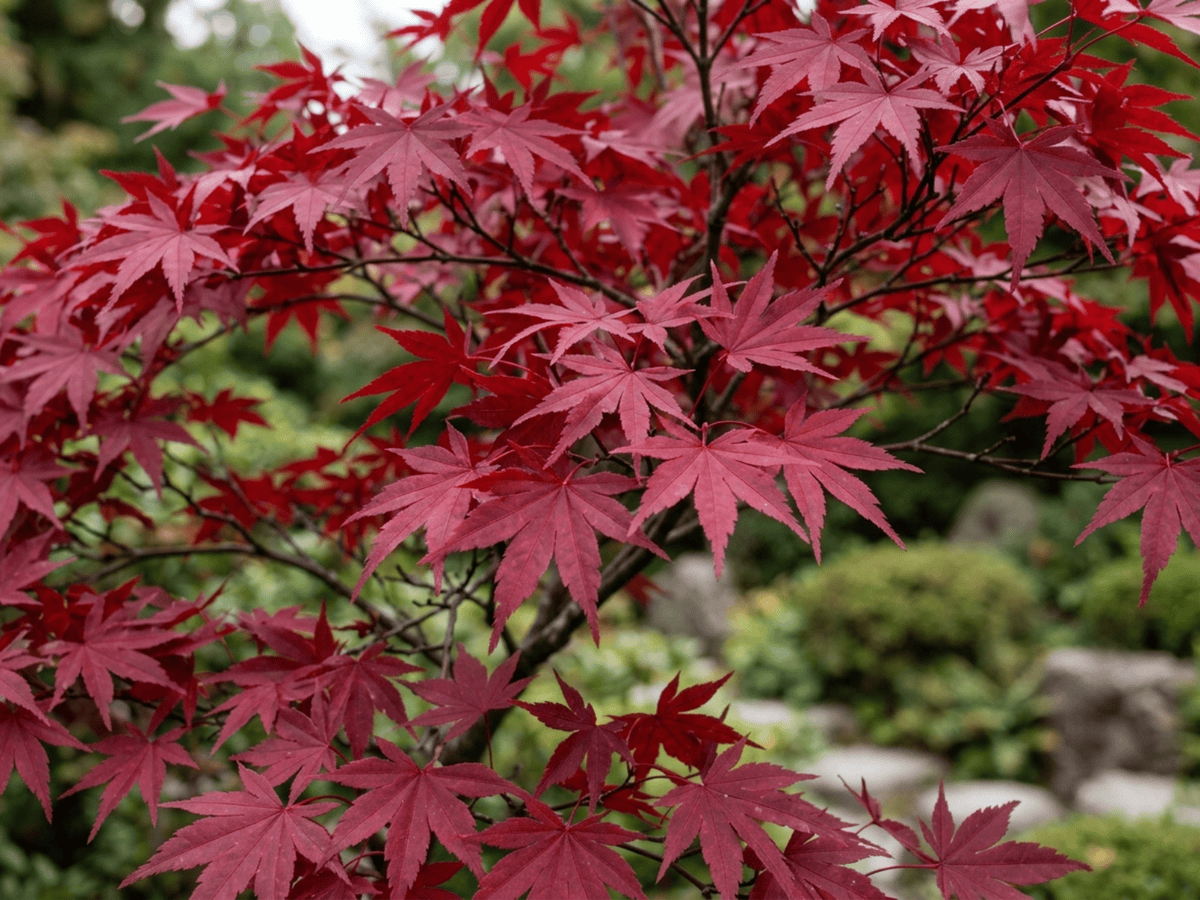 Japanese MapleAcer palmatum
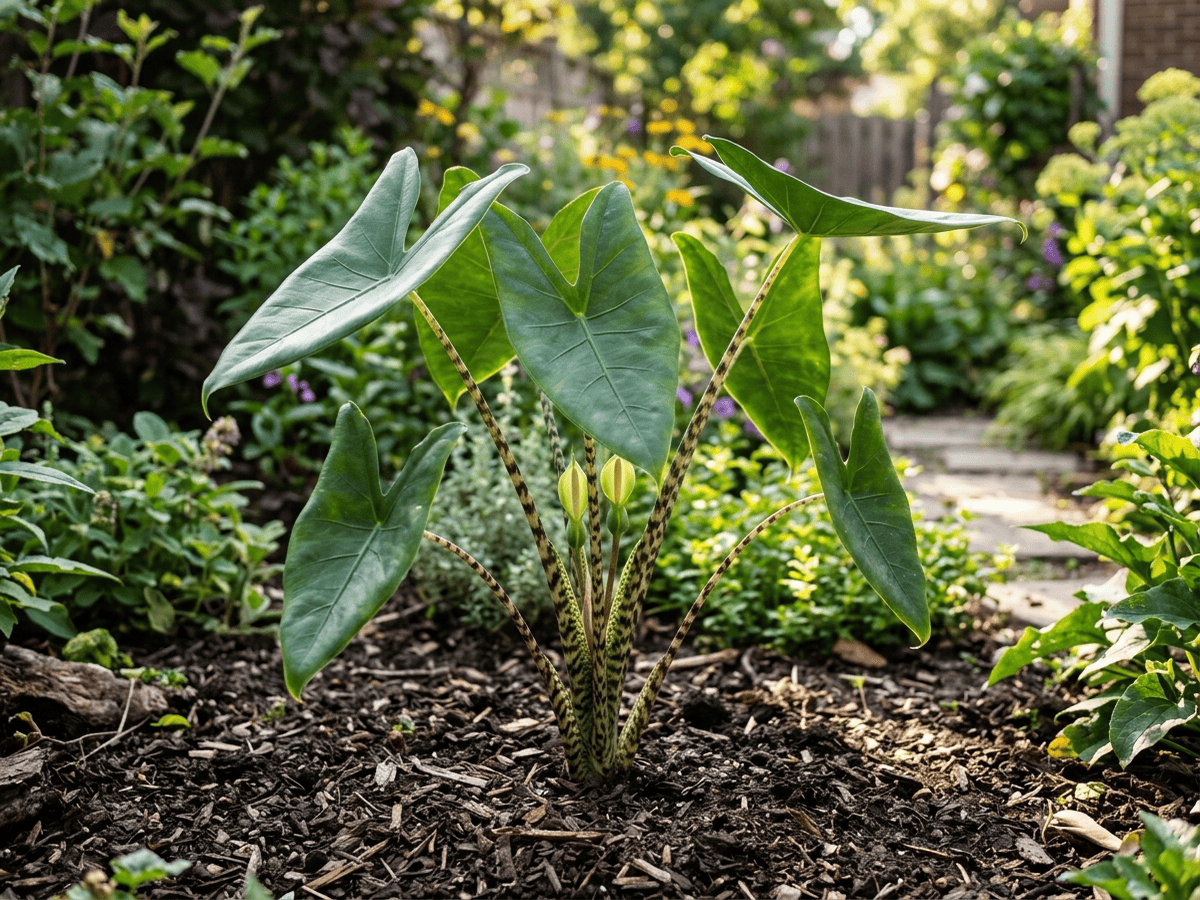 Alocasia zebrinaAlocasia zebrina
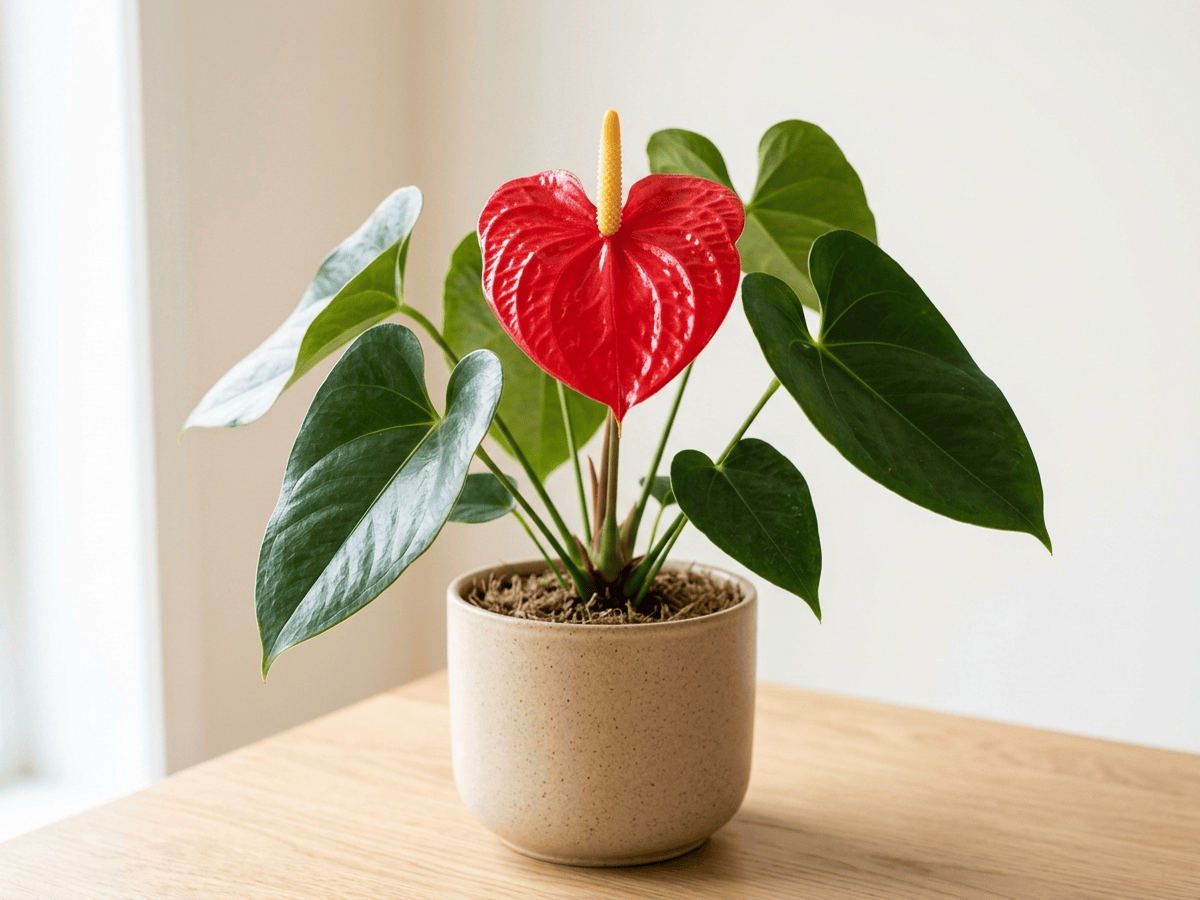 Painter's-PaletteAnthurium andraeanum
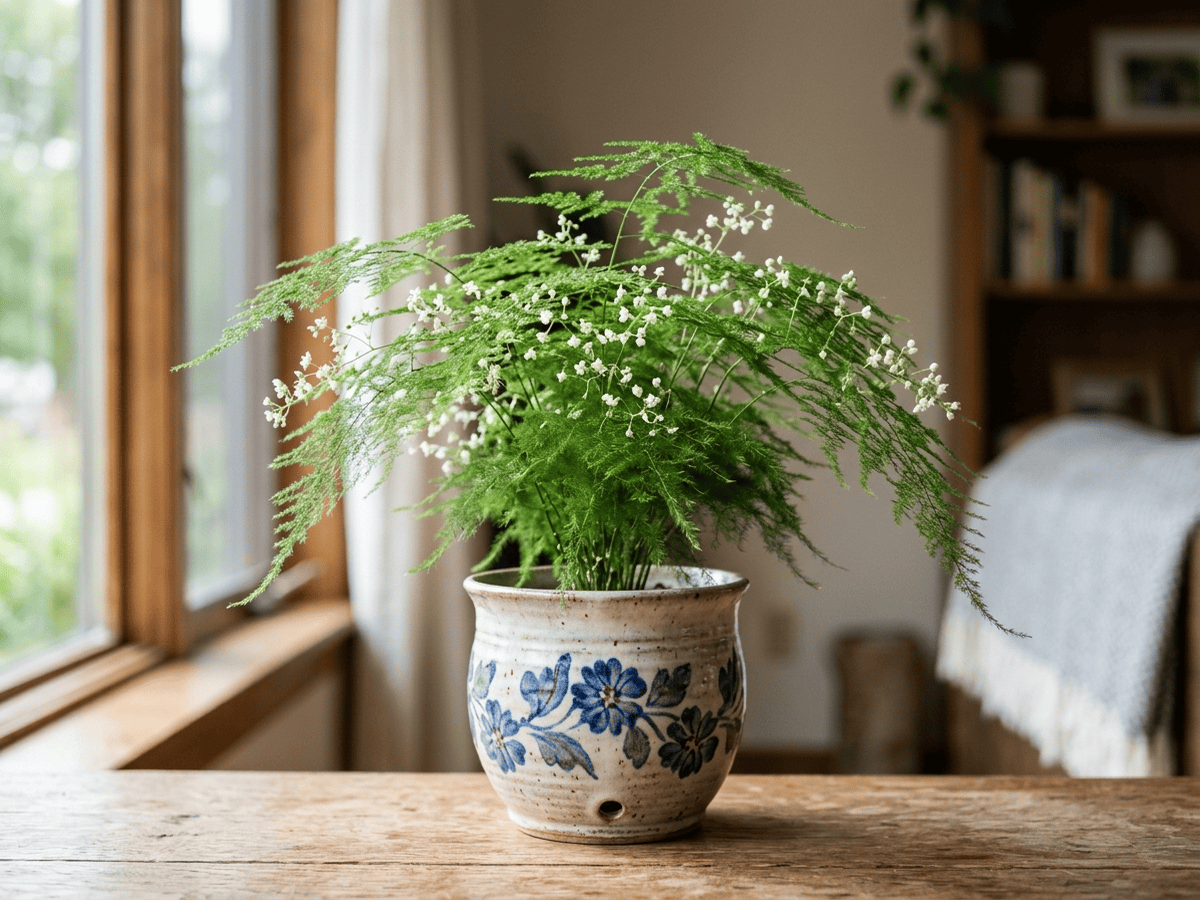 Common Asparagus FernAsparagus setaceus
Frequently asked questions
How often should I water Fiddle-Leaf Fig?
In summer, water about every 5 days; in winter, about every 14 days. Adjust for heat, pot size and drainage.
How much light does Fiddle-Leaf Fig need?
Part shade: 2–4 hrs direct. Watch the leaves — scorching or stretching means the light needs adjusting.
Is Fiddle-Leaf Fig toxic to cats or dogs?
Pets Slight (Dogs Slight · Cats Slight) Educational information, not medical or veterinary advice. If exposure is suspected, contact a doctor or veterinarian.
Is Fiddle-Leaf Fig easy to grow?
It is moderately demanding: a good choice once you have a little experience.
Can Fiddle-Leaf Fig be grown indoors?
Yes, it adapts well to indoor growing given the right light.
YardMate
Identify any plant in seconds
Snap a photo — YardMate names the plant, diagnoses problems, and reminds you when to water.
Download on the App Store