 YardMate



Chinese Banyan
Ficus microcarpa
Easy · Beginner friendlyAbout Chinese Banyan
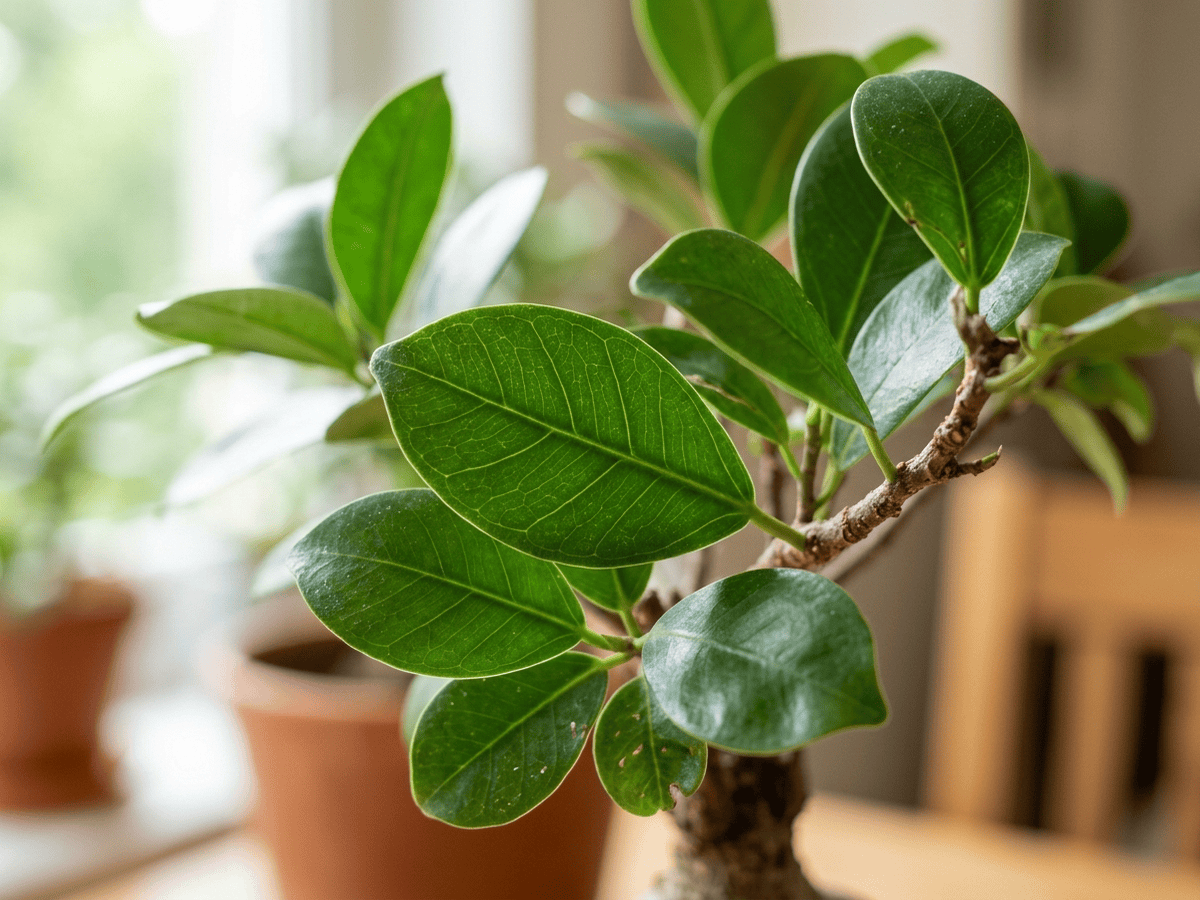
Ficus microcarpa, the Chinese banyan or ginseng ficus, is widely grown as an indoor bonsai thanks to its thick, bulbous aerial roots that form a dramatic exposed root base resembling ginseng roots. Native to tropical Asia and Australia, it naturally grows into a massive banyan tree with curtains of aerial roots. As an indoor bonsai, the 'Ginseng' cultivar stays compact with small, glossy dark green leaves on a sculptural trunk. It tolerates pruning well and adapts to indoor conditions, though it prefers bright indirect light. It is one of the best beginner bonsai species.
- Architectural
How to care for Chinese Banyan
Watering
- Springevery 7 days
- Summerevery 5 days
- Fallevery 10 days
- Winterevery 14 days
Soil · Well-draining
- Main mixLoam + bark + perlite 2:1:175%
- DrainageLECA25%
Bark keeps the mix from compacting under a heavy root ball.
FERTILIZER
Balanced Feed 14-14-14
An even feed covers all three needs at once, keeping leaves, roots and blooms moving together with nothing pushed out of balance.
- Nitrogen · Leaves
- Phosphorus · Roots + Blooms
- Potassium · Strength
- Springevery 30 days
- Summerevery 30 days
- Fallevery 60 days
At a Glance
- NativeSouth Asia, East Asia, Australasia
- Height4–8 ft (1.2–2.4 m)
- Spread2–4 ft (0.6–1.2 m)
- Foliage colorGreen
- Fruit colorGreen, Red
- SoilWell-drained, Loamy, Rich
- LocationsIndoor
Bloom time
BLOOM CYCLE
Tiny figs appear occasionally; inconspicuous
Fragrance
NO FRAGRANCE
Not fragrant.
Toxicity
Humans Slight · Pets Slight
ficin and latex
Slight
- Leaf
- Sap
- Contact
EXPOSURE Touching leaves and sap.
EFFECT Contact dermatitis from latex sap.
NOTE Same mild latex toxicity as other Ficus species.
Slight
- Leaf
- Sap
- Ingestion
EXPOSURE Eating leaves and sap.
EFFECT Oral irritation, vomiting, diarrhea, dermatitis from sap contact and per ASPCA Ficus listing.
NOTE Same mild latex toxicity as other Ficus species.
Slight
- Leaf
- Sap
- Ingestion
EXPOSURE Eating leaves and sap.
EFFECT Oral irritation, vomiting, diarrhea, dermatitis from sap contact and per ASPCA Ficus listing.
NOTE Same mild latex toxicity as other Ficus species.
Educational information, not medical or veterinary advice. If exposure is suspected, contact a doctor or veterinarian.
DISTRIBUTION


- Native
- Introduced
- South Asia
- East Asia
- Australasia
History
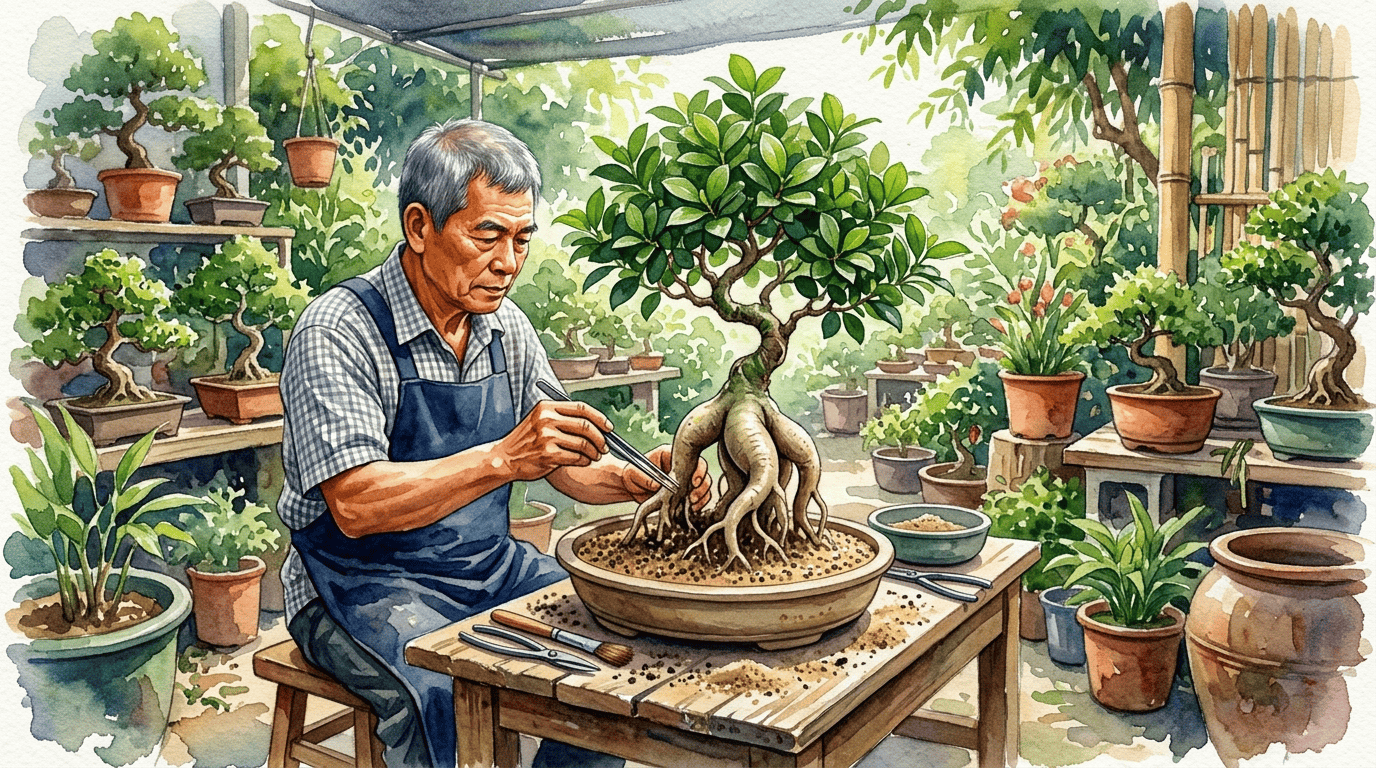
Ficus microcarpa ranges natively from southern India through mainland Southeast Asia to southern China, the Philippines, Taiwan, the Malay Archipelago, and northern Australia, where it grows as a large evergreen hemi-epiphyte that frequently begins life in the crook of another tree. In subtropical cities from Hong Kong to Los Angeles it is one of the most widely planted street trees, prized for its dense canopy but criticized for aggressive surface roots that lift sidewalks. In Chinese, Japanese, and Taiwanese bonsai traditions it is one of the most widely used species for beginners, valued for its willingness to produce aerial roots on demand.
Naturalized as an invasive in Hawaii, south Florida, and parts of the Caribbean, where wasp coevolution has allowed it to begin producing viable seed. Mild latex toxicity. Ficus microcarpa is one of the most invasive trees in tropical cities worldwide — its seeds, spread by birds, germinate in building cracks and wall crevices, sending roots that can damage infrastructure.
In Hong Kong and Singapore, century-old specimens are protected heritage trees, their aerial root curtains forming natural cathedrals. The 'Ginseng' bonsai form was developed by Taiwanese growers who discovered that seedlings grown in deep sand develop the characteristic bulbous root base. These roots are then exposed, trimmed, and the plant is sold as an instant bonsai — making bonsai accessible to beginners without years of training.
Symbolism & meaning
What It Symbolizes
The Chinese Banyan is a tree of Wisdom — close kin to the sacred Bodhi under which the Buddha is said to have reached enlightenment. Its aerial roots descend, fuse, and form pillared groves that feel like temples in slow motion. To sit beneath one is to enter a long conversation between root, branch, and contemplation.
- Wisdom — Related to the sacred Bodhi tree, the banyan represents knowledge and enlightenment
Where the Name Comes From
The name Chinese Banyan points to China. Ficus is Latin for fig. Microcarpa means 'small-fruited' from Greek 'mikros' (small) and 'karpos' (fruit).
Uses & Fun Facts
- Massive spreading canopy shades streets and plazas
- Iconic banyan-style aerial roots create dramatic form
- Trained as popular bonsai subject worldwide
Related plants
More Ficus plants
 Ficus AudreyFicus audrey
 Weeping FigFicus benjamina
 Common FigFicus carica
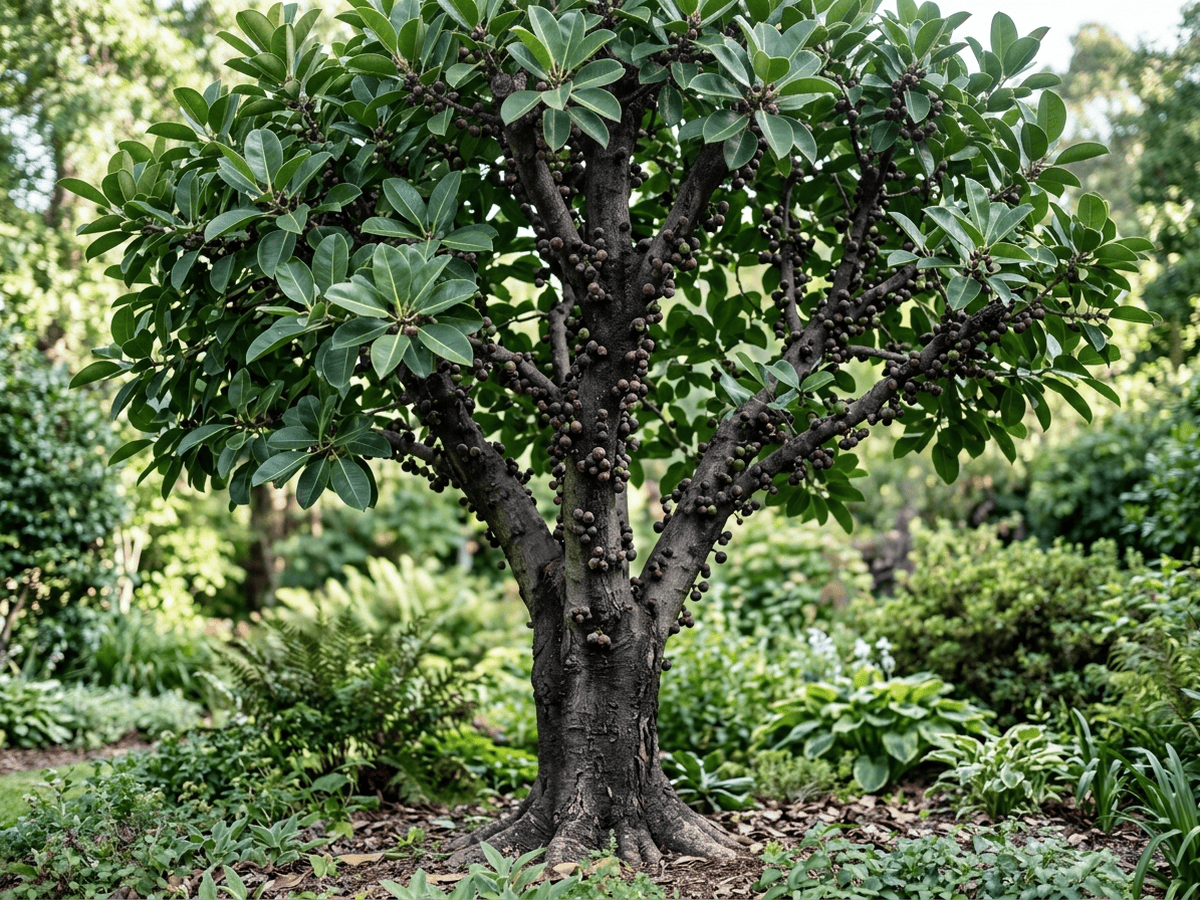 Bastard Natal FigFicus craterostoma
Plants with similar care
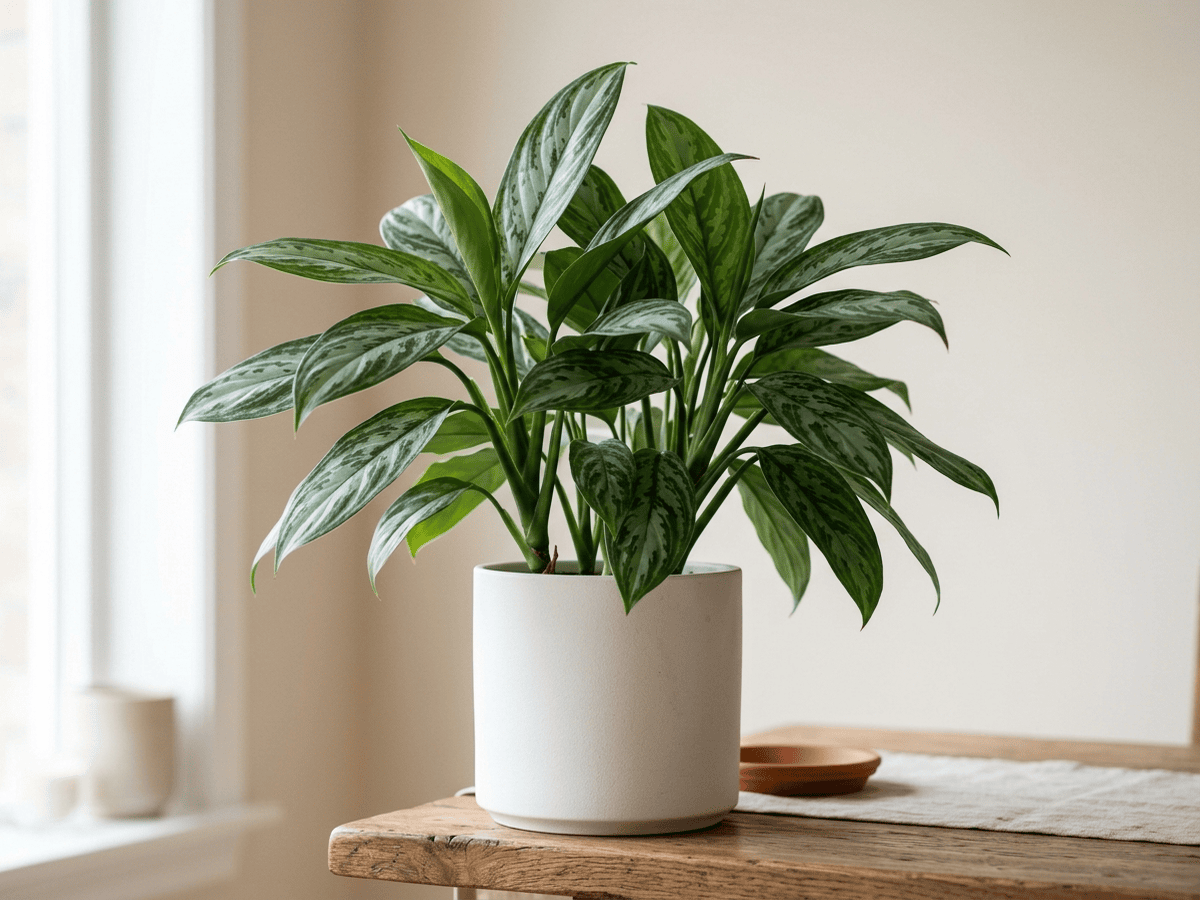 Philippine EvergreenAglaonema commutatum
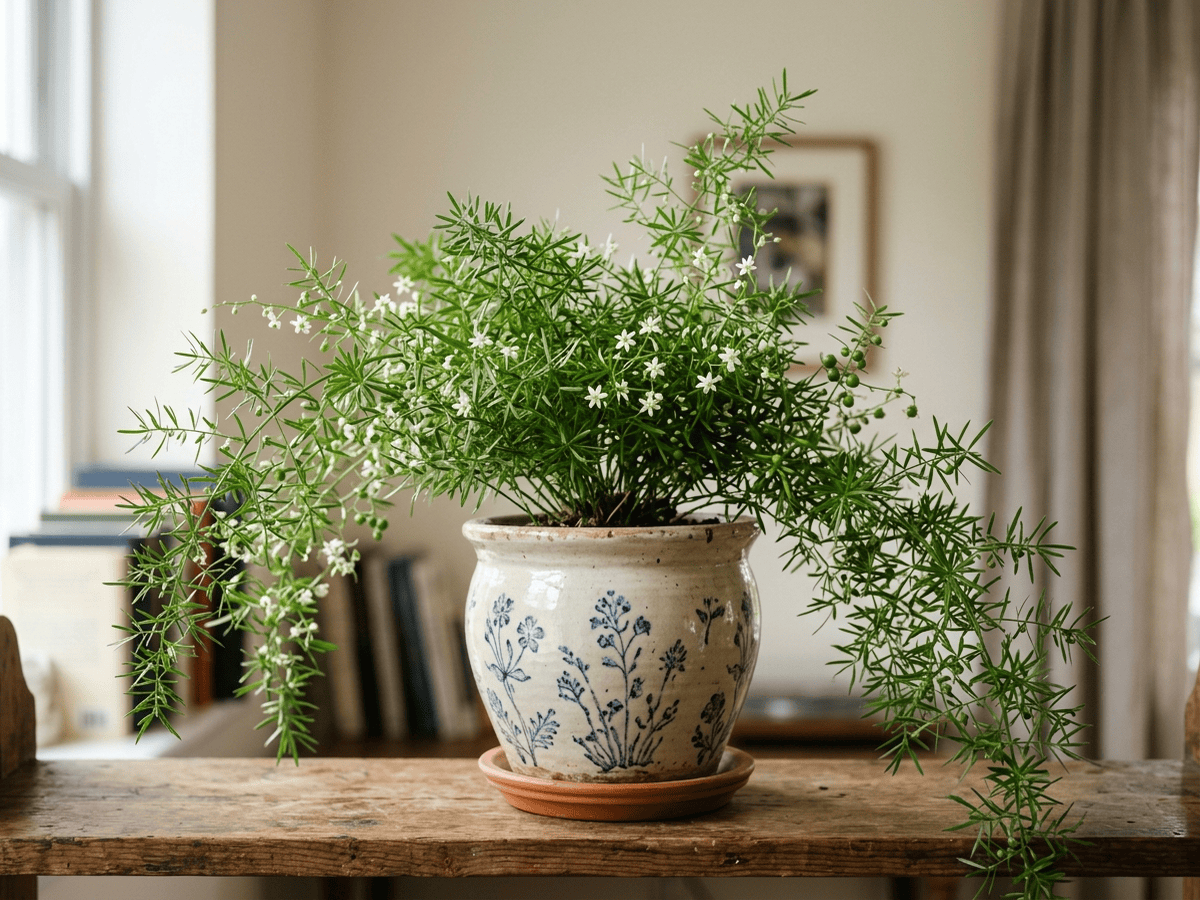 Sprenger's AsparagusAsparagus densiflorus
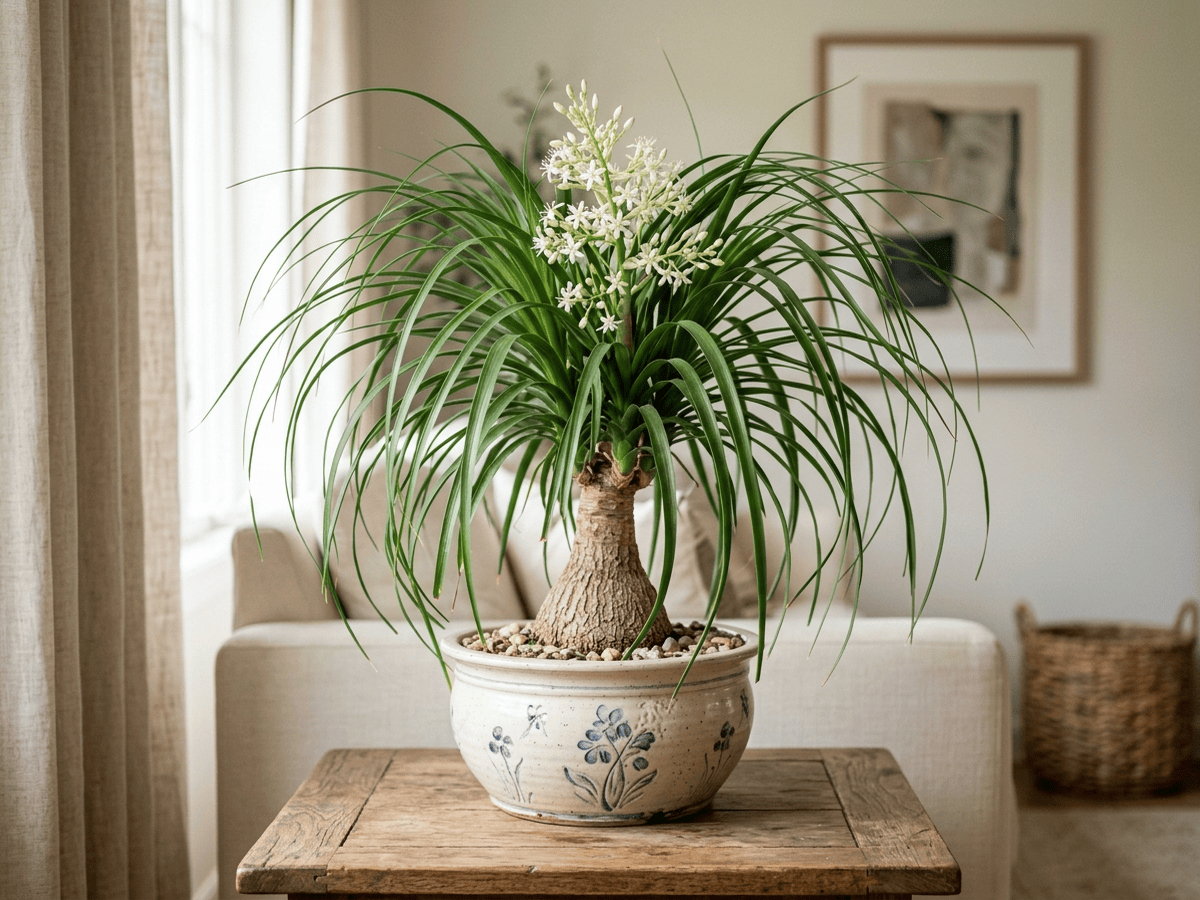 Ponytail PalmBeaucarnea recurvata
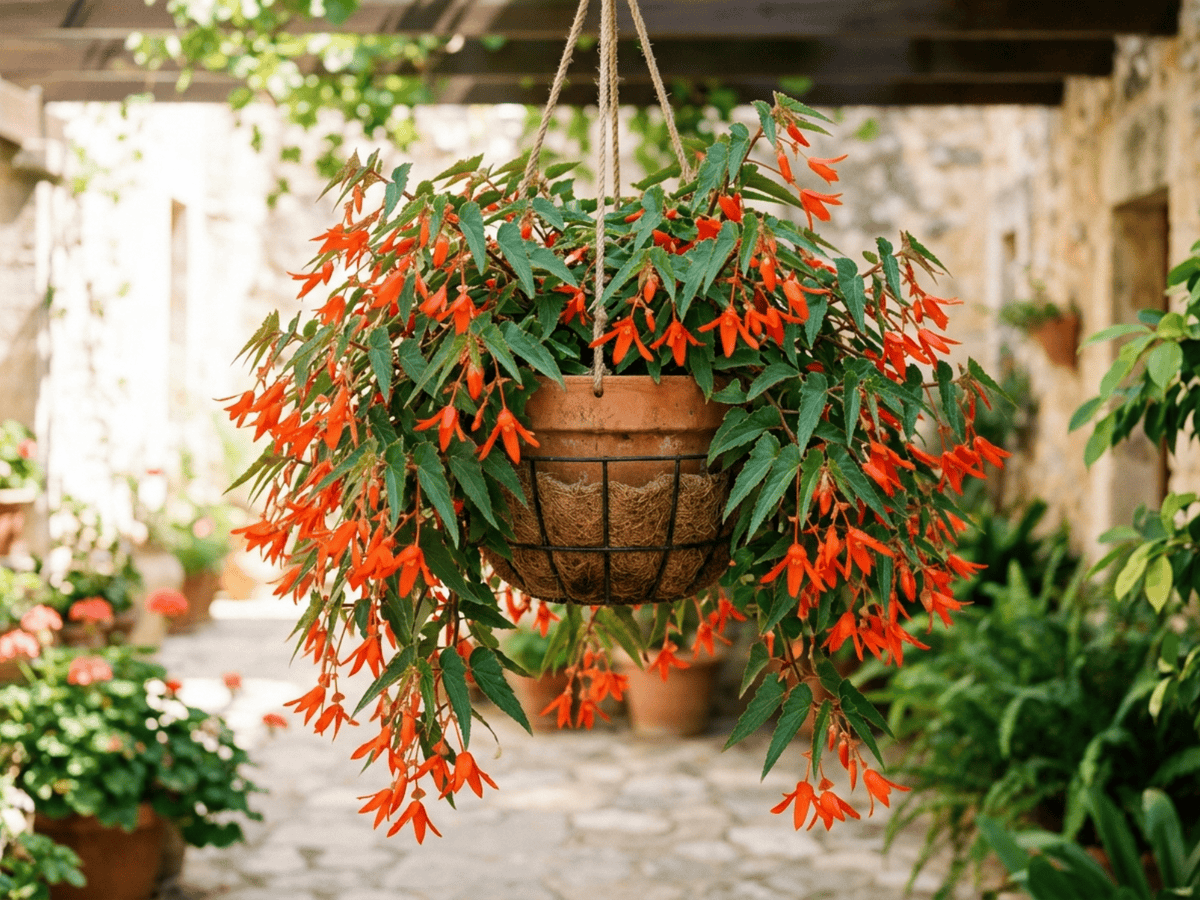 Tuberous BegoniaBegonia boliviensis
Frequently asked questions
How often should I water Chinese Banyan?
In summer, water about every 5 days; in winter, about every 14 days. Adjust for heat, pot size and drainage.
How much light does Chinese Banyan need?
Part shade: 2–4 hrs direct. Watch the leaves — scorching or stretching means the light needs adjusting.
Is Chinese Banyan toxic to cats or dogs?
Pets Slight (Dogs Slight · Cats Slight) Educational information, not medical or veterinary advice. If exposure is suspected, contact a doctor or veterinarian.
Is Chinese Banyan easy to grow?
Yes — it is considered an easy, beginner-friendly plant.
Can Chinese Banyan be grown indoors?
Yes, it adapts well to indoor growing given the right light.
YardMate
Identify any plant in seconds
Snap a photo — YardMate names the plant, diagnoses problems, and reminds you when to water.
Download on the App Store