 YardMate


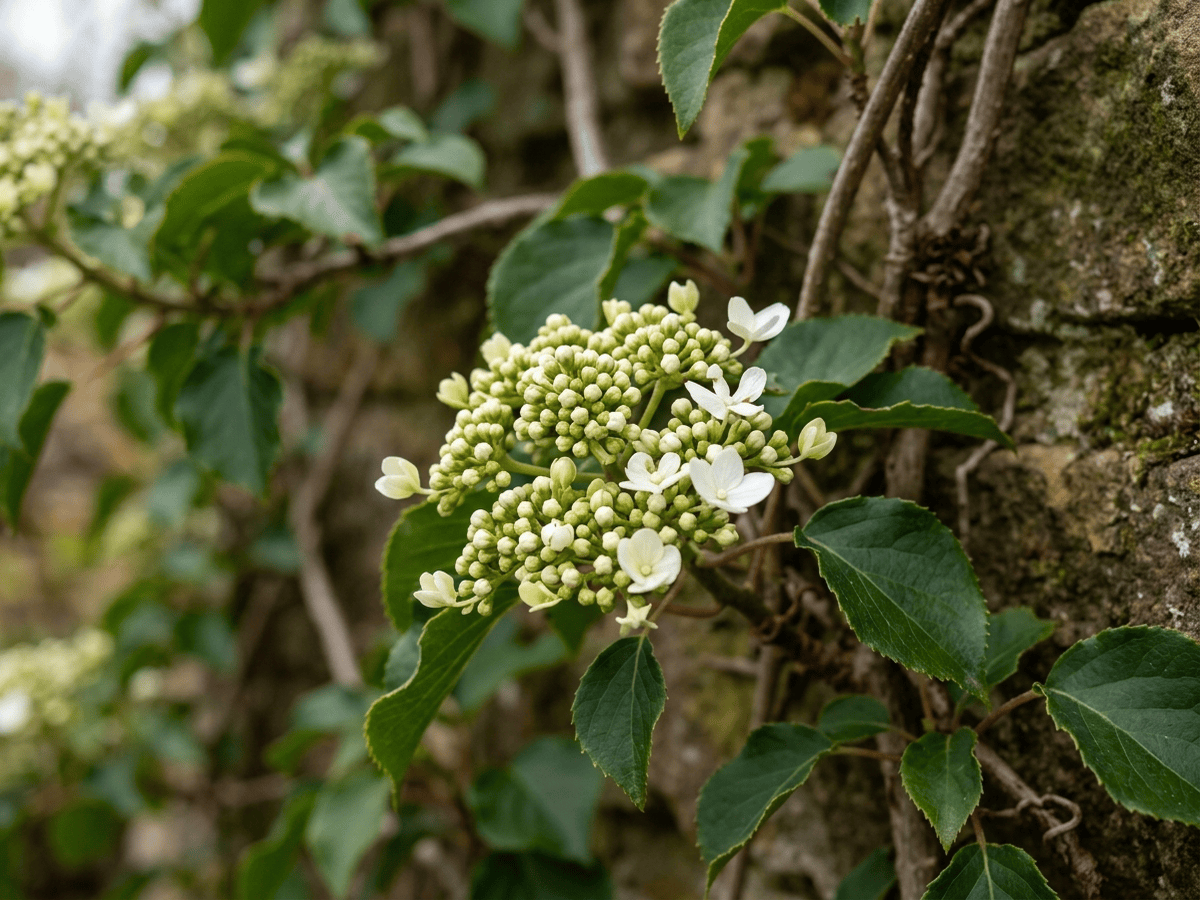

Climbing Hydrangea
Hydrangea petiolaris
Medium · Some experienceAbout Climbing Hydrangea
Climbing Hydrangea is a woody deciduous clinging vine reaching 50-80 feet, bearing large flat white lacecap flower clusters in early summer against glossy heart-shaped leaves. Its peeling cinnamon-brown bark provides winter interest. Self-clings to walls and tree trunks with aerial rootlets — no trellis needed. One of the finest climbers for shaded walls and tree trunks in the Northeast and Pacific Northwest US, though slow to establish.
- Shade-tolerant
- Climbing
How to care for Climbing Hydrangea
Watering
- Springevery 7 days
- Summerevery 5 days
- Fallevery 10 days
- Winterevery 21 days
Soil · Rich & loamy
- Top dressingBark mulch15%
- Main mixRich loam + compost 3:170%
- DrainageGravel15%
Use fully finished compost — fresh compost burns roots.
FERTILIZER
Balanced Feed 14-14-14
An even feed covers all three needs at once, keeping leaves, roots and blooms moving together with nothing pushed out of balance.
- Nitrogen · Leaves
- Phosphorus · Roots + Blooms
- Potassium · Strength
- Springevery 30 days
- Summerevery 60 days
At a Glance
- NativeEast Asia
- Height30–50 ft (9.1–15.2 m)
- Spread5–10 ft (1.5–3 m)
- Flower colorWhite, Cream
- Foliage colorGreen, Yellow
- SoilLoamy, Moisture-retentive, Rich
- LocationsYard
Bloom time
BLOOM CYCLE
Peak bloom
Jun–Jul
White lacecap flower clusters June to July
Fragrance
LIGHT FRAGRANCE
The flowers have a mild honey scent.
Toxicity
Humans Slight · Pets Slight
hydrangin (cyanogenic glycoside)
Slight
- Leaf
- Stem
- Flower
- Ingestion
EXPOSURE Eating leaves, stems, and flowers.
EFFECT GI upset from cyanogenic glycosides.
NOTE Documented concern for humans: GI upset from cyanogenic glycosides.
Slight
- Leaf
- Stem
- Flower
- Ingestion
EXPOSURE Eating leaves, stems, and flowers.
EFFECT Vomiting, diarrhea, lethargy.
NOTE ASPCA lists Hydrangea as toxic to dogs, cats, and horses.
Slight
- Leaf
- Stem
- Flower
- Ingestion
EXPOSURE Eating leaves, stems, and flowers.
EFFECT Vomiting, diarrhea, lethargy.
NOTE ASPCA lists Hydrangea as toxic to dogs, cats, and horses.
Educational information, not medical or veterinary advice. If exposure is suspected, contact a doctor or veterinarian.
DISTRIBUTION


- Native
- Introduced
- East Asia
History

Hydrangea petiolaris (most taxonomists now treat it as Hydrangea anomala subsp. petiolaris) is native to Japan (all main islands), Korea, the Russian Kuril Islands and Sakhalin, and Taiwan. German botanists Siebold and Zuccarini described it in 1840 in Flora Japonica. Uniquely among hydrangeas commonly grown in gardens, this plant is self-clinging via aerial rootlets that adhere to bark, masonry, or stone—much like English ivy or Boston ivy.
Mature specimens can climb 15+ meters up a large tree trunk or wall. In early summer, flat-topped lacecap inflorescences to 25 cm wide combine tiny cream fertile florets at the center with a ring of showy white sterile bracts around the perimeter. In the following years the exfoliating cinnamon-colored bark becomes a major feature—especially beautiful on bare winter stems.
Siebold introduced it to Europe around 1862; slow to establish for 2-3 years but then long-lived and vigorous. Often considered the single best vine for shaded walls in temperate climates. Smaller cultivars 'Firefly' (variegated) and 'Miranda' are now available. Introduced to Western gardens in the 1860s by plant collector Charles Maries. Famously slow to bloom — young plants may take 3-5 years to flower. Once established, becomes a glorious fixture of mature Northeast US gardens.
Symbolism & meaning
What It Symbolizes
Climbing Hydrangea is patience rewarded — three to five years of looking like nothing much, then a slow ascent up a north wall, then suddenly, glorious lacecap clouds clinging thirty feet high. It is enduring beauty by definition: a vine that becomes a decades-long partnership with the wall or tree it chooses. It rewards only the gardener willing to wait — and then it keeps rewarding for a lifetime.
- Patience rewarded — slow to bloom but magnificent once mature
- Enduring beauty — decades-long partnership with a wall or tree
Where the Name Comes From
'Hydrangea' from Greek 'hydor' (water) and 'angos' (vessel), referring to cup-shaped fruits; 'petiolaris' refers to long leaf stalks.
Uses & Fun Facts
- Self-clinging vine ascends north walls and mature tree trunks
- White lacecap clusters and peeling bark provide year-round interest
Related plants
More Hydrangea plants
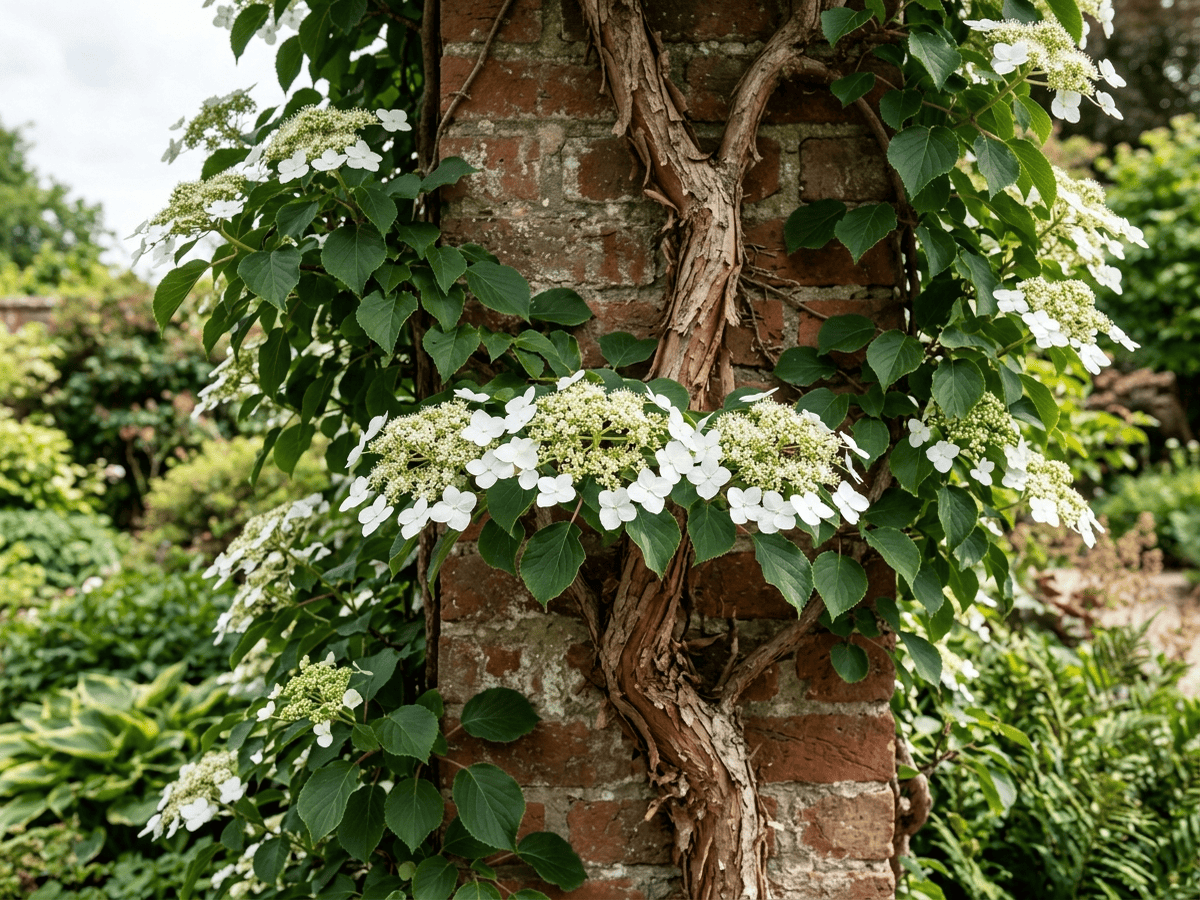 Chinese HydrangeaHydrangea anomala
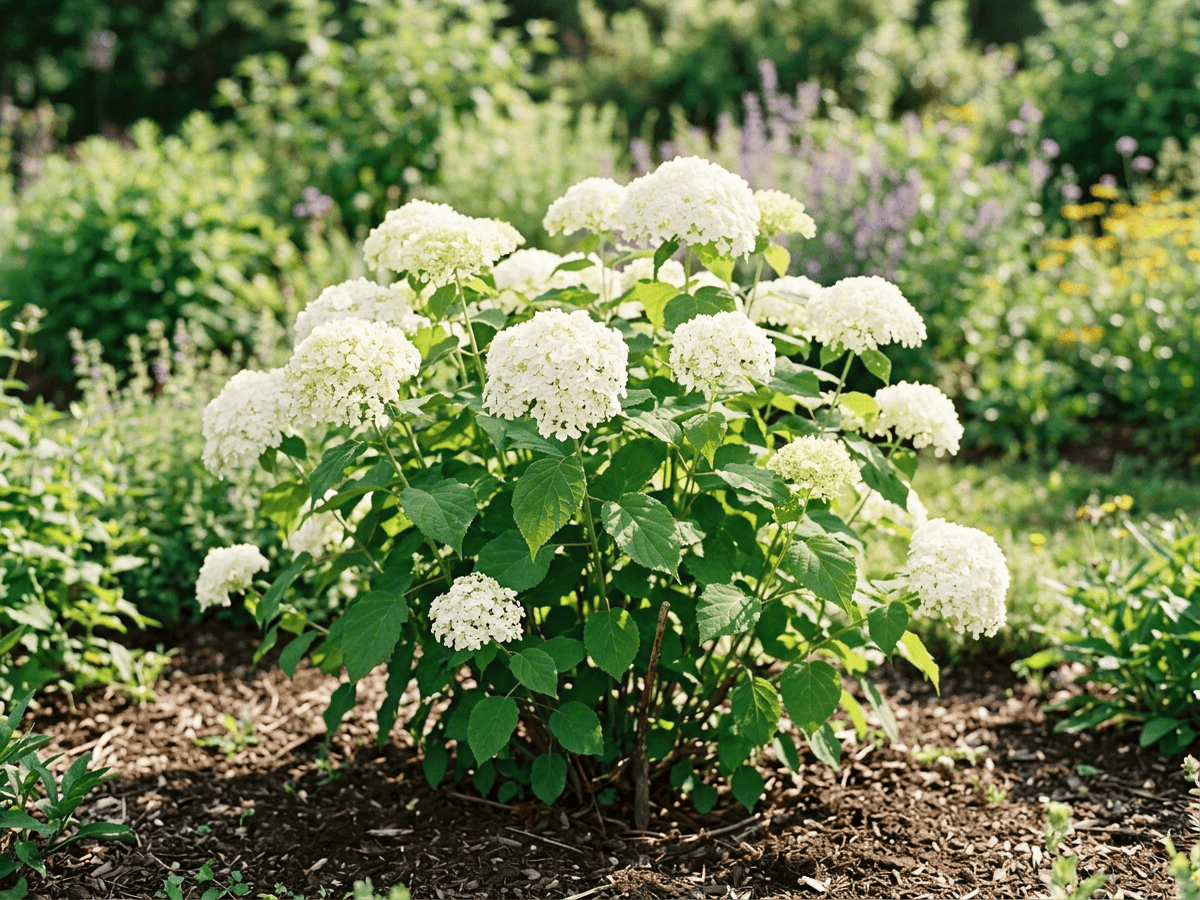 Wild HydrangeaHydrangea arborescens
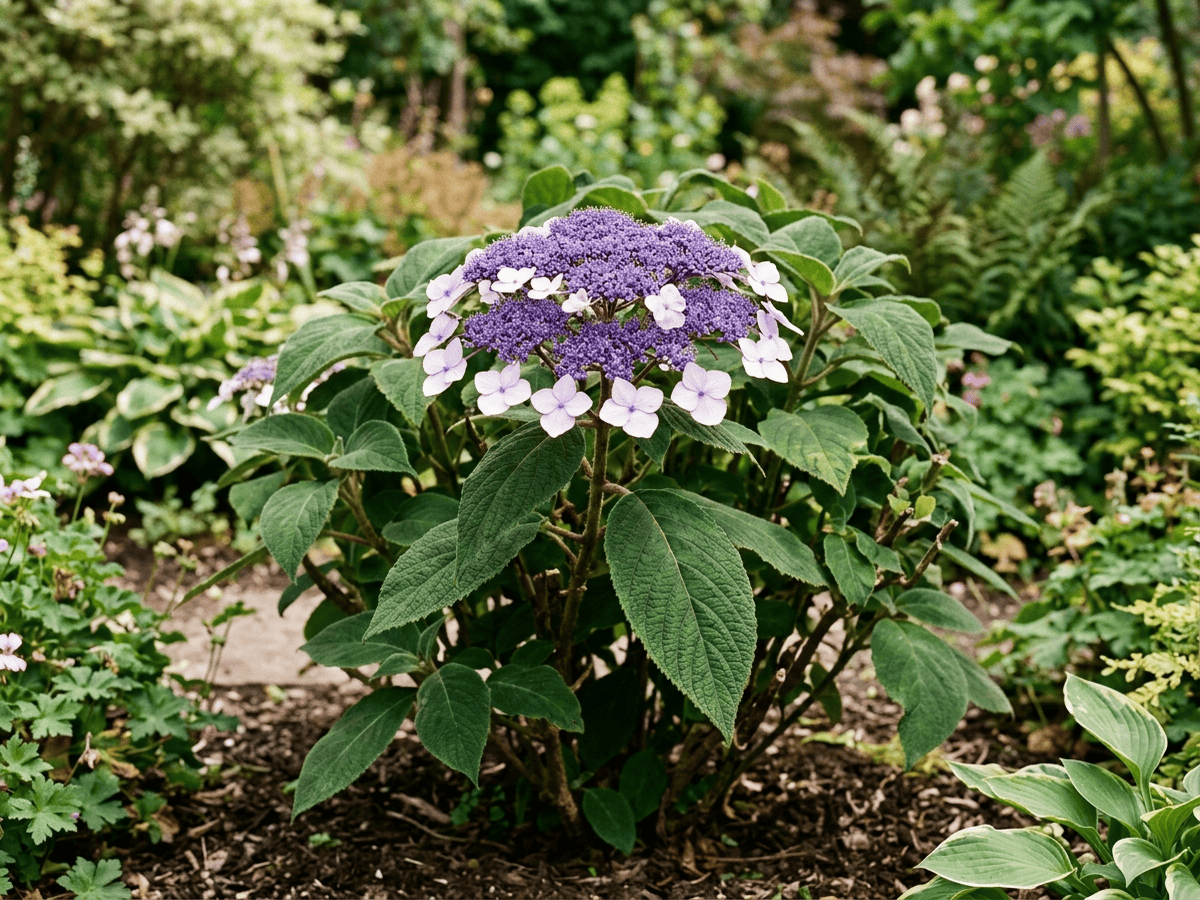 Rough-Leaved HydrangeaHydrangea aspera
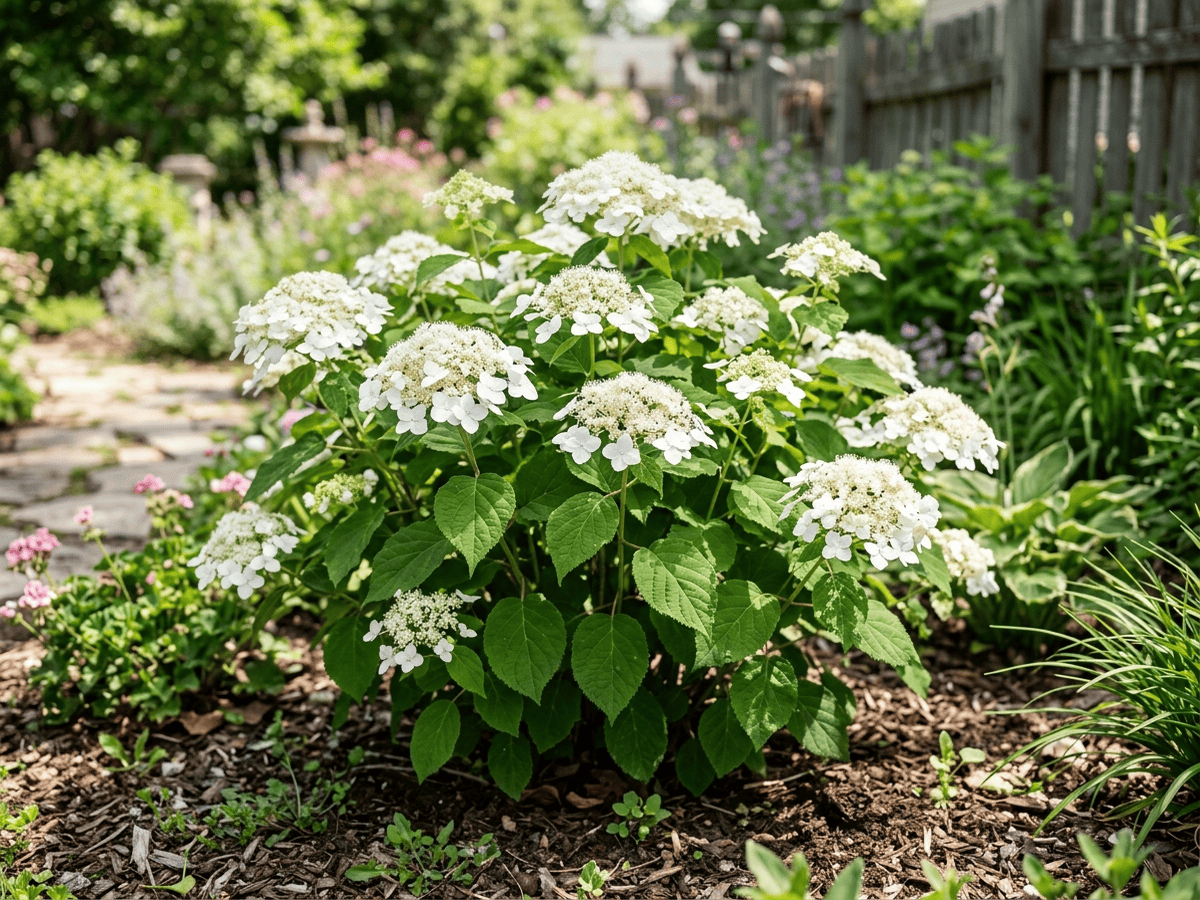 Himalayan HydrangeaHydrangea heteromalla
Plants with similar care
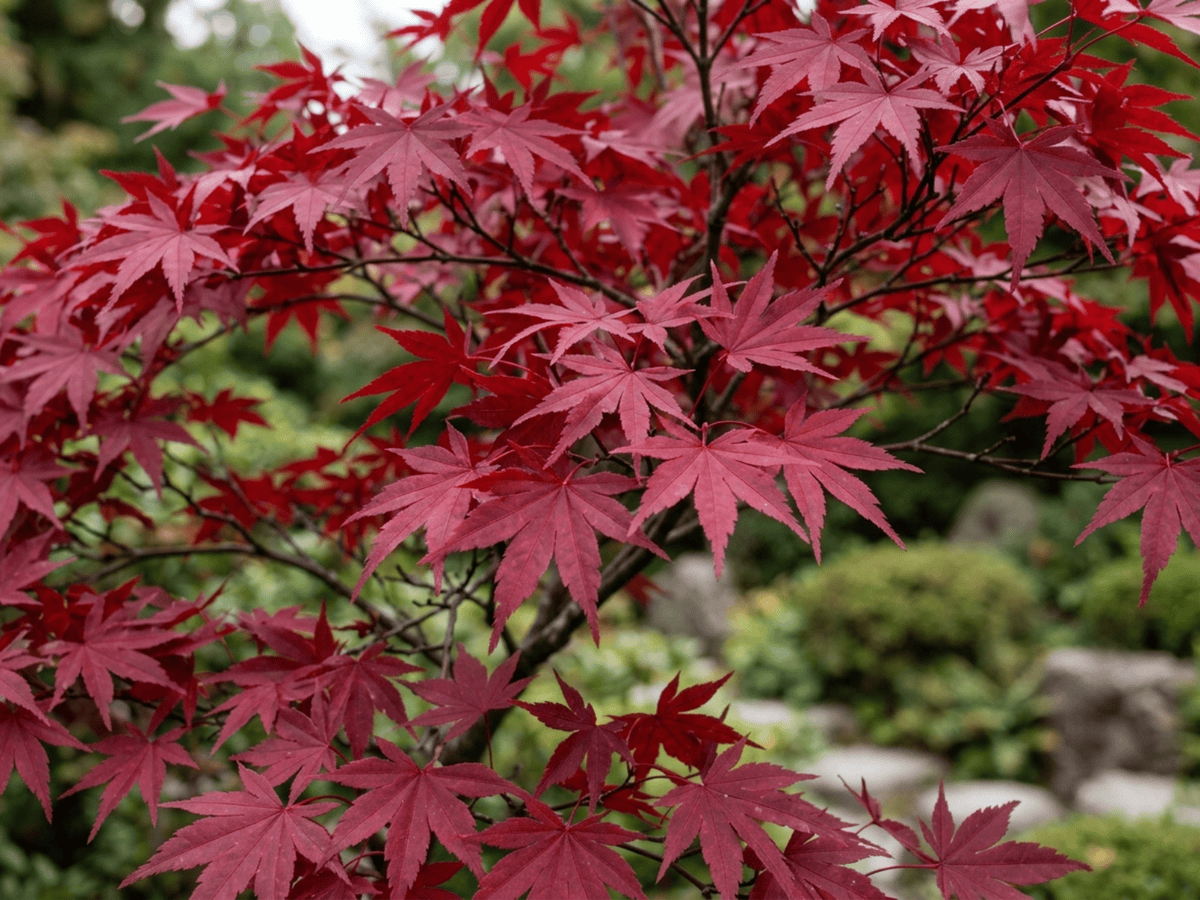 Japanese MapleAcer palmatum
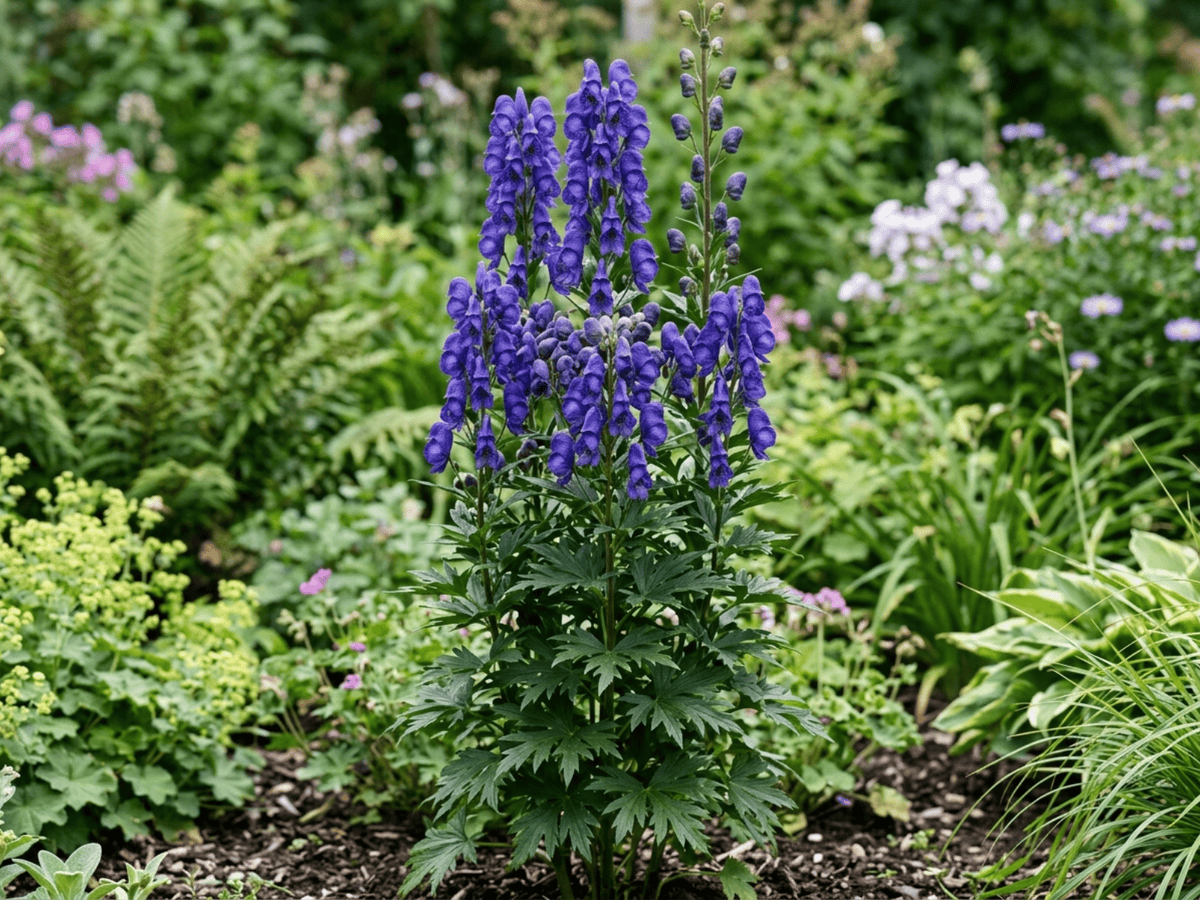 Azure MonkshoodAconitum carmichaelii
 Florida HobblebushAgarista populifolia
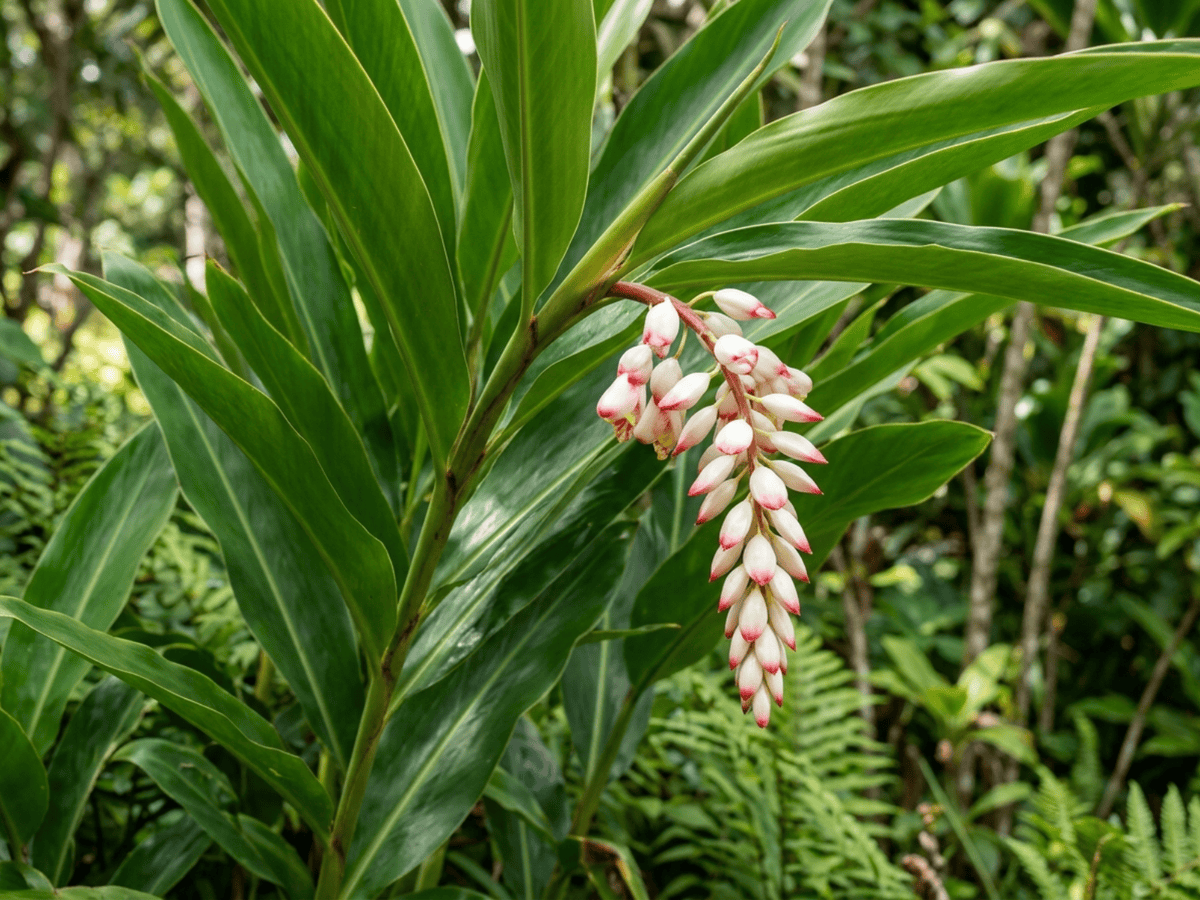 Shell GingerAlpinia zerumbet
Frequently asked questions
How often should I water Climbing Hydrangea?
In summer, water about every 5 days; in winter, about every 21 days. Adjust for heat, pot size and drainage.
How much light does Climbing Hydrangea need?
Part shade: 2–4 hrs direct. Watch the leaves — scorching or stretching means the light needs adjusting.
Is Climbing Hydrangea toxic to cats or dogs?
Pets Slight (Dogs Slight · Cats Slight) Educational information, not medical or veterinary advice. If exposure is suspected, contact a doctor or veterinarian.
Is Climbing Hydrangea easy to grow?
It is moderately demanding: a good choice once you have a little experience.
When does Climbing Hydrangea bloom?
It typically blooms Jun–Jul in the Northern Hemisphere.
YardMate
Identify any plant in seconds
Snap a photo — YardMate names the plant, diagnoses problems, and reminds you when to water.
Download on the App Store