 YardMate


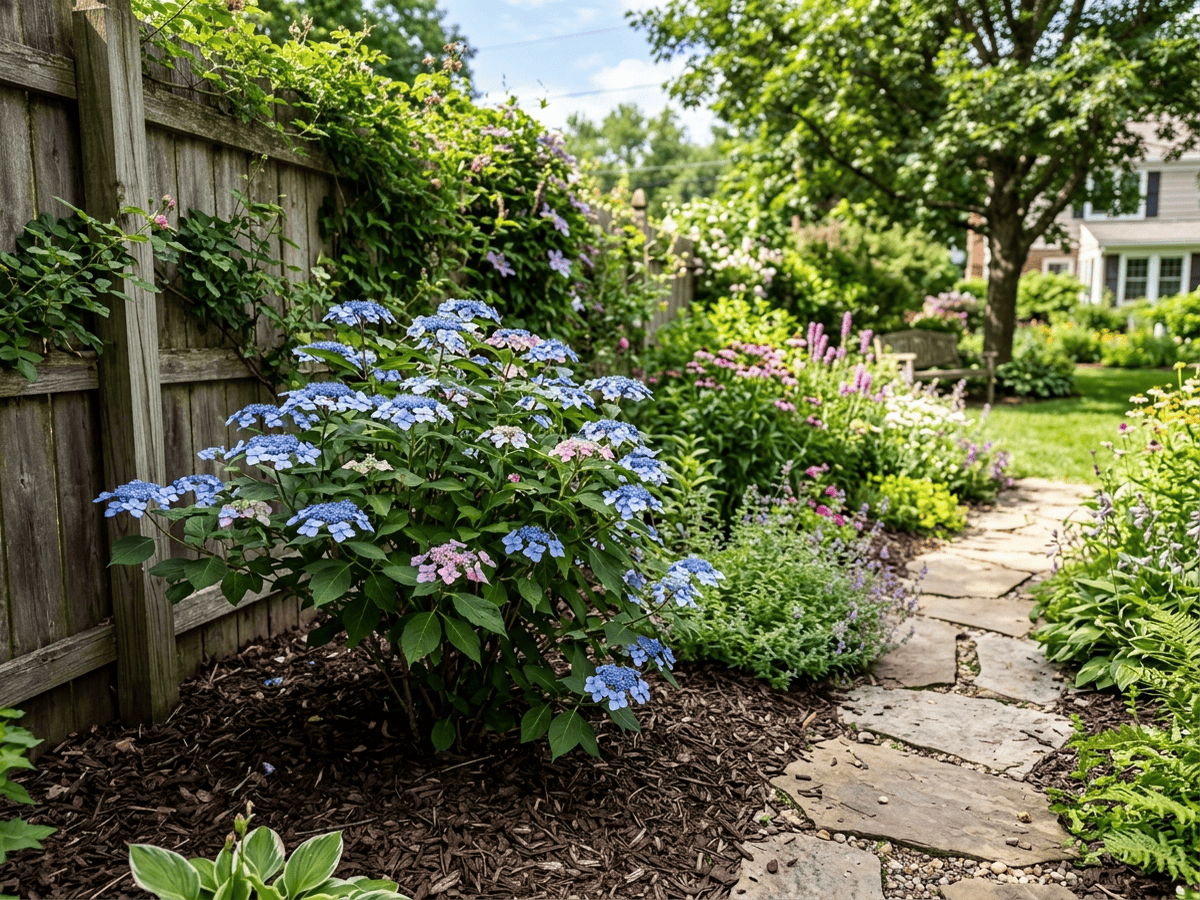
Mountain Hydrangea
Hydrangea serrata
Medium · Some experienceAbout Mountain Hydrangea
Mountain Hydrangea is a compact deciduous shrub from the mountains of Japan and Korea, reaching 2-4 feet tall with delicate lacecap flower heads in blue, pink, or white depending on soil pH. More refined and cold-hardy than its larger cousin H. macrophylla, it thrives in woodland gardens with dappled shade. The dainty flat-topped flower clusters feature tiny fertile flowers surrounded by a ring of showy sterile florets, creating an ethereal effect.
- Cold-hardy
- Shade-tolerant
- Compact
How to care for Mountain Hydrangea
Watering
- Springevery 5 days
- Summerevery 3 days
- Fallevery 7 days
- Winterevery 14 days
Soil · Rich & loamy
- Top dressingBark mulch15%
- Main mixRich loam + compost 3:170%
- DrainageGravel15%
Use fully finished compost — fresh compost burns roots.
FERTILIZER
Balanced Feed 14-14-14
An even feed covers all three needs at once, keeping leaves, roots and blooms moving together with nothing pushed out of balance.
- Nitrogen · Leaves
- Phosphorus · Roots + Blooms
- Potassium · Strength
- Springevery 30 days
- Summerevery 60 days
At a Glance
- NativeEast Asia
- Height2–4 ft (0.6–1.2 m)
- Spread2–4 ft (0.6–1.2 m)
- Flower colorPink, Blue, Purple, White
- Foliage colorGreen, Red, Purple
- SoilLoamy, Moisture-retentive, Acidic
- LocationsYard
Bloom time
BLOOM CYCLE
Peak bloom
Jun–Aug
Lacecap flowers June to August; blue in acidic soil, pink in alkaline
Fragrance
LIGHT FRAGRANCE
The flowers have a mild sweet scent.
Toxicity
Humans Slight · Pets Slight
hydrangin (cyanogenic glycoside)
Slight
- Leaf
- Stem
- Flower
- Ingestion
EXPOSURE Eating leaves, stems, and flowers.
EFFECT GI upset from cyanogenic glycosides if large amounts ingested.
NOTE Documented concern for humans: GI upset from cyanogenic glycosides if large amounts ingested.
Slight
- Leaf
- Stem
- Flower
- Ingestion
EXPOSURE Eating leaves, stems, and flowers.
EFFECT Vomiting, diarrhea, lethargy.
NOTE ASPCA lists Hydrangea as toxic to dogs, cats, and horses. Traditional amacha tea is from specifically selected cultivars and processed leaves.
Slight
- Leaf
- Stem
- Flower
- Ingestion
EXPOSURE Eating leaves, stems, and flowers.
EFFECT Vomiting, diarrhea, lethargy.
NOTE ASPCA lists Hydrangea as toxic to dogs, cats, and horses. Traditional amacha tea is from specifically selected cultivars and processed leaves.
Educational information, not medical or veterinary advice. If exposure is suspected, contact a doctor or veterinarian.
DISTRIBUTION


- Native
- Introduced
- East Asia
History

Hydrangea serrata grows in mountain forests of Japan and South Korea, usually at cooler elevations than the closely related bigleaf hydrangea. Siebold and Zuccarini described it in 1840, and the epithet serrata refers to the finely toothed leaves. In Japan it is known as mountain hydrangea; certain forms are processed into a sweet caffeine-free tea called amacha.
During the Buddhist Hana Matsuri festival on April 8, that tea is poured over statues of the infant Buddha in celebration of his birth, a ritual that gives this hydrangea a ceremonial life beyond the garden. Horticulturally it is often more delicate and cold-hardy than Hydrangea macrophylla, with lacecap flowers and elegant branching. Cultivars such as 'Bluebird', 'Preziosa', and 'Tiara' brought it into Western gardens, especially where bigleaf hydrangeas struggle with winter damage.
Symbolism & meaning
What It Symbolizes
Mountain Hydrangea is gratitude in bloom, traditionally given as a gesture of thanks in Japanese culture and central to the sweet-tea ceremonies of Buddhist temples. Its lacecap flowers reveal their understated beauty slowly, rewarding the patient observer with shifting blues and pinks. In their delicate cups lies a practiced reminder: appreciation, like the flower itself, deepens when given time.
- Gratitude — gift flower in Japanese tradition
- Understanding — delicate beauty reveals itself slowly
Where the Name Comes From
The name Mountain Hydrangea points to mountain habitats. 'Serrata' means 'saw-toothed' in Latin, referring to the serrated leaf margins.
Uses & Fun Facts
- Lacecap blooms shift blue or pink with soil pH
- Delicate flower heads dry well for arrangements and wreaths
- Compact cold-hardy shrub fits patio pots and small gardens
Related plants
More Hydrangea plants
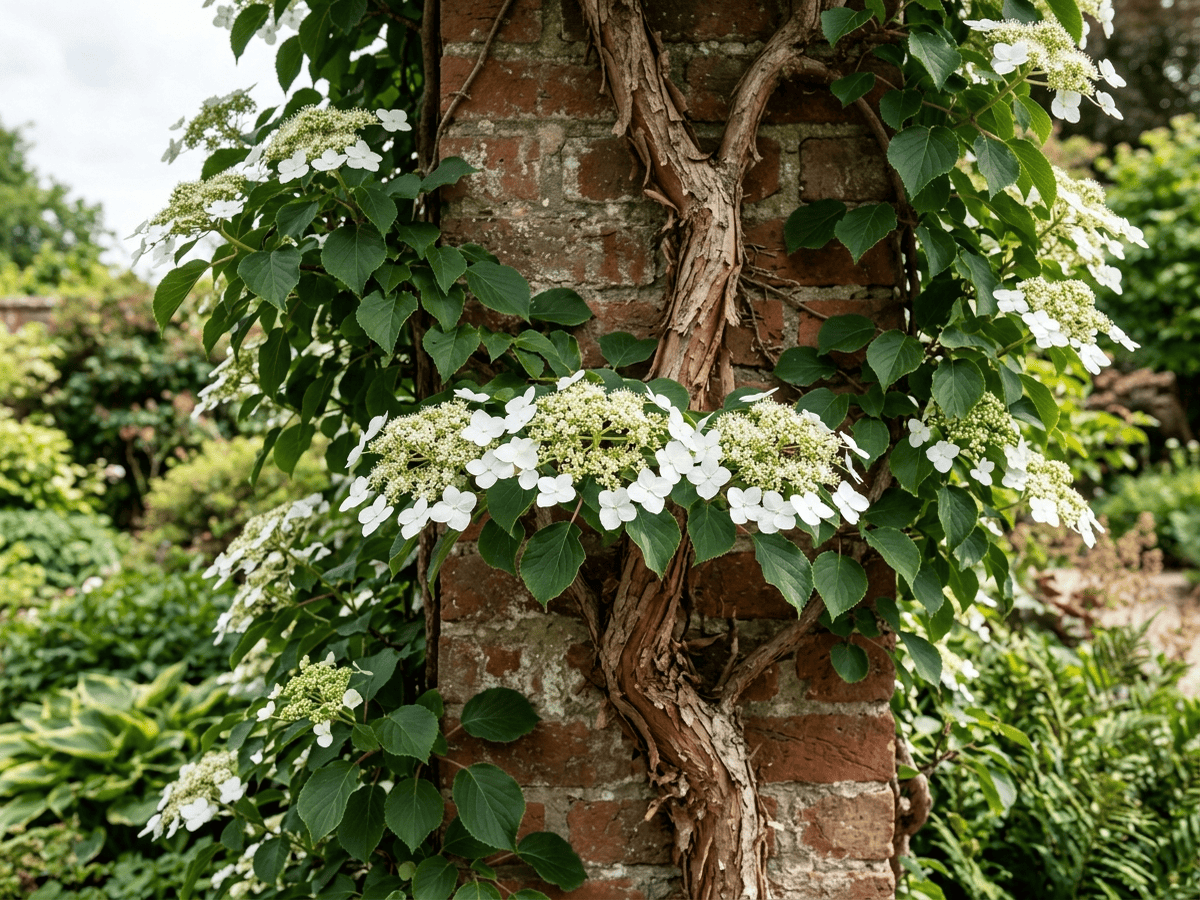 Chinese HydrangeaHydrangea anomala
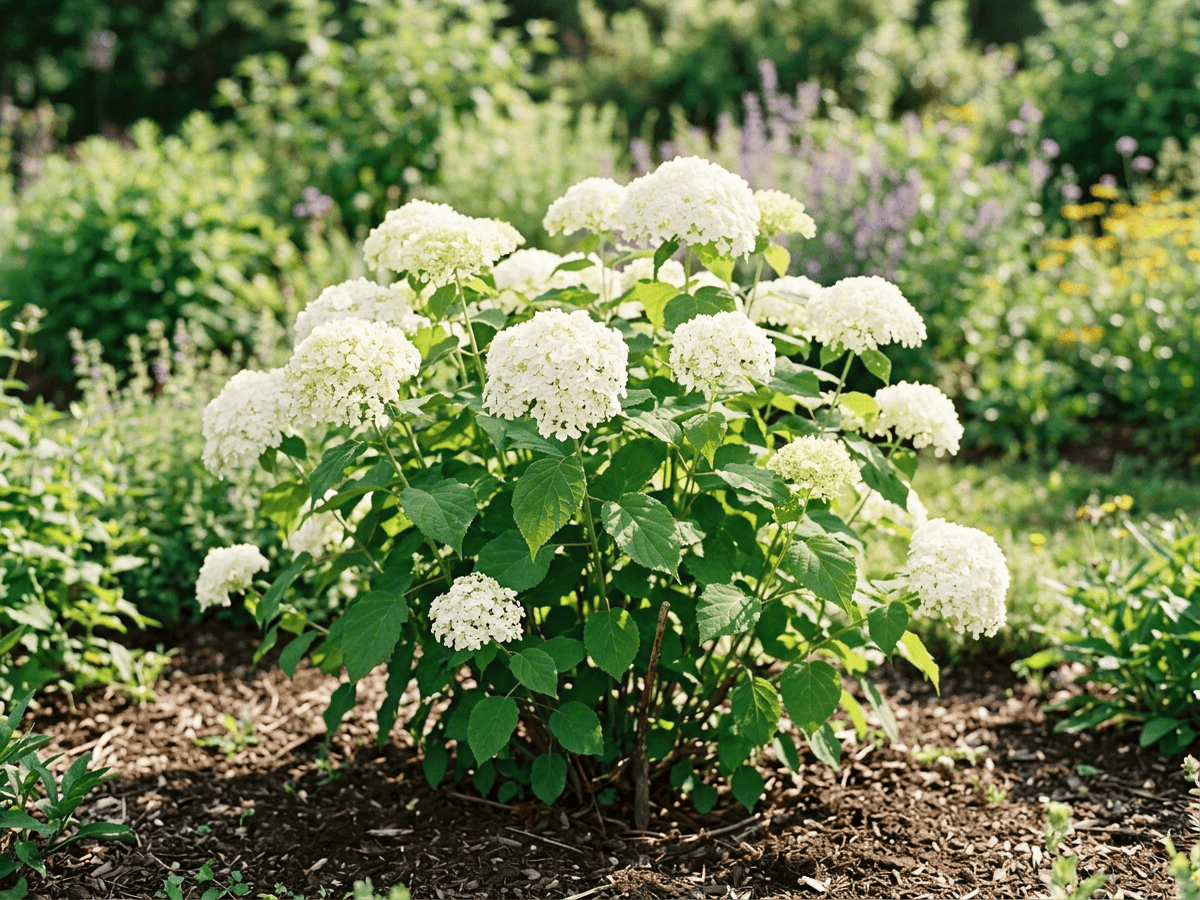 Wild HydrangeaHydrangea arborescens
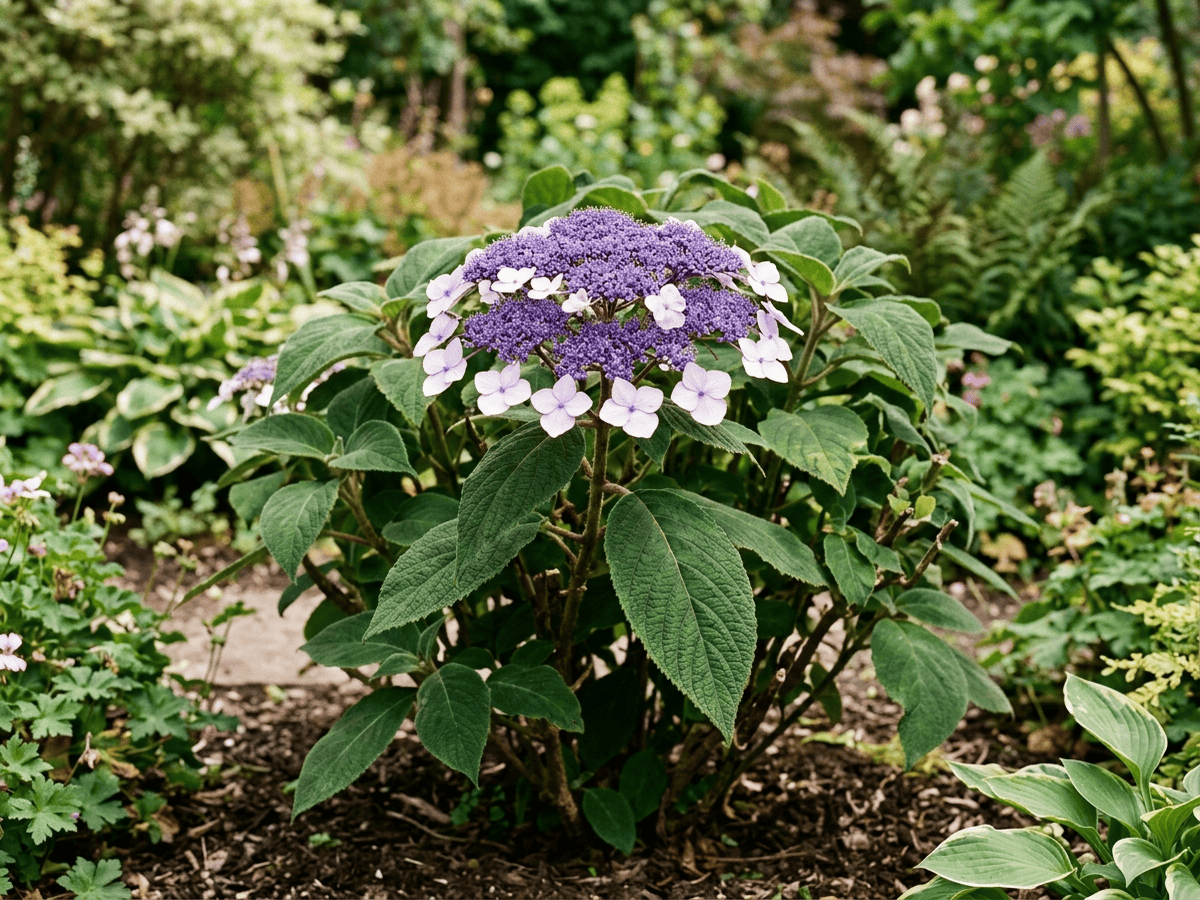 Rough-Leaved HydrangeaHydrangea aspera
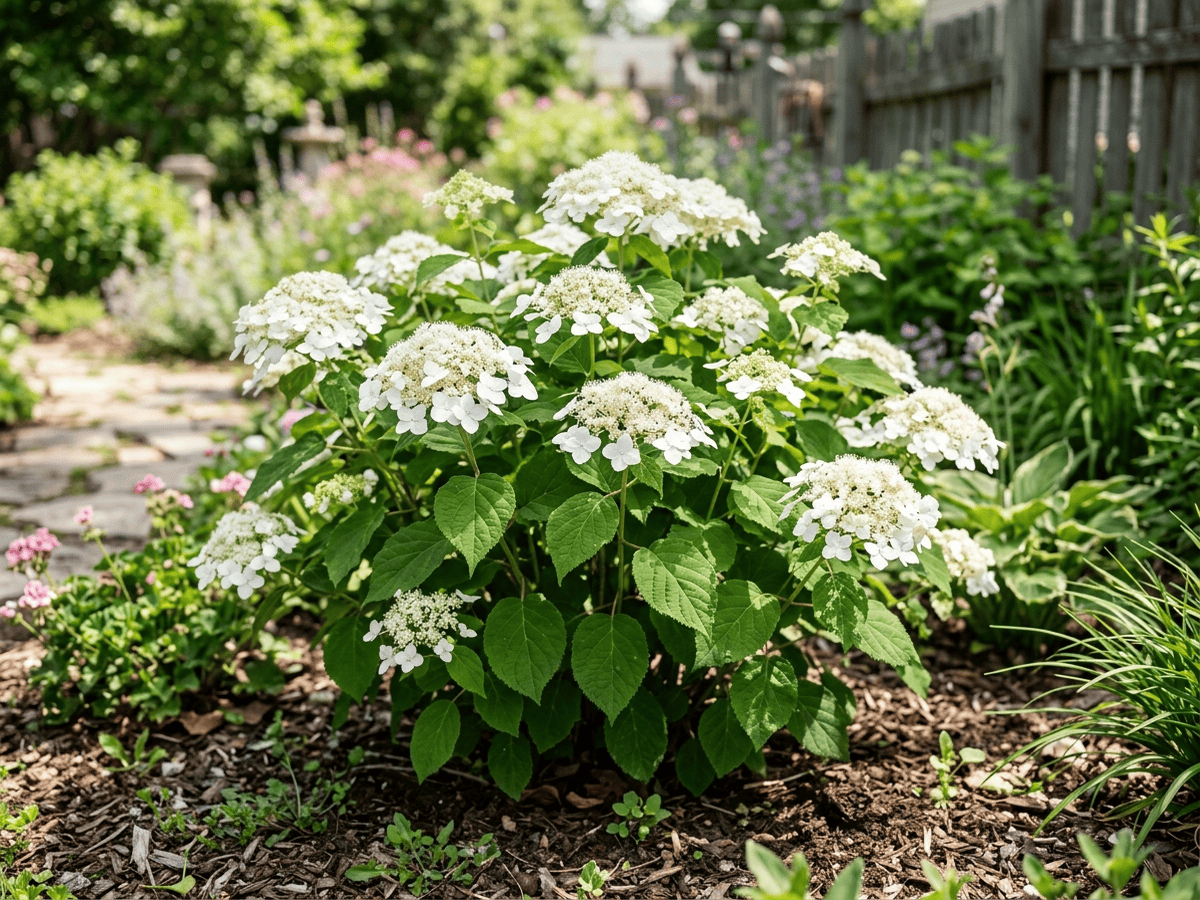 Himalayan HydrangeaHydrangea heteromalla
Plants with similar care
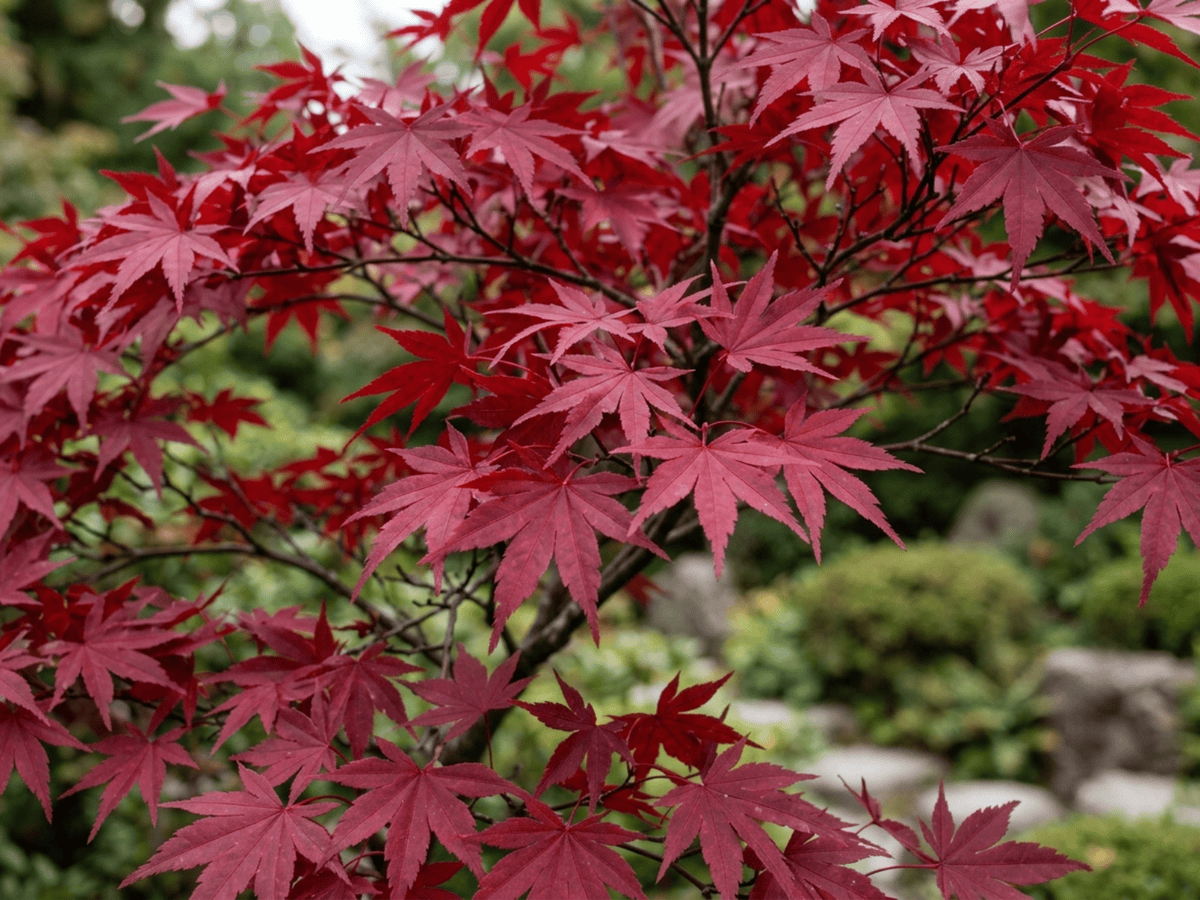 Japanese MapleAcer palmatum
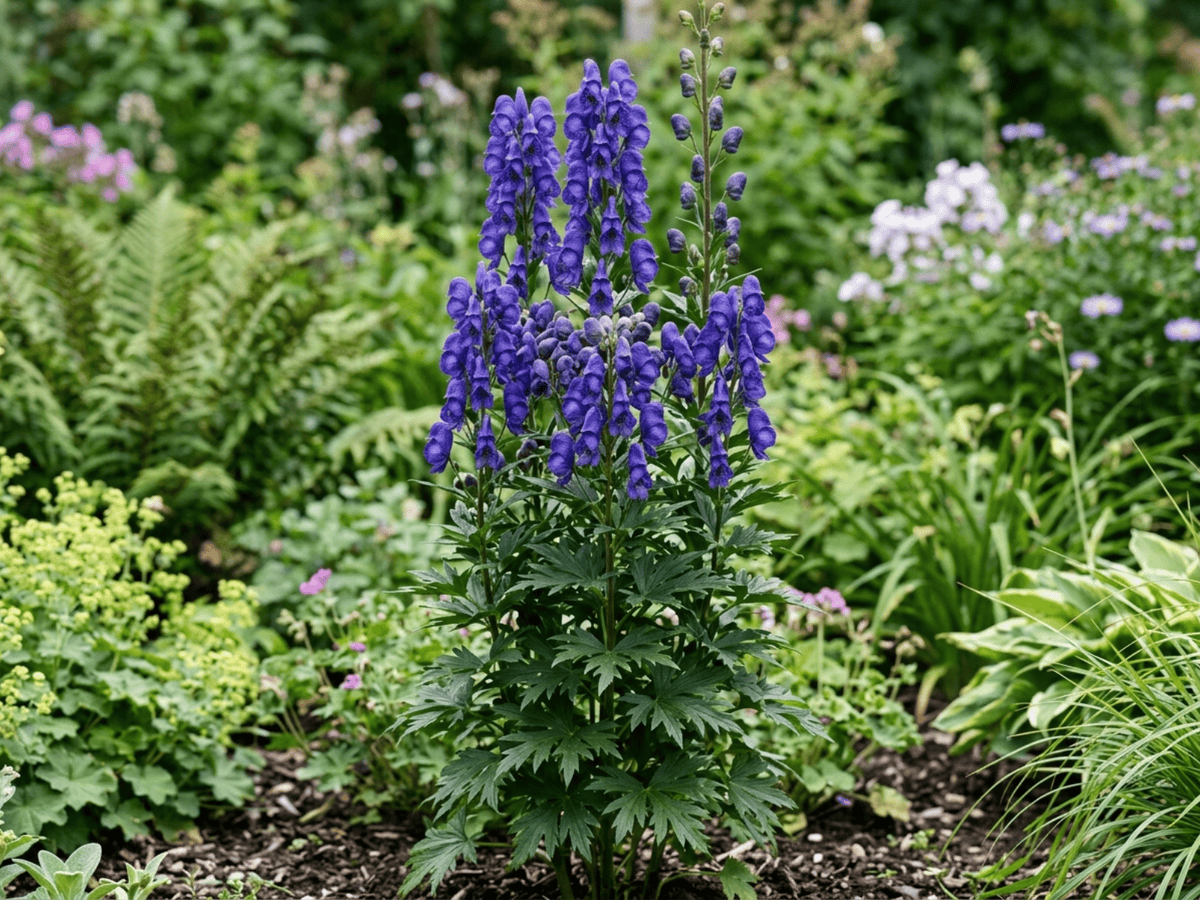 Azure MonkshoodAconitum carmichaelii
 Florida HobblebushAgarista populifolia
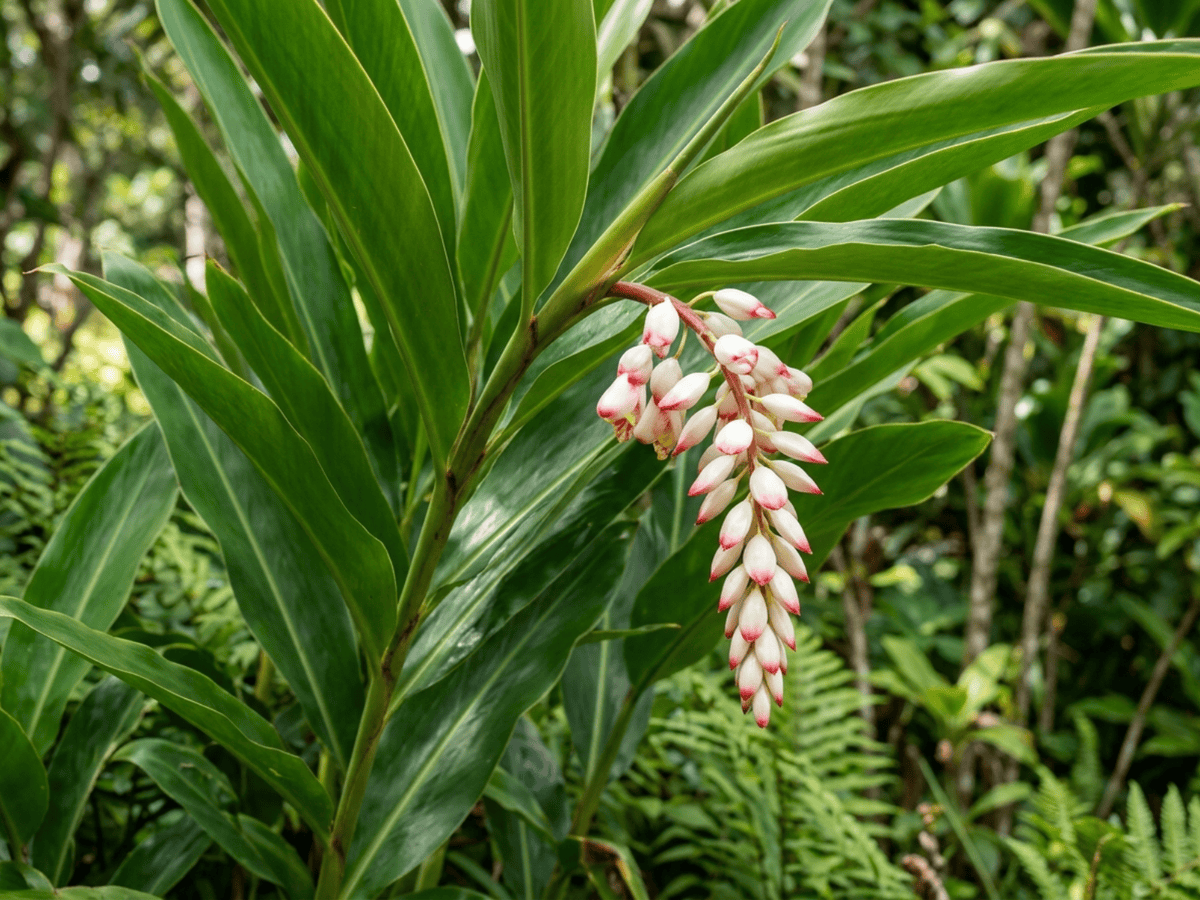 Shell GingerAlpinia zerumbet
Frequently asked questions
How often should I water Mountain Hydrangea?
In summer, water about every 3 days; in winter, about every 14 days. Adjust for heat, pot size and drainage.
How much light does Mountain Hydrangea need?
Part shade: 2–4 hrs direct. Watch the leaves — scorching or stretching means the light needs adjusting.
Is Mountain Hydrangea toxic to cats or dogs?
Pets Slight (Dogs Slight · Cats Slight) Educational information, not medical or veterinary advice. If exposure is suspected, contact a doctor or veterinarian.
Is Mountain Hydrangea easy to grow?
It is moderately demanding: a good choice once you have a little experience.
When does Mountain Hydrangea bloom?
It typically blooms Jun–Aug in the Northern Hemisphere.
YardMate
Identify any plant in seconds
Snap a photo — YardMate names the plant, diagnoses problems, and reminds you when to water.
Download on the App Store