 YardMate


European Holly
Ilex aquifolium
Easy · Beginner friendlyAbout European Holly
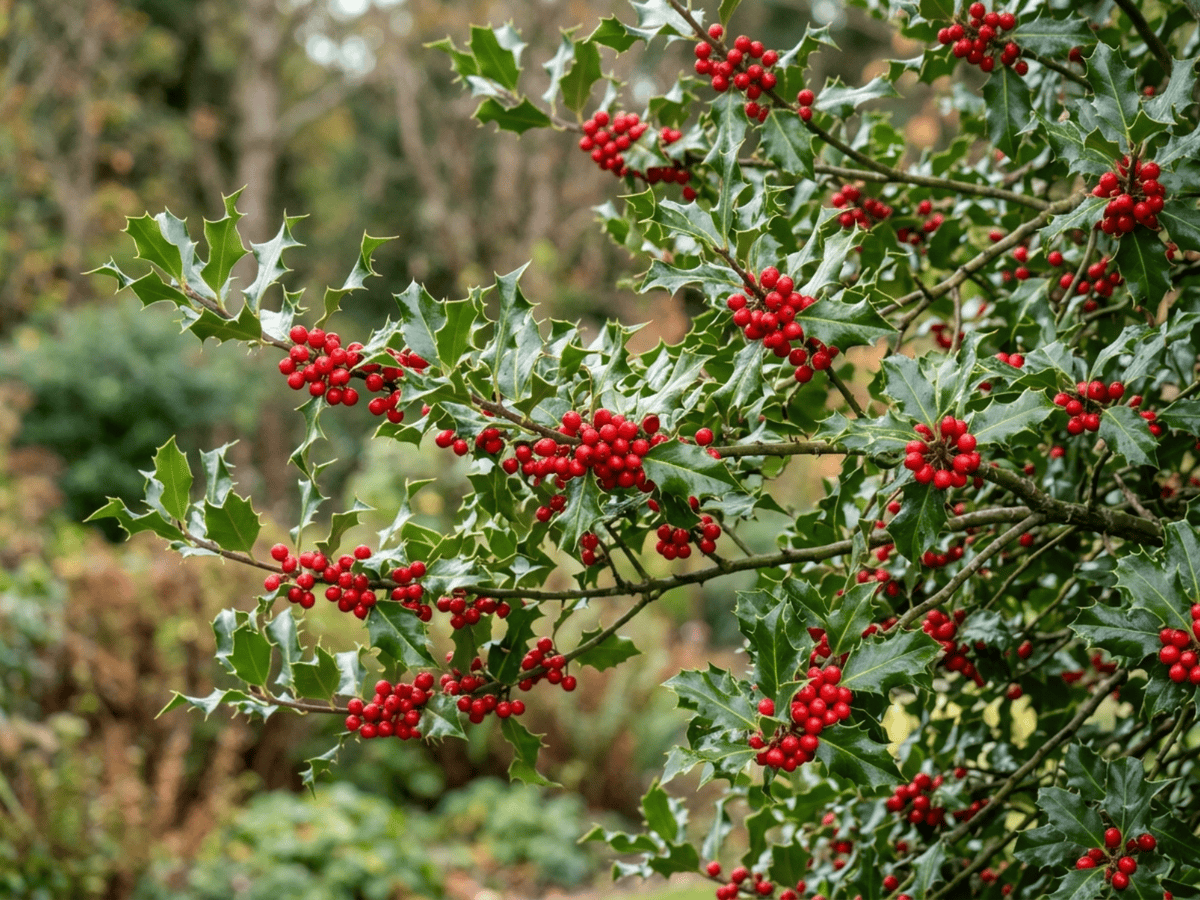
Ilex aquifolium, English holly, is an iconic evergreen tree or large shrub native to western and southern Europe, northwest Africa, and southwest Asia. It grows 10 to 15 meters tall, with a dense pyramidal form and famously spiny, glossy dark green leaves. Female plants produce the brilliant red berries that have become inseparable from Christmas tradition — but only when a male pollinator grows nearby. Holly has been revered since pre-Christian times: Romans exchanged holly branches during Saturnalia, and Druids believed it sheltered woodland fairies during winter. The wood is exceptionally hard, white, and fine-grained, prized for inlay work, chess pieces, and walking sticks. Holly is remarkably shade-tolerant and thrives in well-drained soil across a wide pH range. It responds well to formal clipping and makes an impenetrable security hedge. Birds relish the berries in late winter, making it valuable for wildlife gardens. Variegated cultivars with gold or cream leaf margins are popular ornamental choices.
- Shade-tolerant
- Evergreen
- Wildlife-friendly
How to care for European Holly
Watering
- Springevery 5 days
- Summerevery 4 days
- Fallevery 10 days
- Winterevery 21 days
Soil · Acidic · pH 4.5–6
- Top dressingPine needle mulch10%
- Main mixAcid-lover mix + peat 3:175%
- DrainageGravel15%
Never add lime or wood ash — it cancels out the acidity.
FERTILIZER
Balanced Feed 14-14-14
An even feed covers all three needs at once, keeping leaves, roots and blooms moving together with nothing pushed out of balance.
- Nitrogen · Leaves
- Phosphorus · Roots + Blooms
- Potassium · Strength
- Springevery 45 days
At a Glance
- NativeMediterranean, Africa, Western Asia
- Height15–40 ft (4.6–12.2 m)
- Spread10–20 ft (3–6.1 m)
- Flower colorWhite
- Foliage colorGreen, Variegated, Yellow
- SoilLoamy, Well-drained, Acidic
- LocationsYard
Bloom time
BLOOM CYCLE
Peak bloom
Mar–May
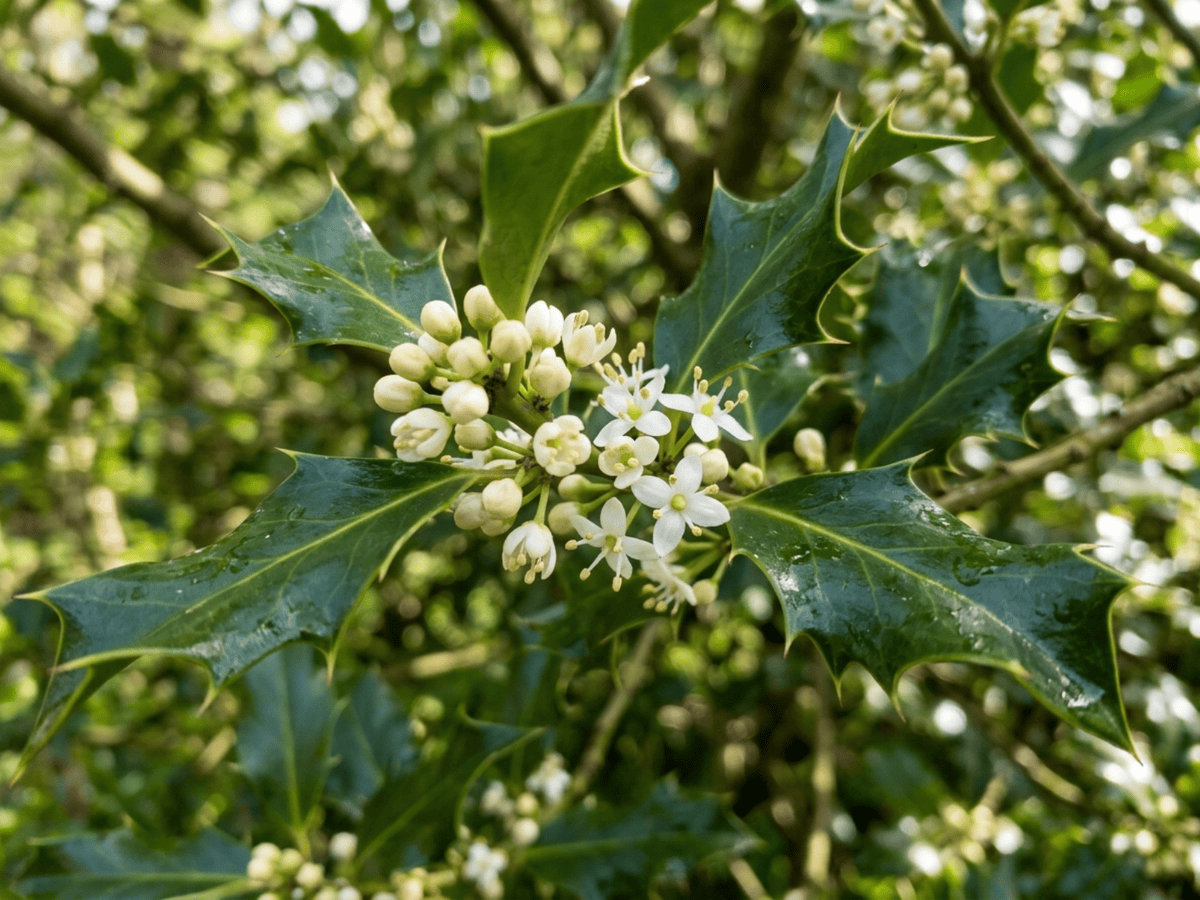
Inconspicuous white flowers in spring; plant male and female trees near each other for berry production
Fragrance
LIGHT FRAGRANCE
The male flowers have a mild honey-like scent.
Toxicity
Humans Moderate · Pets Moderate
theobromine, saponins, and methylxanthines
Moderate
- Fruit
- Ingestion
EXPOSURE Eating fruit.
EFFECT Berries cause vomiting and diarrhea if eaten and 20+ berries can be dangerous to small children.
NOTE Documented concern for humans: Berries cause vomiting and diarrhea if eaten and 20+ berries can be dangerous to small children.
Moderate
- Fruit
- Leaf
- Ingestion
EXPOSURE Eating fruit and leaves.
EFFECT Vomiting, diarrhea and mechanical injury from spiny leaves.
NOTE ASPCA lists English holly as toxic to dogs, cats, and horses (vomiting, diarrhea, depression).
Moderate
- Fruit
- Leaf
- Ingestion
EXPOSURE Eating fruit and leaves.
EFFECT Same as dogs and vomiting, diarrhea.
NOTE ASPCA lists English holly as toxic to dogs, cats, and horses (vomiting, diarrhea, depression).
Educational information, not medical or veterinary advice. If exposure is suspected, contact a doctor or veterinarian.
DISTRIBUTION


- Native
- Introduced
- Mediterranean
- Africa
- Western Asia
History

Ilex aquifolium is native to western and southern Europe, North Africa, and western Asia. The glossy spiny evergreen leaves and bright red berries that persist through winter made it sacred in pre-Christian European midwinter traditions: Romans exchanged holly boughs at Saturnalia, Druidic Celts regarded it as a protector against evil spirits, and Germanic and Norse peoples brought it indoors at the winter solstice. Early Christianity absorbed these traditions — the prickly leaves and red berries were reinterpreted as symbols of Christ's crown of thorns and blood — and holly became a central plant of the Christmas season.
The English carol "The Holly and the Ivy," drawing on much older folk songs, was first published in printed form in 1861 but had much earlier oral origins. Holly is dioecious — male and female flowers occur on separate plants, and only females bear berries, which require a nearby male pollinator. The dense, hard, very white wood was historically used for piano keys (before ivory banned) and inlay work.
I. aquifolium has been introduced to North America and has become invasive in the US Pacific Northwest, where Oregon and Washington both classify it as a problematic non-native. Holly has been woven into European winter traditions for over 2,000 years. In Celtic mythology, the Holly King ruled the dark half of the year from midsummer to midwinter.
Symbolism & meaning
What It Symbolizes
European Holly carries ancient protection, its prickly leaves believed by Celts and Romans to ward off evil spirits and lightning when planted near a home. At Christmas its green-and-red branches are exchanged in a gesture of goodwill, peace, and fellowship, a tradition older than the holiday itself. It is often read as a flower of midwinter household magic, a sacred shrub whose meaning weaves together pre-Christian charm and Christian celebration.
- Protection — Ancient Celts and Romans believed holly warded off evil spirits and lightning
- Goodwill — Holly branches exchanged at Christmas symbolize peace and fellowship
Where the Name Comes From
Ilex is the classical Latin name for the holm oak, later transferred to holly. Aquifolium means 'needle-leaved,' from Latin 'acus' (needle) and 'folium' (leaf), describing the spiny margins.
Uses & Fun Facts
- Berried sprigs central to Christmas wreaths and decorations
- Spiny dense evergreen makes impenetrable privacy hedge
- Dense white wood prized for inlay and turnery
- Red berries feed thrushes and winter songbirds
Related plants
More Ilex plants
 Chinese HollyIlex cornuta
 Japanese HollyIlex crenata
 Myrtle DahoonIlex myrtifolia
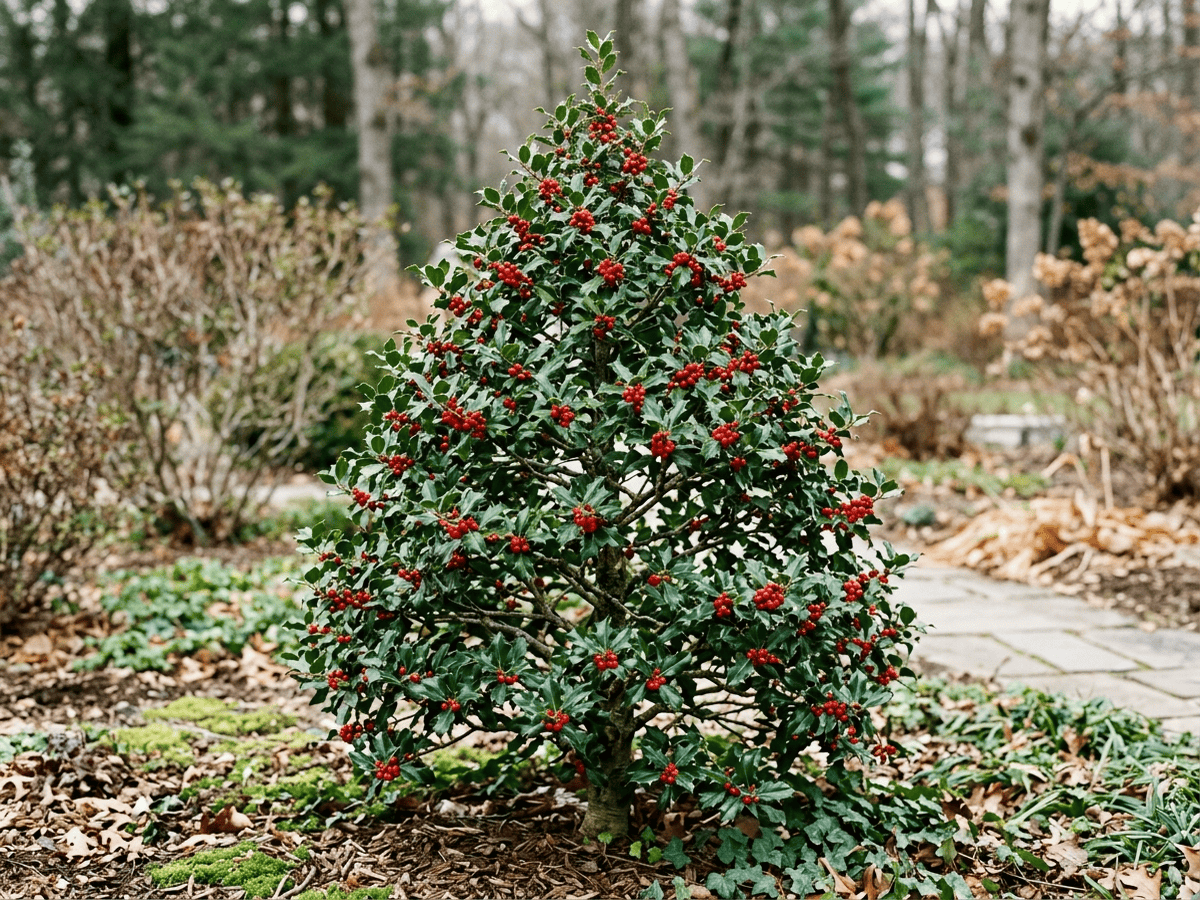 American HollyIlex opaca
Plants with similar care
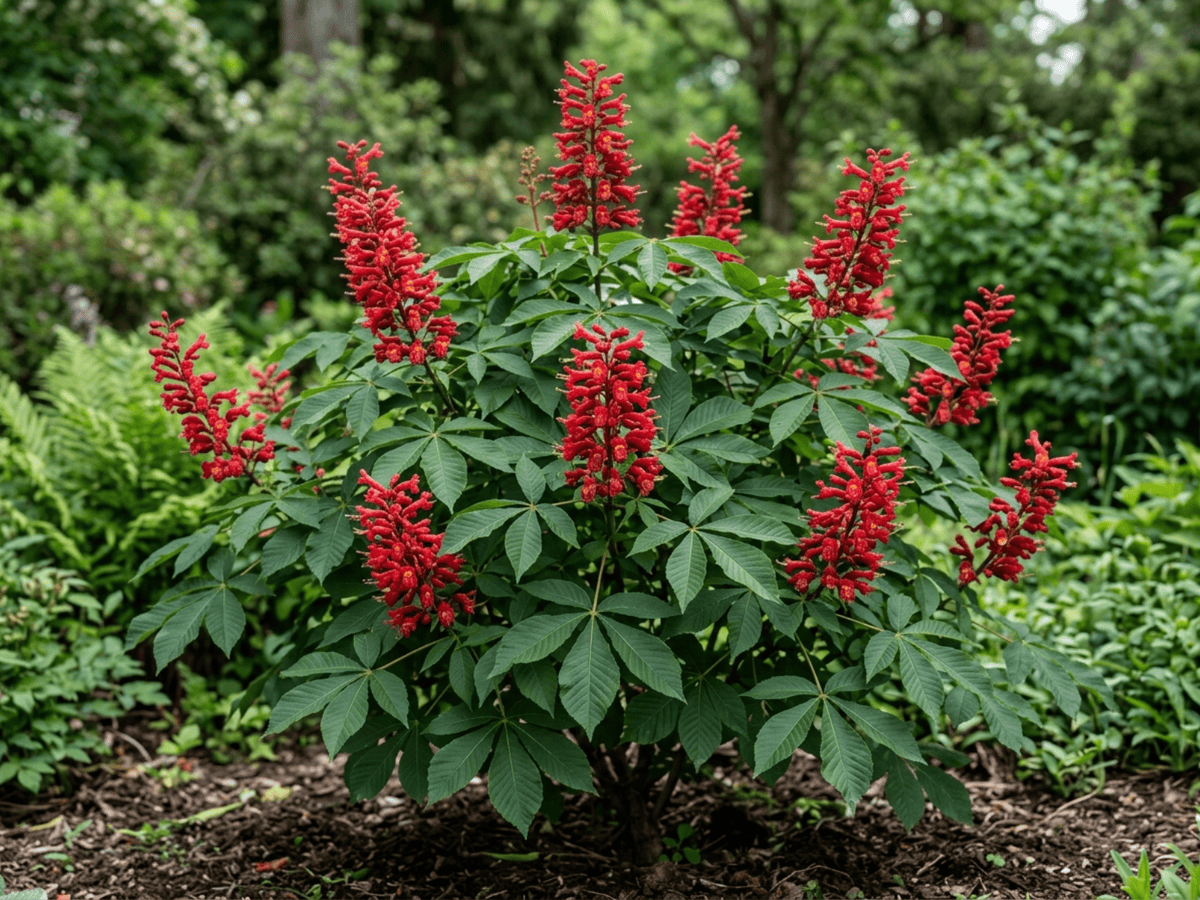 Red BuckeyeAesculus pavia
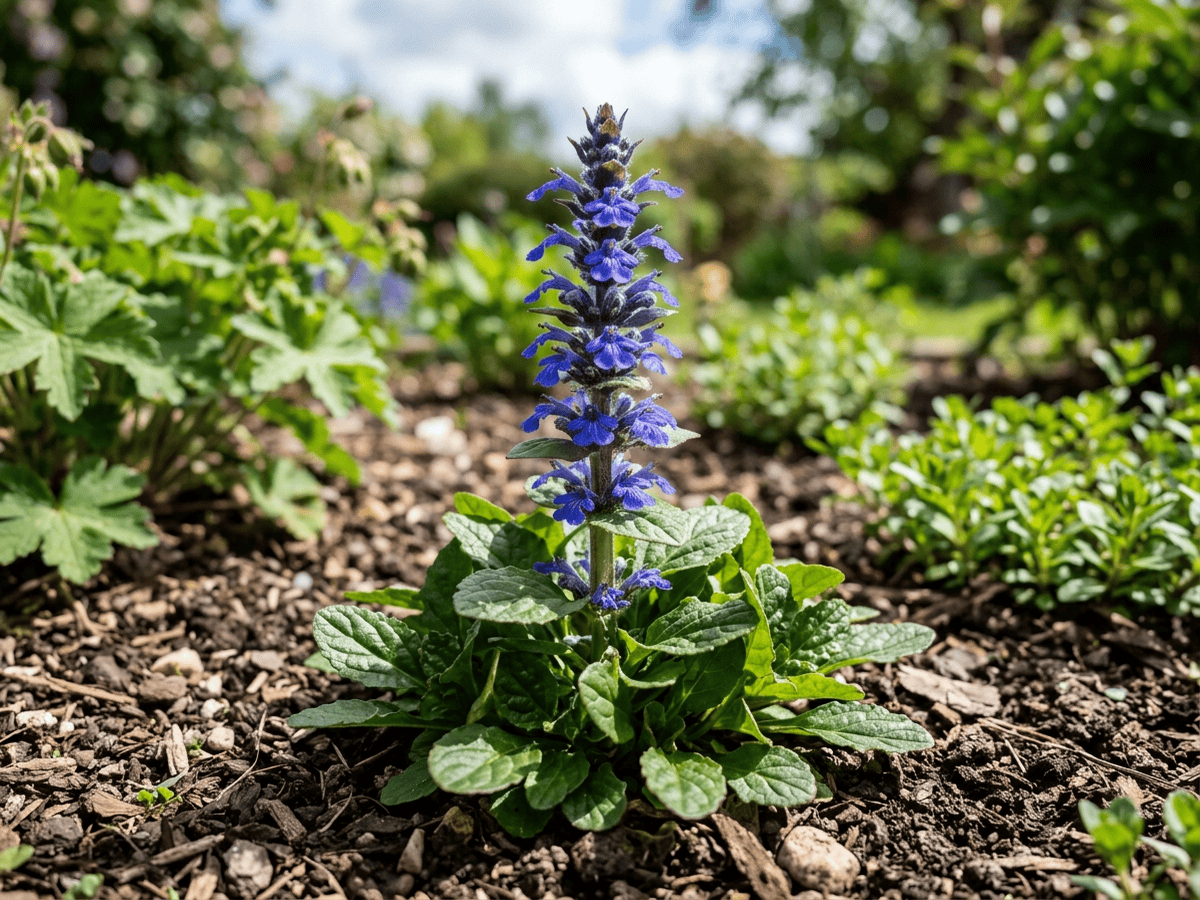 Blue BugleAjuga genevensis
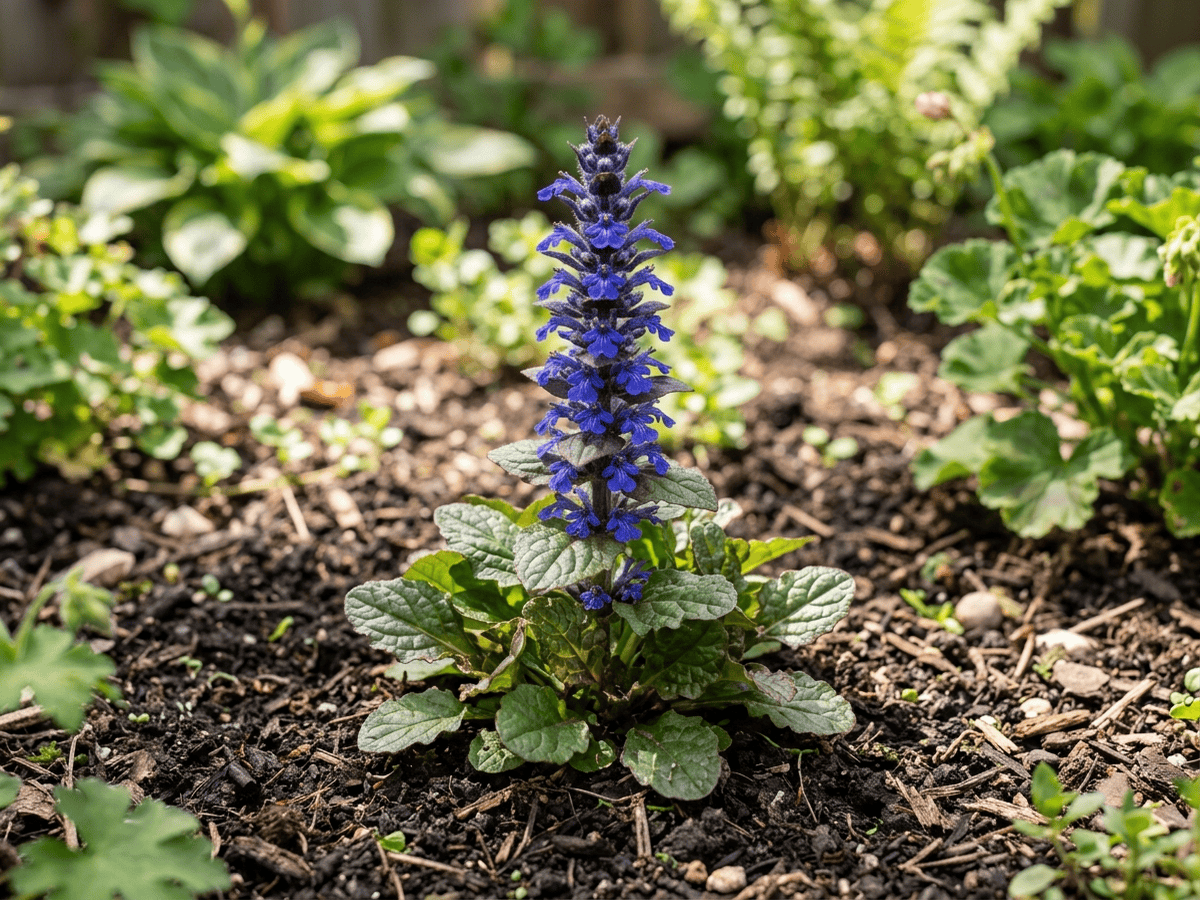 Pyramidal BugleAjuga pyramidalis
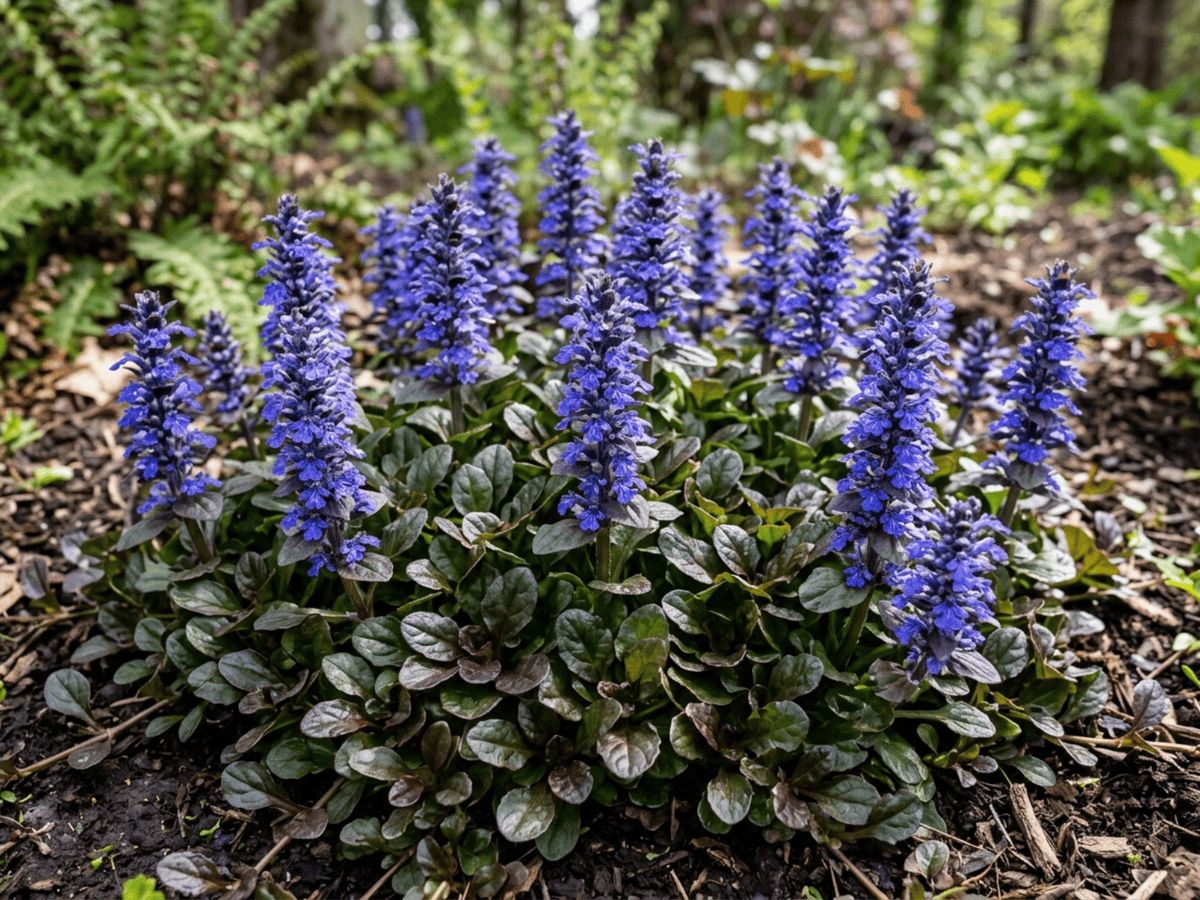 Carpet BugleAjuga reptans
Frequently asked questions
How often should I water European Holly?
In summer, water about every 4 days; in winter, about every 21 days. Adjust for heat, pot size and drainage.
How much light does European Holly need?
Part shade: 2–4 hrs direct. Watch the leaves — scorching or stretching means the light needs adjusting.
Is European Holly toxic to cats or dogs?
Pets Moderate (Dogs Moderate · Cats Moderate) Educational information, not medical or veterinary advice. If exposure is suspected, contact a doctor or veterinarian.
Is European Holly easy to grow?
Yes — it is considered an easy, beginner-friendly plant.
When does European Holly bloom?
It typically blooms Mar–May in the Northern Hemisphere.
YardMate
Identify any plant in seconds
Snap a photo — YardMate names the plant, diagnoses problems, and reminds you when to water.
Download on the App Store