 YardMate

American Holly
Ilex opaca
Medium · Some experienceAbout American Holly
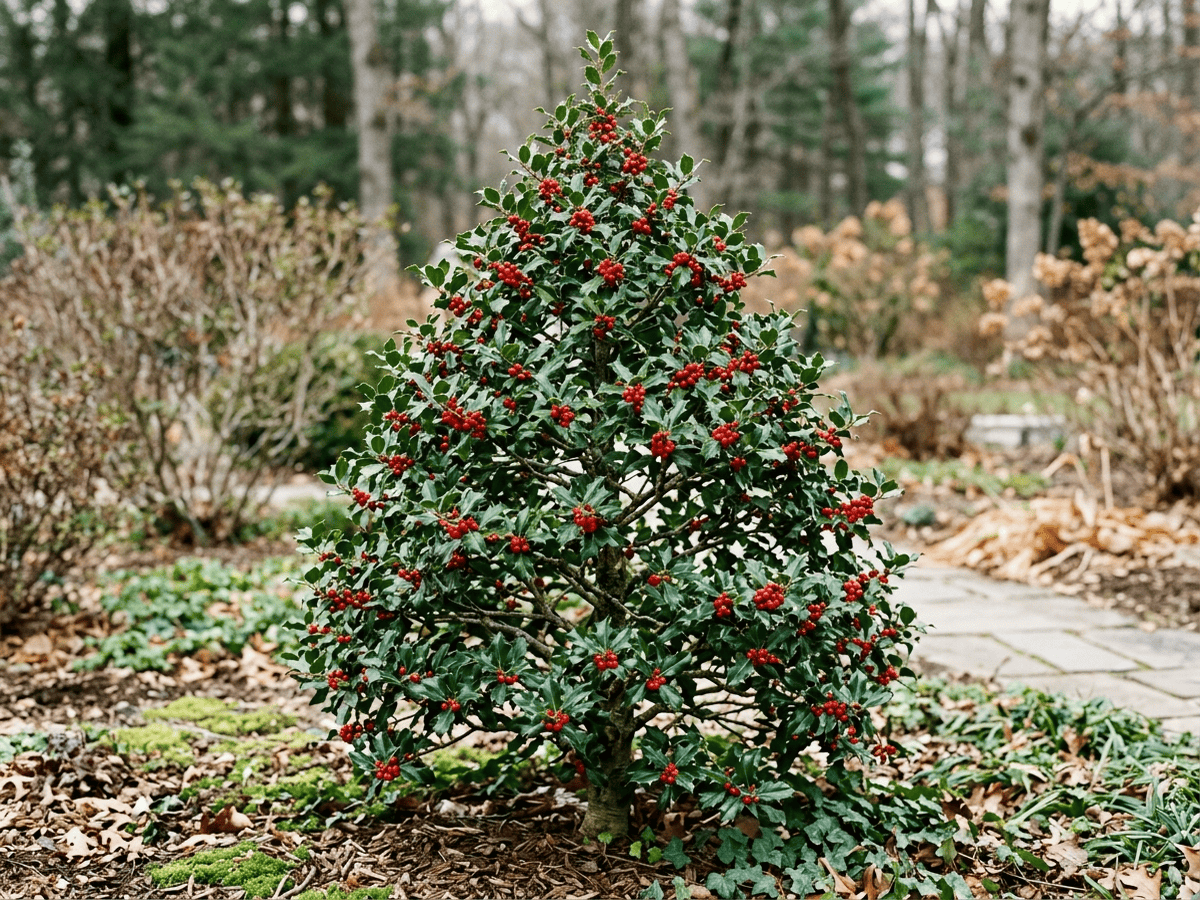
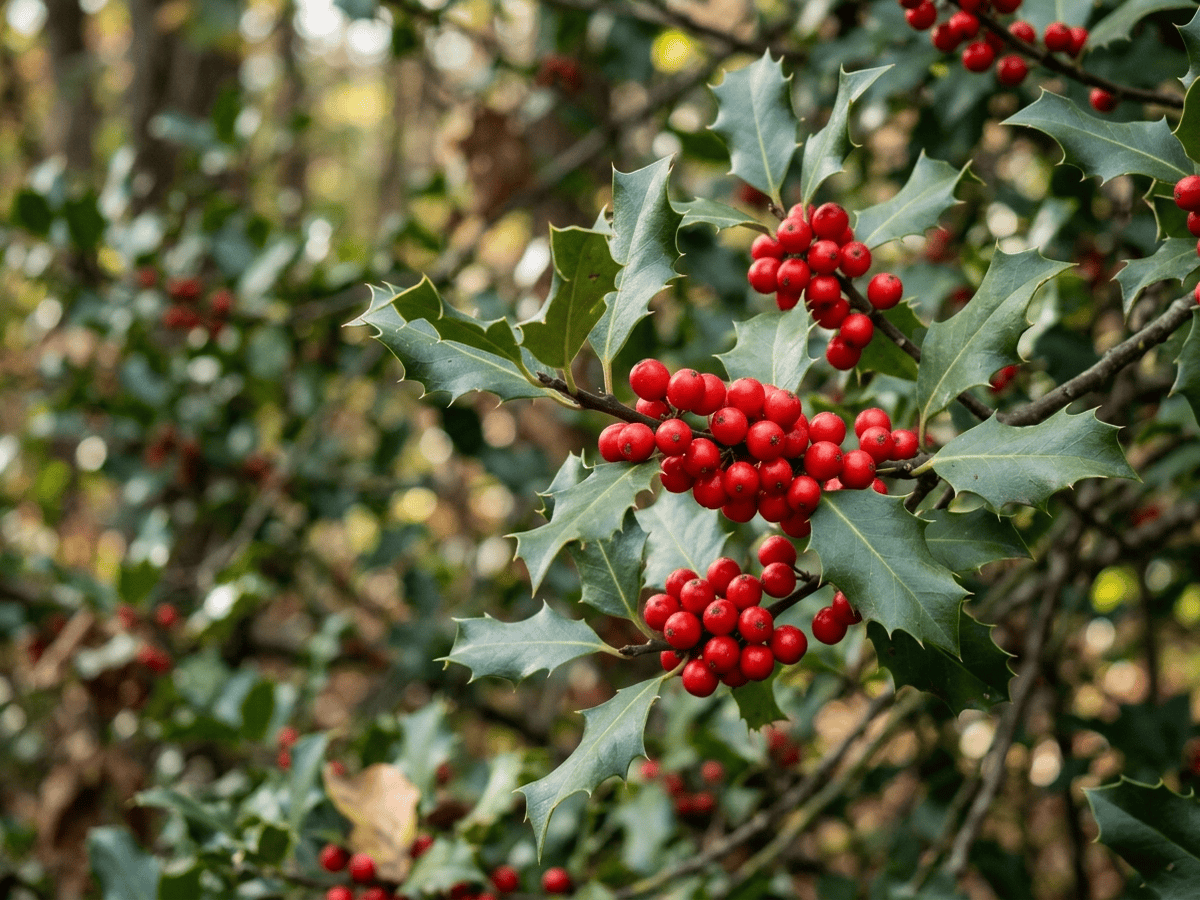
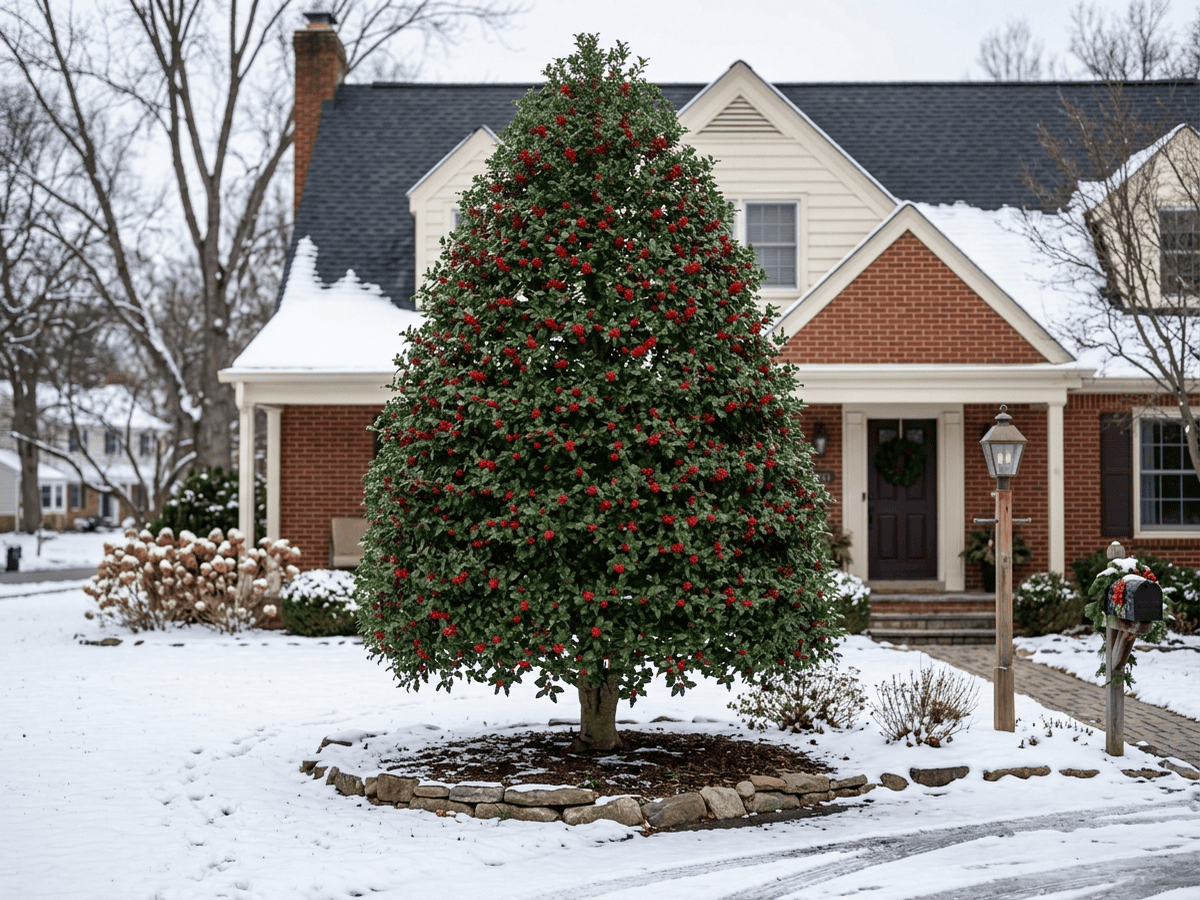
American Holly is the classic native evergreen holly tree of the eastern United States, growing 15-30 feet tall with a dense pyramidal form, spiny dark green leaves, and bright red berries on female trees. Native from Massachusetts to Florida and west to Texas, it is the holly of American Christmas tradition. Slower growing but longer-lived than Asian hollies, mature specimens develop a stately presence. The wood is prized for inlay, carving, and printing blocks.
- Evergreen
- Native
- Wildlife-friendly
How to care for American Holly
Watering
- Springevery 7 days
- Summerevery 5 days
- Fallevery 10 days
- Winterevery 21 days
Soil · Acidic · pH 4.5–6
- Top dressingPine needle mulch10%
- Main mixAcid-lover mix + peat 3:175%
- DrainageGravel15%
Never add lime or wood ash — it cancels out the acidity.
FERTILIZER
Acid-Loving Feed 4-3-4
One bag does both jobs. An acid feed carries the usual nitrogen, phosphorus and potassium, plus the sulfur and iron that keep the soil sour enough for the roots to take them up at all.
- Nitrogen · Leaves
- Phosphorus · Roots + Blooms
- Potassium · Strength
- Springevery 30 days
At a Glance
- NativeNorth America
- Height30–50 ft (9.1–15.2 m)
- Spread15–25 ft (4.6–7.6 m)
- Flower colorWhite
- Foliage colorDark-green, Green
- Fruit colorRed
- SoilWell-drained, Loamy, Acidic
- LocationsYard
Bloom time
BLOOM CYCLE
Peak bloom
May–Jun
Inconspicuous white flowers May to June; female needs male for berries
Fragrance
LIGHT FRAGRANCE
Mild honey-like scent from male flowers.
Toxicity
Humans Moderate · Pets Moderate
saponins and theobromine
Moderate
- Fruit
- Leaf
- Ingestion
EXPOSURE Eating fruit and leaves.
EFFECT Nausea, vomiting, diarrhea from saponins; 20+ berries potentially dangerous.
NOTE Documented concern for humans: Nausea, vomiting, diarrhea from saponins; 20+ berries potentially dangerous.
Moderate
- Fruit
- Leaf
- Ingestion
EXPOSURE Eating fruit and leaves.
EFFECT Vomiting, diarrhea, lethargy.
NOTE ASPCA toxic. Spiny leaves pose physical hazard.
Moderate
- Fruit
- Leaf
- Ingestion
EXPOSURE Eating fruit and leaves.
EFFECT Vomiting, diarrhea, lethargy.
NOTE ASPCA toxic. Spiny leaves pose physical hazard.
Educational information, not medical or veterinary advice. If exposure is suspected, contact a doctor or veterinarian.
DISTRIBUTION


- Native
- North America
History
Ilex opaca is native to the eastern and southeastern United States from Massachusetts south through Florida and west to east Texas, typically in mixed woodlands, hammocks, and on sandy coastal sites. English botanist William Aiton described the species in 1789 in Hortus Kewensis, the epithet opaca meaning opaque for the dense leathery leaves that lack the glossy shine of English holly (I. aquifolium). Compared to English holly, American holly has duller leaves, more scattered berries, and a less symmetrical habit, but is far more heat-tolerant and is North America's premier native holly—the traditional Christmas holly used by European colonists when they could not obtain English holly.
Indigenous peoples used the bark and leaves medicinally and the wood for utensils. More than 1000 cultivars have been named, including 'Jersey Knight' (male pollinator) and 'Jersey Princess', 'Dan Fenton', 'Greenleaf', 'Old Heavy Berry', and 'Goldie' (yellow-fruited). It is the state tree of Delaware and the state shrub of New Jersey.
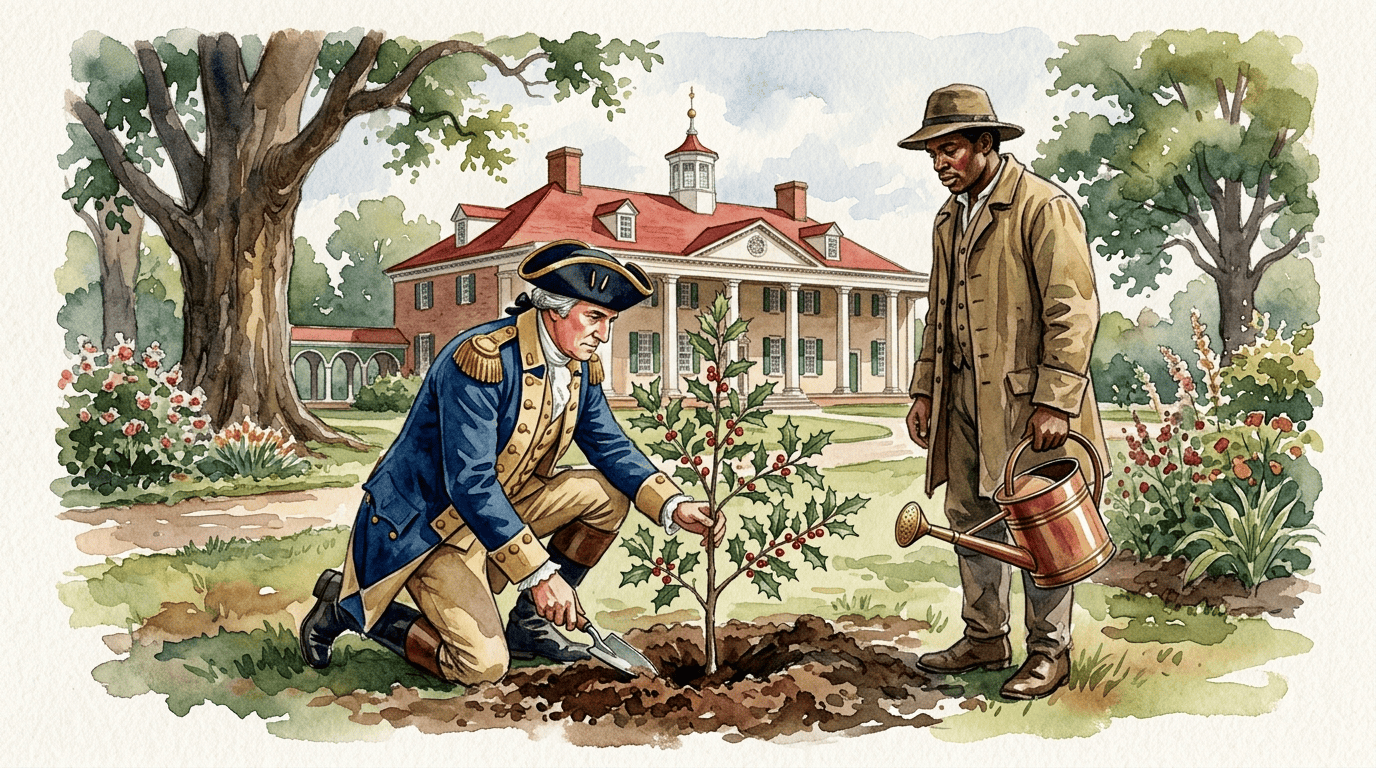
American holly was so valued for Christmas decoration that the city of Holly, Michigan and numerous American place names honor it. The Delaware holly industry shipped millions of branches annually in the early 1900s. George Washington planted American hollies at Mount Vernon, several of which still survive. The white, close-grained wood is the whitest of any American tree and is used for chess pieces, piano keys, and scientific instruments.
Symbolism & meaning
What It Symbolizes
American Holly is often read as a flower of Celebration — its red-berried branches central to American Christmas tradition, carried into homes for festive cheer. It also bears a quiet heritage as a native tree planted by George Washington at Mount Vernon, a green link between national history and household ritual. A plant that holds both a country's past and its winter holidays.
- Celebration — the holly of American Christmas tradition
- Heritage — native tree planted by George Washington at Mount Vernon
Where the Name Comes From
'Opaca' means 'opaque' or 'dull' in Latin, referring to the matte leaf surface compared to the glossy European holly.
Uses & Fun Facts
- Red winter berries feed thrushes, waxwings, and small mammals
- Spiny evergreen leaves form dense impenetrable screens
- Branches widely used for Christmas wreaths and decor
Related plants
More Ilex plants
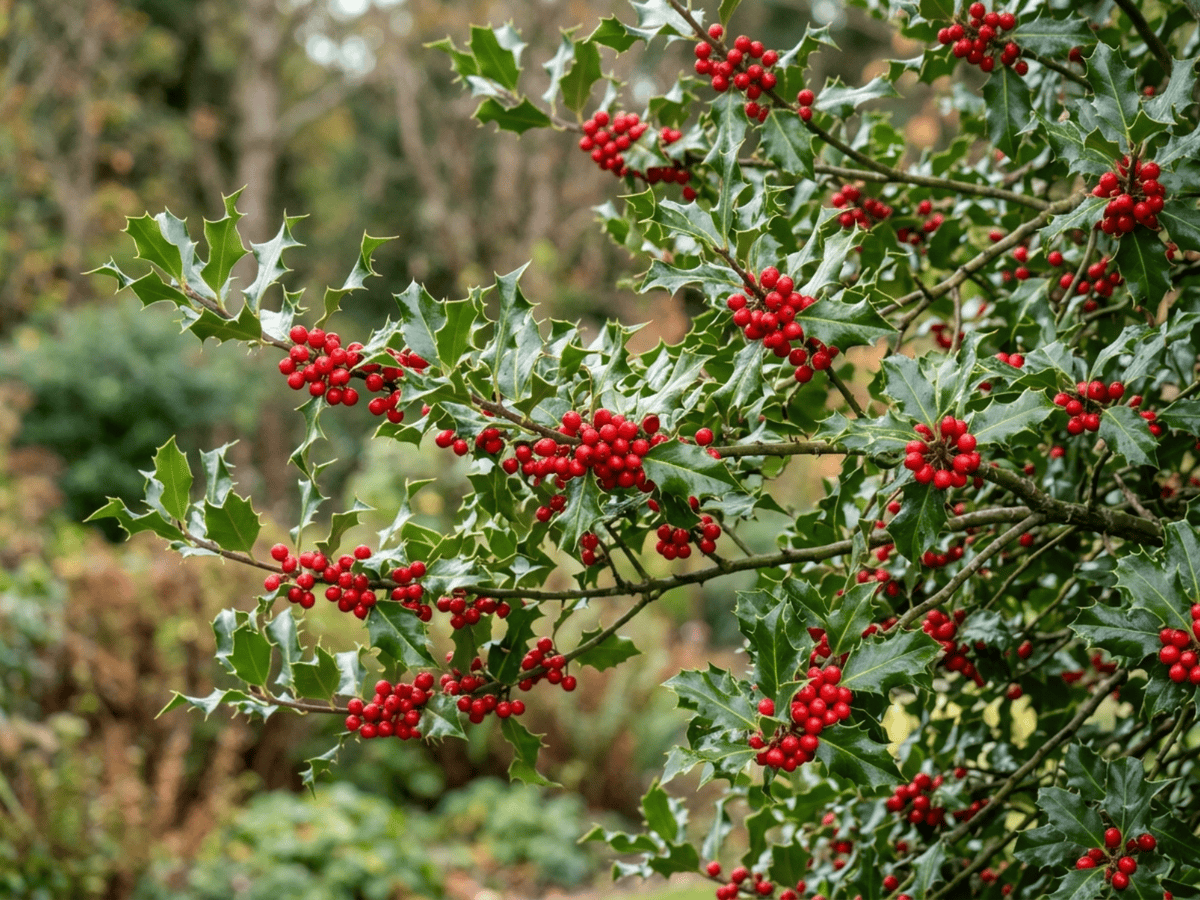 European HollyIlex aquifolium
 Chinese HollyIlex cornuta
 Japanese HollyIlex crenata
 Myrtle DahoonIlex myrtifolia
Plants with similar care
 Mexican AbeliaAbelia floribunda
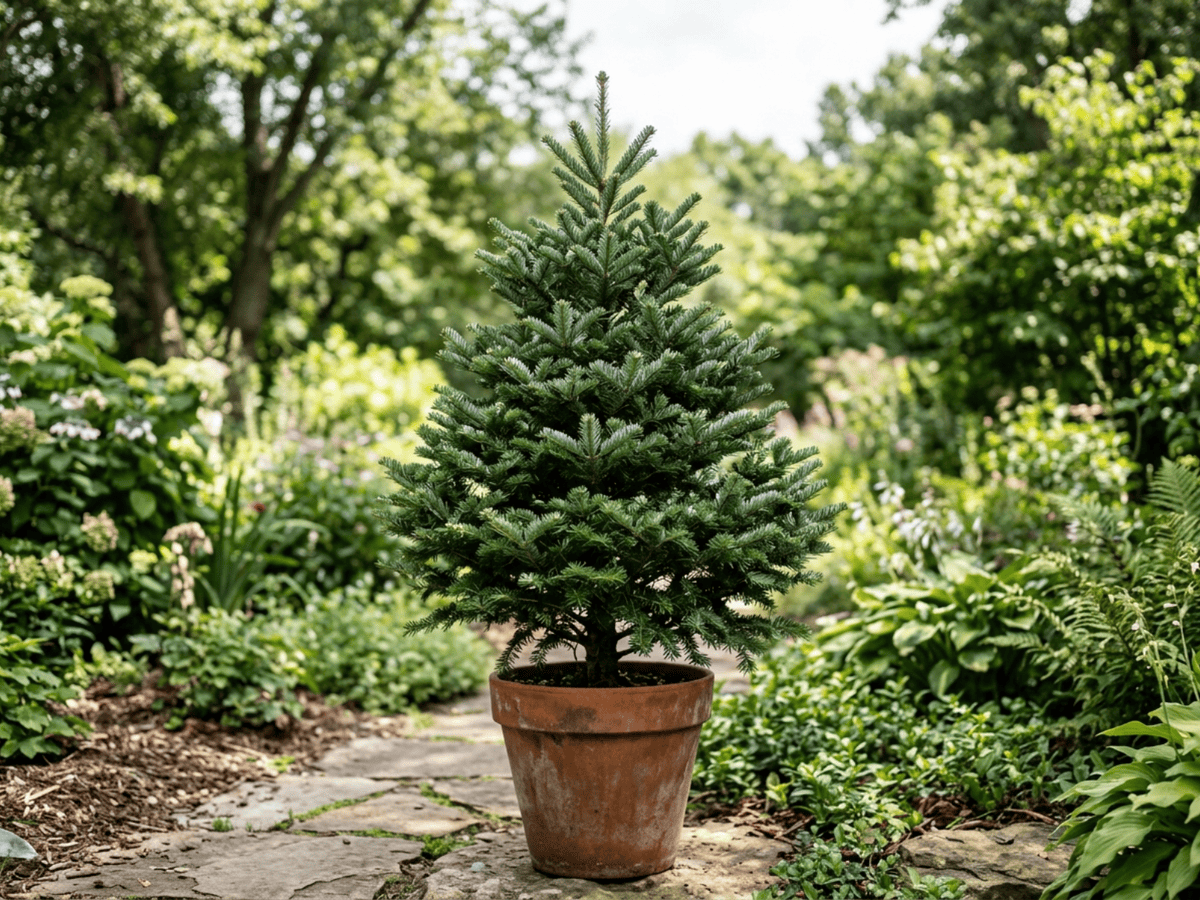 Fraser FirAbies fraseri
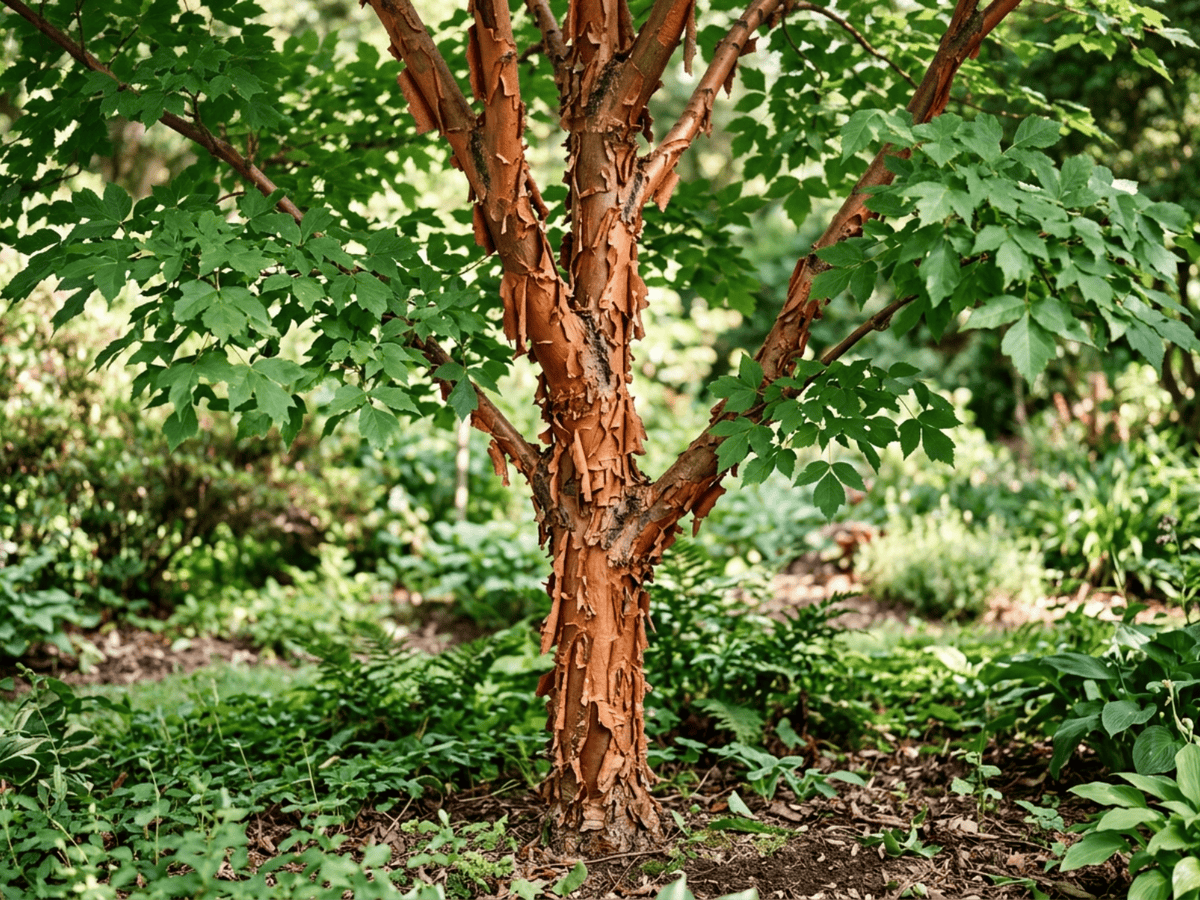 Paperbark MapleAcer griseum
 Sugar MapleAcer saccharum
Frequently asked questions
How often should I water American Holly?
In summer, water about every 5 days; in winter, about every 21 days. Adjust for heat, pot size and drainage.
How much light does American Holly need?
Full sun: 6+ hrs direct. Watch the leaves — scorching or stretching means the light needs adjusting.
Is American Holly toxic to cats or dogs?
Pets Moderate (Dogs Moderate · Cats Moderate) Educational information, not medical or veterinary advice. If exposure is suspected, contact a doctor or veterinarian.
Is American Holly easy to grow?
It is moderately demanding: a good choice once you have a little experience.
When does American Holly bloom?
It typically blooms May–Jun in the Northern Hemisphere.
YardMate
Identify any plant in seconds
Snap a photo — YardMate names the plant, diagnoses problems, and reminds you when to water.
Download on the App Store