 YardMate


Japanese Holly
Ilex crenata
Easy · Beginner friendlyAbout Japanese Holly
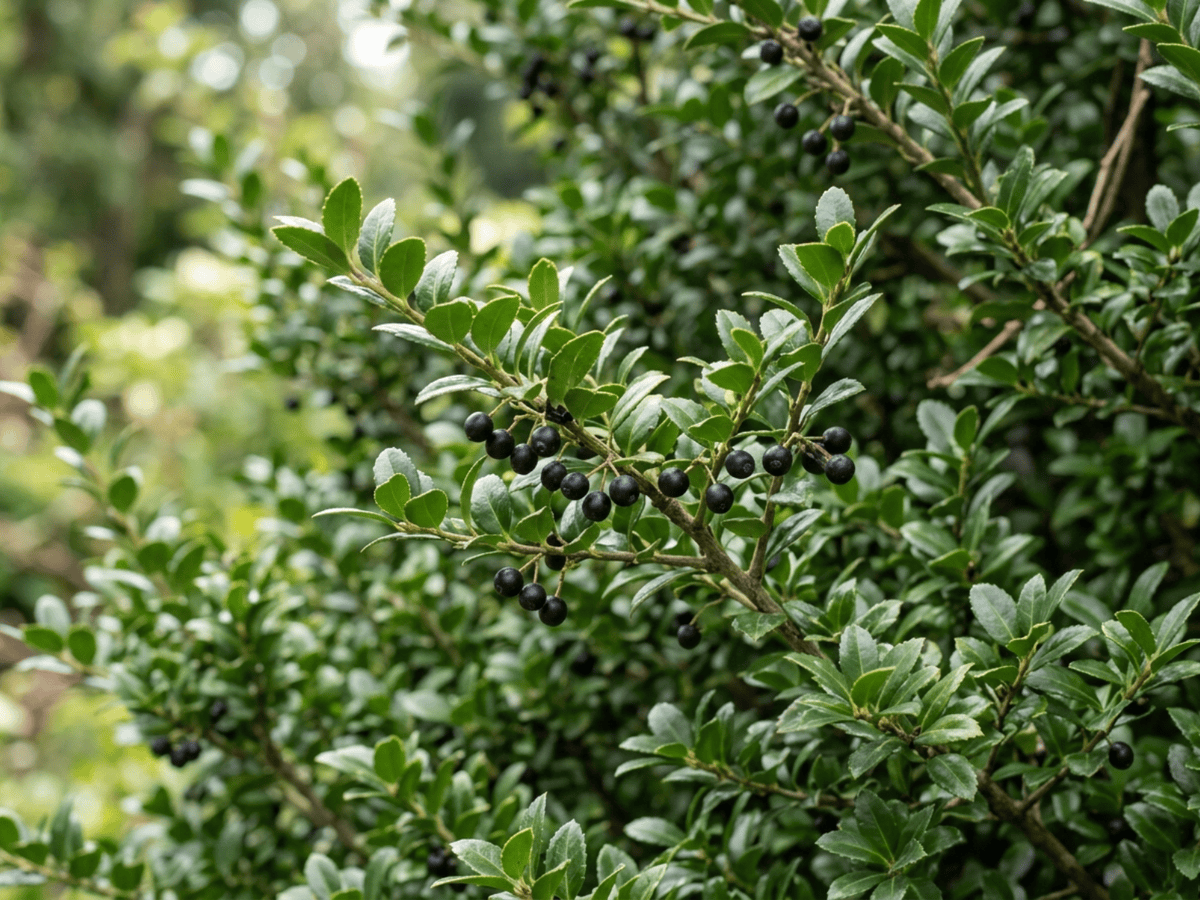
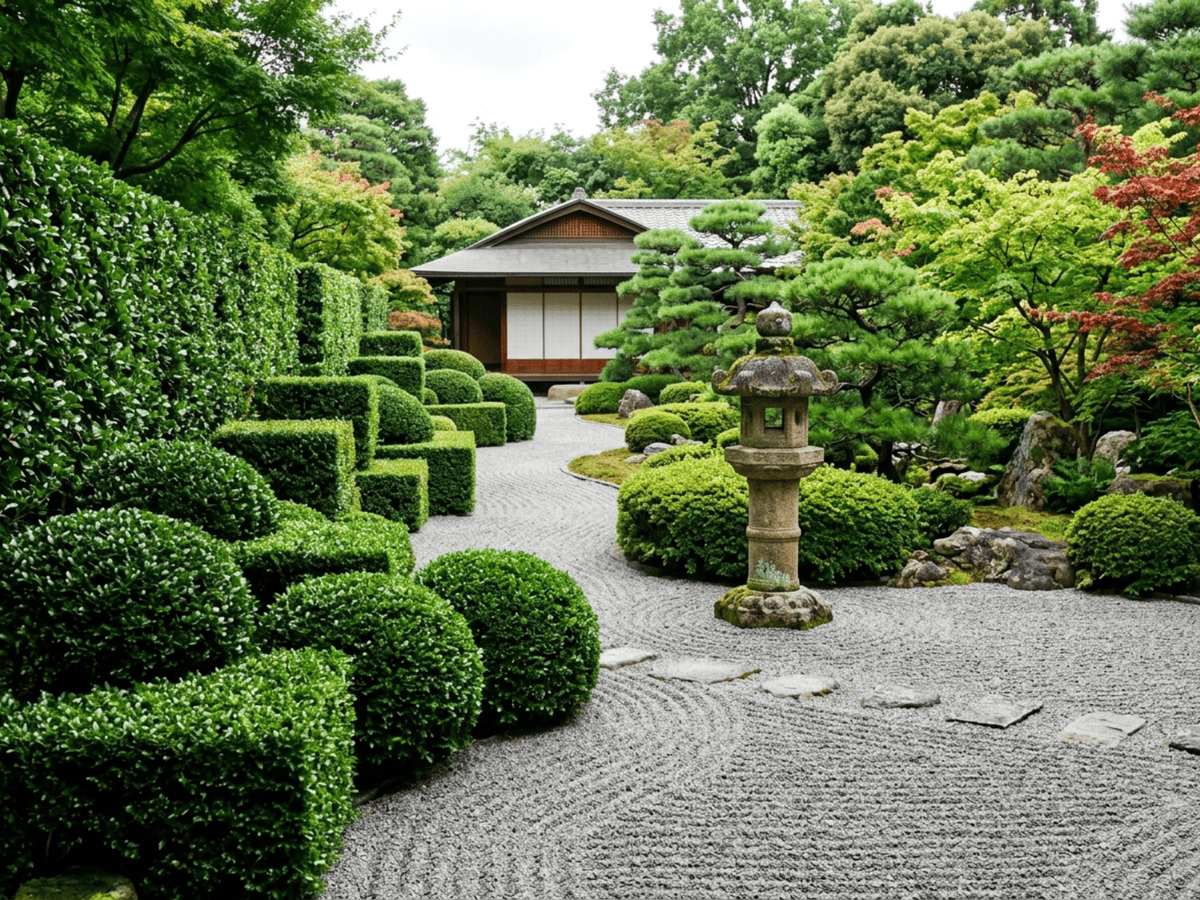
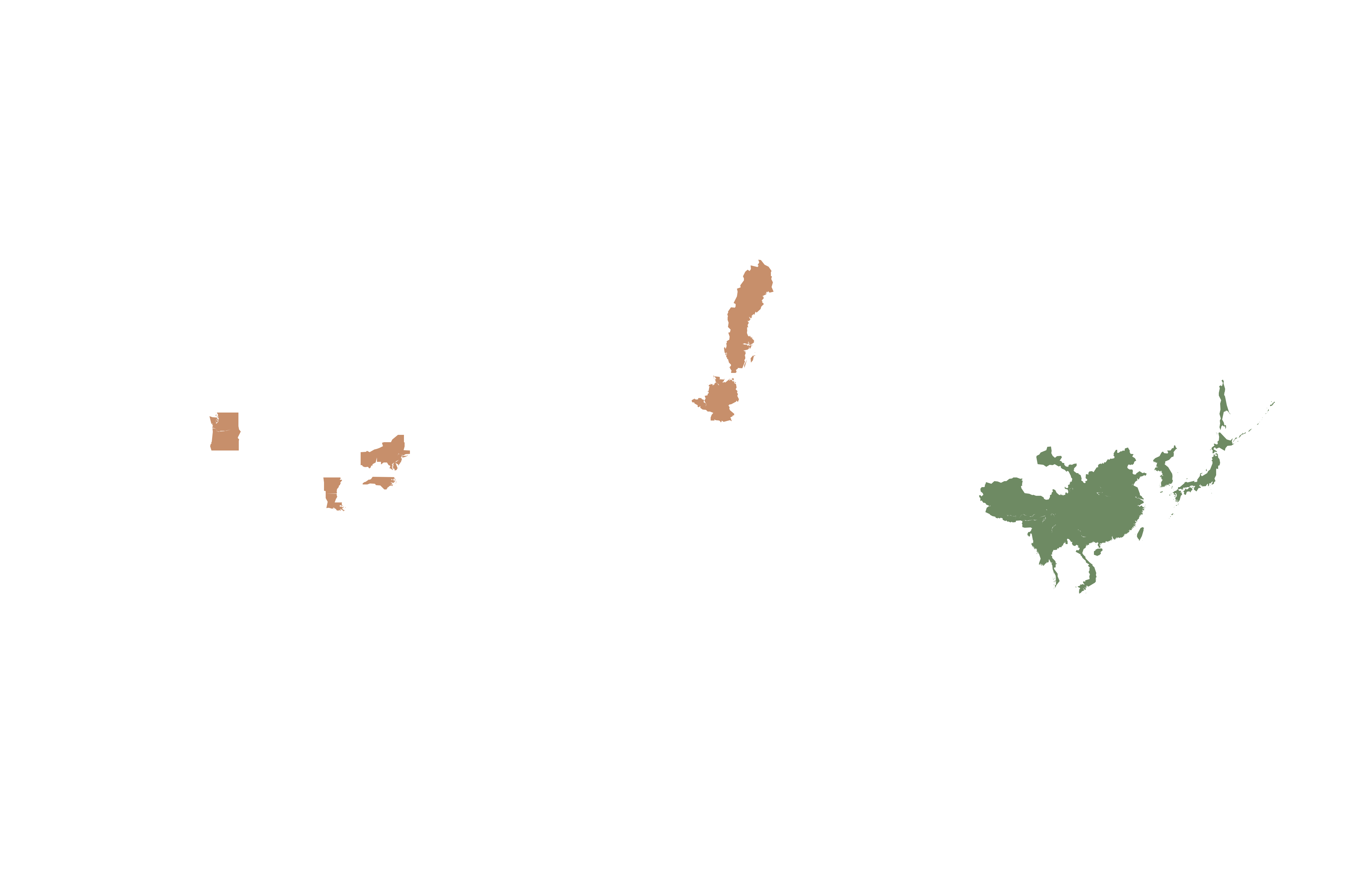
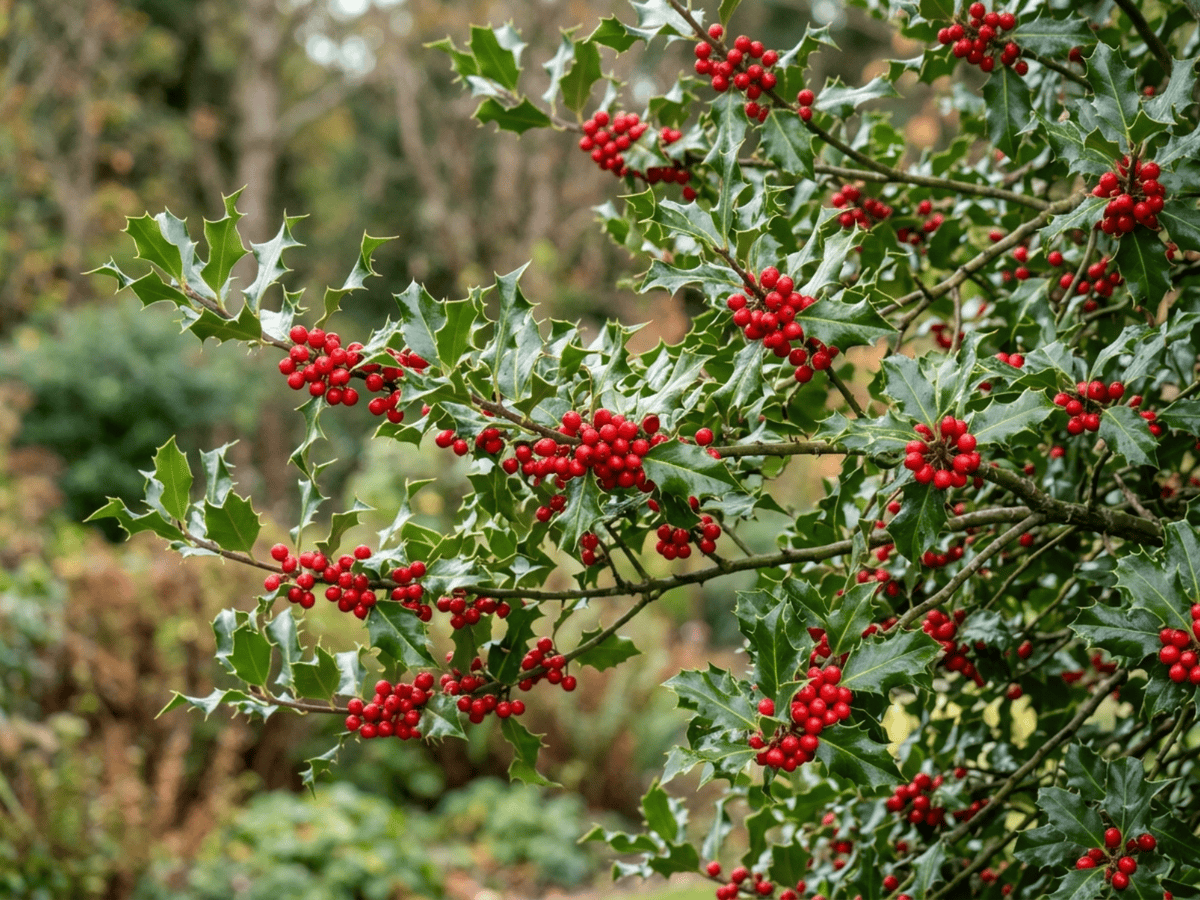
Ilex crenata, the Japanese holly, is a dense evergreen shrub native to Japan, Korea, and eastern China. Unlike its spiny cousin English holly, it bears small, rounded, finely toothed leaves that closely resemble boxwood, making it an excellent boxwood alternative in regions where boxwood blight is problematic. It typically grows 1 to 3 meters tall and responds superbly to shearing, holding crisp geometric shapes for formal hedges, topiaries, and parterres. Small black berries appear on female plants in autumn but are largely hidden within the dense foliage. Japanese holly prefers acidic, moist, well-drained soil and tolerates partial shade to full sun. It is more heat-tolerant than true boxwood and deer-resistant. In Japanese gardens, it has been clipped into cloud-pruned forms called 'niwaki' for centuries. Popular cultivars include the dwarf 'Convexa' with convex leaves and 'Sky Pencil' with a dramatic columnar habit perfect for narrow spaces and container accents.
- Deer-resistant
- Evergreen
- Compact
How to care for Japanese Holly
Watering
- Springevery 5 days
- Summerevery 4 days
- Fallevery 10 days
- Winterevery 21 days
Soil · Acidic · pH 4.5–6
- Top dressingPine needle mulch10%
- Main mixAcid-lover mix + peat 3:175%
- DrainageGravel15%
Never add lime or wood ash — it cancels out the acidity.
FERTILIZER
Acid-Loving Feed 4-3-4
One bag does both jobs. An acid feed carries the usual nitrogen, phosphorus and potassium, plus the sulfur and iron that keep the soil sour enough for the roots to take them up at all.
- Nitrogen · Leaves
- Phosphorus · Roots + Blooms
- Potassium · Strength
- Springevery 45 days
At a Glance
- NativeEast Asia
- Height4–8 ft (1.2–2.4 m)
- Spread3–6 ft (0.9–1.8 m)
- Flower colorWhite
- Foliage colorGreen, Yellow
- SoilAcidic, Well-drained, Loamy
- LocationsYard · Indoor · Balcony
Bloom time
BLOOM CYCLE
Peak bloom
May–Jun
Tiny white flowers in spring are inconspicuous; plant is grown for foliage form rather than flowers
Fragrance
NO FRAGRANCE
No notable fragrance.
Toxicity
Humans Slight · Pets Moderate
theobromine and saponins
Slight
- Fruit
- Ingestion
EXPOSURE Eating fruit.
EFFECT Berries may cause mild gastrointestinal upset.
NOTE Documented concern for humans: Berries may cause mild gastrointestinal upset.
Moderate
- Fruit
- Leaf
- Ingestion
EXPOSURE Eating fruit and leaves.
EFFECT Vomiting, diarrhea.
NOTE Ilex species generally toxic to pets per ASPCA.
Moderate
- Fruit
- Leaf
- Ingestion
EXPOSURE Eating fruit and leaves.
EFFECT Vomiting, diarrhea.
NOTE Ilex species generally toxic to pets per ASPCA.
Educational information, not medical or veterinary advice. If exposure is suspected, contact a doctor or veterinarian.
DISTRIBUTION

- Native
- Introduced
- East Asia
History

Ilex crenata is native to Japan, Korea, eastern China, and Sakhalin, growing as an understory shrub in temperate woodlands. Its small, dark green, crenate (scallop-edged) evergreen leaves are visually very similar to those of boxwood (Buxus), a resemblance that has become central to its horticultural importance. Japanese holly has been cultivated as a hedging, topiary, and bonsai plant in Japan for centuries, and has been in Western cultivation since the mid-19th century (Siebold and other Dutch and German plant collectors).
Through the 20th century it was a minor alternative to true boxwood, but since the 2000s, as boxwood blight (caused by Calonectria pseudonaviculata and related fungi) has devastated Buxus hedges and topiaries across Europe and North America, I. crenata has become the leading boxwood substitute in landscape design. Cultivars including "Sky Pencil" (columnar), "Compacta," "Helleri," "Soft Touch," and "Steeds" cover most modern landscape applications. Berries are small, black, and inconspicuous, not ornamental like those of I. aquifolium.
Tolerates hard shearing well. Ilex crenata has been sculpted into elaborate cloud-pruned forms in Japanese gardens since the Muromachi period (1336–1573). It was introduced to Western horticulture in the 1860s by Philipp von Siebold. As boxwood blight devastated European and American gardens in the 2000s, Japanese holly surged in popularity as a disease-resistant replacement.
Symbolism & meaning
What It Symbolizes
Japanese Holly suggests resilience through its dense, evergreen form, holding its small lustrous leaves through every season's challenge. Its precision is equally meaningful — few shrubs accept the shears so willingly, lending themselves to the crisp topiary that stands for order and discipline in Japanese gardens. To grow it is to weave both endurance and quiet structure into the landscape.
- Resilience — Its dense, enduring form through all seasons represents steadfast strength
- Precision — The plant's suitability for crisp topiary symbolizes order and discipline
Where the Name Comes From
Ilex is the classical Latin name for holly. Crenata means 'scalloped' or 'finely toothed' in Latin, describing the small rounded leaf margins.
Uses & Fun Facts
- Dense evergreen pruned into formal hedges and topiary
- Boxwood substitute for low formal landscape edging
- Shaped into traditional Japanese niwaki garden forms
Related plants
More Ilex plants
 European HollyIlex aquifolium
 Chinese HollyIlex cornuta
 Myrtle DahoonIlex myrtifolia
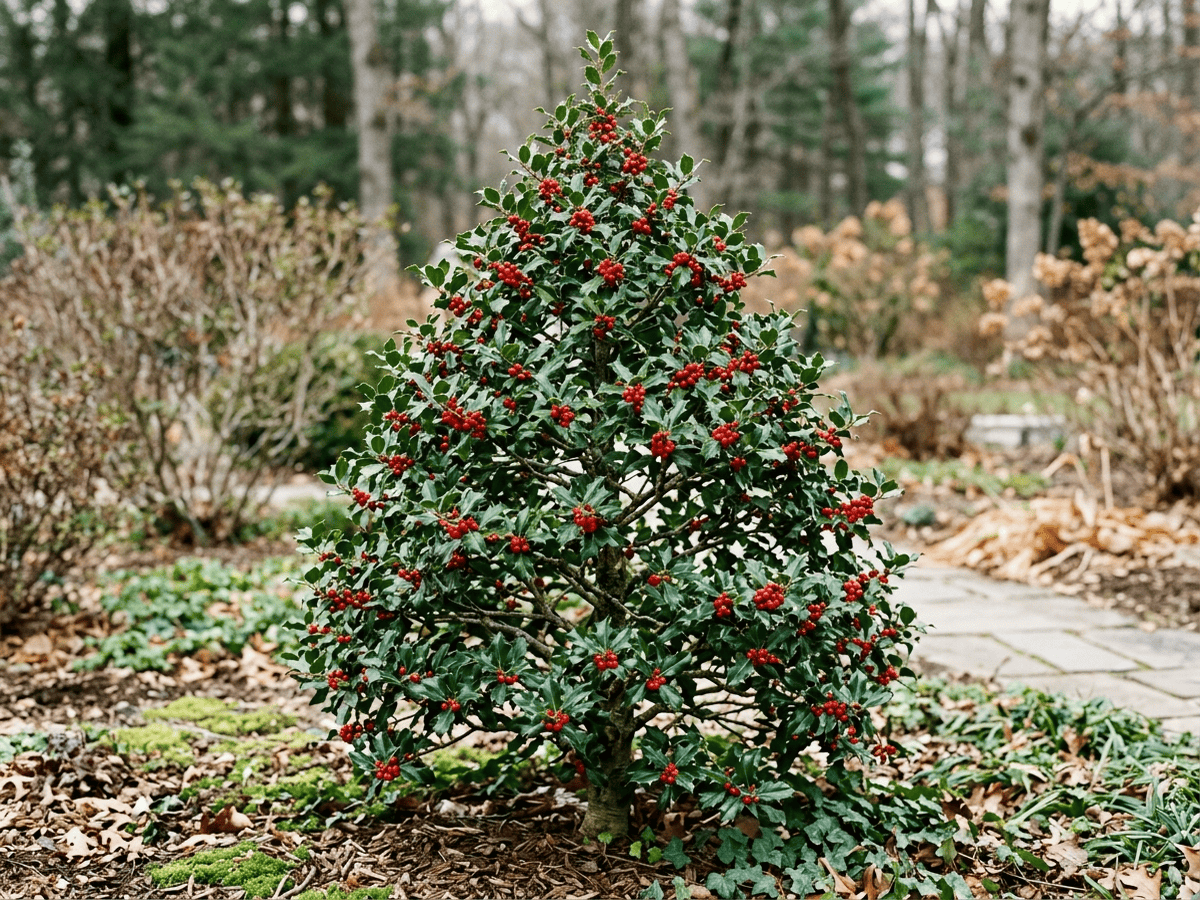 American HollyIlex opaca
Plants with similar care
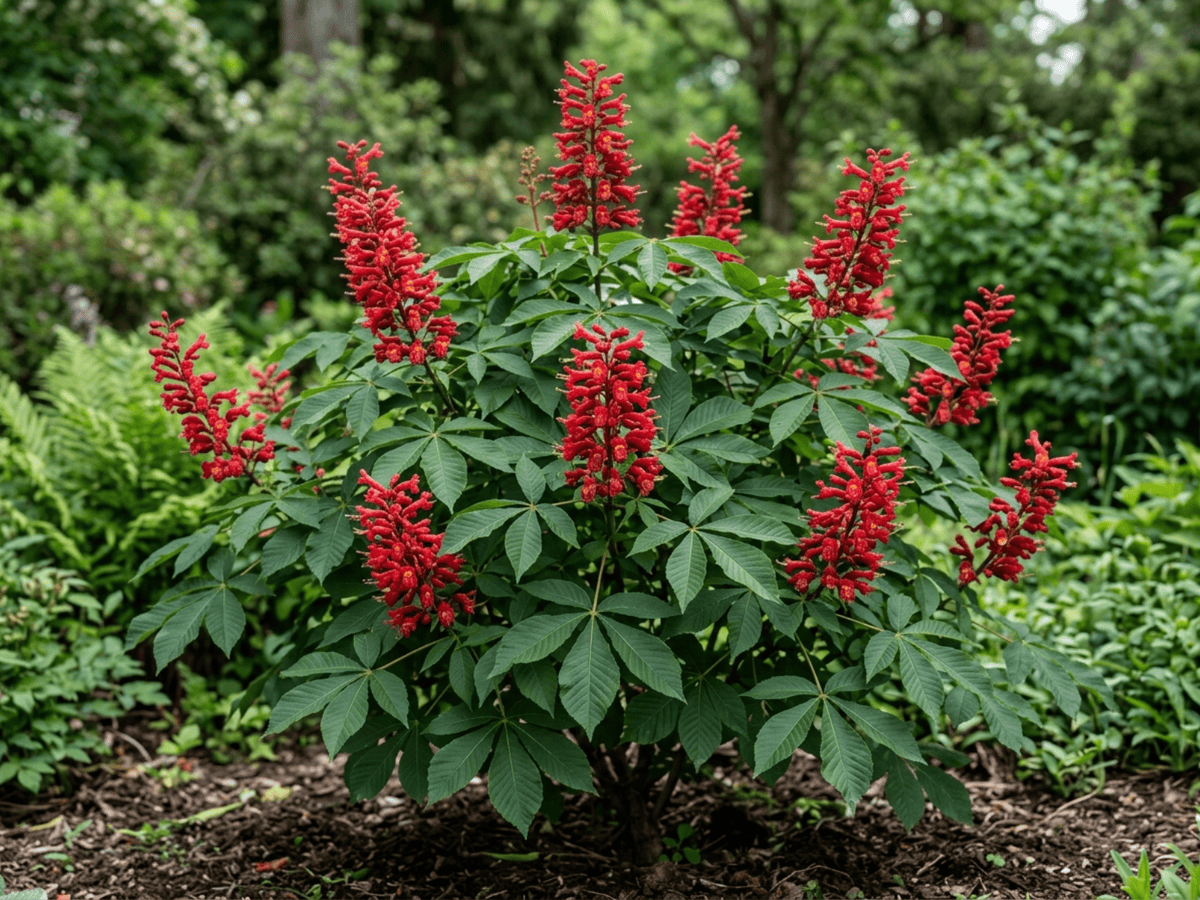 Red BuckeyeAesculus pavia
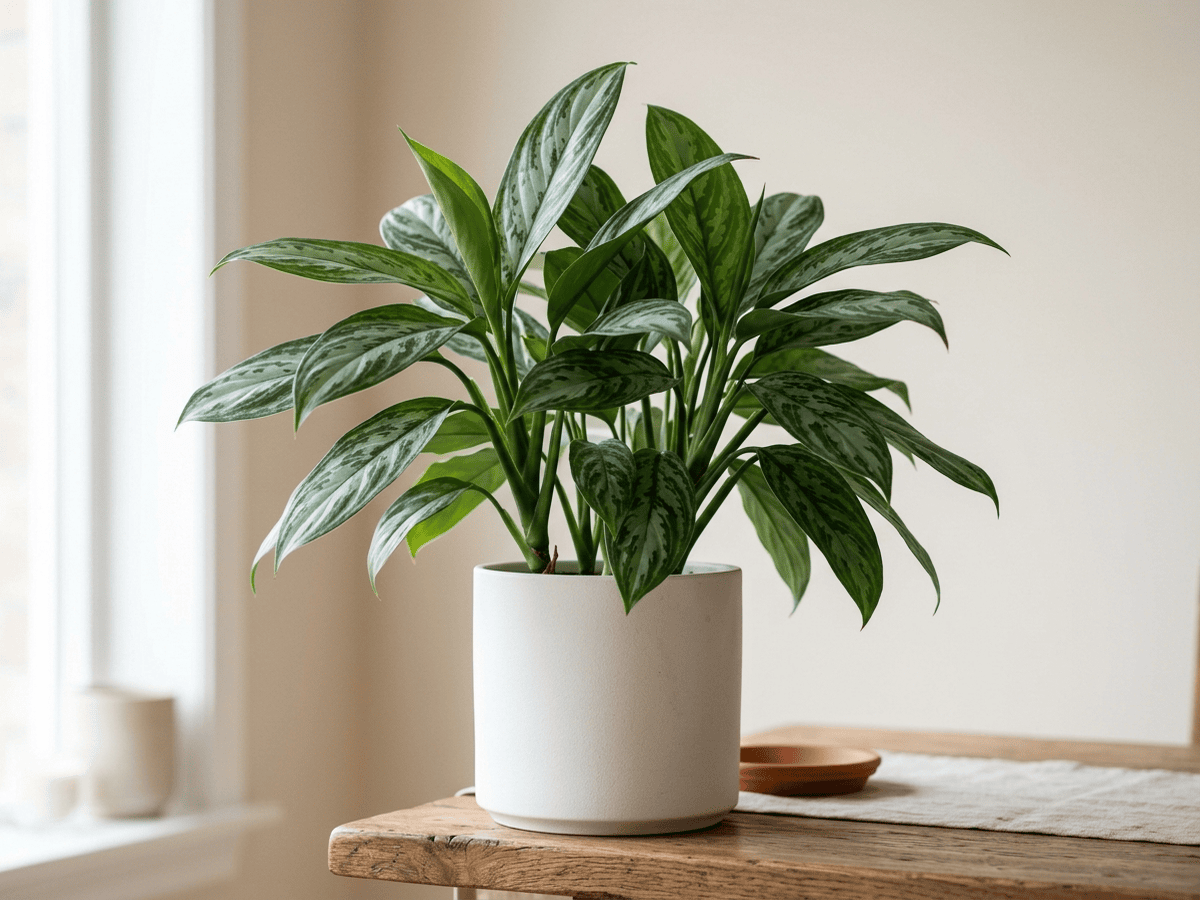 Philippine EvergreenAglaonema commutatum
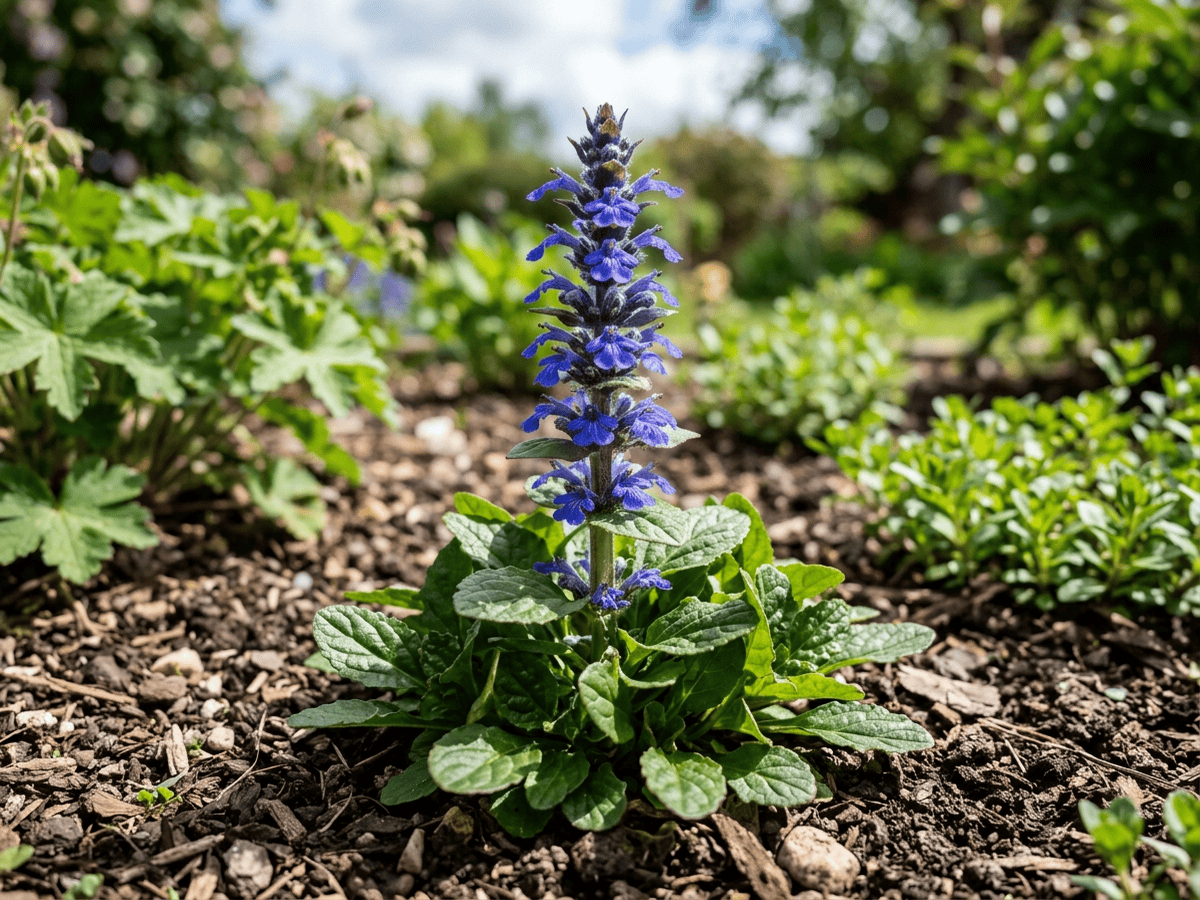 Blue BugleAjuga genevensis
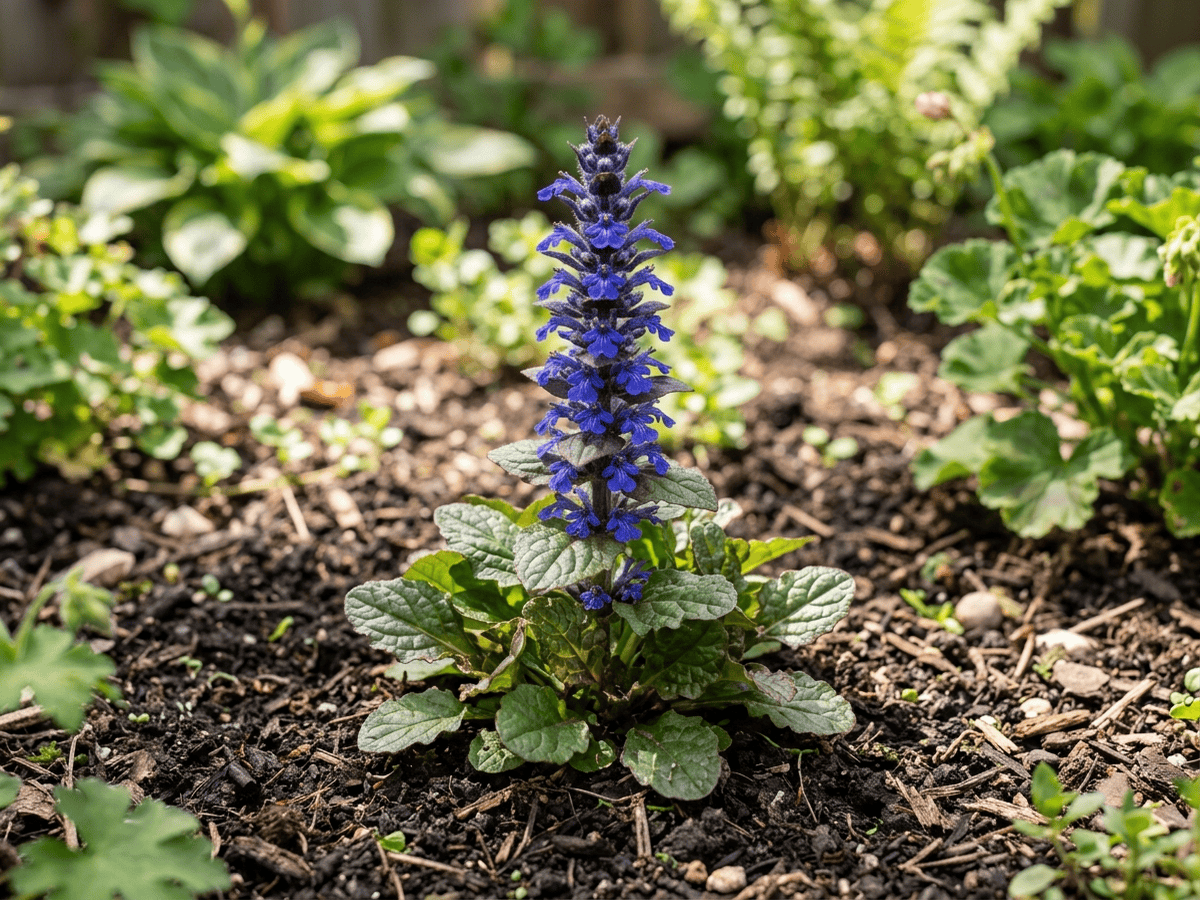 Pyramidal BugleAjuga pyramidalis
Frequently asked questions
How often should I water Japanese Holly?
In summer, water about every 4 days; in winter, about every 21 days. Adjust for heat, pot size and drainage.
How much light does Japanese Holly need?
Part shade: 2–4 hrs direct. Watch the leaves — scorching or stretching means the light needs adjusting.
Is Japanese Holly toxic to cats or dogs?
Pets Moderate (Dogs Moderate · Cats Moderate) Educational information, not medical or veterinary advice. If exposure is suspected, contact a doctor or veterinarian.
Is Japanese Holly easy to grow?
Yes — it is considered an easy, beginner-friendly plant.
Can Japanese Holly be grown indoors?
Yes, it adapts well to indoor growing given the right light.
When does Japanese Holly bloom?
It typically blooms May–Jun in the Northern Hemisphere.
YardMate
Identify any plant in seconds
Snap a photo — YardMate names the plant, diagnoses problems, and reminds you when to water.
Download on the App Store