 YardMate



Moonflower
Ipomoea alba
Easy · Beginner friendlyAbout Moonflower
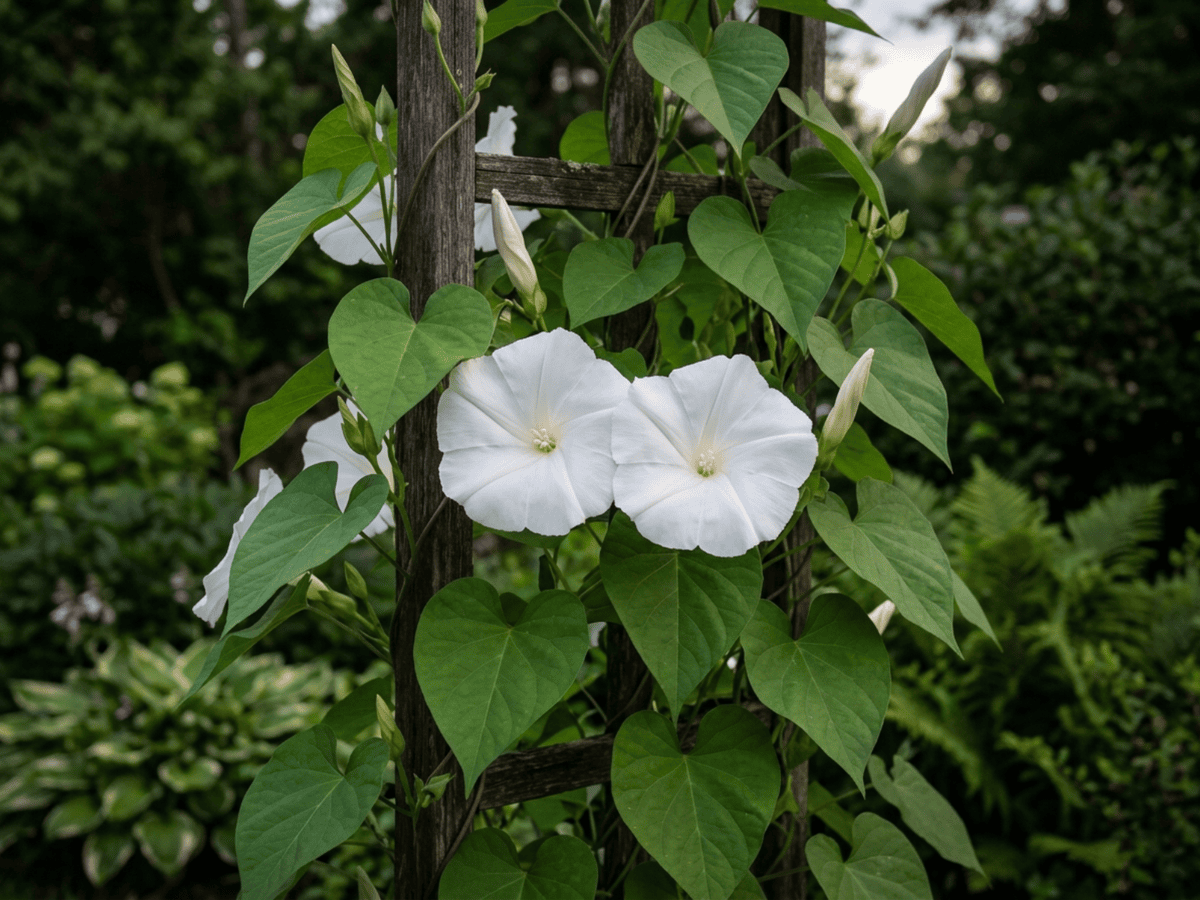
Moonflower is a tropical perennial vine grown as an annual in US gardens, producing 10–15 feet of twining growth in a single season and enormous 6-inch pure-white trumpet flowers that unfurl at dusk with a rich, jasmine-like fragrance. A legendary moon garden and evening patio plant, it attracts sphinx moths. Blooms from midsummer until frost. Particularly spectacular on arbors in Southern and Southwestern US gardens where long warm evenings extend its bloom season.
- Fragrant
- Climbing
- Fast-growing
- Pollinator-friendly
How to care for Moonflower
Watering
- Springevery 5 days
- Summerevery 3 days
- Fallevery 7 days
- Winterevery 14 days
Soil · Well-draining
- Top dressingPine bark mulch10%
- Main mixPotting soil + perlite 2:170%
- DrainageLECA / gravel20%
Never skip the drainage layer — standing water is the top cause of root rot.
FERTILIZER
Balanced Feed 14-14-14
An even feed covers all three needs at once, keeping leaves, roots and blooms moving together with nothing pushed out of balance.
- Nitrogen · Leaves
- Phosphorus · Roots + Blooms
- Potassium · Strength
- Springevery 21 days
- Summerevery 21 days
At a Glance
- NativeCentral America
- Height10–15 ft (3–4.6 m)
- Spread3–6 ft (0.9–1.8 m)
- Flower colorWhite
- Foliage colorGreen
- SoilLoamy, Well-drained, Rich
- LocationsYard · Balcony
Bloom time
BLOOM CYCLE
Peak bloom
Jun–Aug
Fragrant white trumpets open at dusk
Fragrance
STRONG FRAGRANCE
Powerful sweet jasmine-gardenia fragrance in the evening and night hours.
Toxicity
Humans Moderate · Pets Moderate
ergoline alkaloids
Moderate
- Seed
- Ingestion
EXPOSURE Eating seeds.
EFFECT Seeds contain ergoline alkaloids and nausea, vomiting, disorientation.
NOTE Documented concern for humans: Seeds contain ergoline alkaloids and nausea, vomiting, disorientation.
Moderate
- Seed
- Ingestion
EXPOSURE Eating seeds.
EFFECT Vomiting, ataxia.
NOTE ASPCA lists Ipomoea as toxic to dogs, cats, and horses.
Moderate
- Seed
- Ingestion
EXPOSURE Eating seeds.
EFFECT Same as dogs.
NOTE ASPCA lists Ipomoea as toxic to dogs, cats, and horses.
Educational information, not medical or veterinary advice. If exposure is suspected, contact a doctor or veterinarian.
DISTRIBUTION


- Native
- Introduced
- Central America
History
Ipomoea alba is native to a wide tropical and subtropical range in the Americas, from southern Florida and Mexico south through Central America and the Caribbean into northern South America, and has been cultivated and naturalized in warm climates worldwide. It is a vigorous twining climbing vine reaching 3-6 meters per summer season (perennial in frost-free climates), with large heart-shaped bright-green leaves. The species' most celebrated feature is the spectacular flower: huge pure-white funnel-shaped blossoms 10-15 cm across with extraordinary evening-opening behavior — individual flowers begin opening at dusk (the opening can be rapid enough to watch in real time, completing within 2-5 minutes as temperatures drop and light fades), remain fully open through the night releasing powerful sweet jasmine-gardenia fragrance, and fade by mid-morning when temperatures rise.
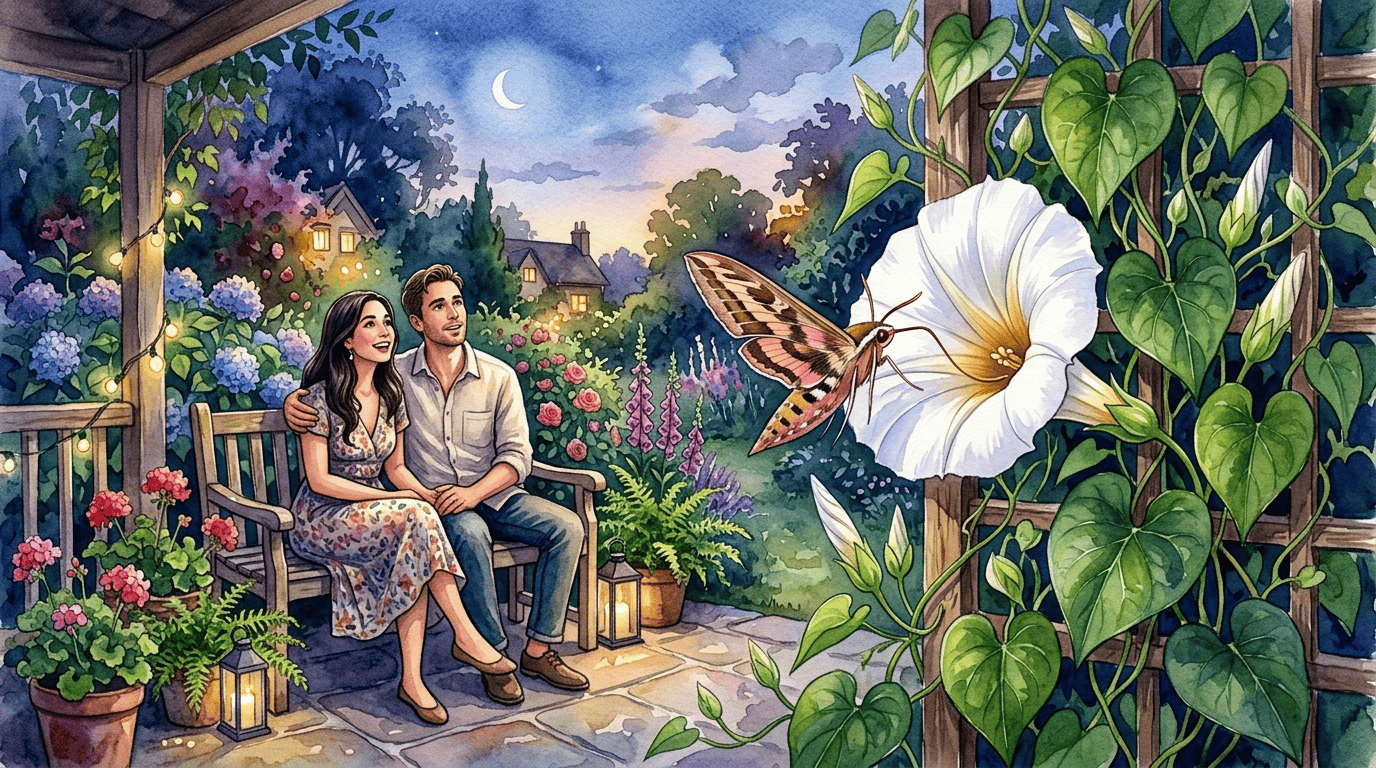
The evening opening and strong fragrance reflect moth pollination, particularly by large hawk moths (Sphingidae) which hover-feed from the 10 cm flower tubes. This makes the plant a classic companion planting with morning glories (Ipomoea tricolor) — the two species occupy complementary ecological niches, with morning glories handling daytime pollinators and moonflowers handling night moth pollinators.
In gardens moonflower is grown on trellises, pergolas, mailboxes, and fences specifically to enjoy the evening bloom spectacle and fragrance; planting positions near evening sitting areas and bedroom windows maximize the effect. Seeds are also toxic (similar ergoline chemistry to other Ipomoea). Became a signature American cottage-garden moonflower in the Victorian era and remains a favorite for Southern evening gardens today.
Symbolism & meaning
What It Symbolizes
Moonflower is dreams given petals — enormous luminous white trumpets that unfurl visibly at dusk and stay open through the night, drawing hawk moths from fields away. Its purity glows under starlight in a way no daytime bloom can match, the garden's lantern for the hours when most flowers sleep. It is the vine planted for evenings on the porch, when the world slows enough to watch a flower open.
- Dreams — evening blooms associated with night reverie
- Purity — luminous white flowers
Where the Name Comes From
Genus from Greek for 'worm-like' twining stems; 'alba' means 'white'.
Uses & Fun Facts
- Six-inch white trumpets unfurl at dusk with jasmine scent
- Fast-growing annual vine clothes arbors for one season
- Night-opening flowers attract sphinx moths and evening pollinators
Related plants
More Ipomoea plants
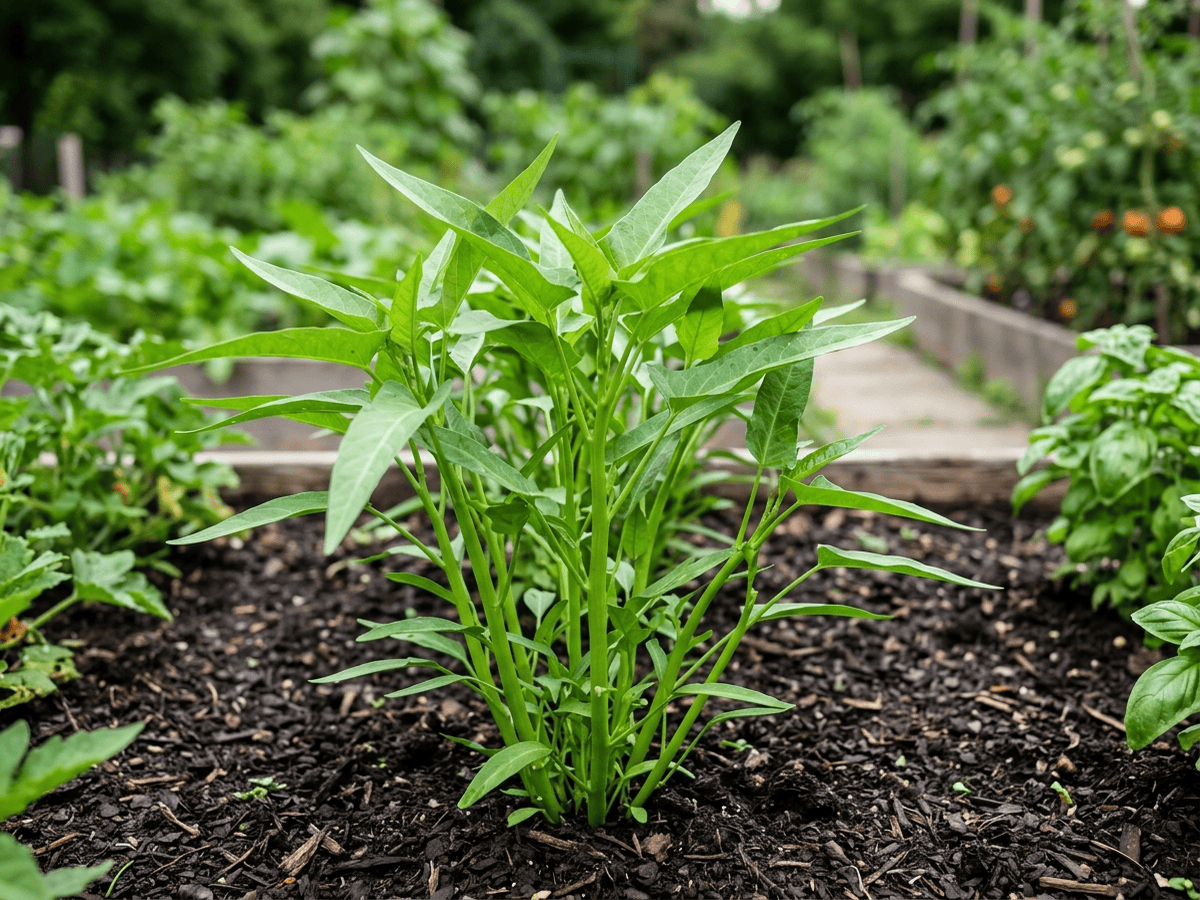 Water SpinachIpomoea aquatica
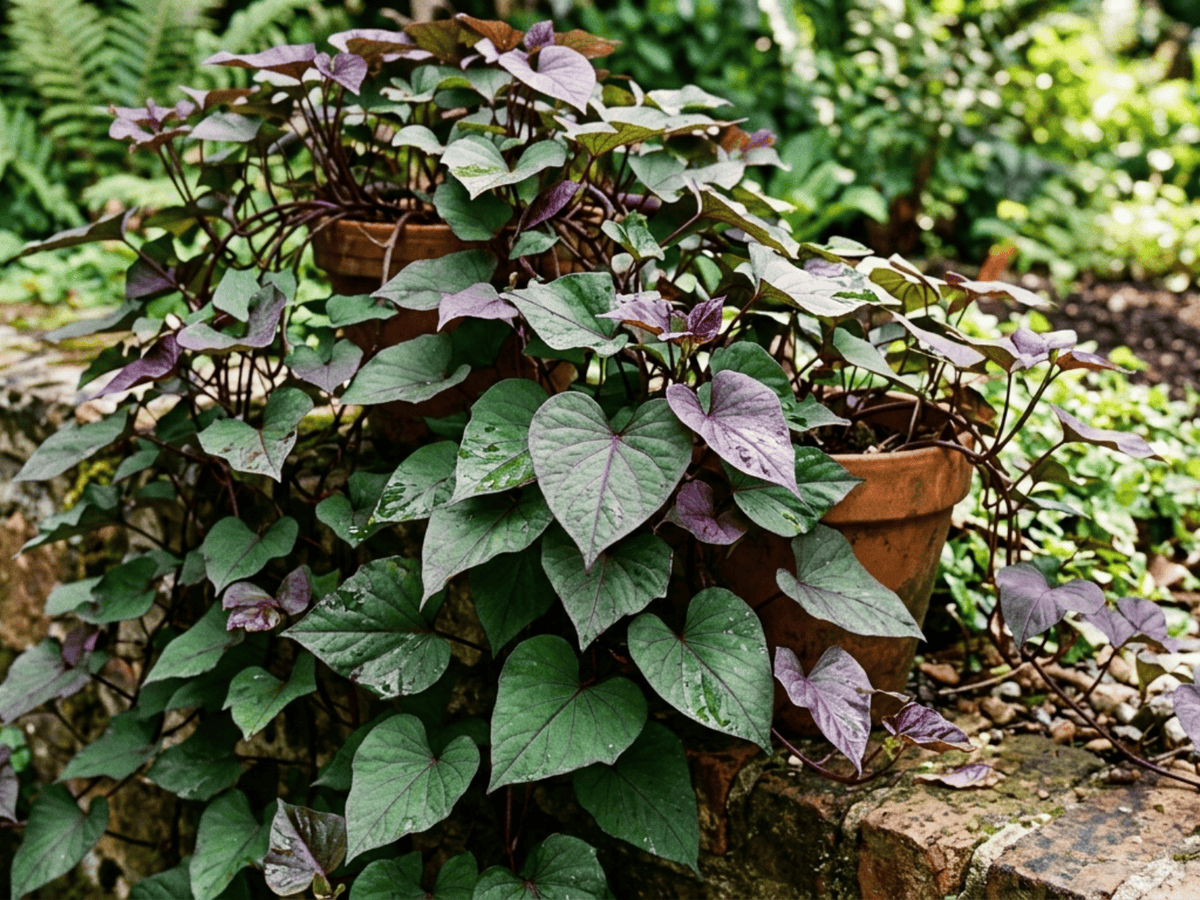 Sweet PotatoIpomoea batatas
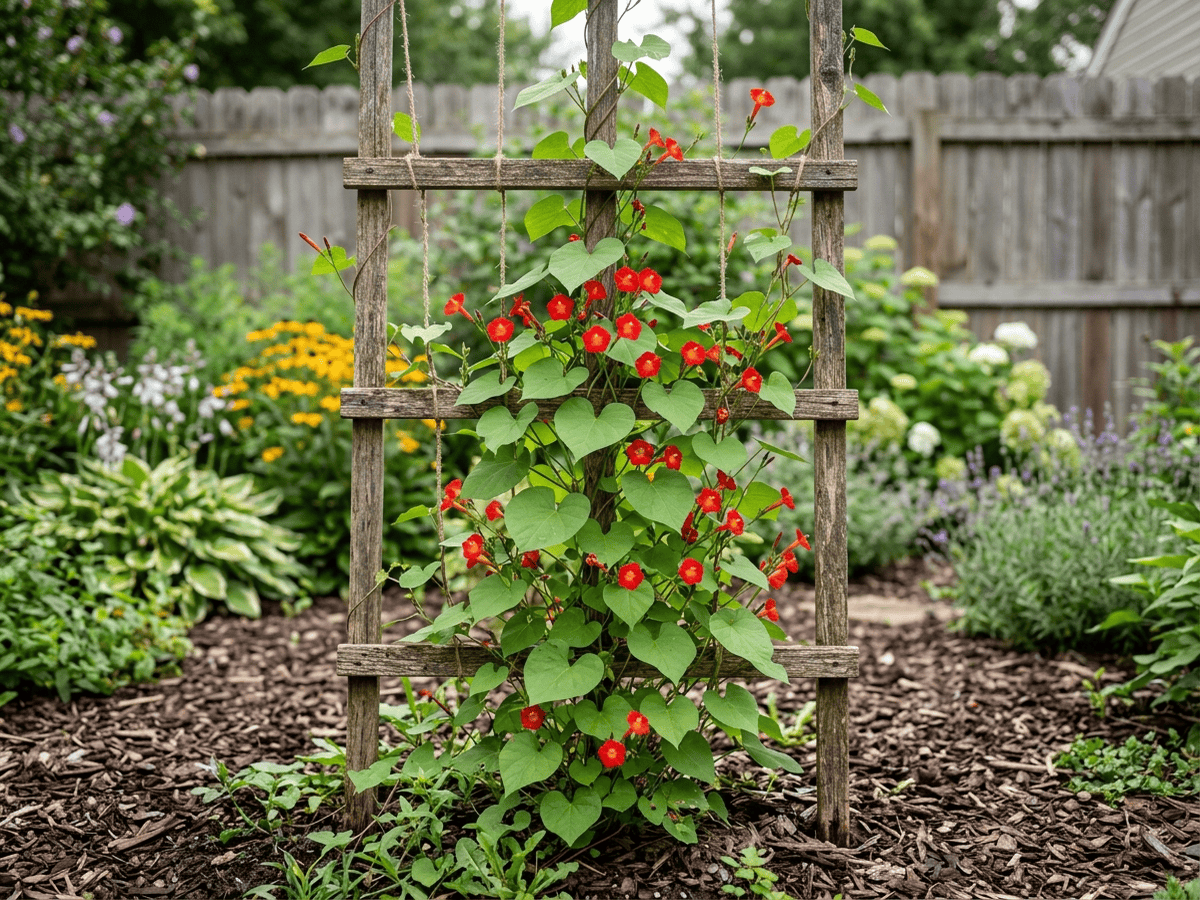 Red Morning GloryIpomoea coccinea
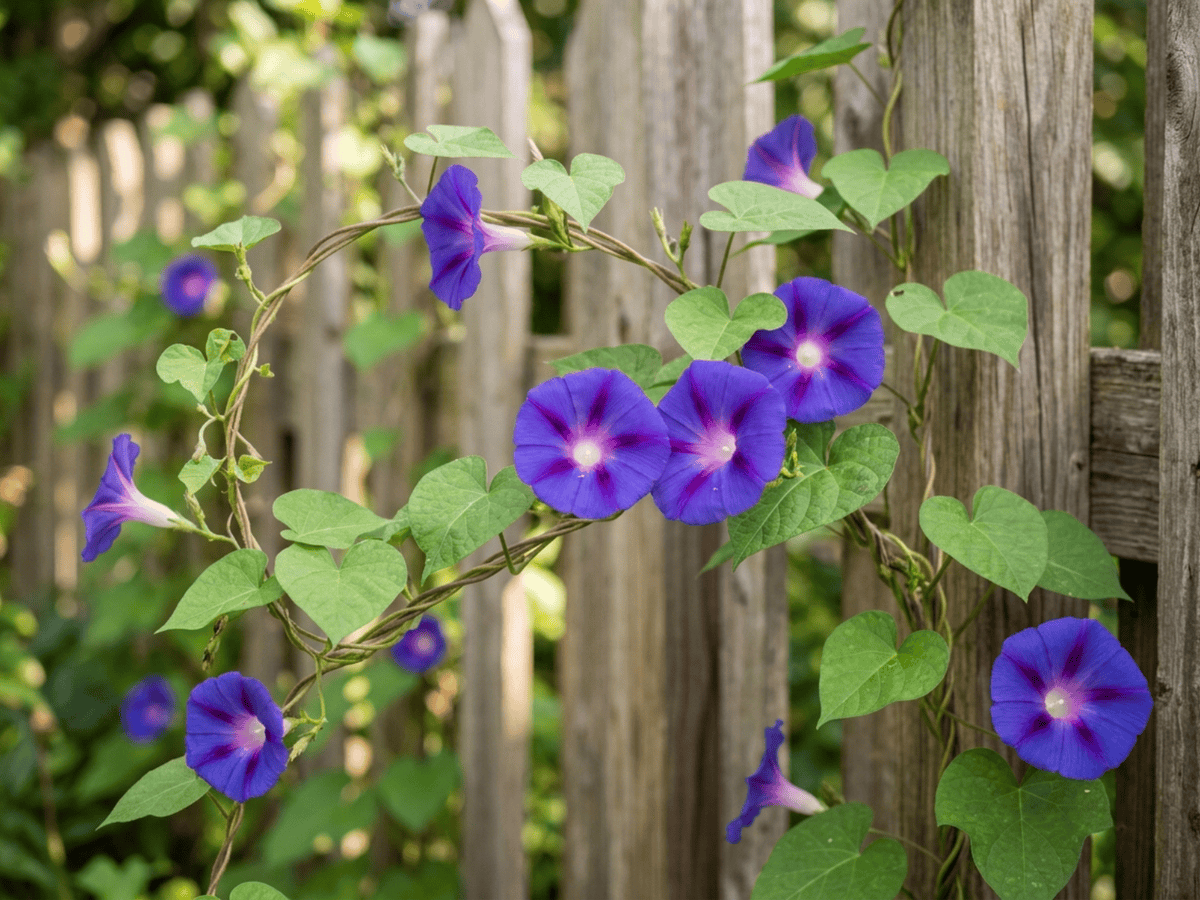 Common Morning-GloryIpomoea purpurea
Plants with similar care
 Chinese AbeliaAbelia chinensis
 Fragrant AbeliaAbelia mosanensis
 Large-Flowered AbeliaAbelia uniflora
 Glossy AbeliaAbelia x grandiflora
Frequently asked questions
How often should I water Moonflower?
In summer, water about every 3 days; in winter, about every 14 days. Adjust for heat, pot size and drainage.
How much light does Moonflower need?
Full sun: 6+ hrs direct. Watch the leaves — scorching or stretching means the light needs adjusting.
Is Moonflower toxic to cats or dogs?
Pets Moderate (Dogs Moderate · Cats Moderate) Educational information, not medical or veterinary advice. If exposure is suspected, contact a doctor or veterinarian.
Is Moonflower easy to grow?
Yes — it is considered an easy, beginner-friendly plant.
When does Moonflower bloom?
It typically blooms Jun–Aug in the Northern Hemisphere.
YardMate
Identify any plant in seconds
Snap a photo — YardMate names the plant, diagnoses problems, and reminds you when to water.
Download on the App Store