 YardMate

Red Morning Glory
Ipomoea coccinea
Easy · Beginner friendlyAbout Red Morning Glory
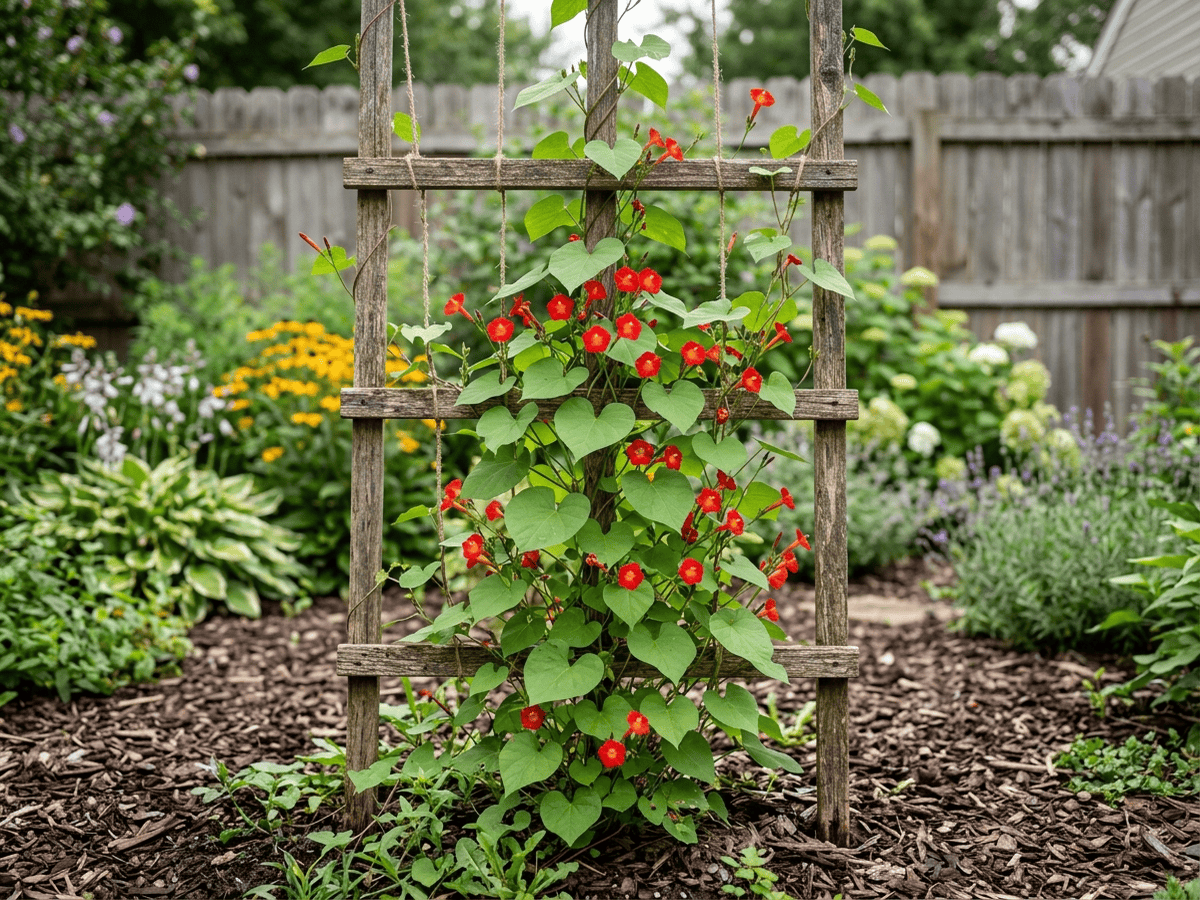
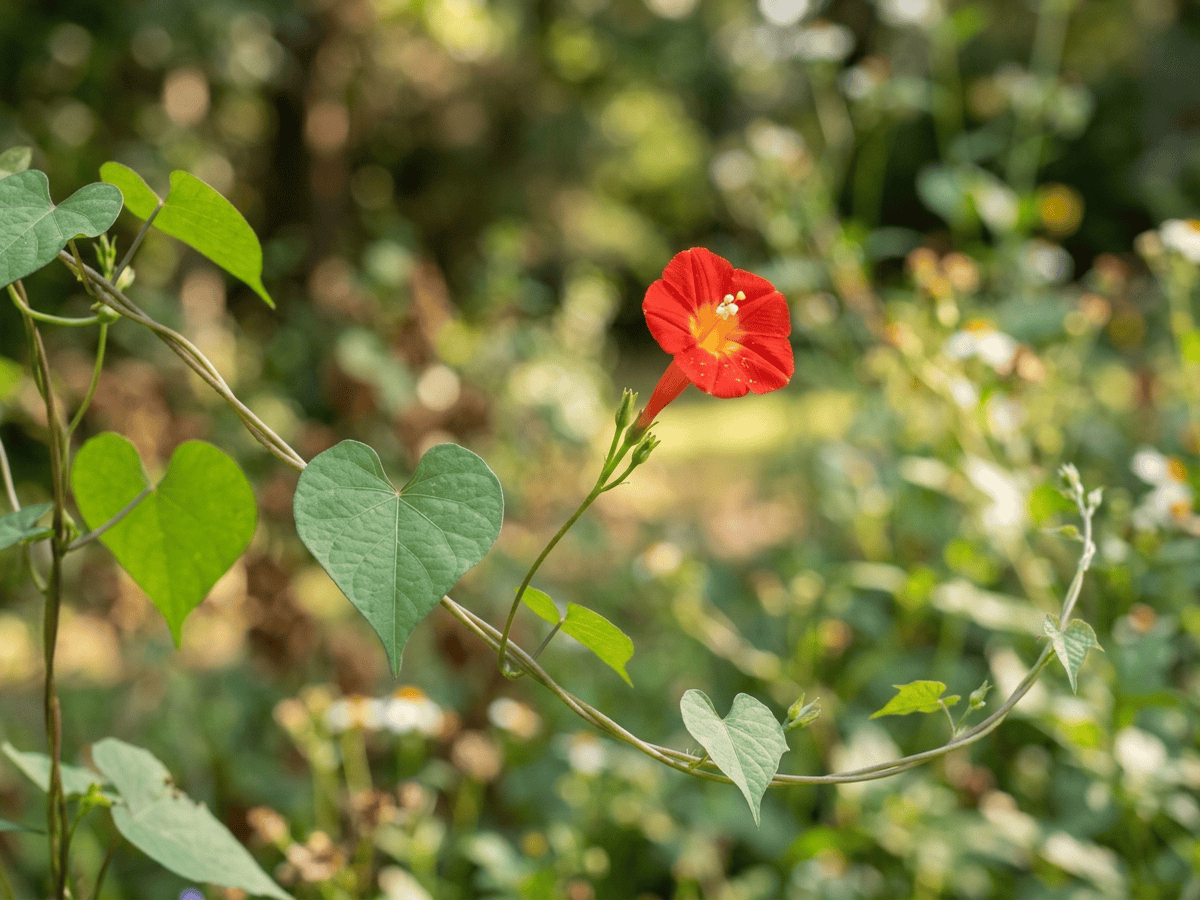
Ipomoea coccinea, red morning glory or redstar, is a fast-twining annual vine native to tropical America and naturalized across the southern and eastern United States. Its heart-shaped leaves and bright scarlet trumpet flowers with yellow throats attract hummingbirds and butterflies throughout summer and fall.
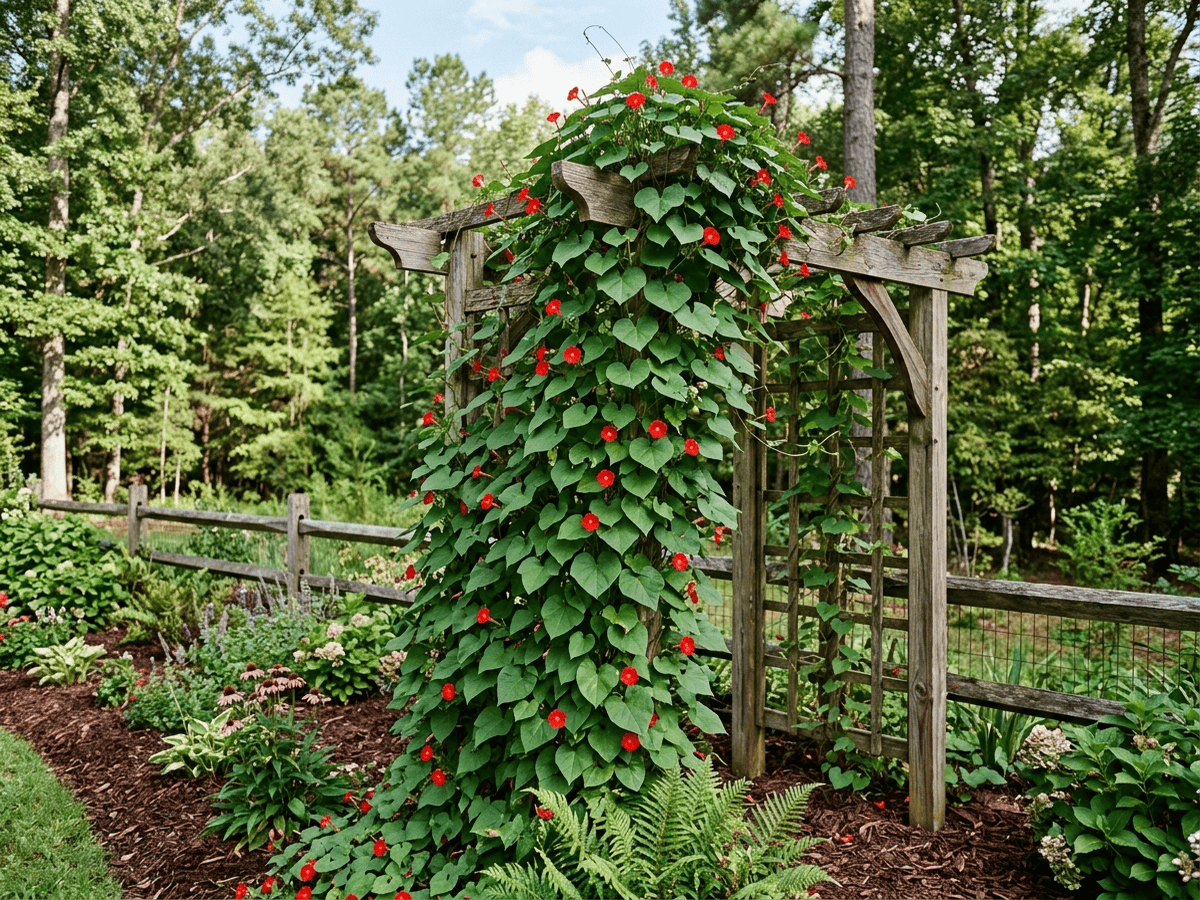
The vine climbs 2-4 meters on strings, trellises, and fences in a single season, self-seeding prolifically. Small flowers (2-3 cm) open at dawn and close by midday but reopen on cloudy days.
A favorite of hummingbird gardens and cottage fences. Considered a naturalized weed in some agricultural areas but otherwise well-behaved. Annual in cool climates; tropical perennial in zone 10+.
- Climbing
- Fast-growing
How to care for Red Morning Glory
Watering
- Springevery 5 days
- Summerevery 3 days
- Fallevery 5 days
- Winterpause watering
Soil · Well-draining
- Top dressingPine bark mulch10%
- Main mixPotting soil + perlite 2:170%
- DrainageLECA / gravel20%
Never skip the drainage layer — standing water is the top cause of root rot.
FERTILIZER
Balanced Feed 14-14-14
An even feed covers all three needs at once, keeping leaves, roots and blooms moving together with nothing pushed out of balance.
- Nitrogen · Leaves
- Phosphorus · Roots + Blooms
- Potassium · Strength
- Springevery 30 days
- Summerevery 30 days
- Fallevery 45 days
At a Glance
- NativeNorth America
- Height6–12 ft (1.8–3.7 m)
- Spread3–6 ft (0.9–1.8 m)
- Flower colorRed
- Foliage colorGreen
- Fruit colorBrown
- SoilLoamy, Well-drained
- LocationsYard
Bloom time
BLOOM CYCLE
Peak bloom
Jun–Nov
Scarlet trumpets open at dawn and attract hummingbirds; self-seeds freely.
Fragrance
NO FRAGRANCE
Not fragrant.
Toxicity
Humans Moderate · Pets Moderate
lysergic acid amide
Moderate
- Seed
- Ingestion
EXPOSURE Eating seeds.
EFFECT LSA alkaloids cause hallucinations, nausea, vomiting.
NOTE Documented concern for humans: LSA alkaloids cause hallucinations, nausea, vomiting.
Moderate
- Seed
- Ingestion
EXPOSURE Eating seeds.
EFFECT GI upset, hallucinations, tremors.
NOTE ASPCA lists Ipomoea as toxic to pets. Seeds contain psychoactive alkaloids.
Moderate
- Seed
- Ingestion
EXPOSURE Eating seeds.
EFFECT GI upset, hallucinations, tremors.
NOTE ASPCA lists Ipomoea as toxic to pets. Seeds contain psychoactive alkaloids.
Educational information, not medical or veterinary advice. If exposure is suspected, contact a doctor or veterinarian.
DISTRIBUTION


- Native
- Introduced
- North America
History
Ipomoea coccinea originated in Mexico and Central America and spread to the southern United States during early European-American agricultural trade. By the 19th century it was naturalized across the American South and mid-Atlantic, often found along farm fences and cottage garden trellises. Thomas Jefferson included morning glories in Monticello's 1812 plant list.
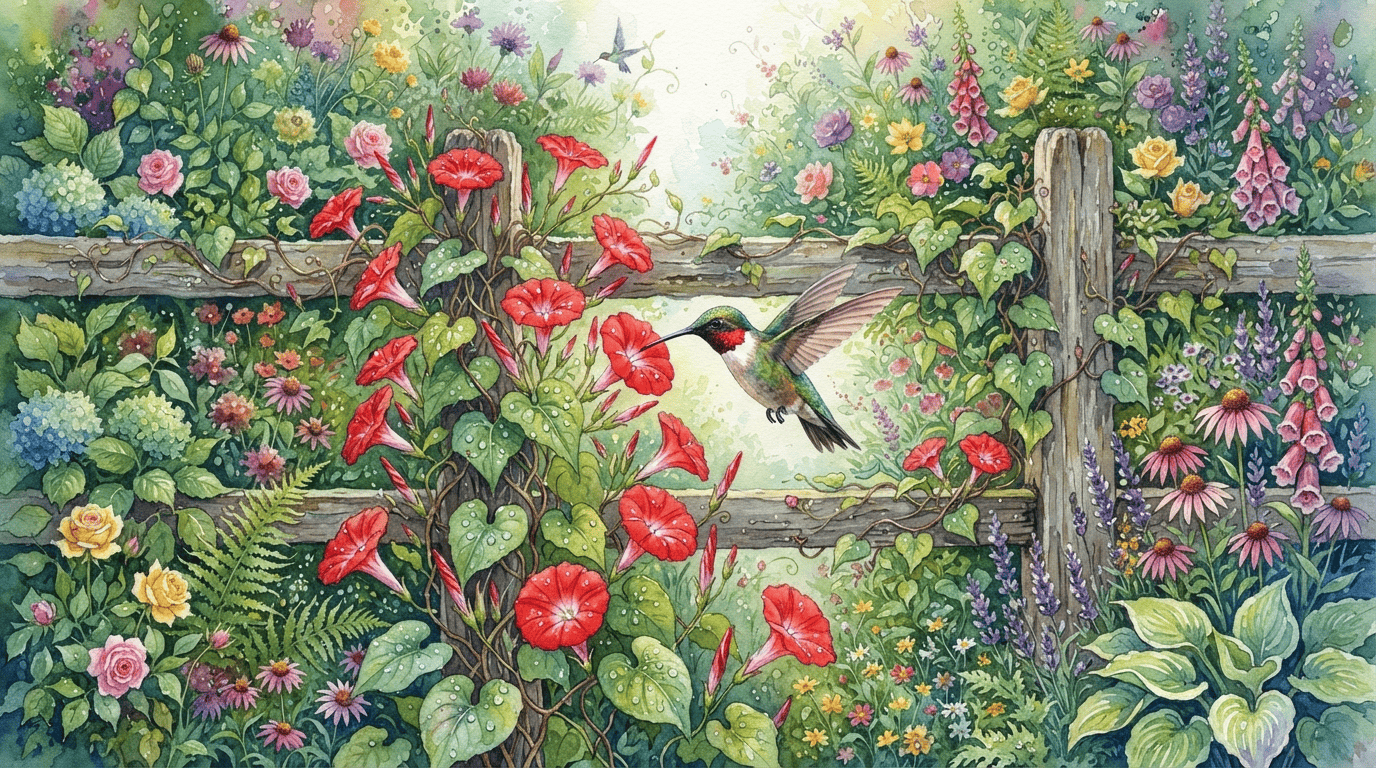
The species is an exceptional hummingbird plant — scarlet tubular flowers are the prototype of hummingbird-pollinated flower morphology. Every flower opens at dawn, is visited by hummingbirds during the morning, and closes by midday. Plants self-seed so aggressively that in the southern US they are considered naturalized roadside weeds. Seeds contain lysergic acid amide (LSA) alkaloids, though in much lower quantities than Ipomoea tricolor.
Symbolism & meaning
What It Symbolizes
Red Morning Glory speaks the Victorian language of love in vain, the traditional meaning attached to morning glories whose flowers open at dawn and collapse by afternoon. The brevity is the point: each blossom burns brightly for a single morning before yielding to the next bud. In floriography it became a messenger of unreciprocated affection, feelings as bright, brief, and irreplaceable as a sunrise flower.
- Love in Vain — Victorian flower language meaning of morning glory
- Fleeting Beauty — Each flower blooms only for a morning
Where the Name Comes From
The common name highlights its red coloring. Ipomoea from Greek 'ips' (worm) + 'homoios' (resembling); 'coccinea' means scarlet.
Uses & Fun Facts
- Scarlet trumpet flowers feed migrating ruby-throated hummingbirds
- Seeds eaten by sparrows and ground-feeding birds
- Quick annual vine covers trellises in one season
- Red morning glories cover fences in late summer
Related plants
More Ipomoea plants
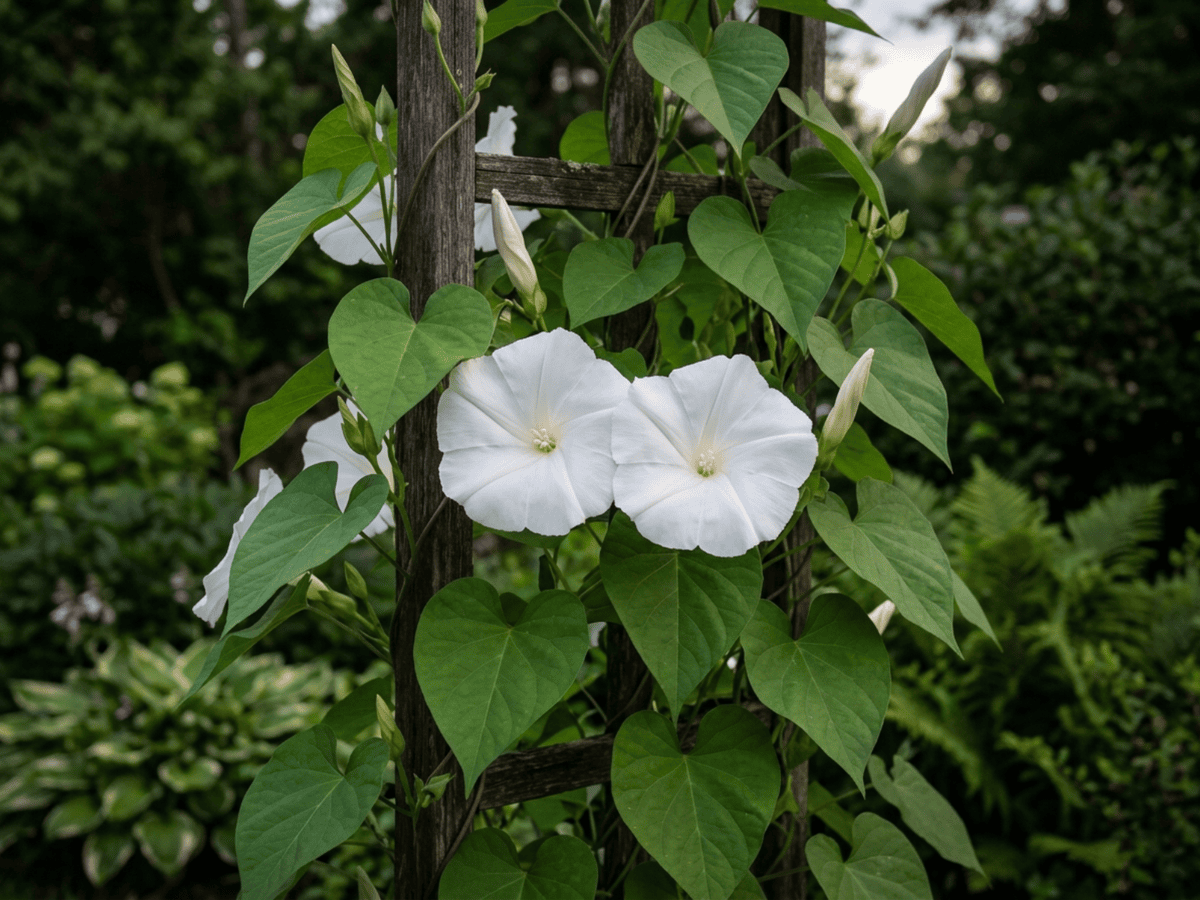 MoonflowerIpomoea alba
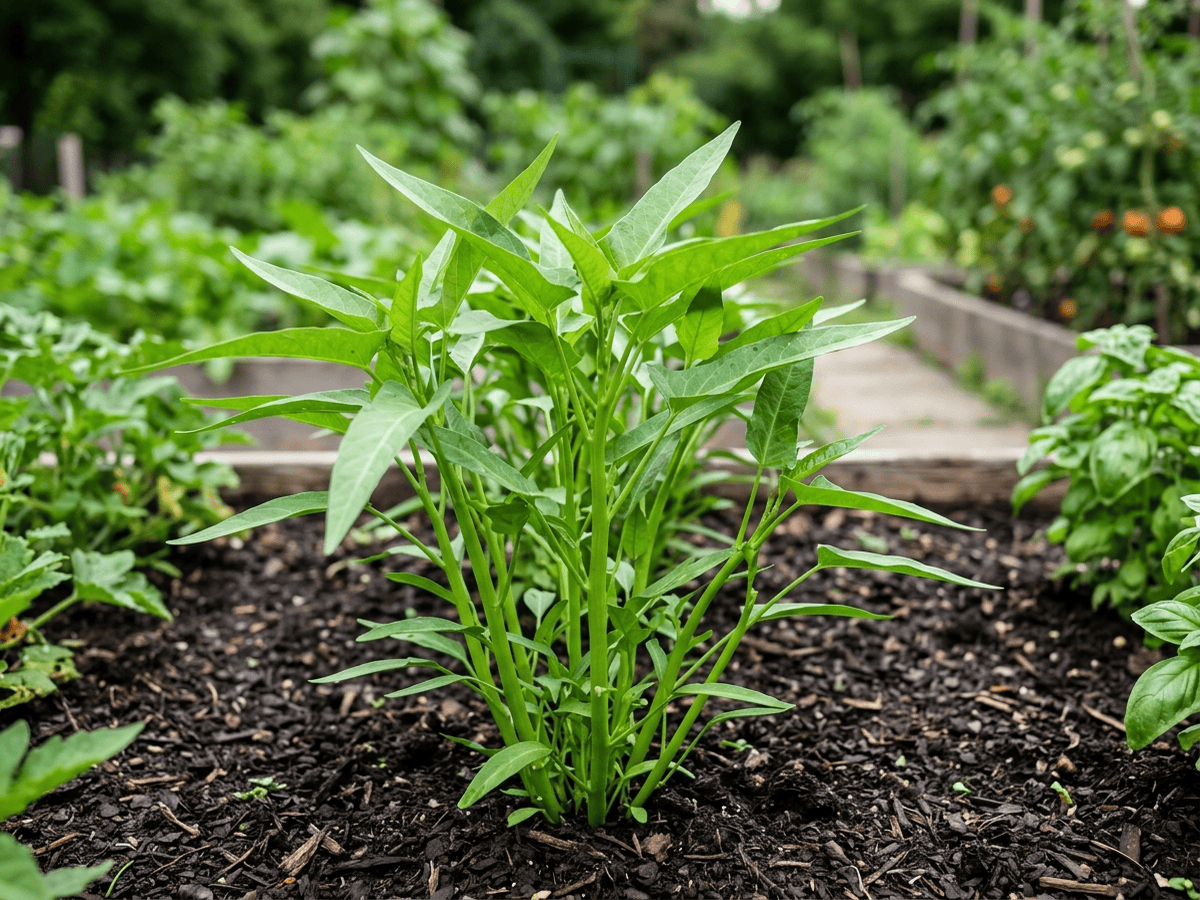 Water SpinachIpomoea aquatica
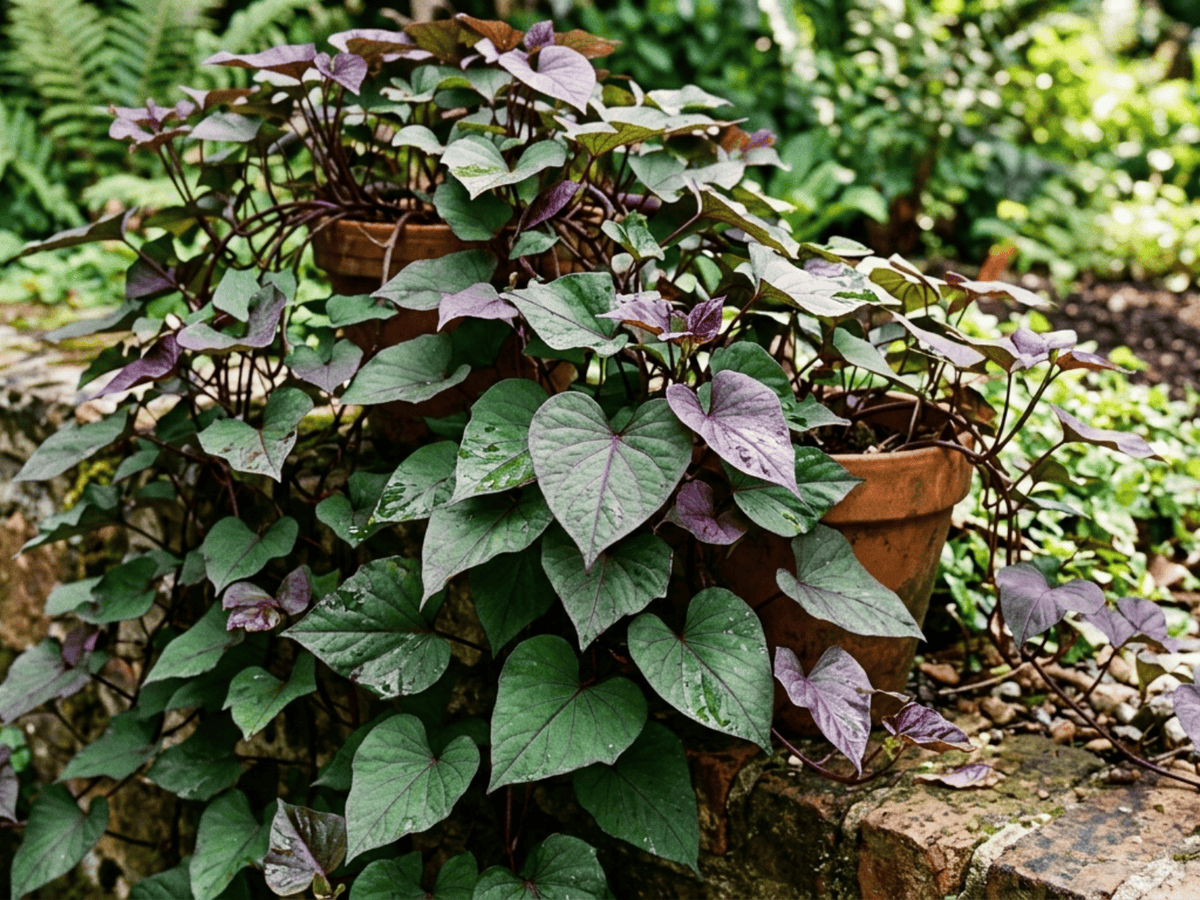 Sweet PotatoIpomoea batatas
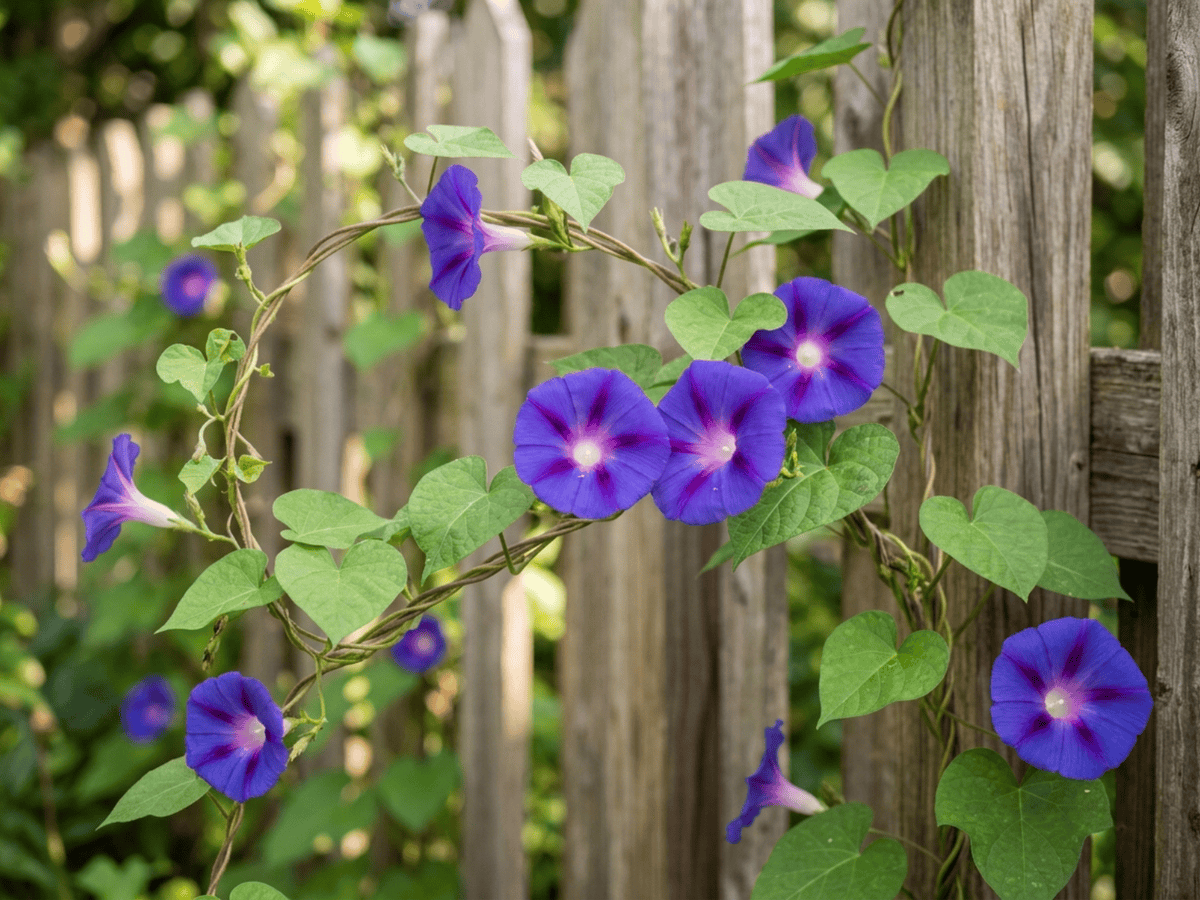 Common Morning-GloryIpomoea purpurea
Plants with similar care
 Chinese AbeliaAbelia chinensis
 Fragrant AbeliaAbelia mosanensis
 Large-Flowered AbeliaAbelia uniflora
 Glossy AbeliaAbelia x grandiflora
Frequently asked questions
How often should I water Red Morning Glory?
Water about every 5 days during the growing season, and always let excess water drain away.
How much light does Red Morning Glory need?
Full sun: 6+ hrs direct. Watch the leaves — scorching or stretching means the light needs adjusting.
Is Red Morning Glory toxic to cats or dogs?
Pets Moderate (Dogs Moderate · Cats Moderate) Educational information, not medical or veterinary advice. If exposure is suspected, contact a doctor or veterinarian.
Is Red Morning Glory easy to grow?
Yes — it is considered an easy, beginner-friendly plant.
When does Red Morning Glory bloom?
It typically blooms Jun–Nov in the Northern Hemisphere.
YardMate
Identify any plant in seconds
Snap a photo — YardMate names the plant, diagnoses problems, and reminds you when to water.
Download on the App Store