 YardMate

Sweet Potato
Ipomoea batatas
Easy · Beginner friendlyAbout Sweet Potato
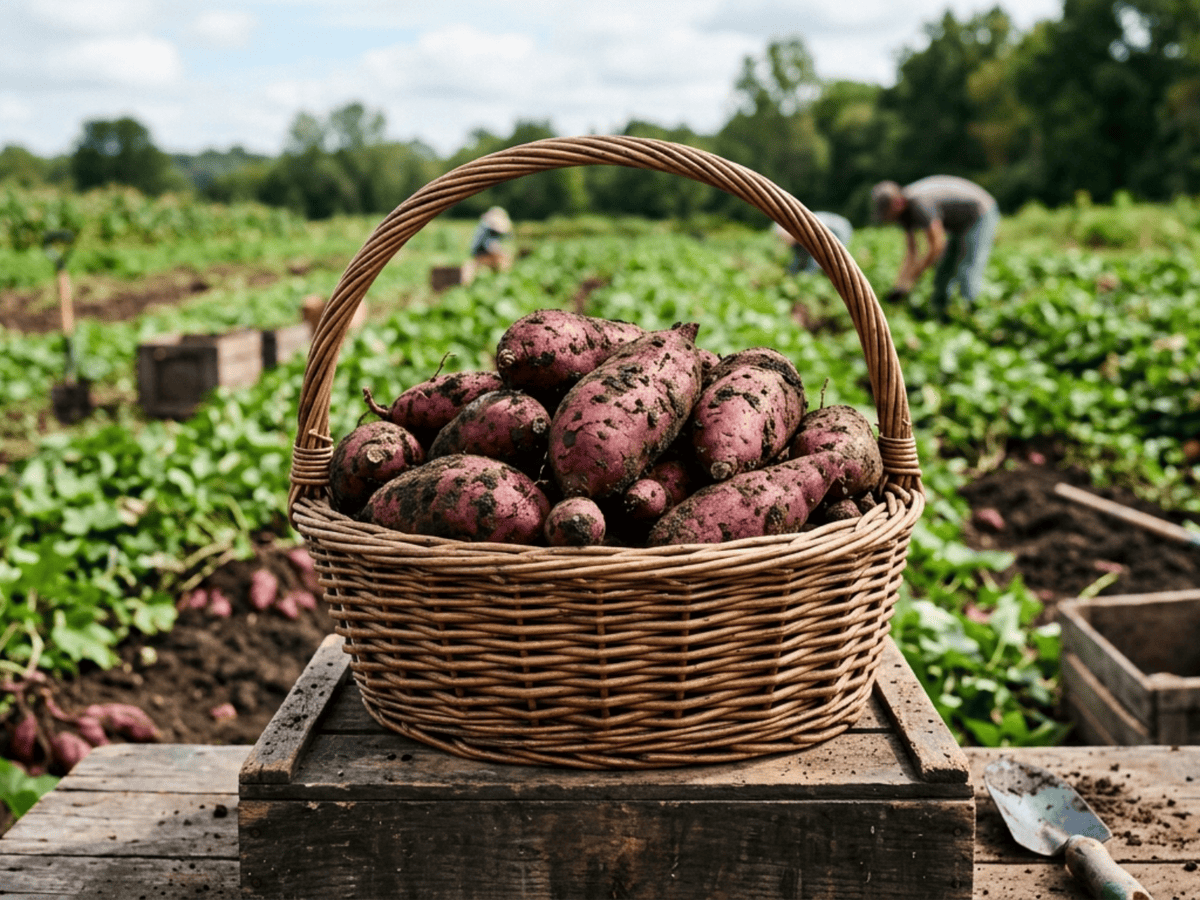
Ipomoea batatas, the sweet potato, is a tropical perennial vine in the Convolvulaceae (morning glory) family, grown as an annual for its swollen, starchy storage roots. Native to Central or South America, sweet potatoes are now cultivated throughout the tropics and warm temperate zones, and are the seventh most important food crop globally. Flesh colours range from white and yellow to deep orange and vibrant purple.
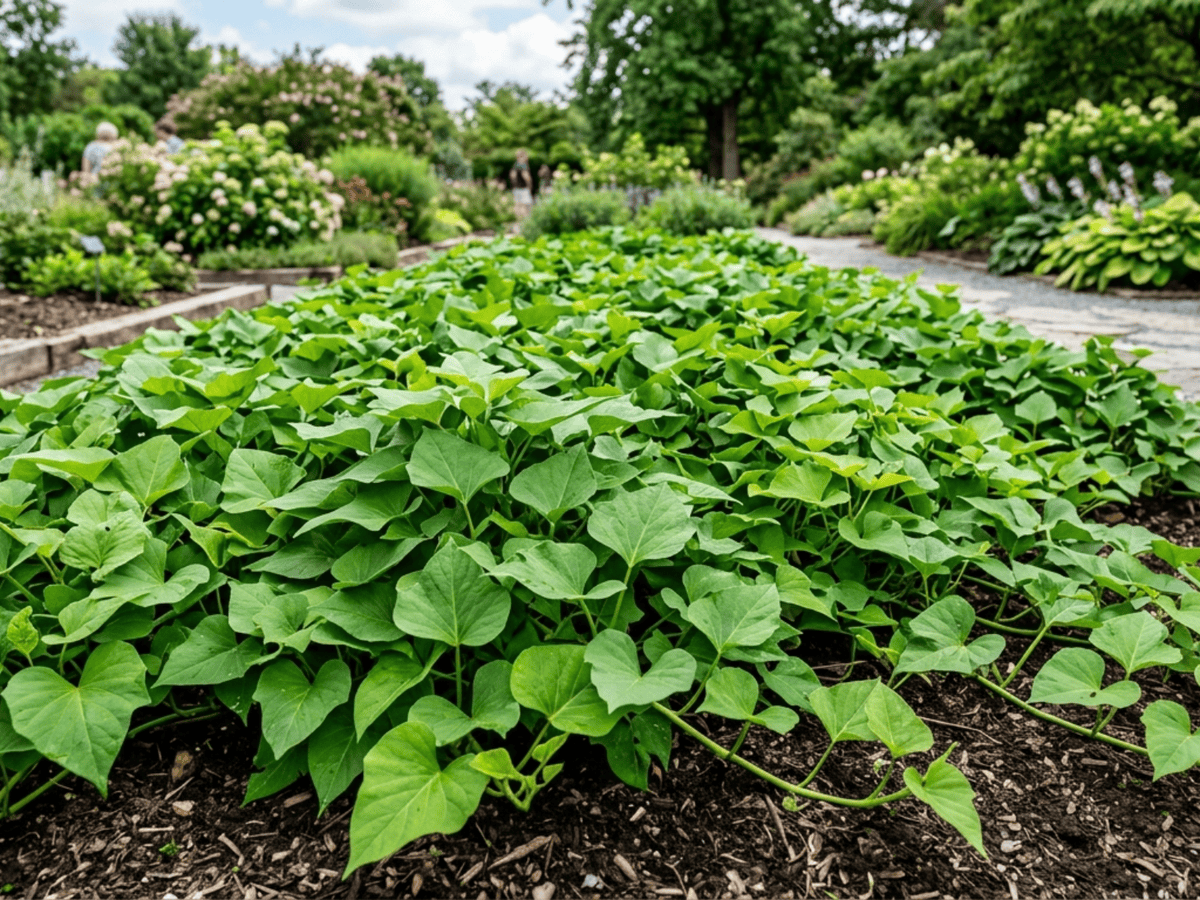
Sweet potatoes are warm-season crops requiring 100–150 frost-free days and soil temperatures above 18°C. They are grown from 'slips'—rooted sprouts from a mother tuber—rather than seed or tuber pieces. The vines spread vigorously, covering the ground and suppressing weeds. Full sun and loose, well-drained soil produce the best roots. Unlike regular potatoes, sweet potatoes are in the morning glory family—completely unrelated.
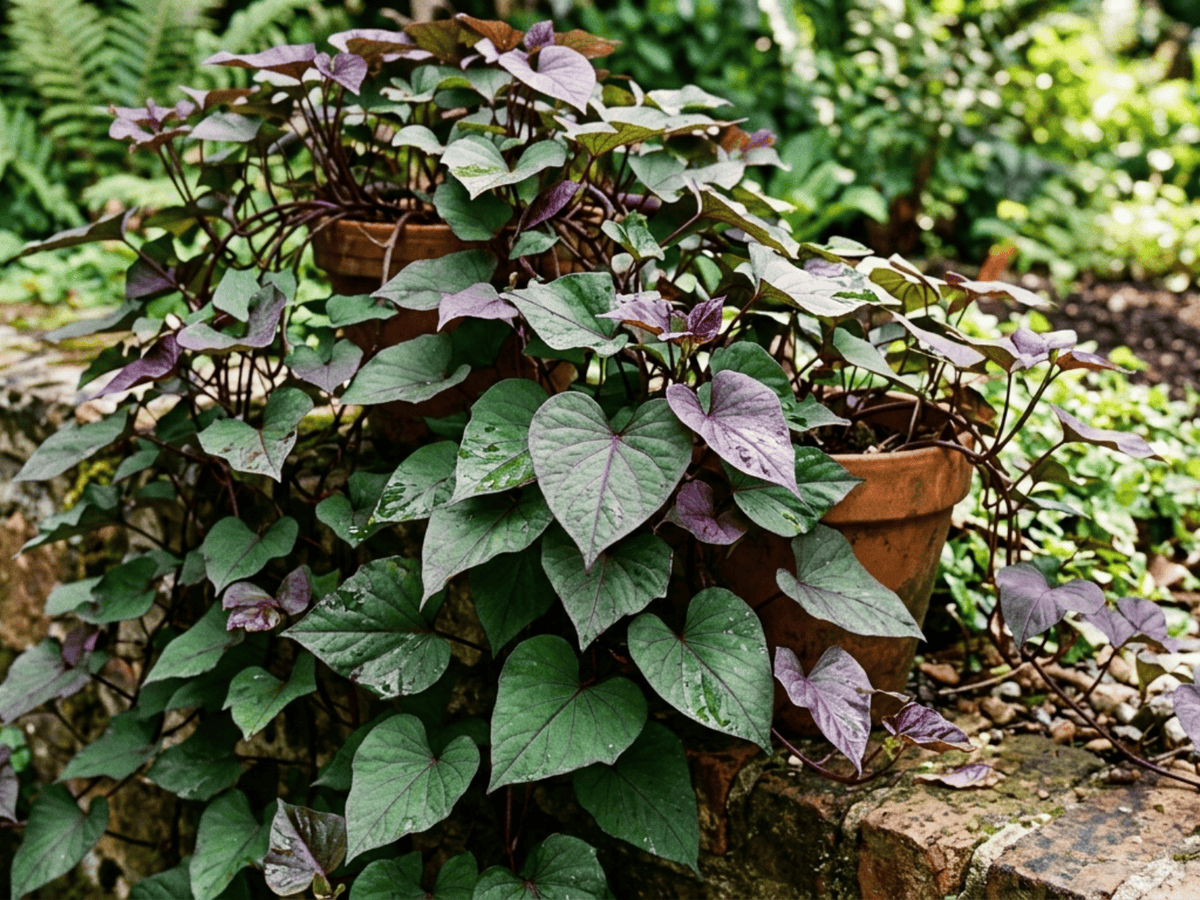
Orange-fleshed sweet potatoes are one of the world's most nutritious foods, exceptionally rich in beta-carotene (vitamin A precursor). Programs distributing orange sweet potato varieties in sub-Saharan Africa have dramatically reduced childhood vitamin A deficiency. The ornamental varieties with purple, chartreuse, or near-black foliage (e.g., 'Blackie,' 'Margarita') are popular container spillers. In cuisine, sweet potatoes star in dishes from American casserole to Japanese yakiimo to West African stews.
- Edible
- Drought-tolerant
How to care for Sweet Potato
Watering
- Springevery 3 days
- Summerevery 2 days
- Fallevery 4 days
- Winterevery 7 days
Soil · Rich & well-draining
- Top dressingCompost10%
- Main mixPotting soil + compost 3:180%
- DrainageGravel10%
Top up the compost layer each season.
FERTILIZER
Balanced Feed 14-14-14
An even feed covers all three needs at once, keeping leaves, roots and blooms moving together with nothing pushed out of balance.
- Nitrogen · Leaves
- Phosphorus · Roots + Blooms
- Potassium · Strength
- Springevery 21 days
- Summerevery 21 days
- Fallevery 30 days
At a Glance
- NativeCentral America
- Height0.5–1 ft (0.2–0.3 m)
- Spread4–8 ft (1.2–2.4 m)
- Flower colorPurple, Pink, White
- Foliage colorGreen, Purple
- Fruit colorOrange
- SoilLoamy, Well-drained, Sandy
- LocationsYard
Bloom time
BLOOM CYCLE
Peak bloom
Jun–Aug
Flowers resemble morning glories but rarely appear in temperate zones; not needed for tuber production.
Fragrance
NO FRAGRANCE
No notable fragrance.
Toxicity
Humans Safe · Pets Safe
None reported
Safe
EXPOSURE No exposure route is reported.
EFFECT Widely consumed.
NOTE Listed as non-toxic for humans; avoid eating ornamental plants unless confirmed edible.
Safe
EXPOSURE No exposure route is reported.
EFFECT Cooked flesh safe and raw uncooked may cause GI upset.
NOTE Listed as non-toxic for dogs; avoid eating ornamental plants unless confirmed edible.
Safe
EXPOSURE No exposure route is reported.
EFFECT Cooked flesh generally safe.
NOTE Listed as non-toxic for cats; avoid eating ornamental plants unless confirmed edible.
Educational information, not medical or veterinary advice. If exposure is suspected, contact a doctor or veterinarian.
DISTRIBUTION

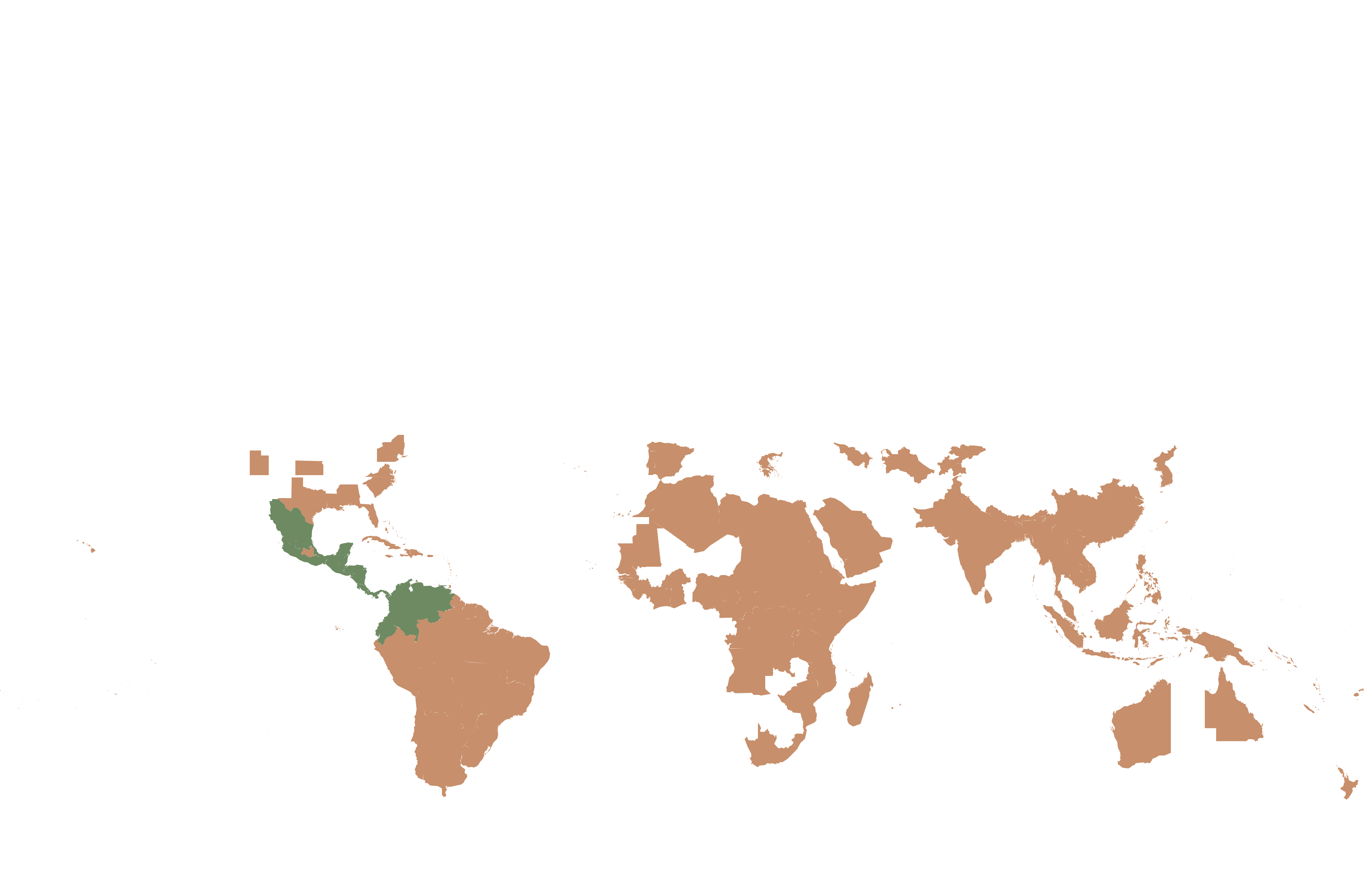
- Native
- Introduced
- Central America
History

Ipomoea batatas is native to tropical Americas, with domestication believed to have occurred in Central or South America at least 5,000 years ago. One of the great puzzles of prehistoric diffusion is the presence of sweet potato in Polynesia centuries before Columbus; carbonized sweet potato remains at sites in the Cook Islands date to approximately 1000 CE, and the Maori name "kumara" is linguistically related to the Quechua "k'umara" in South America. Leading hypotheses for pre-Columbian arrival in Polynesia include: long-distance Polynesian voyages to the Americas and back, South American voyages westward to Polynesia, and natural seafloat dispersal of seeds.
2020 genetic evidence supports pre-Columbian Polynesian contact with the Americas, broadly vindicating the voyaging hypothesis. Sweet potato spread to Europe and Africa after Columbus, and from Manila to China via the Manila galleon trade in the 1590s. It remains crucial to food security in sub-Saharan Africa (particularly orange-fleshed vitamin-A-biofortified cultivars) and in Papua New Guinea.
"Yam" in American English often refers to sweet potatoes, though true yams (Dioscorea) are a different genus. Polynesians carried sweet potatoes across the Pacific to islands including New Zealand — one of the great mysteries of pre-Columbian trans-oceanic contact. In Japan, sweet potatoes sustained populations during famines. The orange-flesh biofortification program has been called one of the most successful nutritional interventions in Africa.
Symbolism & meaning
What It Symbolizes
The Sweet Potato expresses generosity, producing an abundance of tubers from poor, dry soils where other crops would simply give up. Its sweet, warming flesh has anchored tropical and Southern tables for centuries, a vegetable that gives without demanding. In every orange root lies a quiet promise of nourishment offered freely, regardless of conditions.
- Generosity — Producing abundantly even in poor soil, the sweet potato symbolizes giving without conditions
- Warmth — Its sweet, warming flavor and tropical origin represent comfort and nourishment
Where the Name Comes From
Ipomoea from Greek 'ips' (worm) + 'homoios' (resembling), describing the twining habit; 'batatas' from Taino via Spanish, the Caribbean word for the root. Confusingly, 'potato' also derives from this same Taino word.
Uses & Fun Facts
- Starchy tubers roasted, baked, fried, or mashed in casseroles
- Chartreuse and purple-leaf cultivars cascade from container plantings
- Vining stems blanket warm-season beds and large planters
- Trailing ornamental Sweet Potato vine spills from baskets and pots
Related plants
More Ipomoea plants
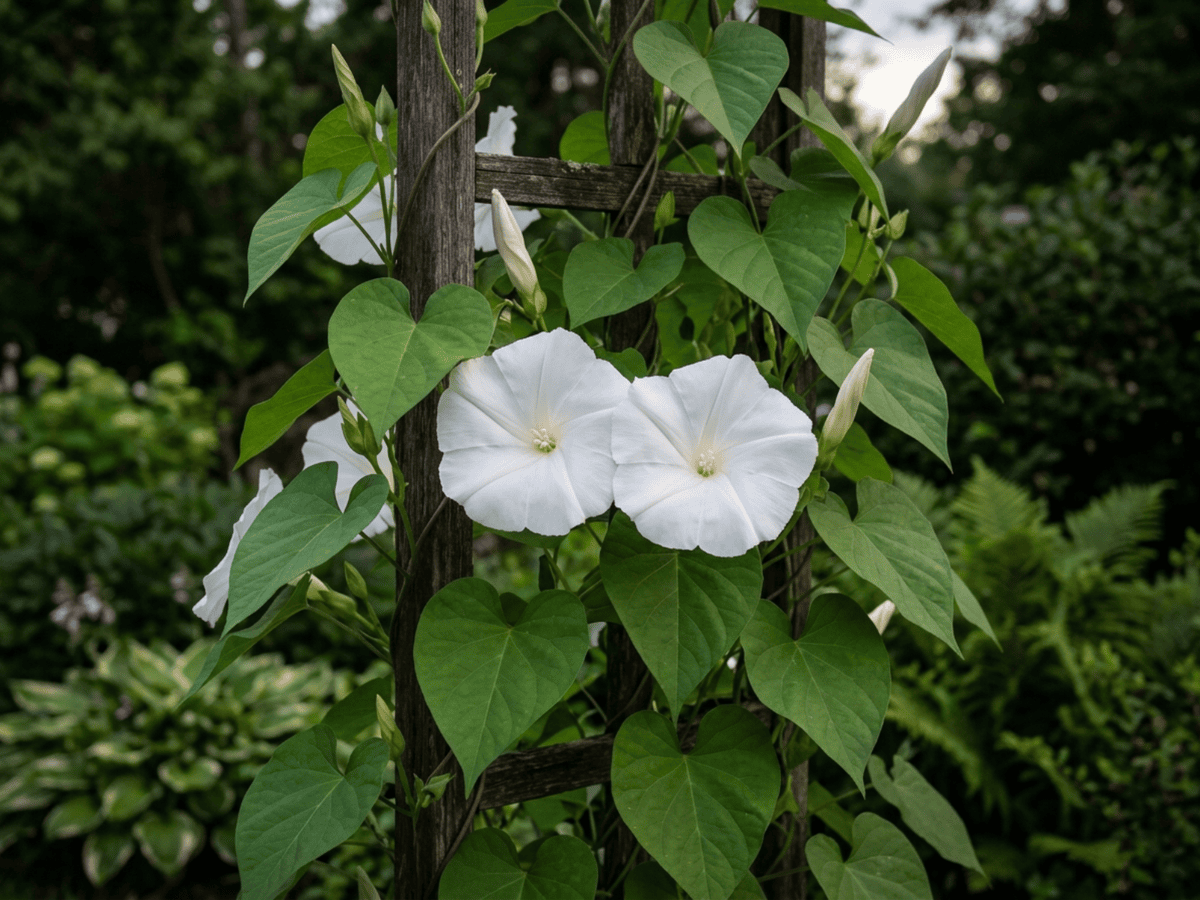 MoonflowerIpomoea alba
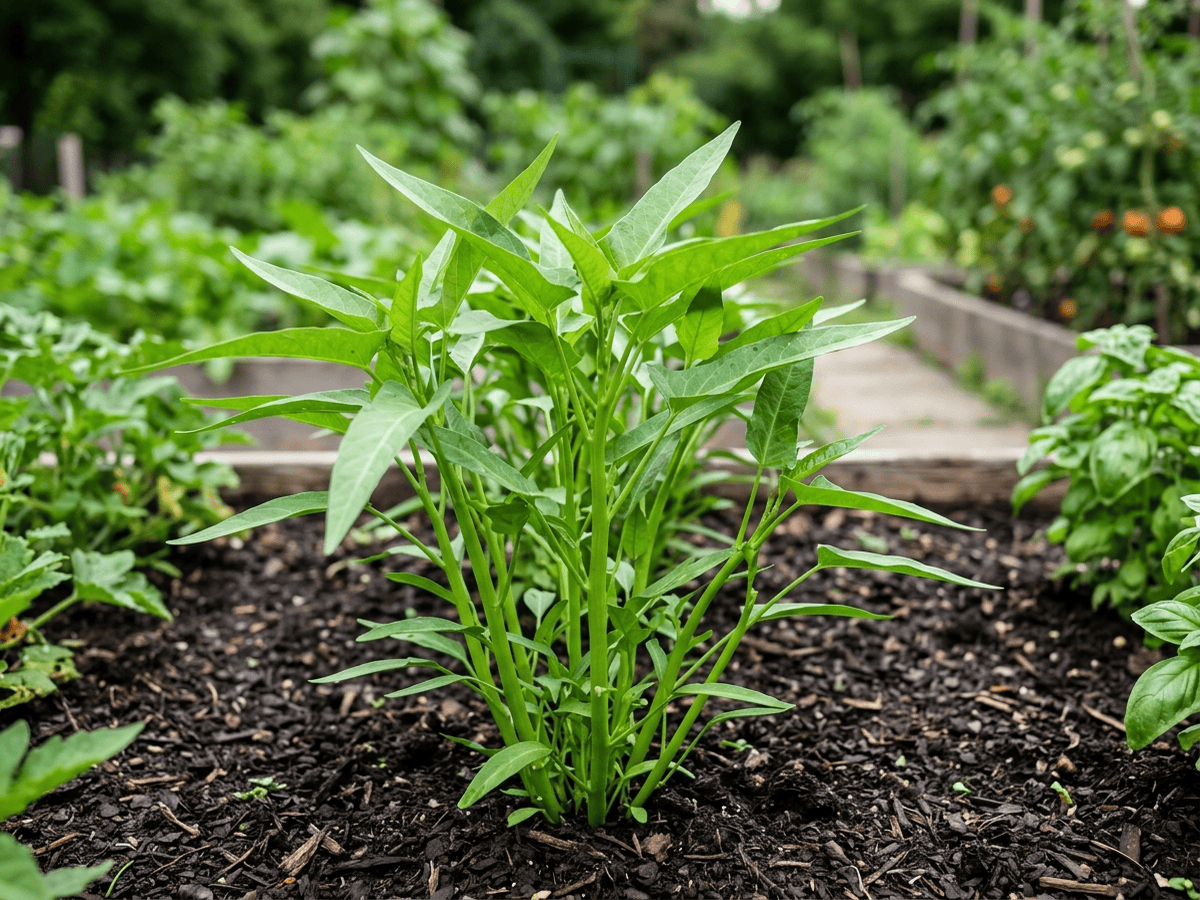 Water SpinachIpomoea aquatica
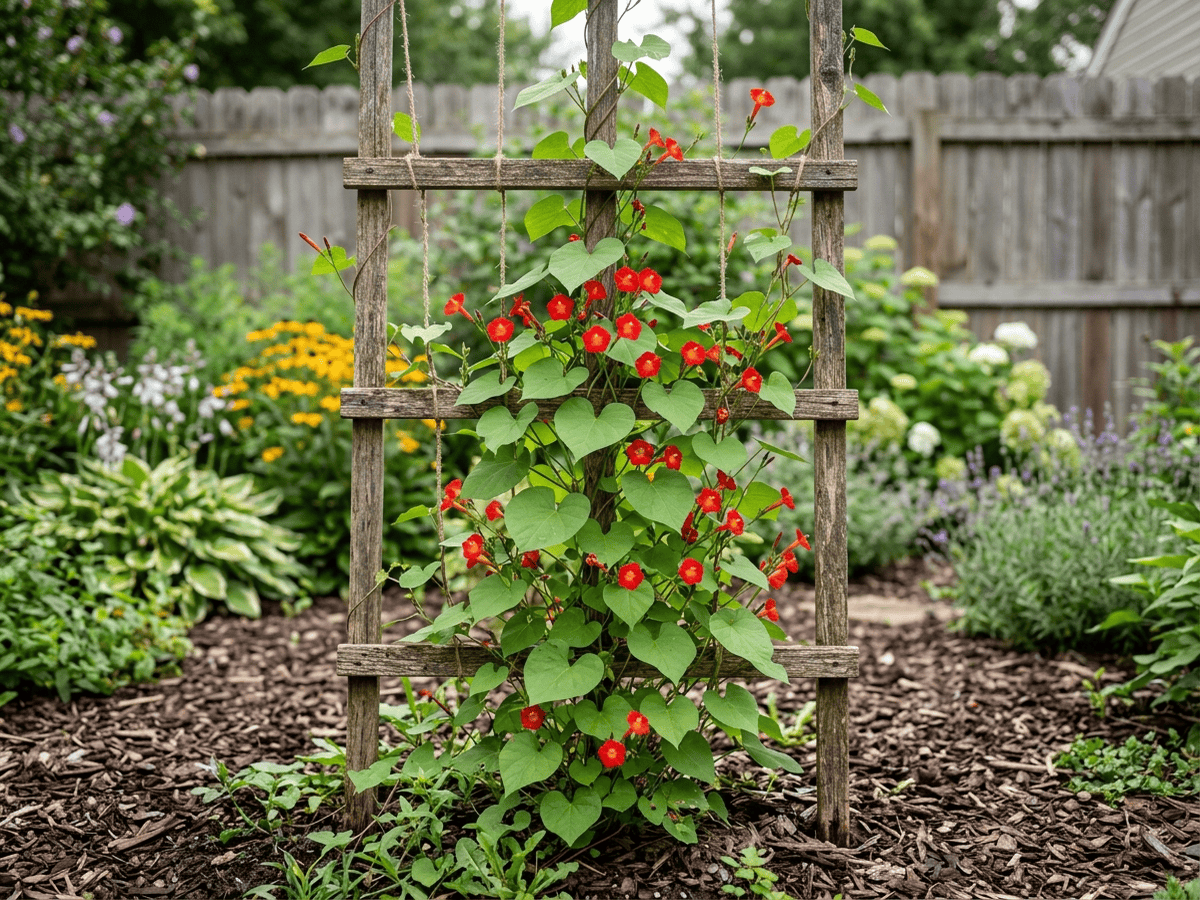 Red Morning GloryIpomoea coccinea
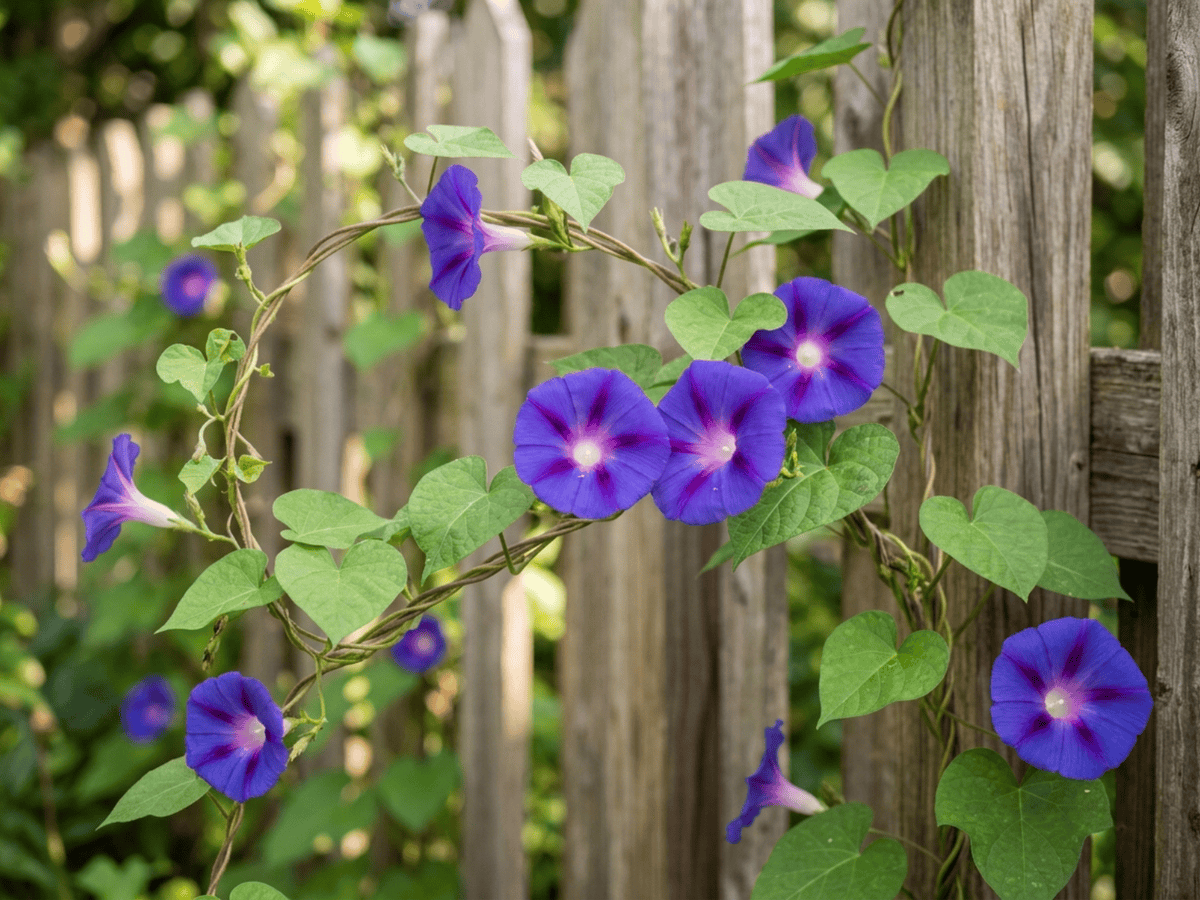 Common Morning-GloryIpomoea purpurea
Plants with similar care
 Chinese AbeliaAbelia chinensis
 Fragrant AbeliaAbelia mosanensis
 Large-Flowered AbeliaAbelia uniflora
 Glossy AbeliaAbelia x grandiflora
Frequently asked questions
How often should I water Sweet Potato?
In summer, water about every 2 days; in winter, about every 7 days. Adjust for heat, pot size and drainage.
How much light does Sweet Potato need?
Full sun: 6+ hrs direct. Watch the leaves — scorching or stretching means the light needs adjusting.
Is Sweet Potato toxic to cats or dogs?
Pets Safe (Dogs Safe · Cats Safe) Educational information, not medical or veterinary advice. If exposure is suspected, contact a doctor or veterinarian.
Is Sweet Potato easy to grow?
Yes — it is considered an easy, beginner-friendly plant.
When does Sweet Potato bloom?
It typically blooms Jun–Aug in the Northern Hemisphere.
YardMate
Identify any plant in seconds
Snap a photo — YardMate names the plant, diagnoses problems, and reminds you when to water.
Download on the App Store