 YardMate

Common Morning-Glory
Ipomoea purpurea
Easy · Beginner friendlyAbout Common Morning-Glory
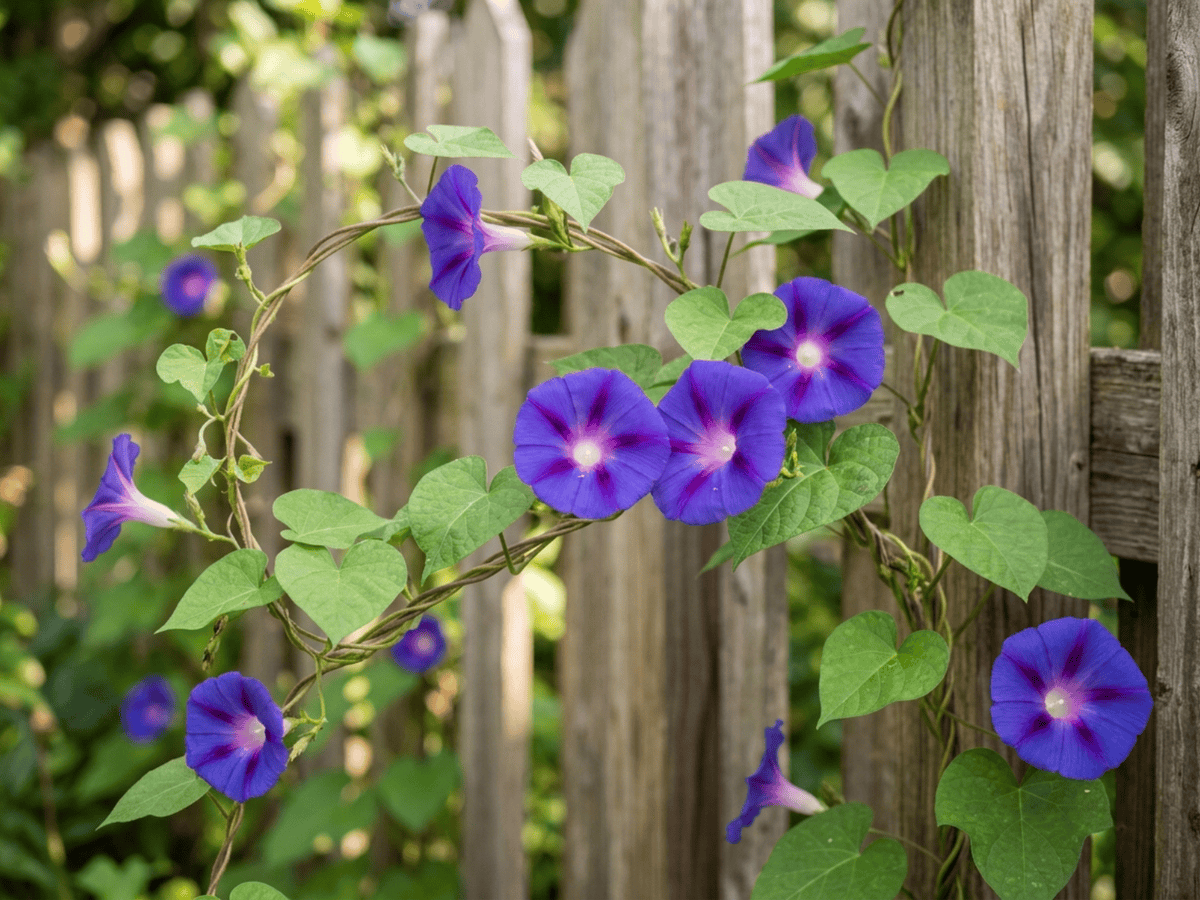
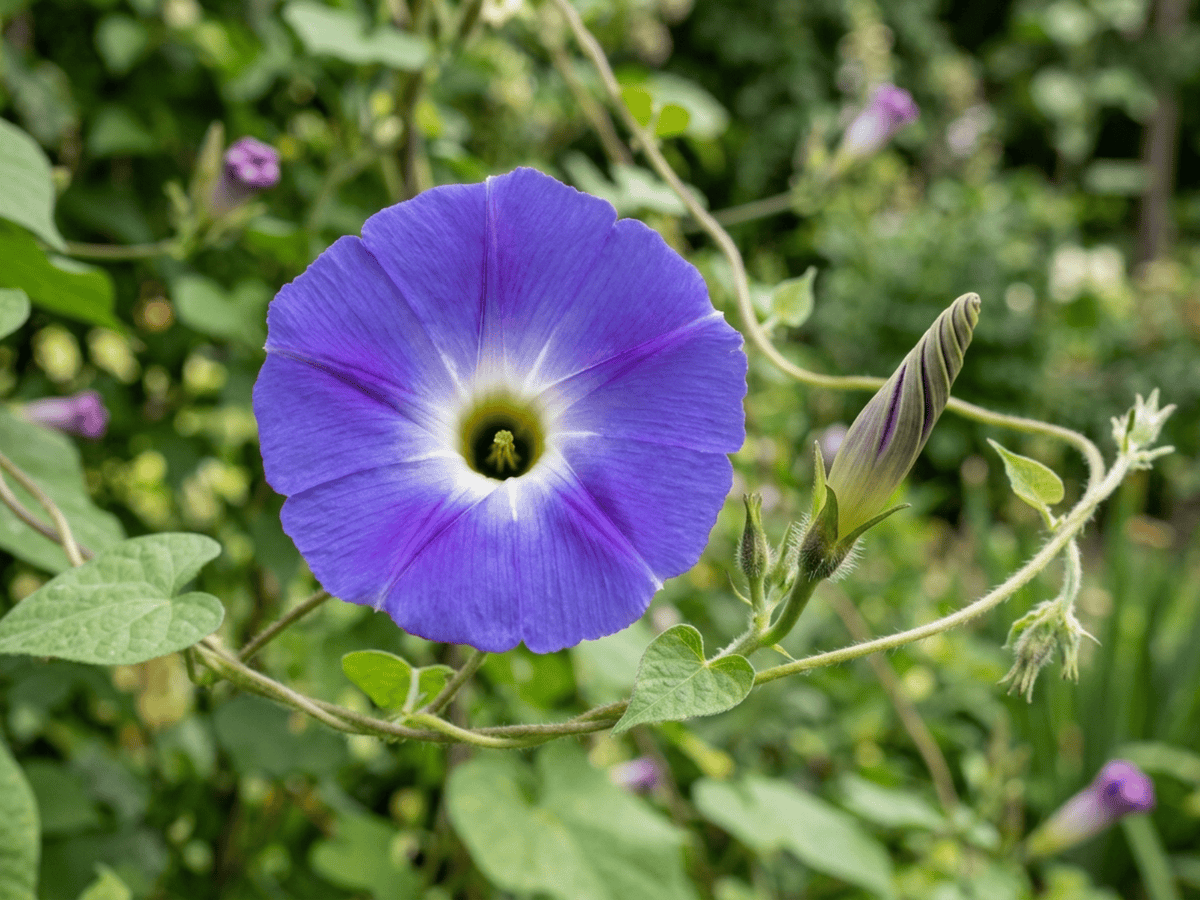
Ipomoea purpurea, the common morning glory, is a fast-growing annual vine native to Mexico and Central America that has become naturalized throughout the tropics and subtropics worldwide. Its funnel-shaped flowers, typically in vibrant shades of purple, blue, pink, and white, open fresh each morning and fade by afternoon, giving the plant its evocative common name. A single vine can produce hundreds of flowers over the growing season, each lasting only one day but replaced by new blooms daily. The heart-shaped leaves twine rapidly around any support, and the vine can grow 2 to 3 meters in a single season. Morning glories are among the easiest annual vines to grow from seed — simply soak seeds overnight and sow directly after last frost. The cultivar 'Heavenly Blue' with its clear sky-blue flowers is one of the most famous garden annuals ever developed. The seeds contain lysergic acid amide (LSA), a naturally occurring psychoactive compound, and should not be ingested.
- Climbing
- Fast-growing
- Pollinator-friendly
How to care for Common Morning-Glory
Watering
- Springevery 3 days
- Summerevery 2 days
- Fallevery 5 days
- Winterpause watering
Soil · Well-draining
- Top dressingPine bark mulch10%
- Main mixPotting soil + perlite 2:170%
- DrainageLECA / gravel20%
Never skip the drainage layer — standing water is the top cause of root rot.
FERTILIZER
Balanced Feed 14-14-14
An even feed covers all three needs at once, keeping leaves, roots and blooms moving together with nothing pushed out of balance.
- Nitrogen · Leaves
- Phosphorus · Roots + Blooms
- Potassium · Strength
- Springevery 30 days
- Summerevery 30 days
At a Glance
- NativeNorth America, Central America
- Height6–10 ft (1.8–3 m)
- Spread3–6 ft (0.9–1.8 m)
- Flower colorPurple, Blue, Pink, White
- Foliage colorGreen
- SoilLoamy, Well-drained
- LocationsYard · Balcony
Bloom time
BLOOM CYCLE
Peak bloom
Jun–Aug
Funnel-shaped flowers open each morning; deadhead for continuous bloom
Fragrance
LIGHT FRAGRANCE
Flowers have a very faint sweet scent.
Toxicity
Humans Moderate · Pets Moderate
ergoline alkaloids (LSA, lysergic acid amide)
Moderate
- Seed
- Ingestion
EXPOSURE Eating seeds.
EFFECT Seeds contain LSA (ergine) alkaloid, causing hallucinations, vomiting, dangerous side effects at moderate doses.
NOTE Documented concern for humans: Seeds contain LSA (ergine) alkaloid, causing hallucinations, vomiting, dangerous side effects at moderate doses.
Moderate
- Seed
- Leaf
- Ingestion
EXPOSURE Eating seeds and leaves.
EFFECT Vomiting, diarrhea, hallucinations, ataxia.
NOTE ASPCA lists morning glory as toxic to dogs, cats, and horses. Seeds are psychoactive and toxic; commercial seed is sometimes coated with fungicide to deter consumption.
Moderate
- Seed
- Leaf
- Ingestion
EXPOSURE Eating seeds and leaves.
EFFECT Same as dogs.
NOTE ASPCA lists morning glory as toxic to dogs, cats, and horses. Seeds are psychoactive and toxic; commercial seed is sometimes coated with fungicide to deter consumption.
Educational information, not medical or veterinary advice. If exposure is suspected, contact a doctor or veterinarian.
DISTRIBUTION


- Native
- Introduced
- North America
- Central America
History
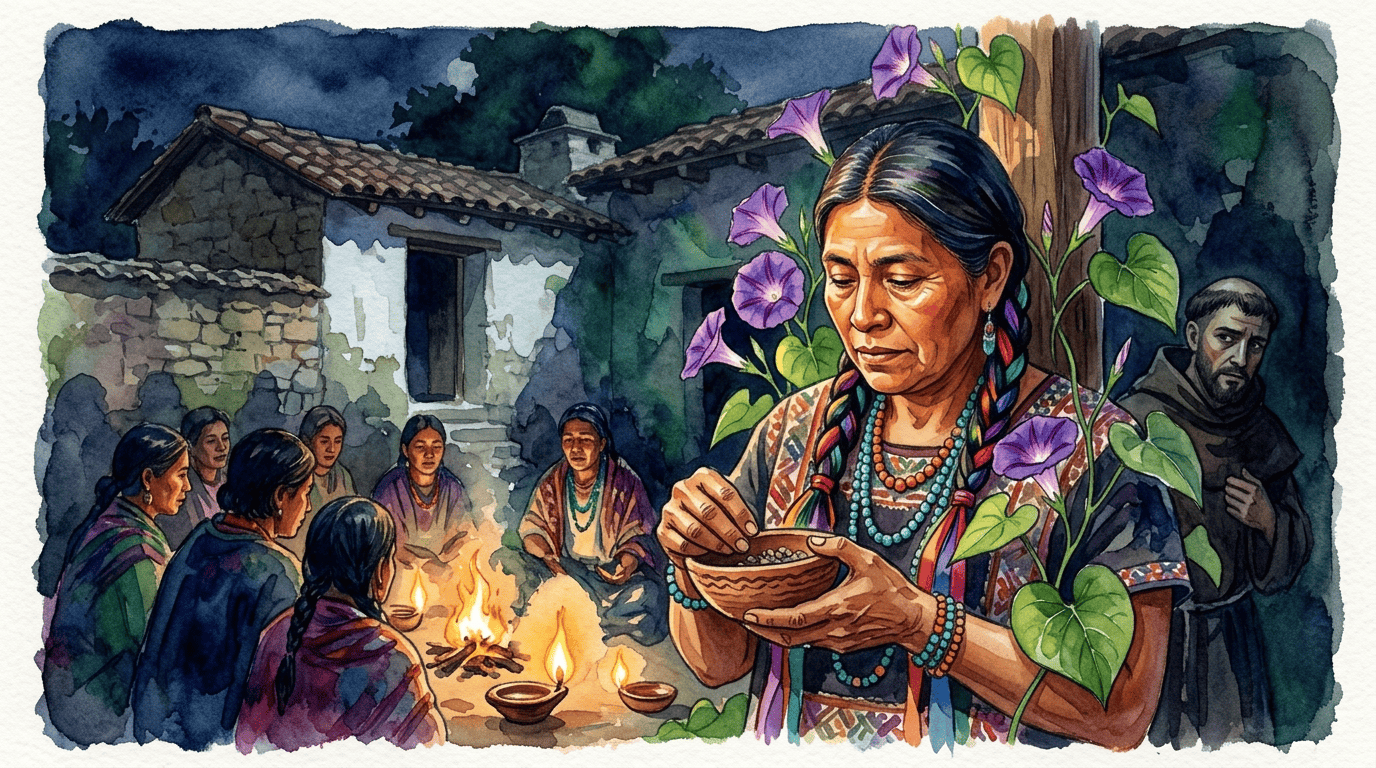
Ipomoea purpurea is native to tropical Mexico and Central America, where morning glories grew in open disturbed ground and were cultivated by pre-Columbian Mesoamerican peoples. The vine reached Europe soon after the Spanish conquest and became a global garden annual because it races upward, flowers quickly, and opens fresh blossoms at dawn. Each bloom unfurls in the morning, shines for a few hours, and usually closes by midday, giving the plant its name and turning it into a flower of early light.
In Japan the related Ipomoea nil, called asagao or morning face, became an Edo-period breeding craze with patterned, fringed, and unusual forms celebrated at festivals. Some Mesoamerican morning-glory relatives contain psychoactive seed compounds used ritually by Zapotec and other Oaxacan peoples, a history documented uneasily by Spanish friars.
The garden vine therefore carries both cheerful porch romance and a deeper ceremonial past.
Symbolism & meaning
What It Symbolizes
The common morning-glory is a token of affection passed in the language of flowers, given as a tender promise of caring attachment. Each dawn brings entirely new blooms — the flowers of yesterday already finished — making it a living emblem of new beginnings, of love refreshed daily rather than stockpiled. To find one open at sunrise is to be reminded that some feelings must be remade every morning.
- Affection — Given as a token of tender love and caring attachment
- New Beginnings — Each morning brings fresh blooms, representing daily renewal and hope
Where the Name Comes From
'Ipomoea' from Greek 'ips' (worm) and 'homoios' (resembling), referring to the twining stems. 'Purpurea' means 'purple' in Latin, describing the typical flower color.
Uses & Fun Facts
- Trumpet flowers attract hummingbirds and long-tongued bees at dawn
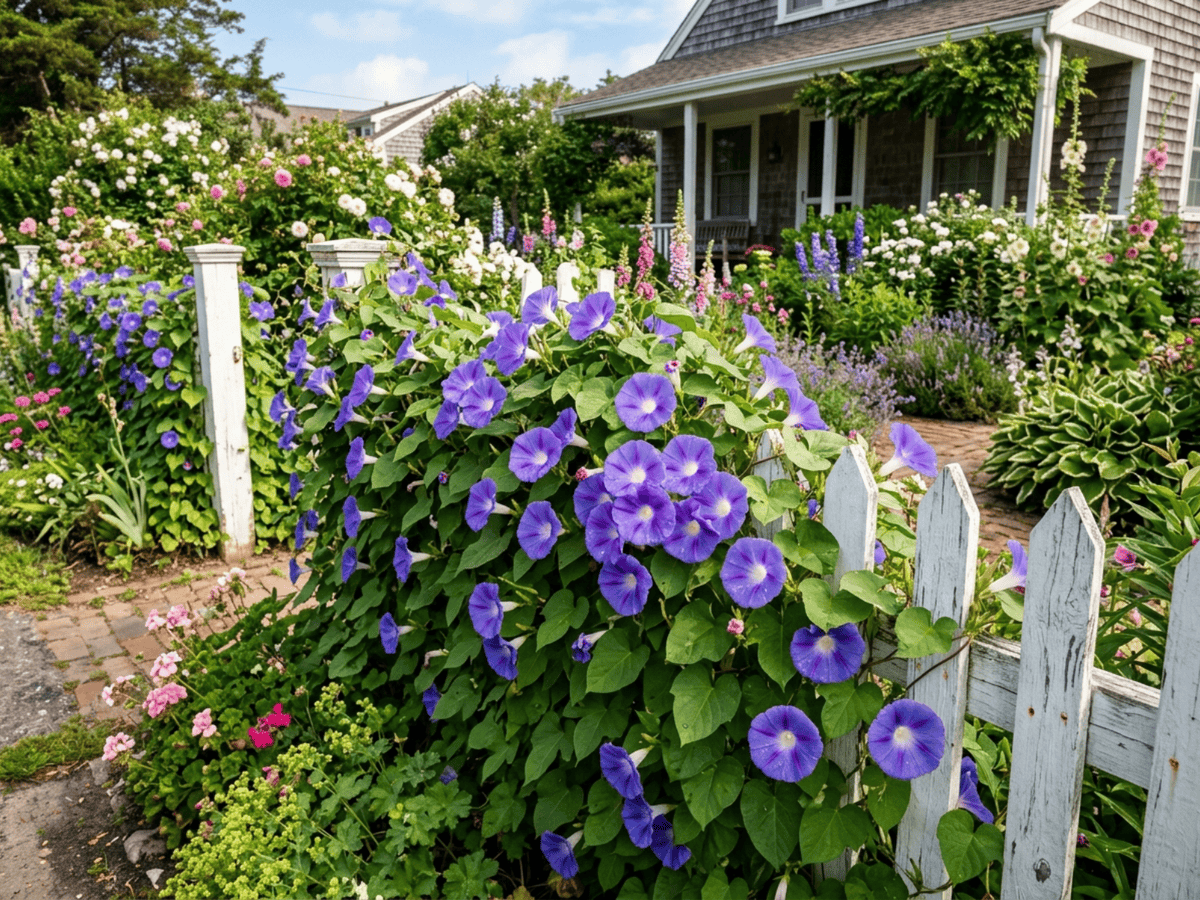
- Twining annual vine quickly covers trellises, fences, and arbors
- Purple, pink, and blue morning trumpets bloom on summer mornings
Related plants
More Ipomoea plants
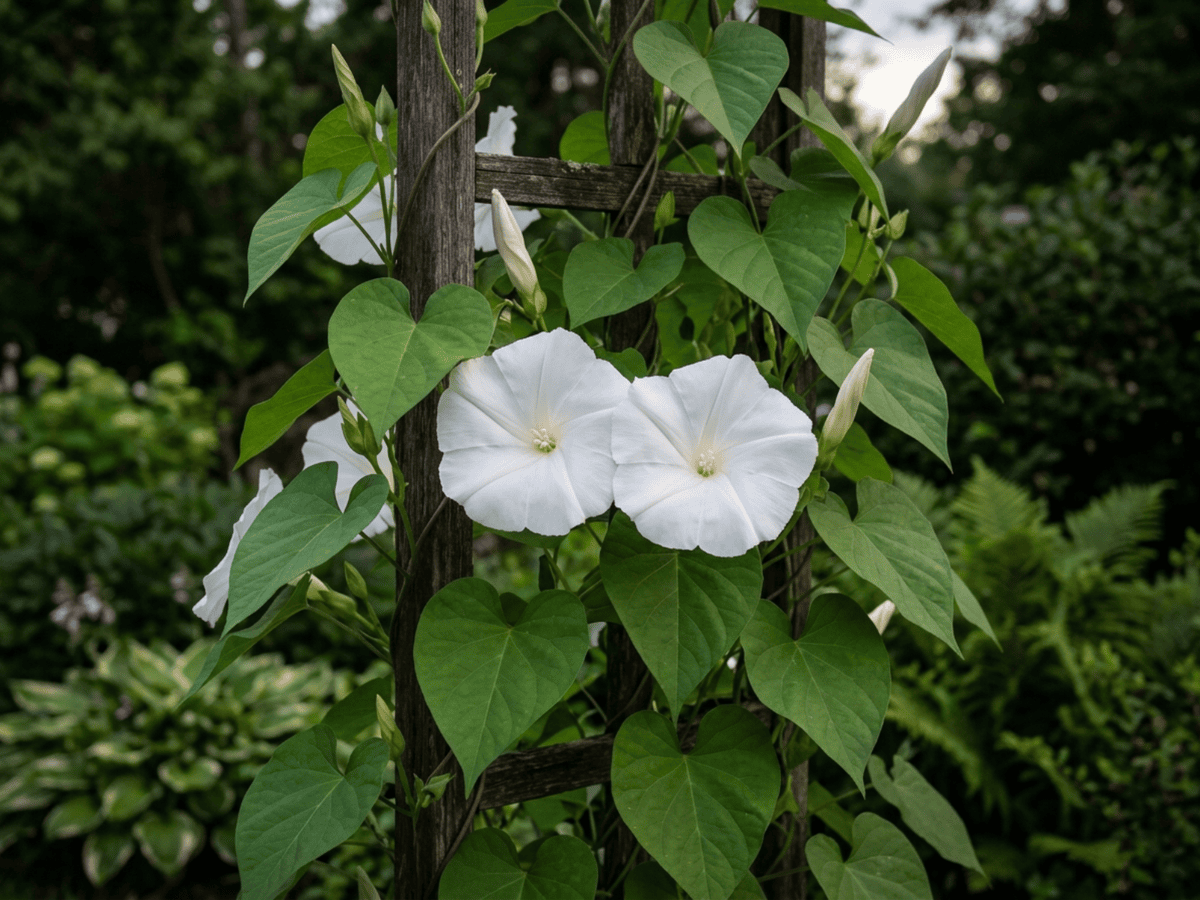 MoonflowerIpomoea alba
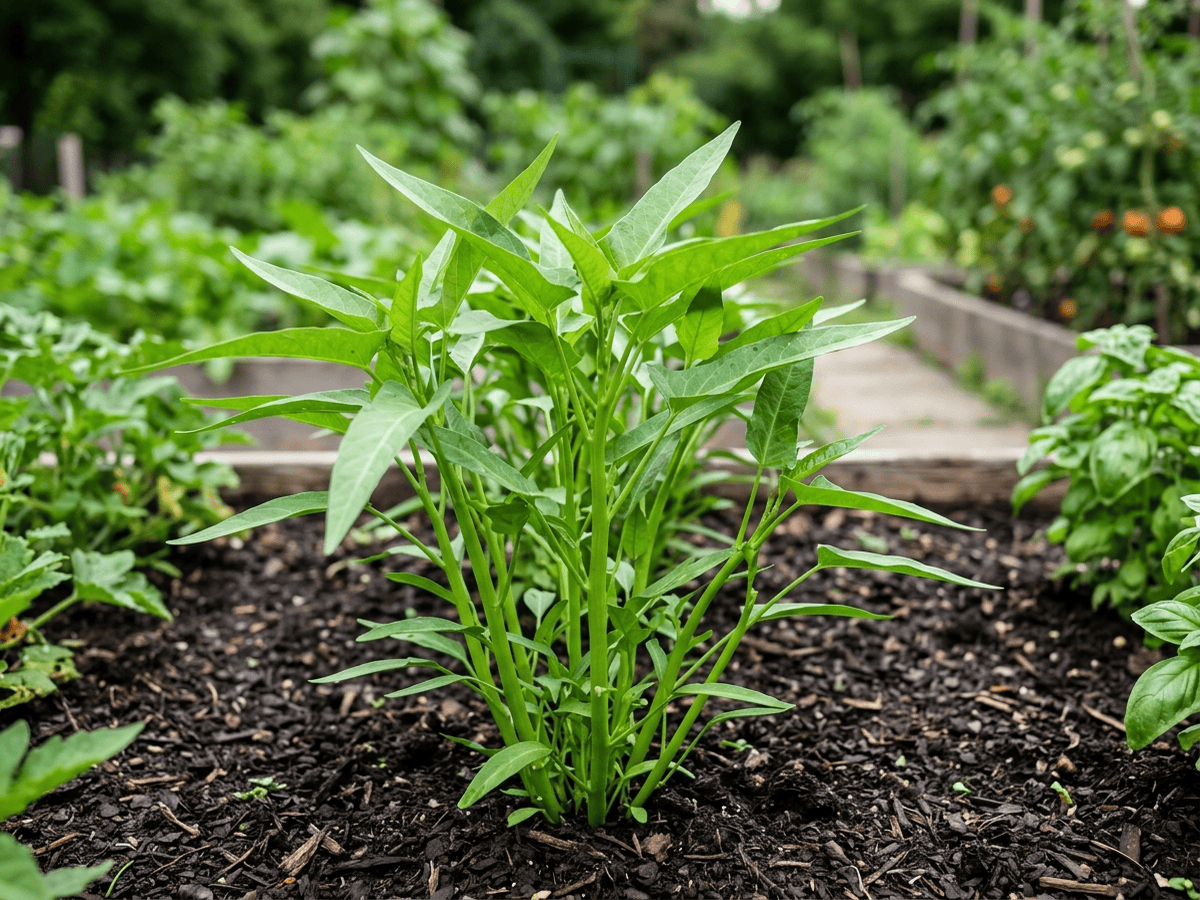 Water SpinachIpomoea aquatica
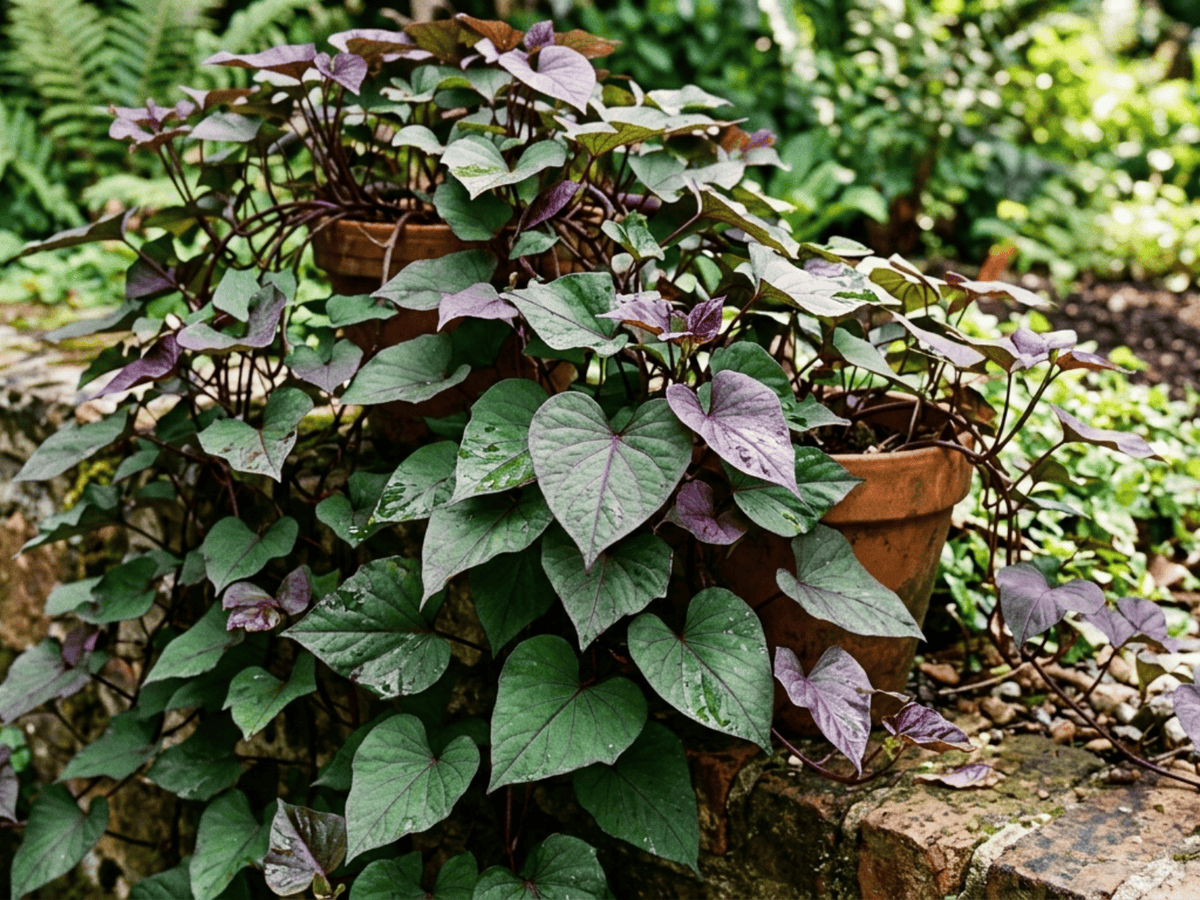 Sweet PotatoIpomoea batatas
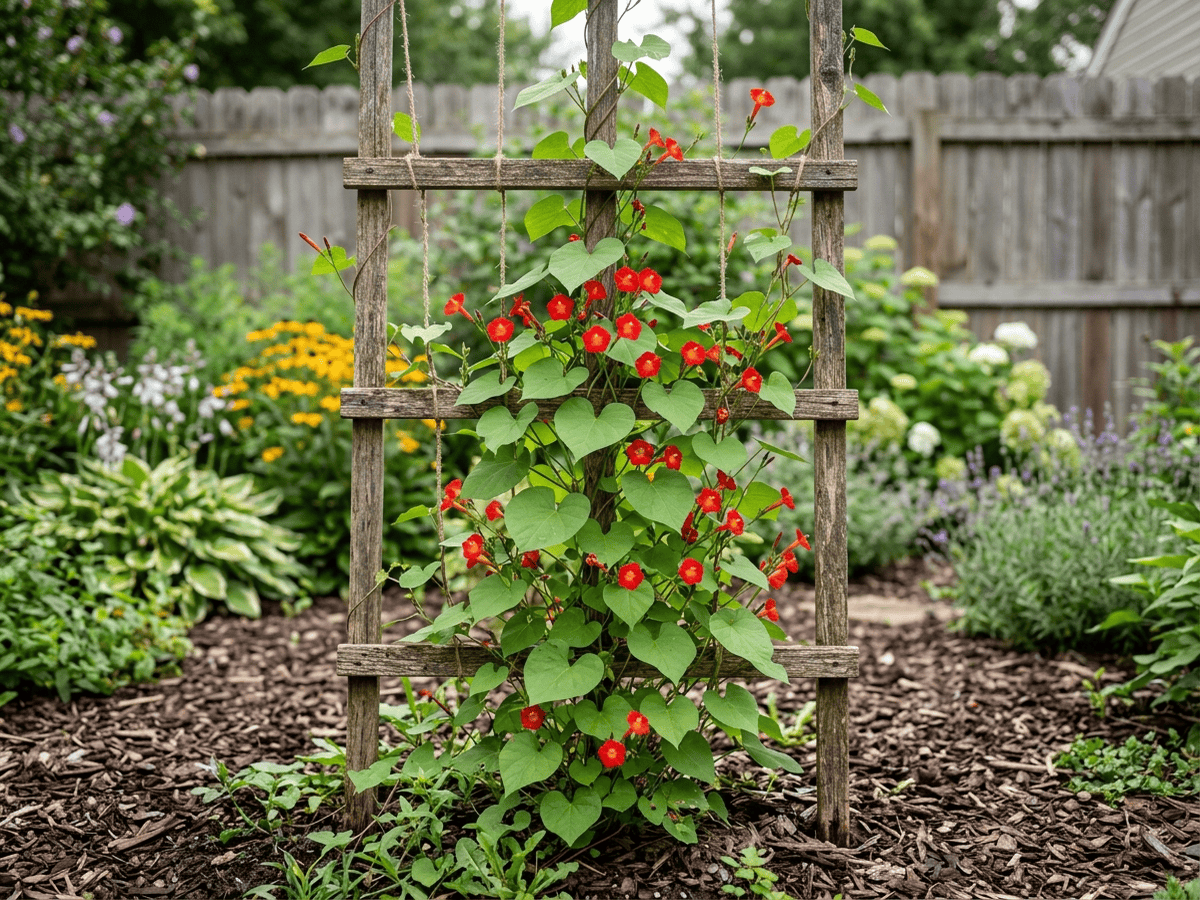 Red Morning GloryIpomoea coccinea
Plants with similar care
 Chinese AbeliaAbelia chinensis
 Fragrant AbeliaAbelia mosanensis
 Large-Flowered AbeliaAbelia uniflora
 Glossy AbeliaAbelia x grandiflora
Frequently asked questions
How often should I water Common Morning-Glory?
Water about every 3 days during the growing season, and always let excess water drain away.
How much light does Common Morning-Glory need?
Full sun: 6+ hrs direct. Watch the leaves — scorching or stretching means the light needs adjusting.
Is Common Morning-Glory toxic to cats or dogs?
Pets Moderate (Dogs Moderate · Cats Moderate) Educational information, not medical or veterinary advice. If exposure is suspected, contact a doctor or veterinarian.
Is Common Morning-Glory easy to grow?
Yes — it is considered an easy, beginner-friendly plant.
When does Common Morning-Glory bloom?
It typically blooms Jun–Aug in the Northern Hemisphere.
YardMate
Identify any plant in seconds
Snap a photo — YardMate names the plant, diagnoses problems, and reminds you when to water.
Download on the App Store