 YardMate

Water Spinach
Ipomoea aquatica
Easy · Beginner friendlyAbout Water Spinach
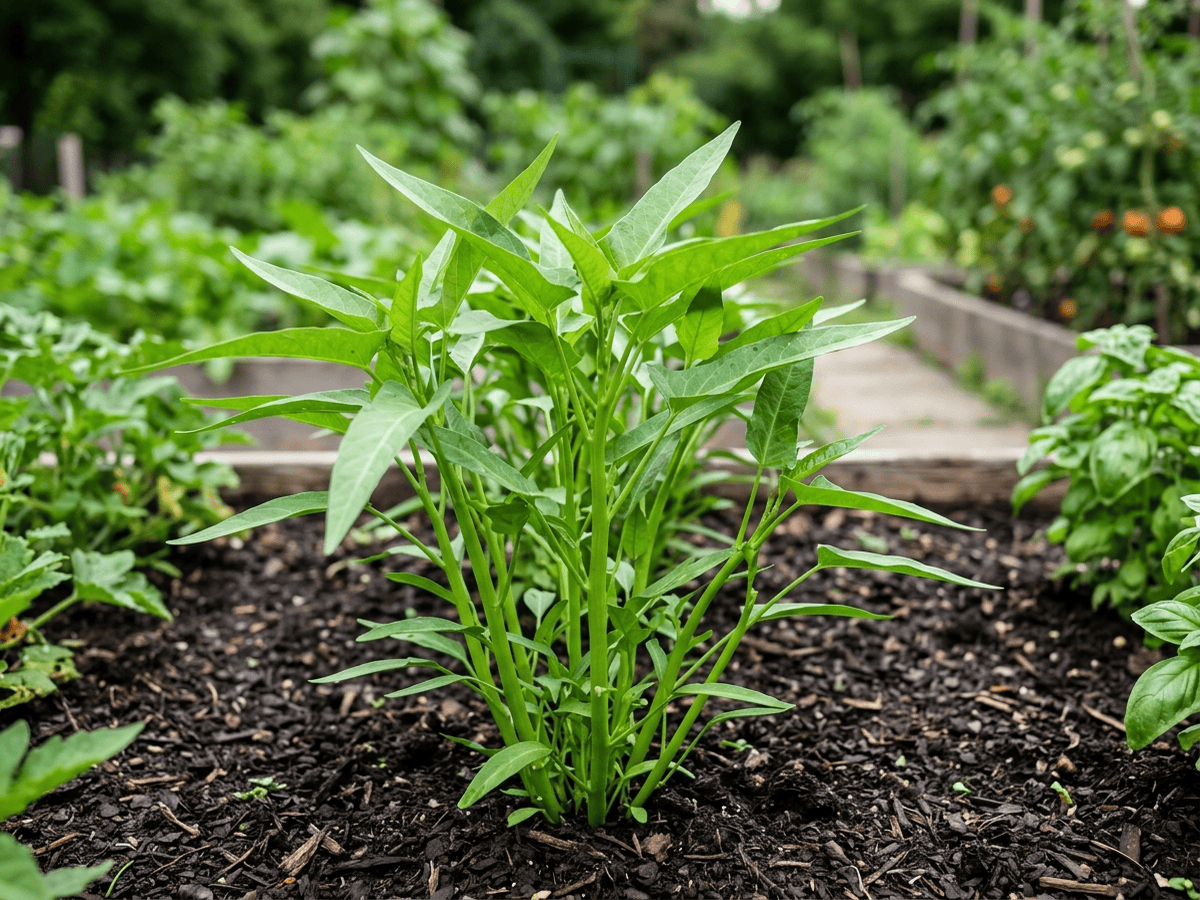
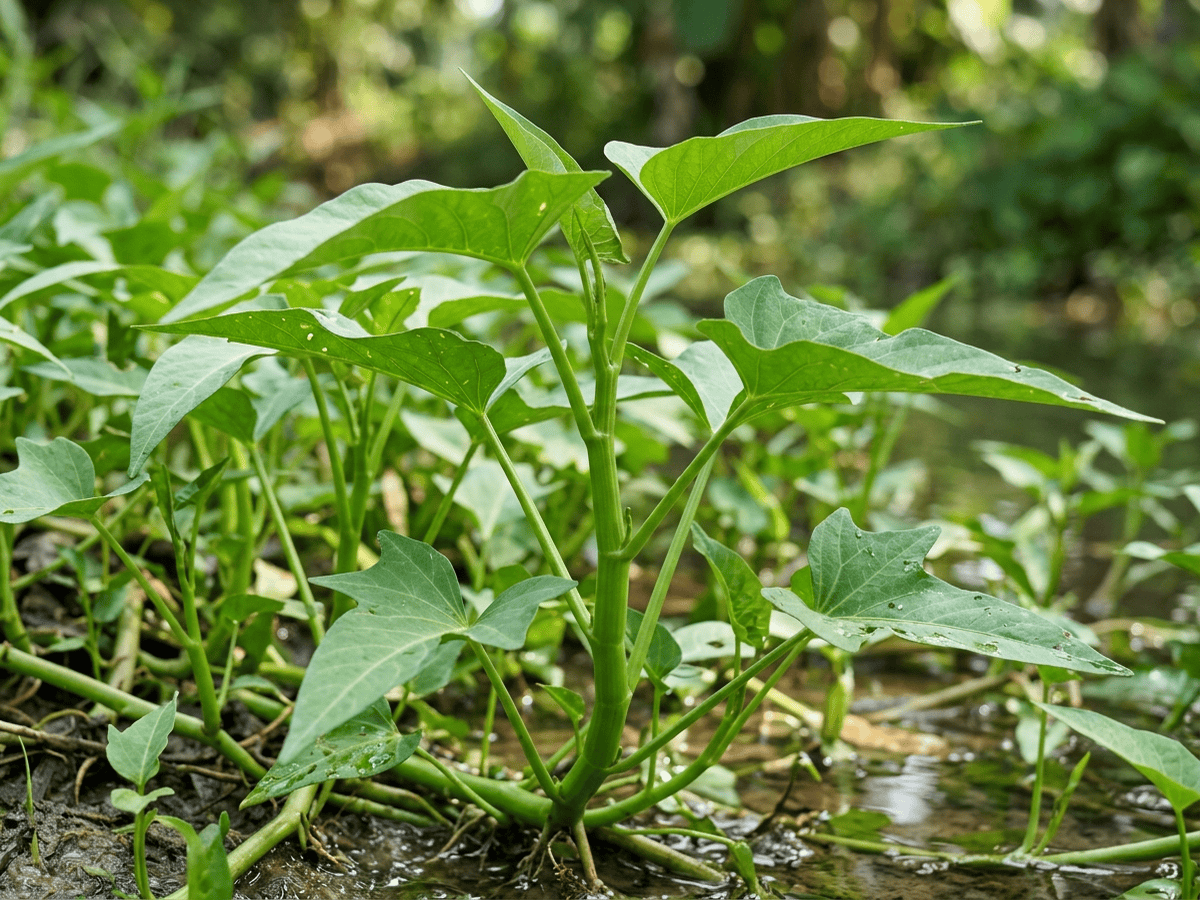
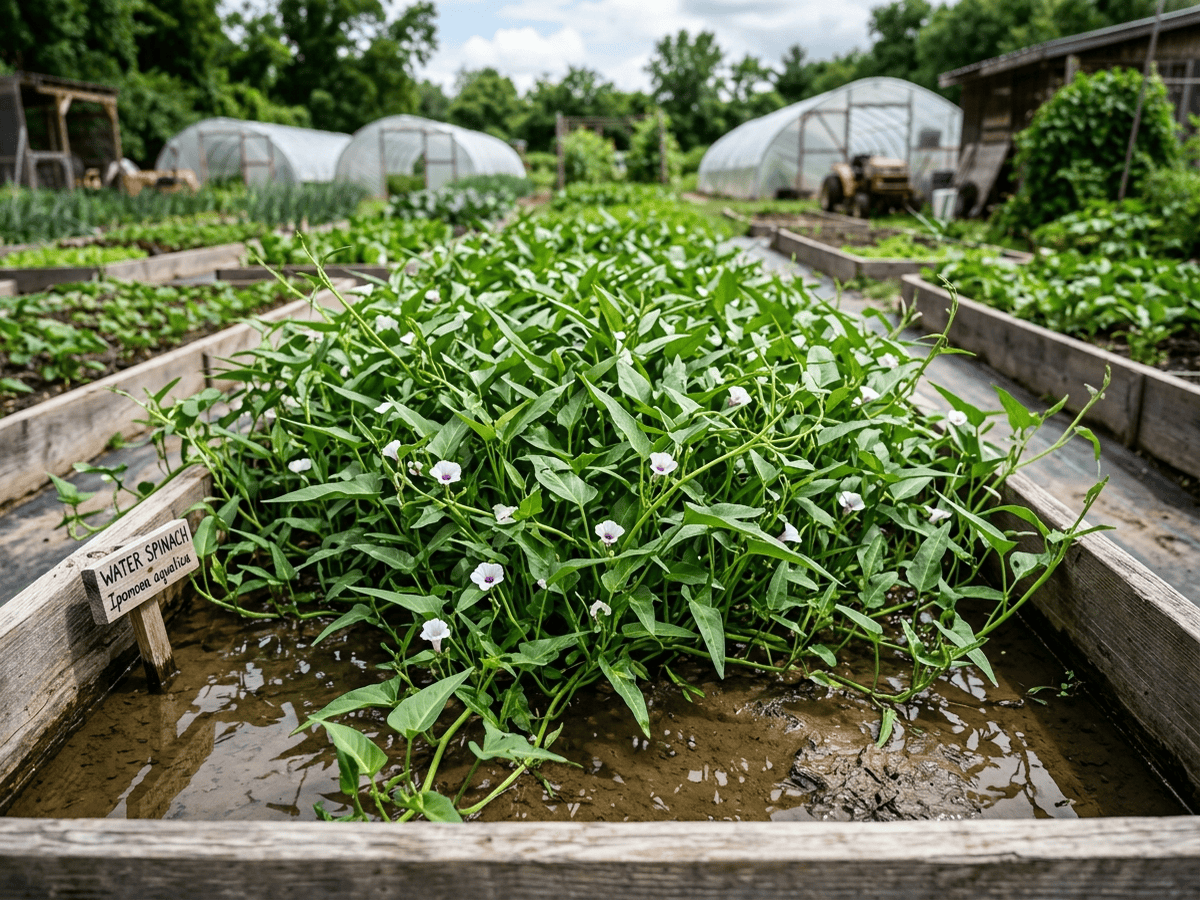
Water Spinach or Kangkong is a tropical Asian semi-aquatic annual vine reaching 10-15 feet, with hollow stems and arrowhead-shaped leaves grown for both leaves and tender stems. A staple vegetable across Southeast Asia—stir-fried with garlic and chili in Chinese, Vietnamese, Thai, and Filipino cuisine. Grows rapidly in shallow water or moist soil. Note: federally listed as a noxious weed in the United States—growing requires permits in many states; check local regulations.
- Edible
- Fast-growing
How to care for Water Spinach
Watering
- Springevery 1 days
- Summerevery 1 days
- Fallevery 3 days
- Winterpause watering
Soil · Rich & well-draining
- Top dressingCompost10%
- Main mixPotting soil + compost 3:180%
- DrainageGravel10%
Top up the compost layer each season.
FERTILIZER
Balanced Feed 14-14-14
An even feed covers all three needs at once, keeping leaves, roots and blooms moving together with nothing pushed out of balance.
- Nitrogen · Leaves
- Phosphorus · Roots + Blooms
- Potassium · Strength
- Springevery 30 days
- Summerevery 30 days
At a Glance
- NativeSoutheast Asia
- Height1–2 ft (0.3–0.6 m)
- Spread3–6 ft (0.9–1.8 m)
- Flower colorPurple, Pink
- Foliage colorGreen
- SoilMoisture-retentive, Rich
- LocationsYard
Bloom time
BLOOM CYCLE
Peak bloom
Jun–Aug
Funnel-shaped white or pale-pink flowers in summer
Toxicity
No toxicity has been reported for this plant. Still, it is wise to keep pets from chewing on any houseplant.
Educational information, not medical or veterinary advice. If exposure is suspected, contact a doctor or veterinarian.
DISTRIBUTION

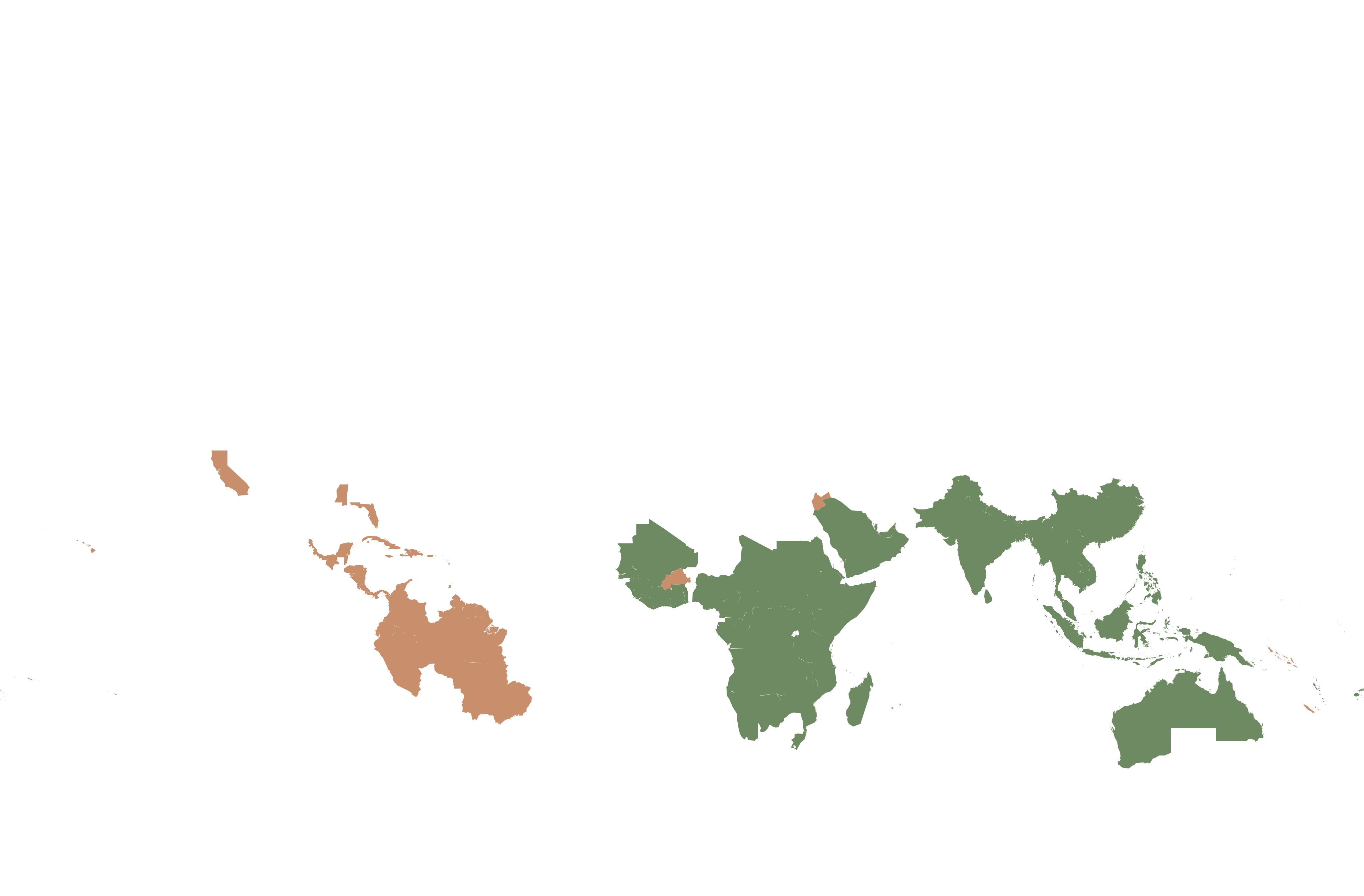
- Native
- Introduced
- Southeast Asia
History

Ipomoea aquatica, commonly called water spinach, ong choy (Cantonese), kangkong (Filipino/Malay), rau muống (Vietnamese), or phak bung (Thai), is a semi-aquatic vining herb in the morning-glory family (Convolvulaceae) native to tropical and subtropical wetlands of Asia and likely Africa, though long cultivation obscures origin. Danish botanist Peter Forsskål described it in 1775 in Flora Aegyptiaco-Arabica. The species has been cultivated for over 2000 years across tropical Asia and is today a cornerstone green leafy vegetable in Southeast Asian cuisine—stir-fried with garlic, shrimp paste, or fermented bean curd; used in soups; or eaten raw in Vietnamese rolls.
Plants grow as trailing or floating vines with distinctive hollow jointed stems 1-3 meters long, narrow arrow-shaped green leaves, and pale lavender-white funnelform morning-glory flowers 4-5 cm across. The extreme vigor and ability to root from floating stem fragments that has made the plant agriculturally valuable in Asia also makes it a serious invasive threat in warm US waterways—it is listed as a federally noxious weed by the USDA and banned from interstate commerce without permits, though legal with permit in Texas, Florida, California, Hawaii for food use.
Important crop in Asian-American specialty agriculture under permit.
Symbolism & meaning
What It Symbolizes
Water Morning Glory suggests sustenance — tender hollow stems and leaves that anchor countless Asian dishes, from stir-fried kangkong to clear soups. Yet it also carries Caution: in the United States it is a federally regulated noxious weed, capable of choking waterways. A vegetable beloved in one place and feared in another, depending on where it roots.
- Sustenance — essential leafy vegetable across Asia
- Caution — federally regulated noxious weed in the US
Where the Name Comes From
'Ipomoea' from Greek meaning worm-like (for vining habit); 'aquatica' meaning water-loving.
Uses & Fun Facts
- Hollow stems and leaves stir-fried as water spinach
- Used in Asian folk remedies for various ailments
Related plants
More Ipomoea plants
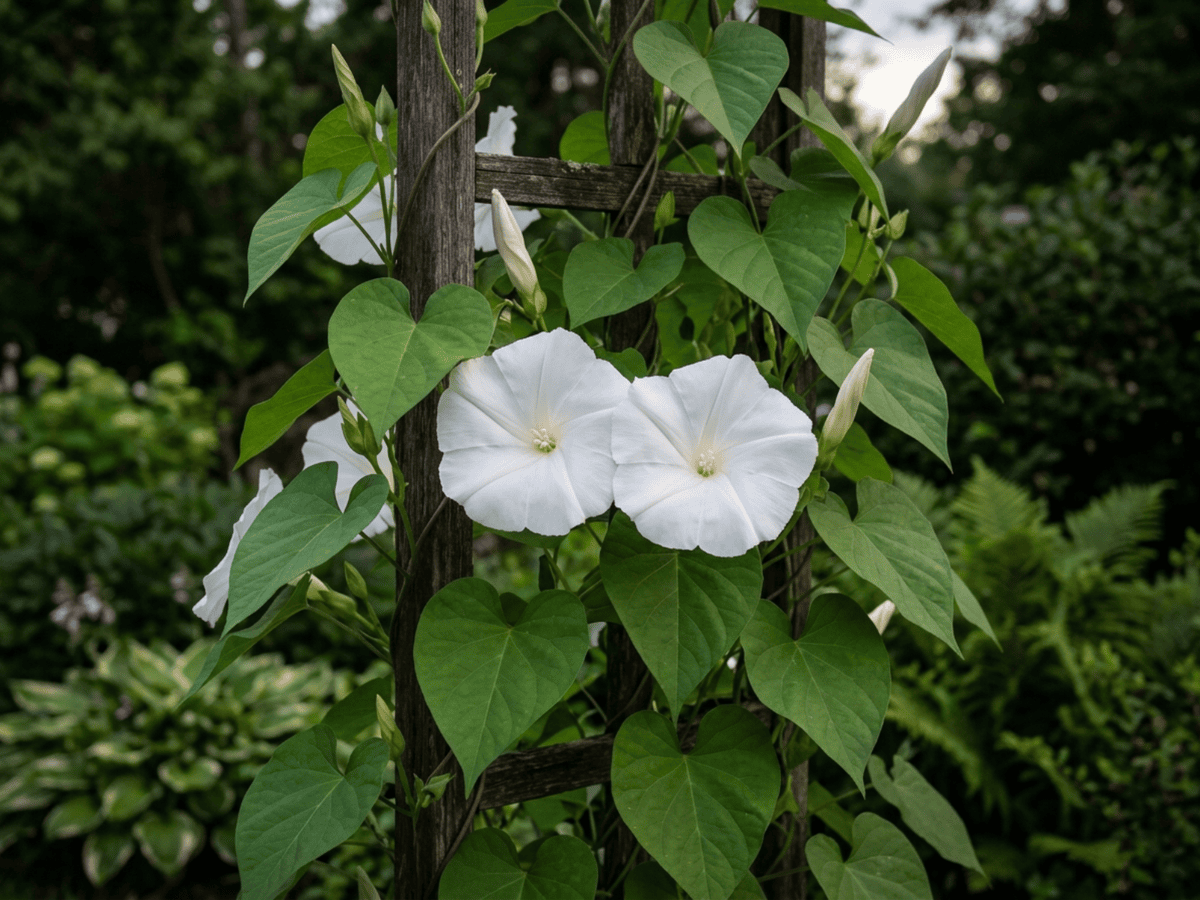 MoonflowerIpomoea alba
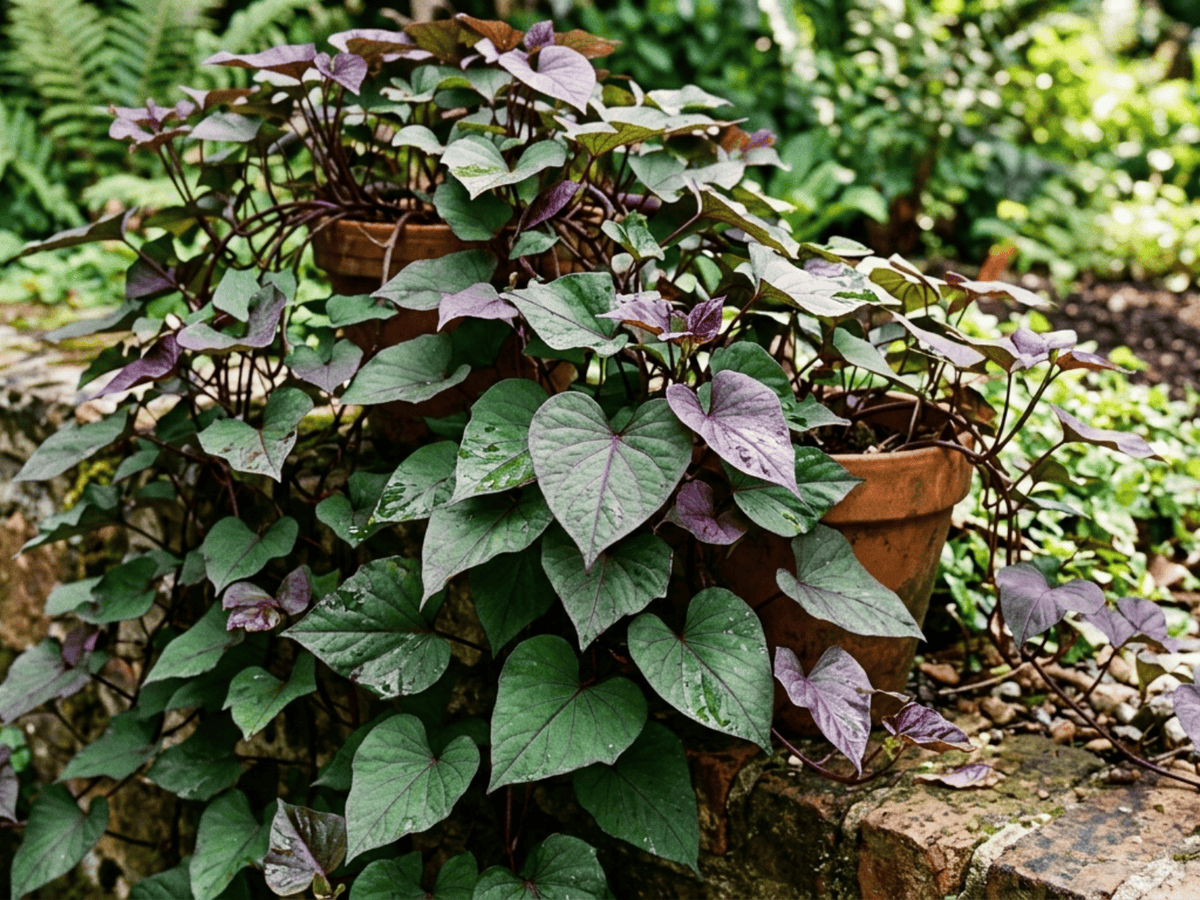 Sweet PotatoIpomoea batatas
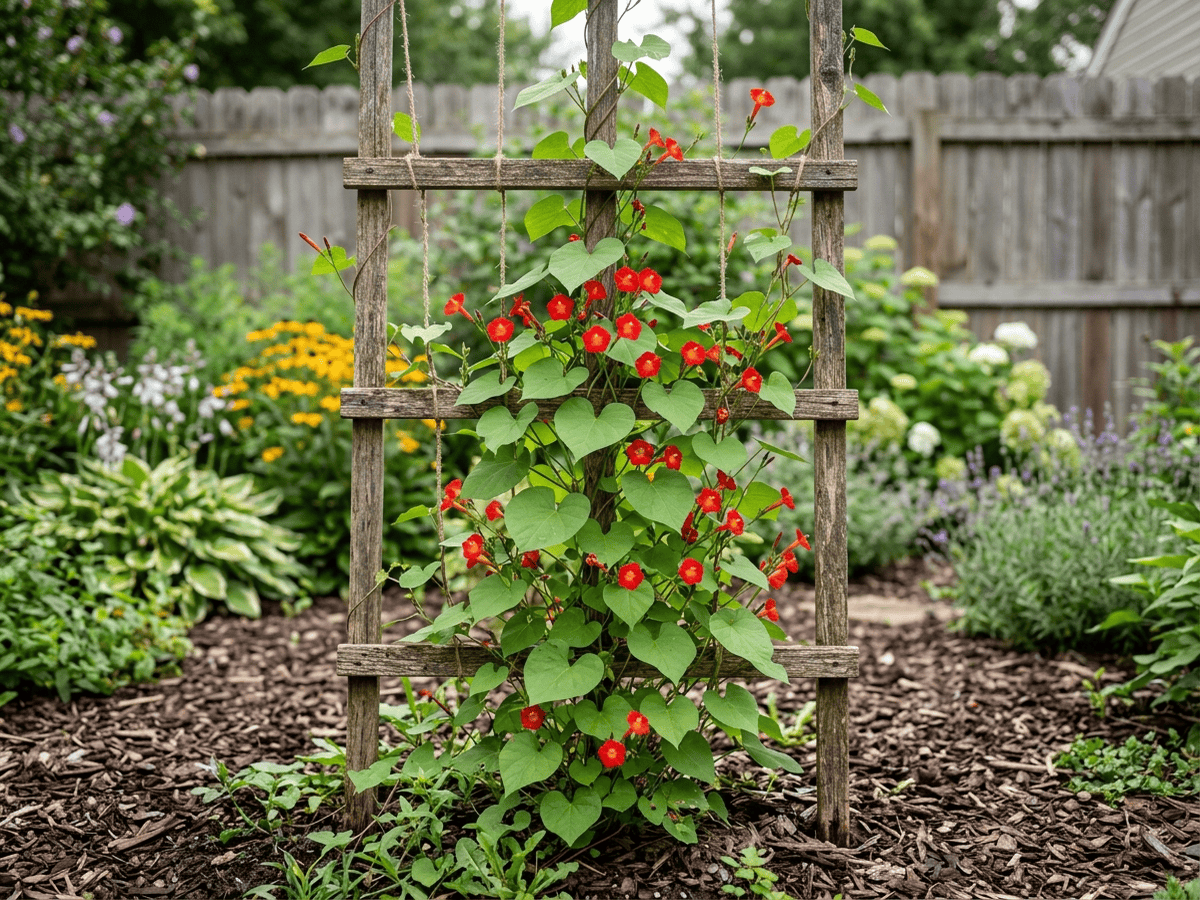 Red Morning GloryIpomoea coccinea
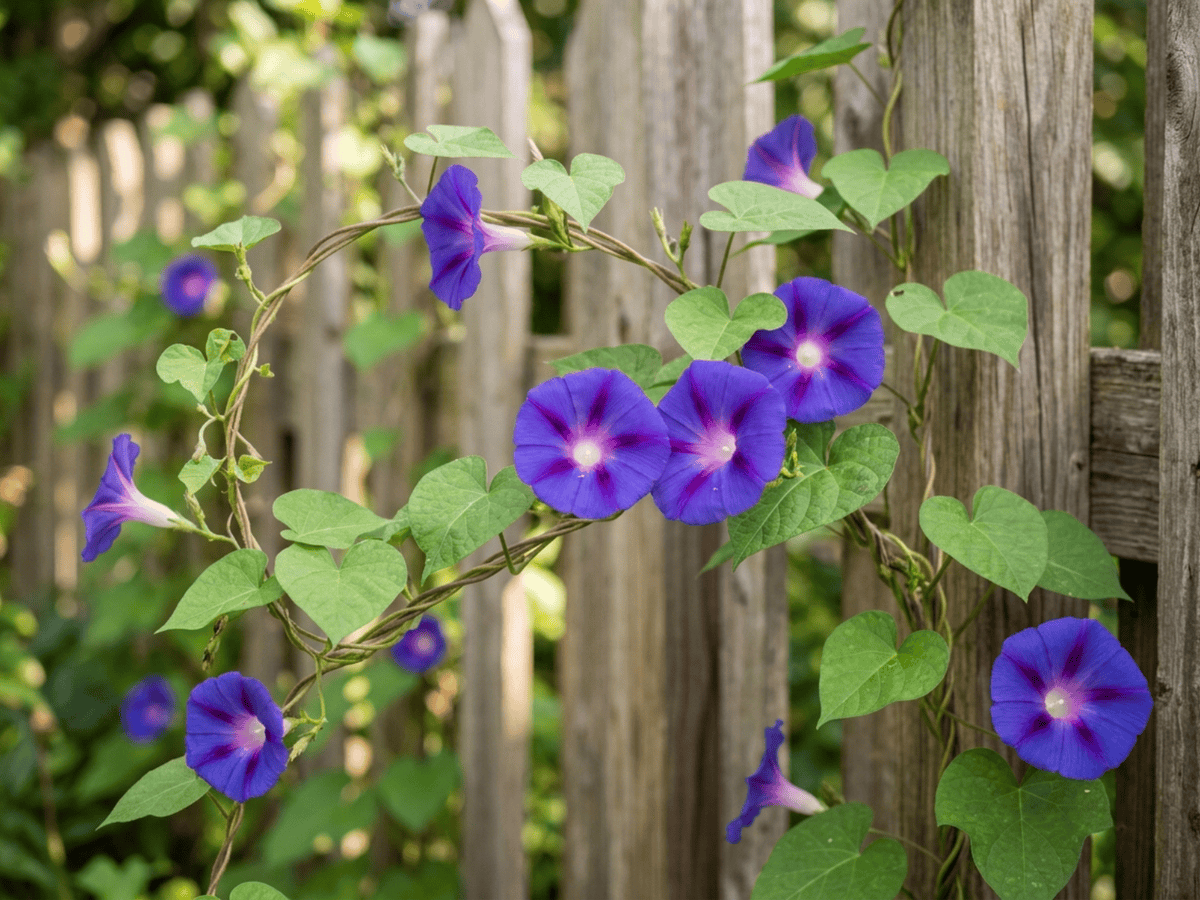 Common Morning-GloryIpomoea purpurea
Plants with similar care
 Chinese AbeliaAbelia chinensis
 Fragrant AbeliaAbelia mosanensis
 Large-Flowered AbeliaAbelia uniflora
 Glossy AbeliaAbelia x grandiflora
Frequently asked questions
How often should I water Water Spinach?
Water about every 1 days during the growing season, and always let excess water drain away.
How much light does Water Spinach need?
Full sun: 6+ hrs direct. Watch the leaves — scorching or stretching means the light needs adjusting.
Is Water Spinach toxic to cats or dogs?
No toxicity has been reported for this plant. Still, it is wise to keep pets from chewing on any houseplant. Educational information, not medical or veterinary advice. If exposure is suspected, contact a doctor or veterinarian.
Is Water Spinach easy to grow?
Yes — it is considered an easy, beginner-friendly plant.
When does Water Spinach bloom?
It typically blooms Jun–Aug in the Northern Hemisphere.
YardMate
Identify any plant in seconds
Snap a photo — YardMate names the plant, diagnoses problems, and reminds you when to water.
Download on the App Store