 YardMate


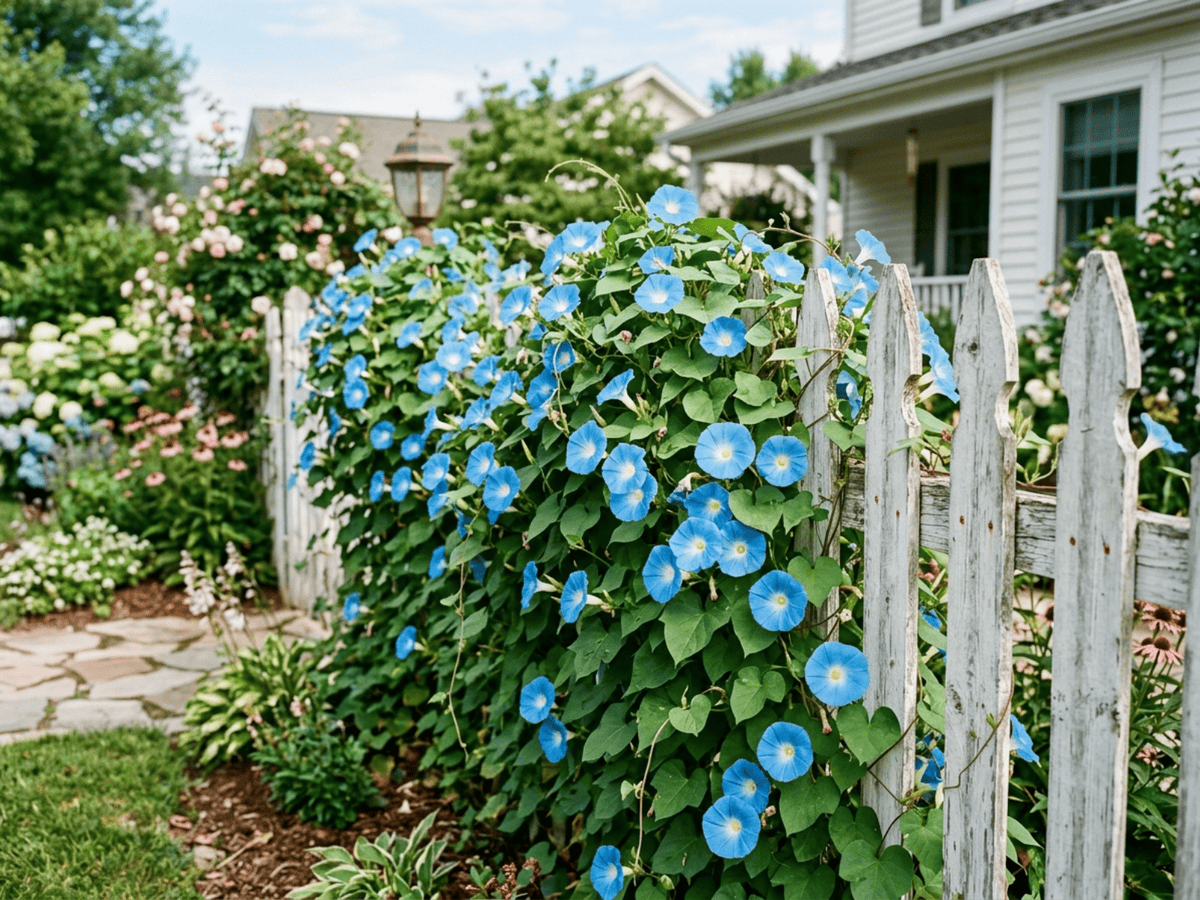
Garden Morning Glory
Ipomoea tricolor
Easy · Beginner friendlyAbout Garden Morning Glory
Morning Glory is a fast-growing annual vine native to Mexico and Central America, scrambling 8–12 feet in a single season. Heart-shaped leaves and funnel-shaped flowers open at dawn in vivid sky-blue, purple, pink, or white, often fading by afternoon. The legendary heirloom 'Heavenly Blue' remains one of America's most beloved cottage-garden vines, covering fences, arbors, and mailboxes from Maine to California. Self-seeds freely; sow after last frost.
- Climbing
- Fast-growing
- Pollinator-friendly
How to care for Garden Morning Glory
Watering
- Springevery 5 days
- Summerevery 3 days
- Fallevery 7 days
- Winterpause watering
Soil · Well-draining
- Top dressingPine bark mulch10%
- Main mixPotting soil + perlite 2:170%
- DrainageLECA / gravel20%
Never skip the drainage layer — standing water is the top cause of root rot.
FERTILIZER
This plant needs little to no feeding.
At a Glance
- NativeNorth America, Central America
- Height8–12 ft (2.4–3.7 m)
- Spread3–6 ft (0.9–1.8 m)
- Flower colorBlue, White, Purple, Pink
- Foliage colorGreen
- SoilLoamy, Well-drained
- LocationsYard · Balcony
Bloom time
BLOOM CYCLE
Peak bloom
Jun–Nov
Sky-blue funnels summer to frost
Fragrance
LIGHT FRAGRANCE
Very faint sweet scent in morning.
Toxicity
Humans Toxic · Pets Moderate
lysergic acid amide and ergoline alkaloids
Toxic
- Seed
- Ingestion
EXPOSURE Eating seeds.
EFFECT Seeds contain LSA ergoline alkaloids with hallucinogenic and cardiovascular effects and also cause nausea, vomiting, uterine contraction.
NOTE Documented concern for humans: Seeds contain LSA ergoline alkaloids with hallucinogenic and cardiovascular effects and also cause nausea, vomiting, uterine contraction.
Moderate
- Seed
- All
- Ingestion
EXPOSURE Eating seeds and any part of the plant.
EFFECT Vomiting, diarrhea, ataxia, disorientation.
NOTE ASPCA lists morning glory as toxic to dogs, cats, and horses — seeds are the most toxic part.
Moderate
- Seed
- All
- Ingestion
EXPOSURE Eating seeds and any part of the plant.
EFFECT Same as dogs.
NOTE ASPCA lists morning glory as toxic to dogs, cats, and horses — seeds are the most toxic part.
Educational information, not medical or veterinary advice. If exposure is suspected, contact a doctor or veterinarian.
DISTRIBUTION


- Native
- Introduced
- North America
- Central America
History
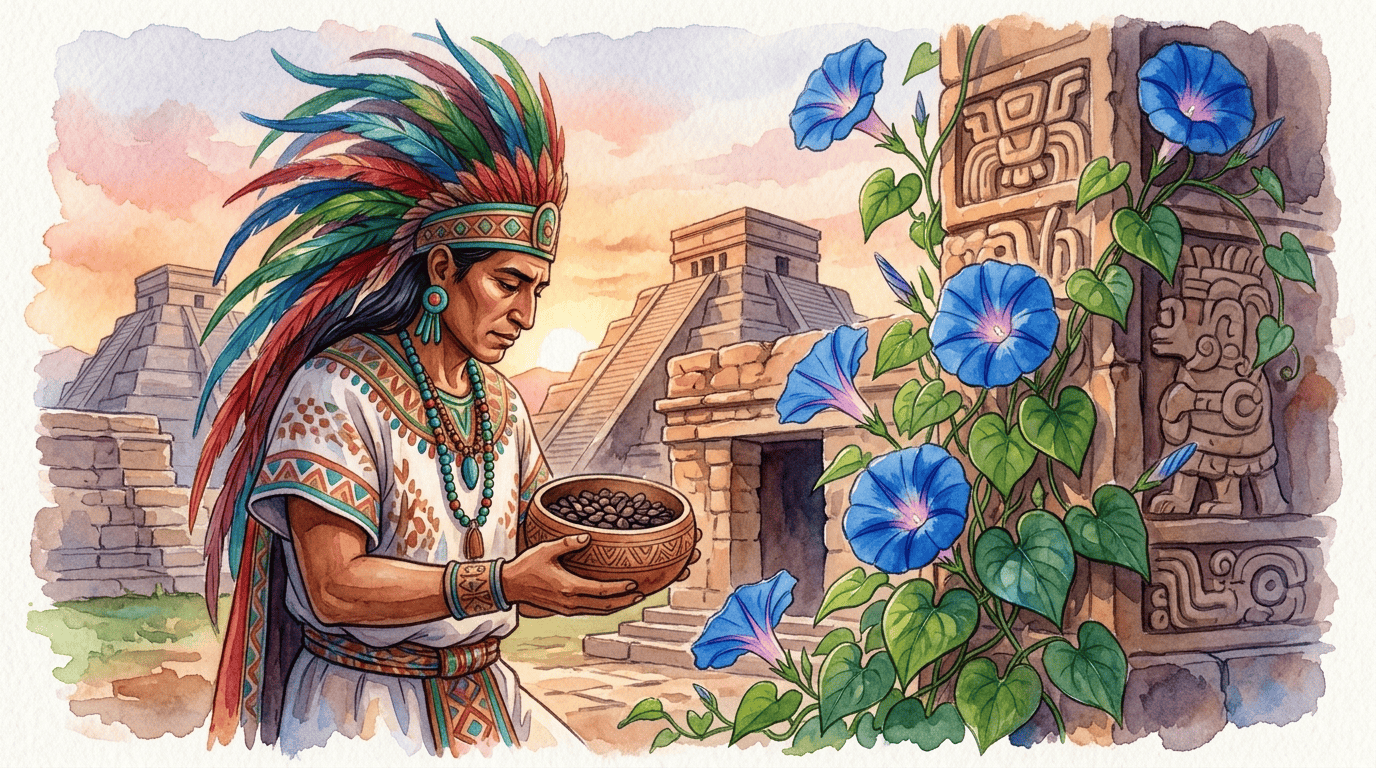
Ipomoea tricolor is native to Mexico and tropical Central America, particularly the central Mexican highlands and the Oaxaca region. It was a deeply important ceremonial plant in pre-Columbian Mesoamerican religion — the seeds, called "tlitliltzin" or "piule" in Nahuatl, contain ergoline alkaloids including lysergic acid amide (LSA) chemically related to LSD and were used by Aztec and Maya priests as ritual visionary sacraments. Spanish colonial authorities at the Council of Lima (1567) formally prohibited their ceremonial use, but seed use continued in secret among Mazatec, Zapotec, and other southern Mexican Indigenous peoples into the modern era; ethnobotanist Richard Evans Schultes documented ongoing ceremonial use at mid-20th century, and Swiss chemist Albert Hofmann (who also synthesized LSD) confirmed the LSA chemistry in the 1960s. The plant is a vigorous twining annual vine 2-4 meters tall per season with large heart-shaped leaves and produces spectacular large 10-12 cm funnel-shaped flowers opening in the early morning and fading by afternoon heat.
The wild species has tricolored flowers (sky-blue center fading to pale yellow throat), but the famous "Heavenly Blue" cultivar (selected in the 1920s) has nearly-uniform deep sky-blue flowers and is one of the most widely-grown annual climbing vines worldwide. Other cultivars include "Flying Saucers" (blue-and-white striped) and "Pearly Gates" (pure white). Cultivated by the Aztecs for ceremonial and medicinal use.
'Heavenly Blue' was introduced in the early 20th century and remains one of the most popular annual vines in America. Grown at Monticello and countless colonial-era American gardens.
Symbolism & meaning
What It Symbolizes
The Garden Morning Glory can symbolize affection in Victorian floriography, its trumpet flowers said to convey tender love. Each bloom unfurls at dawn and closes by afternoon, tying the plant inseparably to morning itself. This is often read as a flower of fresh feeling, of the bright hour before the day grows weary — affection offered new each sunrise, then quietly retired before the heat sets in.
- Affection — Victorian flower-language symbol of love
- Morning — flowers unfurl at dawn each day
Where the Name Comes From
Genus from Greek 'ips' (worm) and 'homoios' (resembling) for the twining stems; 'tricolor' for petal color transitions.
Uses & Fun Facts
- Garden Morning Glory flowers nourish foraging bees and pollinators
- Fast annual vines cover arbors and fences with dawn-opening flowers
Related plants
More Ipomoea plants
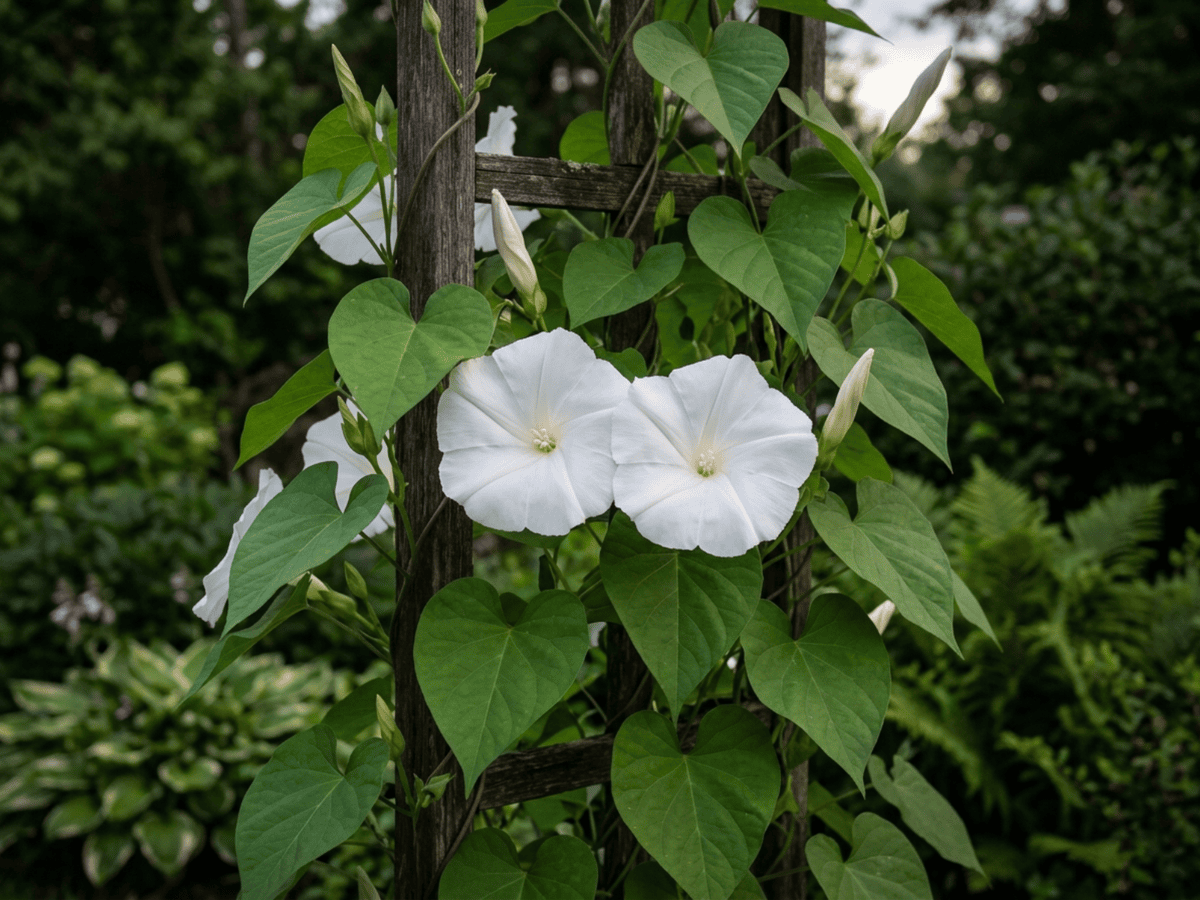 MoonflowerIpomoea alba
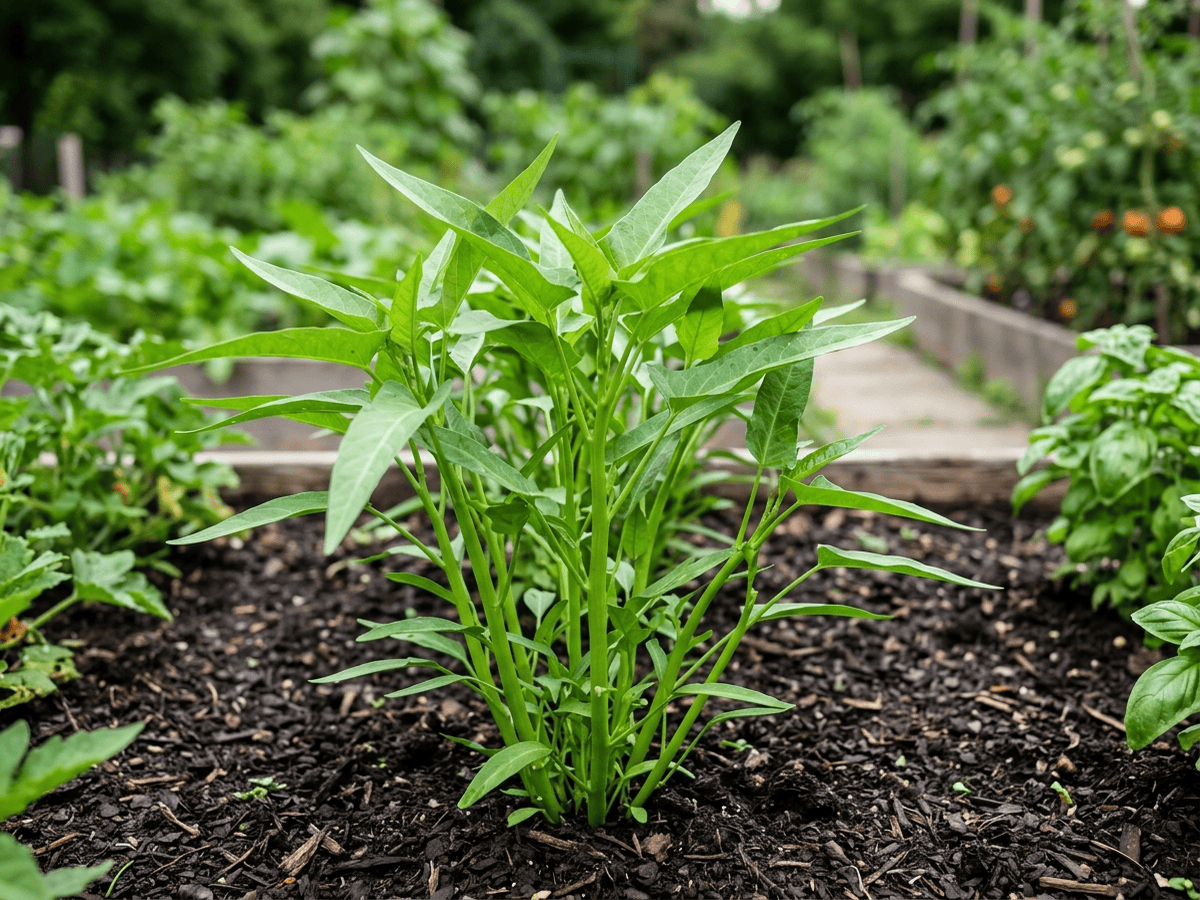 Water SpinachIpomoea aquatica
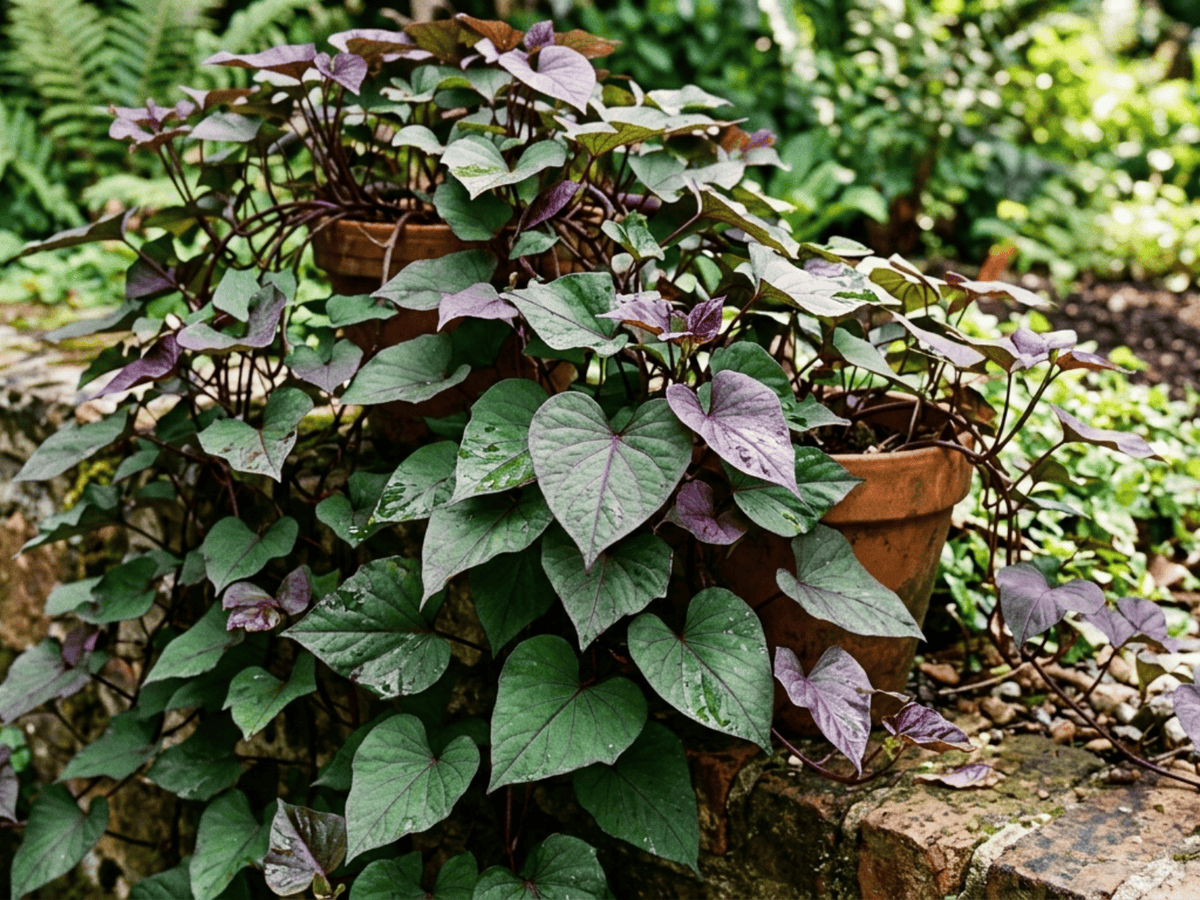 Sweet PotatoIpomoea batatas
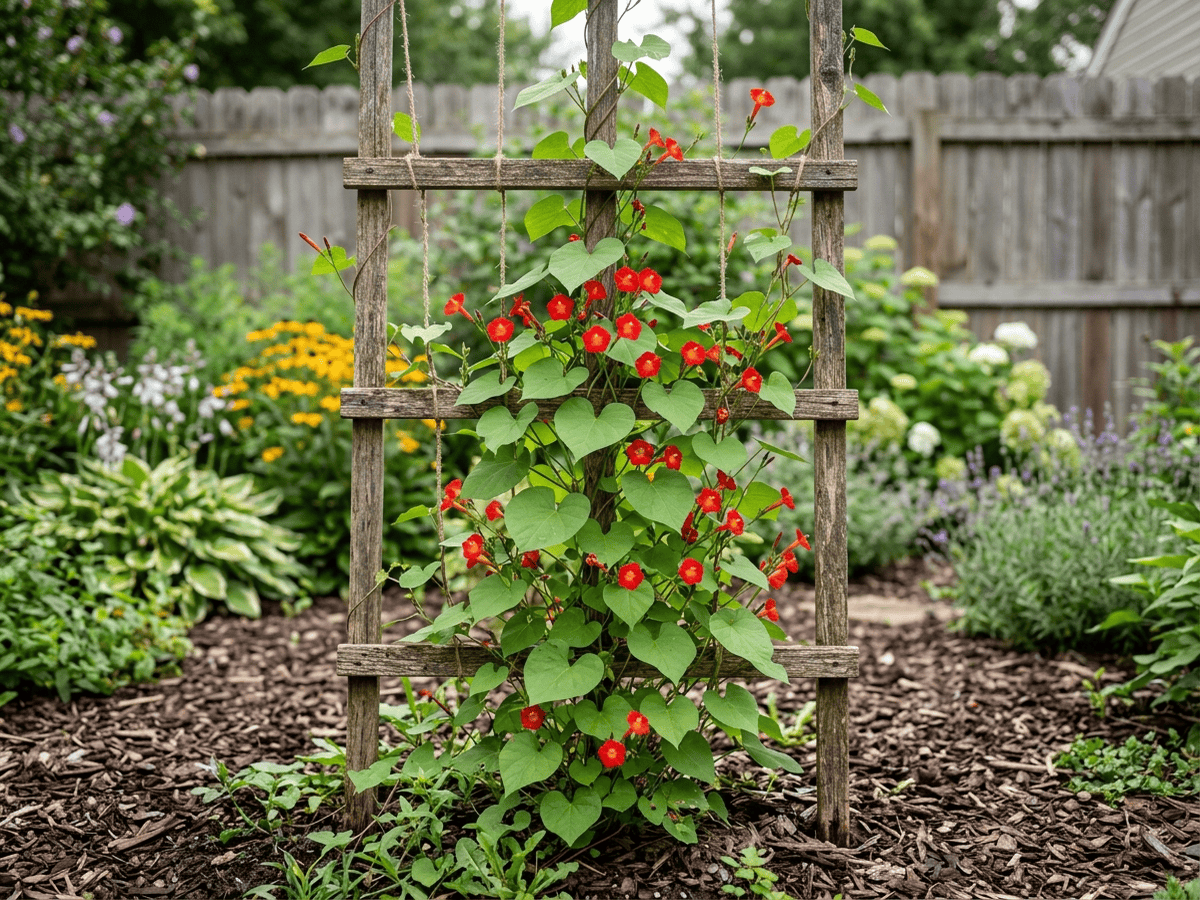 Red Morning GloryIpomoea coccinea
Plants with similar care
 Chinese AbeliaAbelia chinensis
 Fragrant AbeliaAbelia mosanensis
 Large-Flowered AbeliaAbelia uniflora
 Glossy AbeliaAbelia x grandiflora
Frequently asked questions
How often should I water Garden Morning Glory?
Water about every 5 days during the growing season, and always let excess water drain away.
How much light does Garden Morning Glory need?
Full sun: 6+ hrs direct. Watch the leaves — scorching or stretching means the light needs adjusting.
Is Garden Morning Glory toxic to cats or dogs?
Pets Moderate (Dogs Moderate · Cats Moderate) Educational information, not medical or veterinary advice. If exposure is suspected, contact a doctor or veterinarian.
Is Garden Morning Glory easy to grow?
Yes — it is considered an easy, beginner-friendly plant.
When does Garden Morning Glory bloom?
It typically blooms Jun–Nov in the Northern Hemisphere.
YardMate
Identify any plant in seconds
Snap a photo — YardMate names the plant, diagnoses problems, and reminds you when to water.
Download on the App Store