 YardMate
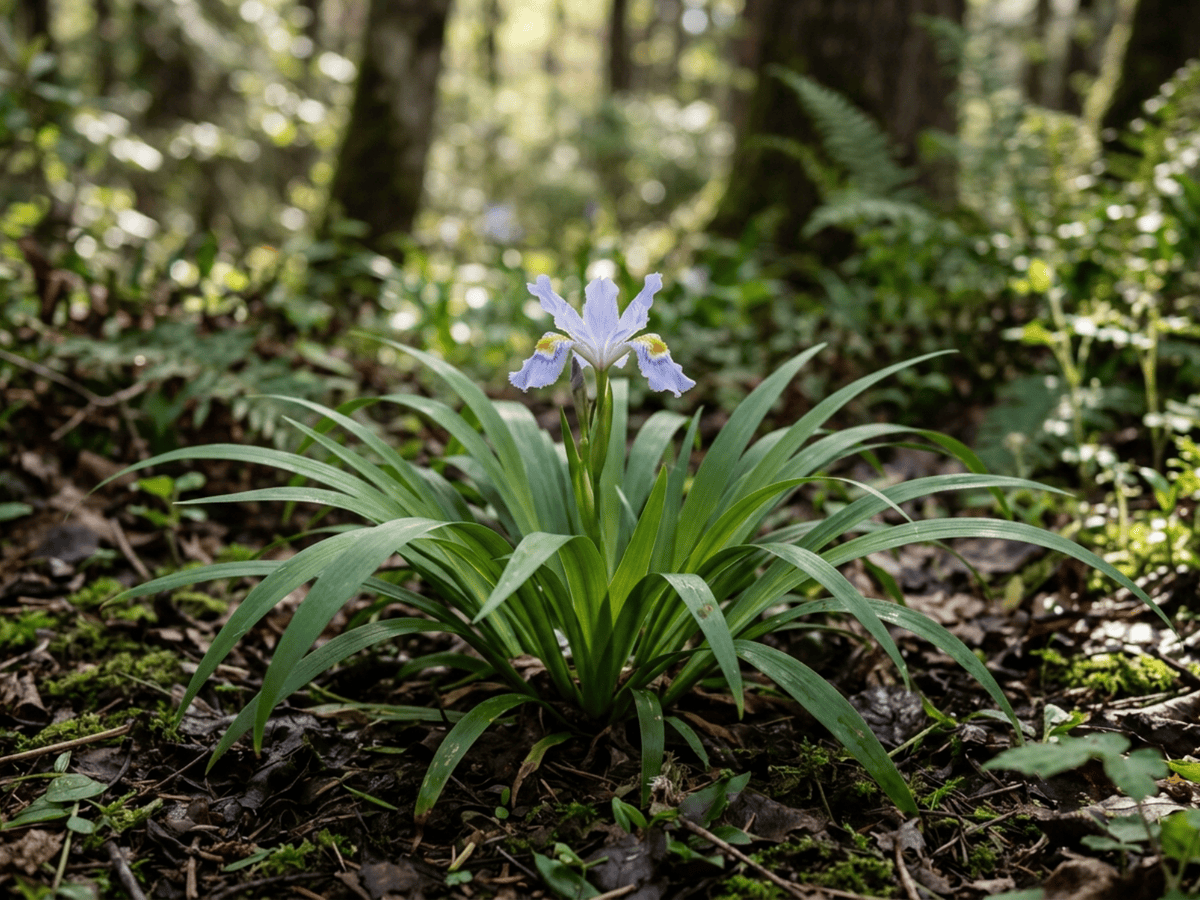

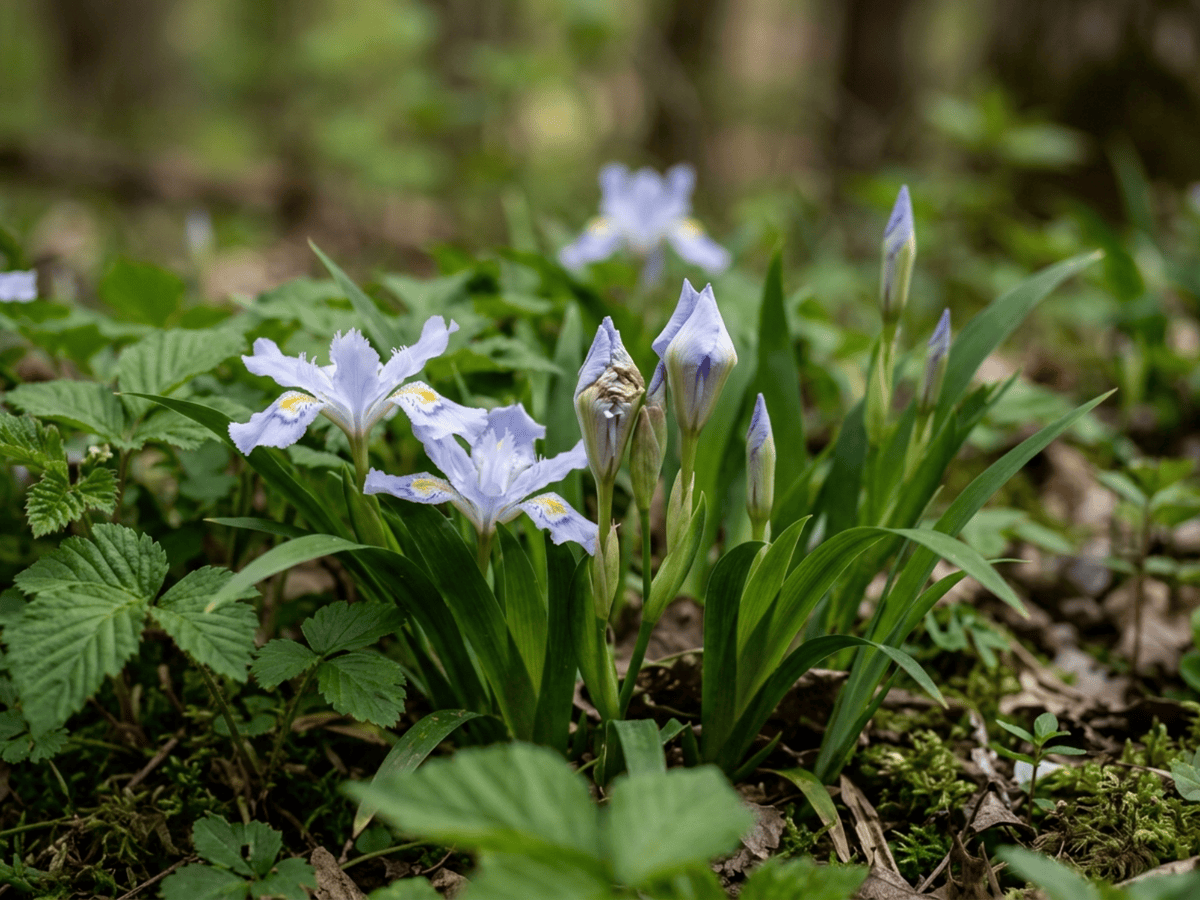

Dwarf Crested Iris
Iris cristata
Easy · Beginner friendlyAbout Dwarf Crested Iris
Dwarf Crested Iris is a charming native American perennial of the eastern United States, forming colonies of low blade-like foliage just 4-8 inches tall topped with delicate pale lilac-blue flowers marked with white and gold crests. Native from Maryland to Georgia and westward to Oklahoma, it spreads gently by rhizomes in rich woodland soils. A cherished native for American shade and rock gardens, blooming in mid to late spring.
- Shade-tolerant
- Deer-resistant
- Groundcover
- Compact
How to care for Dwarf Crested Iris
Watering
- Springevery 5 days
- Summerevery 4 days
- Fallevery 7 days
- Winterpause watering
Soil · Well-draining
- Top dressingPine bark mulch10%
- Main mixPotting soil + perlite 2:170%
- DrainageLECA / gravel20%
Never skip the drainage layer — standing water is the top cause of root rot.
FERTILIZER
Balanced Feed 14-14-14
An even feed covers all three needs at once, keeping leaves, roots and blooms moving together with nothing pushed out of balance.
- Nitrogen · Leaves
- Phosphorus · Roots + Blooms
- Potassium · Strength
- Springevery 30 days
- Summerevery 30 days
At a Glance
- NativeNorth America
- Height0.5–1 ft (0.2–0.3 m)
- Spread1–2 ft (0.3–0.6 m)
- Flower colorBlue, Purple, White
- Foliage colorGreen
- SoilLoamy, Well-drained, Acidic
- LocationsYard
Bloom time
BLOOM CYCLE
Peak bloom
Apr–May
Pale lilac-blue crested flowers April to May
Toxicity
Humans Slight · Pets Moderate
irisin and iridin
Slight
- Rhizome
- Ingestion
EXPOSURE Eating rhizome.
EFFECT GI upset.
NOTE Documented concern for humans: GI upset.
Moderate
- Rhizome
- Ingestion
EXPOSURE Eating rhizome.
EFFECT Vomiting, diarrhea, and drooling.
NOTE ASPCA lists all Iris as toxic to pets.
Moderate
- Rhizome
- Ingestion
EXPOSURE Eating rhizome.
EFFECT Vomiting, diarrhea, and drooling.
NOTE ASPCA lists all Iris as toxic to pets.
Educational information, not medical or veterinary advice. If exposure is suspected, contact a doctor or veterinarian.
DISTRIBUTION


- Native
- North America
History
Iris cristata grows natively in rich deciduous forests and rocky slopes from Maryland through the Appalachians to Georgia and west to Missouri. Scottish-English botanist William Aiton, director of Kew Gardens, formally described the species in 1789 in his Hortus Kewensis. Its diminutive 4-6 inch stature, powdery-blue flowers with distinctive yellow-and-white crested falls, and spreading rhizomatous habit make it ideal groundcover for shady native gardens.
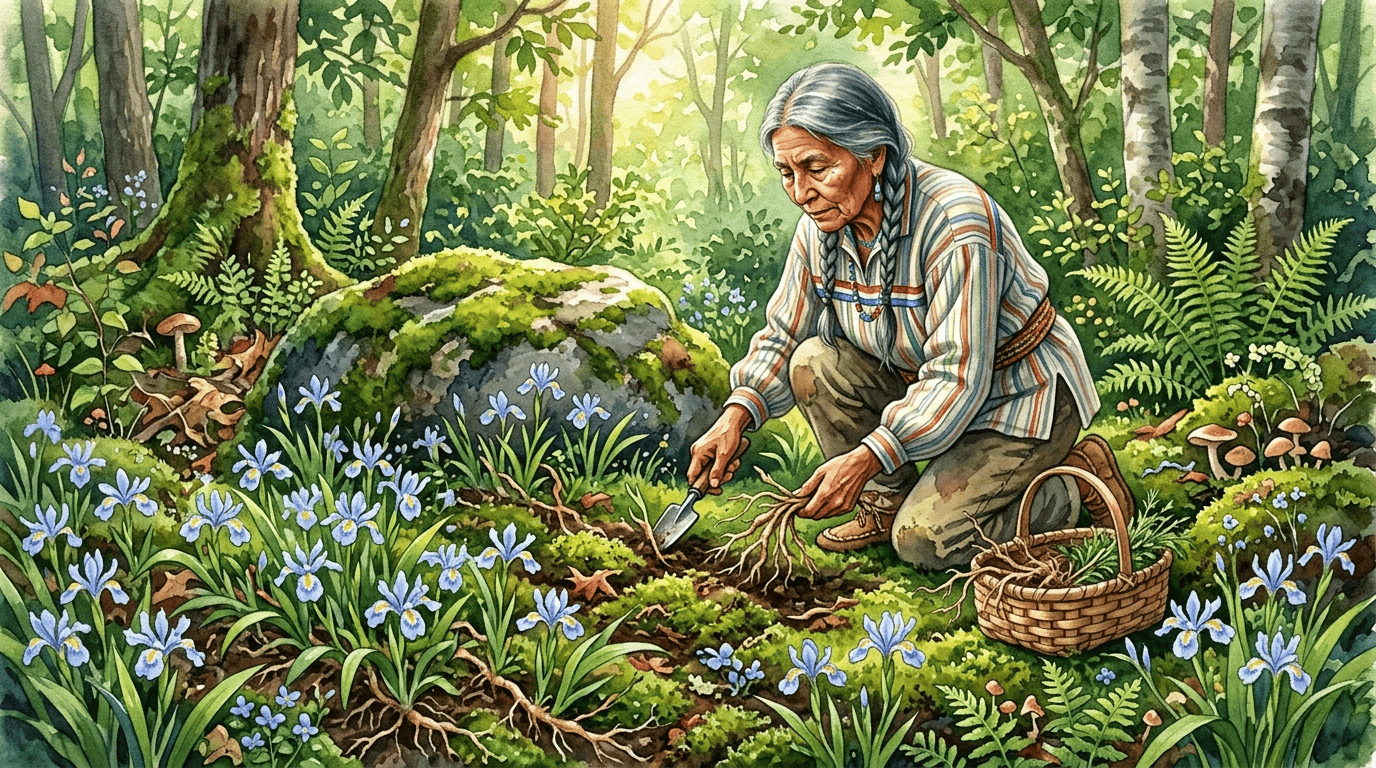
Indigenous peoples including the Cherokee used root preparations medicinally, with documented records from early ethnobotanists. The plant became a staple of 20th-century wildflower gardens championed by plantsmen including Edgar Wherry. It was designated the state wildflower of Tennessee in 1933.
Cultivars include 'Alba' (white), 'Powder Blue Giant', and 'Eco Orchid Giant' from Georgia plantsman Don Jacobs. Discovered in colonial America and introduced to European gardens in 1756. Traditional Cherokee medicine used the rhizomes as a remedy for hepatitis and liver complaints. A signature wildflower of Appalachian coves.
Symbolism & meaning
What It Symbolizes
Dwarf Crested Iris carries the traditional iris meaning of faith, its three upright standards classically read as wisdom, valor, and faith in old European symbolism. Beyond that inheritance it is a beloved eastern American native wildflower, carpeting woodland slopes with miniature blue blooms each spring. It is often read as a flower of grounded belief, a small woodland iris where ancient symbolism meets the quiet faithfulness of a returning native.
- Faith — iris-family symbolism shaped by small spring blooms
- Heritage — beloved eastern American native wildflower
Where the Name Comes From
'Cristata' means 'crested', referring to the showy yellow-and-white crest on the falls.
Uses & Fun Facts
- Native iris colonies carpet eastern woodland floors
- Lilac-blue crested flowers brighten spring shade beds
Related plants
More Iris plants
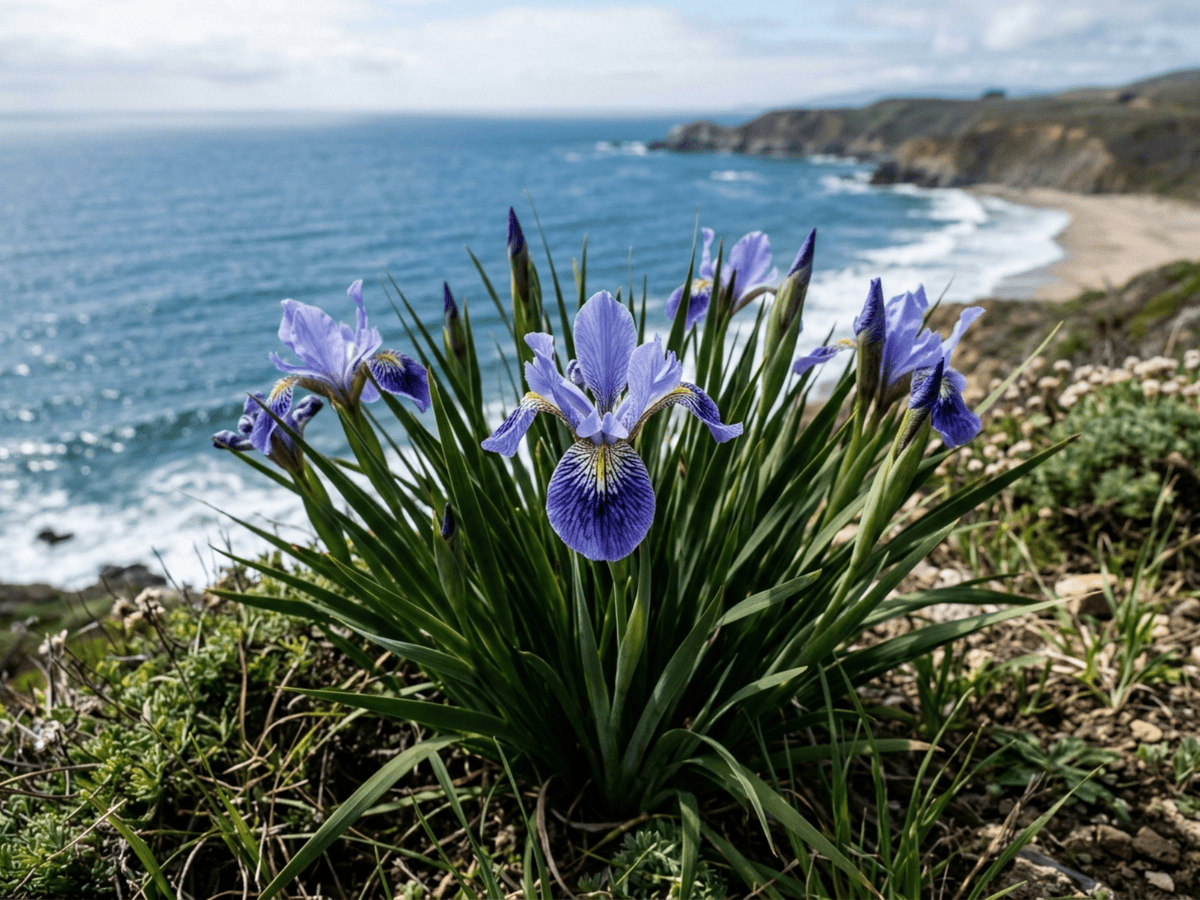 Douglas IrisIris douglasiana
 Japanese IrisIris ensata
 Bearded IrisIris germanica
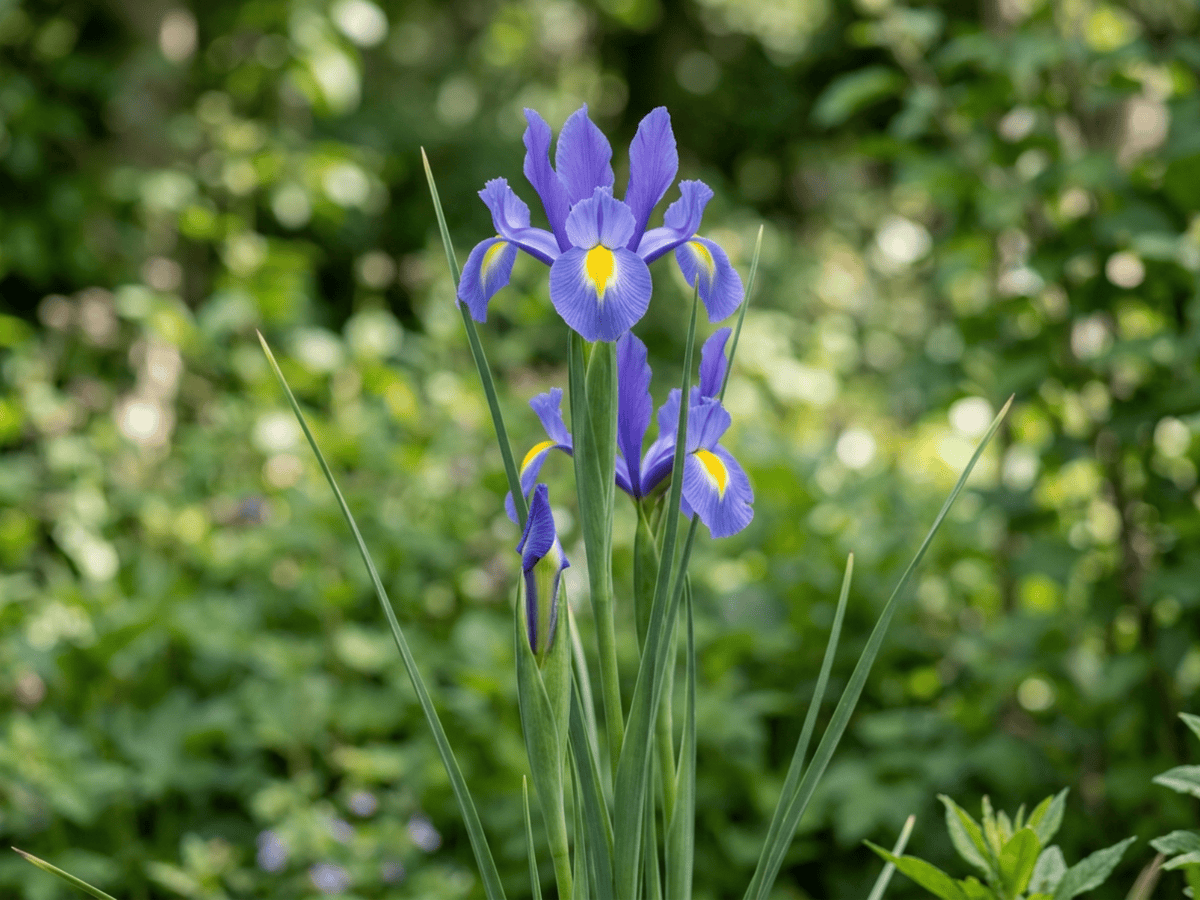 Dutch IrisIris hollandica
Plants with similar care
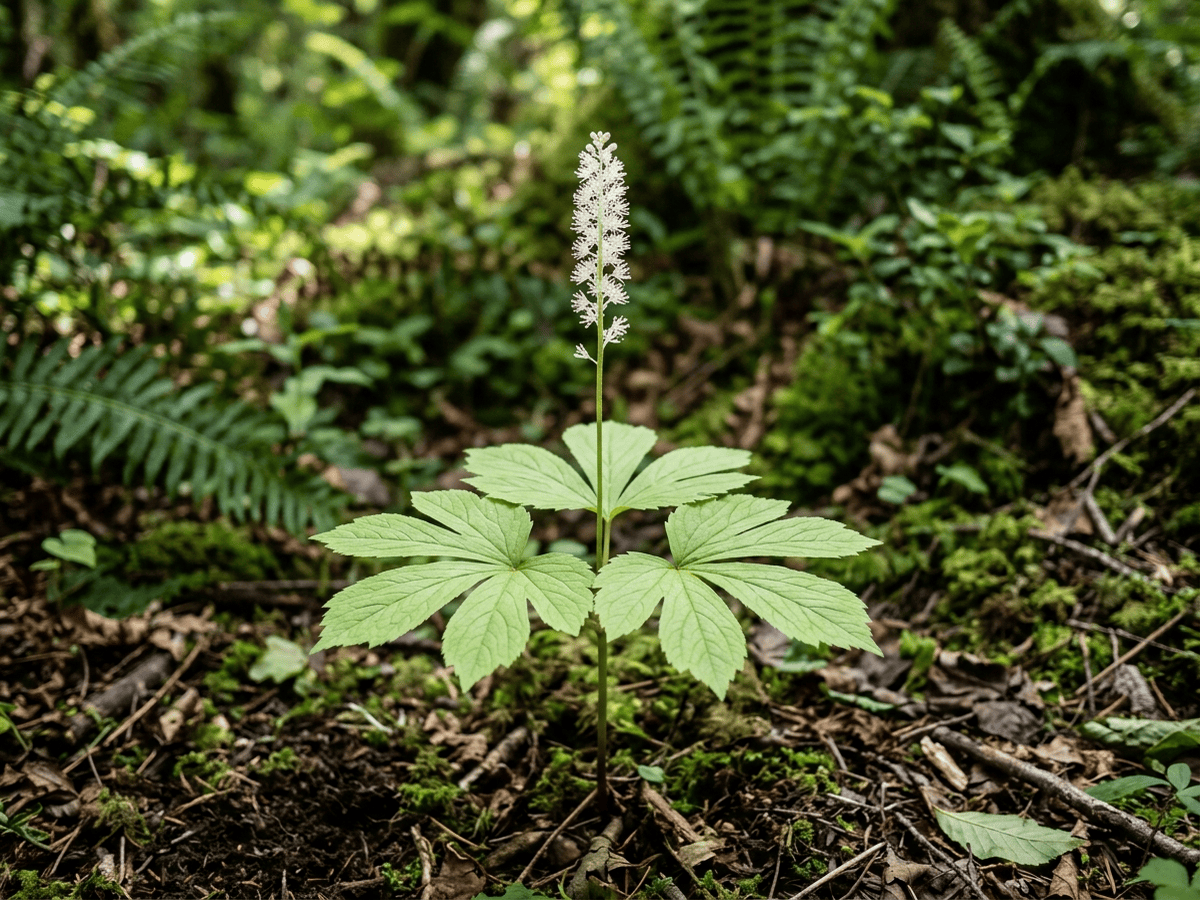 Vanilla LeafAchlys triphylla
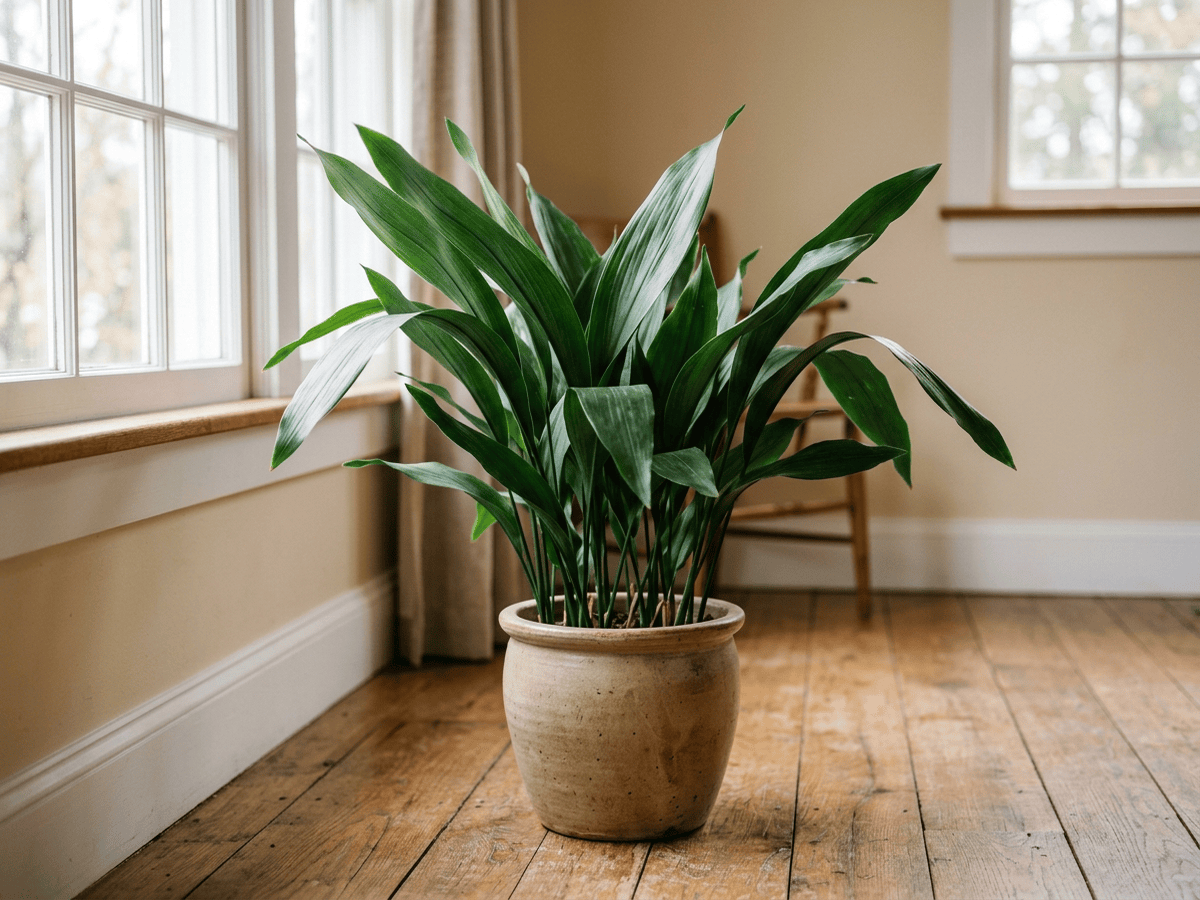 Cast-Iron PlantAspidistra elatior
 Chinese AucubaAucuba chinensis
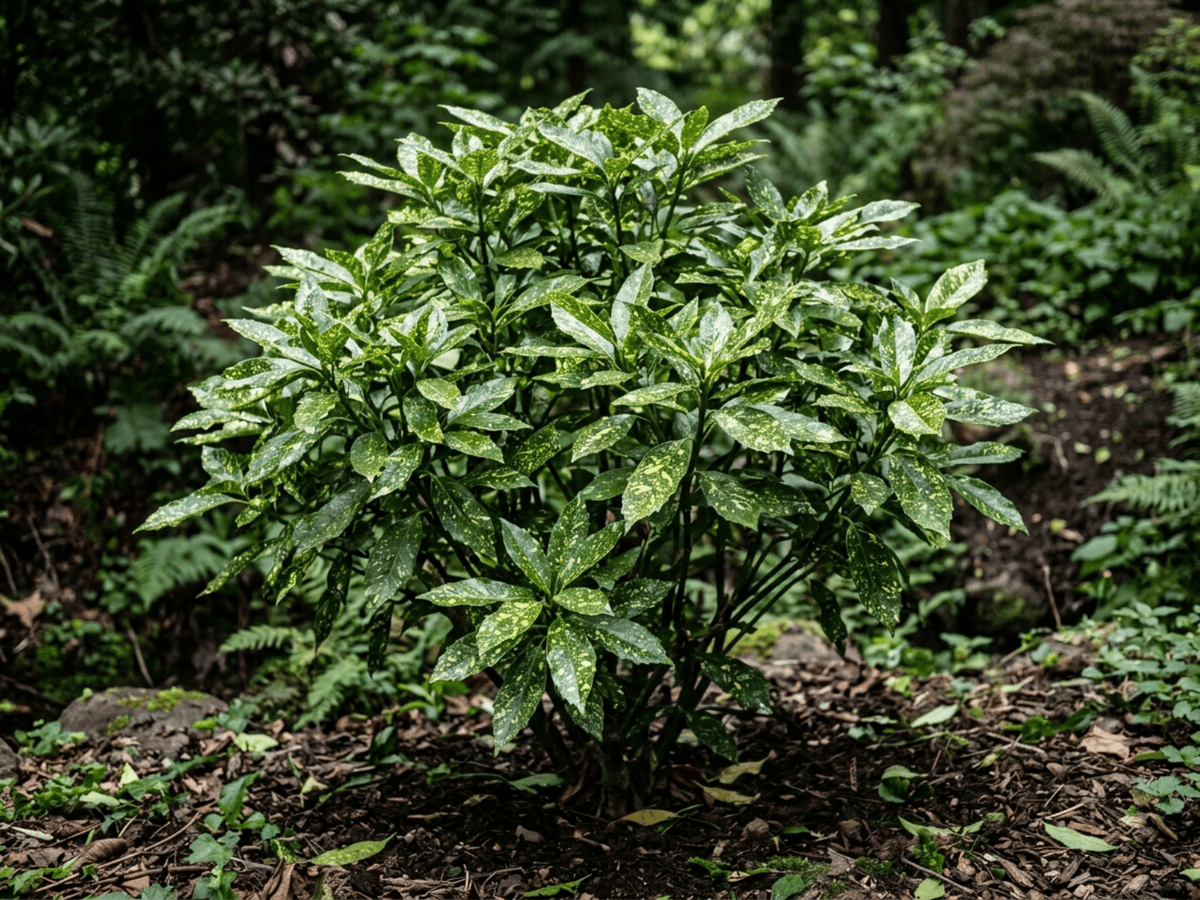 Japanese AucubaAucuba japonica
Frequently asked questions
How often should I water Dwarf Crested Iris?
Water about every 5 days during the growing season, and always let excess water drain away.
How much light does Dwarf Crested Iris need?
Full shade: <2 hrs direct. Watch the leaves — scorching or stretching means the light needs adjusting.
Is Dwarf Crested Iris toxic to cats or dogs?
Pets Moderate (Dogs Moderate · Cats Moderate) Educational information, not medical or veterinary advice. If exposure is suspected, contact a doctor or veterinarian.
Is Dwarf Crested Iris easy to grow?
Yes — it is considered an easy, beginner-friendly plant.
When does Dwarf Crested Iris bloom?
It typically blooms Apr–May in the Northern Hemisphere.
YardMate
Identify any plant in seconds
Snap a photo — YardMate names the plant, diagnoses problems, and reminds you when to water.
Download on the App Store