 YardMate


Japanese Iris
Iris ensata
Medium · Some experienceAbout Japanese Iris
Iris ensata, the Japanese iris, produces the largest and most elaborate flowers of any iris — flat, ruffled blooms up to 25 cm across in shades of purple, blue, white, pink, and bicolors, often with intricate veining. Native to East Asian wetlands, it thrives in moist to boggy conditions — the opposite of bearded irises. In Japan, it has been bred for over 500 years, with formal gardens featuring reflection pools designed specifically to mirror the blooms. It blooms in early to midsummer, later than bearded irises, extending the iris season.
- Cut-flower
- Shade-tolerant
How to care for Japanese Iris
Watering
- Springevery 3 days
- Summerevery 3 days
- Fallevery 5 days
- Winterevery 7 days
Soil · Well-draining
- Top dressingPine bark mulch10%
- Main mixPotting soil + perlite 2:170%
- DrainageLECA / gravel20%
Never skip the drainage layer — standing water is the top cause of root rot.
FERTILIZER
Acid-Loving Feed 4-3-4
One bag does both jobs. An acid feed carries the usual nitrogen, phosphorus and potassium, plus the sulfur and iron that keep the soil sour enough for the roots to take them up at all.
- Nitrogen · Leaves
- Phosphorus · Roots + Blooms
- Potassium · Strength
- Springevery 30 days
- Summerevery 30 days
At a Glance
- NativeEast Asia, Europe
- Height2–3 ft (0.6–0.9 m)
- Spread1.5–2 ft (0.5–0.6 m)
- Flower colorPurple, Blue, White, Pink
- Foliage colorGreen
- SoilMoisture-retentive, Loamy
- LocationsYard
Bloom time
BLOOM CYCLE
Peak bloom
May–Aug
Enormous flat flowers in early summer; needs moist acidic soil; no lime
Fragrance
LIGHT FRAGRANCE
The flowers have a light violet-like scent.
Toxicity
Humans Slight · Pets Moderate
irisin and iridin
Slight
- Root
- Ingestion
EXPOSURE Eating roots.
EFFECT GI upset if eaten.
NOTE Same Iris-genus toxicity.
Moderate
- Root
- Ingestion
EXPOSURE Eating roots.
EFFECT Vomiting, drooling, diarrhea, rhizome most dangerous, and per ASPCA Iris listing.
NOTE Same Iris-genus toxicity.
Moderate
- Root
- Ingestion
EXPOSURE Eating roots.
EFFECT Vomiting, drooling, diarrhea, rhizome most dangerous, and per ASPCA Iris listing.
NOTE Same Iris-genus toxicity.
Educational information, not medical or veterinary advice. If exposure is suspected, contact a doctor or veterinarian.
DISTRIBUTION

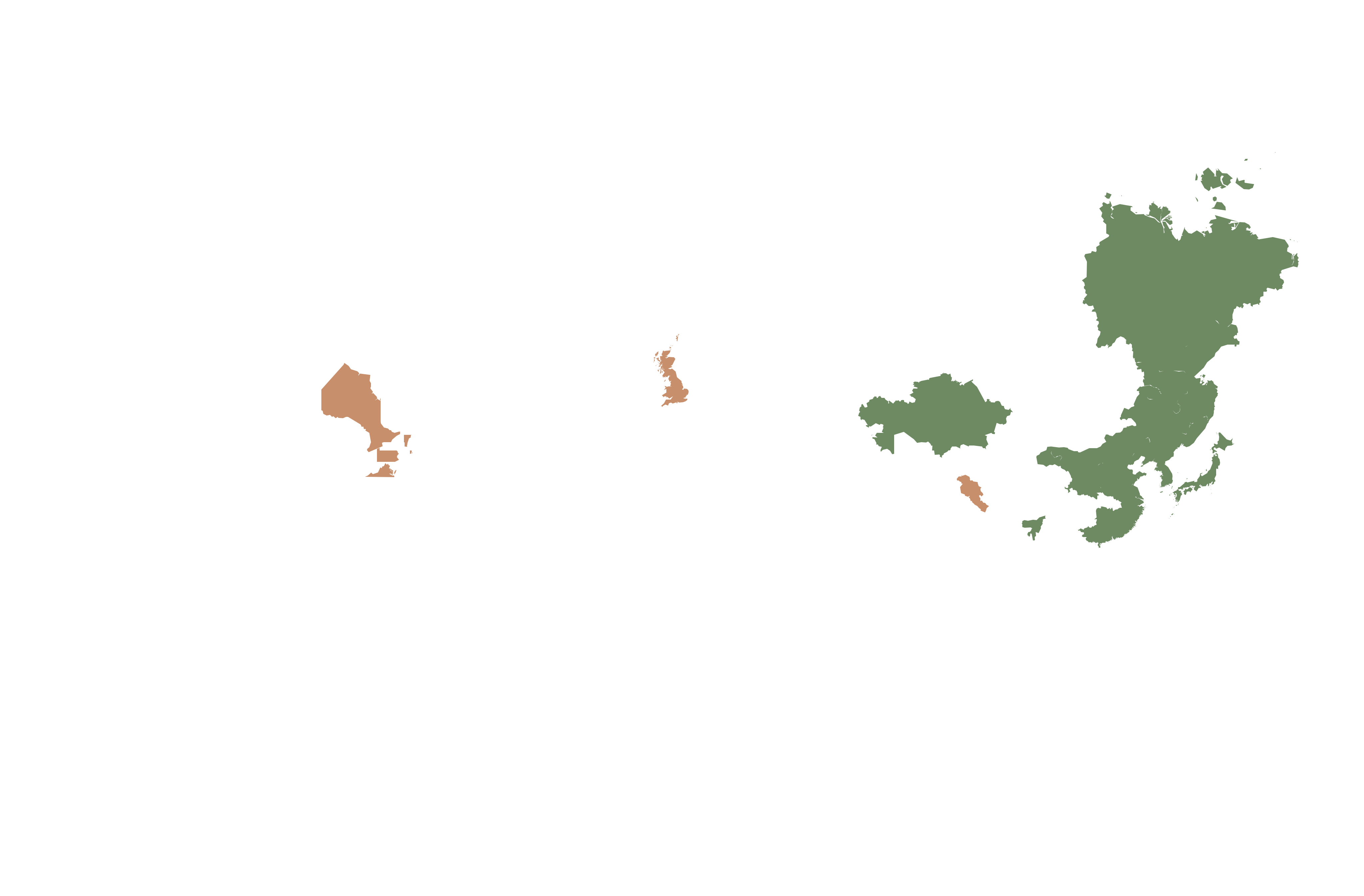
- Native
- Introduced
- East Asia
- Europe
History

Iris ensata is native to Japan, Korea, China, and the Russian Far East, where it grows in wet meadows and along stream margins. Cultivated in Japan under the name hanashobu since at least the 1500s, it has produced its own distinct breeding tradition centered around three historical strains: Edo (open-form), Higo (upright-form), and Ise (drooping-form), each bred by separate schools of traditional gardeners. Public iris gardens became prominent in 19th-century Japan and remain cultural institutions: Meiji Shrine's iris garden in central Tokyo, established by Emperor Meiji for Empress Shoken in 1893, still displays 150 traditional cultivars.
Unlike the bearded iris, Japanese iris needs consistently moist soil and thrives at pond edges and in rain gardens. Moderately toxic to pets. Japanese iris cultivation is a centuries-old art form called 'hanashobu.'
The most prestigious iris garden in Japan is the Meiji Shrine Iris Garden in Tokyo, originally designed for Empress Shoken in 1893 by Emperor Meiji. It contains 1,500 varieties and attracts over a million visitors during the June blooming season. Traditional breeding principles follow the concept of 'wabi-sabi' — appreciating imperfect beauty in the veining and coloring. The Edo (Tokyo) tradition favored three-fall flowers for garden viewing, while the Higo (Kumamoto) tradition bred massive six-fall flowers for indoor display in shallow bowls.
Symbolism & meaning
What It Symbolizes
The Japanese Iris rises from water with a meaning of purity, an emblem of spiritual cleanliness in Japanese gardens where it has been cultivated for centuries. Its enormous flat blooms hover above pond margins like ceremonial banners, painted in deep purples and clear whites. To stand at the edge of an iris pond in June is to encounter a flower that has carried noble character through generations of careful selection.
- Purity — Rising from water, the Japanese iris represents spiritual cleanliness and noble character
Where the Name Comes From
Iris from the Greek rainbow goddess. Ensata means 'sword-shaped,' for the long, narrow leaves.
Uses & Fun Facts
- Flat broad blooms prized in Japanese-style flower arrangements
- Showy late-spring iris for pond margins and rain gardens
- Celebrated in Japanese gardens and Boys' Day festivals
Related plants
More Iris plants
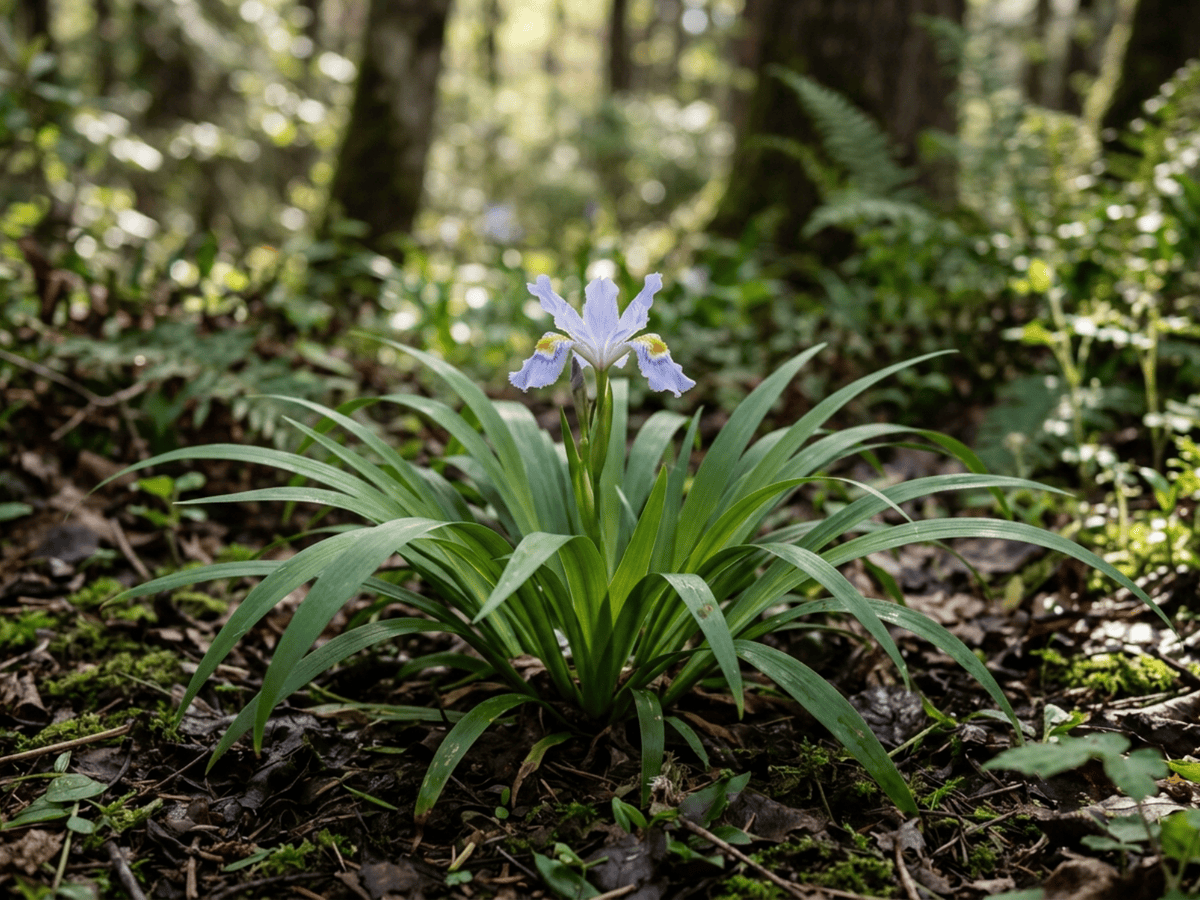 Dwarf Crested IrisIris cristata
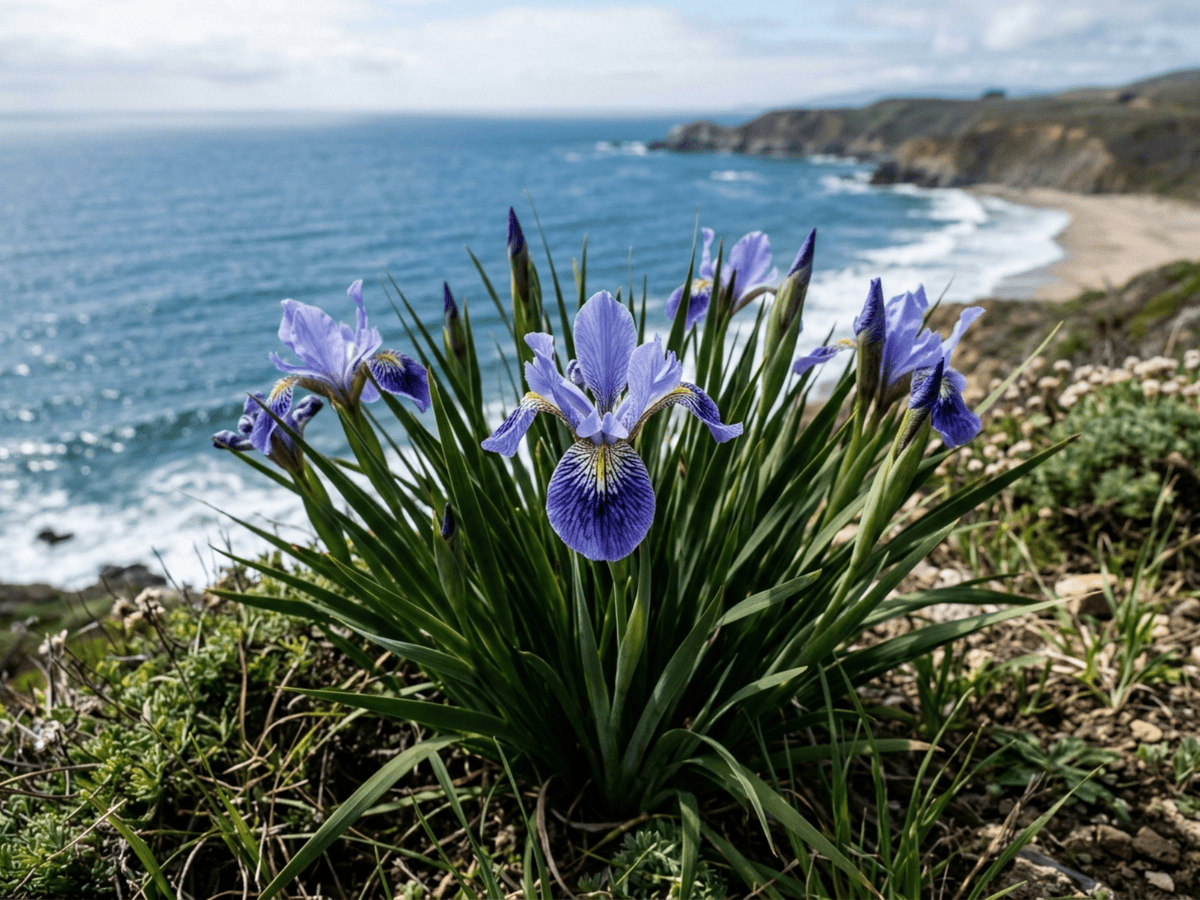 Douglas IrisIris douglasiana
 Bearded IrisIris germanica
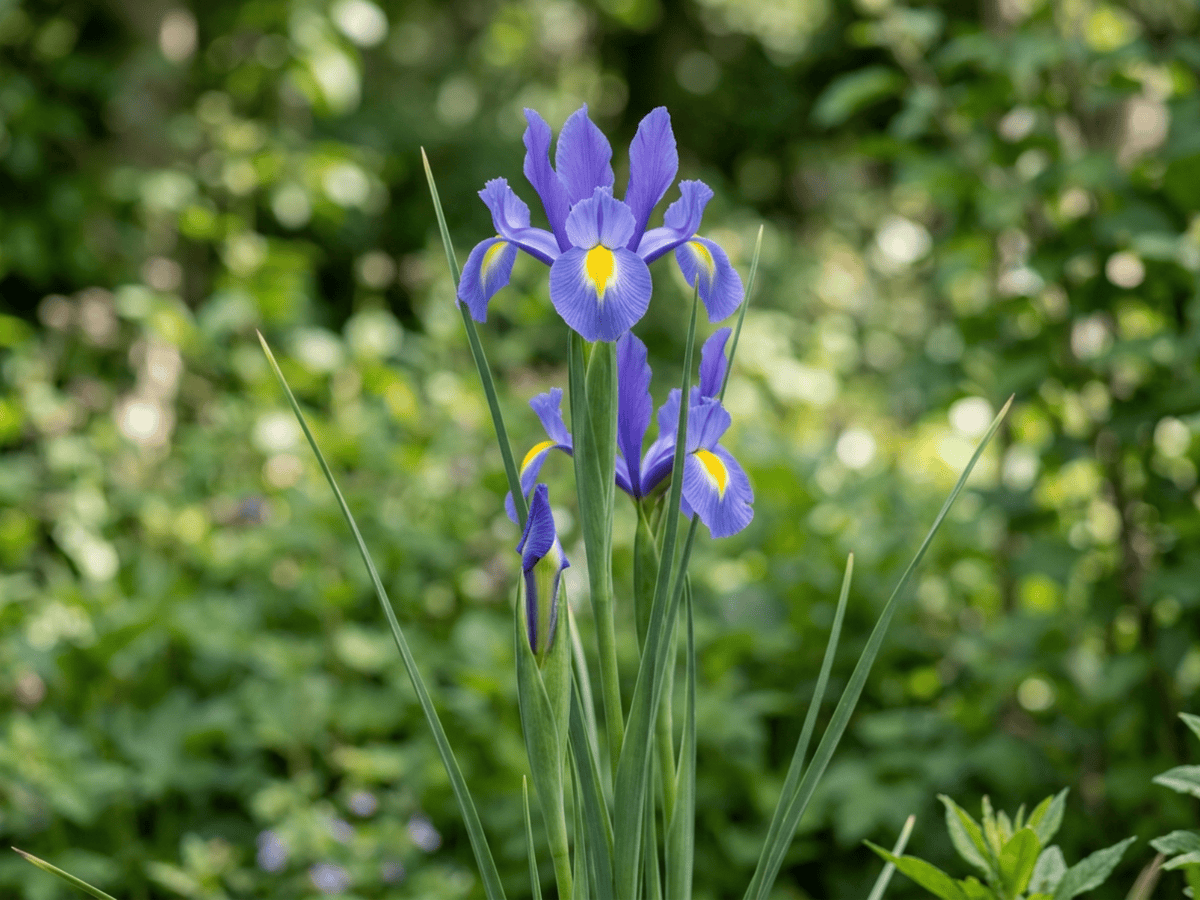 Dutch IrisIris hollandica
Plants with similar care
 Mexican AbeliaAbelia floribunda
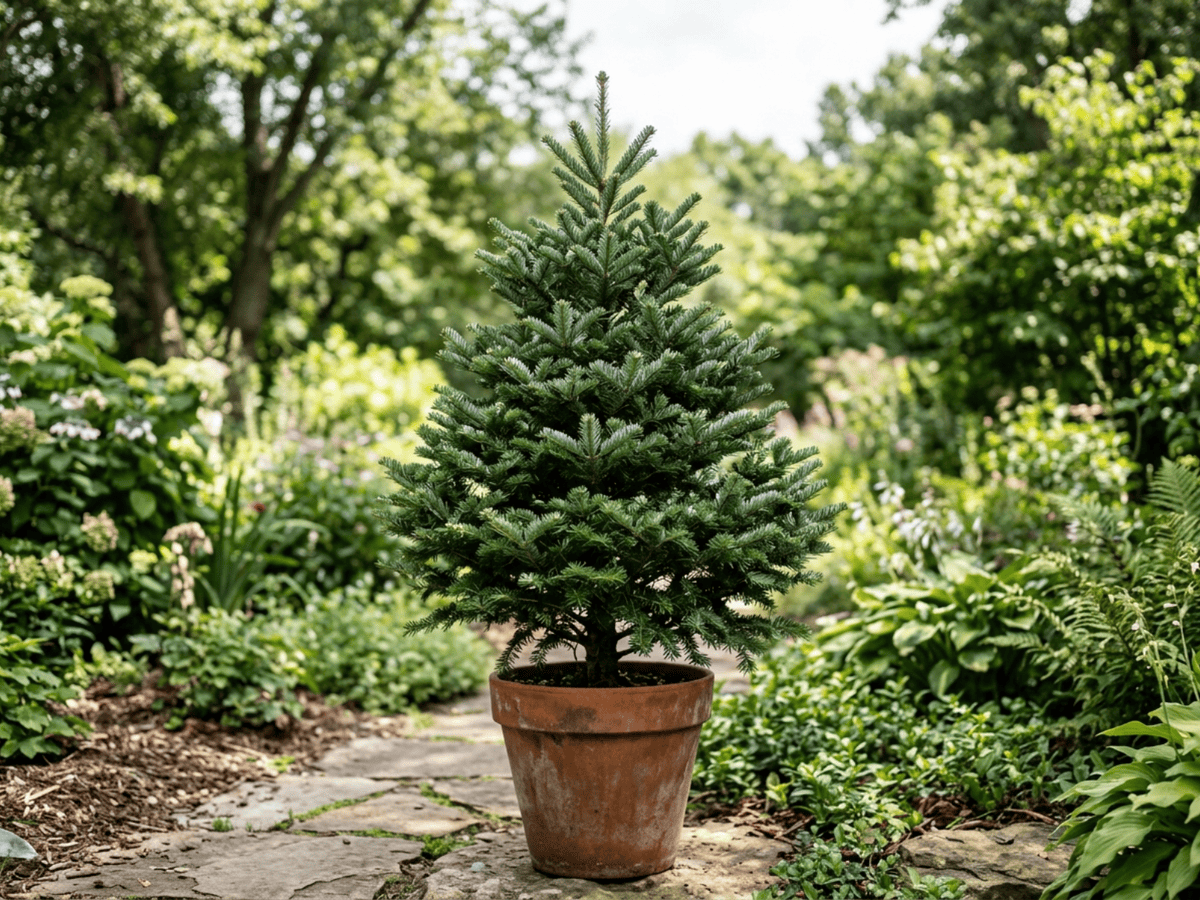 Fraser FirAbies fraseri
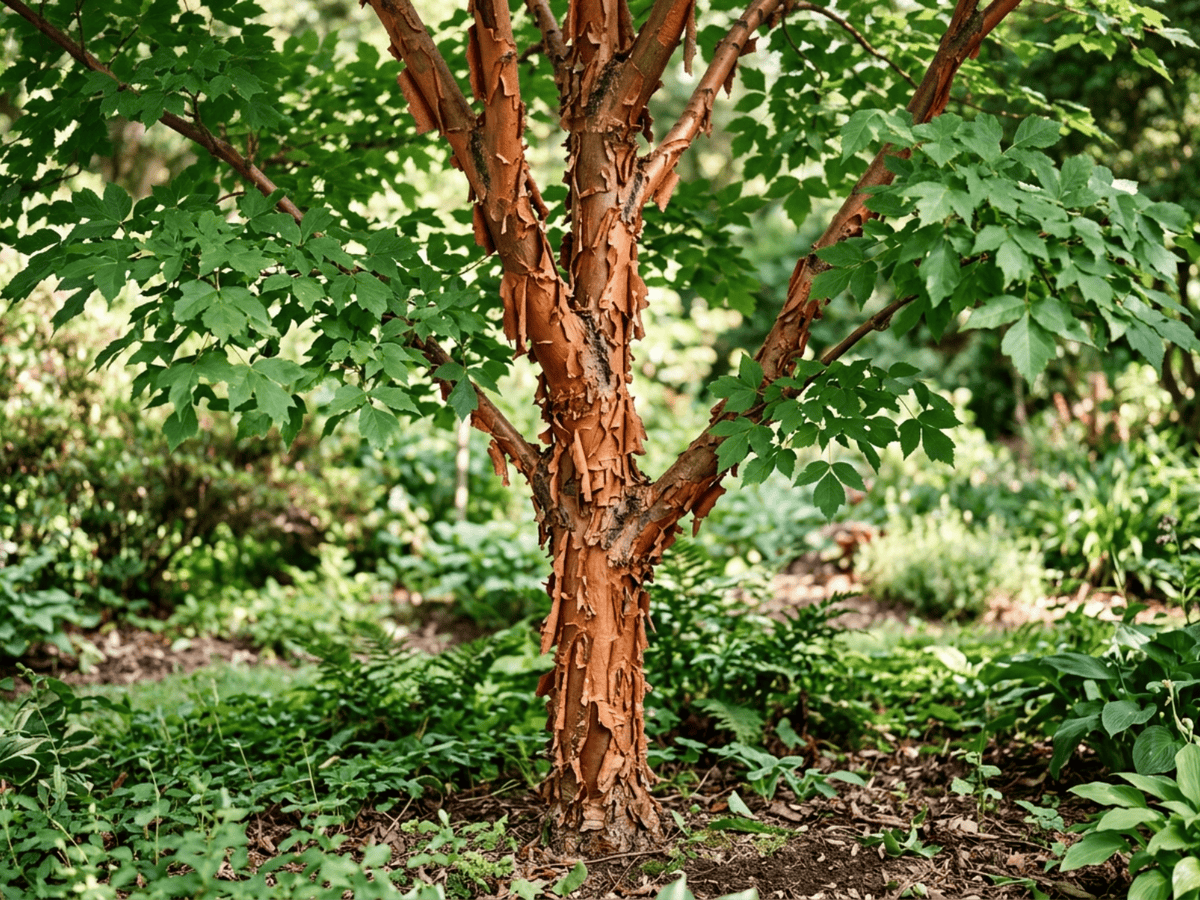 Paperbark MapleAcer griseum
 Sugar MapleAcer saccharum
Frequently asked questions
How often should I water Japanese Iris?
In summer, water about every 3 days; in winter, about every 7 days. Adjust for heat, pot size and drainage.
How much light does Japanese Iris need?
Full sun: 6+ hrs direct. Watch the leaves — scorching or stretching means the light needs adjusting.
Is Japanese Iris toxic to cats or dogs?
Pets Moderate (Dogs Moderate · Cats Moderate) Educational information, not medical or veterinary advice. If exposure is suspected, contact a doctor or veterinarian.
Is Japanese Iris easy to grow?
It is moderately demanding: a good choice once you have a little experience.
When does Japanese Iris bloom?
It typically blooms May–Aug in the Northern Hemisphere.
YardMate
Identify any plant in seconds
Snap a photo — YardMate names the plant, diagnoses problems, and reminds you when to water.
Download on the App Store