 YardMate
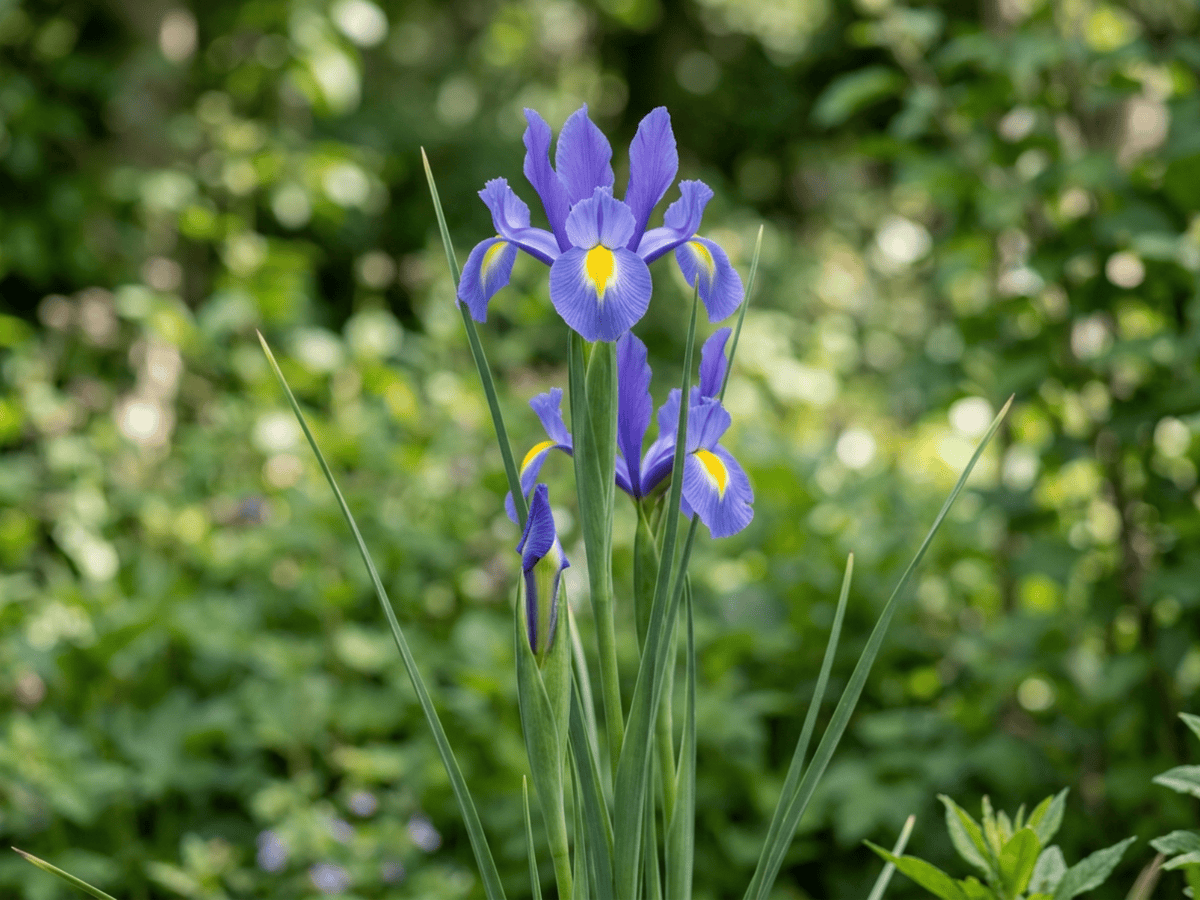


Dutch Iris
Iris hollandica
Easy · Beginner friendlyAbout Dutch Iris
Dutch Iris is a popular bulbous iris developed in the early 20th century from Mediterranean species, bearing elegant three-petaled flowers in classic iris shape across shades of blue, purple, yellow, white, bronze, and bicolor. Growing 18-24 inches tall, they bloom in late spring. A staple of American cut-flower gardens and borders, hardy in USDA zones 5-9 and widely used in commercial florist trade.
- Cut-flower
- Pollinator-friendly
How to care for Dutch Iris
Watering
- Springevery 5 days
- Summerpause watering
- Fallevery 10 days
- Winterpause watering
Soil · Well-draining
- Main mixLoam + coarse sand 3:175%
- DrainageGravel25%
Sharp drainage matters most — bulbs rot in wet soil while dormant.
FERTILIZER
Balanced Feed 14-14-14
An even feed covers all three needs at once, keeping leaves, roots and blooms moving together with nothing pushed out of balance.
- Nitrogen · Leaves
- Phosphorus · Roots + Blooms
- Potassium · Strength
- Springevery 30 days
- Fallevery 60 days
At a Glance
- Height1.5–2 ft (0.5–0.6 m)
- Spread0.3–0.5 ft (0.1–0.2 m)
- Flower colorBlue, Purple, Yellow, White
- Foliage colorGreen
- SoilWell-drained, Loamy, Neutral
- LocationsYard
Bloom time
BLOOM CYCLE
Peak bloom
May–Jun
Multi-color iris flowers May to June
Fragrance
LIGHT FRAGRANCE
The flowers have a mild scent.
Toxicity
Humans Slight · Pets Moderate
irisin and iridin
Slight
- Bulb
- Rhizome
- Ingestion
EXPOSURE Eating bulbs and rhizome.
EFFECT GI upset.
NOTE Documented concern for humans: GI upset.
Moderate
- Bulb
- Rhizome
- Ingestion
EXPOSURE Eating bulbs and rhizome.
EFFECT Vomiting, diarrhea, and drooling.
NOTE ASPCA lists Iris as toxic to pets.
Moderate
- Bulb
- Rhizome
- Ingestion
EXPOSURE Eating bulbs and rhizome.
EFFECT Vomiting, diarrhea, and drooling.
NOTE ASPCA lists Iris as toxic to pets.
Educational information, not medical or veterinary advice. If exposure is suspected, contact a doctor or veterinarian.
History
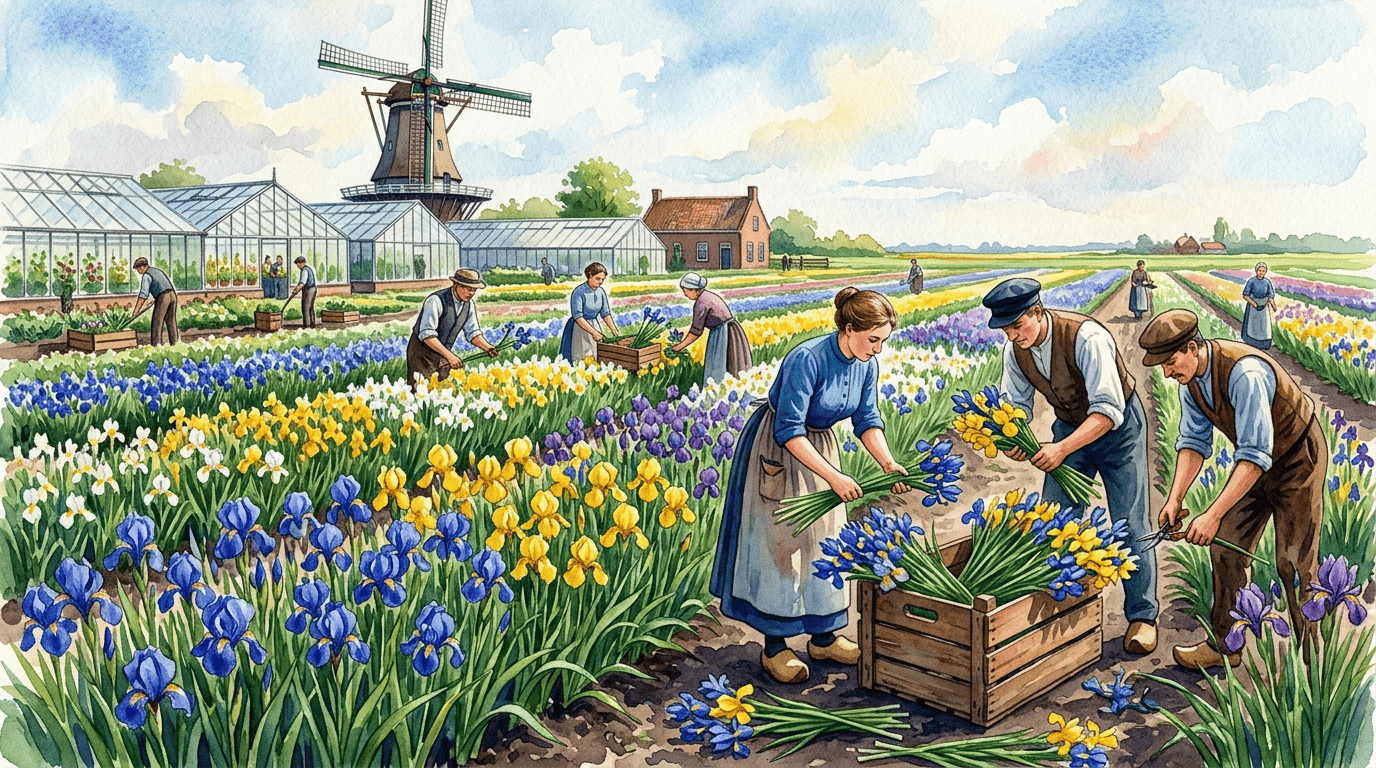
Iris x hollandica originated in the late 19th century at the Van Tubergen nursery in Haarlem, Netherlands, through hybridization of Iris xiphium (Spanish iris) with I. tingitana and later I. filifolia from Morocco. Willem Paul van Tubergen and his successors systematically crossed these bulbous iris species to produce the large-flowered, long-stemmed hybrids known commercially as Dutch iris. By the early 20th century Dutch iris became a major commercial cut-flower crop, with controlled temperature forcing allowing year-round production.
Classic cultivars include 'Wedgewood' (1925), 'Professor Blaauw' (1950s, deep blue), 'Casablanca' (white), and 'Golden Harvest' (yellow). They remain a staple of wedding floristry and funeral arrangements globally, with the Netherlands producing hundreds of millions of stems annually.
A hybrid group developed by Dutch bulb breeders including van Tubergen in the early 1900s, combining the beauty of English and Spanish irises with greater garden hardiness. Remain one of the top cut-flower irises grown commercially for the American floral market.
Symbolism & meaning
What It Symbolizes
The Dutch Iris carries Eloquence — the iris's old meaning, a flower of graceful speech and well-chosen words, sent in Victorian bouquets in place of long letters. It also suggests Faith, a classic iris symbolism reaching back to its namesake, the rainbow-messenger goddess. Each tall stem is a small, articulate emissary of color.
- Eloquence — traditional iris meaning of graceful speech
- Faith — classic iris symbolism
Where the Name Comes From
'Hollandica' refers to Holland, where the hybrids were developed.
Uses & Fun Facts
- Sleek bulbous iris is mainstay of florist trade
- Vivid spring blooms in blue, yellow, and white
- Forces well in pots for early indoor color
Related plants
More Iris plants
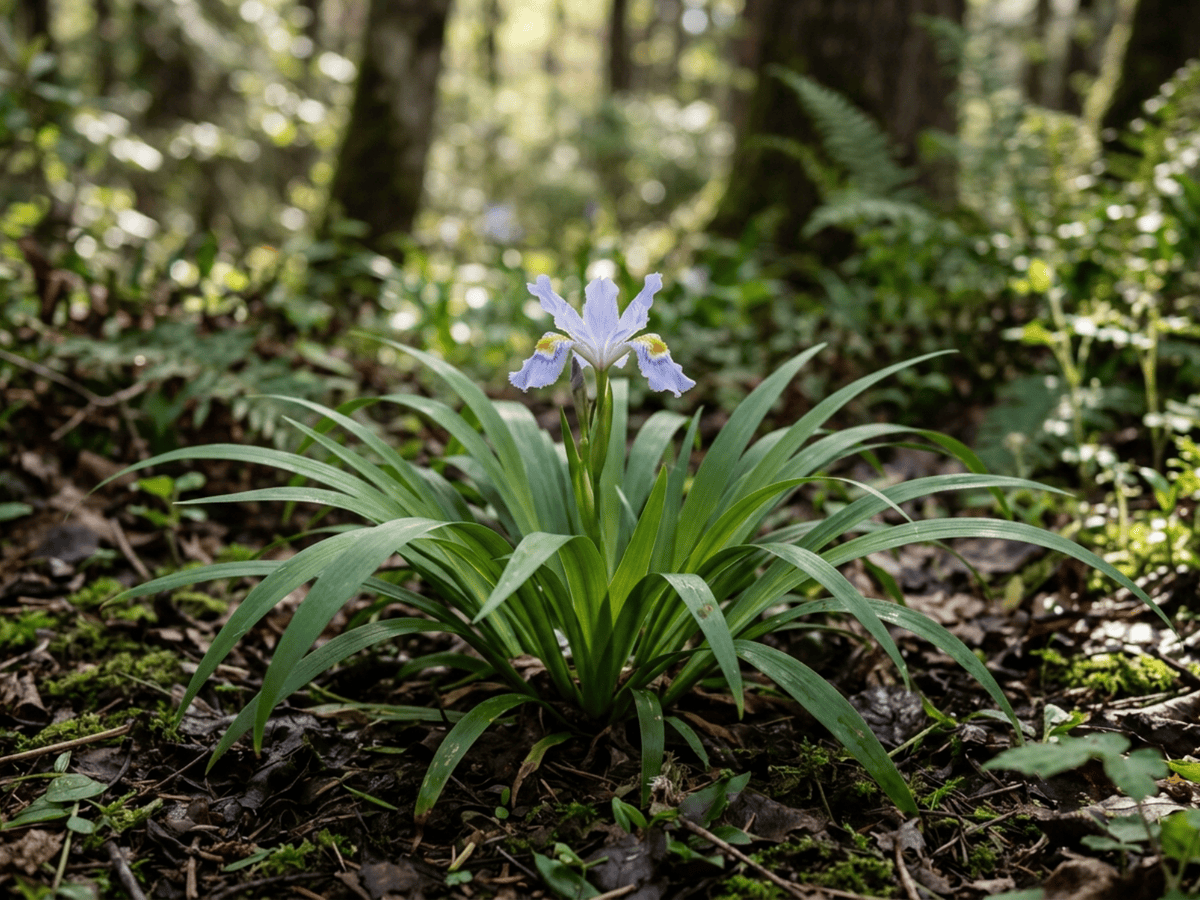 Dwarf Crested IrisIris cristata
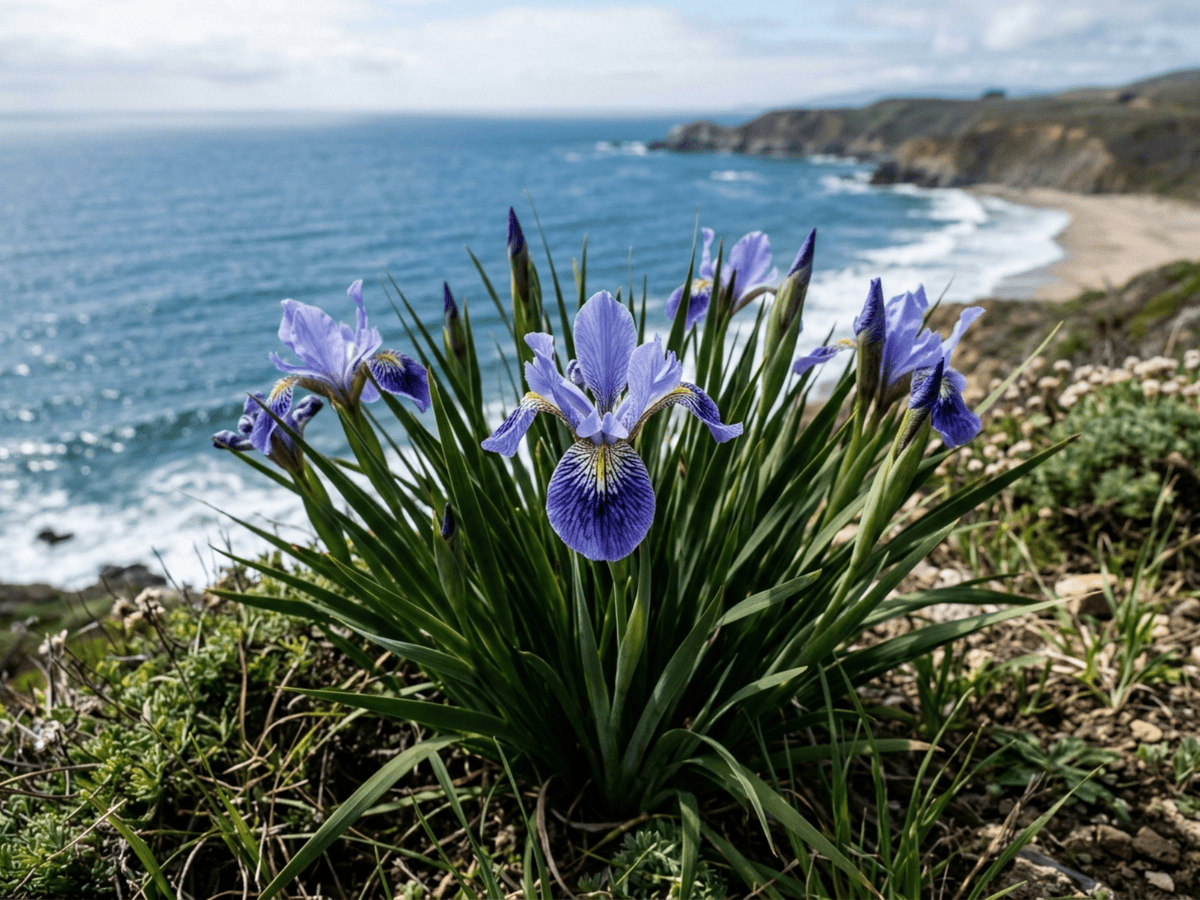 Douglas IrisIris douglasiana
 Japanese IrisIris ensata
 Bearded IrisIris germanica
Plants with similar care
 Chinese AbeliaAbelia chinensis
 Fragrant AbeliaAbelia mosanensis
 Large-Flowered AbeliaAbelia uniflora
 Glossy AbeliaAbelia x grandiflora
Frequently asked questions
How often should I water Dutch Iris?
Water about every 5 days during the growing season, and always let excess water drain away.
How much light does Dutch Iris need?
Full sun: 6+ hrs direct. Watch the leaves — scorching or stretching means the light needs adjusting.
Is Dutch Iris toxic to cats or dogs?
Pets Moderate (Dogs Moderate · Cats Moderate) Educational information, not medical or veterinary advice. If exposure is suspected, contact a doctor or veterinarian.
Is Dutch Iris easy to grow?
Yes — it is considered an easy, beginner-friendly plant.
When does Dutch Iris bloom?
It typically blooms May–Jun in the Northern Hemisphere.
YardMate
Identify any plant in seconds
Snap a photo — YardMate names the plant, diagnoses problems, and reminds you when to water.
Download on the App Store